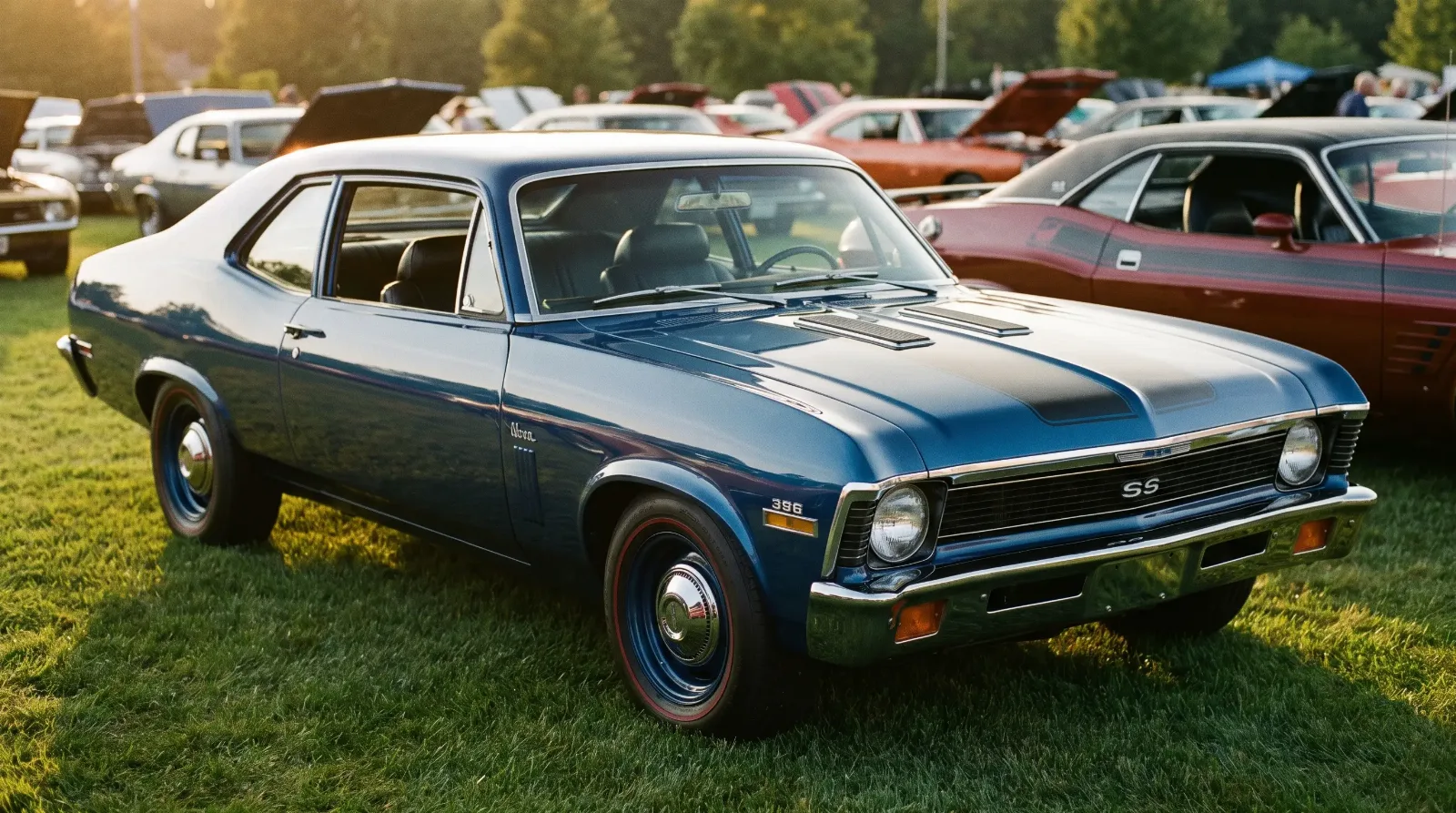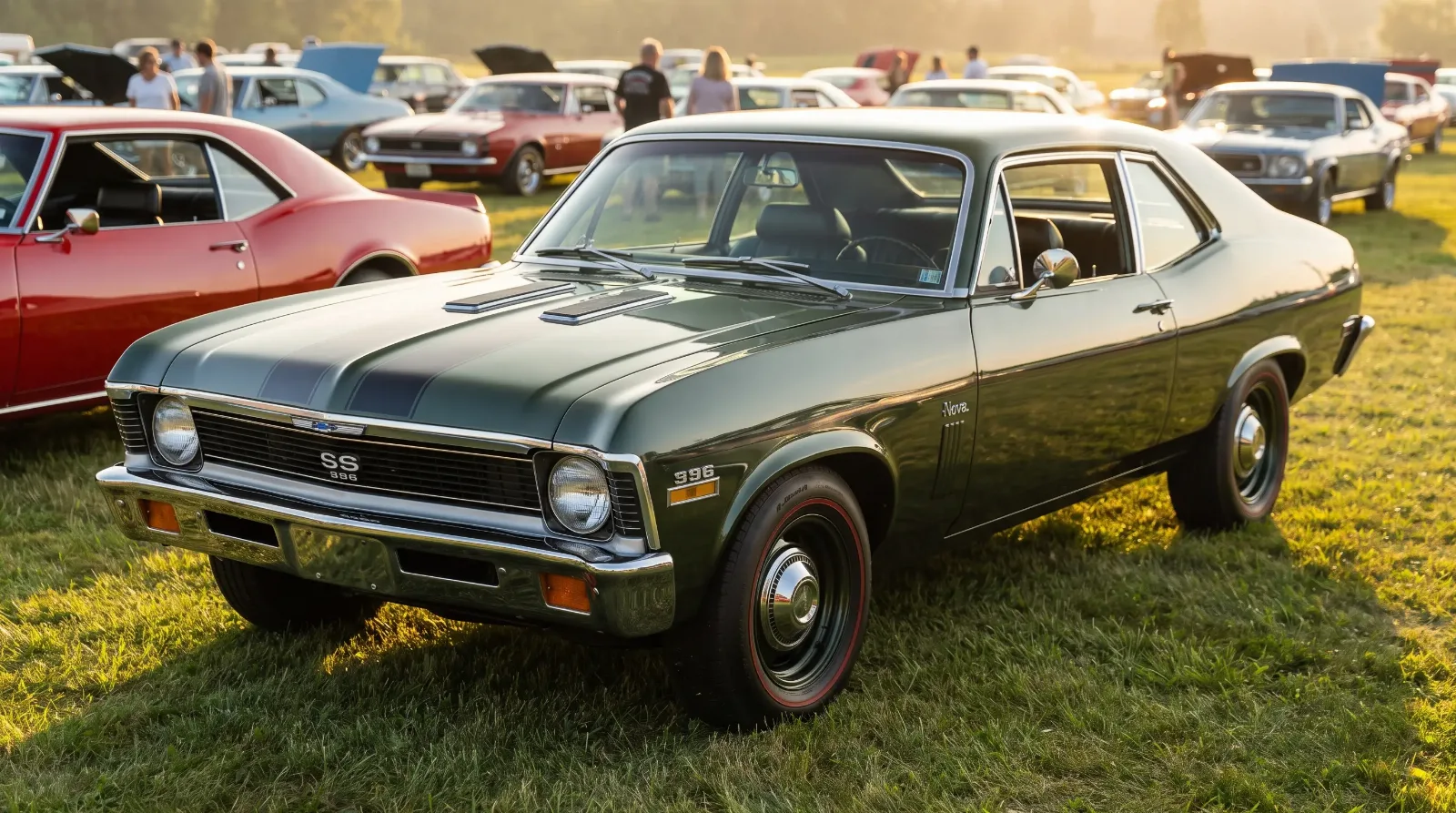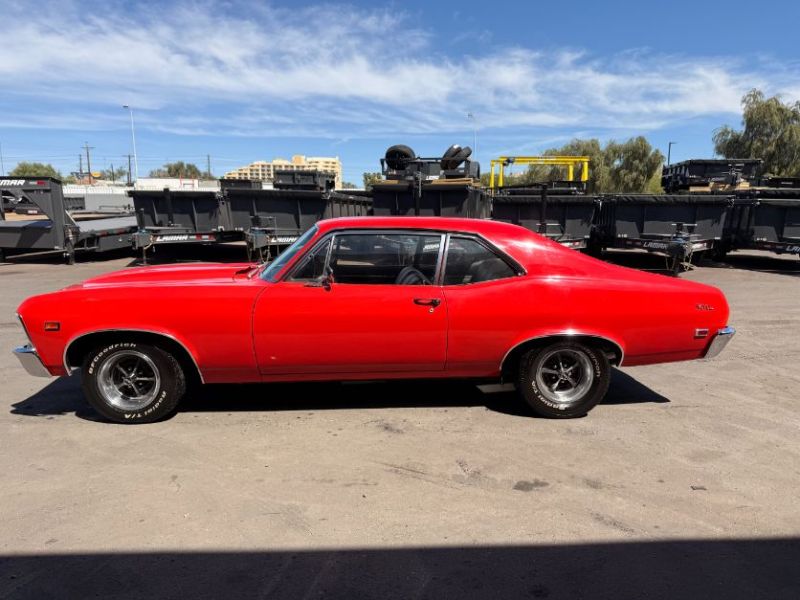
I get asked how rare is nova ss more than almost any other question in my shop, usually right after someone's found a car online with "SS" stamped across the tailgate and a price that seems too good. Here's the honest answer: it depends entirely on which year, which engine, and whether the car in front of you is actually what the seller says it is. The SS badge on a Nova covers a wider range of rarity than most buyers assume.
Why "SS" doesn't mean one thing
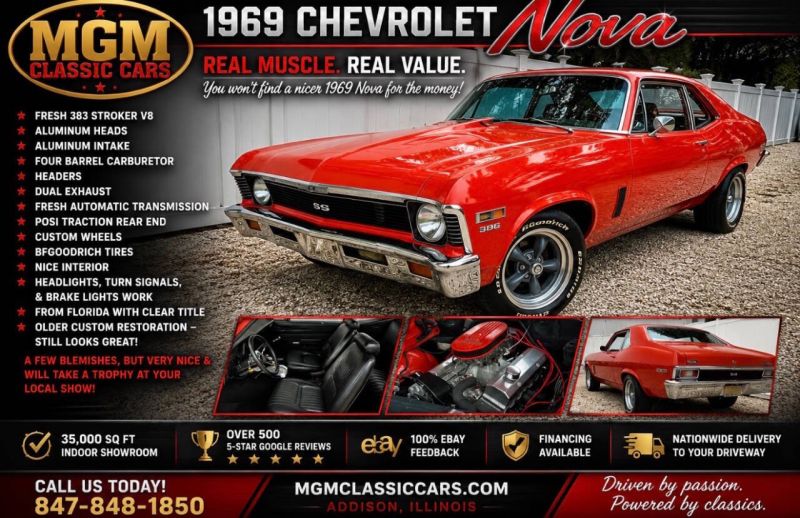
Chevrolet used the SS designation on the Nova from 1968 through 1972, and across those years it applied to cars with anything from a mild 350 small-block up to the 375-horsepower L78 396. The trim package itself, meaning the stripes, the badges, the F41 suspension, and the SS-specific gauges, was ordered on a decent number of Novas. The big-block engines underneath that trim were ordered on far fewer. That gap is where the real rarity question lives, and it's also where I see the most misrepresentation.
A Nova with SS trim and a small-block under the hood isn't rare. It's a nice car, but production numbers on the small-block SS were healthy enough that you shouldn't pay a premium for scarcity you're not getting. A documented L78 396 car is a different animal entirely. Those numbers were low to begin with, and fifty-plus years of drag racing, rust, and casual engine swaps have thinned the surviving population further than most people realize.
What actually makes a Nova SS rare
Three things stack on top of each other to determine real rarity. First, the engine option, since the 396 cars were always a small fraction of total SS production. Second, the transmission and rear gear combination, because a four-speed L78 car with the right rear end is rarer than an automatic version of the same engine. Third, originality, meaning the car still has its factory-installed drivetrain rather than a period or modern replacement. Stack all three and you're looking at a genuinely small population of surviving cars, not the thousands that get casually described as "rare Nova SS" in classified ads.
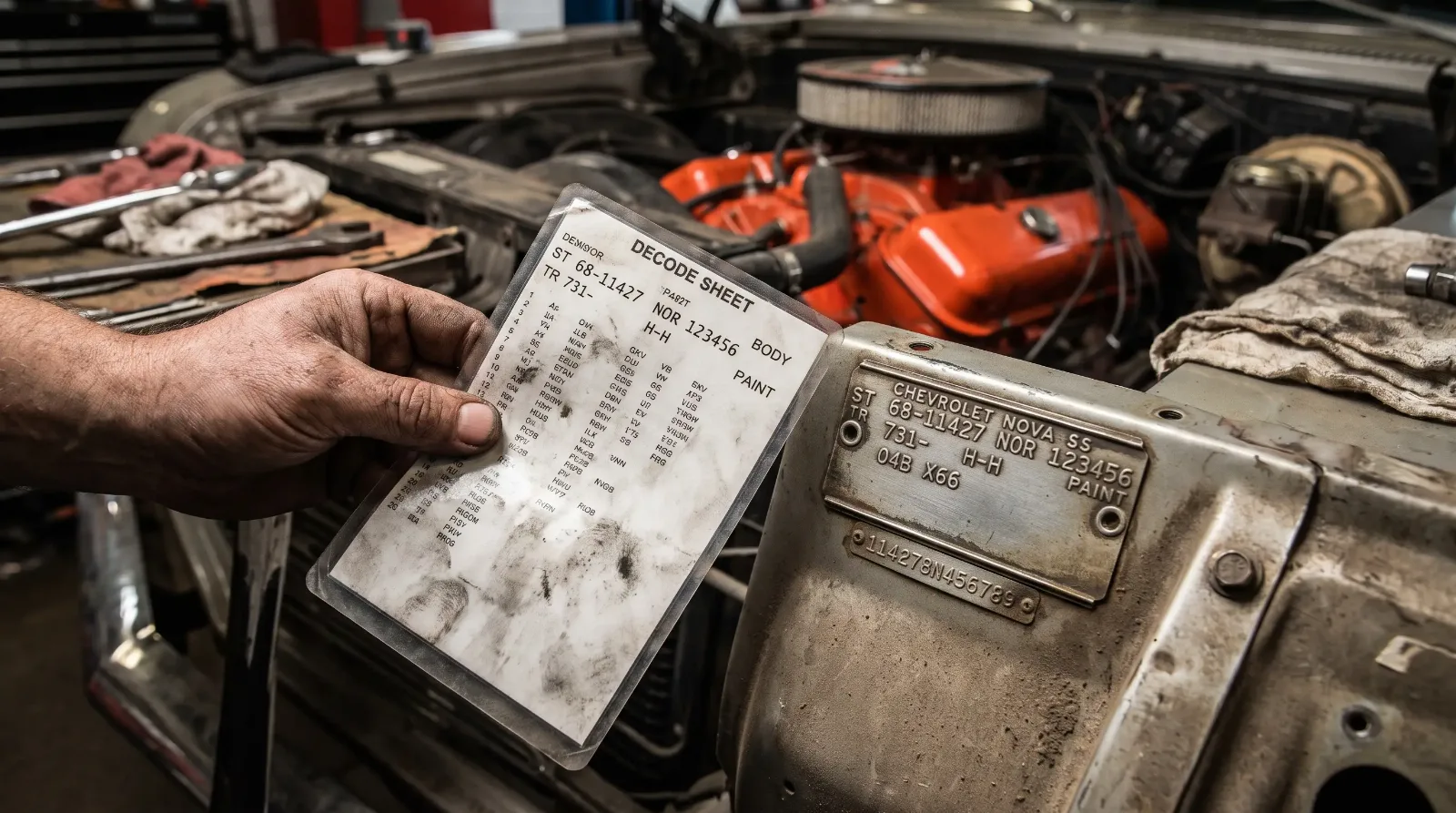
I'd add a fourth factor that doesn't get talked about enough: paperwork. A car with a factory build sheet, invoice, or protect-o-plate that confirms the original engine and options is worth more, sometimes considerably more, than an identical car without documentation, even if both are genuinely correct. The paper is what lets the next buyer trust the car without tearing it apart.
| Nova SS configuration | Relative scarcity |
|---|---|
| SS trim, small-block 350 | Common, not a rarity claim |
| SS trim, 396 L35 or L34 | Uncommon |
| SS trim, 396 L78, documented | Genuinely rare, production ranged from roughly 600-700 in 1968 to under 5,000 at the 1969 peak and back down to under 4,000 in 1970 |
| SS trim, 396 L78, four-speed, documented | Rarest configuration in the lineup |
Where the fakes come from
Most misrepresented Nova SS cars aren't malicious frauds built to fool anybody. They're the product of fifty years of casual parts swapping by owners who just wanted a faster car and didn't think about future resale honesty. Somebody drops a 396 into a car that left the factory with a 307, bolts on SS trim from a parts car, and drives it for a decade. By the time it changes hands twice more, the current seller genuinely believes it's original because that's what they were told when they bought it. That's a different problem than an intentional forgery, but it costs a buyer the same money if they don't catch it.
The intentional version does exist too, usually aimed at buyers who want the story more than the verification. A seller who gets defensive when you ask for casting numbers, or who has a build sheet that's suspiciously pristine for a fifty-year-old piece of paper, deserves more scrutiny, not less. I've walked away from cars over exactly that kind of reaction, and I haven't regretted it.
How I check a claimed rare car
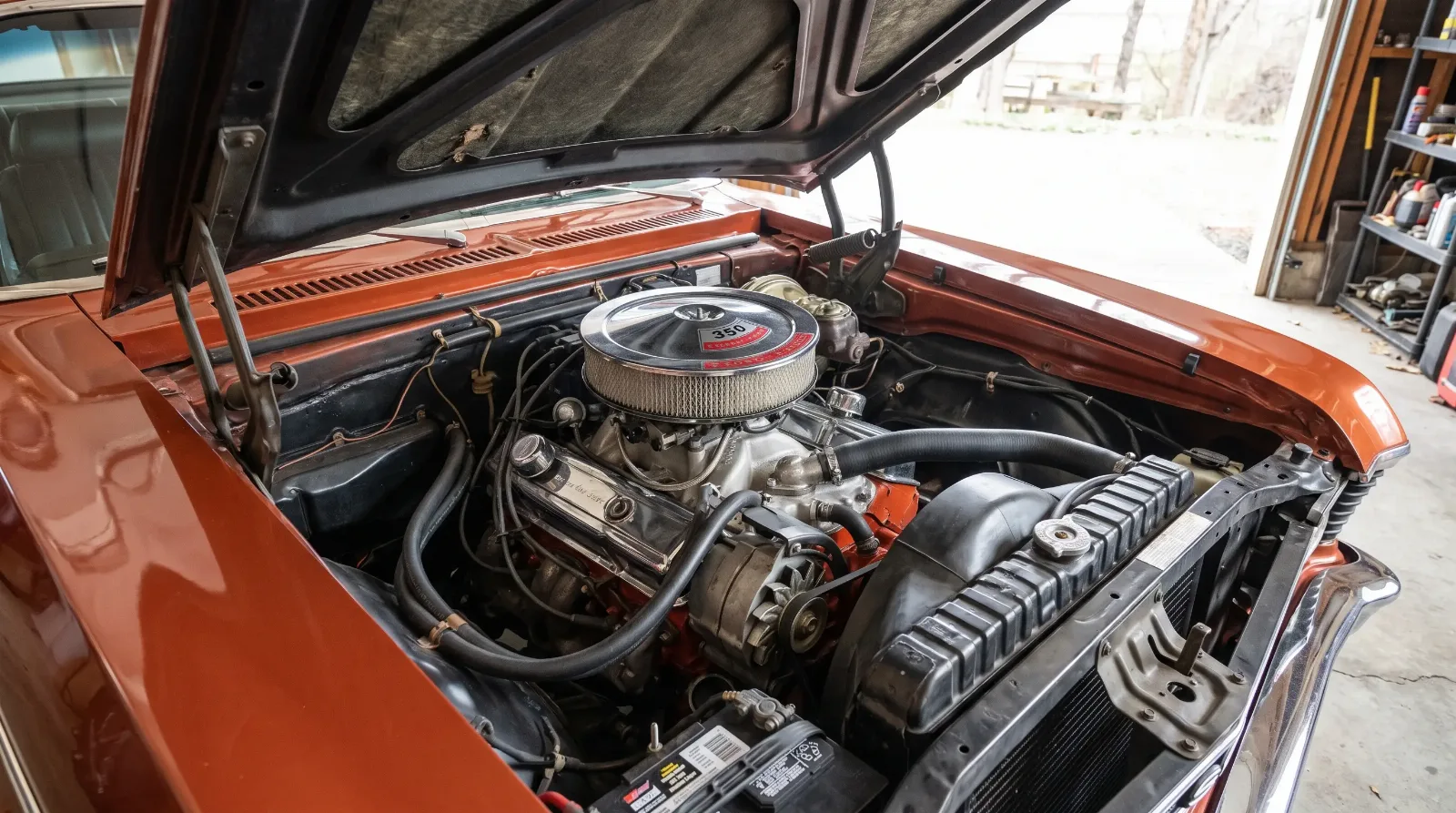
I start at the cowl tag and the VIN, then I go looking for casting numbers on the block and heads that match the claimed engine option. Date codes should line up with or predate the car's build date, never come after it. From there I want to see a build sheet or invoice if the seller has one, and if they don't, I want an honest explanation of why not rather than a story about a barn fire that conveniently destroyed the only proof. None of this is complicated. It just takes time, and a lot of buyers skip it because they're excited about the car in front of them.
"Rare doesn't mean unusual looking. It means there's a small number of them left and you can prove it. If nobody can show you the paper, treat the rarity claim as a maybe, not a fact."
— Mike Sullivan
A protect-o-plate is a small metal card Chevrolet issued with certain models that lists the car's original build data, including the engine and axle codes. Not every Nova got one, and not every surviving one still has it, but when a car does have it, that's about as good as documentation gets short of a full factory invoice. A build sheet is the paper that traveled with the car on the assembly line, and it's more fragile, more commonly lost, but no less valuable when it survives. Dealer invoices and window stickers round out the list, and any combination of these beats a verbal story about what the car "originally had."
What this means for your search
If you're chasing a genuinely scarce Nova SS, expect a longer search and a higher price when you find the real thing. Don't let a seller's use of the word "rare" do the negotiating for them. I'd read up on how the Nova SS earned its name before you go shopping, since it explains why the badge got attached to so many different configurations in the first place. There's also a companion piece on the final SS model year worth reading, since 1972 has its own rarity wrinkles that don't apply to earlier cars.
When you're ready to compare research against actual inventory, take a look at whatever classic Nova SS for sale is currently listed and run it through everything above before you make an offer.