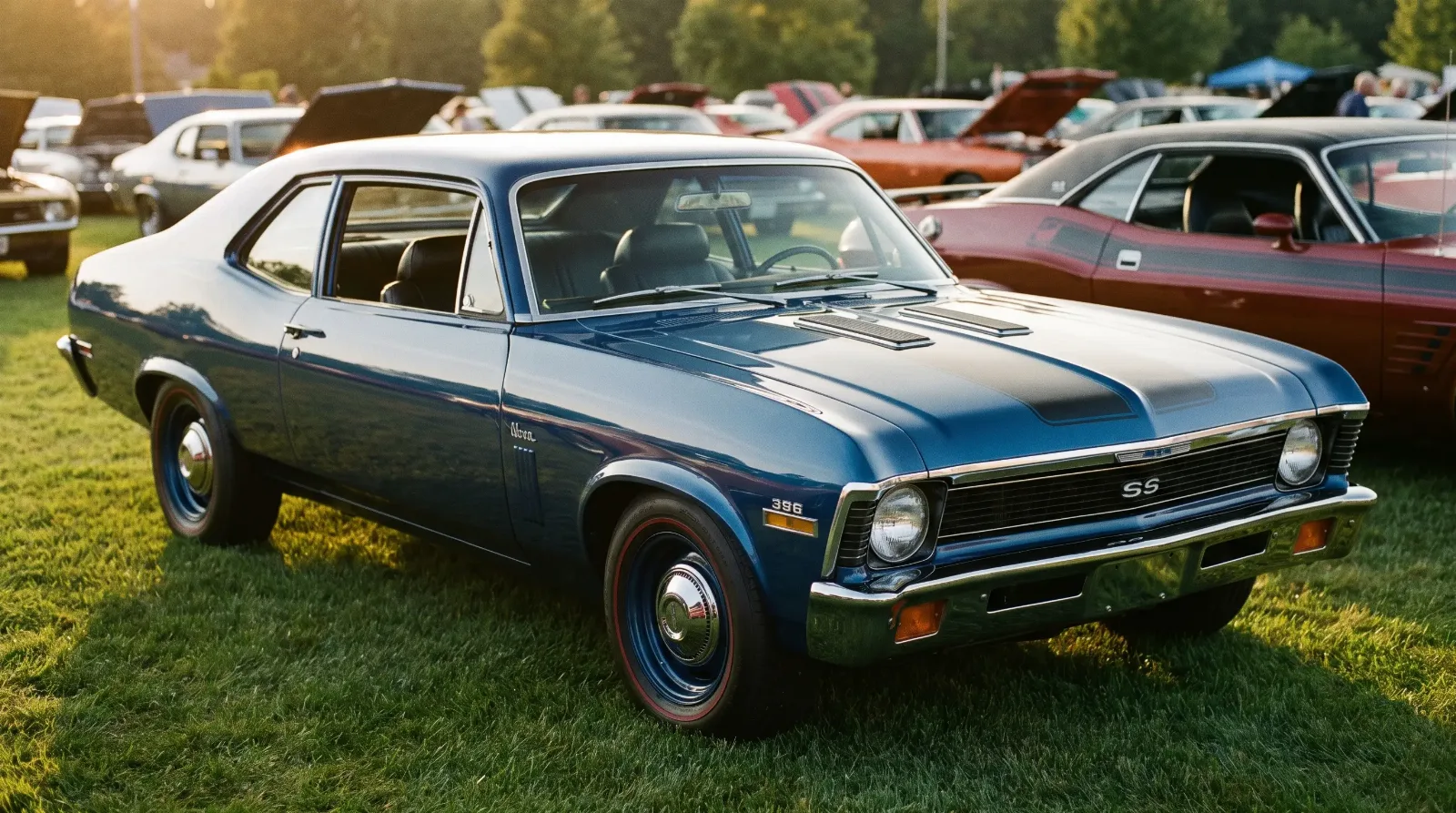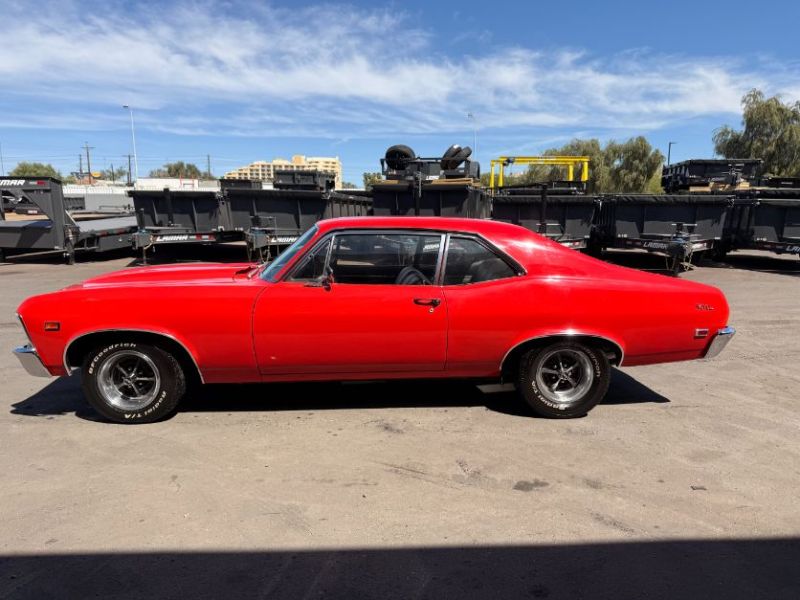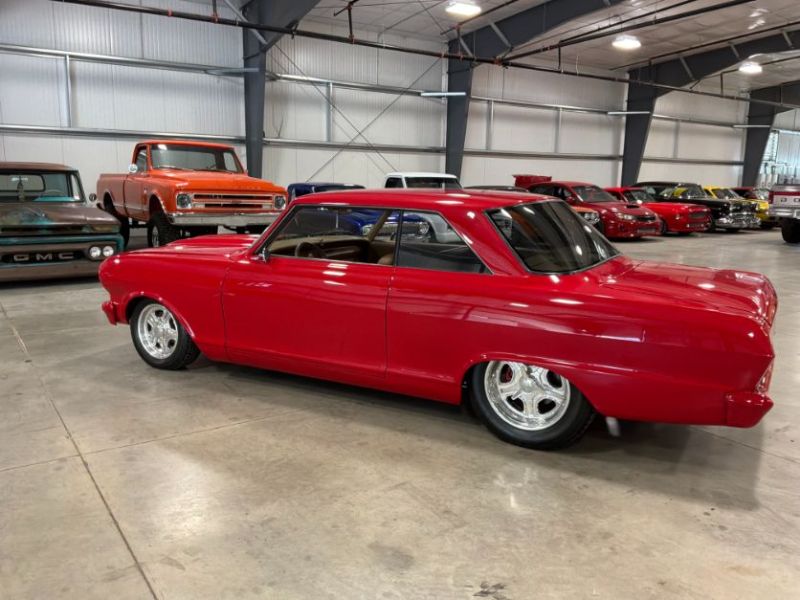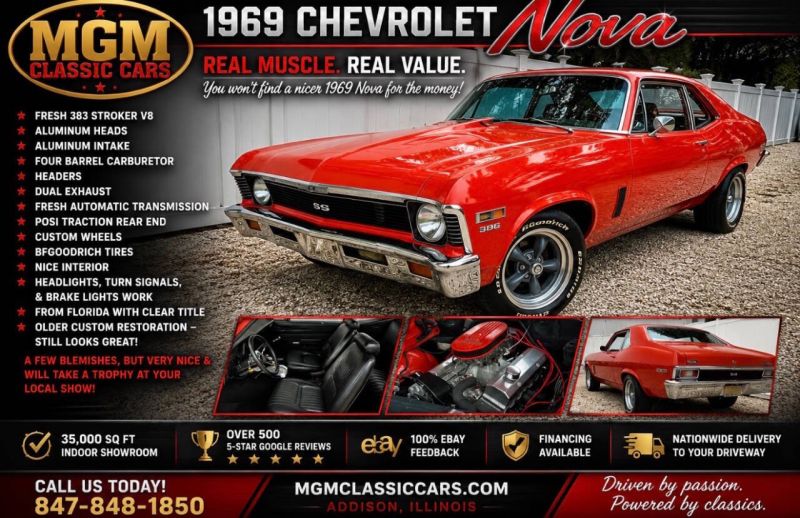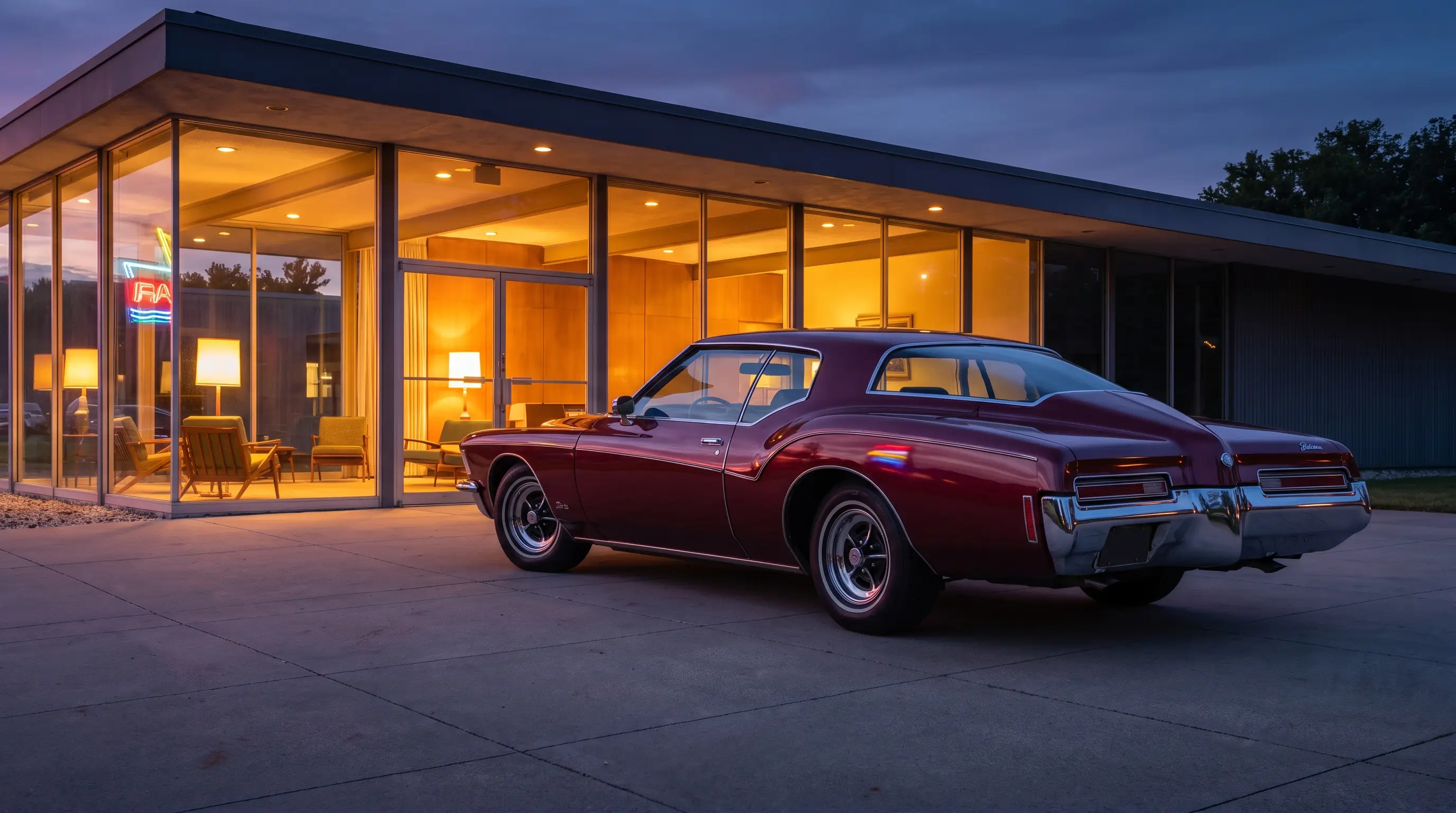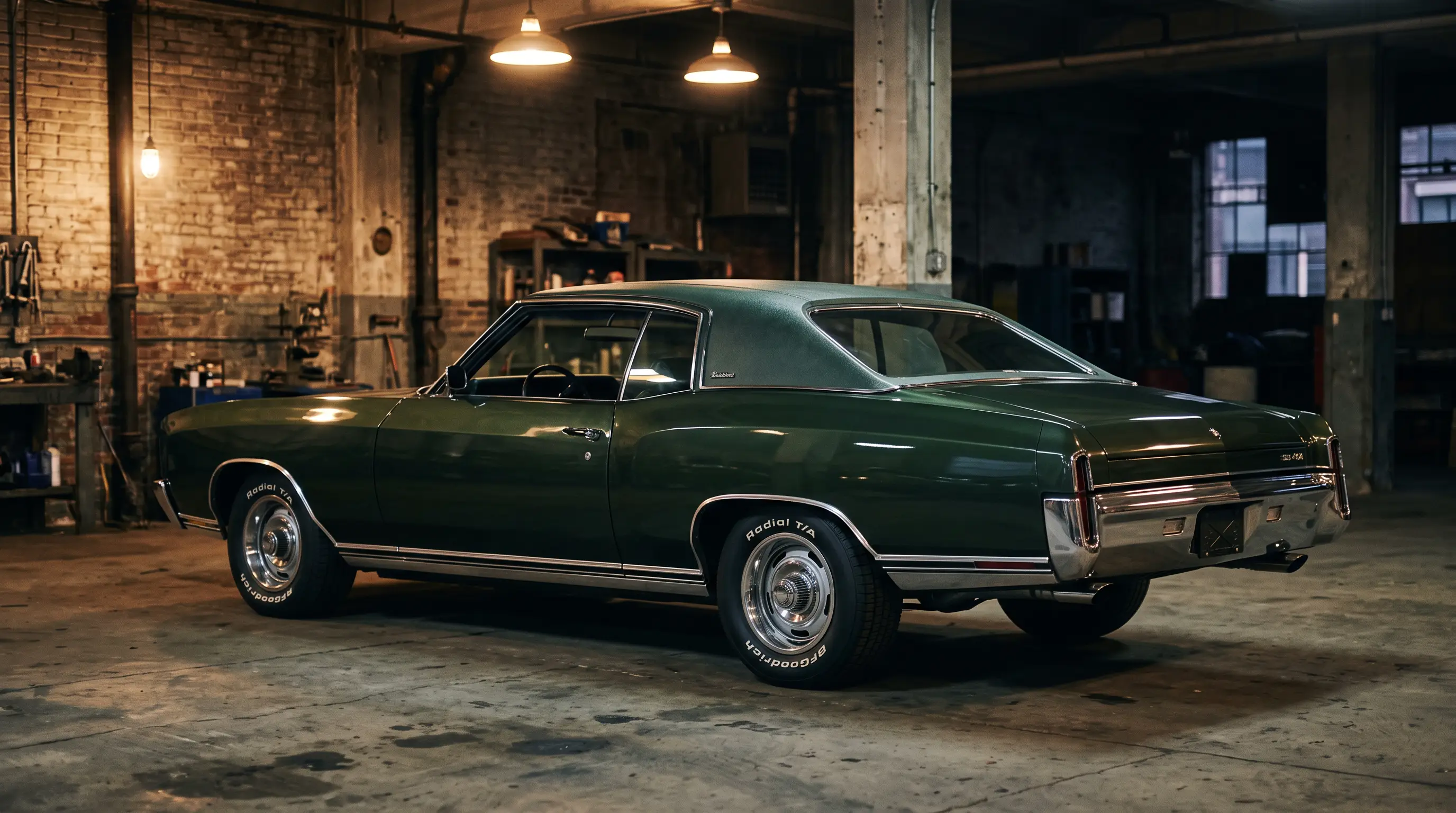
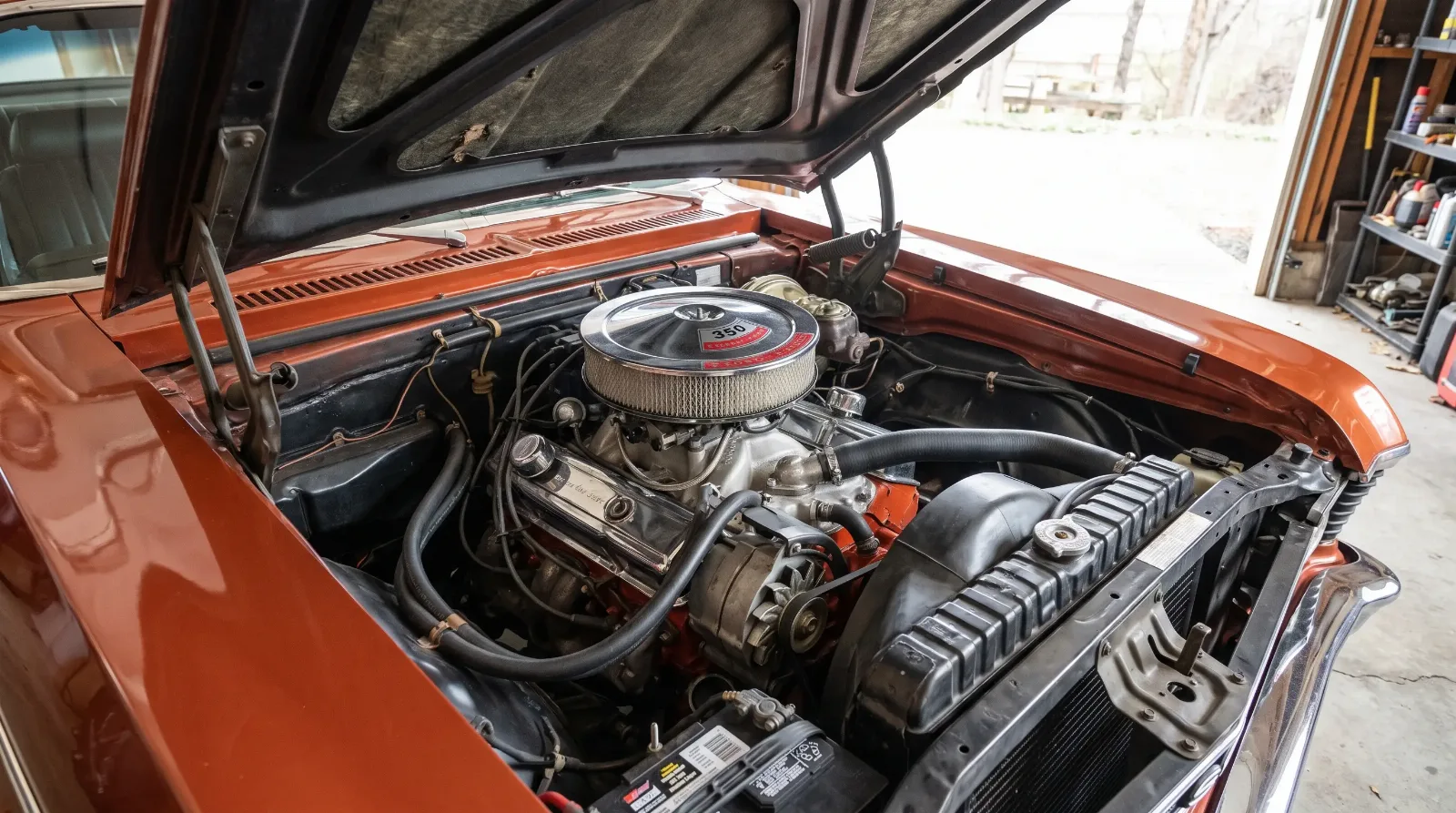
The 1972 nova ss doesn't get talked about the way the earlier cars do, and I think that's a mistake. It's the last year the Nova SS still carried real performance intent, with a genuine four-barrel small-block under the hood, before the package drifted into more of a styling and handling option for the rest of its run through 1976. It landed right as emissions rules and insurance premiums were squeezing performance cars from both directions, and it shows in the specification sheet. That doesn't make it a bad car. It makes it a different one, and buyers who understand what changed get a lot more use out of it than buyers expecting a 1970 car with a later build date.
What actually changed for 1972
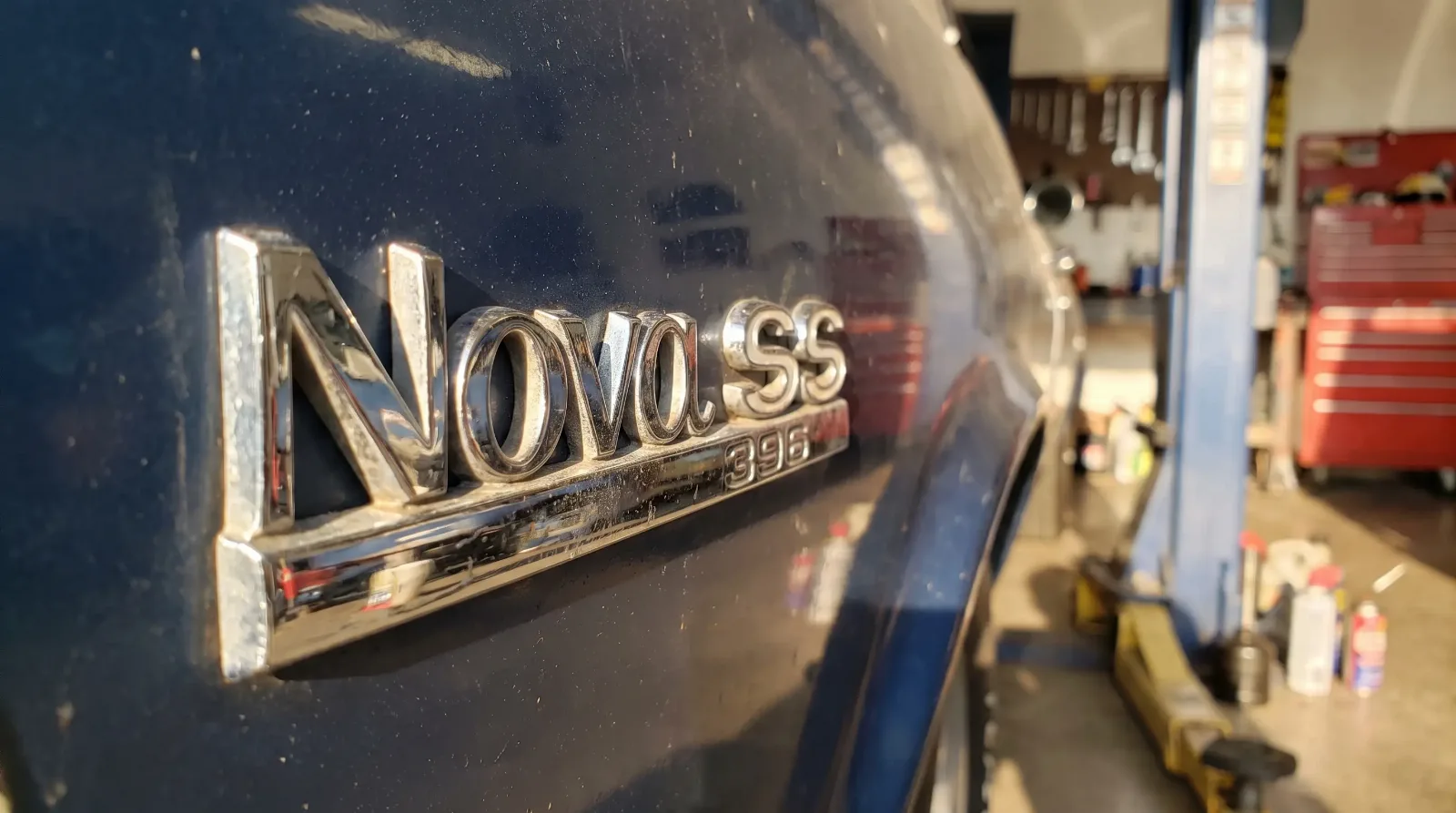
The big-block was already gone by 1972, and it had been gone for a year. Chevrolet pulled the 396 (actually a 402 cubic-inch engine by then) out of the Nova lineup entirely after 1970, so a 1971 or 1972 Nova SS never had a factory big-block on the order form at all. The SS for 1972 came with exactly one engine: the L48 350 four-barrel V8, and it was rated under the SAE net measurement standard the whole industry adopted that year rather than the old gross figures. Compression ratios came down across the board to run on lower-octane fuel, and the numbers on paper look a lot less impressive than the 1968 or 1970 sheet even when the small-block hardware itself isn't as different as the numbers suggest.
The SS package itself stuck around largely unchanged in terms of trim. Same basic idea, stripes, badging, upgraded suspension pieces, gauge package. What buyers need to understand is that a 1972 SS with the 350 small-block was not one option among several, it was the only configuration Chevrolet offered that year. Anyone selling a "1972 SS big-block" is describing a car built up after the fact, not a factory combination, and that distinction matters for what the car is actually worth.
Why net horsepower numbers confuse people
This is the part that trips up first-time buyers more than anything else. Chevrolet switched from gross horsepower ratings to SAE net ratings for the 1972 model year, and net numbers are measured with the engine installed, accessories running, and a proper exhaust system in place rather than a bare engine on a stand. A 1972 engine rated at, say, 200 net horsepower isn't necessarily 100 horsepower weaker than a 1970 engine rated at 300 gross horsepower. Some of that gap is real detuning for emissions and octane. A meaningful chunk of it is just a more honest measurement method. Don't compare a 1972 spec sheet directly against an earlier one without accounting for that.
| Detail | 1972 Nova SS |
|---|---|
| Rating standard | SAE net horsepower |
| SS engine options | 350 cubic-inch L48 small-block only, 200 net hp |
| Big-block availability | None, dropped from the Nova lineup after 1970 |
| Compression | Reduced versus 1968 to 1970 cars |
Why insurance and taxes pushed buyers toward the small-block
Performance car insurance surcharges got real by the early 1970s, and that pressure is a big part of why Chevrolet pulled the big-block out of the Nova lineup entirely after 1970, a year before the 1972 SS even hit showrooms. By 1972 there was no bigger engine to order even if a buyer wanted one. It wasn't only Chevrolet pulling back on what it offered, it was insurers and regulators reshaping the whole category, and the single-engine 1972 SS lineup is a direct result of that squeeze.
None of this means the 1972 SS is a lesser car to own now. Insurance rates today are calculated on an entirely different basis for a fifty-plus-year-old classic than they were for a new muscle car in 1972, so the original pressure that shaped what buyers ordered doesn't apply the same way to your decision as a collector buying one today.
What to check when buying one today
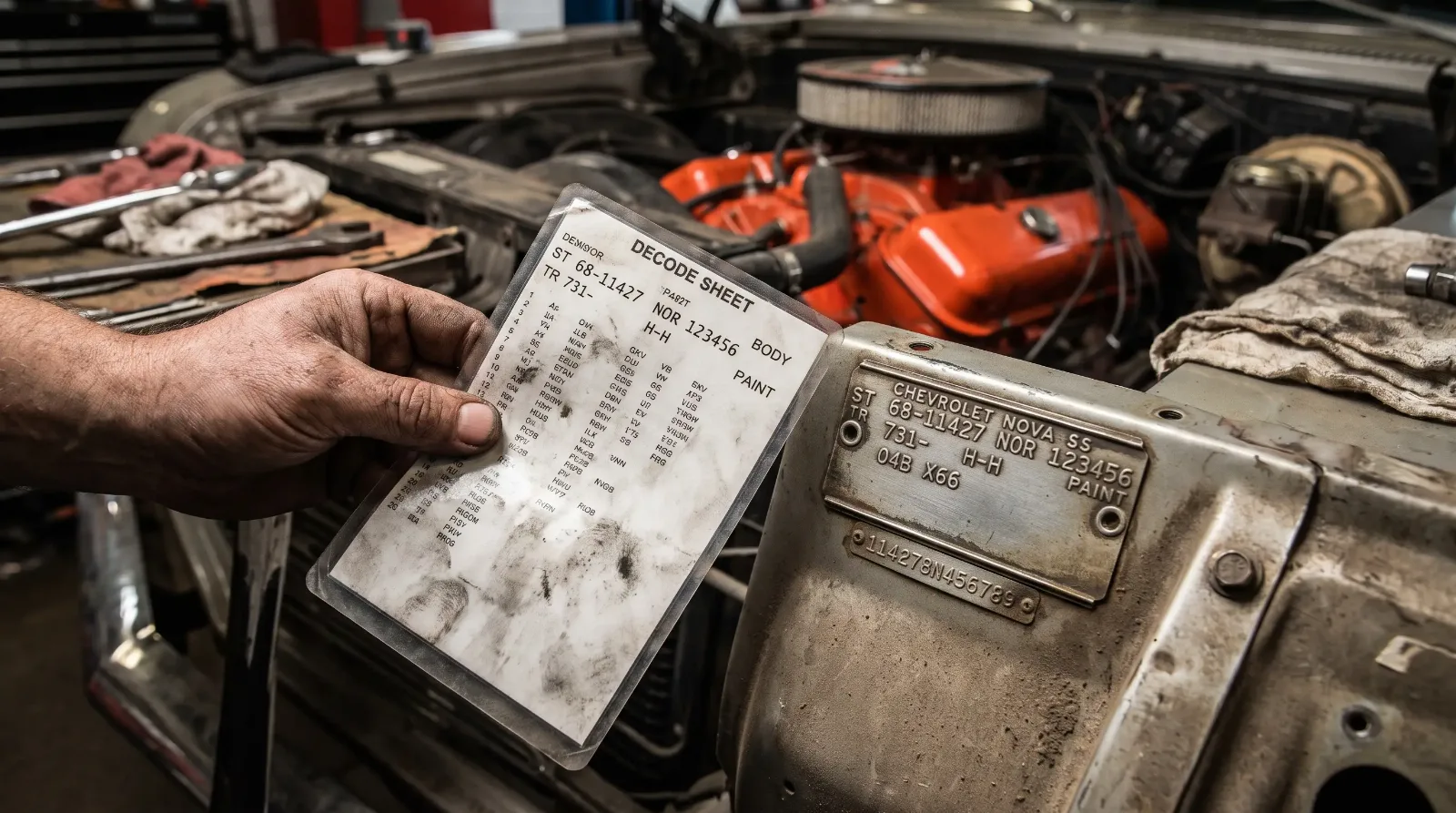
Rust is still rust regardless of model year, so I'm doing the same floor pan, trunk, and cowl inspection I'd do on any Nova of this era. What's different on a 1972 car is the emissions equipment. These cars left the factory with more smog hardware than earlier Novas, and a lot of it has been removed over the decades by owners chasing a cleaner engine bay or a little more performance. That's fine if you're not chasing factory-correct status, but it matters if you plan to sell the car later as an original, unmodified example. Missing emissions components are an easy, cheap thing to flag before you buy and an annoying thing to source correctly after you already own the car.
I'd also check the exhaust system closer than I would on an earlier Nova. Restrictive factory exhaust designed around emissions targets tends to get replaced with aftermarket pipes over the years, which is fine for driving but worth knowing about if you're trying to buy a car that's still close to how it left the factory. And check the fuel system components specifically, since some of the emissions-era hardware on the carburetor and fuel lines was more delicate than what earlier Novas used, and replacement parts for those specific pieces aren't always as easy to find as generic small-block components.
"Don't judge a 1972 Nova SS against a 1970 spec sheet. Different measuring stick, different market it was built for. Judge it on what it actually is."
— Mike Sullivan
Where the 1972 fits in the bigger picture
If you're building out a full picture of the Nova Super Sport across its production run, the 1972 model deserves a fair look rather than a dismissal as the weak last performance-oriented year. It's a genuinely different car from the earlier big-block editions, and treating it that way instead of comparing it unfavorably on paper will save you some buyer's remorse. There's another angle on this same era worth reading if you want to understand how the badging and trim details shifted across the run.
If you're in the market, browse whatever classic Nova SS for sale is currently listed and ask directly which model year and engine you're looking at before you assume anything based on the SS badge alone.