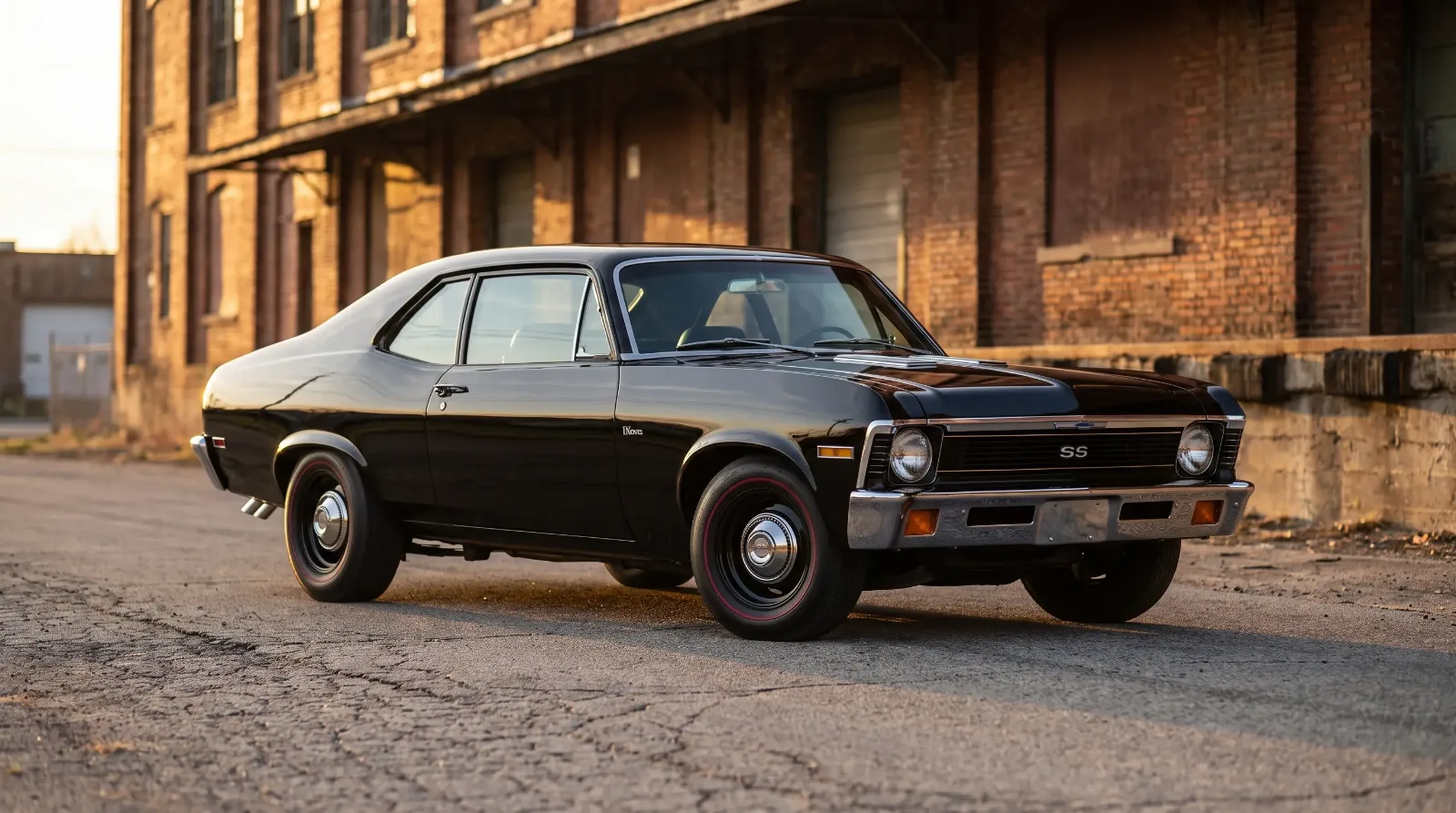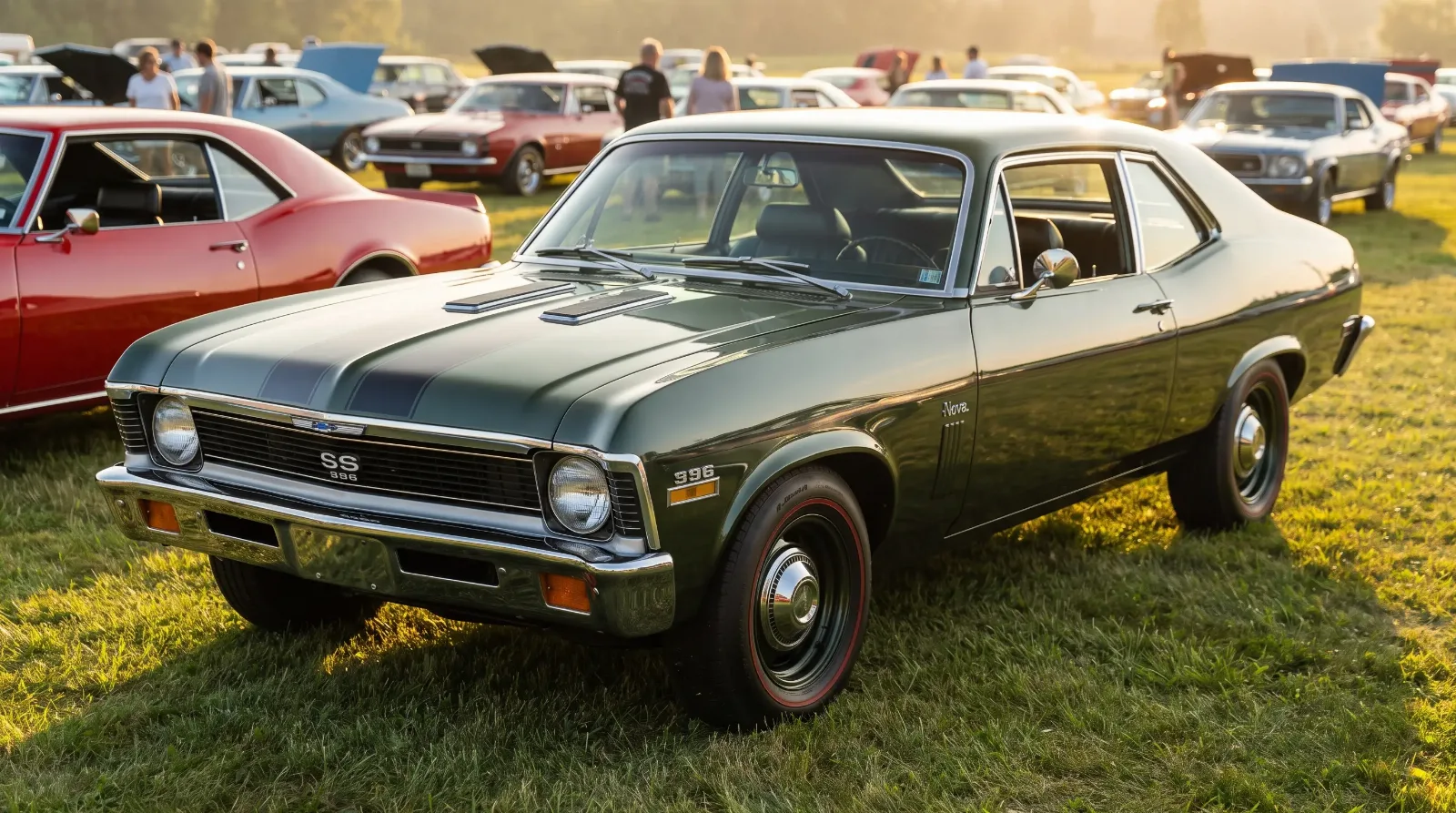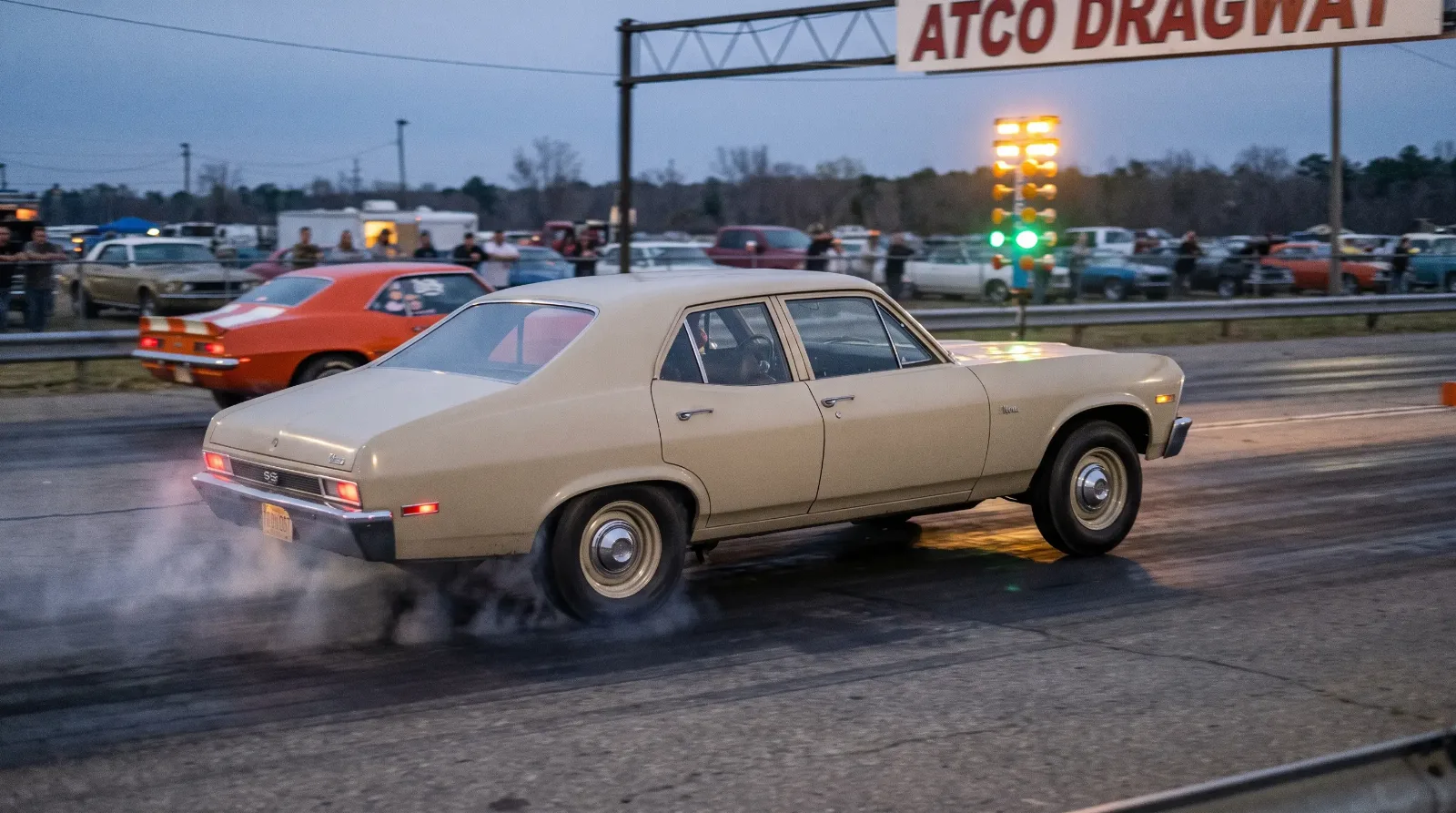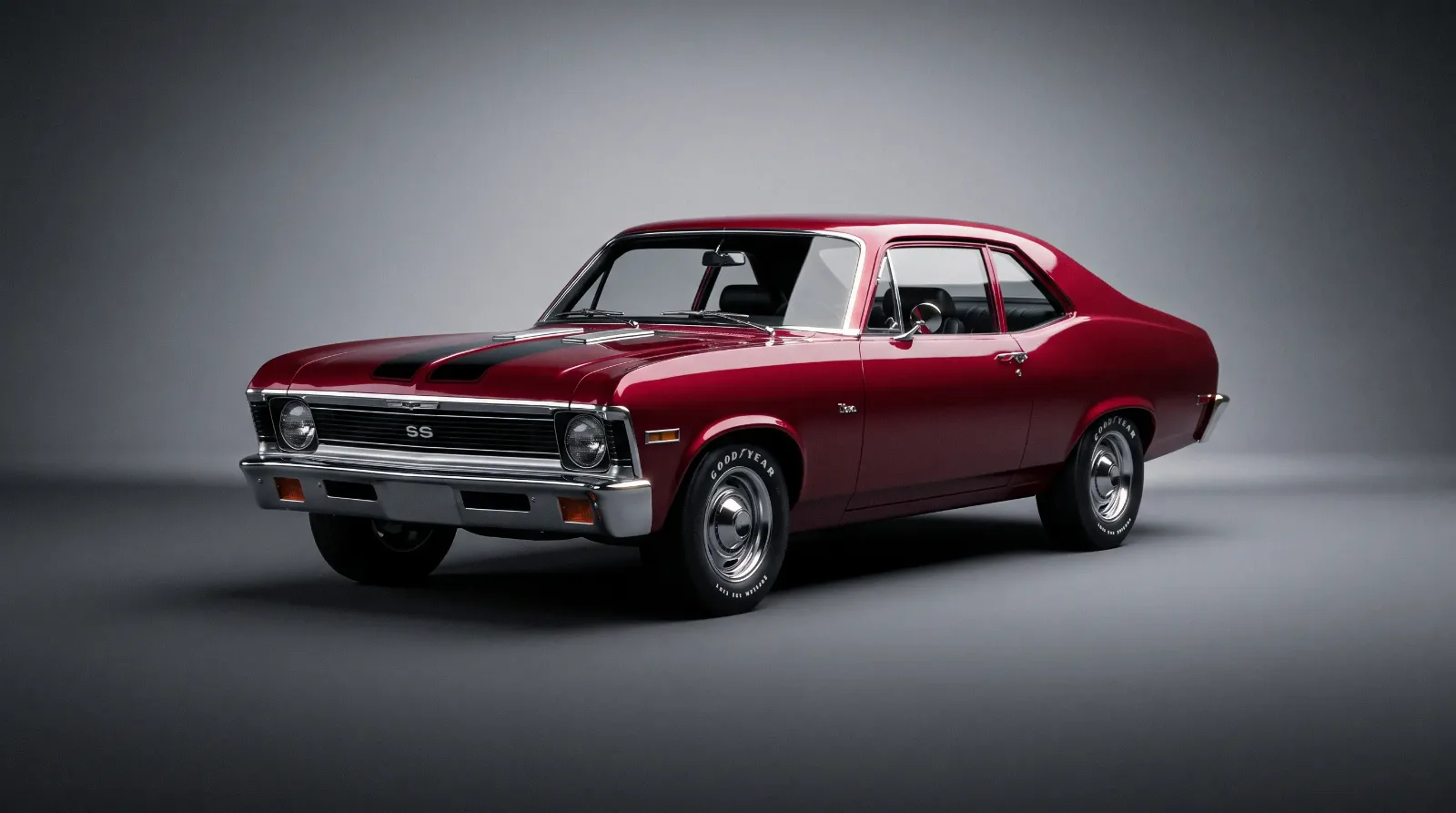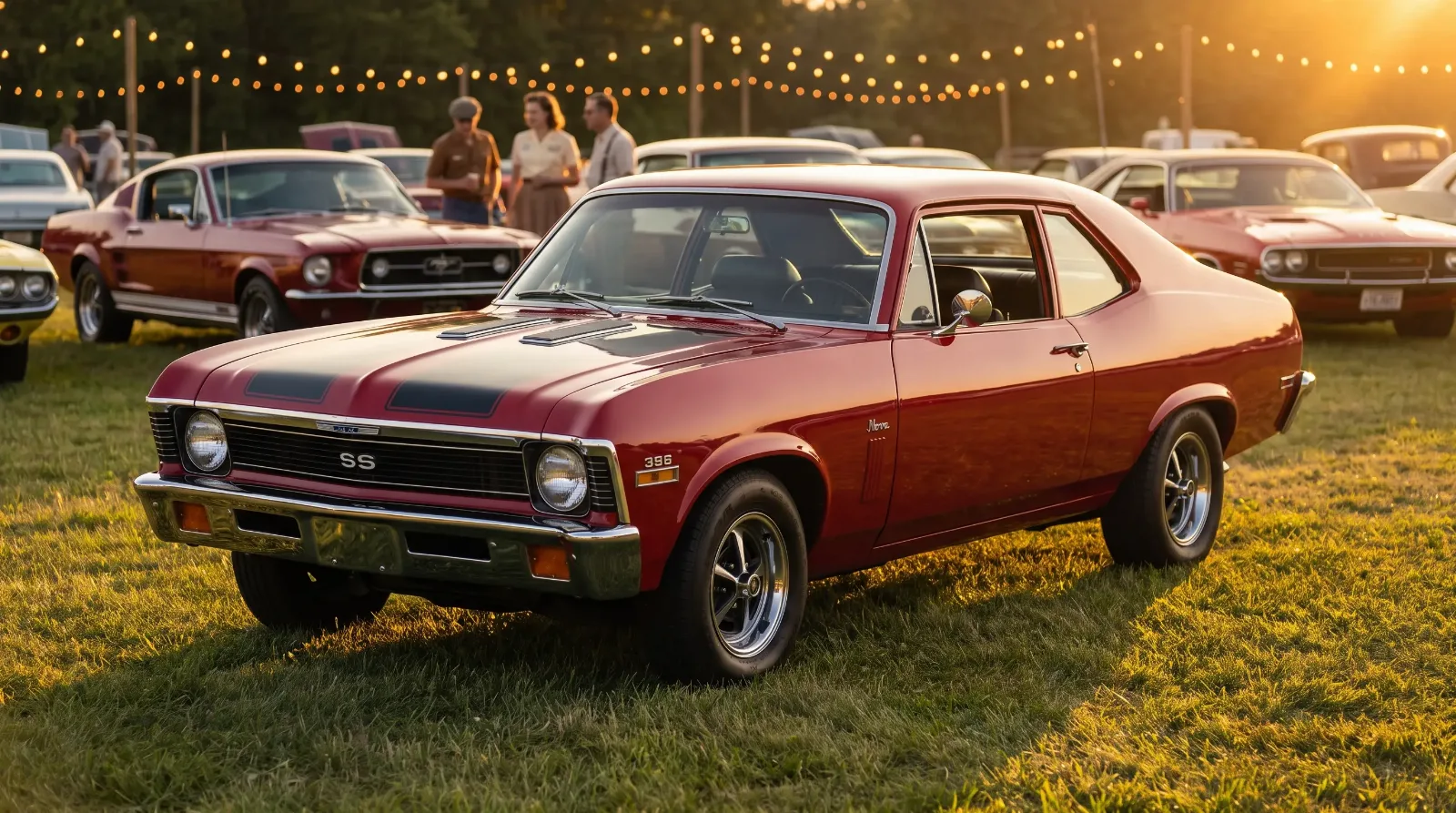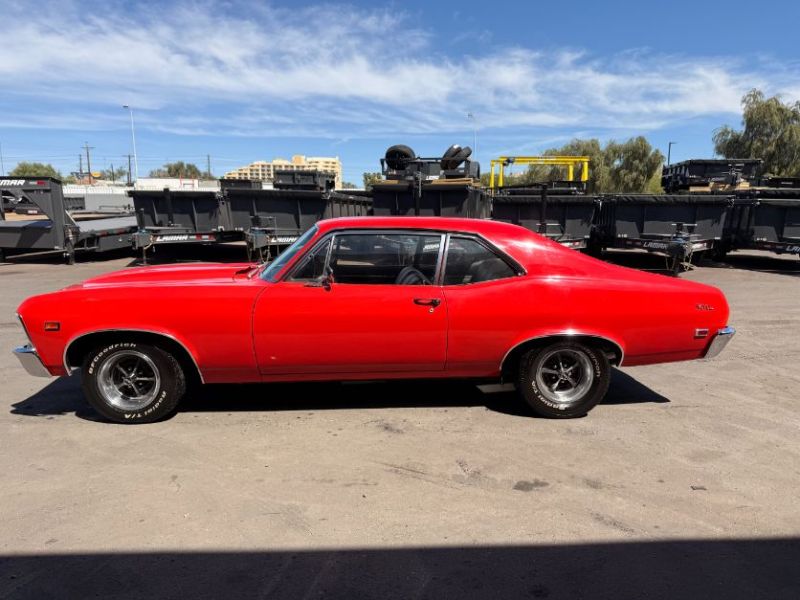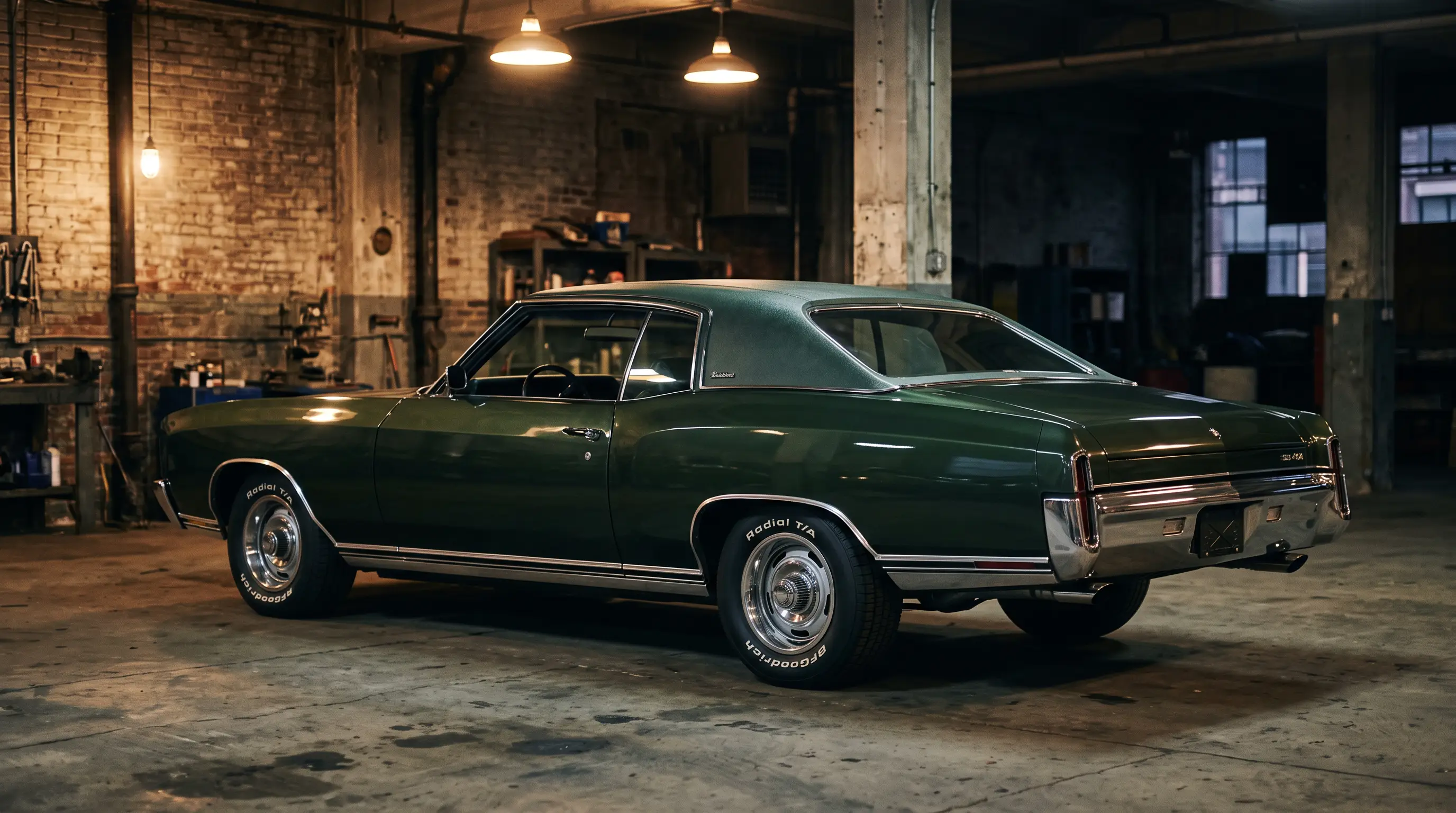
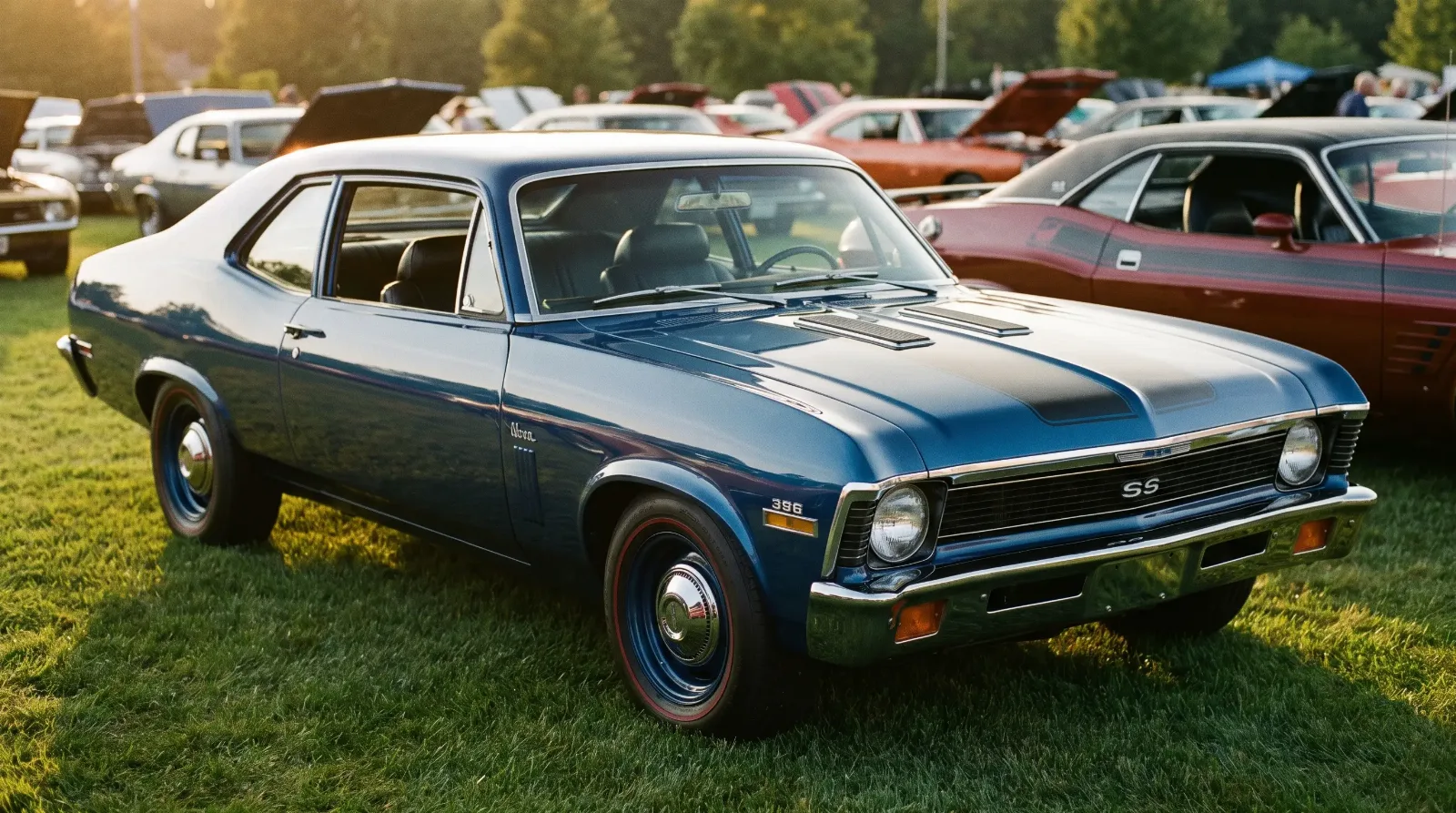
The Chevrolet Nova SS never got the poster glory that the Camaro and Chevelle did, and that is exactly why the smart money paid attention to it. It was a compact economy car with a serious engine bolted in, which is the whole recipe for a sleeper. You could park one next to a plain grocery-getter and nobody would look twice until the light turned green. That gap between how it looked and what it did is the reason the chevrolet nova ss earned a following that outlasted the cheap image the car was born with.
I have worked on enough of these to tell you the badge means different things depending on the year. Early on it was mostly dress-up. Later it was a genuine muscle car with a big-block sitting over the front wheels. If you are shopping, you need to know which version you are looking at, because the price gap between the two is enormous and the fakes are everywhere.
Where the SS badge started in 1963
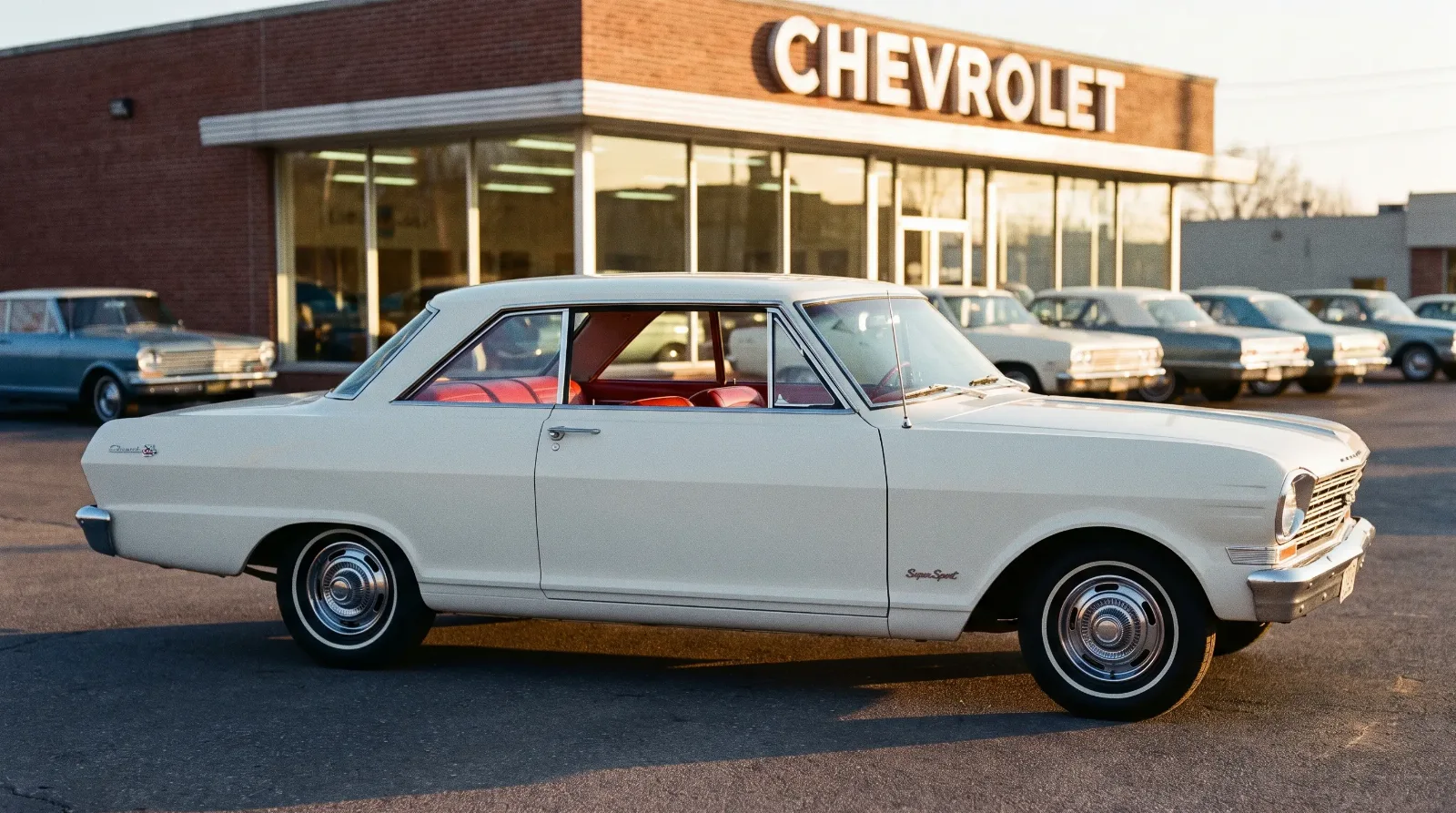
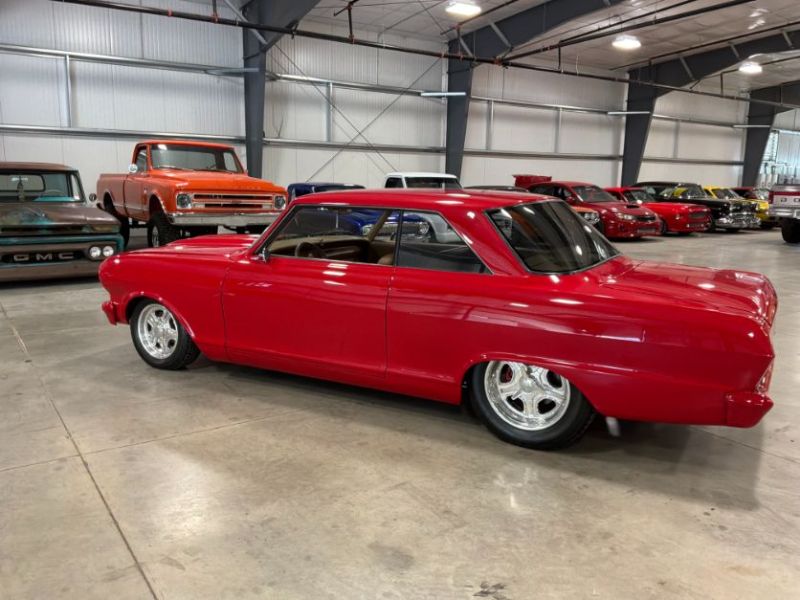
The Super Sport option first showed up on the Chevy II Nova line for 1963. Back then it was an appearance and trim package more than a performance one. You got the badges, special wheel covers, some bright interior trim, and instrumentation, but under the hood most cars still ran a six or a small displacement V8. The hot engines that made the name came later. If you want the full arc of how this model grew up, it is worth reading through Chevrolet's Nova history before you get hung up on any single year.
What matters for a buyer is simple. A 1963 or 1964 SS is a neat piece of history, but it is not the car people mean when they talk about Nova muscle. The interesting stuff starts once Chevrolet decided the compact could hold a real engine. The Chevy II was built cheap and light on purpose. It was meant to sell against the imports and the Ford Falcon, so it had no fat to lose. That thrifty design is the same thing that made it a good muscle platform later. Nobody planned it that way, but a light, simple body plus a strong engine is the oldest hot rod formula there is.
The small-block that made its name
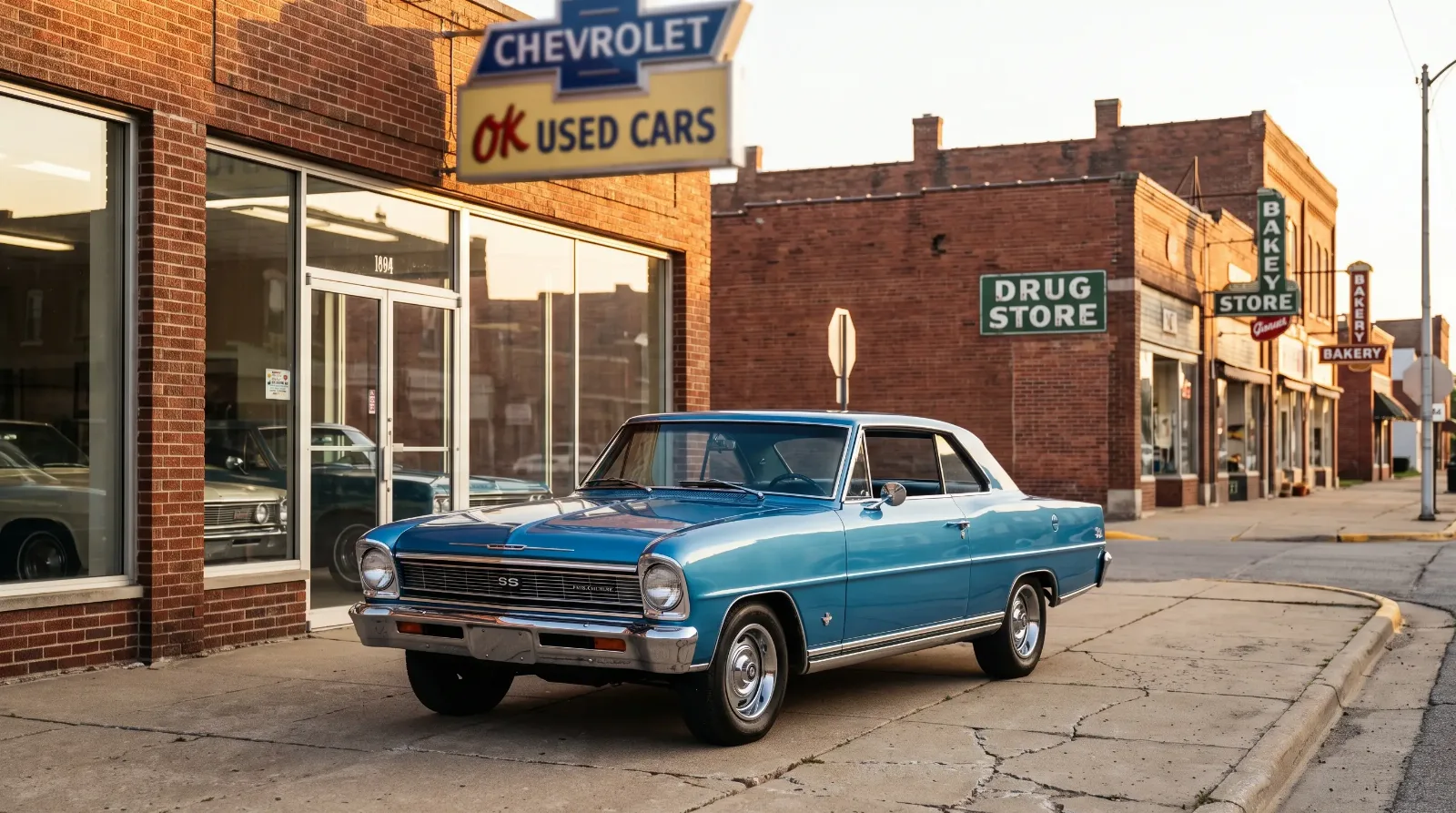
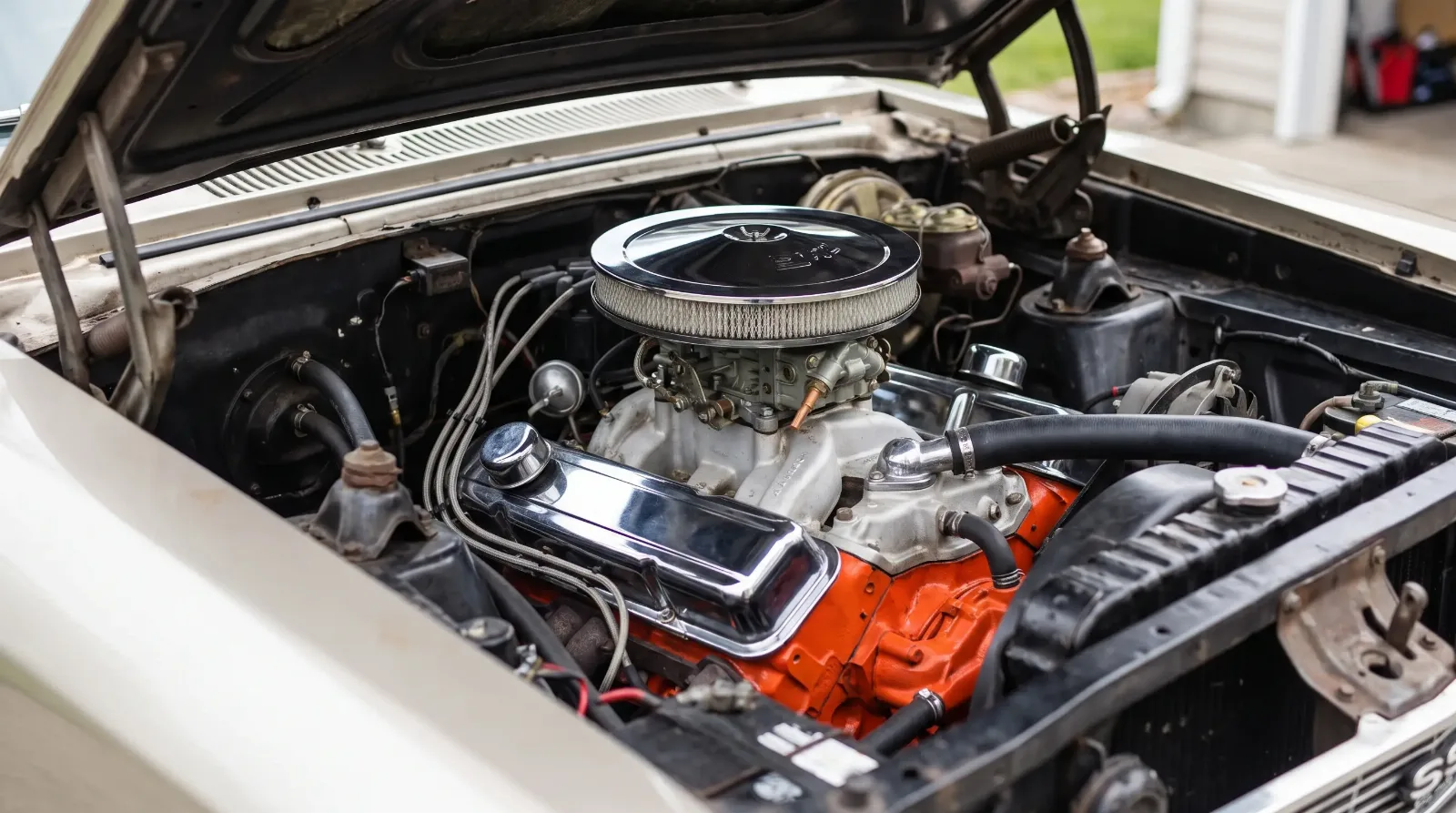
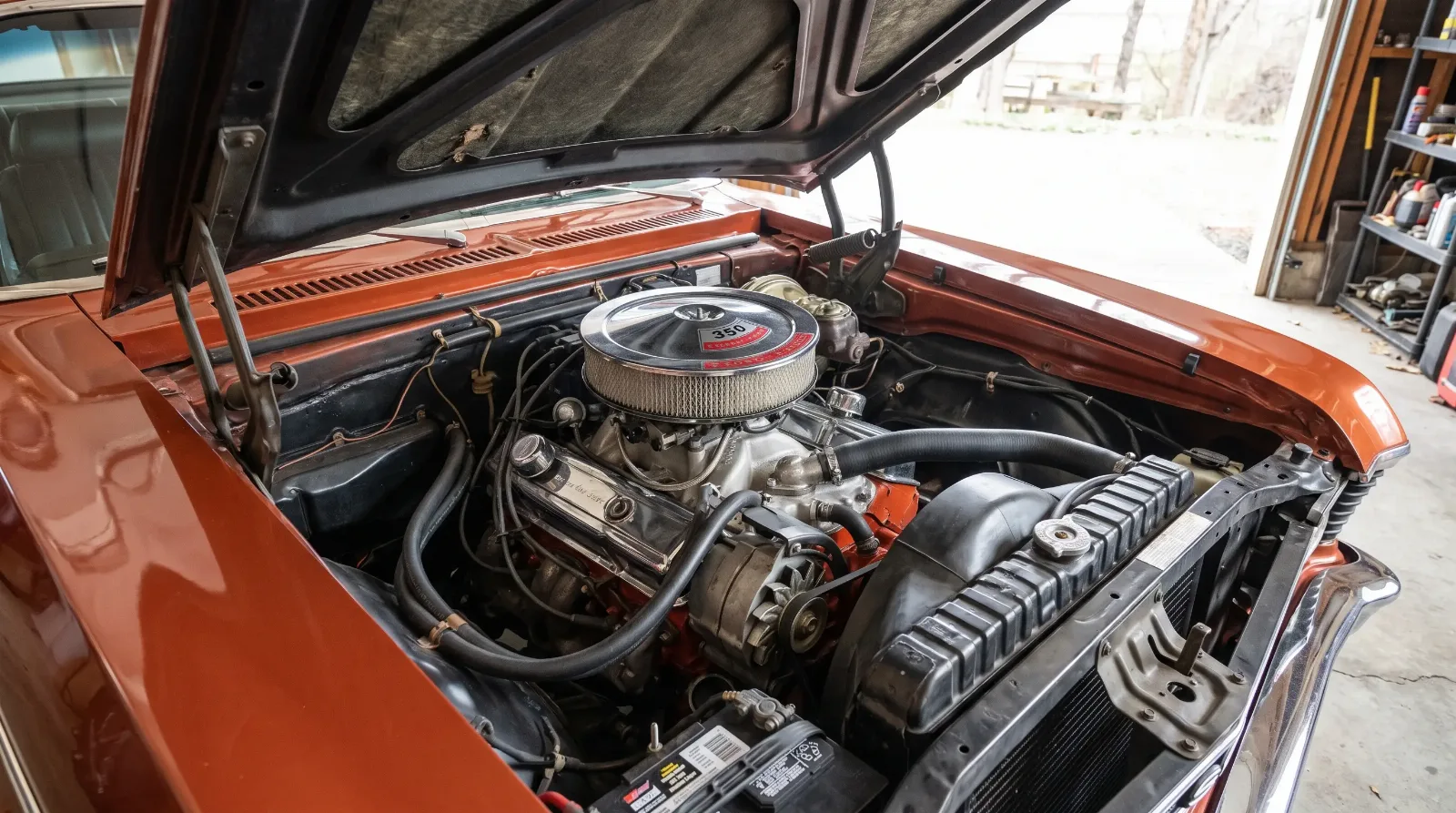
For 1965 and 1966, Chevy offered the L79 version of the 327 in the Nova SS, rated at 350 horsepower gross. That is the engine that turned the little car from a trim package into something quick. The 327 was light, it revved, and it did not upset the balance of a car that never carried much weight up front to begin with. A 327 Nova was faster in the real world than the numbers on paper suggested, mostly because it did not have a heavy nose fighting it in the corners.
The L79 cars are the ones the small-block crowd chases now. They are honest, they are usable, and they do not beat you up the way the heavier iron does. If somebody tells you the small-block Novas are the boring ones, they have never driven a good one. The 327 also happens to be one of the easiest engines in the world to keep alive. Parts are cheap, everybody knows the combination, and you can rebuild one on a driveway with hand tools. For a driver you plan to actually use, a 327 SS asks less of you than a temperamental big-block ever will.
When the big-block showed up
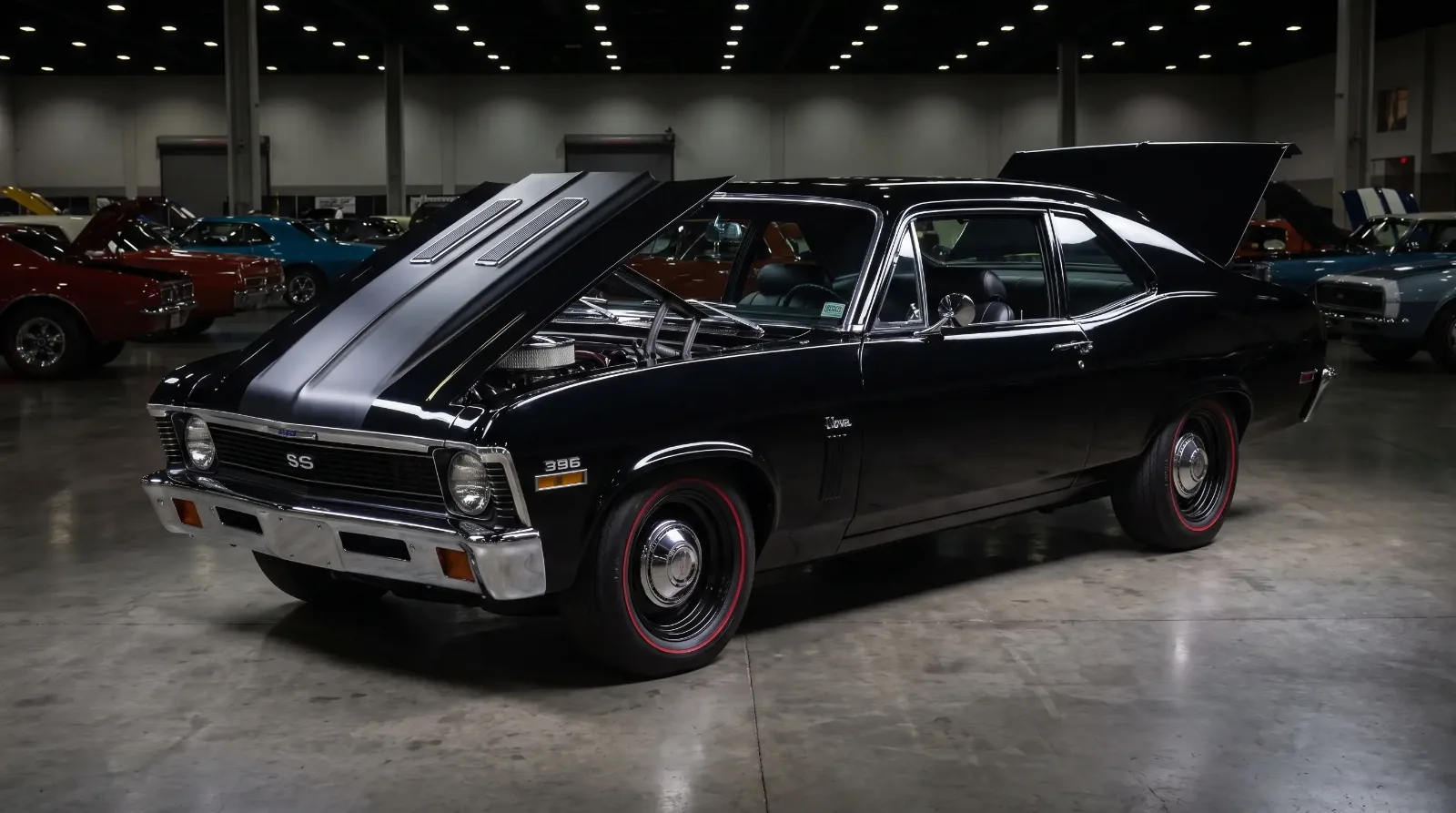
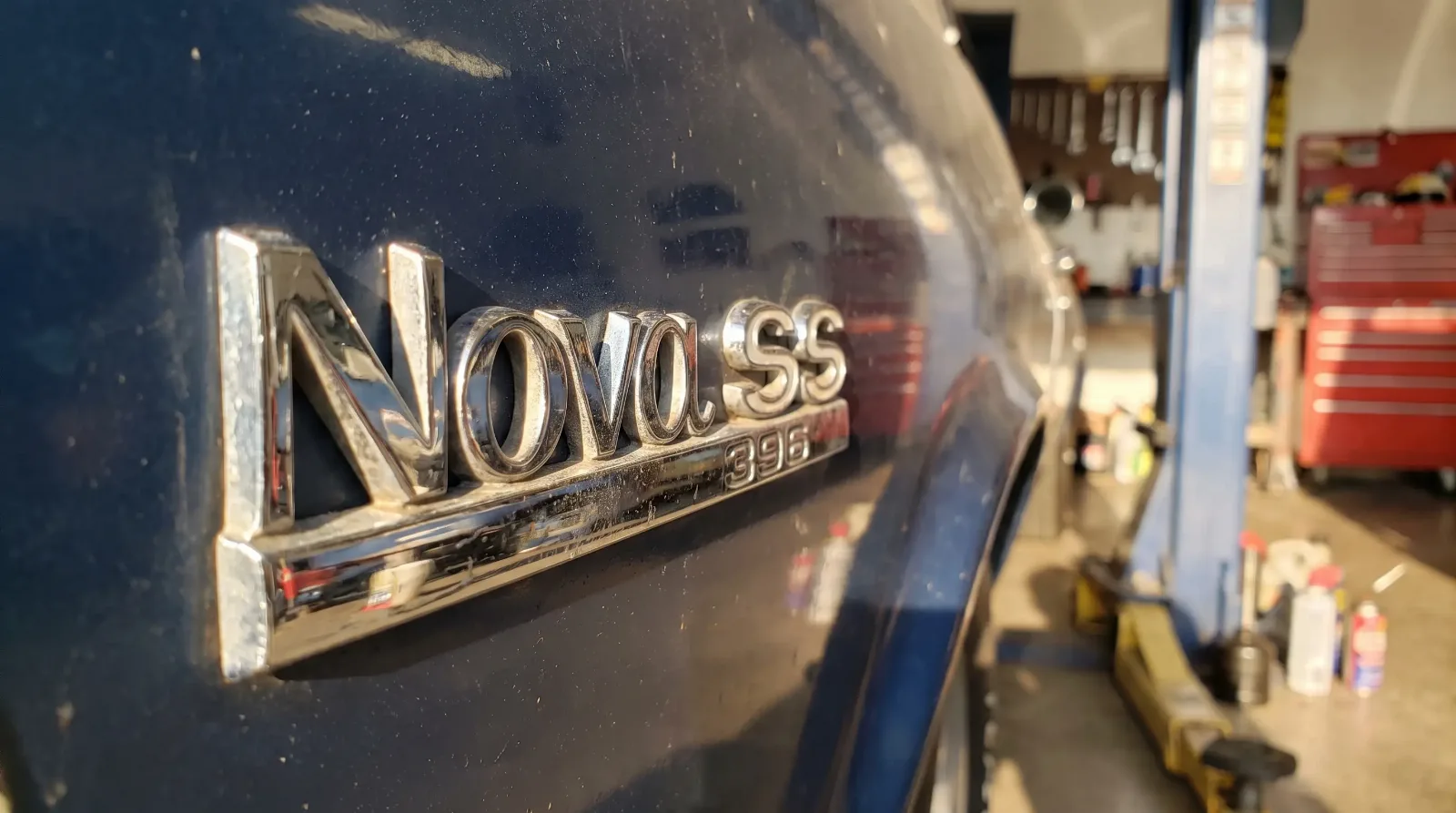
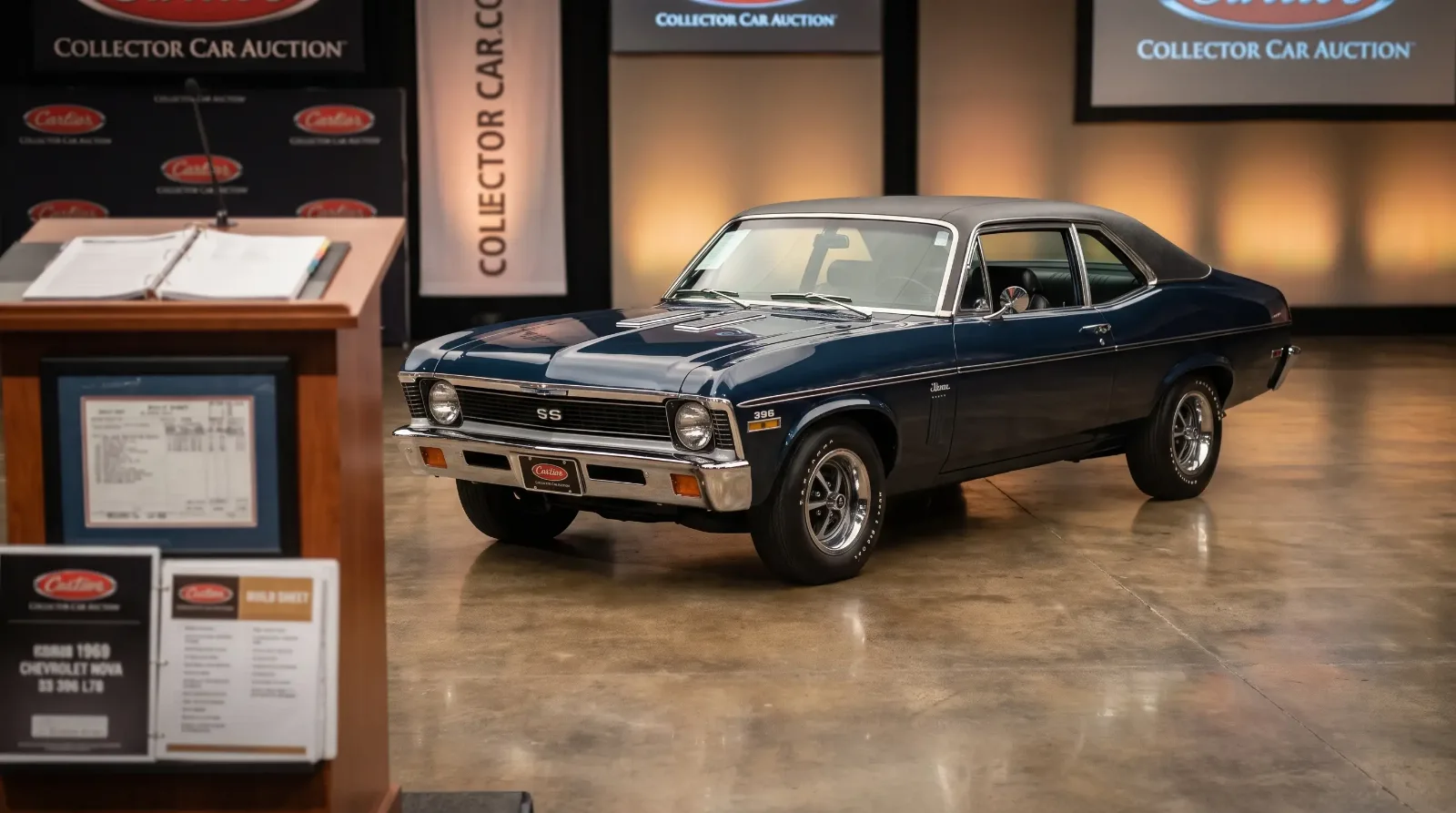
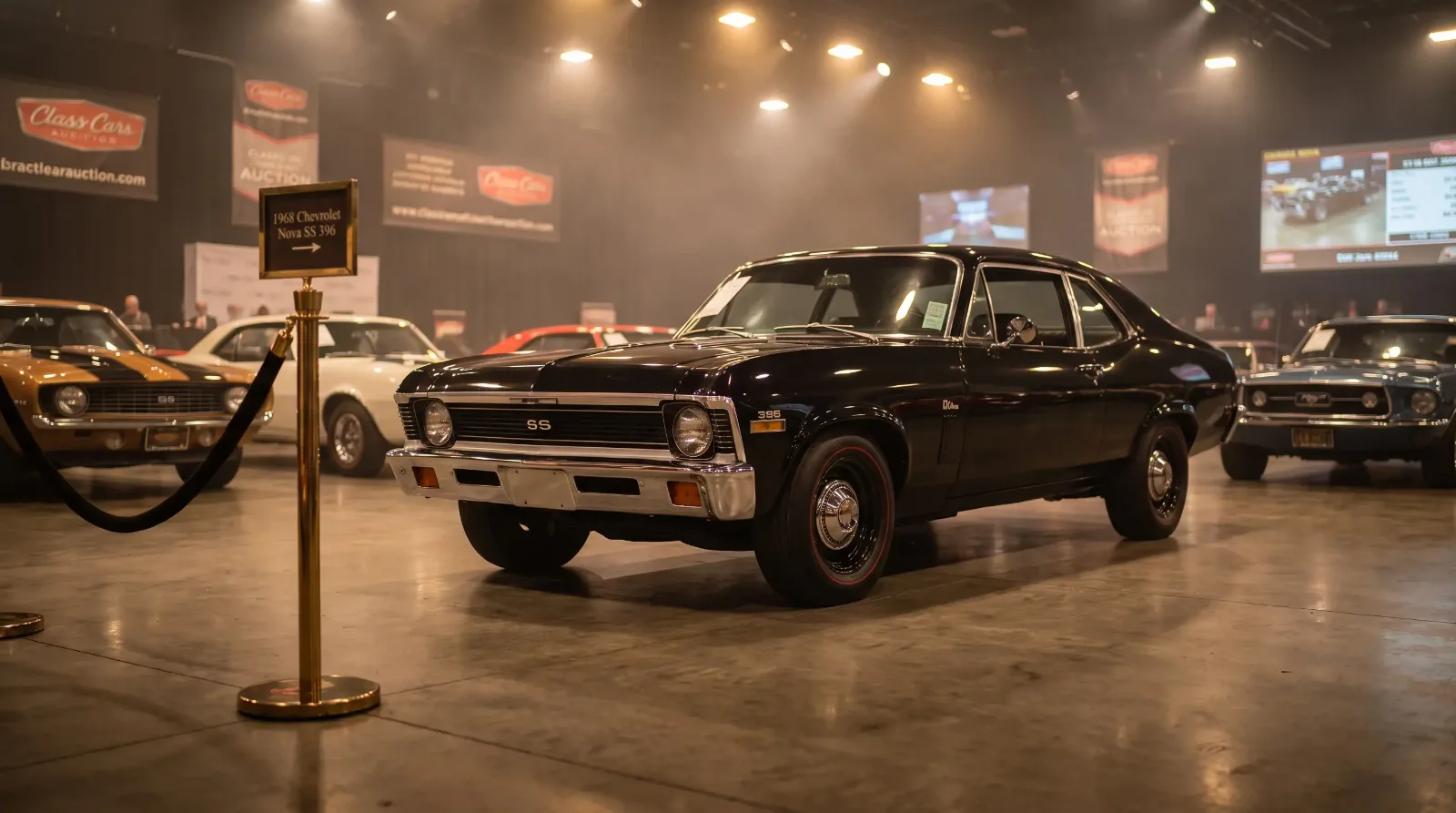
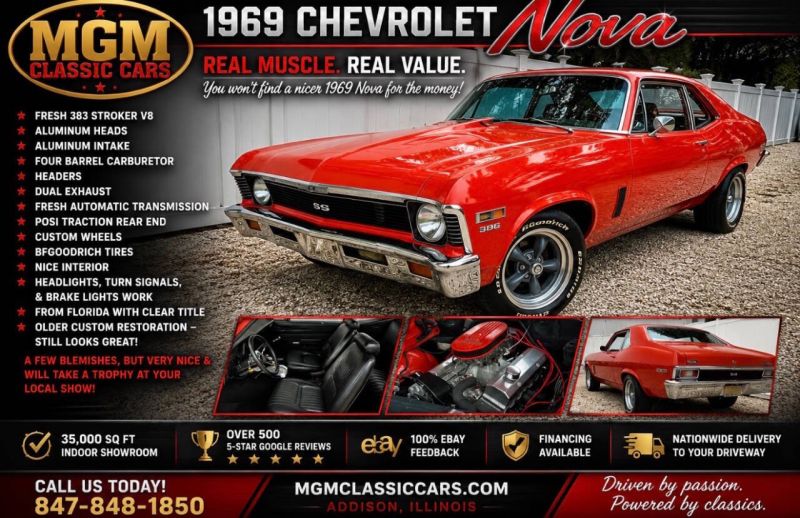
The car most people picture arrived with the redesigned body. For 1968 the Nova got a cleaner, more grown-up shape, and Chevrolet dropped the 396 big-block into the SS. That is where the small-package-big-punch idea really landed. A 396 in a car this size was almost comic, in the best way. The 350-horse L34 and the 375-horse L78 were the ones that mattered, and a well-sorted SS 396 would embarrass a lot of bigger, more expensive machinery.
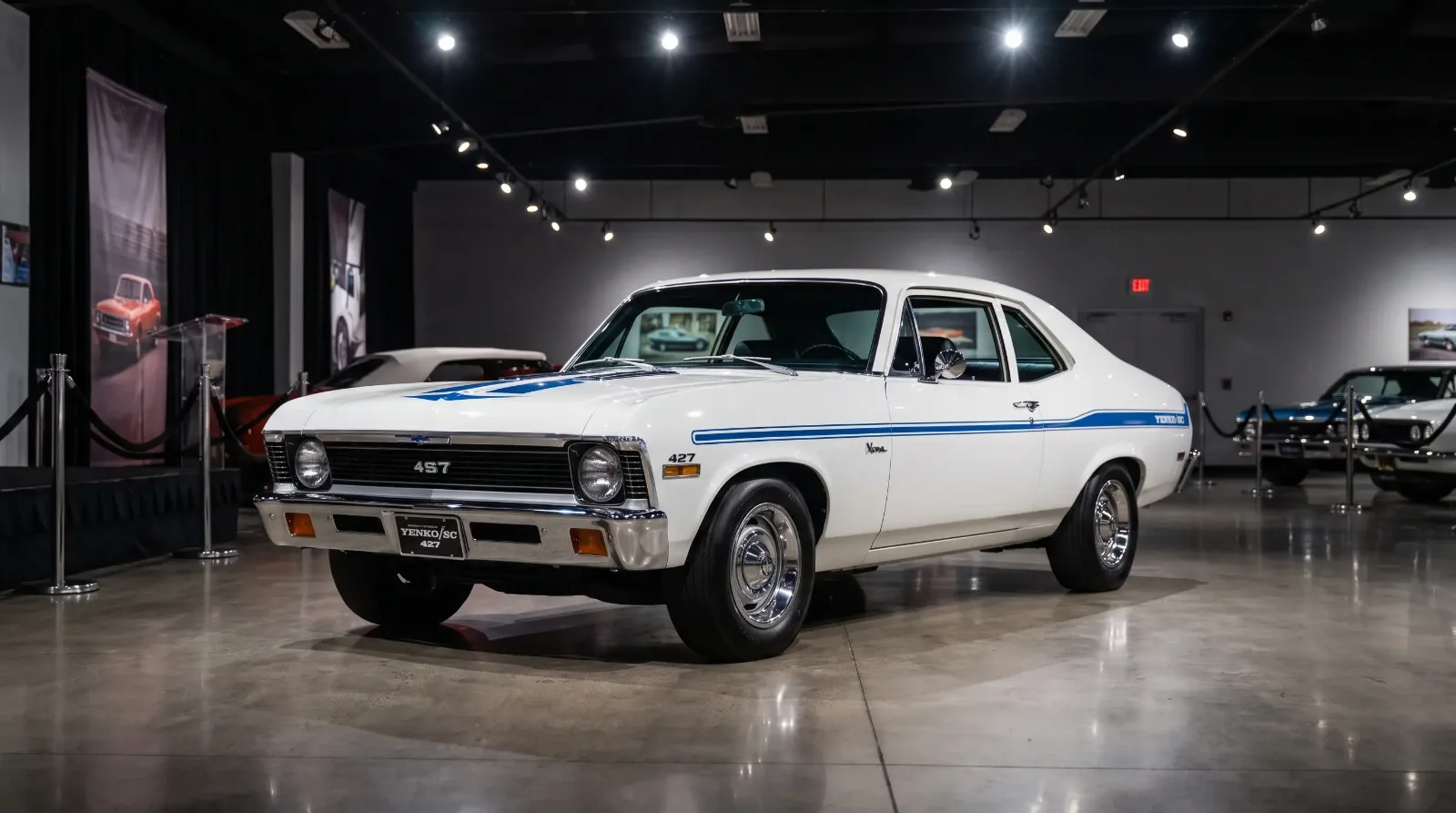
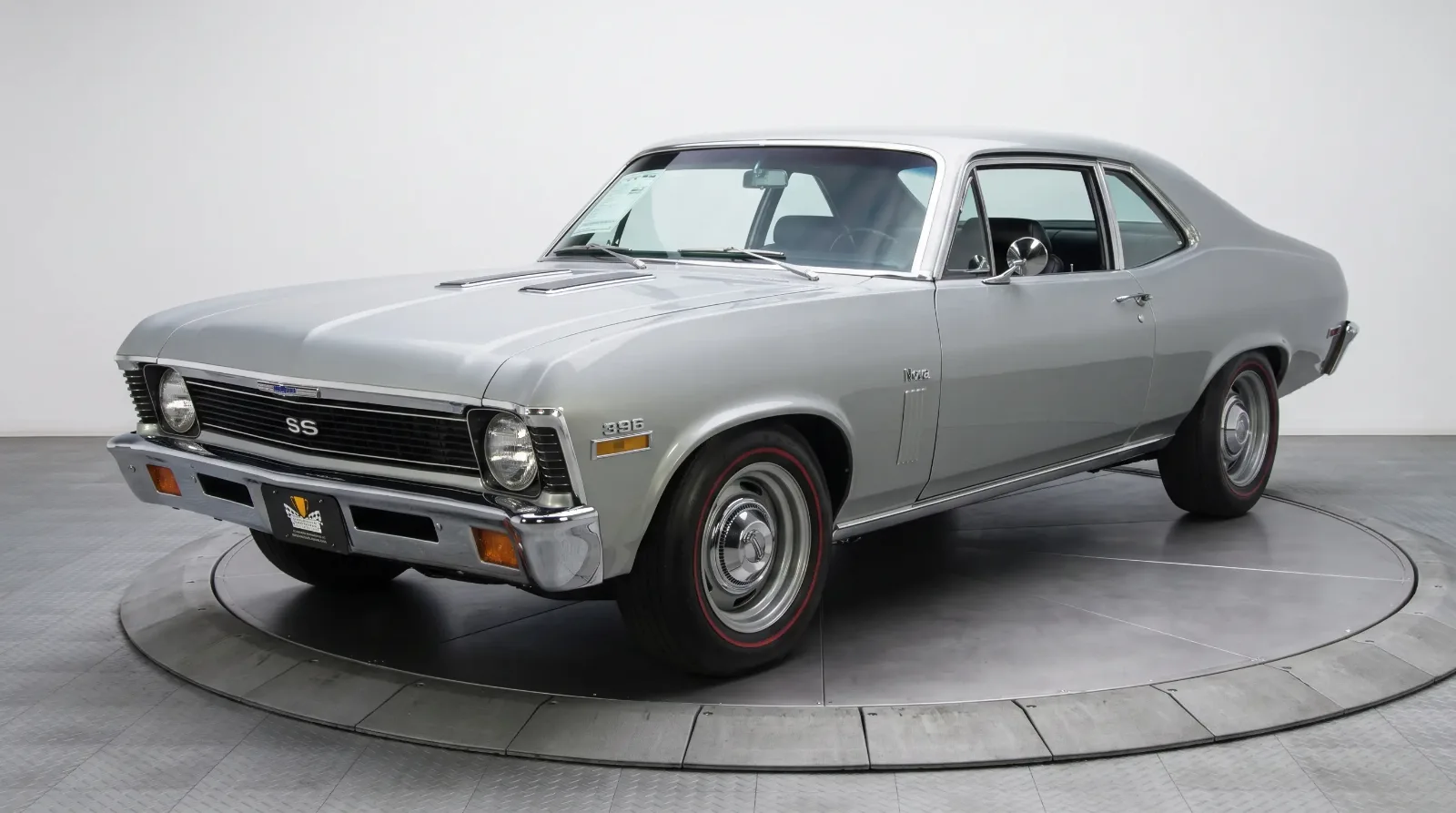
The 1969 cars carried the formula forward and are the ones you see most at auctions today. There is a reason. A 1969 SS 396 is the sweet spot for a lot of collectors, common enough to find and desirable enough to hold value. Weight distribution is the honest trade-off with these. The 396 puts real mass over the nose, so a big-block SS does not corner like the 327 cars do. In a straight line none of that matters, and a straight line is what most of these buyers wanted. The big-block Nova is also the jumping-off point for the wildest versions of all, and that is the next part of the story, so if the dealer-built specials interest you, follow the next part of the story.
Nova SS engine options at a glance
| Era | Engine | Rated output | What it is |
|---|---|---|---|
| 1963 to 1964 | Six / small V8 | Modest | Trim and appearance SS |
| 1965 to 1966 | L79 327 | 350 hp gross | The high-output small-block |
| 1968 to 1969 | L34 396 | 350 hp gross | Hydraulic-cam big-block |
| 1968 to 1969 | L78 396 | 375 hp gross | Solid-lifter top big-block |
The sleeper reputation
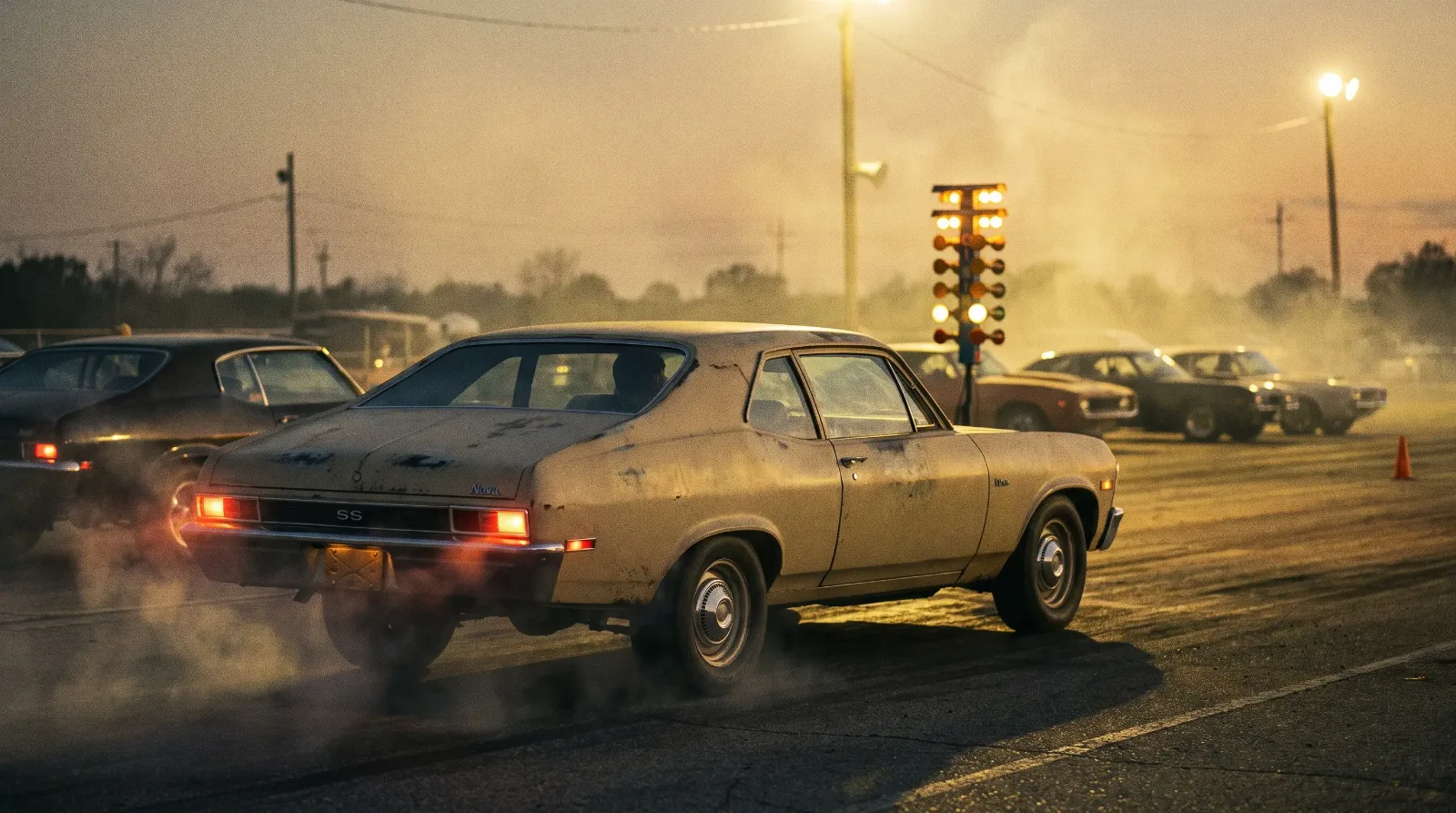
Here is what made the car special and why guys who knew better bought them on purpose. The Nova SS did not shout. The body was plain, the stance was normal, and the badges were small enough to miss. Meanwhile there was a 396 under the hood and a stout rear axle underneath. You did not pay for looks, you paid for the drivetrain, and that suited a certain kind of buyer just fine.
That sleeper quality still works today. A clean SS 396 does not draw a crowd at a cars and coffee the way a wild paint job does, and plenty of owners like it that way. The car does the talking when it needs to. There is a practical side to it as well. A car that does not scream money on the outside is a car you can drive without babysitting it in every parking lot, and these were built to be driven. If you value substance over show, this is the muscle car for you, and finding a good classic Nova SS for sale is easier than chasing the flashier nameplates that everybody already fights over.
Telling a real SS from a clone
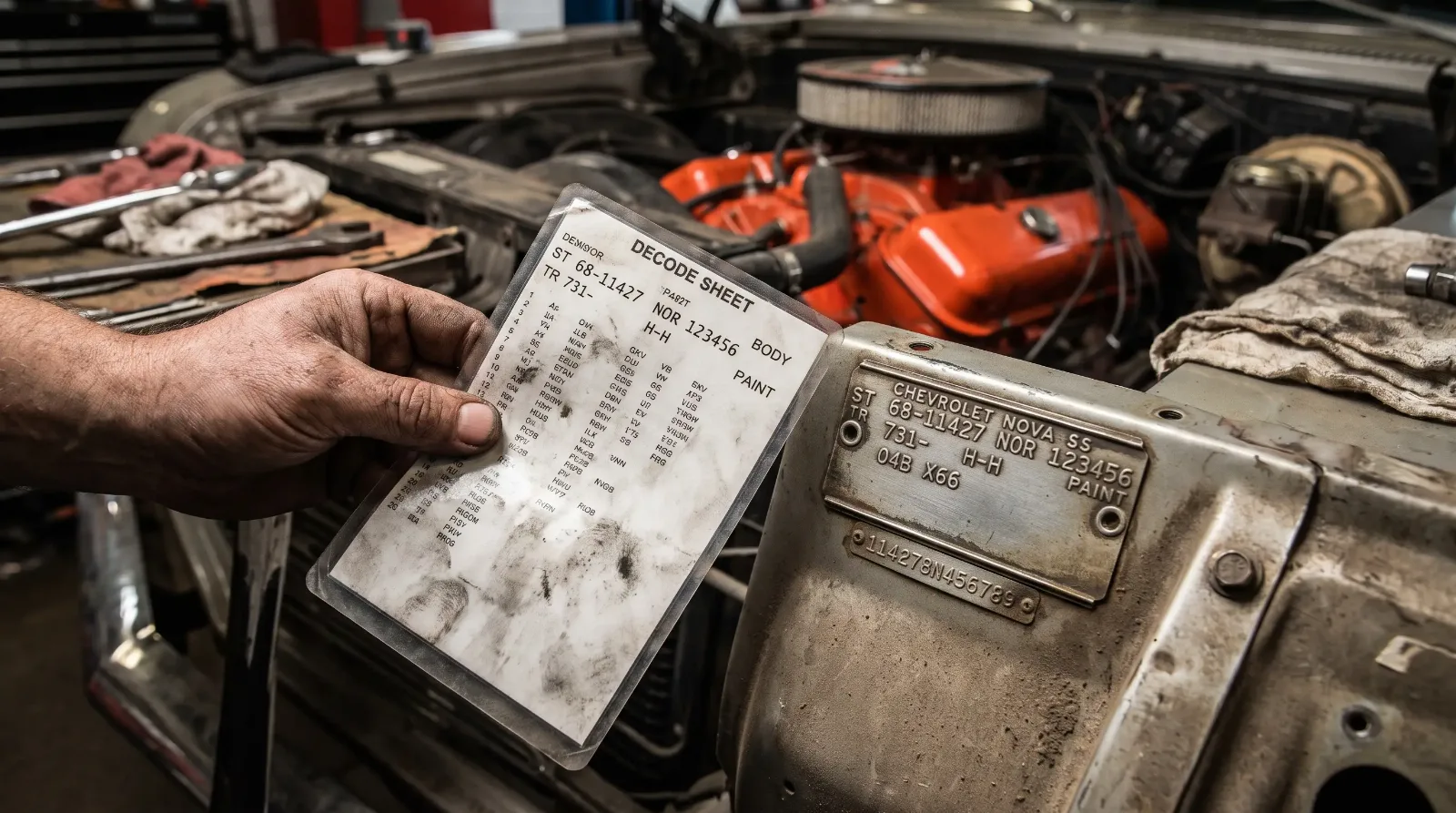
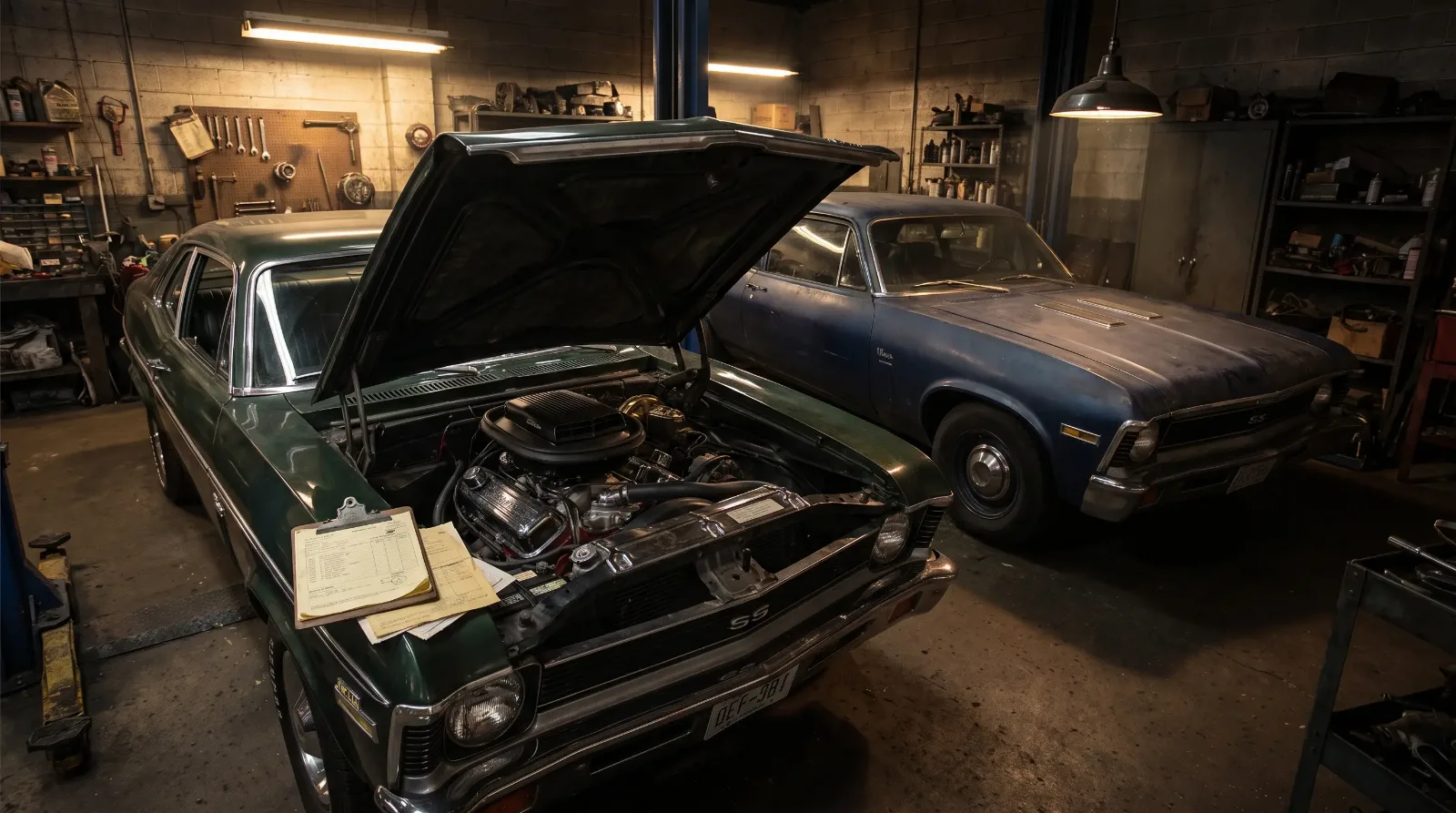
This is where I have to slow you down, because this is where people lose money. The SS was an option package, not a separate model with its own coding baked into the VIN on these cars. That means you cannot decode the VIN and prove you have a real SS 396. Anybody with a welder, a badge kit, and a big-block can build something that looks exactly like the genuine article. Some of those clones are excellent cars. They are just not worth genuine-SS money, and you should never pay genuine-SS money without proof.
What you want to see is documentation. A build sheet, the original Protect-O-Plate, a matching-numbers engine with casting dates that line up, dealer paperwork, or a spot in a recognized registry. The cowl tag helps but is not the whole answer on its own. No paper trail means you are buying a nice car at a nice-car price, not a documented SS at a documented-SS price. Do not let the seller talk you past that.
What to know before you buy
The bones of these cars are simple, which is good news for anybody who turns their own wrenches. Parts are available, the drivetrains are well understood, and there is nothing exotic to chase. The trouble is almost always rust and lies, in that order.
The Nova SS rewards the patient buyer. Take your time, look under the car, read the paperwork, and buy the best example you can afford rather than the flashiest one on the lot.
"The badge is the cheapest part on the car. Buy the metal and the paperwork, and let the emblems be the last thing you check."
— Mike Sullivan
Do that, and the small-package-big-punch reputation this car earned back in the day is still yours to enjoy for a fraction of what the big-name muscle cars cost. That was the whole point in 1968, and it is still the point now.