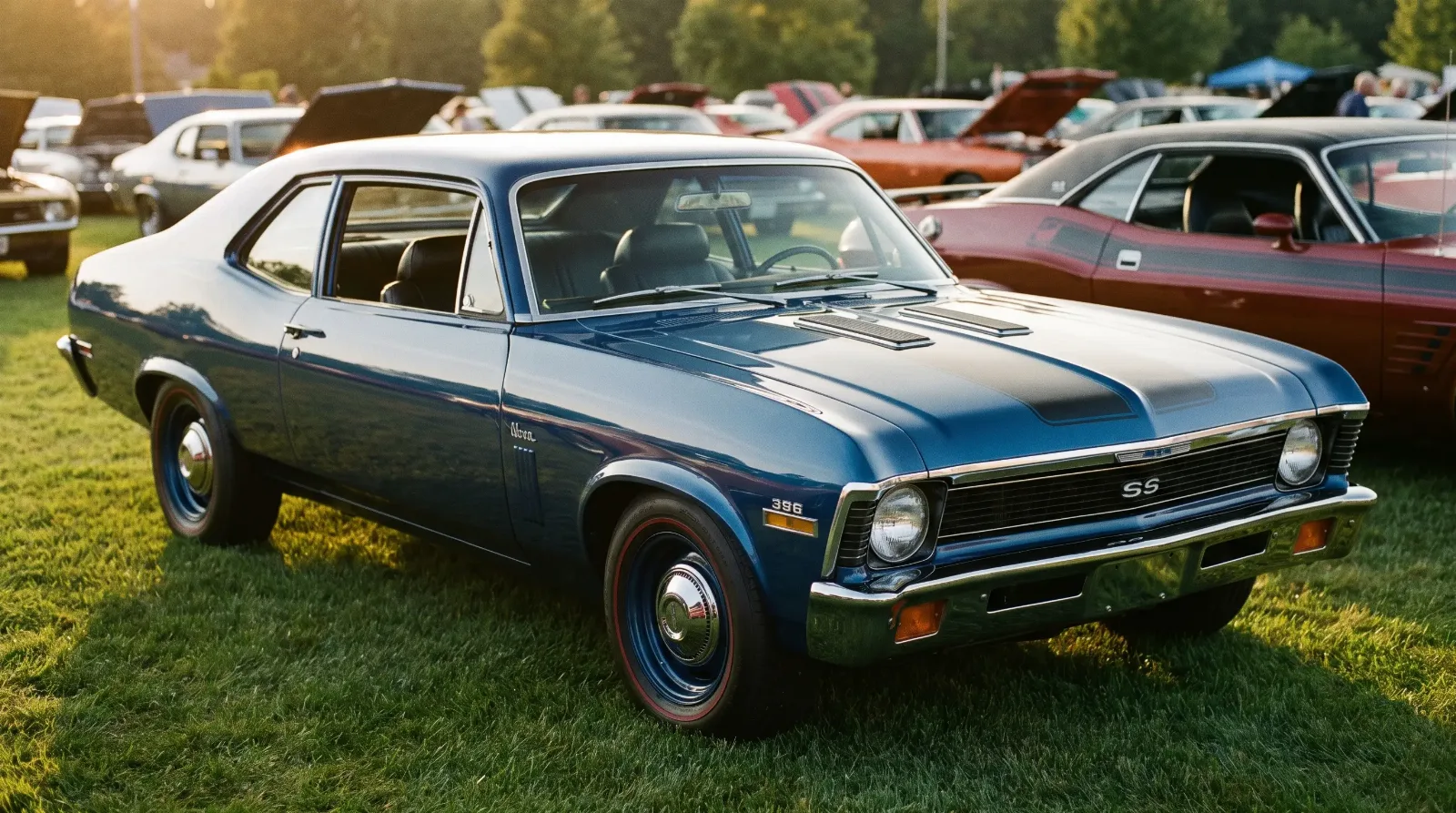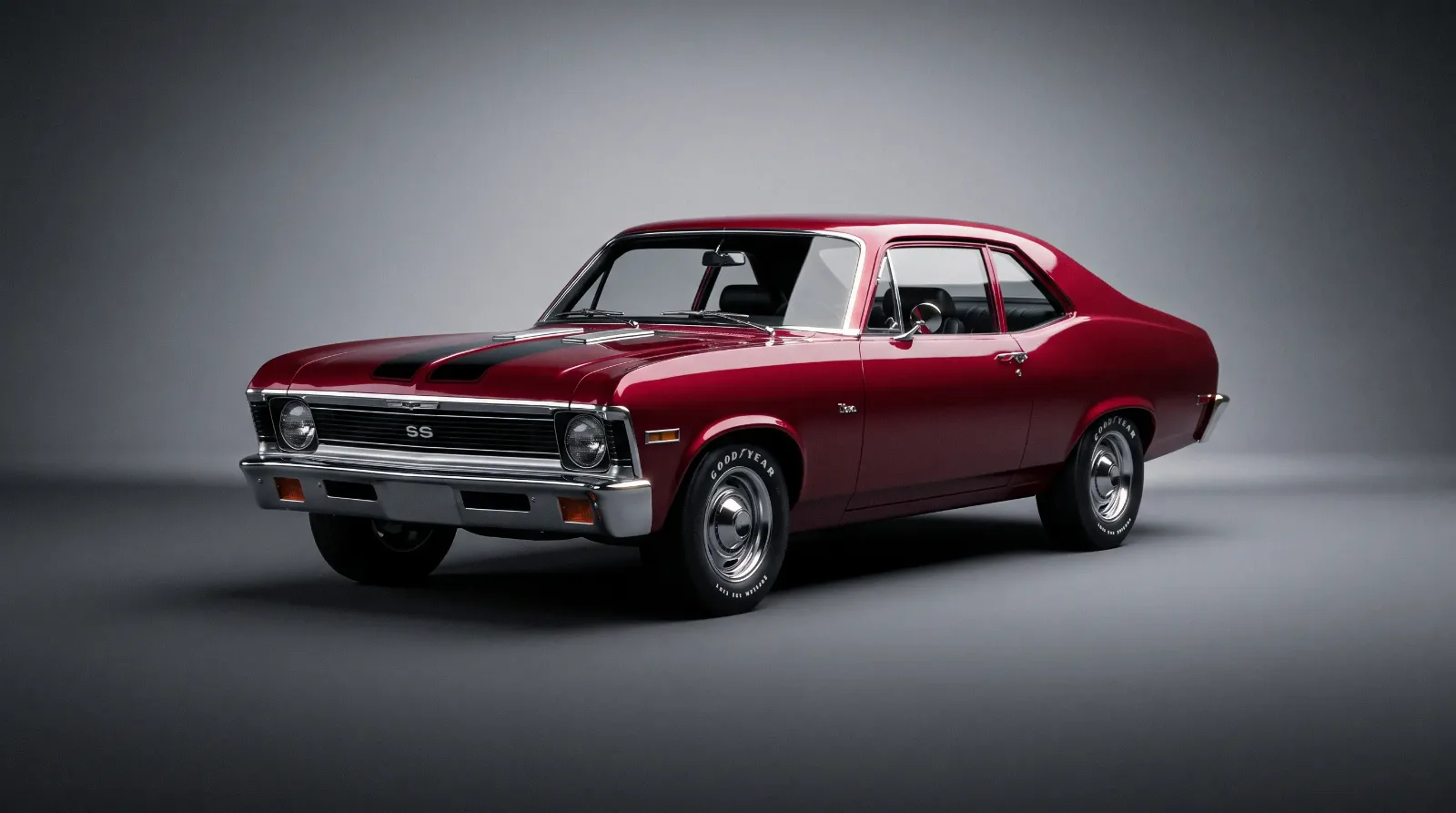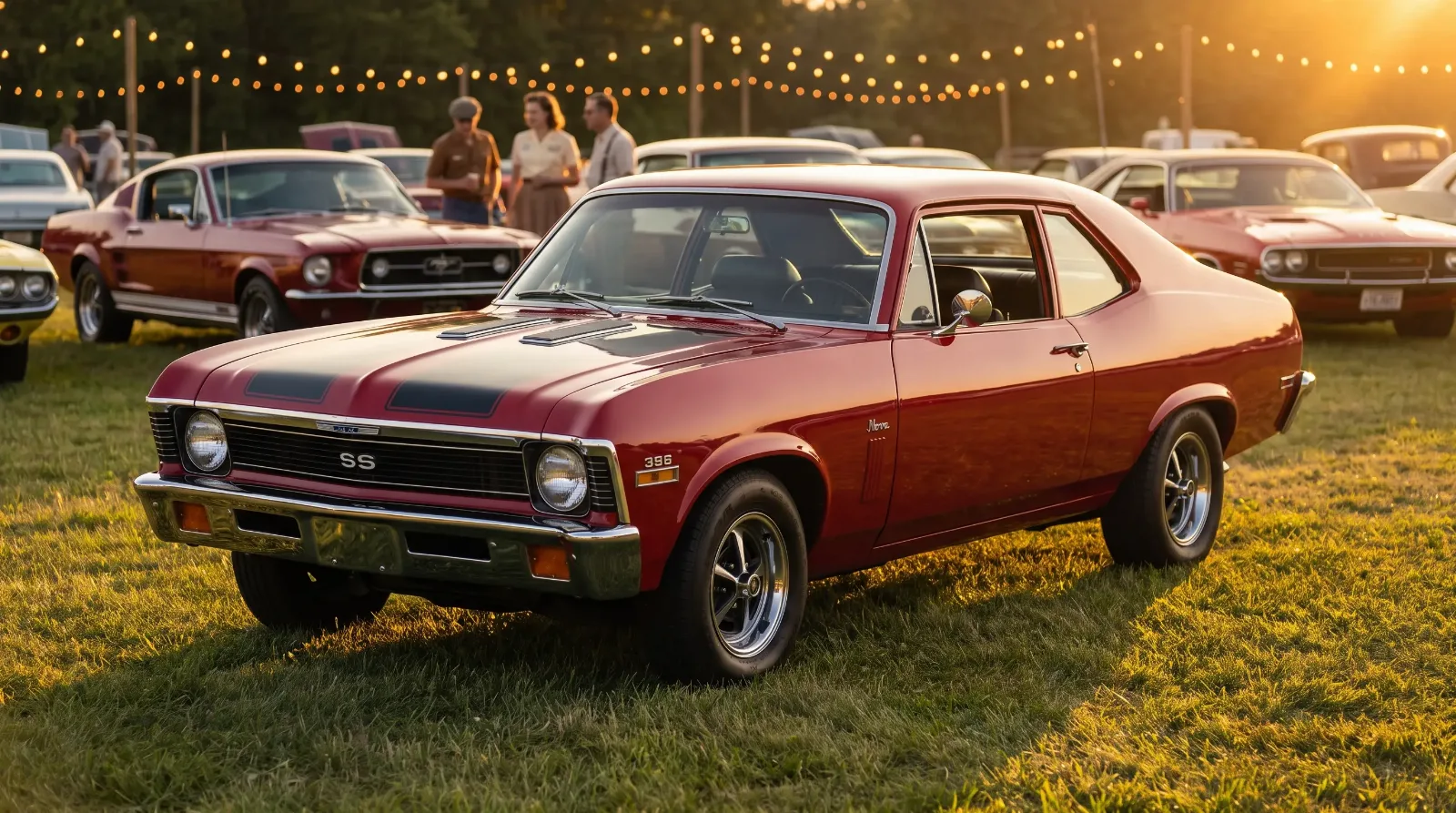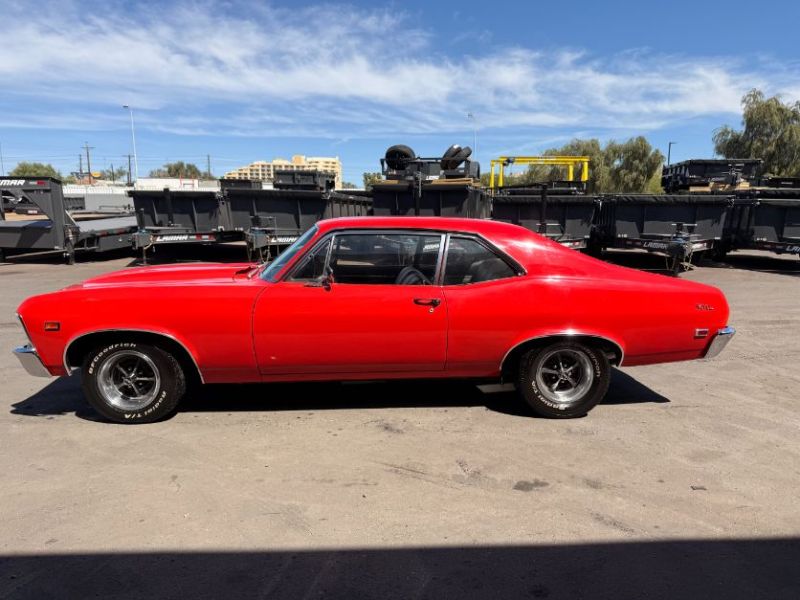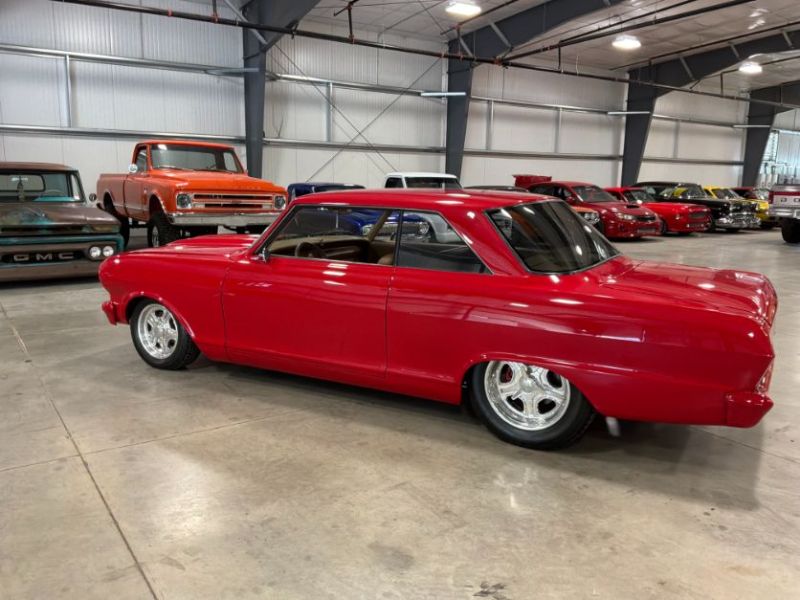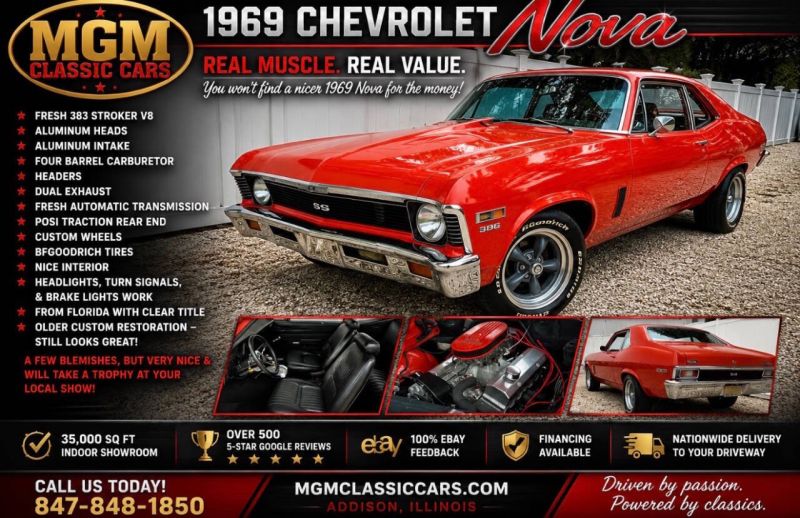
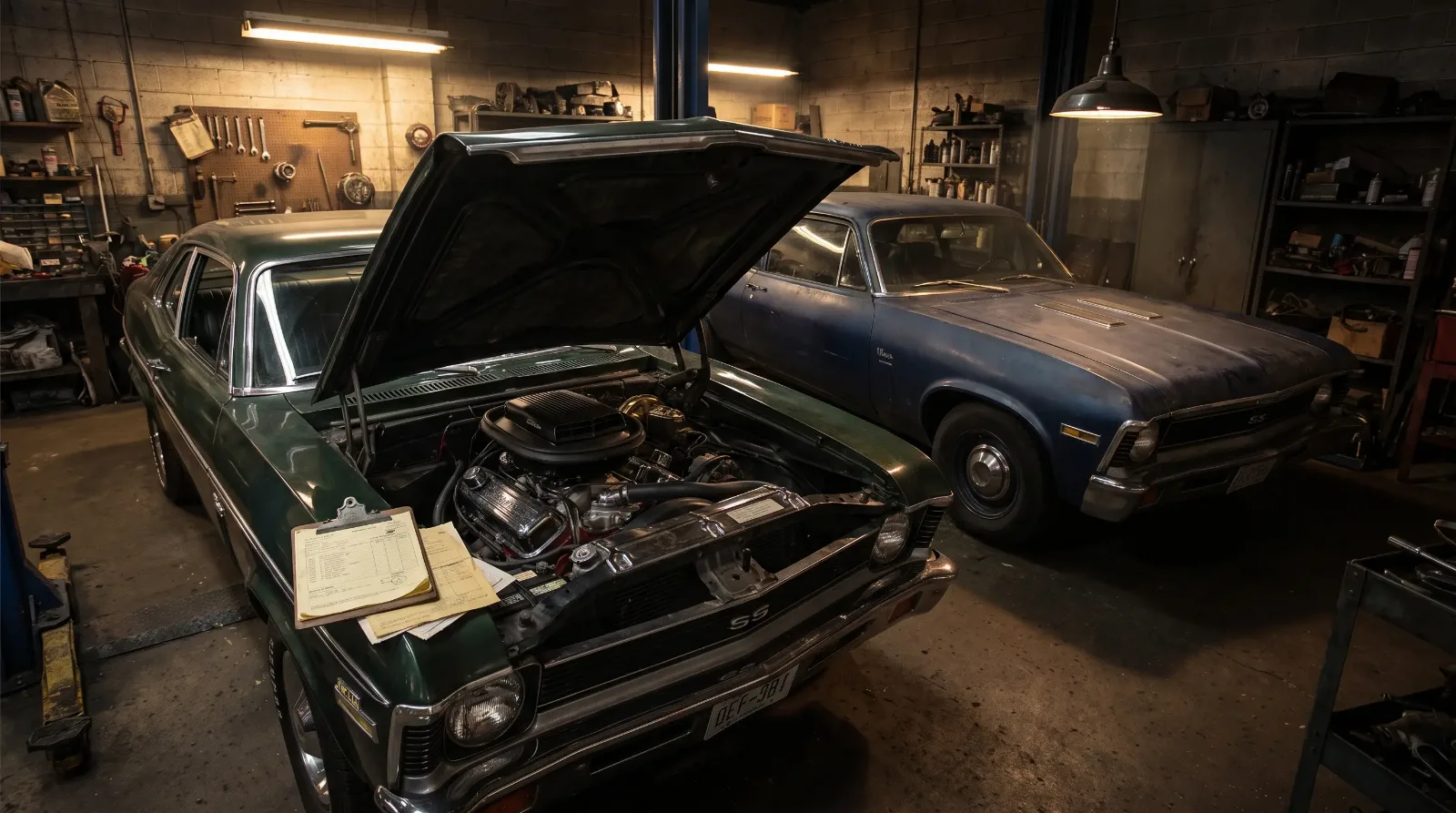
I bought a Nova SS in 1996 that turned out to be a clone, and I didn't figure it out until I'd already owned it for two years. It ran fine. It looked right. The badges were correct, the stripes were correct, and the seller had a story that held together well enough that I didn't push hard on the paperwork. That's the whole problem with clones. They're not usually built to fool an expert. They're built to fool a reasonably careful buyer who trusts the parts on the outside of the car more than the numbers stamped into it. If you haven't read how the Nova SS earned its name, it's worth understanding what made the real thing special before you learn how easy it's always been to fake.
Why clones exist and why nobody's really hiding anything
Most Nova SS clones aren't fraud in the criminal sense. They're base Nova bodies, often the exact same shell as a documented SS, built up over the decades with SS trim, badges, stripes, and sometimes a period-correct big-block swap, because a plain Nova was cheap and an SS badge made it more fun to drive and easier to sell later. Nobody involved in most of these builds set out to deceive anyone. The problem shows up two or three owners down the line, when the build history gets fuzzy, the person who did the SS conversion is long gone, and the car changes hands as an "SS" without anyone stating clearly that it started life as something plainer.
That's not automatically a bad car to own. It's a bad car to overpay for, and it's a bad car to buy without knowing exactly what you're getting.
Where the real documentation lives
The cowl tag is the single most important piece of evidence on any Nova from this era, and it's also the piece most commonly misunderstood by buyers who've never actually decoded one. The tag carries the build date, the assembly plant, the trim code, and the paint code, and cross-referencing those against the VIN and the actual equipment on the car is how you catch a mismatch. A cowl tag that shows a trim code inconsistent with SS equipment, on a car wearing full SS badging and stripes, is about as clear a red flag as this hobby produces. The tag format itself is fairly consistent across 1968-1970: line one carries the model year, GM division, model series and body style codes, the assembly plant, and the sequence number, while line two carries the three-digit interior trim code and the two-digit exterior paint codes for upper and lower colors or vinyl top. That second line is exactly where an inconsistent trim code shows up if the car's SS equipment doesn't match what the factory actually built. The VIN itself carries assembly plant and sequence information but doesn't confirm SS equipment level the way the cowl tag and the original invoice or build sheet do, which is why a VIN alone is never enough to call a car verified.
Engine casting numbers matter too, but they matter less than people think if the block's already been swapped at some point in the car's life, which happens constantly and isn't inherently dishonest. A numbers-matching claim needs the casting date, the casting number, and the stamped VIN derivative on the block to all line up with the car's own build date and VIN. Miss any one of those and you're looking at a correct-for-the-era engine, not a documented original.
Beyond the tag: what else to cross-check
The cowl tag and the VIN are the starting point, not the finish line. A truly careful check also looks at the assembly line stampings on the frame and body, which should match the sequence indicated on the cowl tag and VIN combined. Inconsistent undercoating, especially fresh undercoating applied selectively around areas where a tag or stamping might otherwise be visible, is a practical giveaway that somebody wanted a particular area harder to inspect. None of these checks take more than a few minutes each, and none require special tools beyond a flashlight and a reference guide for that model year's stamping conventions. What they require is patience, and a willingness to walk away from a car if the seller gets defensive about you taking the time to look.
Original invoices and factory Protect-O-Plates, when they exist, are worth more than almost any other piece of paper a seller can hand you, because they were issued at the point of sale and are much harder to fabricate convincingly than a story told secondhand. A seller who has one and offers it up without being asked is usually a seller who has nothing to hide. A seller who gets vague about paperwork the moment you ask a specific question is telling you something too, even if they don't realize it.
What a clone actually costs you
The financial gap between a documented, numbers-matching Nova SS and a well-built clone can be enormous. A numbers-matching 1970 Nova SS L78 with documented low mileage set a record at $275,000 at a recent Mecum sale, while comparable Nova SS-badged cars without that same paperwork have sold in the $30,000 to $60,000 range at other auctions and dealer listings, a gap of five times or more for cars that can look nearly identical in photos. That gap exists because documentation removes risk for the next buyer down the line, and risk is what collector car pricing is built on more than almost anything else. A clone can be mechanically identical to a real SS, drive the same, sound the same, and still be worth a fraction of the price, purely because the paper trail doesn't back up the badges.
This is exactly why I check paperwork before I check anything mechanical when I'm looking at a car somebody's calling an SS. The engine can be rebuilt in a weekend. The documentation either exists or it doesn't, and no amount of detailing changes that fact.
"The car I bought back in '96 taught me the lesson everybody eventually learns the hard way. It doesn't matter how good the badges look or how the stripes sit if the cowl tag doesn't back it up. I still see people get burned on this exact thing every year, and it's always the same story. They trusted the parts on the car more than the numbers stamped into it."
— Mike Sullivan
How to protect yourself before you buy
Ask for the cowl tag decode in writing, not just a verbal explanation. Ask whether the seller has an original invoice, a Protect-O-Plate, or any factory documentation beyond the tag itself, because more paperwork means more corroborating evidence. If the seller can't produce anything beyond "it's always been an SS," treat the car as an undocumented build regardless of how convincing the badges and stripes look, and price your offer accordingly. None of this means walk away from every car without a full paper trail. It means know what you're buying and pay a fair price for exactly that car, not for the SS badge alone.
For a broader look at how these cars evolved across the model years and what changed under the badge, another angle on this same silo tracks the details year by year, which is useful background once you've got the documentation basics down.