
Ask ten Nova guys what "Nova SS" means and you'll get ten different answers, because the package changed more between 1963 and 1974 than almost any other Chevrolet trim I can think of. Some years it was a real performance car. Other years it was a stripe kit and a set of gauges bolted to a six-cylinder grocery getter. If you're shopping the nova ss years and trying to figure out which one you actually want, you need to know what changed and when, because the badge alone tells you almost nothing.
Car Features
6 min read
The Nova SS Year by Year (1963-1974)
The Nova SS badge meant something different almost every year it existed. Here is what actually changed under the hood from 1963 through 1974, engine by engine.
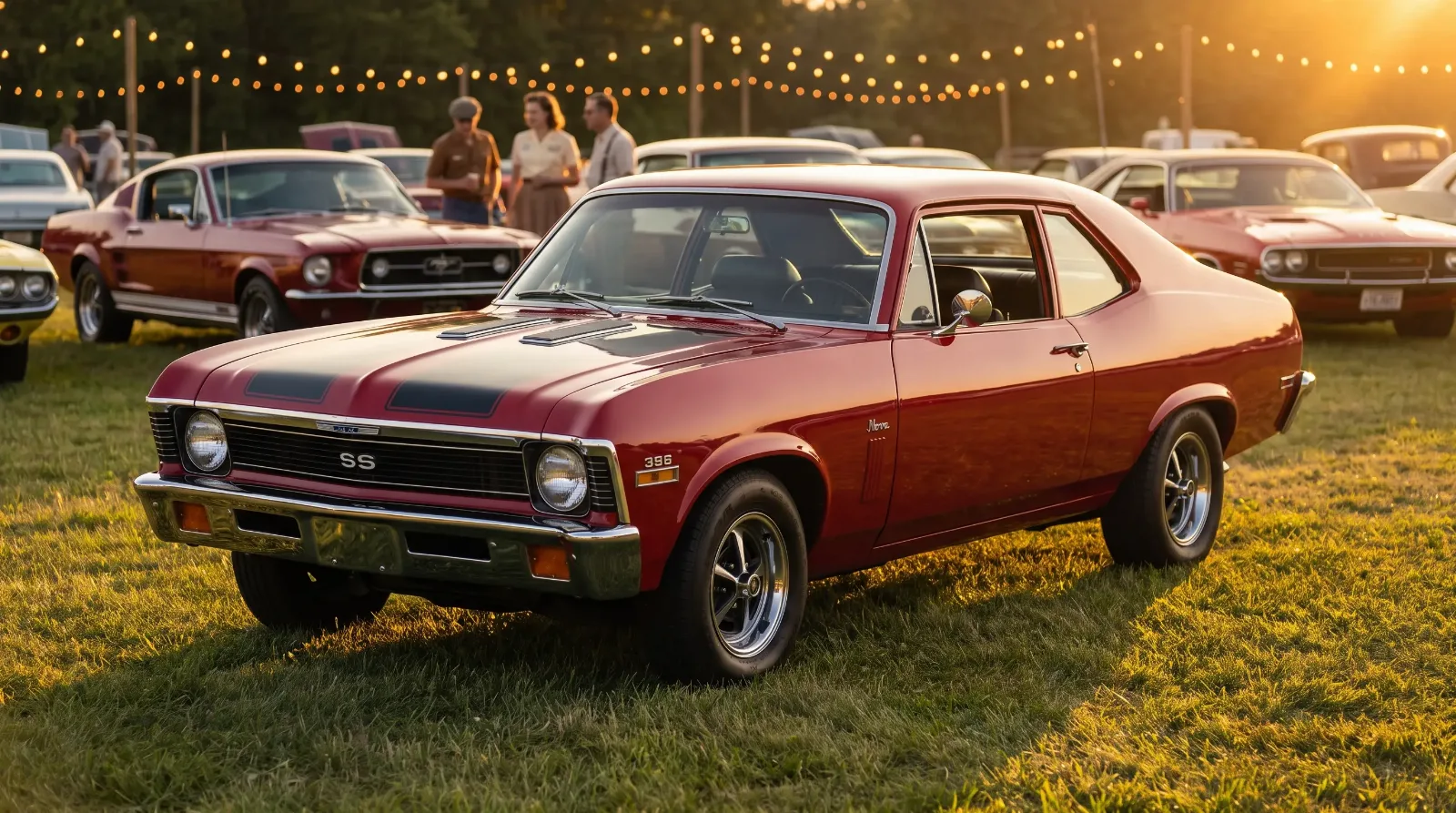
I've had guys drag a "1974 Nova SS" into my shop expecting a muscle car and leave disappointed when they find out what's actually under the hood. That's not their fault. Chevrolet marketed the SS name loosely for most of its run. Here's the real breakdown, year by year, so you know what you're buying before you write the check.
Where the package started: 1963 to 1965
The Nova SS showed up in 1963 as an option on the Chevy II, and back then it was mostly appearance. Bucket seats, a center console, special SS badging, and some extra gauges. The six-cylinder was still the standard engine, and the small V8s that eventually arrived were nothing to write home about. This is the part people miss: the early Nova SS wasn't built to race anybody. It was built to look sporty in a showroom full of Falcons and Novas that all looked the same otherwise.
By 1964 Chevrolet let you order a 283 cubic inch V8 in the SS, which helped, but you were still looking at a car that topped out around 220 horsepower in its hottest factory four-barrel form, with a milder 195-horsepower version as the standard V8. Good for the era. Not a muscle car by any stretch.
The second-generation body and the 396
1966 brought a new body and Chevrolet finally let the Nova SS carry some real iron. The L79 327 arrived as a catalog option rated at 350 horsepower, and that's the first year I'd call the SS genuinely quick. For 1967 Chevrolet officially pulled the L79 from the order sheet, though a small handful of cars, believed to be around six, still slipped out with a lower-rated 325-horsepower version. Either way it's a rare option today. Most buyers ordered the small-block sixes and 283s because that's what dealers had sitting on the lot. The bigger jump came in 1968, when Chevrolet redesigned the Nova again, dropped "Chevy II" from most of the advertising, and finally shoehorned a big-block into the engine bay. The SS 396 arrived that year, and depending on the option code you could walk out with something in the 350 to 375 horsepower range. The L78 396, when you can find one that's documented, is the car everybody wants from this generation. It's also the one with the most fake tags floating around, so get the block numbers checked before you pay big-block money.
1970 to 1972: the last real big-block Novas
1970 is generally considered the peak of the factory Nova SS. The big-block grew to 402 cubic inches that year but Chevrolet kept calling it the 396 for marketing reasons, which still trips people up at swap meets. The L78 version was rated at 375 horsepower, and the L34 came in around 350. Both are real performance numbers, not showroom fluff.
1971 is where things start softening. Compression dropped across the board to run on lower-octane, lead-reduced fuel, and the horsepower numbers on paper took a hit even before the industry switched to net ratings. 1972 was the last year you could get a big-block SS Nova at all, and by then the numbers were modest compared to just two years earlier. If big-block power matters to you, your window is 1968 through 1972, full stop.
1973 to 1974: the badge outlives the muscle
After 1972, the SS became mostly a trim and suspension package again, not unlike where it started a decade earlier. The 350 small-block was the top engine offered, insurance rates and emissions rules had gutted the market for big-blocks, and Chevrolet wasn't going to keep building a car nobody could afford to insure. The SS badge stuck around through 1974 in various forms, but by then it's an appearance package with a stiffer suspension, not a street brawler.
| Years | Top factory engine | What you're really buying |
|---|---|---|
| 1963-1965 | 283 V8 (optional) | Trim and bucket seats, mild performance |
| 1966-1967 | L79 327 (350 hp in 1966; a handful of 1967 cars at 325 hp) | First genuinely quick Nova SS, hard to find today |
| 1968-1970 | 396/402 L78 (375 hp) | The big-block years, peak collector interest |
| 1971-1972 | 396/402 (reduced compression) | Still a real big-block, softer numbers |
| 1973-1974 | 350 small-block | Appearance and handling package, no big-block |
If you're deciding which year fits your budget and your goals, work backward from what you actually want to do with the car. Somebody chasing documented numbers-matching investment value should be reading the Nova SS story before they narrow down a specific year, because the broader model history explains why certain years carry a premium that others simply don't.
Buying by year: what actually matters
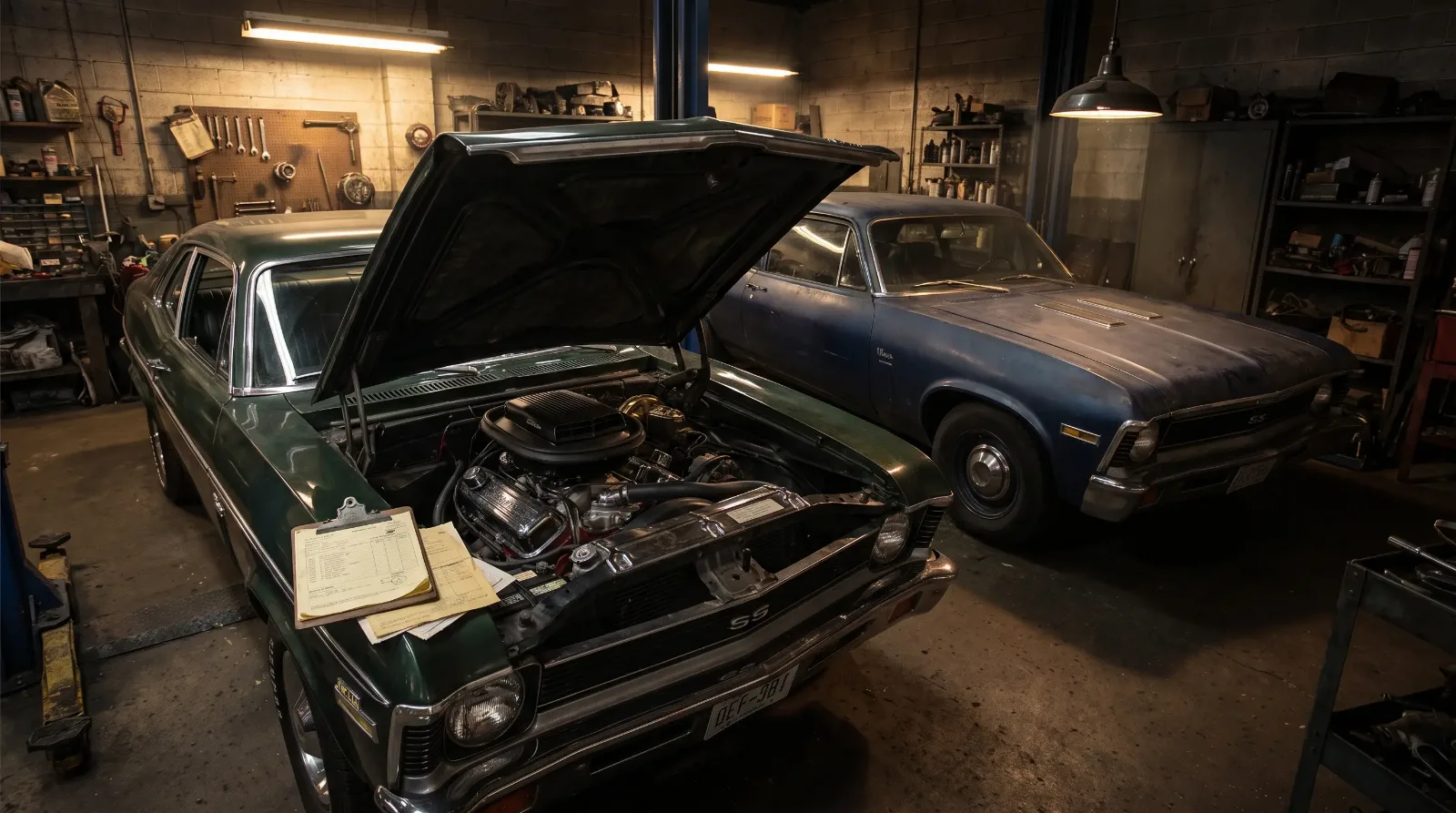
A few things I tell every buyer regardless of model year. First, verify the cowl tag and trim tag match the engine sitting in the car right now, because Nova SS engine swaps have been common since the 1980s and a small-block '73 dressed up as a '70 big-block is not a rare unicorn, it's a fraud waiting to happen. Second, understand that early cars (1963-65) are undervalued relative to their rarity because nobody's chasing them for horsepower, which can make them a smart buy if you just want an honest driver. Third, the 1968-70 big-block cars are where the money is, and that means they're also where the fakes are.
"I've had guys swear up and down their Nova is a real L78 car, and then we pull the cowl tag and it's a six-cylinder car from three states away wearing somebody else's fender emblems. Do the homework before you fall in love with the badge."
Mike Sullivan
The short version: if you want a genuine muscle car, stick to 1968 through 1972 and get the paperwork verified before you buy. If you want an honest, affordable classic that still turns heads, the early cars deserve more respect than the market currently gives them. Either way, knowing exactly what changed each year keeps you from paying big-block prices for a car that never had one. For the full picture of how the Nova SS fits into the model's broader story, keep reading the series to see which specific years and options actually command the strongest money today.
Sources and notes
Related Reading
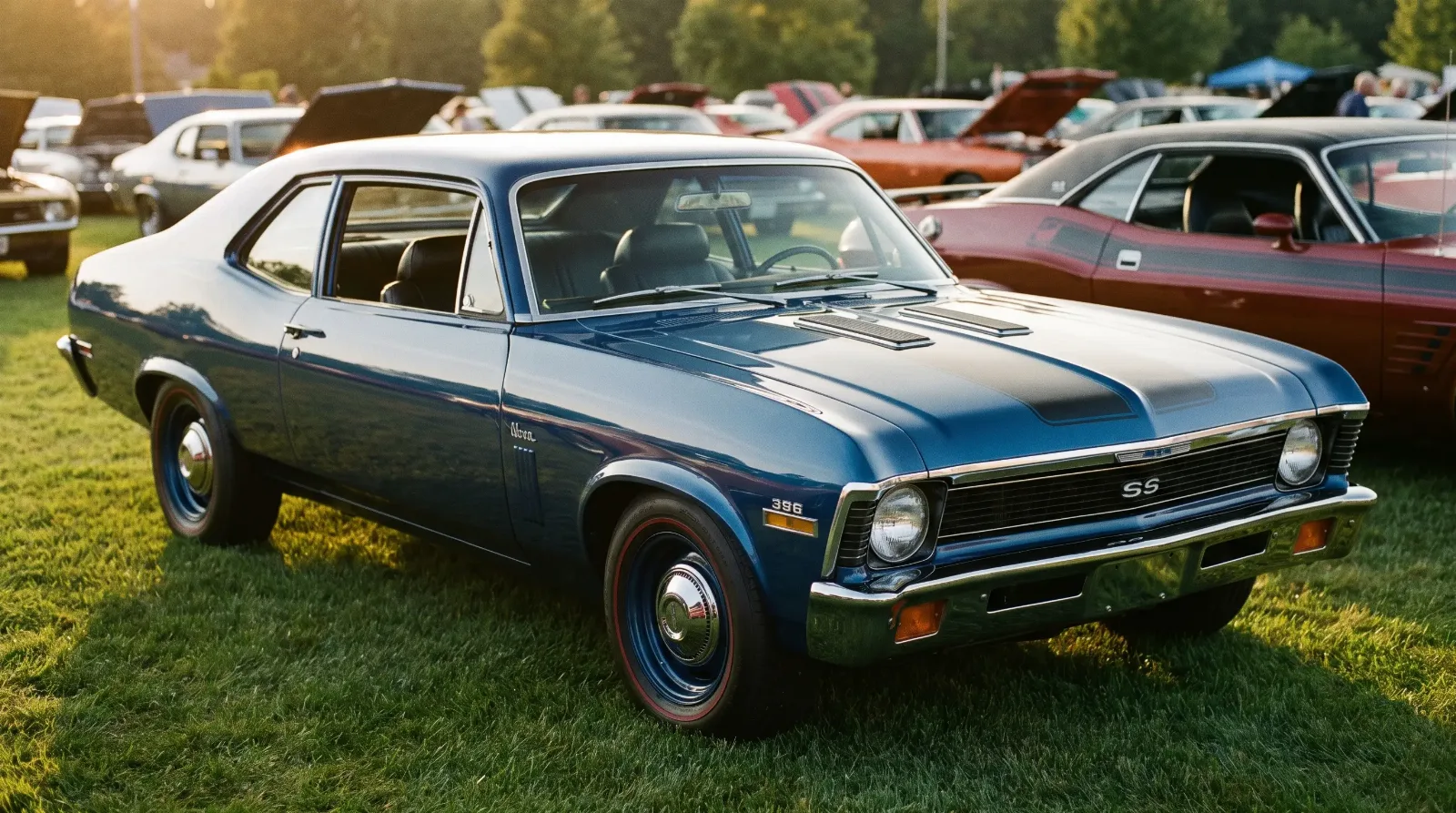
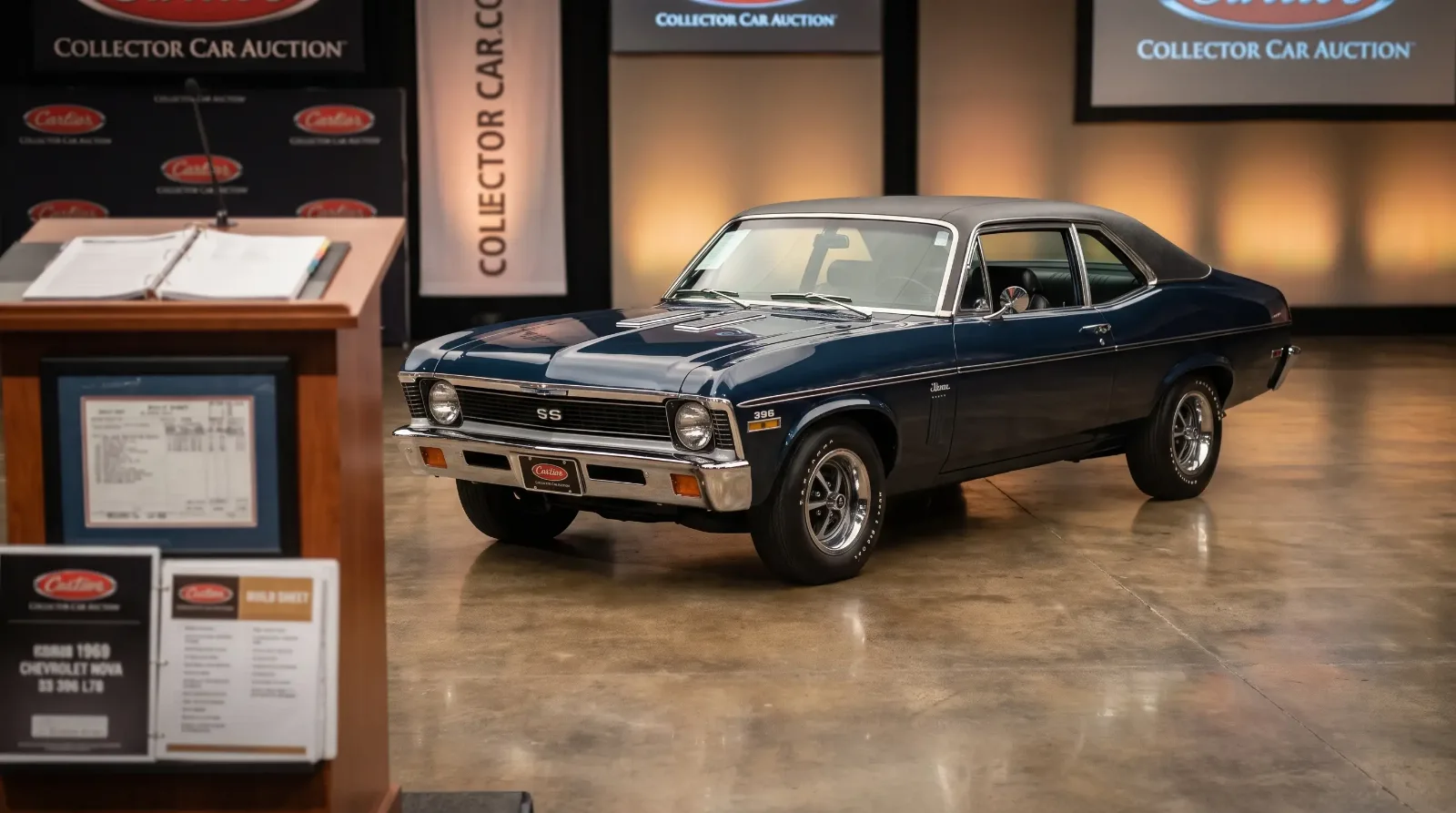
Have a
Chevrolet Nova
for Sale?
Reach thousands of serious classic car collectors across the US.
Sell It Here →
Are You a Classic Car Dealer?
List your full inventory and connect with targeted classic car buyers.
Join as a Dealer →

About the author
Mike Sullivan
Detroit-area muscle car enthusiast and restoration specialist with three decades of hands-on experience working on American iron.
Related Listings - Chevrolet Nova




Comments
Be the first to comment on this article.