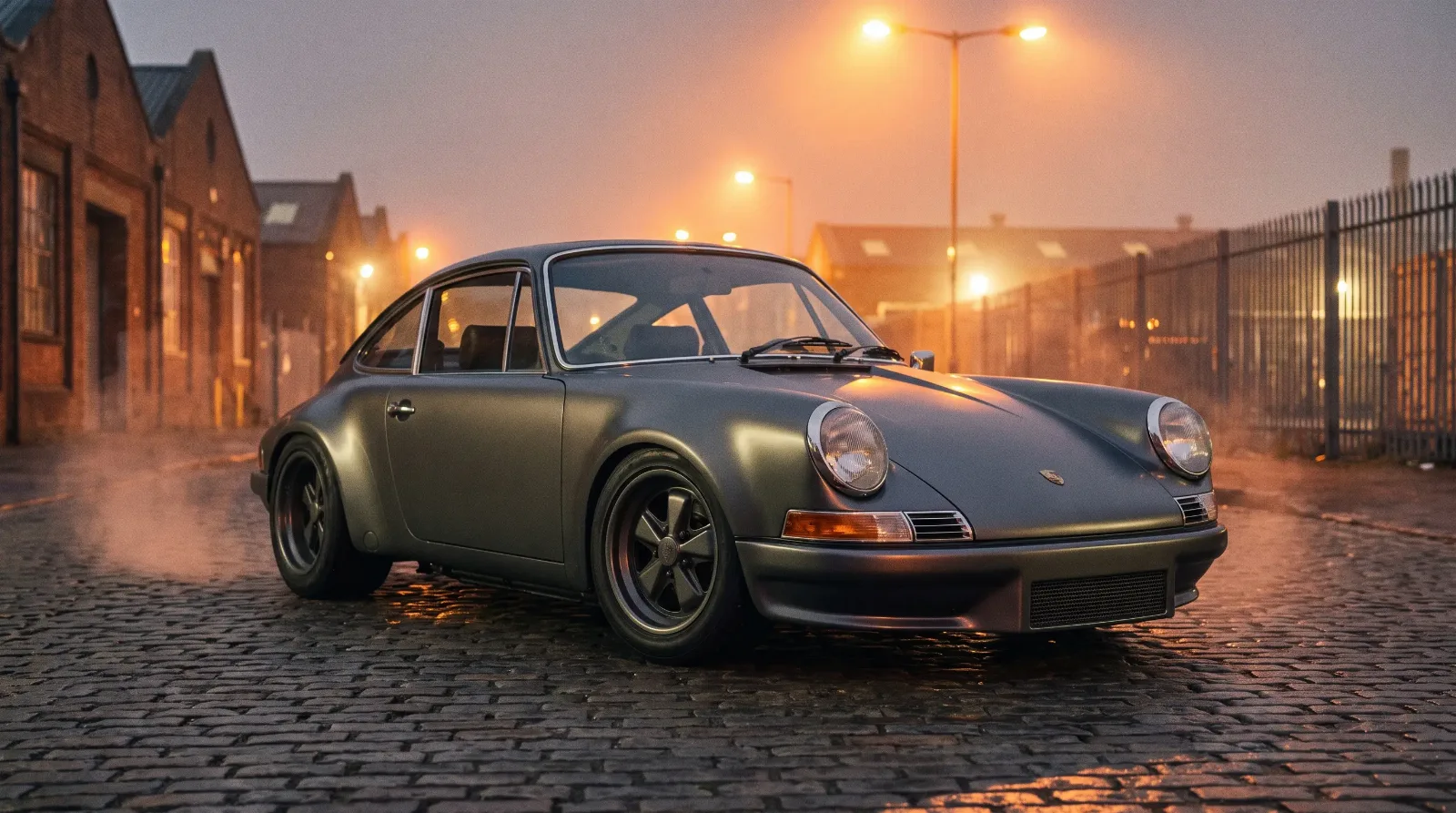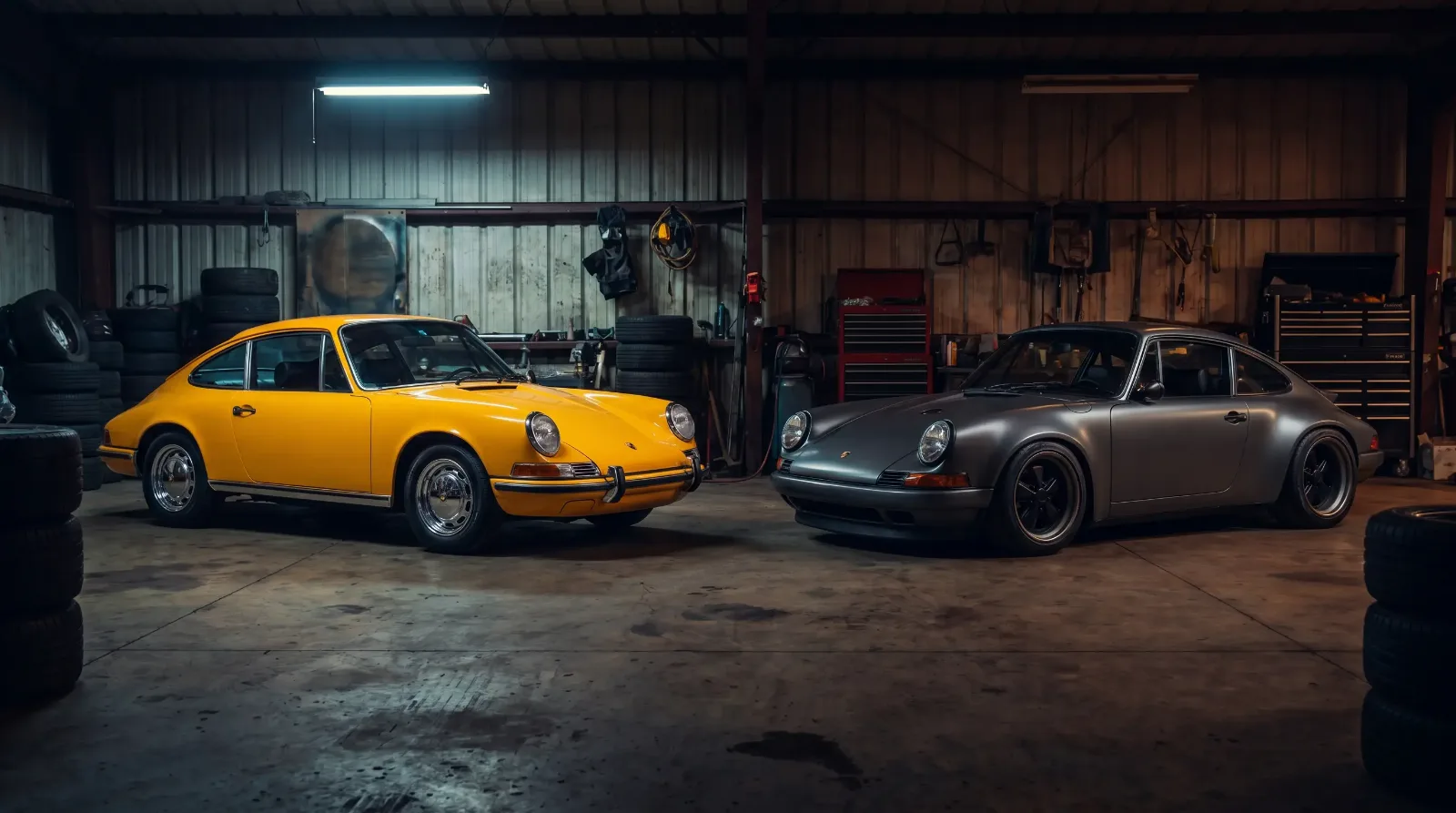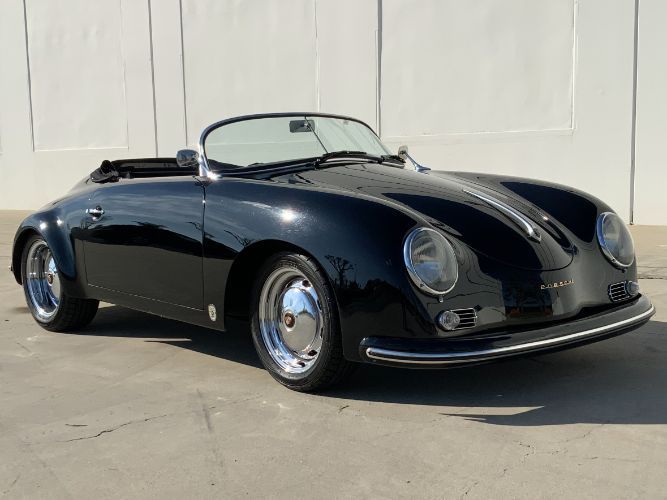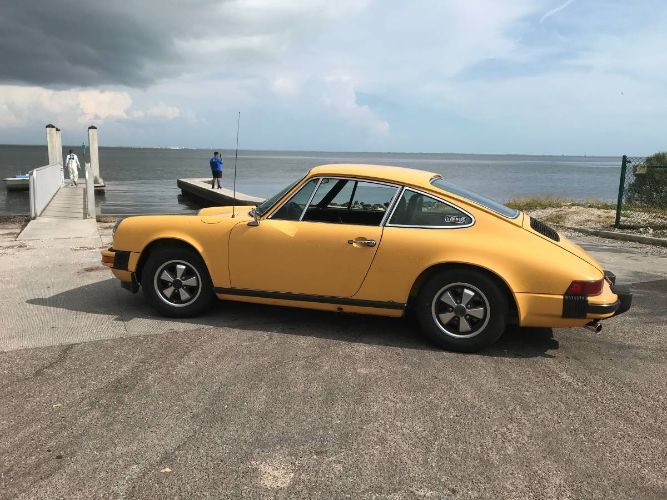
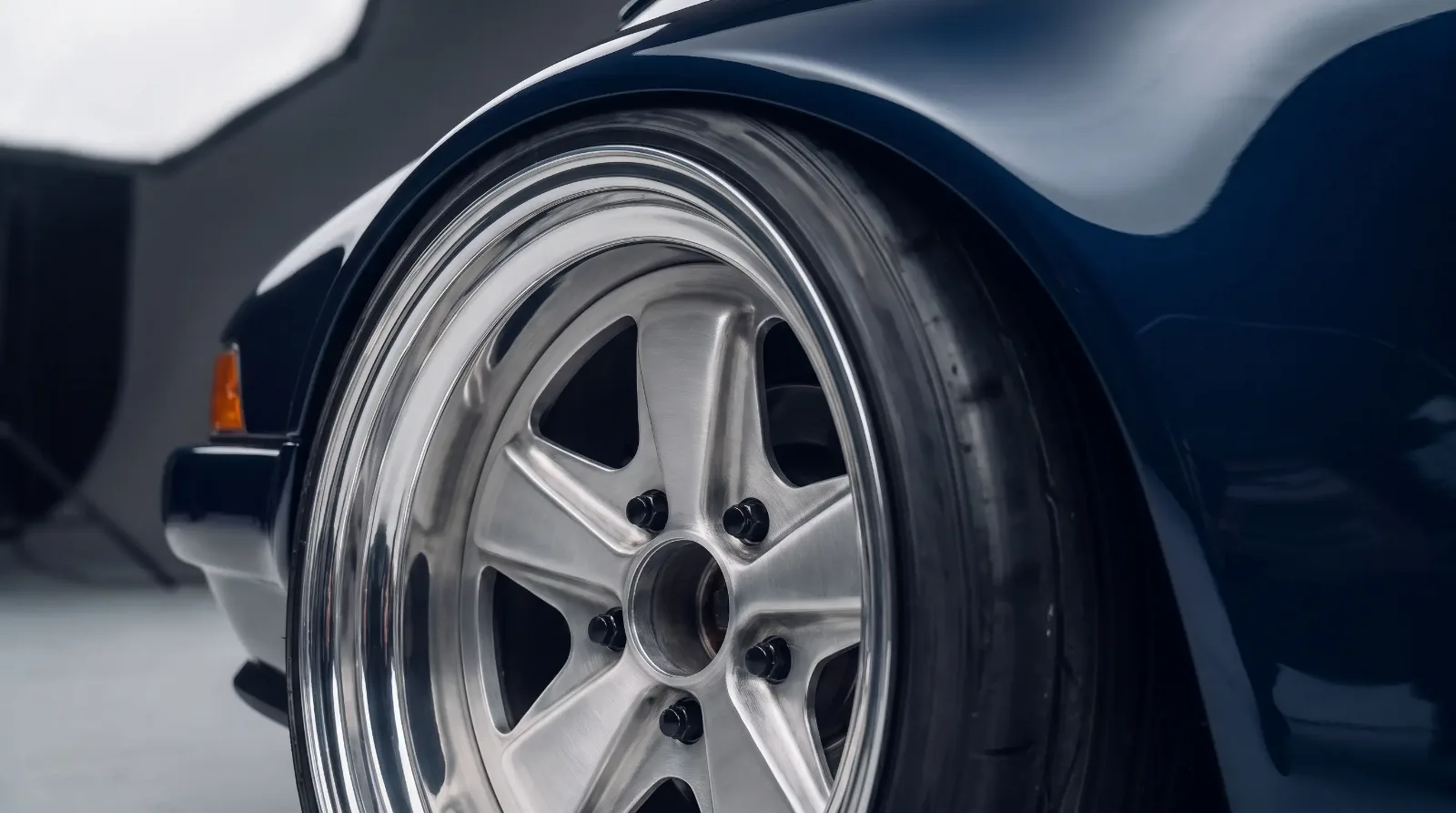
You can spot an outlaw Porsche 911 from across a parking lot before you ever see the engine bay, and it usually comes down to the wheels. Fuchs alloys with a deep, brushed lip, or steel wheels widened and stretched further than Porsche ever offered from the factory. Get the wheel wrong on an outlaw build and the whole car reads off. Get it right and everything else about the build starts making sense.
Why Fuchs became the shorthand for correct
Porsche introduced the forged Fuchs alloy wheel in the late 1960s, and it stuck around as the signature 911 wheel for the better part of two decades. The five-spoke design with the polished lip and brushed spoke faces wasn't just distinctive looking, it was genuinely well engineered for the era, light for a forged wheel and strong enough to handle the loads a 911 puts through its rear axle.
For the outlaw scene, Fuchs wheels became a kind of visual password. Put a set of period-correct Fuchs on a modified 911 and you're signaling that you understand the car's history even while you're departing from its factory spec everywhere else. That's part of why original Fuchs wheels in good condition, or correctly refinished ones, command real money today. Builders will hunt for years to find a matching set in the right width and offset rather than settle for reproductions.
"Everybody notices the paint first, but the wheel is what tells you whether the guy who built this car actually knows what he's doing. Get the width, the offset, and the lip depth wrong, and nothing else about the build matters."
— Jim Vasquez
The steel wheel alternative
Not every outlaw build goes the Fuchs route, and honestly some of the best ones don't. Widened steel wheels have their own devoted following, partly because they're cheaper and more available than hunting down rare forged alloys, and partly because they carry their own honest, working-class look that fits a lot of outlaw builds better than polished forged wheels would.
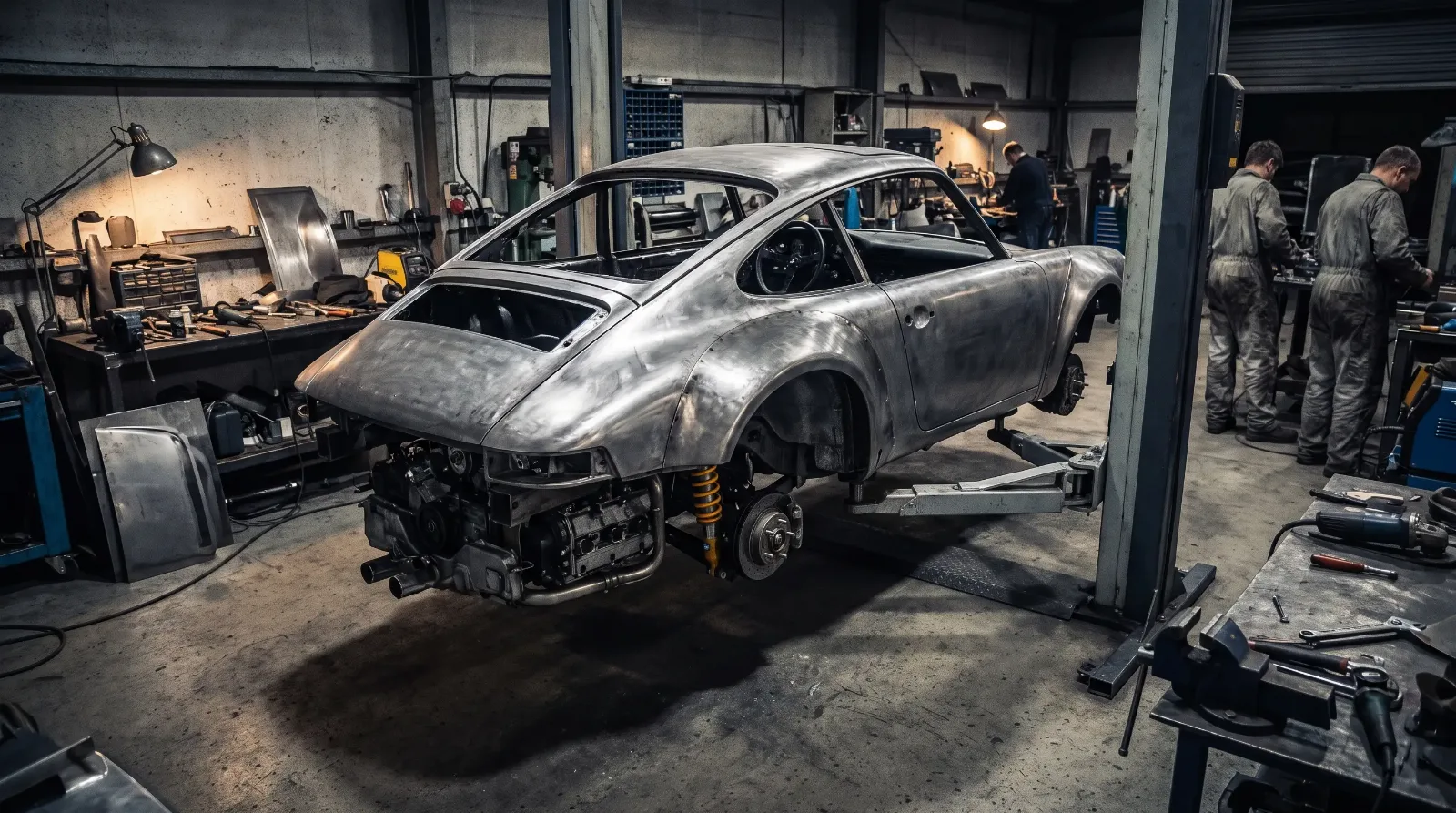
Widening a steel wheel is real fabrication work, not a bolt-on job. A shop cuts the wheel, adds a center section to increase width, and rewelds it true, then balances and pressure-tests the result before it ever sees a tire. Done wrong, a widened steel wheel is a real safety risk. Done right, by a shop that actually specializes in this kind of work, it's a strong, honest wheel that looks like it belongs on a car built to be driven hard, not trailered to a show and back.
| Wheel type | Typical look | Best suited to |
|---|---|---|
| Original Fuchs alloy | Polished lip, brushed spokes | Period-correct outlaw builds, higher budgets |
| Reproduction Fuchs-style | Same silhouette, new casting | Builders wanting the look without vintage prices |
| Widened steel | Painted, deep-dish, industrial | Driver-focused outlaw builds on a budget |
Why width and offset matter more than most people think
The visual punch of an outlaw 911 comes largely from stance, and stance is a math problem before it's a style choice. Wheel width, offset, and tire sidewall all have to work together with the fender flare or the car ends up looking either tucked-in and timid or comically overhung. The best builders spend real time on this before a single wheel gets ordered, working out exactly how much lip and how much tire stretch a given fender can actually carry.
Get the offset wrong in either direction and you're looking at rubbing under compression, or a wheel that sits so far inboard it undoes the whole aggressive look the build was going for. This is the part of an outlaw build that separates a shop that's done a hundred of these from someone guessing based on photos they saw online.
Tire choice compounds all of this. A wider wheel wearing a tire with too much sidewall looks soft and undermines the aggressive stance the build is chasing. Most outlaw builders run a lower-profile tire than stock, which sharpens the visual line but also changes the ride quality and the rolling diameter, so the speedometer and gearing need to be checked against whatever tire size actually goes on. It's a small detail, but I've seen builds get this wrong and end up with a car that reads perfectly in photos and drives with an odometer that's lying by several percent.
Where wheels fit in the bigger outlaw picture
Wheels are one detail in a much bigger philosophy, and the outlaw chapter covers the full scope of that philosophy, from engine work to bodywork to the attitude behind the whole movement. Wheels just happen to be the detail everyone notices first, which is exactly why builders spend so much time getting them right.
If you want to see how this same instinct toward personalization plays out across a broader range of builds and eras, a companion piece looks at the wider restomod boom that this outlaw wheel obsession is really just one visible piece of.
None of this is cheap to get right, and that's worth saying plainly before anyone starts shopping for wheels. A quality set of correctly restored Fuchs, or a professionally widened steel set built by a shop with a real track record, is one of the more expensive line items on an outlaw build once you add up the machining, the paint or polish, and the balancing work. Cutting corners here shows up fast, either as a wheel that looks slightly wrong in photos or, worse, as a structural problem nobody notices until it's too late. Spend the money on the wheel before you spend it on anything cosmetic. It's the one part of the car that touches the road every single mile you drive it.