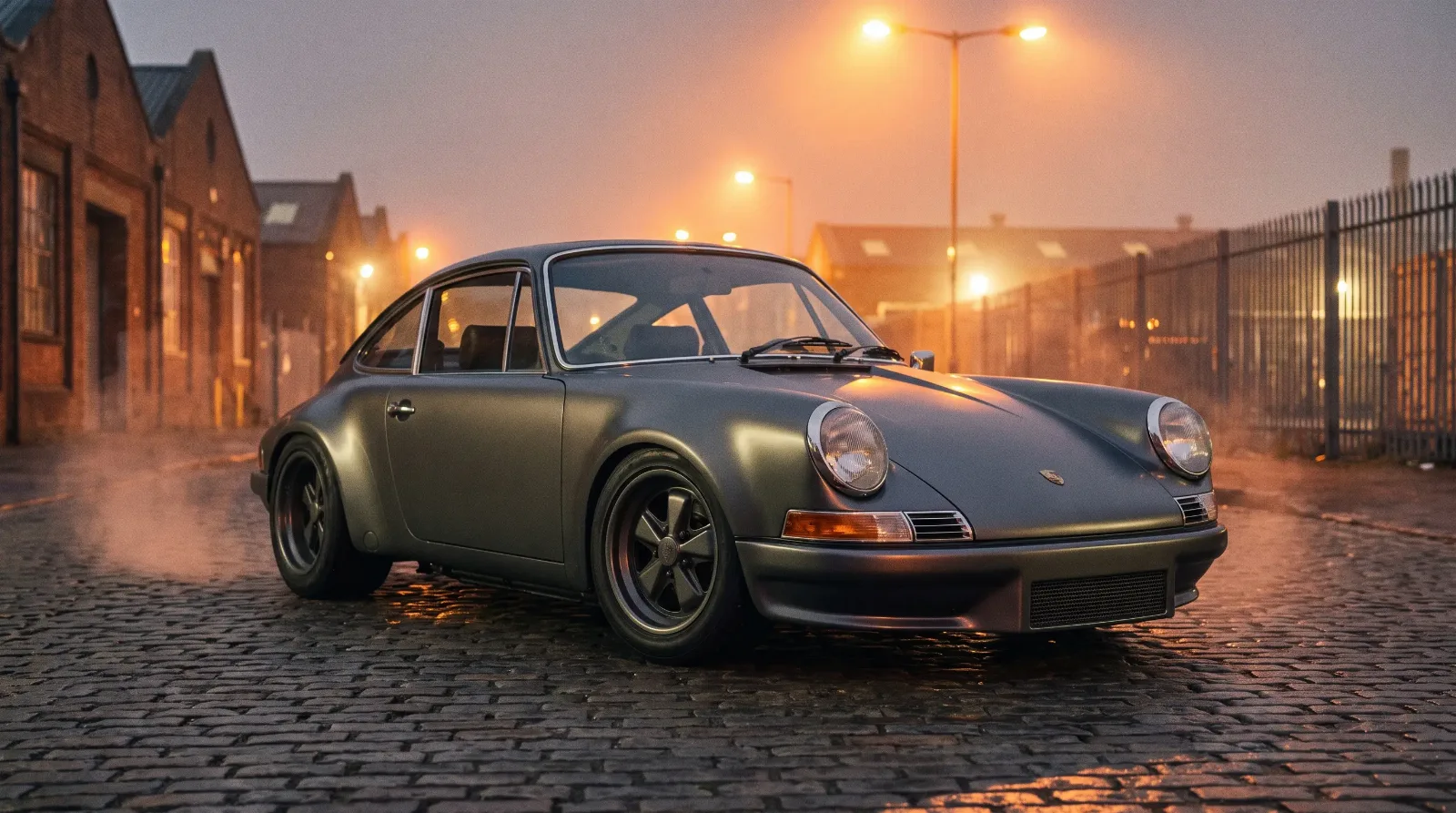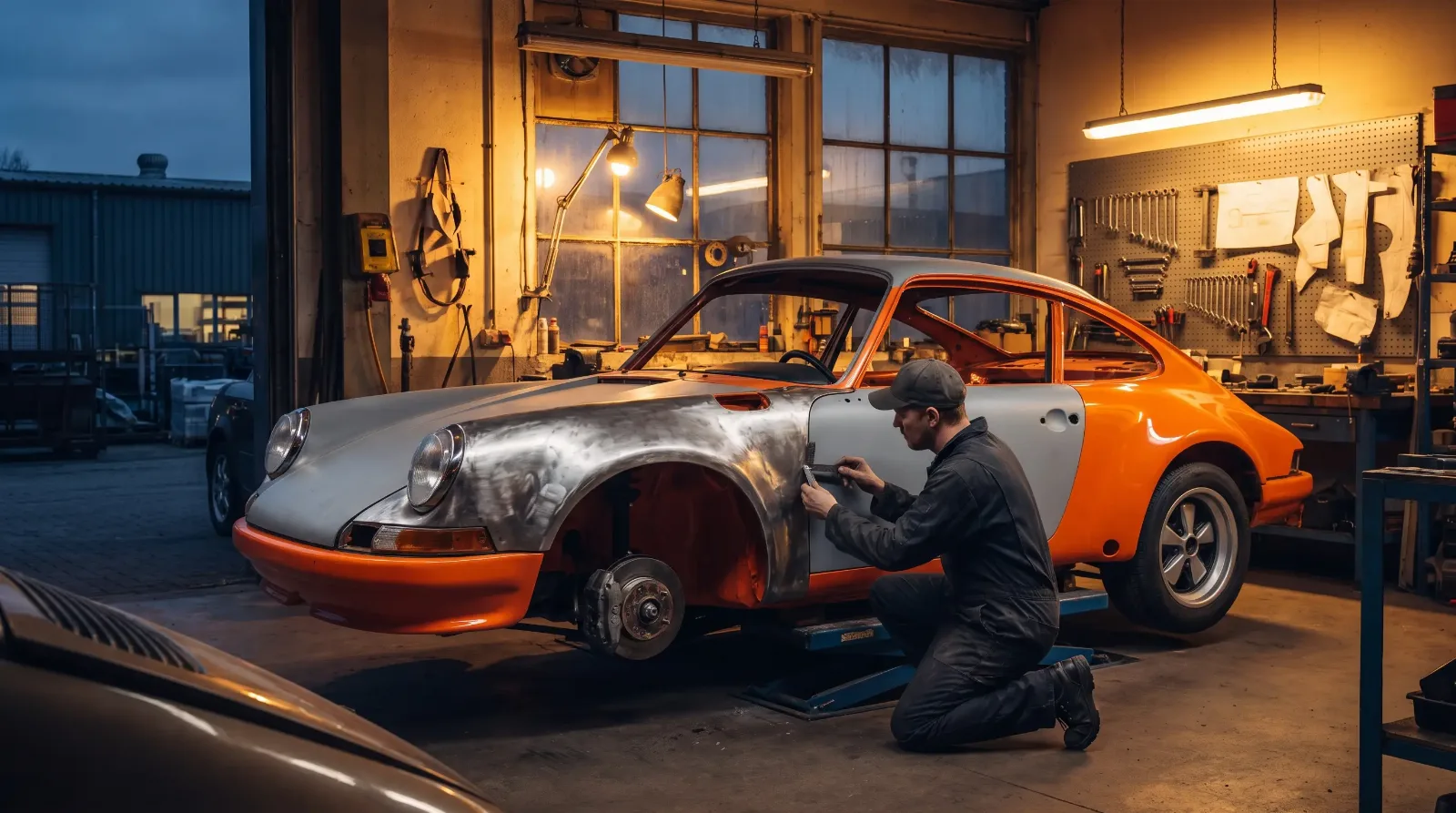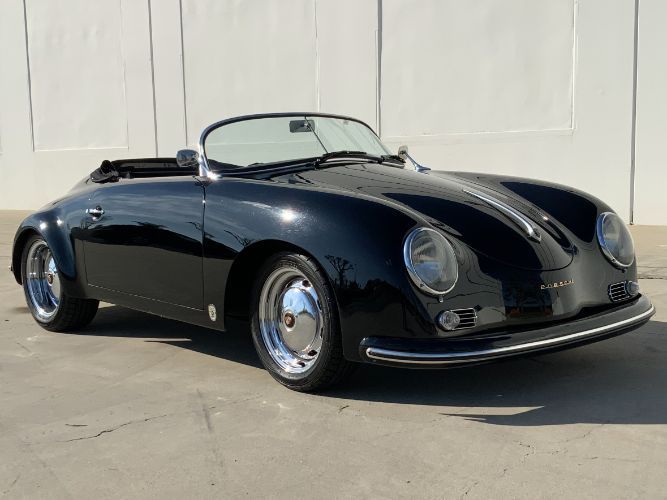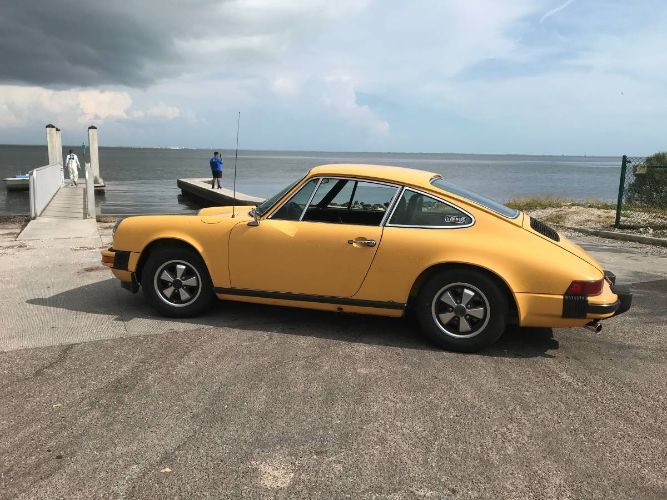
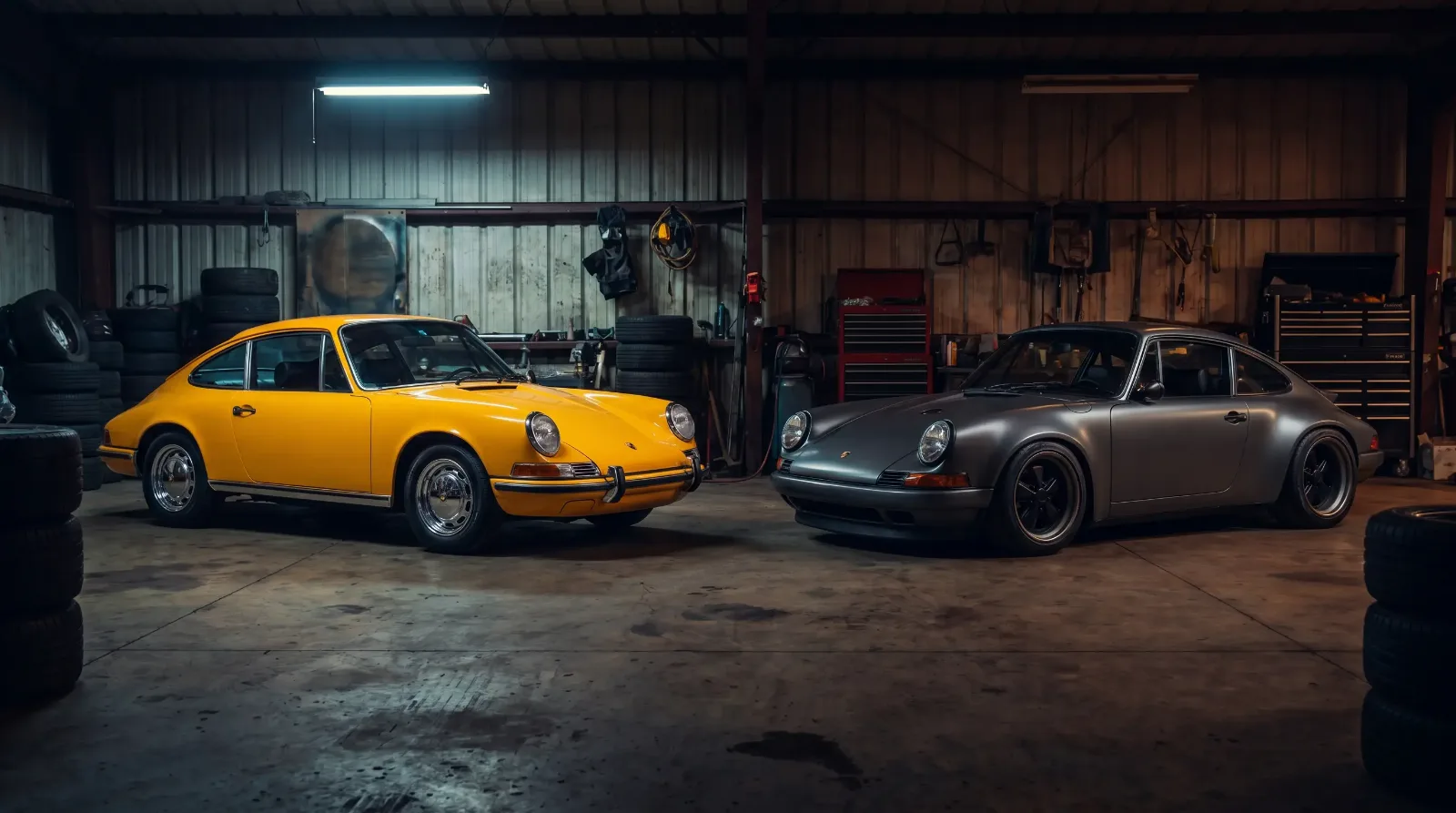
Every air-cooled Porsche 911 event I've been to eventually splits into two camps standing on opposite sides of the same parking lot. One side has the numbers-matching cars, original paint codes, factory upholstery, not a single non-period part under the hood. The other side has the outlaws, cars that have been chopped, lowered, re-engined, and repainted into something the factory never signed off on. Both sides think they're right. I've built for both, and I'll tell you where I actually land.
What the purist actually cares about
A purist isn't just being stubborn about originality for its own sake. They're preserving a documented piece of history, and for certain cars, that documentation carries real weight. A factory-correct 911S with matching engine and chassis numbers is evidence of exactly what Porsche built in a given year, down to the casting marks. That matters to collectors, historians, and honestly to me too when I'm working on something rare enough to deserve it.
The purist argument gets stronger the rarer and more historically significant the car is. Nobody serious argues you should backdate or hot rod an original works rally car or a genuine early lightweight. Some cars are artifacts first and drivers second, and treating them any other way is a mistake you don't get to undo.
What the outlaw actually cares about
The outlaw side isn't disrespecting the car, whatever the purists want to say about it. Outlaw builds started because plenty of 911s on the road were never rare or historically significant to begin with. They were common cars, built in decent numbers, driven hard, and worn out by the time anyone thought to preserve them. Building one into a lighter, faster, more personal machine doesn't destroy history. It gives an ordinary car a second life that a strict restoration never would have.
An outlaw build is defined by intent as much as parts. Stripped weight, a built engine that actually outperforms the factory unit, suspension that's been sorted for how the owner actually drives the car, not how a factory brochure said it should be driven. Done right, it's a completely different kind of respect for the car, one built around using it instead of preserving it under glass.
"A rare car deserves to be left alone. A common car that's been sitting around wearing factory upholstery nobody cares about deserves to get built into something with a soul, and I don't feel bad saying that."
— Jim Vasquez
Where the two camps actually agree
Strip away the parking lot posturing and both camps agree on more than they'd admit. Neither side respects sloppy work. A purist restoration done with mismatched paint and incorrect parts gets mocked just as fast as an outlaw build with bad panel gaps and a bodged wiring harness. Execution is the real dividing line, not the philosophy behind the build.
Both camps also agree that documentation matters, just for different reasons. A purist wants paperwork proving originality. An outlaw builder wants a build sheet proving the work was done properly, with real parts and real labor, not shortcuts hidden under fresh paint. Either way, a car without a paper trail is a harder sell no matter which side of the lot you're standing on.
| Consideration | Purist approach | Outlaw approach |
|---|---|---|
| Matching numbers | Non-negotiable | Not a priority |
| Engine work | Factory-correct rebuild | Built for more power/weight savings |
| Best suited to | Rare, documented, historically significant cars | Common production cars with no collector premium |
| Value driver | Originality and provenance | Quality of the build and the builder's reputation |
How to pick your side, or not pick one at all
My honest advice after building both kinds of cars: let the specific car tell you which direction it wants to go. A rare, documented, historically important 911 should stay a purist project, full stop. A common SC or 3.2 Carrera with a tired original engine and no collector significance is exactly the kind of car that's wasted sitting in a garage waiting for a numbers-matching restoration nobody will ever fully appreciate.
You don't have to hate the other camp to know which one your car belongs in. I've watched purists and outlaw builders argue at the same show and then go grab a beer together an hour later, because underneath the debate, everyone in this hobby actually agrees on the thing that matters: keep the cars alive, keep them driven or preserved with real intention, and do the work properly whichever direction you pick.
Money changes the conversation too, and it's worth being honest about that. A documented, matching-numbers early 911 will almost always outvalue an outlaw build of the same base car, sometimes by a wide margin, because the collector market rewards paper trails and factory originality above almost everything else. But an outlaw build built by a respected shop, with a real reputation and a real history behind the work, has its own market now, one that didn't really exist twenty years ago. Buyers who want a car they can actually use are paying serious money for the right outlaw build, which tells you the debate isn't just philosophical anymore. It shows up in auction results too.
This debate connects directly to the outlaw and restomod scene, which is worth reading if you want the fuller history of how personalized builds became their own respected discipline instead of a fringe habit. And if you're curious how a car's original identity gets established in the first place, before anyone starts arguing about modifying it, how Porsche's legend began covers that groundwork.
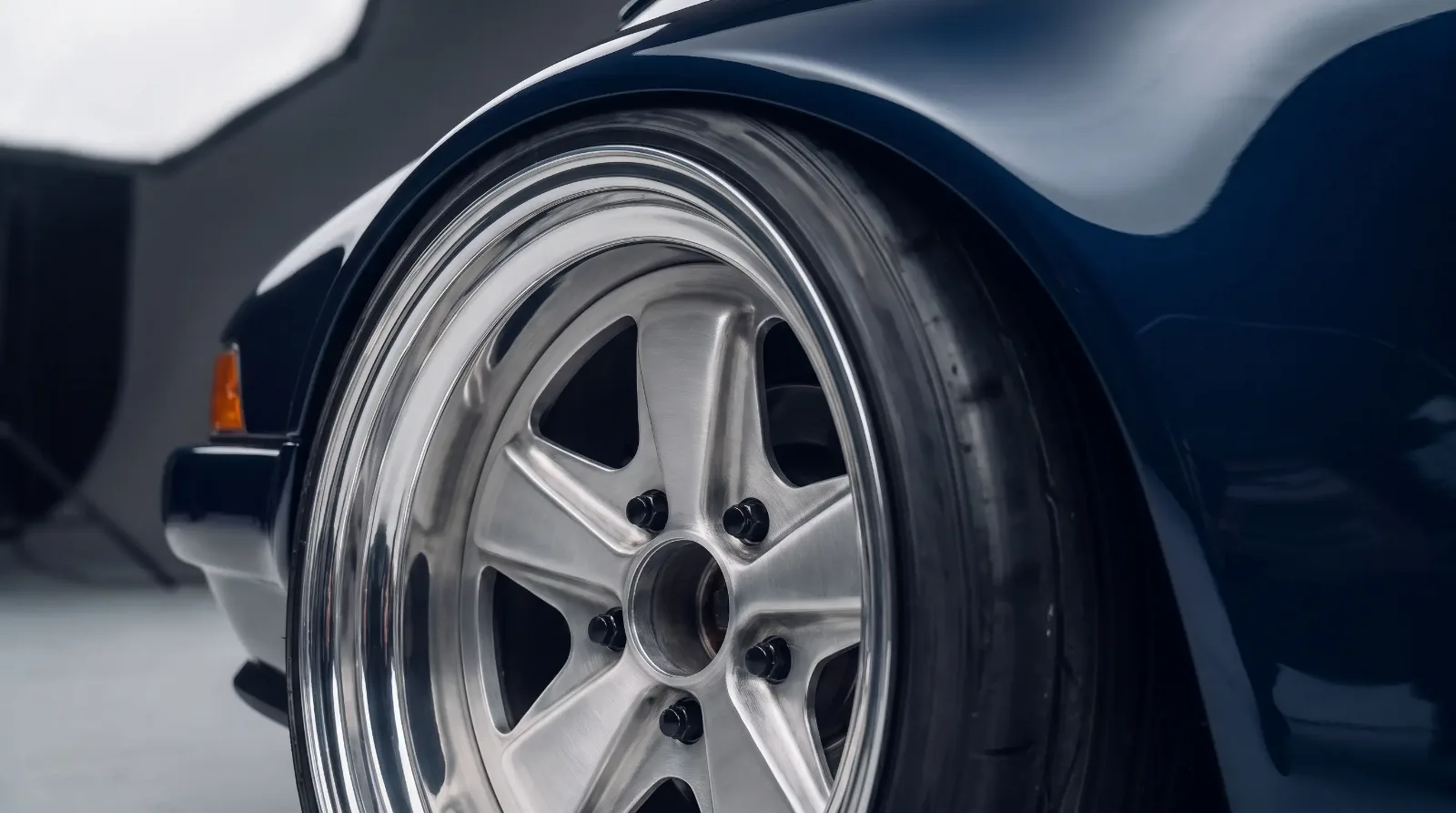
Next up in this set, we get specific about one detail that shows up on almost every outlaw build and starts its own arguments all on its own: wheels. The next story in this set breaks down why Fuchs and widened steel wheels became the defining look of the whole movement.