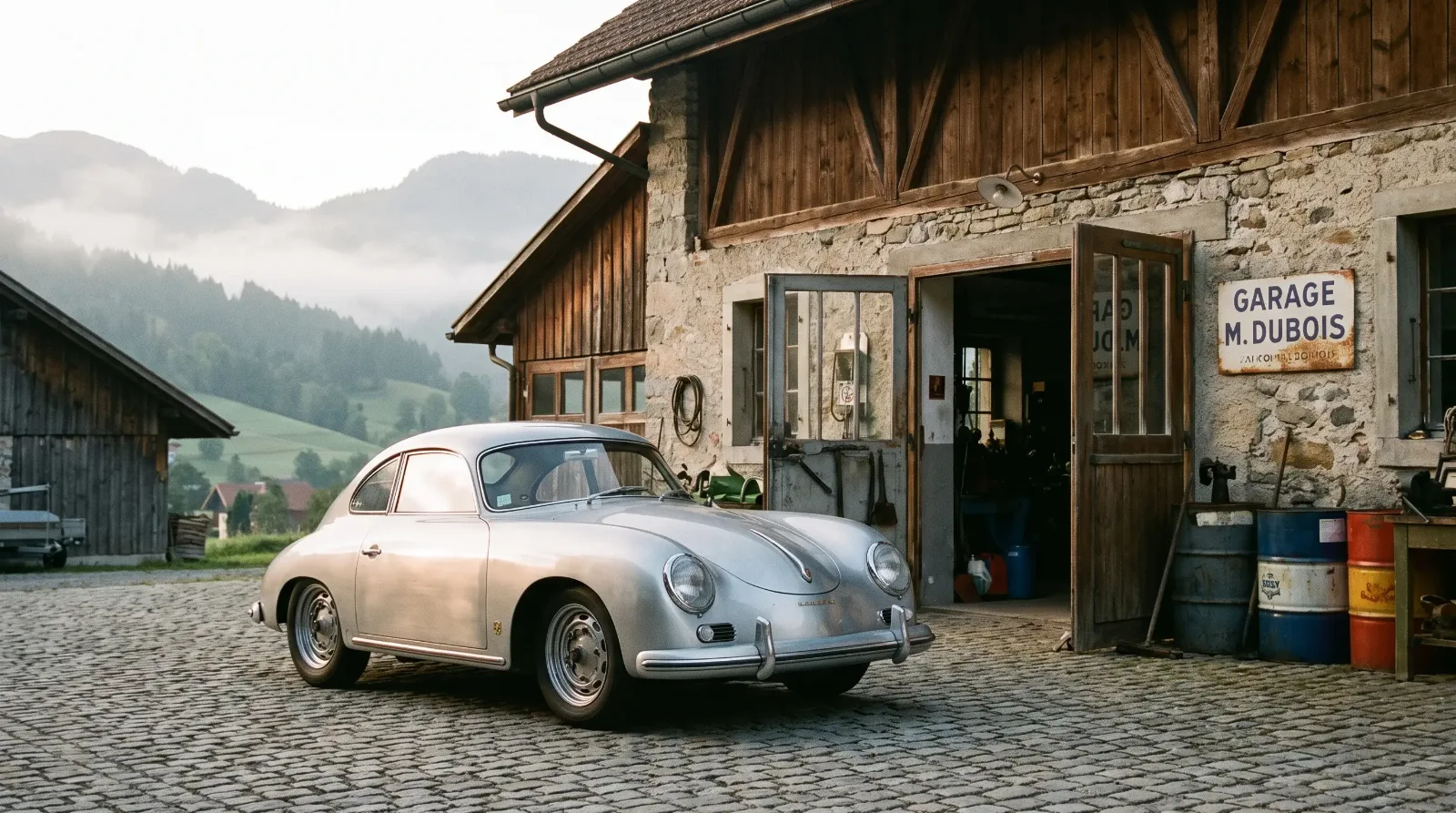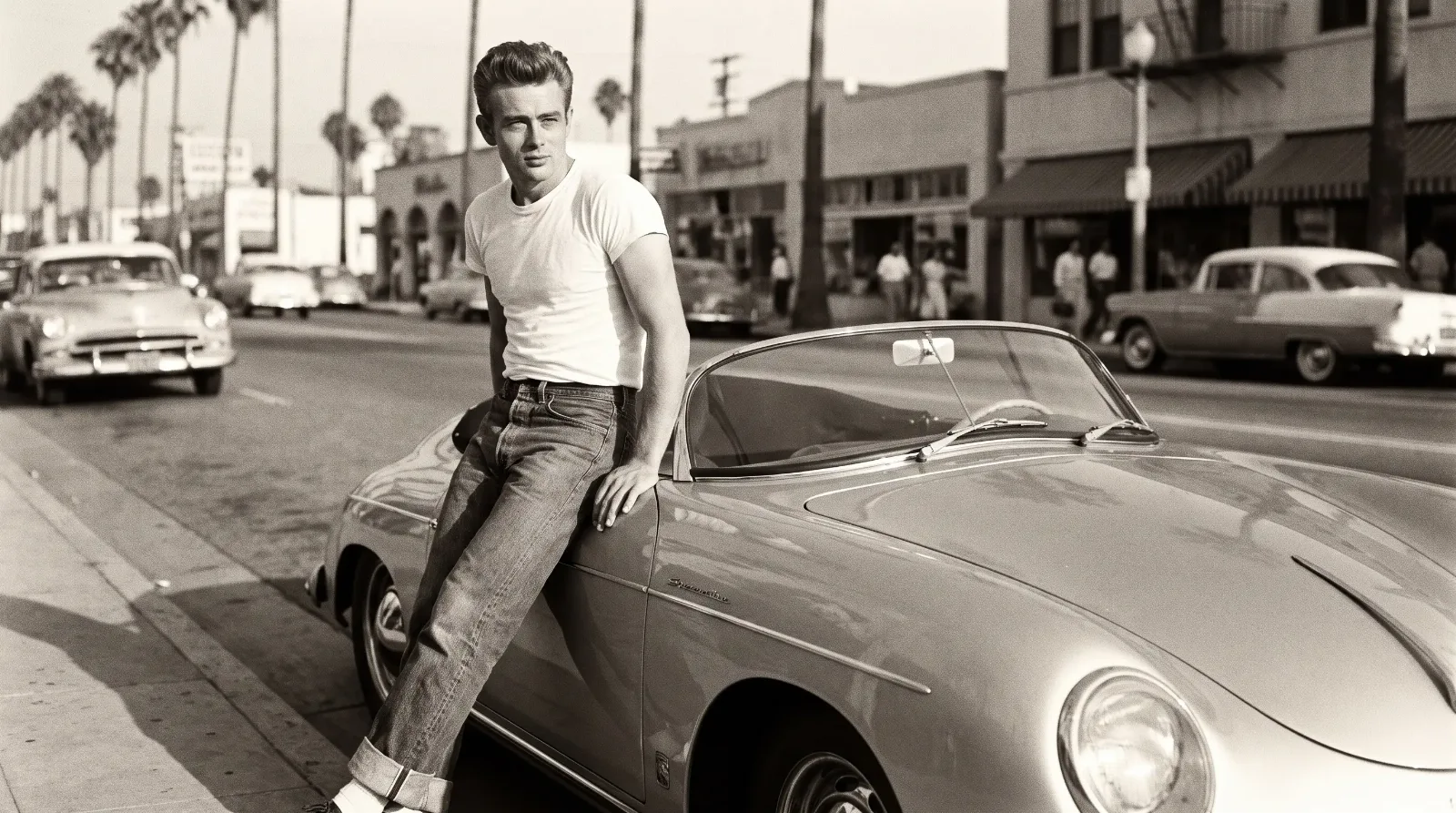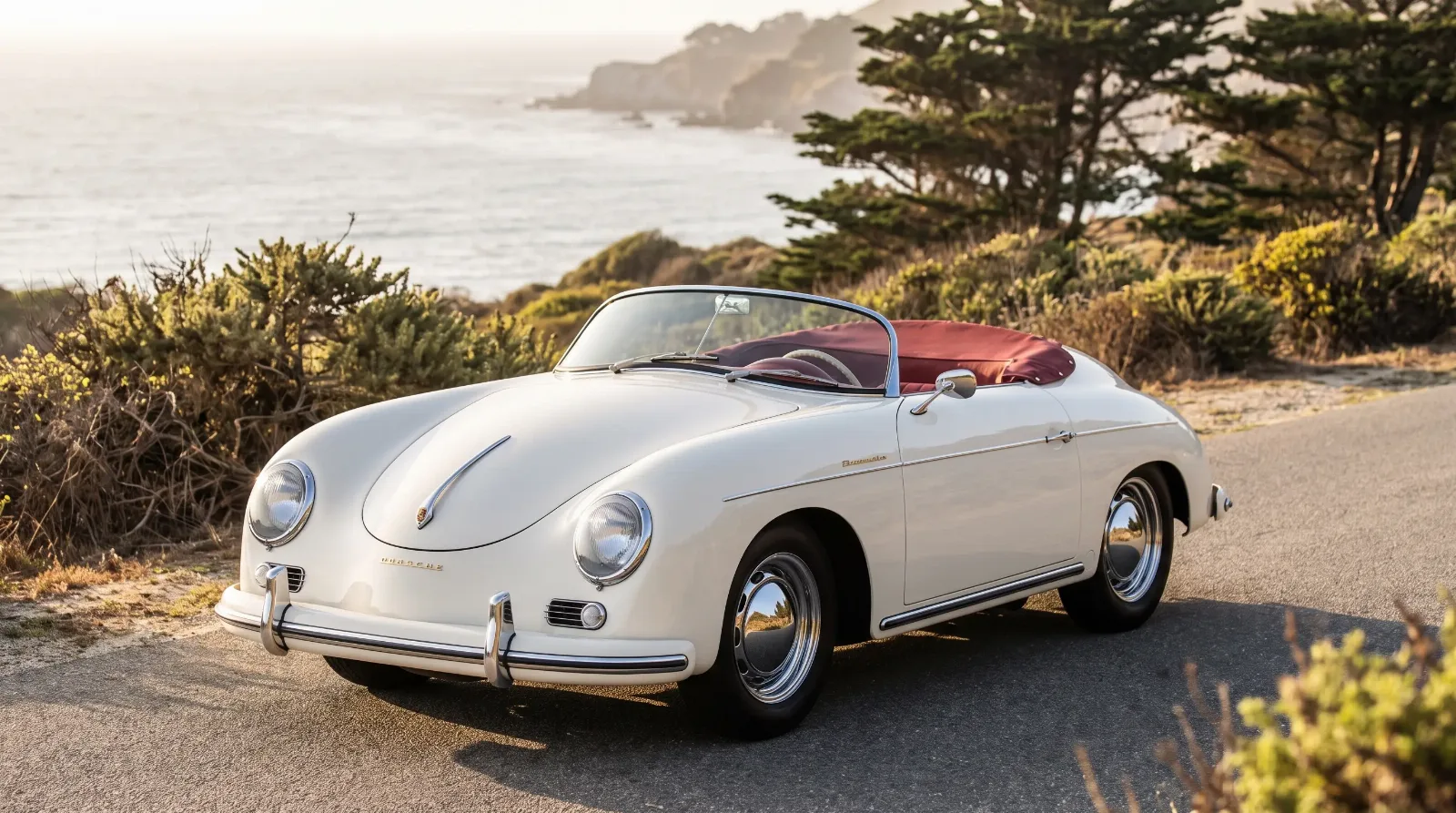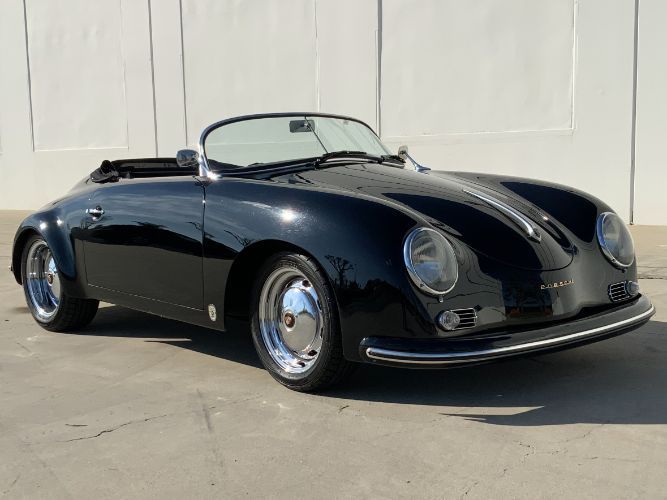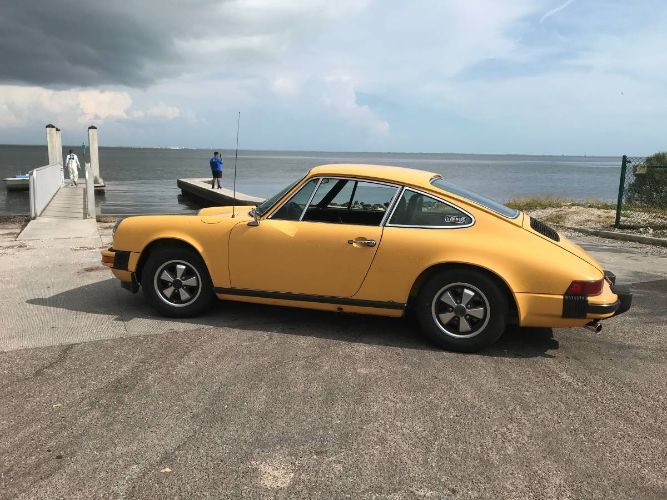
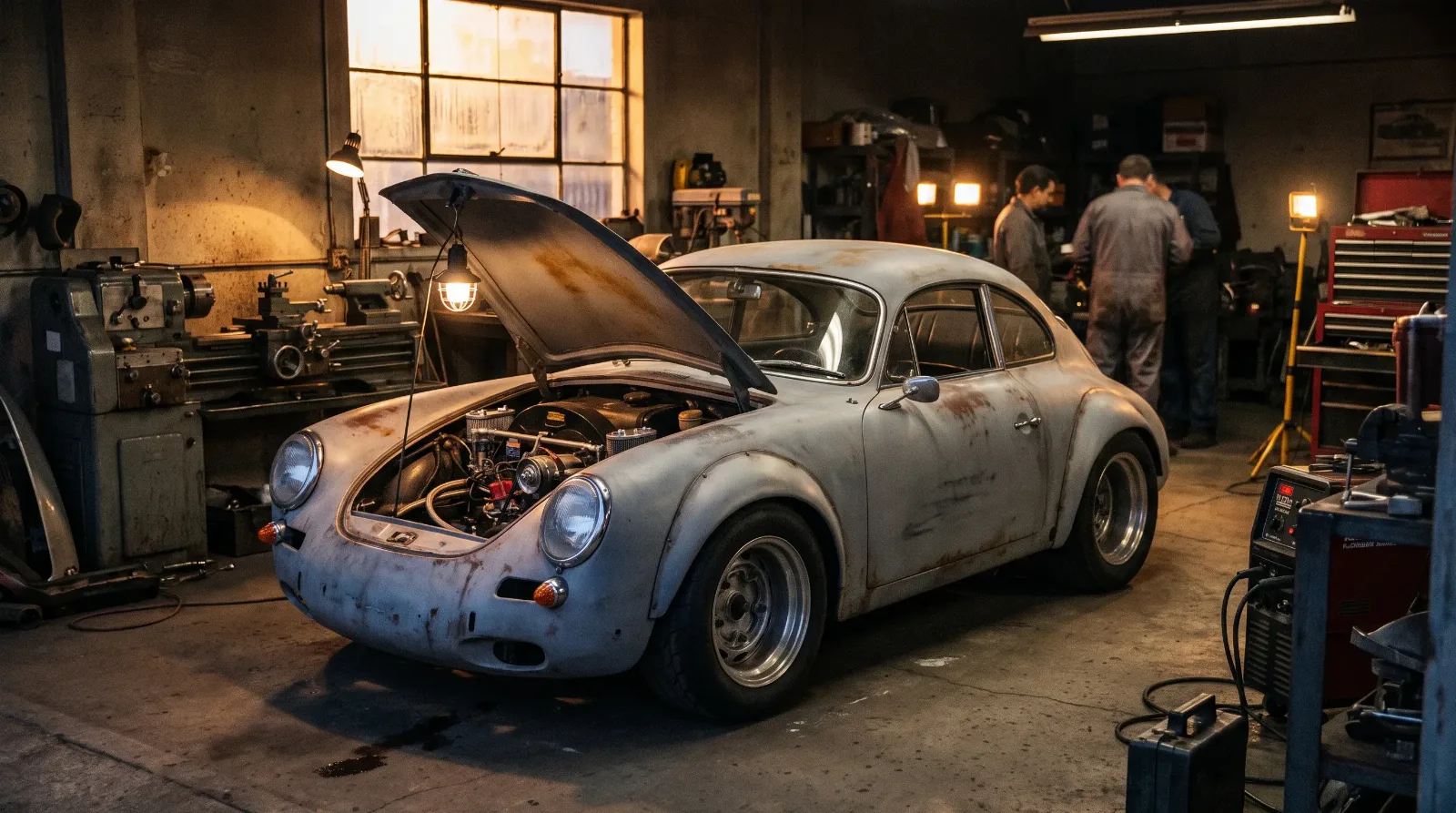
Walk through any serious air-cooled Porsche gathering and you will hear the word "outlaw" applied to 356s with a specificity that outsiders rarely appreciate. A porsche 356 outlaw is not simply a modified car. It is a specific, decades-old approach to reworking Porsche's earliest production model that deliberately breaks from concours orthodoxy while still respecting the platform's original engineering intent. Where where Porsche began tells the story of the 356 as Porsche built it, the outlaw movement tells the story of what owners did to it once the factory's version stopped being the only acceptable answer.
What "outlaw" actually means on a 356
The term describes a car that has been deliberately modified away from factory specification, typically with a lowered stance, wider wheels and fenders, upgraded brakes, and an engine built for more power than Porsche ever offered on that chassis, all while keeping the 356's basic silhouette and character recognizable. Crucially, an outlaw build is not the same thing as a poorly executed hot rod or a car modified out of neglect. The defining outlaw builds are executed with real craftsmanship, often by specialist shops that understand the platform's structural limits as well as any factory restorer does. The point is not disrespect for the original engineering; it is a rejection of the idea that originality is the only legitimate way to honor it. The movement's roots trace to Southern California hot rod and custom car culture. Customizer Dean Jeffries built one of the earliest documented examples, a reworked 1956 356 Carrera coupe, in the late 1950s, and the term itself is generally credited to the Emory family shop in the early 1980s, when Gary Emory's willingness to restyle 356s away from stock appearance struck purists as breaking the rules. Owners of increasingly affordable used 356s, no longer new or particularly valuable at the time, applied hot rod sensibilities to a European sports car that had never been treated that way before.
The shops and builders who defined the look
A handful of California-based specialists are widely credited with codifying what an outlaw 356 should look like: aggressive but proportional fender flares, period-correct wheel choices scaled up from stock, engine builds that push displacement and compression within limits the original air-cooled architecture can actually tolerate, and interior work that favors function over factory trim. These builders were not working from a rulebook. They were working from an accumulated, shared sense of what looked right on the 356's compact proportions, refined build by build and compared car to car at informal gatherings long before the outlaw look had a name. That informal, community-driven standard-setting is part of why outlaw 356s vary more than concours-correct cars do while still reading as recognizably part of the same tradition. Two outlaw builds from different shops in different decades can look meaningfully different in detail while both being unmistakably outlaw rather than either stock or a generic resto-mod.
The tension between outlaw builds and collector value
As original, numbers-matching 356s have become significantly more valuable over the past two decades, the outlaw tradition has created a real fork in how the market treats these cars. A well-documented, tastefully executed outlaw build from a respected shop can command strong money in its own right, sometimes rivaling stock examples, because buyers are paying for craftsmanship and a specific aesthetic lineage rather than factory originality. A poorly executed or undocumented modification, on the other hand, can meaningfully depress a car's value relative to an unmolested original, because it satisfies neither the concours buyer nor the outlaw-specific market. This split makes provenance research on a modified 356 more complicated, not less, than on a stock car. Buyers need to know not just what was changed, but who changed it and why, since the difference between a respected outlaw build and a generic modified car often comes down entirely to the reputation and documented work of the shop that did it.
| Consideration | Stock/original 356 | Documented outlaw build |
|---|---|---|
| Value driver | Originality, matching numbers, factory correctness | Build quality, shop reputation, execution |
| Typical modifications | None or reversible | Fenders, stance, engine, brakes, interior |
| Market depth | Broad collector base | Narrower, enthusiast-driven niche |
| Reversibility | N/A | Often difficult or impractical |
"An outlaw 356 is not a car that gave up on the original design. It is a car whose owner decided the factory brief was a starting point, not a ceiling, and then had the discipline to execute that idea properly instead of just bolting parts at it."
— Sarah Whitfield
How outlaw builds actually get executed
A serious outlaw build starts with the same structural assessment any competent restoration would require: checking the floor pans, longitudinals, and battery box areas for rust, since the 356's unibody construction means corrosion in these spots compromises the platform regardless of what gets bolted to it afterward. From there, the typical sequence favors chassis and suspension work before cosmetics, since a shop that widens the fenders before confirming the geometry underneath is set up correctly is building the car in the wrong order. Engine work usually follows, with builders choosing displacement and compression increases that the original air-cooled cases and cylinder studs can handle reliably rather than chasing peak power figures that shorten the engine's service life. The final stage, the fender flares, the stance, the wheel and tire package, is the part outsiders notice first, but experienced builders treat it as the last five percent of the job rather than the point of the exercise. A shop that gets the visual language right while skipping the structural and mechanical groundwork produces a car that looks the part at a cruise night and falls apart, sometimes literally, under real use. That distinction, cosmetic outlaw versus properly built outlaw, is exactly what separates the respected shops from the crowd, and it is the first thing a knowledgeable buyer checks before paying a premium for someone else's build.
Where the outlaw scene stands today
The outlaw approach has, somewhat ironically, become its own form of orthodoxy within a subset of the 356 community, with recognizable conventions, respected builders, and a market that prices documented work accordingly. It coexists with, rather than replaces, the concours-original market, and most serious 356 people appreciate both traditions without treating one as inherently more legitimate than the other. For a companion look at another distinct chapter of 356 ownership and use, a companion piece covers related ground from a different angle. And for buyers specifically shopping this era of Porsche right now, there is a current inventory of classic Porsche 356 for sale worth reviewing alongside any research into a car's outlaw or original status before making an offer.