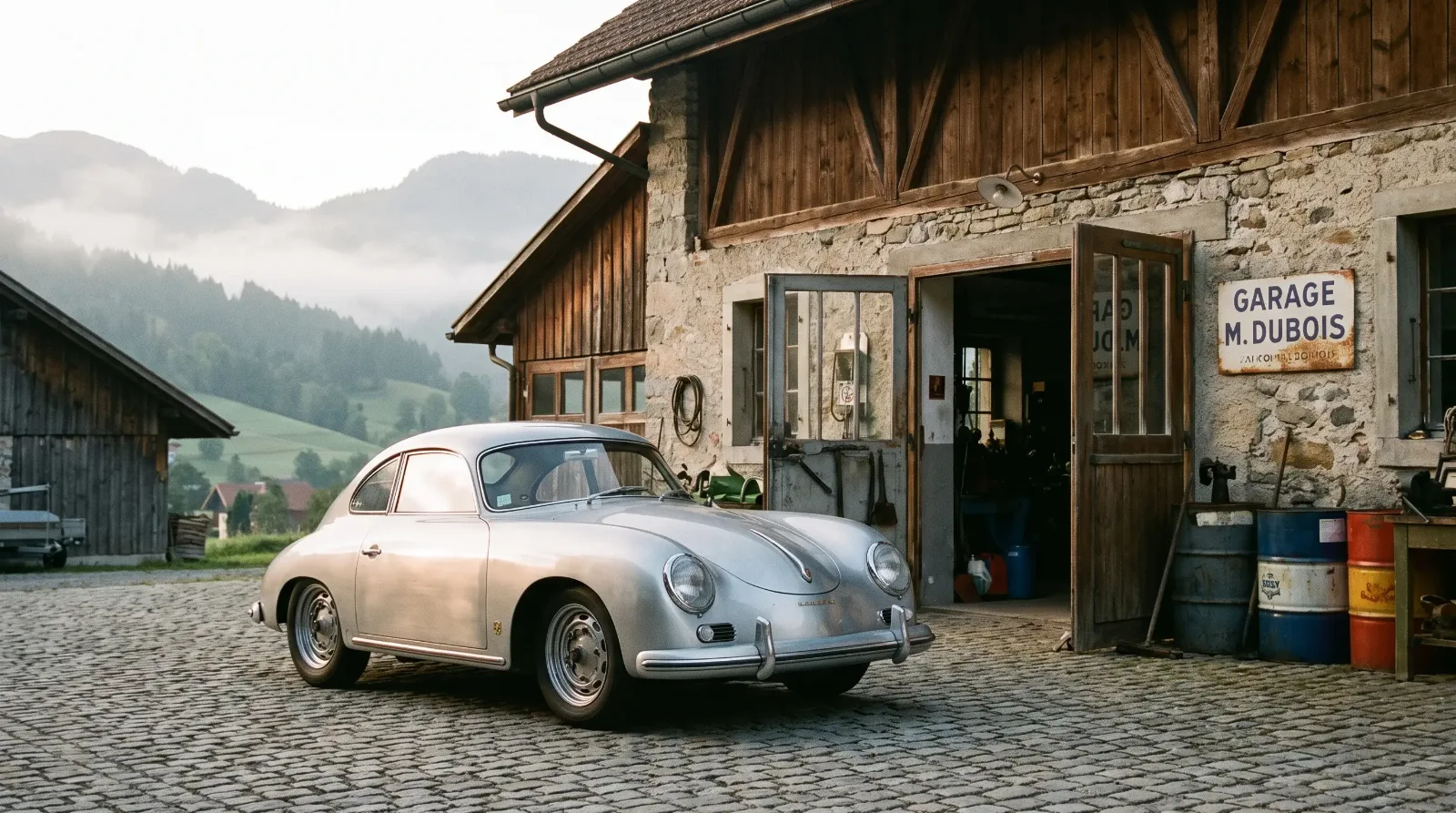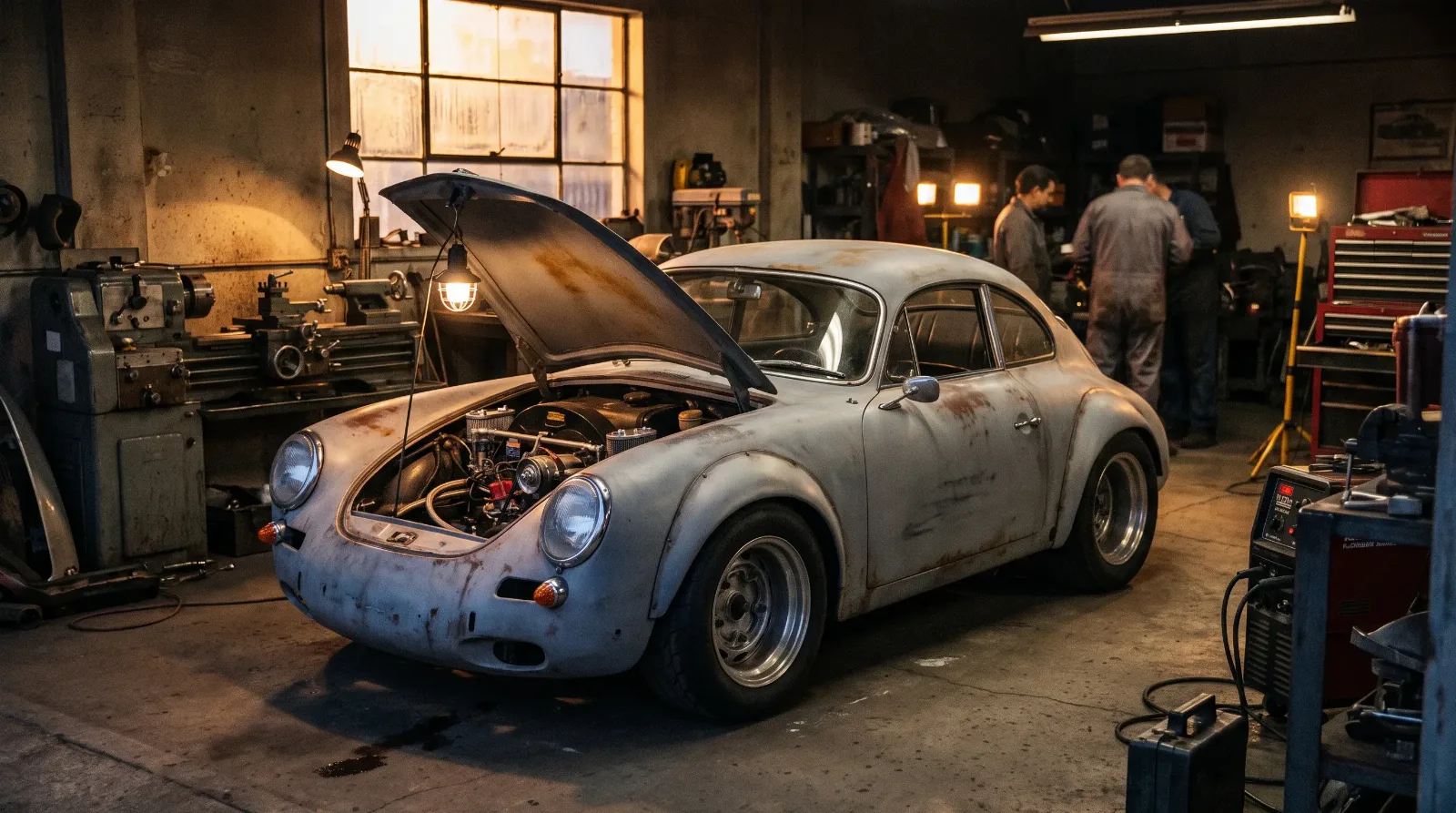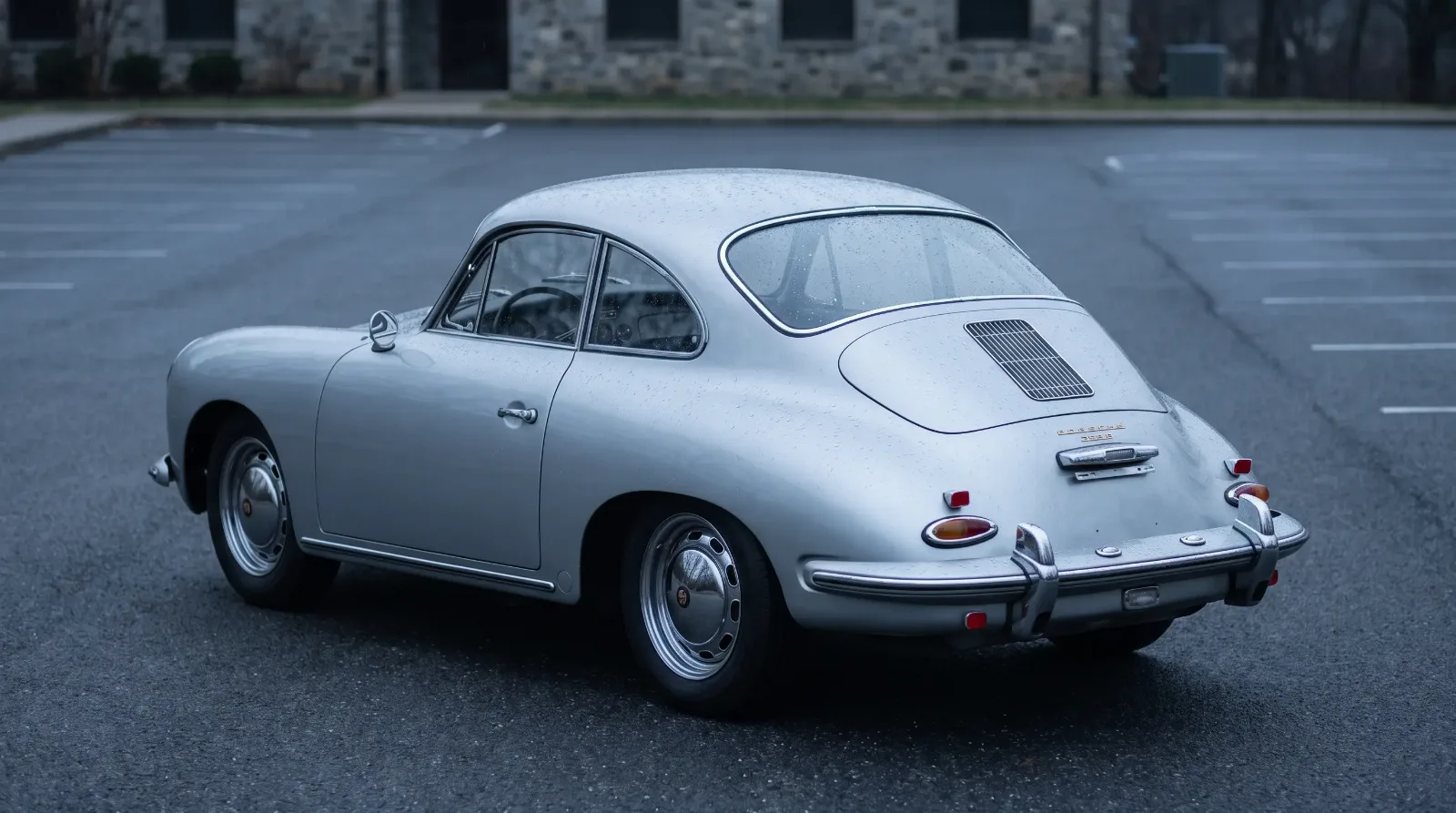
The Porsche 356 built its American reputation on a body style the factory in Zuffenhausen never planned to build. The Speedster, and the open cars that followed it, exist because one importer in New York refused to sell what Stuttgart was making. What resulted, across a decade of running changes, is one of the clearest lessons in how a market can reshape a car's identity from the outside.
The speedster Max Hoffman demanded
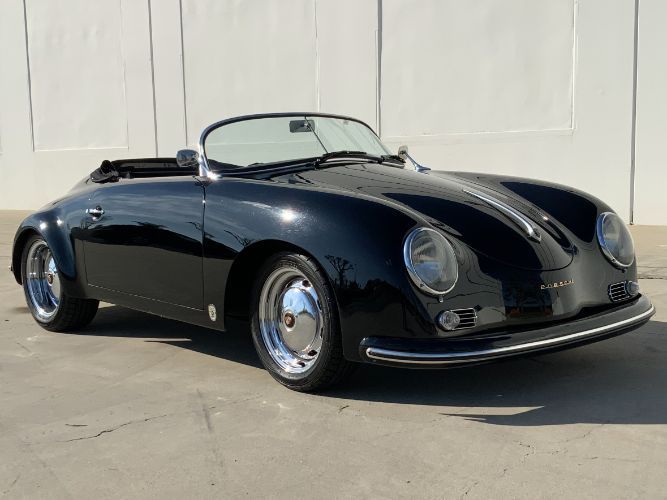
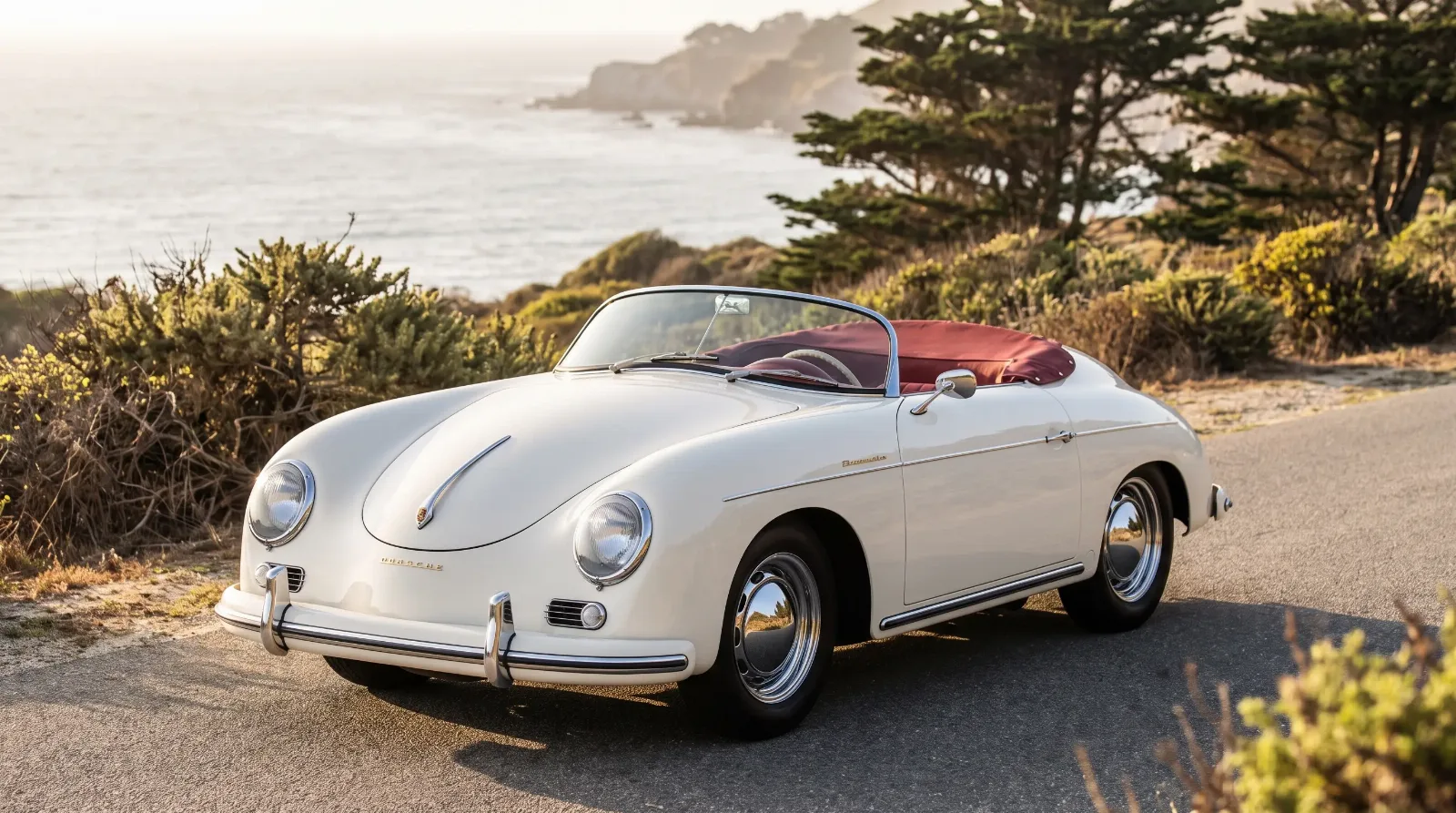
Max Hoffman imported Porsche, Jaguar, and Mercedes-Benz into the United States through his Park Avenue showroom, and by the early 1950s he had a specific complaint about the 356. American buyers wanted something cheaper and rawer than the cabriolet, a car they could autocross on a Sunday and still drive home. Hoffman pushed Porsche toward a stripped, low-cost open body, and in late 1954 the factory answered with the Speedster: a low, raked windshield, thin bucket seats, a simple folding top that was more weather deterrent than weather protection, and side windows that unclipped rather than rolled down.
It worked exactly as Hoffman predicted. The Speedster launched at a base price of $2,995 against roughly $3,445 for the cheapest cabriolet, a gap of about $450, and became the entry point for a generation of American club racers who could not otherwise afford a Porsche. Body construction ran through Reutter in Stuttgart, coachbuilders whose stamping and finishing work defined every open 356 through the decade, though the Speedster's cost-driven specification meant less interior trim than the cabriolet it undercut.
From speedster to Convertible D
The original Speedster ran through 1958, when Porsche discontinued it in favor of a revised open car built to a different brief. The successor, introduced for the 1959 model year, is the Convertible D, and the letter matters more than most buyers realize: it stands for Drauz, the coachbuilder in Heilbronn that took over open-body construction once Reutter's capacity shifted fully to the coupe. The Convertible D kept the Speedster's low-slung stance but raised the windshield, added roll-up windows, and gave the cabin a proper folding top with a lining, closing much of the gap in daily livability that the Speedster's owners had learned to tolerate.
Porsche built the Convertible D for a single model year before folding its improvements into the T5-generation 356B Roadster that arrived for 1960. The T6-generation "twin-grille" Roadster that followed in 1961 and 1962 was built in only around 249 examples before Porsche dropped the Roadster body style entirely, folding open-top production into the cabriolet for the 356C years that closed out the model in 1965. Anyone tracing the lineage back to [the first Porsche] will notice the same pattern: every open variant is a reaction to what came immediately before it, not a clean-sheet design.
Reading a roadster's coachwork
Because the open 356 passed through multiple coachbuilders and specifications, dating a car correctly means reading the body as carefully as the chassis number. Reutter-built Speedsters have a distinct dashboard layout and a simpler top mechanism than the Drauz-built Convertible D. The Roadster that followed went to Drauz for the T5 cars before D'Ieteren of Brussels took over Roadster construction from early 1961 through the final T6 cars. None of this is decoration. A concours judge, or a buyer paying a premium for originality, treats coachbuilder identity the way a historian treats a signature: it tells you who actually built the object in front of you, and when.
The interior trim tells a parallel story. Speedster seats are thin and upright by necessity, a cost decision as much as a weight-saving one. The Convertible D and subsequent Roadster added padding, better door panels, and eventually wind-up windows, each change moving the open 356 further from track-day austerity and closer to a usable grand tourer with the roof down.
| Variant | Years produced | Body builder | Defining feature |
|---|---|---|---|
| 356 Speedster | 1954-1958 | Reutter | Low windscreen, snap-in side curtains |
| Convertible D | 1959 | Drauz | Roll-up windows, taller screen |
| 356B Roadster (T5) | 1960-1961 | Drauz / D'Ieteren | Refined top mechanism |
| 356B Roadster (T6) | 1961-1962 | D'Ieteren | Twin-grille engine lid, around 249 built, final Roadster body |
| 356C Cabriolet | 1963-1965 | Reutter | Disc brakes, final open 356 (Roadster body discontinued) |
Why originality still separates these cars
Open-top 356s survive in smaller numbers than the coupes and cabriolets because they were driven harder and, in the Speedster's case, built to a lower standard of weather sealing that did rust no favors over sixty-plus winters. A Speedster with its original Reutter body panels, correct low windscreen, and unmolested dashboard is a different object from a car that has been re-bodied or upgraded with later trim, even if the two look similar in a photograph. Provenance research on these cars usually starts with the body tag and the coachbuilder stamp, then works outward to production records, because the paperwork is what turns a good-looking convertible into a documented one.
"People assume a Speedster and a Convertible D are the same car with different trim. They are not. One was built to a price by Reutter, the other was handed to Drauz because the factory had run out of capacity to build it any other way. That is not a footnote, that is the whole story of how this body style survived."
— Sarah Whitfield
Driving one changes the argument, too. A Speedster on the road is uncomfortable in ways a modern owner does not expect: the seats sit almost on the floor, the top leaks in anything more than a drizzle, and the low screen means a helmet is not a bad idea above sixty. None of that discourages buyers. If anything it explains why the model still draws people who want the unfiltered version of the 356 rather than the softened one. The Convertible D and later Roadster trade some of that rawness for usability, which is exactly why period buyers wanted the change and why today's collectors treat the two eras as distinct experiences rather than interchangeable convertibles.
The open 356 line closes with the 1965 356C Cabriolet, the Roadster body style itself having ended back in 1962, after which Porsche moved on to the 911 and its own convertible descendants. For readers following the 356 story in sequence, [the next story in this set] looks at the rarest fixed-roof body Porsche ever put on this platform, a car built in far smaller numbers than any Speedster.