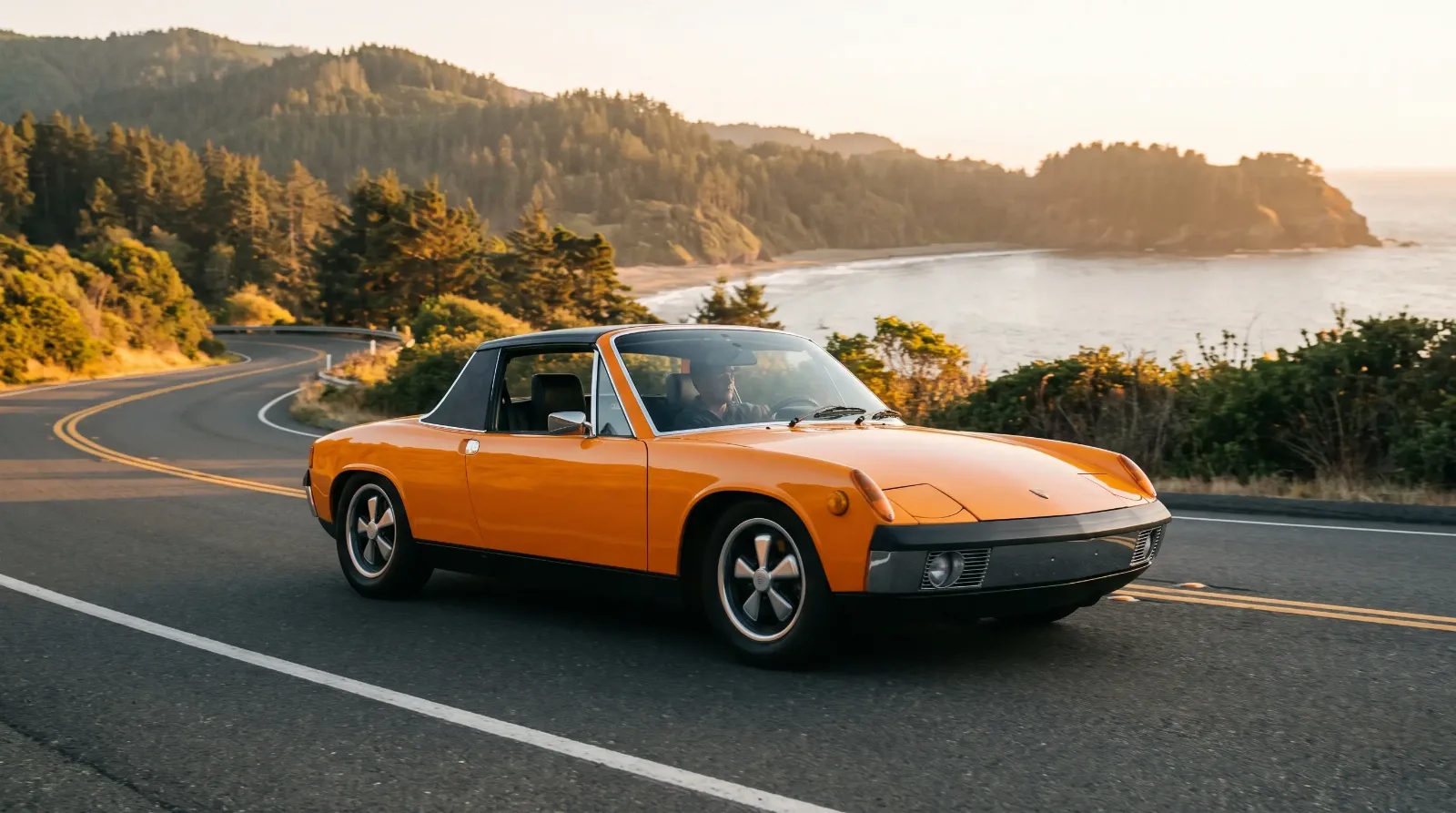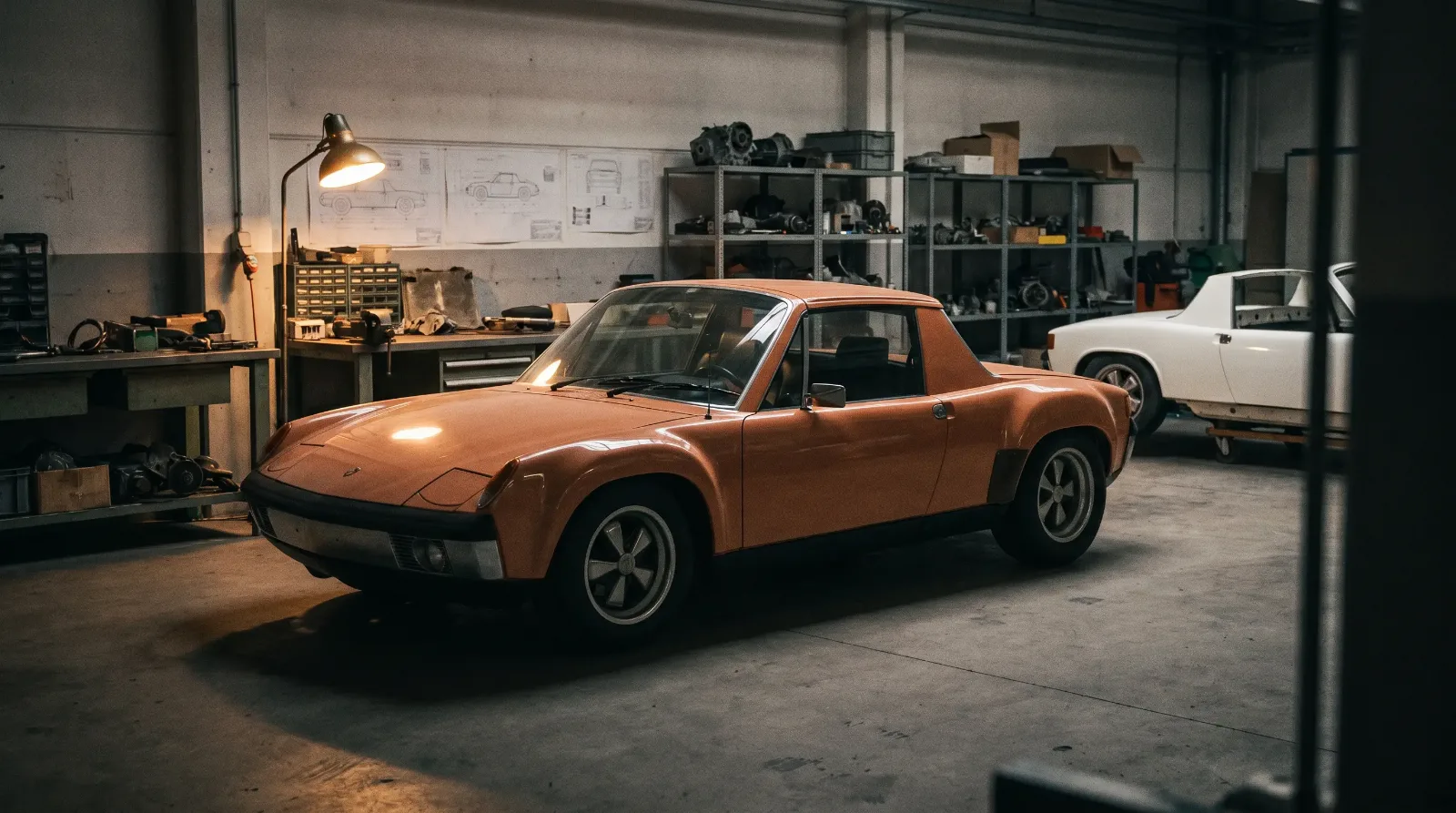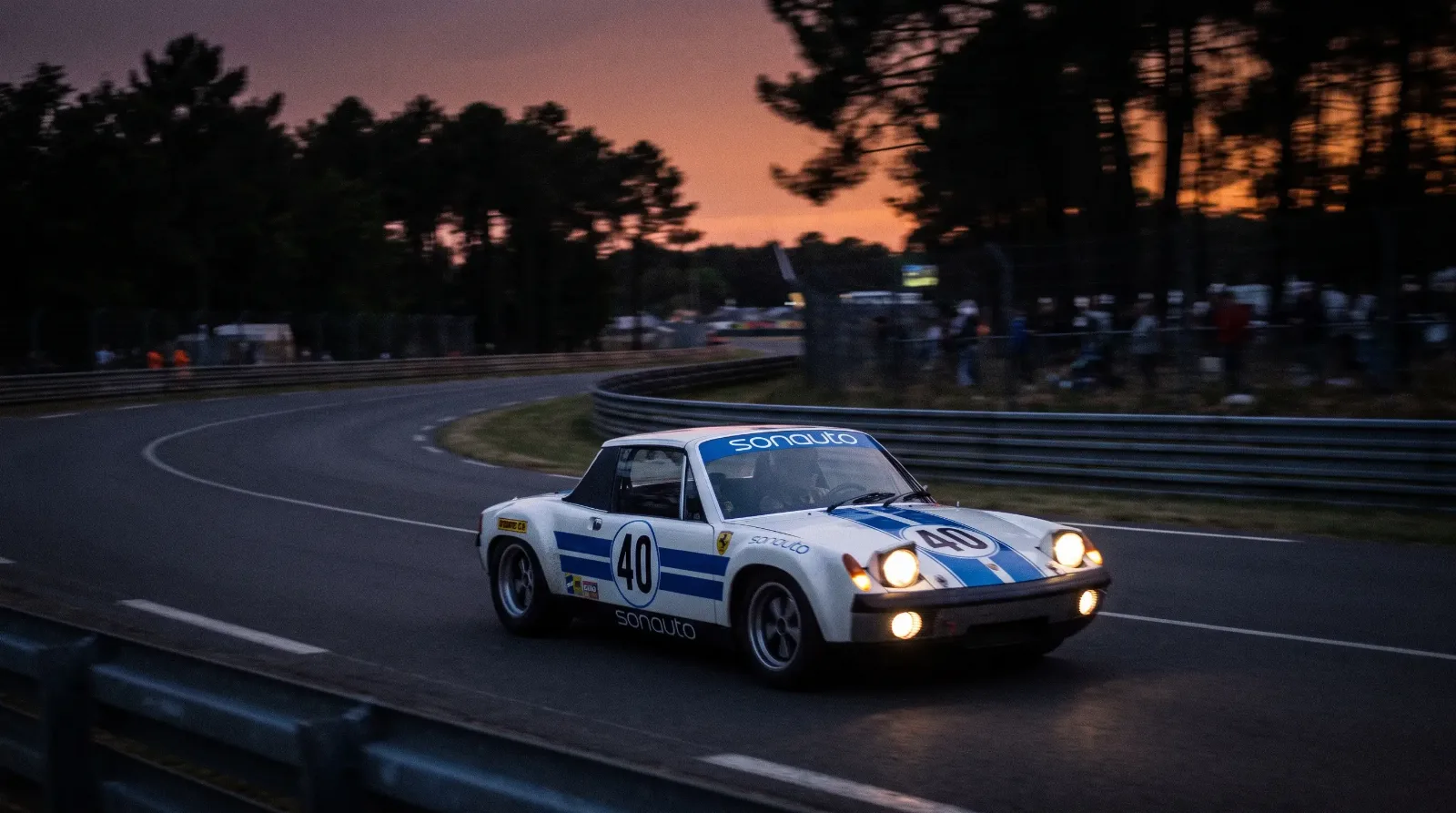
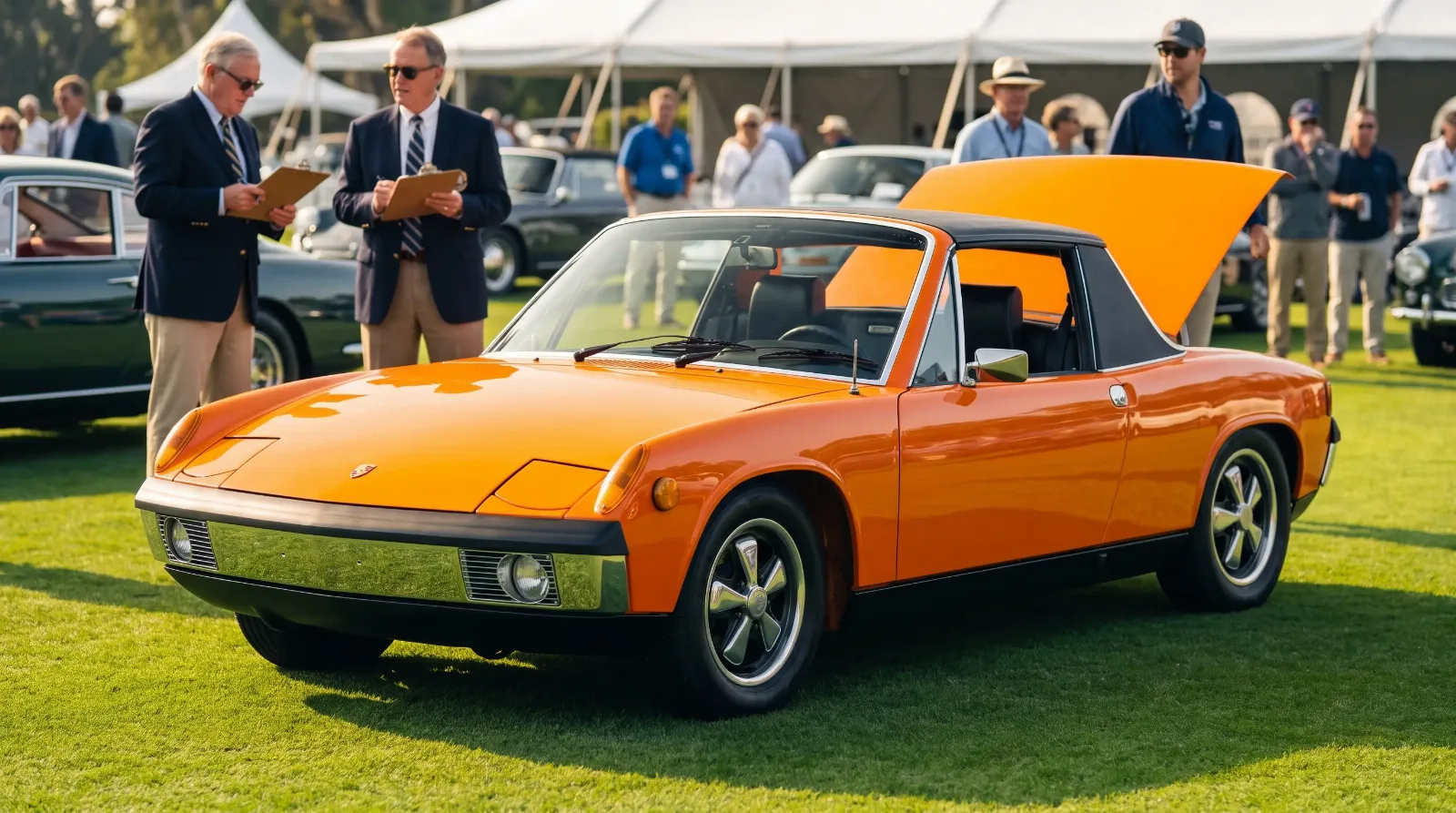
For most of its life, the Porsche 914 was the car enthusiasts explained away rather than defended. "Not a real Porsche" was the common line, and prices reflected it for decades. That has changed. The porsche 914 collectible market now behaves in a way that would have surprised buyers in the 1980s and 1990s, and the reasons are less about nostalgia than about a market finally correcting a pricing error.
Why it was cheap for so long
The 914's badge situation did real damage to its reputation. Buyers who knew it used a Volkswagen-sourced four-cylinder engine in most examples, and who remembered the corporate dispute between Porsche and Volkswagen that shaped its development, treated it as a lesser product wearing a premium crest. That perception held even though the mid-engine layout gave the 914 handling characteristics that plenty of period road tests praised on their own terms.
Collector markets are slow to separate a car's engineering merits from its badge politics, and the 914 sat in that gap for roughly three decades. Values for clean four-cylinder cars stayed low enough that they were treated as usable, disposable classics rather than cars worth serious restoration investment. That, in turn, meant a lot of 914s were modified, neglected, or parted out rather than preserved, which is part of why good original examples are scarcer now than production numbers alone would suggest.
What actually moved the market
A few concrete factors pushed 914 values up rather than a general nostalgia wave. First, air-cooled 911 prices climbed sharply enough that they priced a lot of buyers out of that market entirely, and those buyers went looking for the next mid-engine or flat-six Porsche within reach. The 914, and especially the 914/6 covered in another angle on the same car, was the obvious next stop.
Second, the mid-engine layout itself became a selling point rather than a curiosity once buyers who understood chassis dynamics entered the market in larger numbers. A generation of buyers raised on modern mid-engine performance cars had less baggage about the 914's badge history and more appreciation for what a properly sorted mid-engine chassis actually does on a road. Third, surviving unmodified examples with good documentation became genuinely scarce, because so many cars were treated as disposable during the decades when values were flat.
| Period | General market attitude | Approx. condition-1 four-cylinder value trend |
|---|---|---|
| 1980s-1990s | Budget classic, often modified | Flat, low |
| 2000s | Gradual enthusiast reappraisal | Slow rise, roughly $10k to $15k for a good four-cylinder car by the mid-2010s |
| 2015-present | Recognized mid-engine collectible | Marked increase, into the $30k to $50k range for top-condition examples by 2020 |
Documentation now matters as much as the car
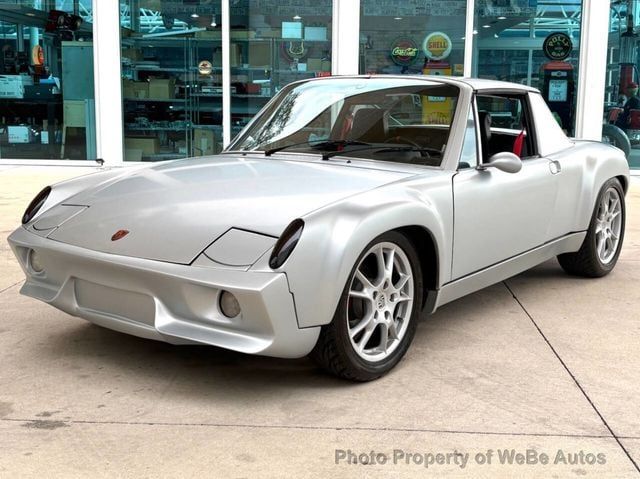
The appreciation has changed buyer behavior at least as much as it has changed prices. A 914 with clear engine numbers, a documented ownership history, and no undisclosed engine swaps now commands a real premium over a visually similar car without paperwork, in a way that simply was not true when values were flat across the board. This matters most acutely with the 914/6, where a four-cylinder car retrofitted with a six-cylinder engine can be mistaken for a genuine factory 914/6 by anyone not checking chassis and engine numbers against factory records.
That verification step is not a formality anymore. As the price gap between a documented original and an undocumented or modified car widens, the financial incentive to misrepresent a car grows with it. Buyers entering this market for the first time should budget for a specialist inspection before purchase, not as an optional extra but as a basic condition of paying anywhere near current market prices.
"The 914 was never a bad engineering proposition. It was a badge problem that took the market thirty years to get over. Now that it has, the pricing is finally catching up to what the chassis always deserved."
— Emily Chen
How this compares to other flat lines that recovered
The 914's trajectory is not unique in Porsche's history. The 912 spent a similar period as the overlooked, four-cylinder alternative to the 911 before its own reappraisal, and the early 924 followed a comparable pattern once buyers stopped comparing it unfavorably to the 911 and started evaluating it on its own terms. In each case, the pattern is the same: a model gets judged against a more expensive stablemate for decades, loses that comparison on badge prestige alone, and only recovers once enough buyers evaluate it as its own thing rather than a cheaper substitute.
What makes the 914 case a little different is how directly its badge confusion traces back to the corporate dispute between Porsche and Volkswagen during development. Most models earn a reputation through their own performance and reliability record. The 914 partly inherited its reputation problem from a boardroom disagreement it had no control over, which makes its recovery feel less like a market correction and more like a market finally reading the engineering correctly instead of the corporate history around it.
What this means for buyers now
The practical takeaway is that the 914 market has moved past the phase where any clean example was a bargain. Buyers today are paying for documentation and originality specifically, and a car without that paperwork should be priced accordingly, not treated as equivalent to a verified original. That is a healthier market than the flat decades before it, but it is a less forgiving one for buyers who skip the verification step.
For the full picture of how the 914 got to this point, the 914 chapter covers its development and production history, and the classic Porsche story places this appreciation within the wider arc of how the marque's classics have been reassessed by collectors over the past two decades.