
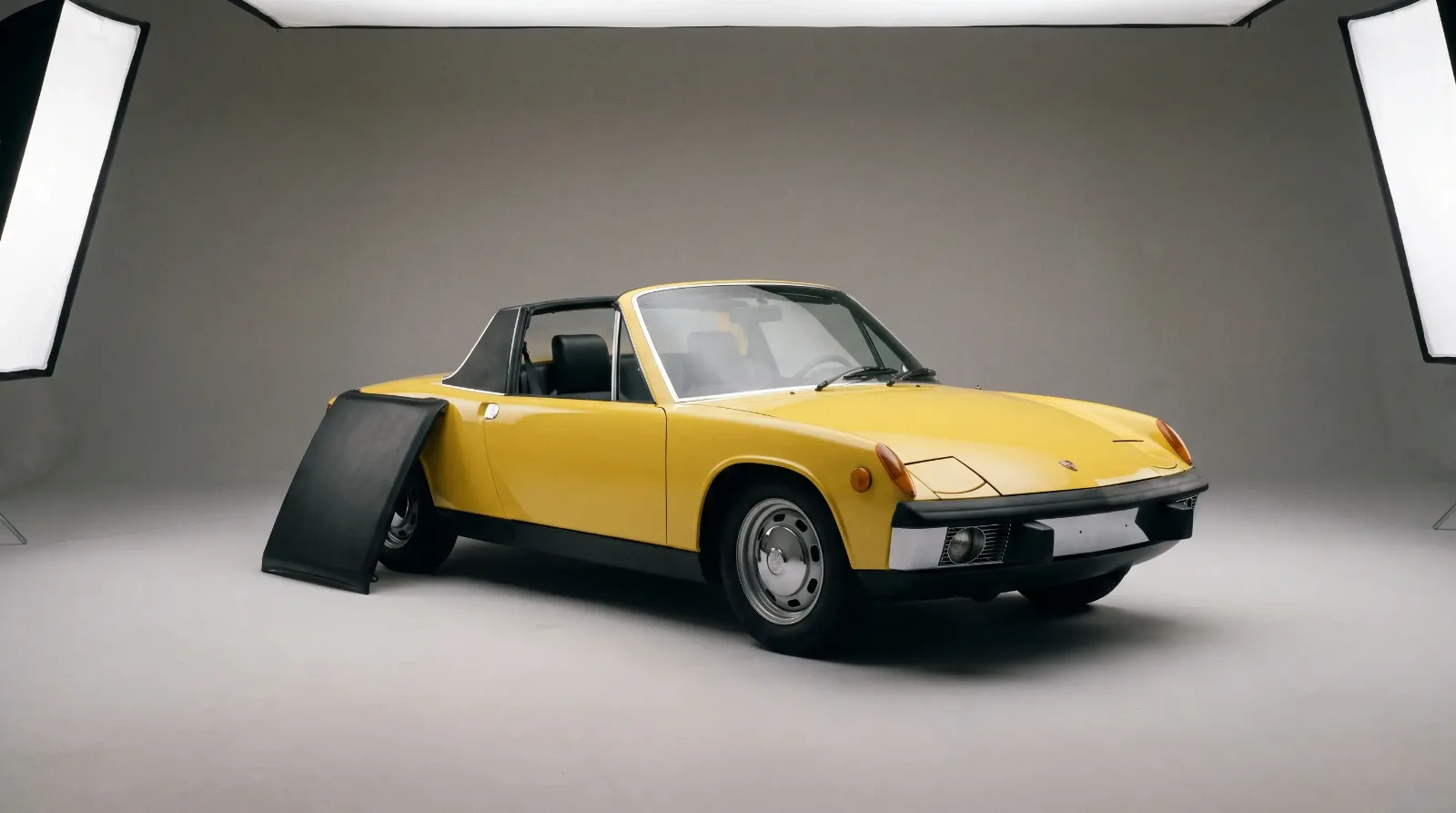
For most of its life the Porsche 914 was the car enthusiasts apologized for. It had a Volkswagen engine in the base version, a body built by a coachbuilder rather than in Zuffenhausen, and a shape that looked like a doorstop next to the curves of a 911. Yet the 914 did something no other Porsche of its era attempted. It put the engine in the middle, between the axles, where a race engineer would want it, and it sold that layout to ordinary buyers for the price of a sports car rather than a supercar. The story of why it was dismissed for decades, and why values are now climbing, is really a story about corporate politics and about physics that the market took forty years to price correctly.
Car Features
9 min read
Porsche 914: The Mid-Engine Outsider VW Nearly Owned
The Porsche 914 was dismissed for decades as the VW-engined outsider. Its mid-engine layout and the joint-venture politics behind it tell a different story.
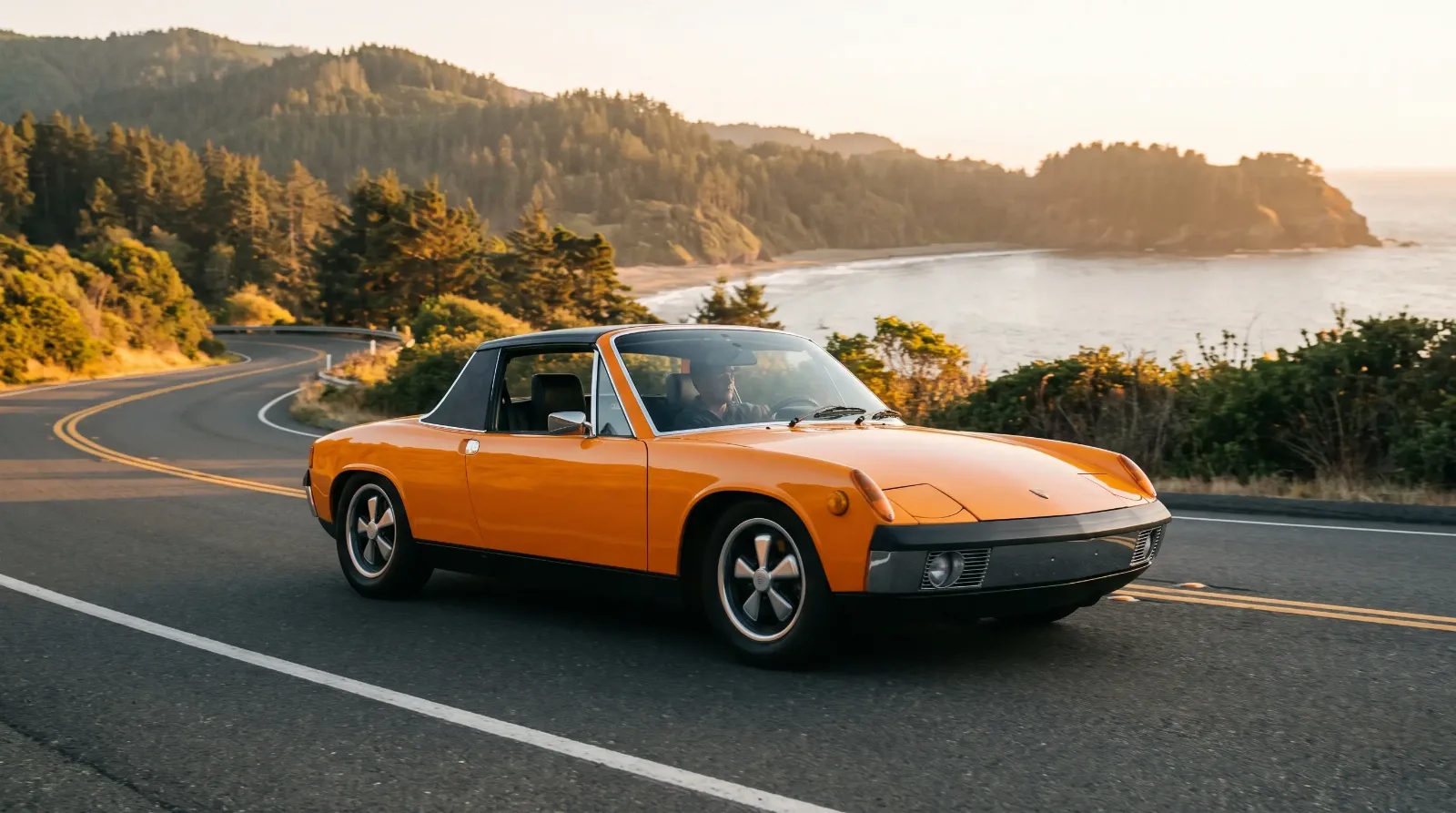
A car born from two companies that needed each other
The 914 exists because Volkswagen and Porsche each had a gap. Volkswagen wanted a sporty flagship to replace the aging Karmann-Ghia and to modernize its image. Porsche wanted a cheaper model below the 911 to keep dealers busy and to replace the four-cylinder 912. The two firms were already entangled by family and by history, so a joint project made obvious sense on paper. Porsche would engineer the car and build the six-cylinder version. Volkswagen would supply the four-cylinder drivetrain and handle the volume side. Karmann in Osnabrück would assemble the bodies for both.
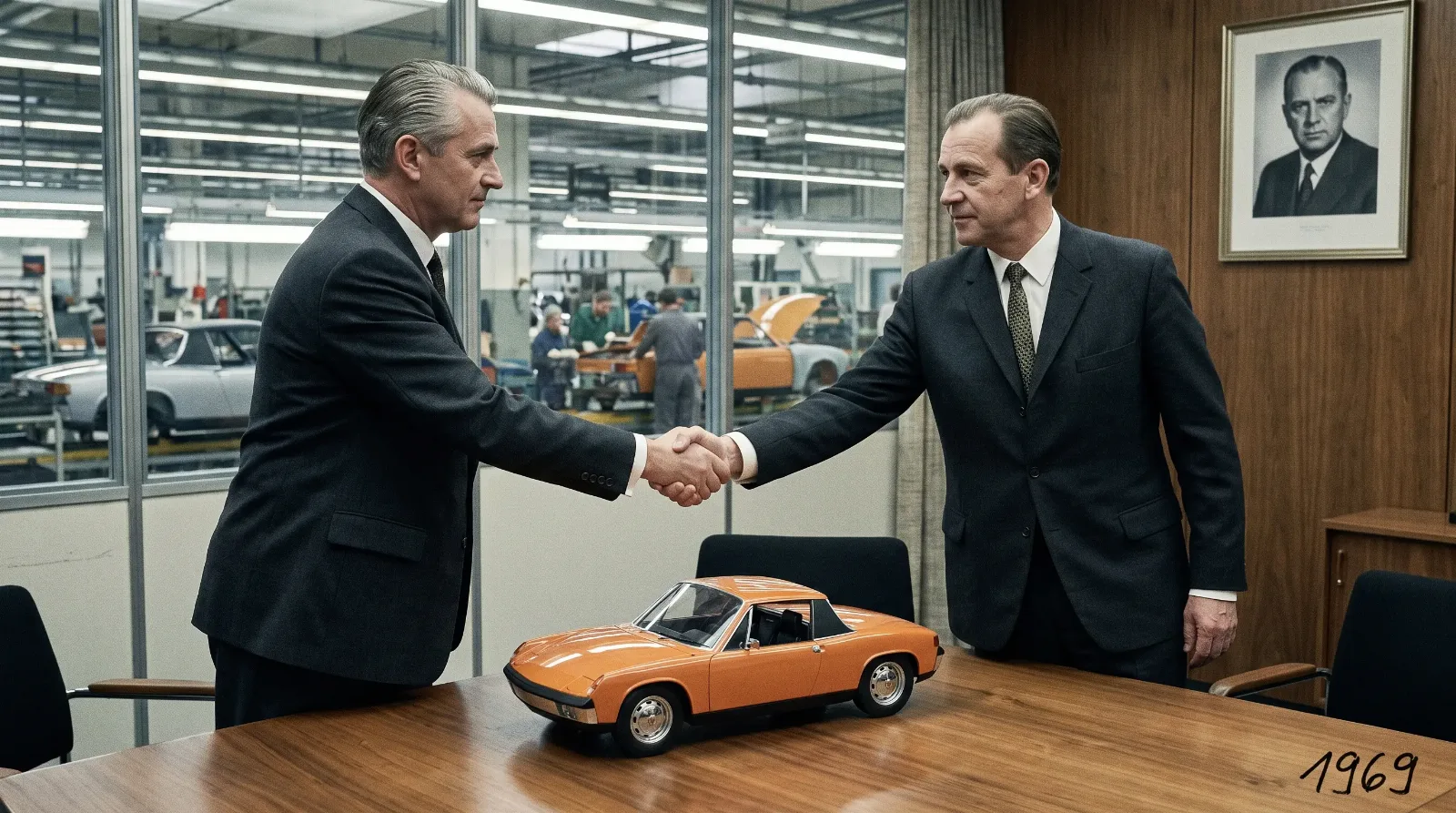
The plan came apart at the top. Heinz Nordhoff, the Volkswagen chief who had shaken hands with Ferry Porsche on a gentleman's agreement, died in 1968 before anything was contractually locked down. His successor, Kurt Lotz, took the position that Volkswagen owed Porsche nothing that was not written down, and the informal deal suddenly looked expensive to Zuffenhausen. To sort out who sold what, the two companies created a joint distribution firm, VW-Porsche Vertriebsgesellschaft, to market the car in Europe. This is why a European base 914 wore a VW-Porsche badge while the same car in the United States was sold simply as a Porsche. The badge on the back was not a styling choice. It was a treaty.
If you want the wider arc of how the marque balanced its model range through these years, our Porsche retrospective (see our Porsche retrospective) sets the 914 against the cars above and below it.
Why the middle of the car is the right place for the engine
Strip away the badges and the 914 is an honest piece of engineering. A mid-engine layout places the heaviest single component near the car's center, which lowers the polar moment of inertia. In plain terms, the mass is concentrated close to the point the car rotates around, so it changes direction more willingly and with less drama than a car carrying its engine out over one axle. The 911 of the same period hung its flat-six behind the rear wheels, a configuration that rewarded skill and punished mistakes. The 914 asked less of the driver to go quickly through a corner.
The weight distribution backs this up. A four-cylinder 914 carried close to a balanced load across the axles, with figures usually quoted around 46 percent front and 54 percent rear. Curb weight sat near 900 kg for the four-cylinder car, low even by the standards of its day. Low mass and central mass are the two things a chassis engineer wants most, and the 914 had both. The removable targa panel stowed in the rear trunk, which meant you gave up nothing in luggage space to get open-air driving, and the car kept two usable trunks, one at each end.
914/4 versus 914/6: the same body, two different cars
The split that defined the 914's reputation was mechanical. The 914/4 used a Volkswagen-sourced fuel-injected flat-four, initially 1.7 liters producing 80 hp. Later cars grew to 1.8 and then 2.0 liters, with the 2.0 arriving for 1973 and offering about 95 hp for the US market (closer to 100 PS in European tune). These were not fast cars in a straight line. They were quick in the way a light, balanced car is quick, which is to say through the corners and under braking rather than down the drag strip.
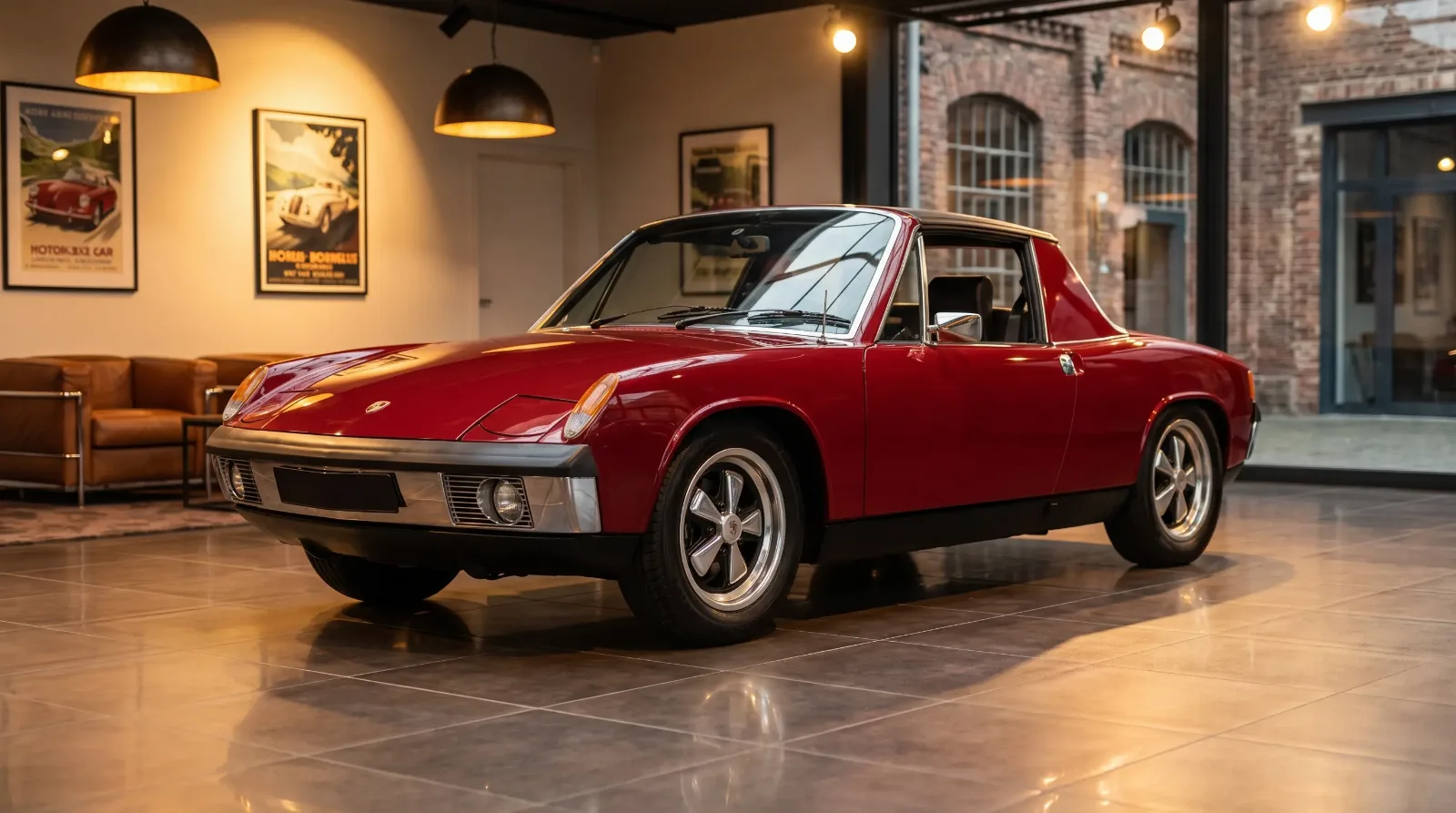
The 914/6 was the enthusiast's version. It took the 2.0-liter flat-six from the 911T, good for about 110 hp, and dropped it into the same mid-engine bay. The result was genuinely rapid and, by most period accounts, better balanced than a 911 of the same year. The problem was the price. By the time Porsche finished building the six-cylinder car and paying Volkswagen for the shared components, the 914/6 cost close enough to a base 911T that buyers simply bought the 911 and its badge instead. The market read the 914/6 as an expensive four-cylinder car rather than a cheap six, and it never recovered from that perception during its short run.
| Specification | 914/4 (2.0L) | 914/6 |
|---|---|---|
| Engine | VW flat-four, fuel injected | Porsche 911T flat-six |
| Displacement | 1971 cc | 1991 cc |
| Power | ~95 hp | ~110 hp |
| Layout | Mid-engine, RWD | Mid-engine, RWD |
| Transmission | 5-speed manual | 5-speed manual |
| Curb weight | ~900 kg | ~940 kg |
| Production years | 1969-1976 | 1969-1972 |
Sales, numbers, and a short life for the six
Volume tells the story cleanly. Total 914 production ran to 118,978 cars across the full run, which makes it a commercial success by Porsche's modest standards of the period. The four-cylinder cars did the work, accounting for about 115,600 of that total. The 914/6, by contrast, was built only from 1970 to 1972 and accounted for 3,332 units, a small fraction of the total. Porsche stopped six-cylinder production when it became clear the numbers did not justify the cost of building the more complex car.
The four-cylinder 914 soldiered on through 1976, by which point the 924 was arriving to take the entry-level role in a new front-engine, water-cooled direction. The mid-engine experiment ended not because the layout failed but because the business case for a two-company sports car had run its course. If you want to follow where Porsche went next with its front-engine transaxle cars, you can keep exploring the range (see keep exploring the range) and see how different that answer looked.
Why it was dismissed, and why that judgment was wrong
The case against the 914 was mostly about association rather than about the car itself. Purists held the Volkswagen engine against it and treated the shared parts as evidence that it was not a real Porsche. The styling, upright and angular where the 911 was rounded, did not help. For years the 914 was the cheap way into Porsche ownership, which meant a lot of them were bought by people on a budget, run hard, and repaired badly. Rust did the rest. The 914's structure includes areas around the battery tray and the longitudinals that trap moisture, and a neglected car can hide serious corrosion under presentable paint.
None of that changes the engineering. A well-sorted 914 does the thing every modern sports car marketing brochure now brags about. It puts the mass in the middle and gives the driver a car that turns in cleanly and stays predictable at the limit. The layout that buyers overlooked in 1972 is exactly the layout Porsche charges a premium for today. The market simply took a long time to separate the badge snobbery from the physics.
"The 914 was engineered correctly and priced awkwardly, and the market punished it for the second thing while ignoring the first. Put the engine in the middle of a light car and the chassis will forgive you a great deal. Buyers spent thirty years pretending that did not matter."
Emily Chen
The appreciation, and what a buyer should watch
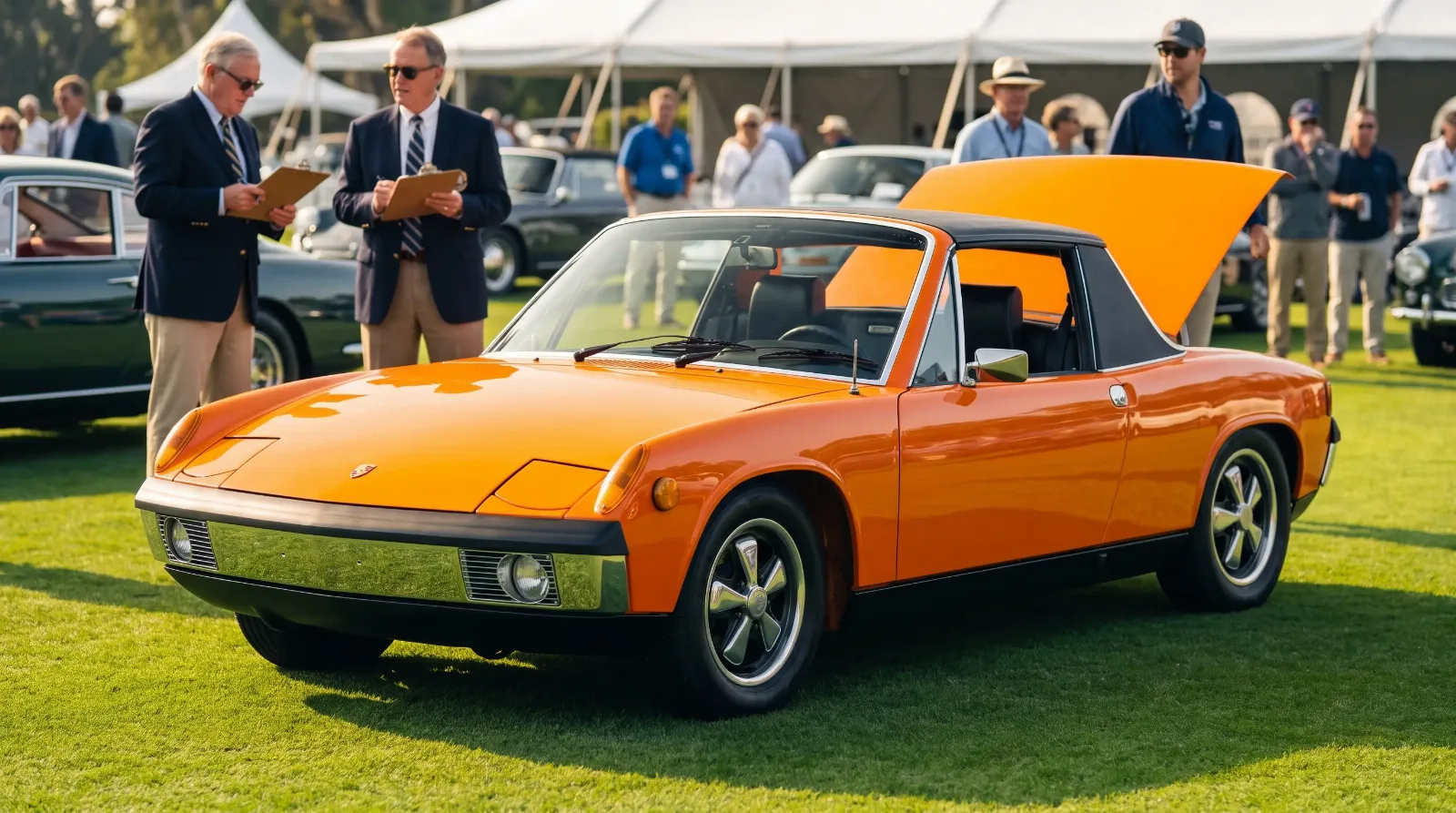
Values have moved. The 914/6 was the first to be taken seriously, and clean, documented six-cylinder cars now trade for sums that would have seemed absurd to a 1980s owner. The four-cylinder cars followed, with the 2.0-liter version leading because it offers the most usable power without the cost of the six. The engine-swapped cars, particularly those fitted with later Porsche flat-sixes, occupy their own niche and are valued on the quality of the build rather than on originality. The pattern is consistent with how the market treats undervalued analytical cars once the story catches up to the specification.
Condition and honesty matter more than badge here. Because so many 914s were cheap for so long, the supply of genuinely rust-free, documented cars is thin, and that scarcity is doing most of the work in the price appreciation. A buyer weighing a classic Porsche 914 for sale should treat the structure as the first thing to verify and the drivetrain as the second, because a sound shell with a tired engine is a far better starting point than the reverse.
The 914 spent most of its life being judged by the badge on its engine cover rather than by where that engine sat. That was always the wrong test. It is a light, balanced, mid-engine Porsche built when almost nobody else was building affordable mid-engine cars, and the market is finally pricing the layout instead of the politics.
Sources and notes
- Porsche 914 - Wikipedia
- Heinrich Nordhoff - Wikipedia
- Stuck in the Middle: The Mid-Engine Porsche 914 - Ate Up With Motor
- The 1970-72 Porsche 914/6 Was the Father of the Boxster and Cayman - Autoblog
- Porsche 914 Ultimate Model Guide - Stuttcars
- Porsche and the Mid-Engine Concept - Porsche Christophorus
Related Reading
Article
The Classic Porsche Story: From 356 to the Air-Cooled Icons
Article
Porsche 356: The Car That Started Everything
Article
Porsche 928: The V8 GT Built to Kill the 911
Article
The VW-Porsche Politics That Nearly Sank the 914
Article
Porsche 914/6: The Six-Cylinder That Cost Too Much
Article
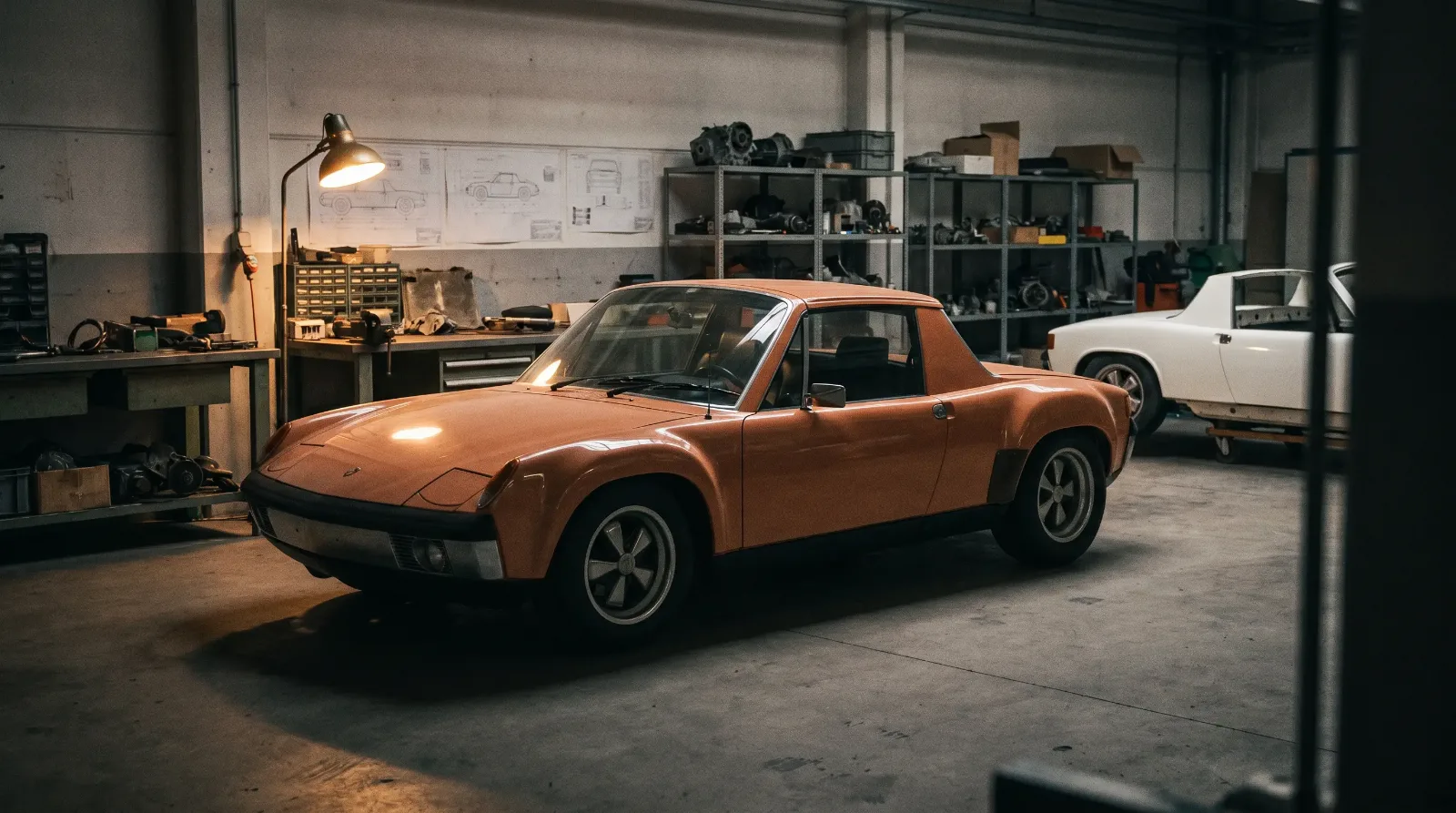
The 916 Prototype: The 914 That Never Was
Article
Why the 914 Is Finally Appreciating
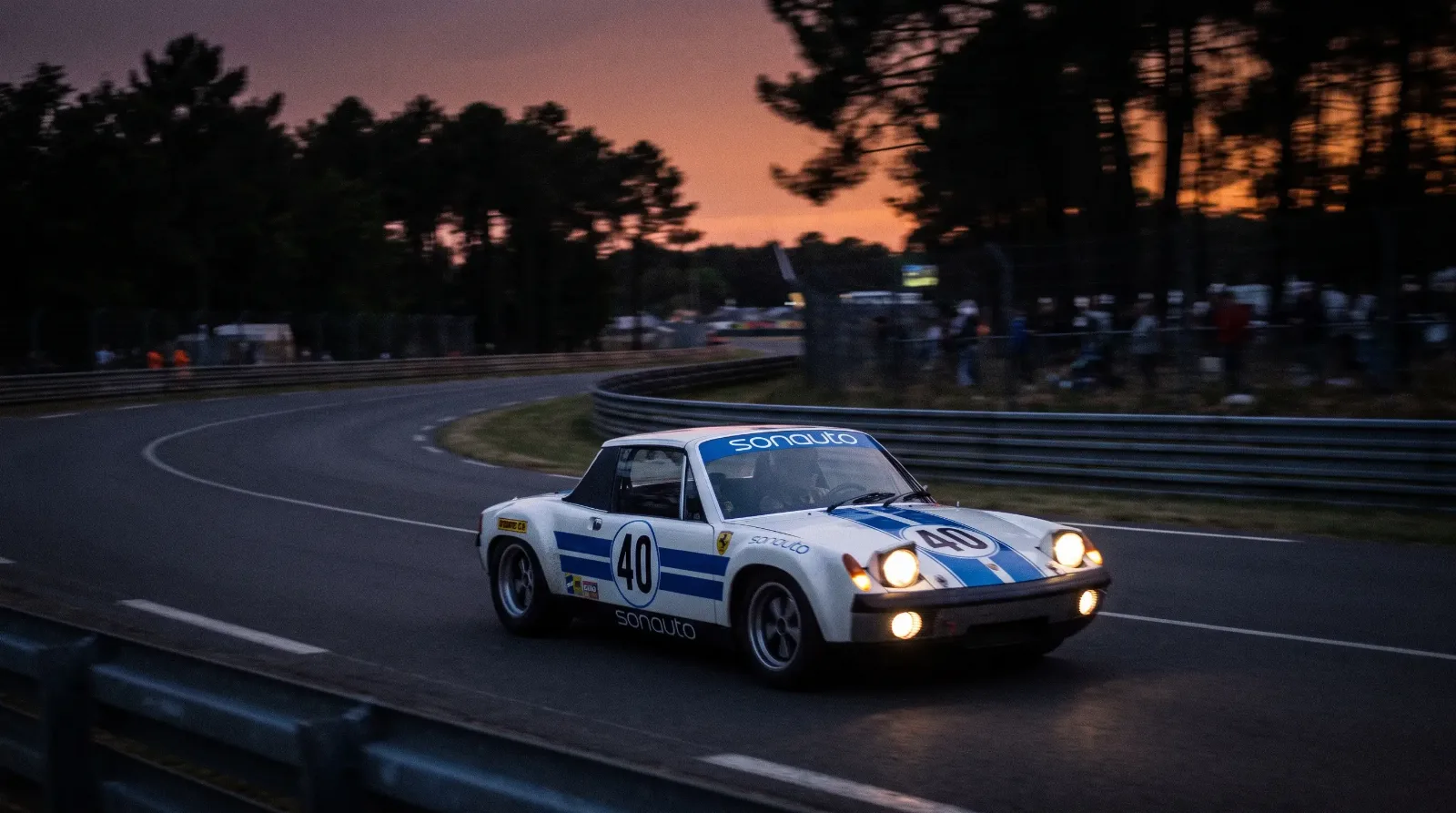
Article
The 914/6 GT: Giant-Killer at Le Mans & Daytona
Article
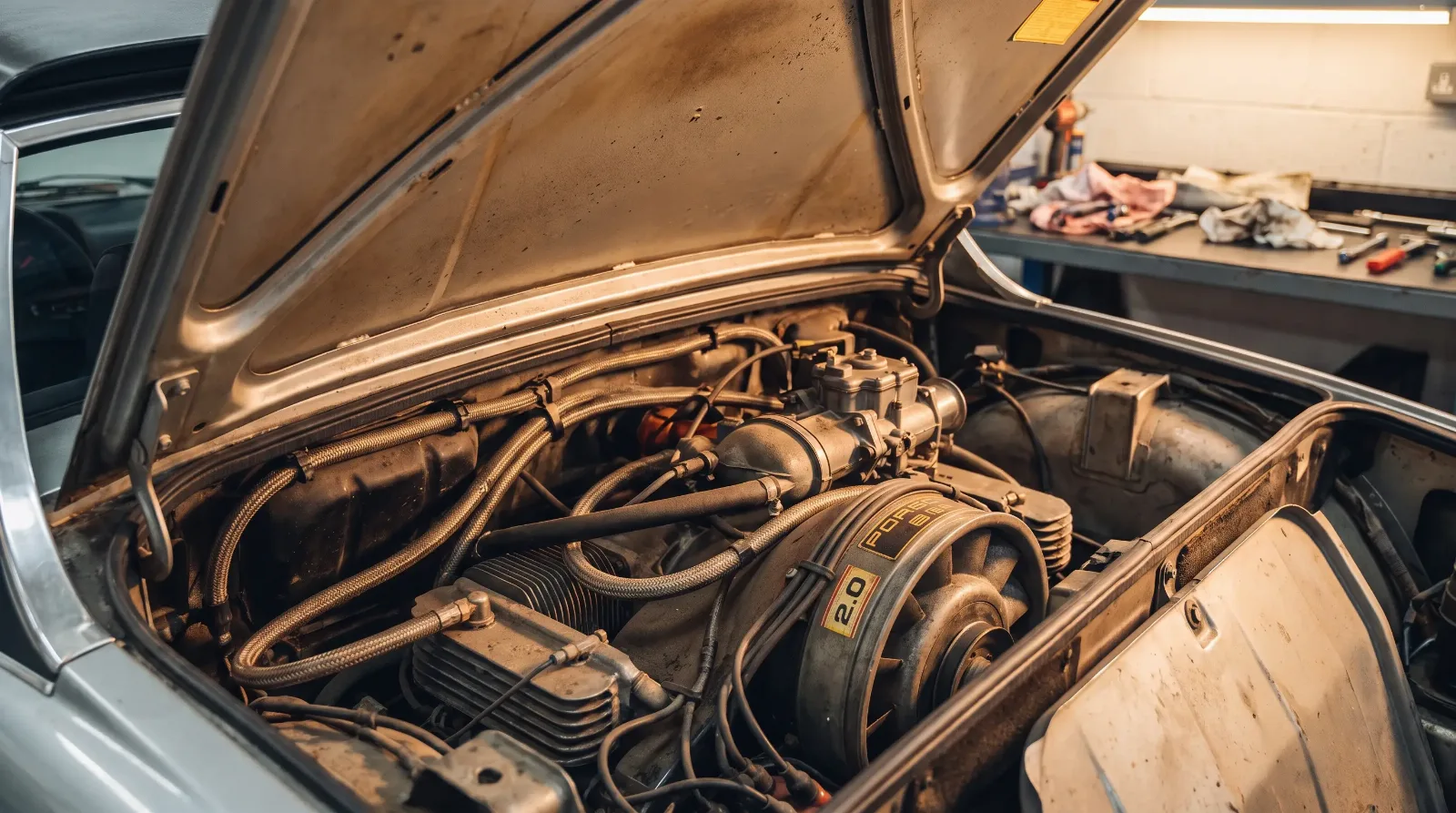
Mid-Engine Genius: The 914 Layout
Article
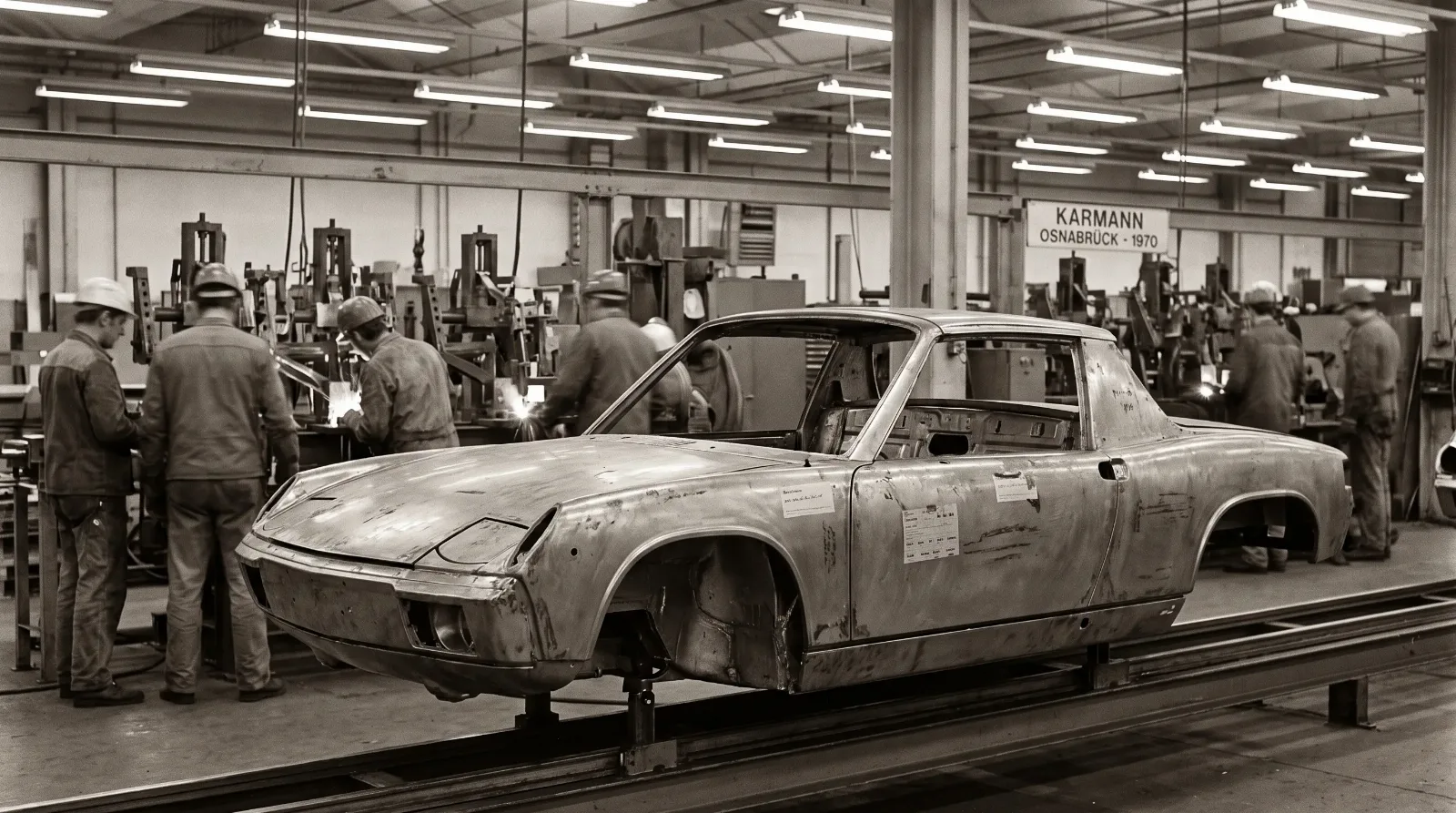
Karmann's Role in Building the 914
Article
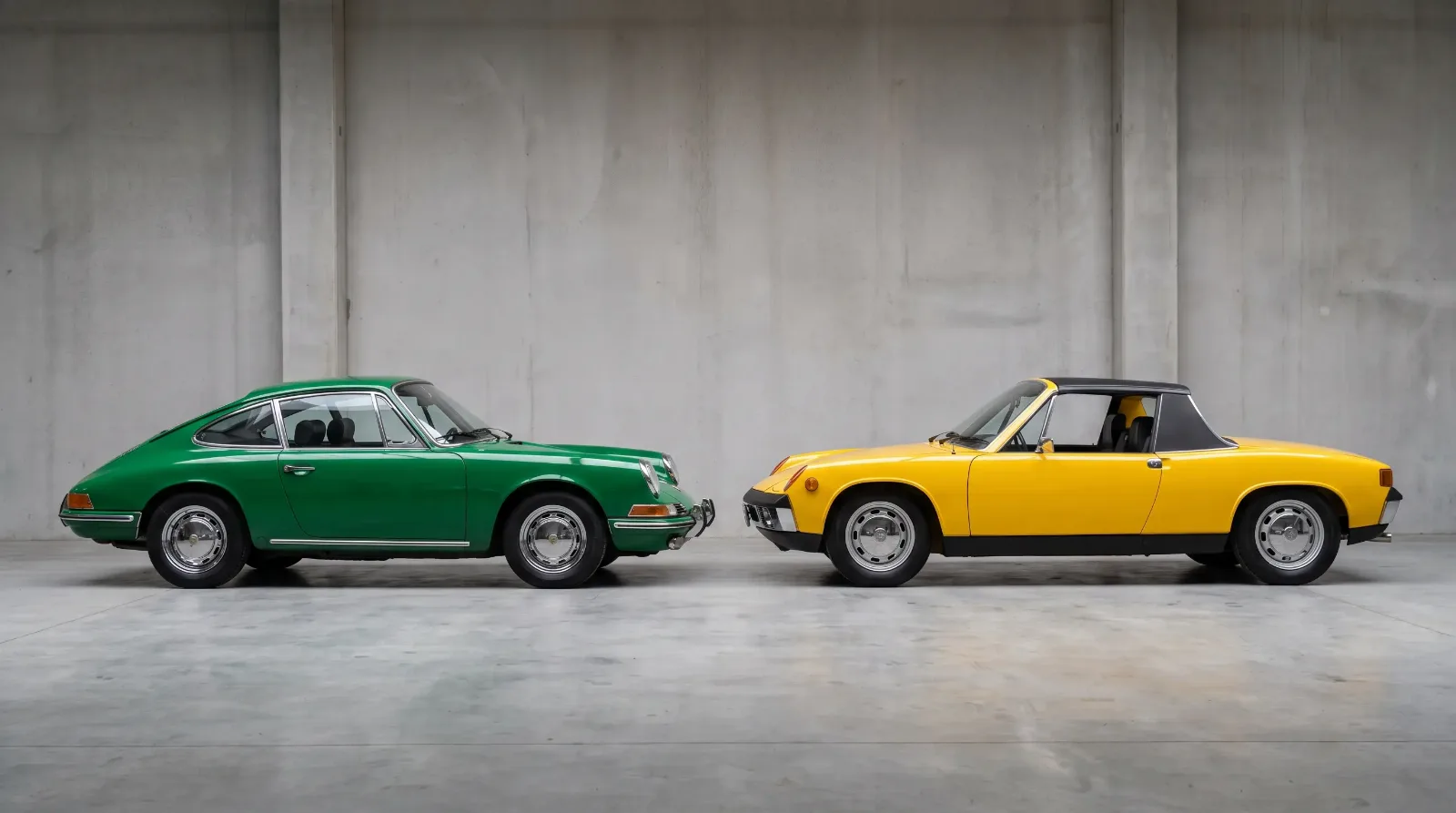
914 vs 912: The Sibling Rivalry
Article
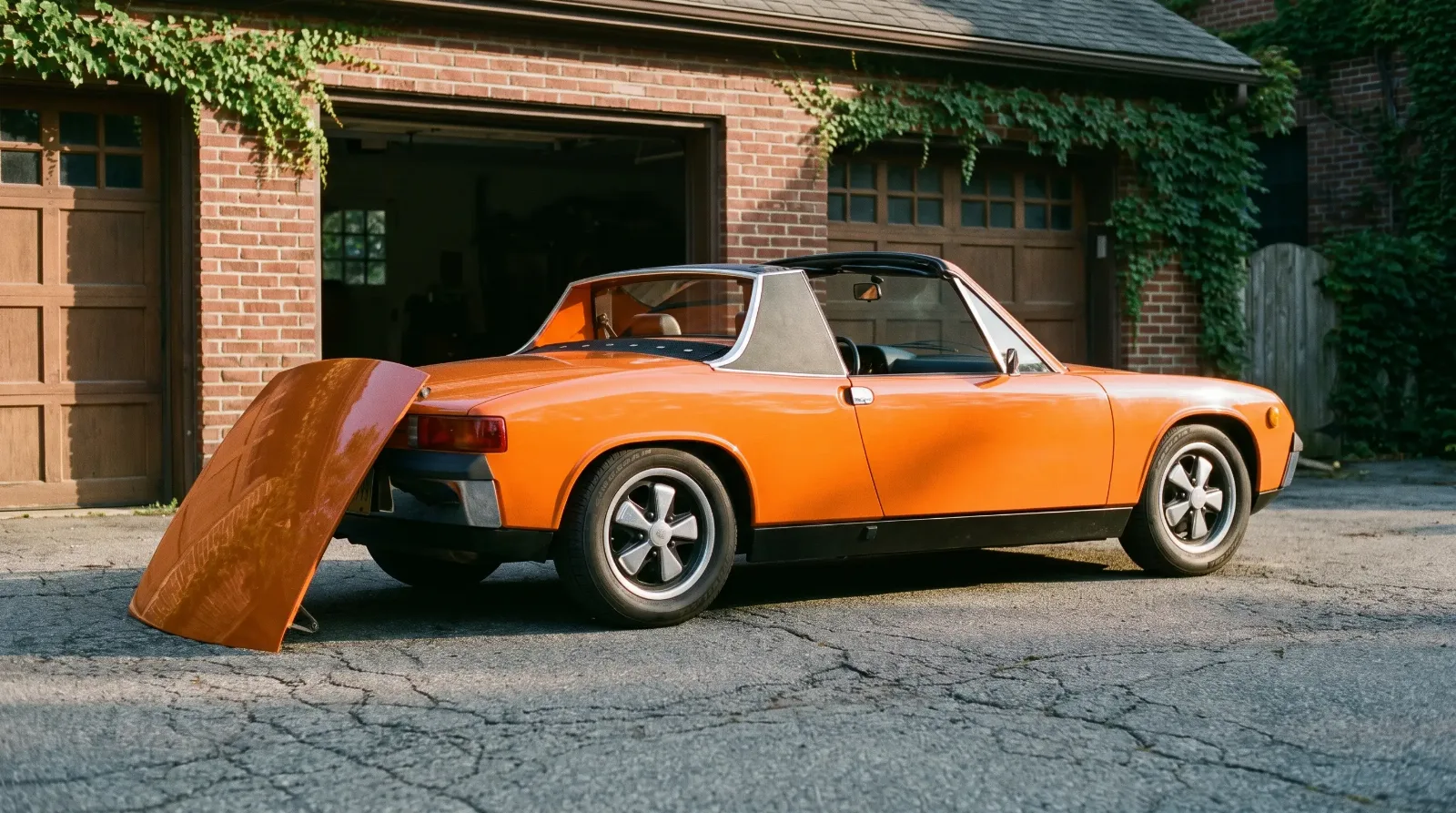
Targa Freedom: The 914's Removable Roof
Article
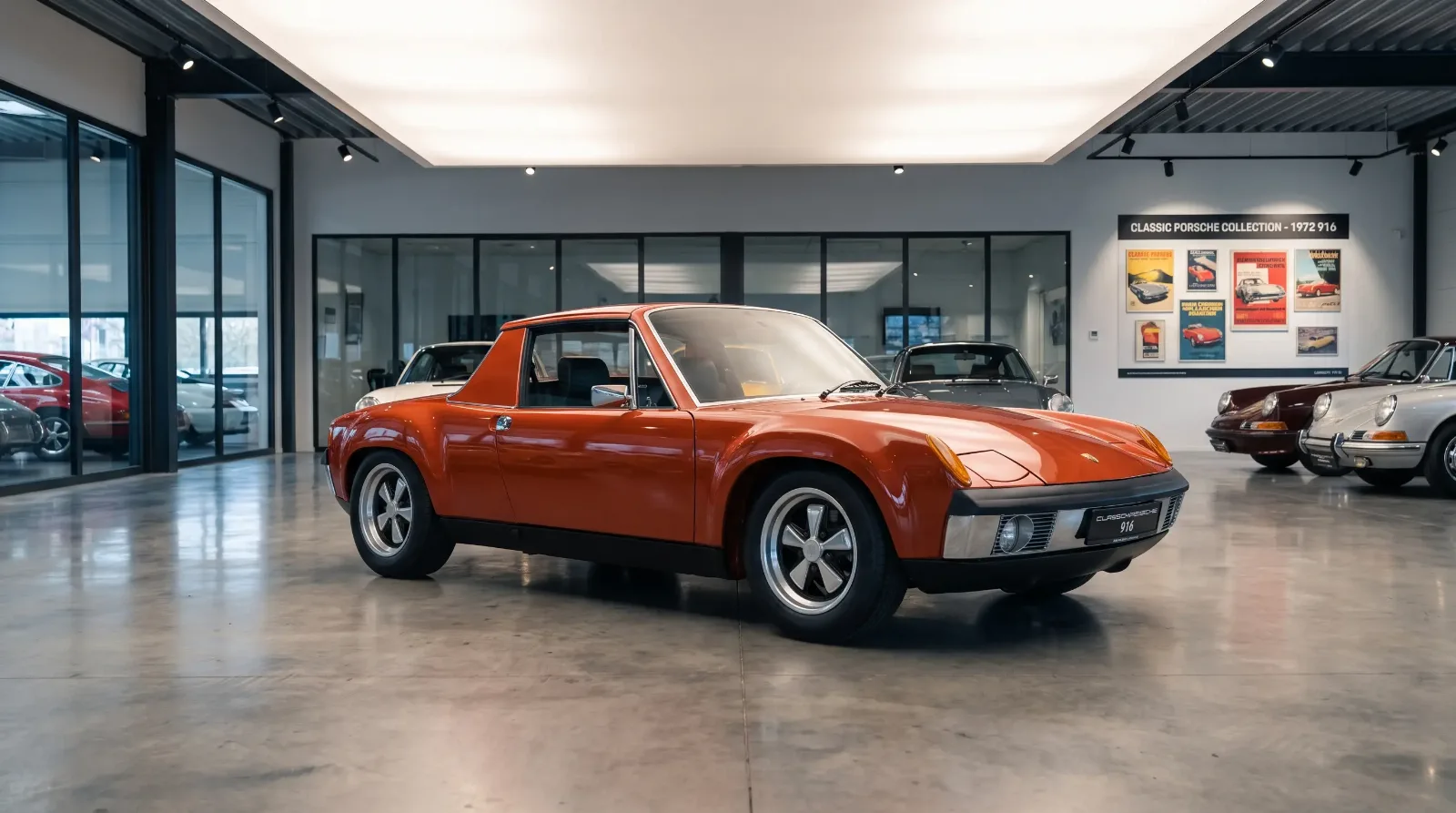
The Rarest 914 Variants Worth Knowing
Article
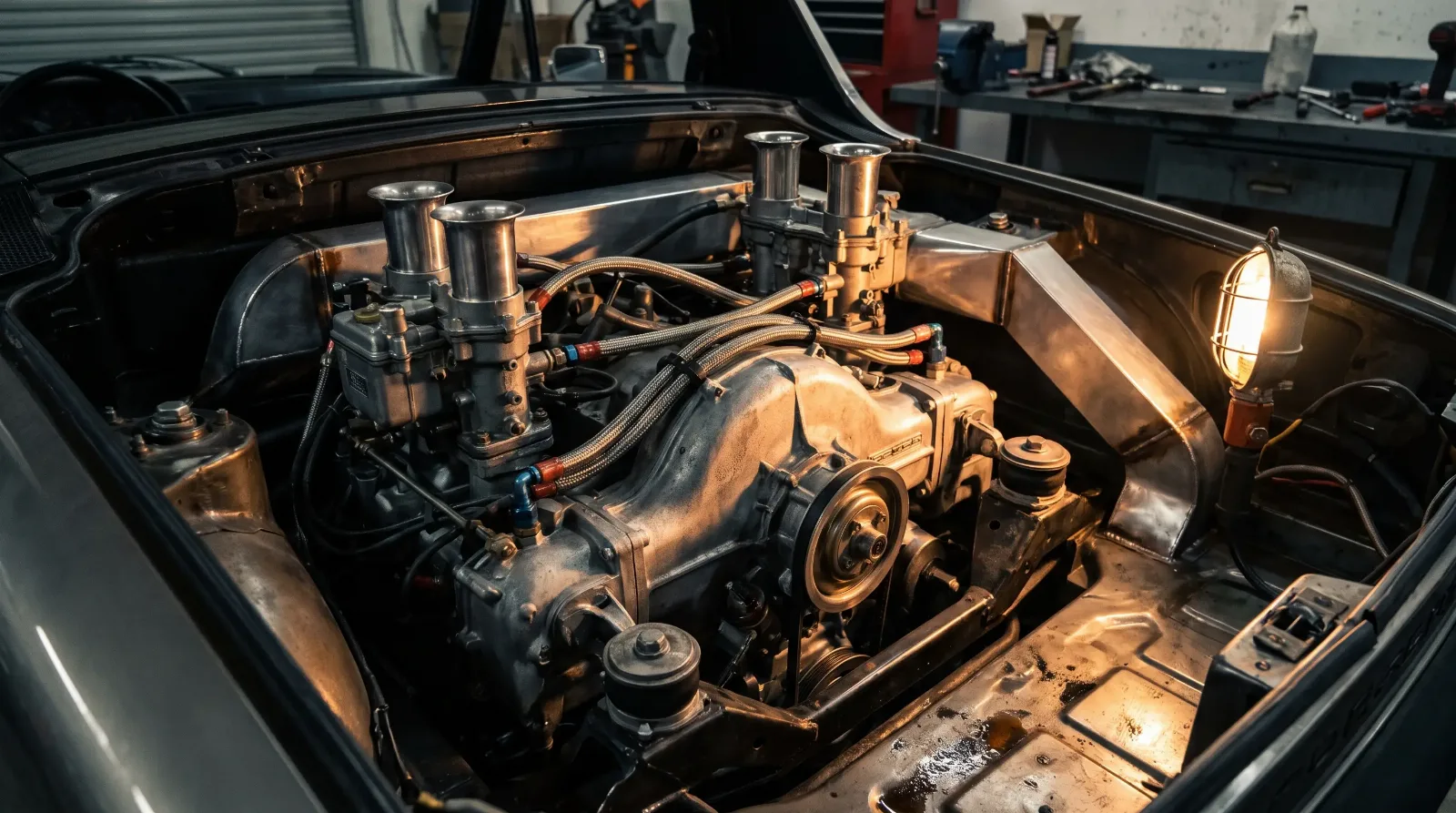
Engine-Swap Culture: The Six-Cylinder 914s
Article
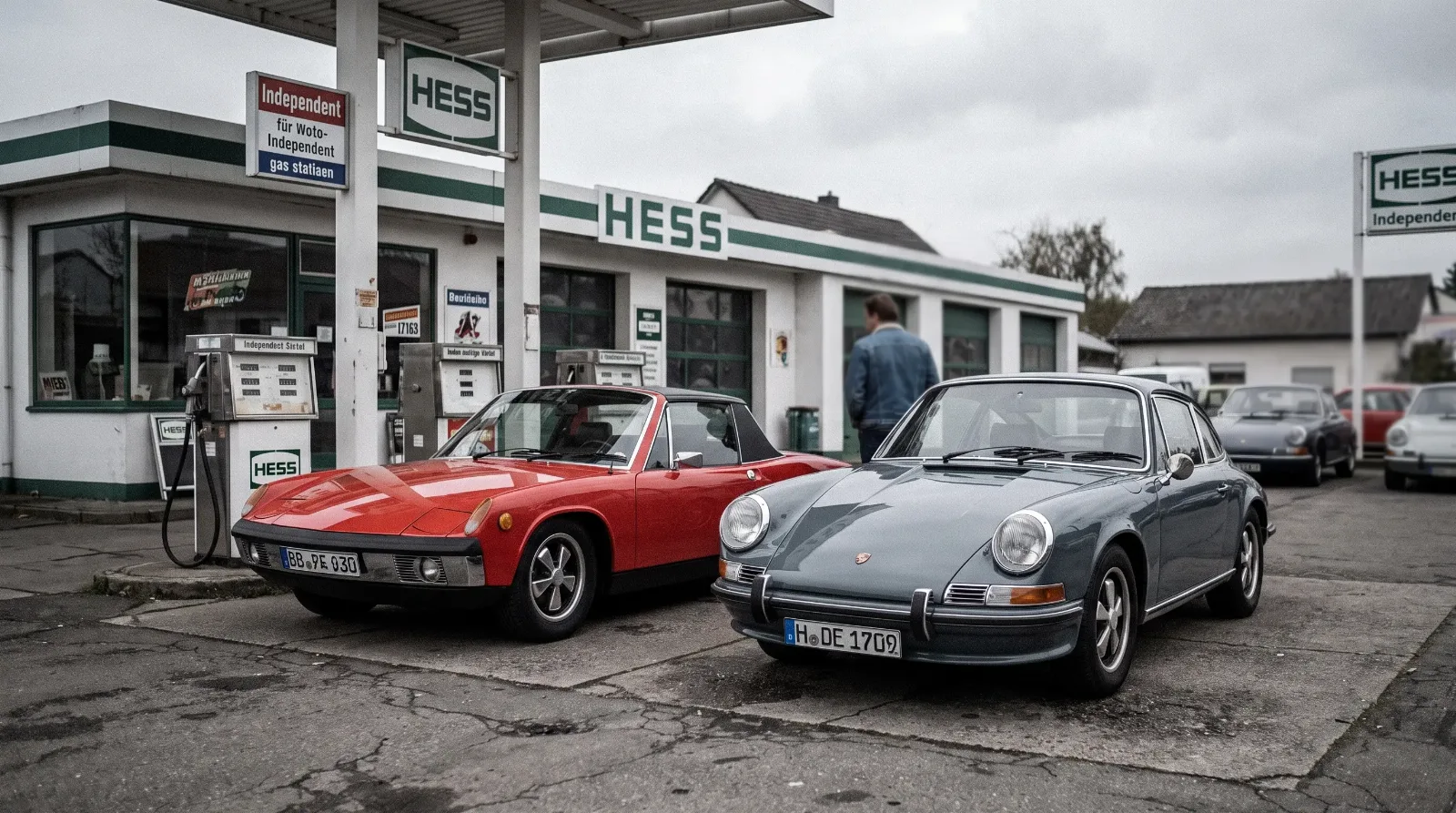
Why Enthusiasts Once Dismissed the 914
Article
The 914's Bauhaus Design Language
Article
The 914 in Period Racing & Autocross
Article
How the 914 Fit Porsche's 1970s Lineup
Have a
Porsche
for Sale?
Reach thousands of serious classic car collectors across the US.
Sell It Here →
Are You a Classic Car Dealer?
List your full inventory and connect with targeted classic car buyers.
Join as a Dealer →

About the author
Emily Chen
Bay Area engineer with a deep focus on vintage Japanese and European performance cars. Approaches classic car research and restoration with an analytical eye.
Related Listings - Porsche
Comments (1)
G
Gary Tompkins
3 months ago
Had one of these about fifteen years ago. Sold it when life got complicated. Regret it most years come auction season.