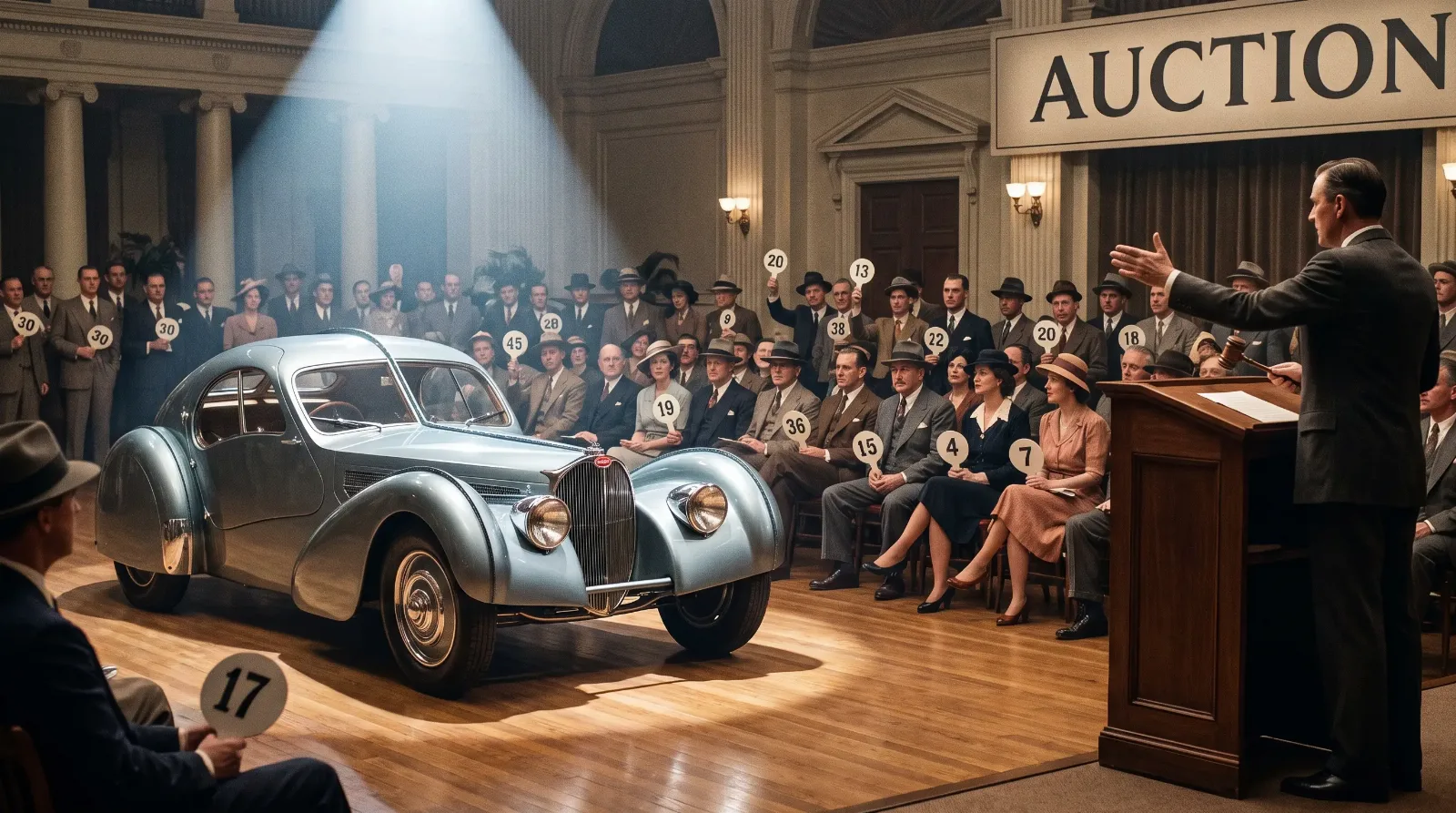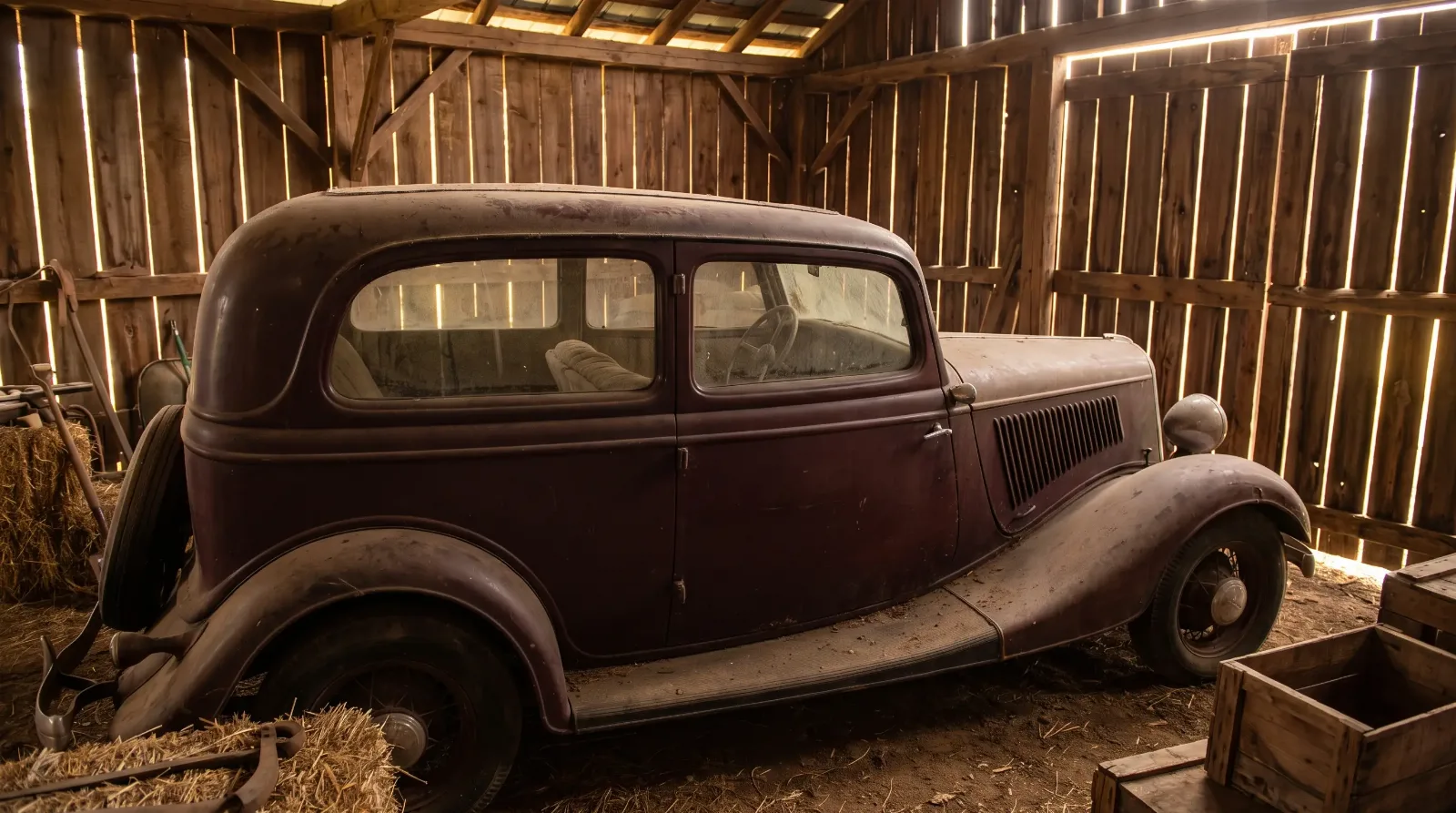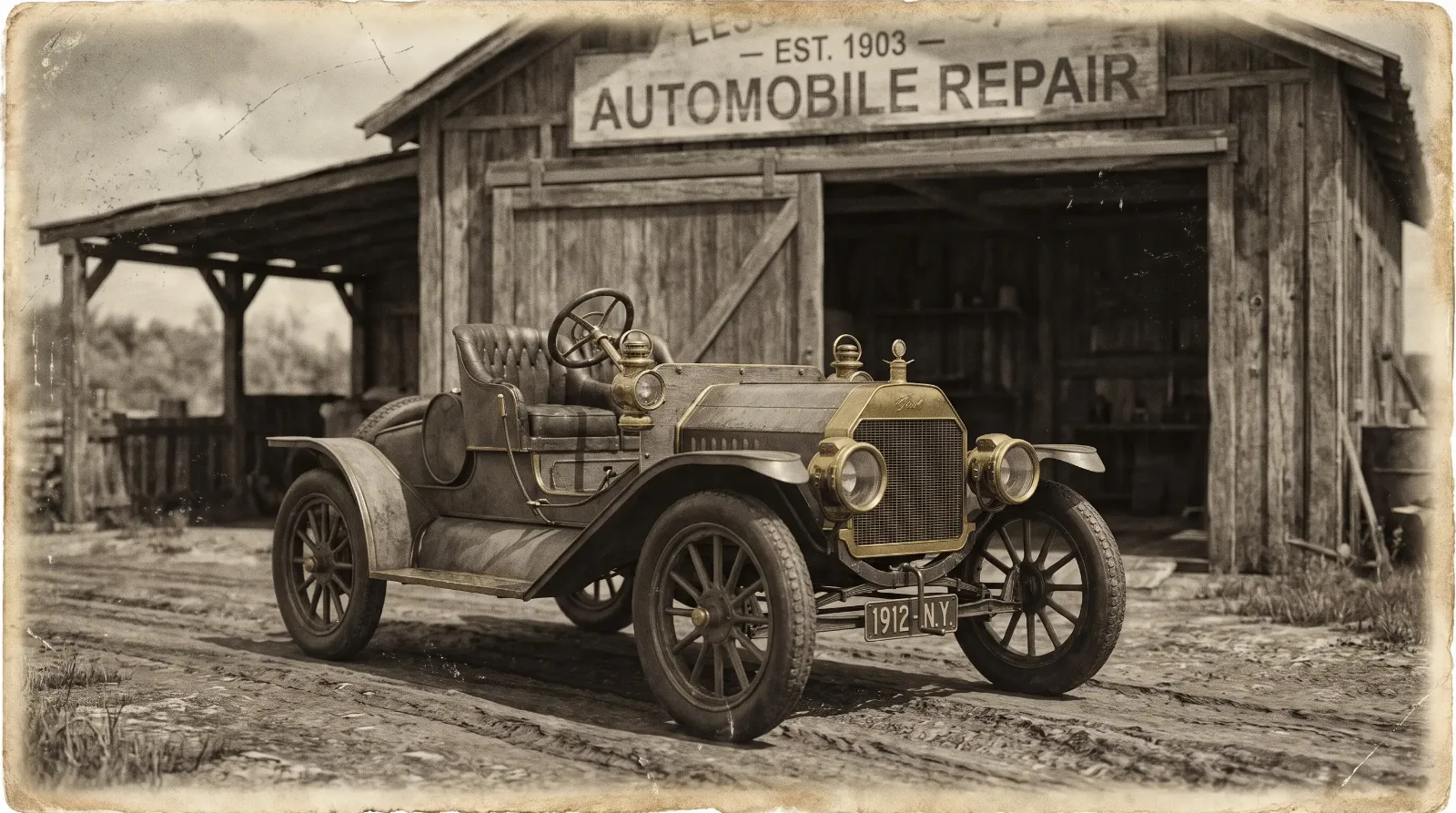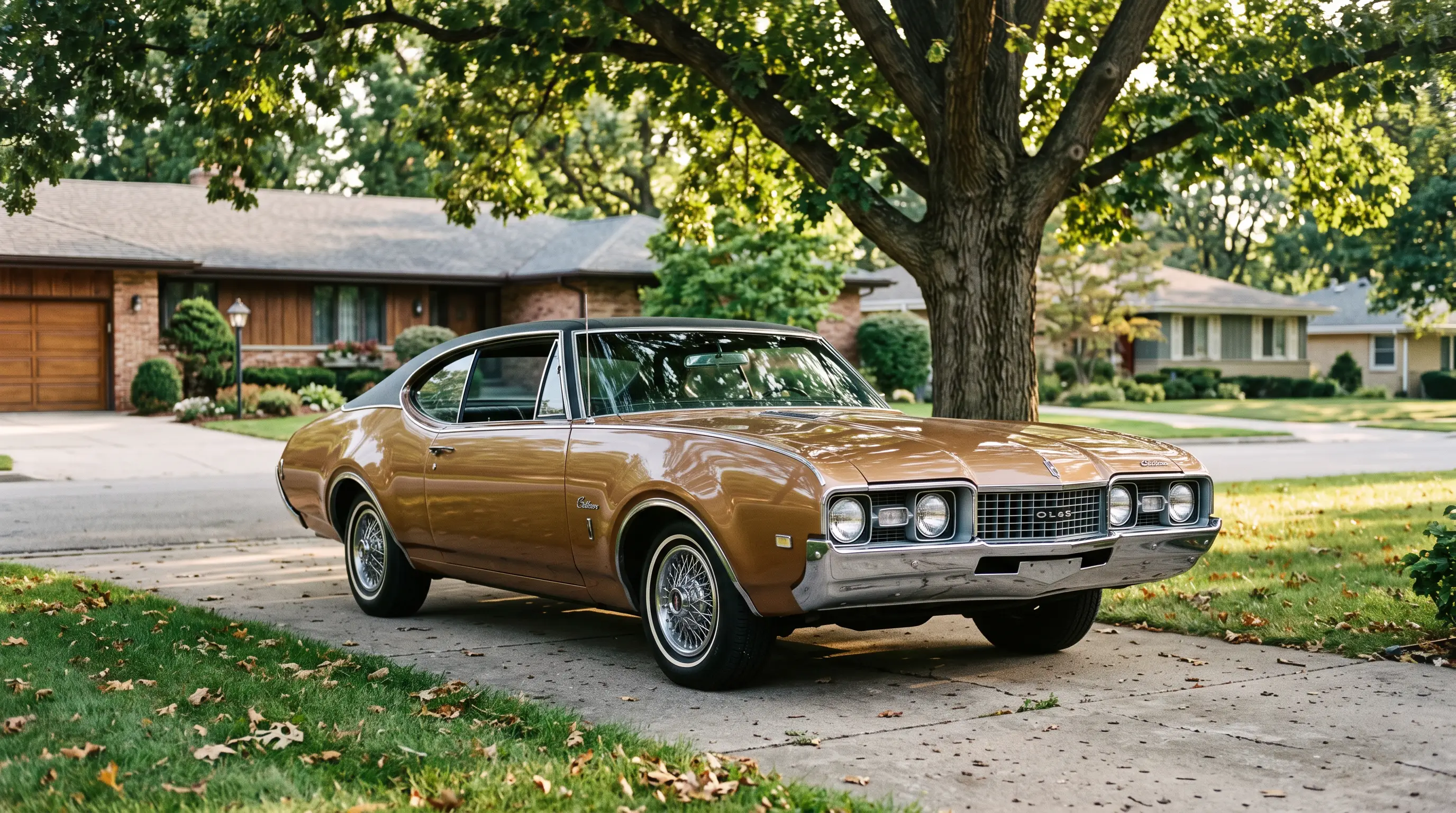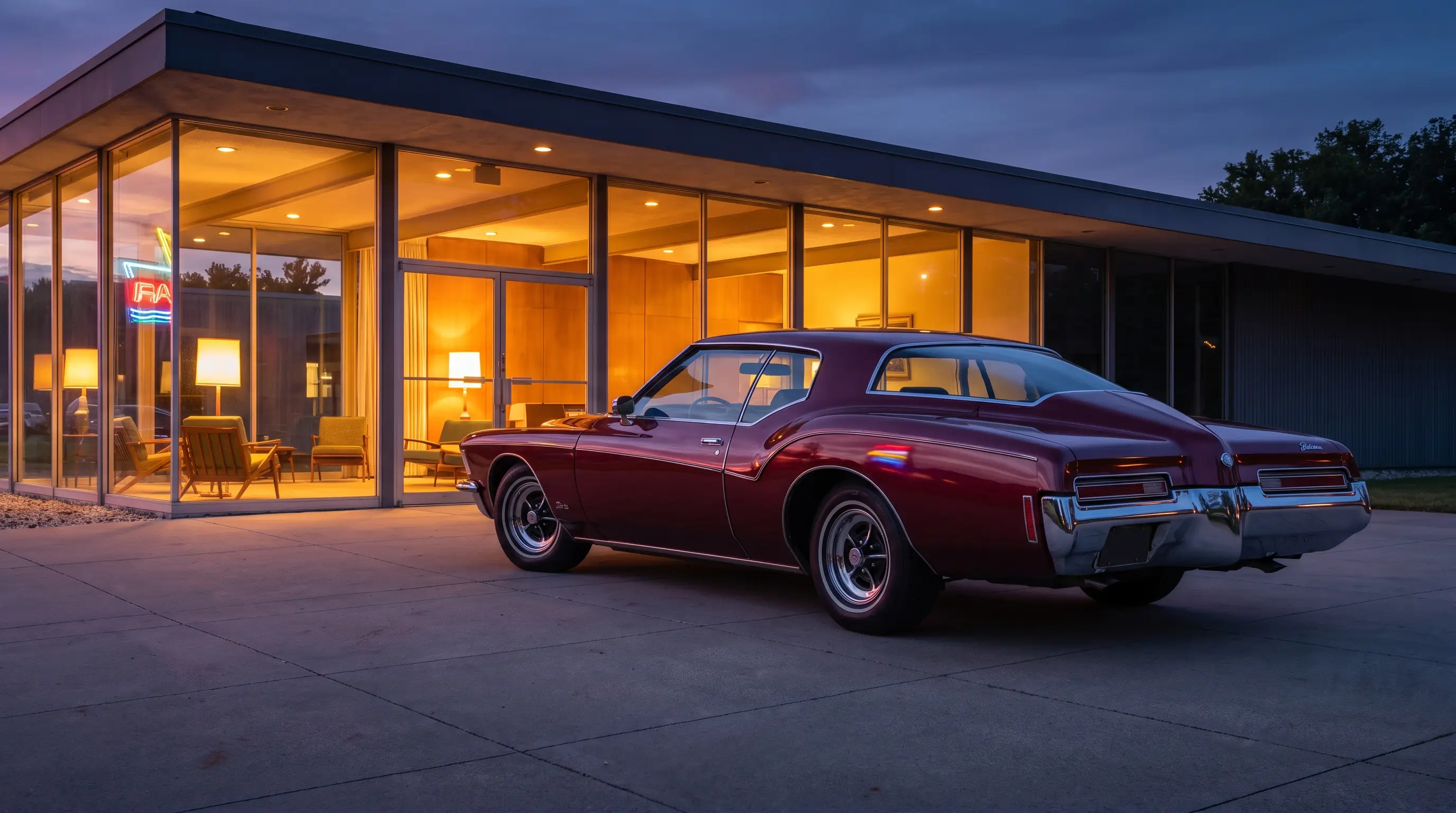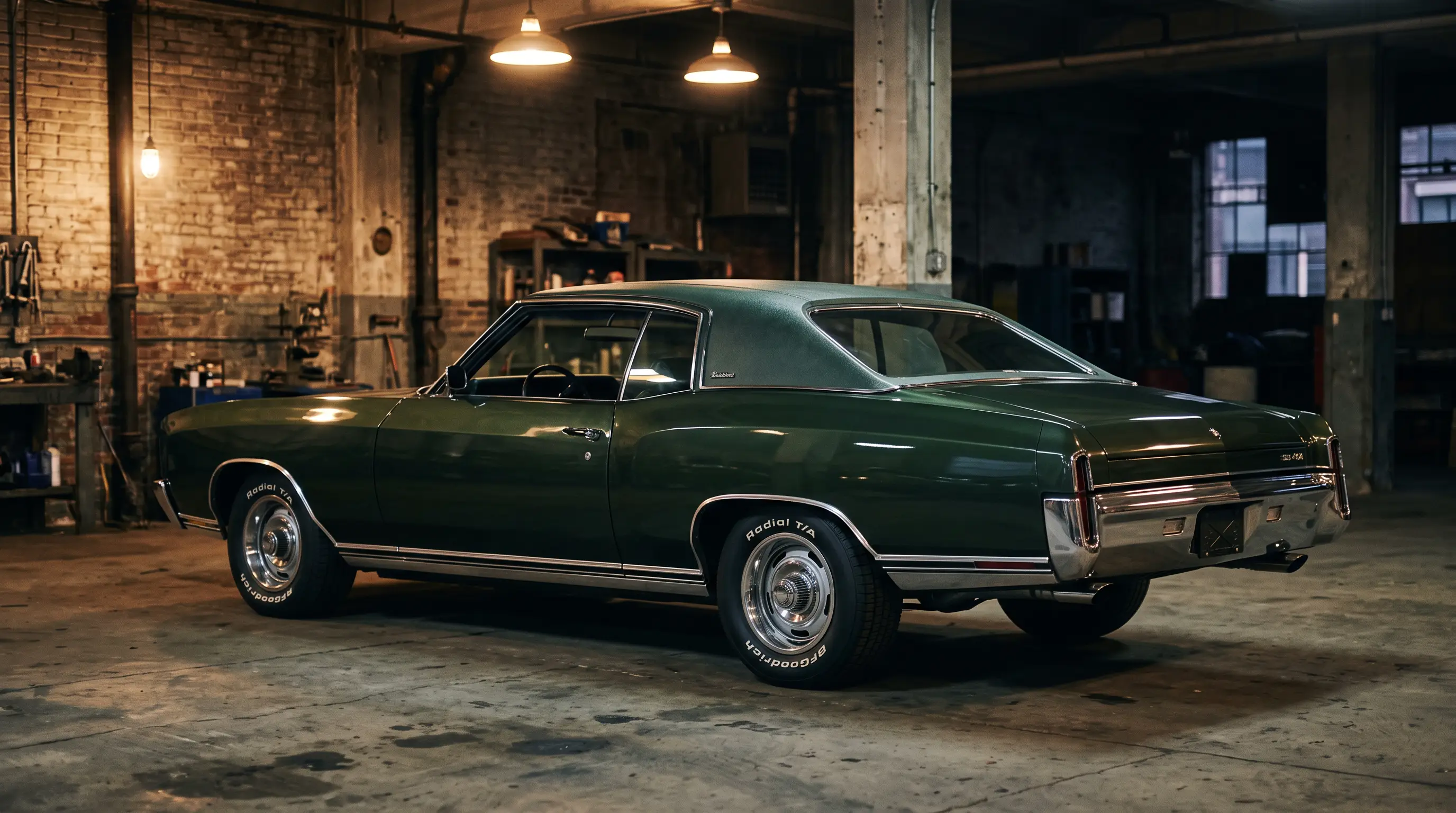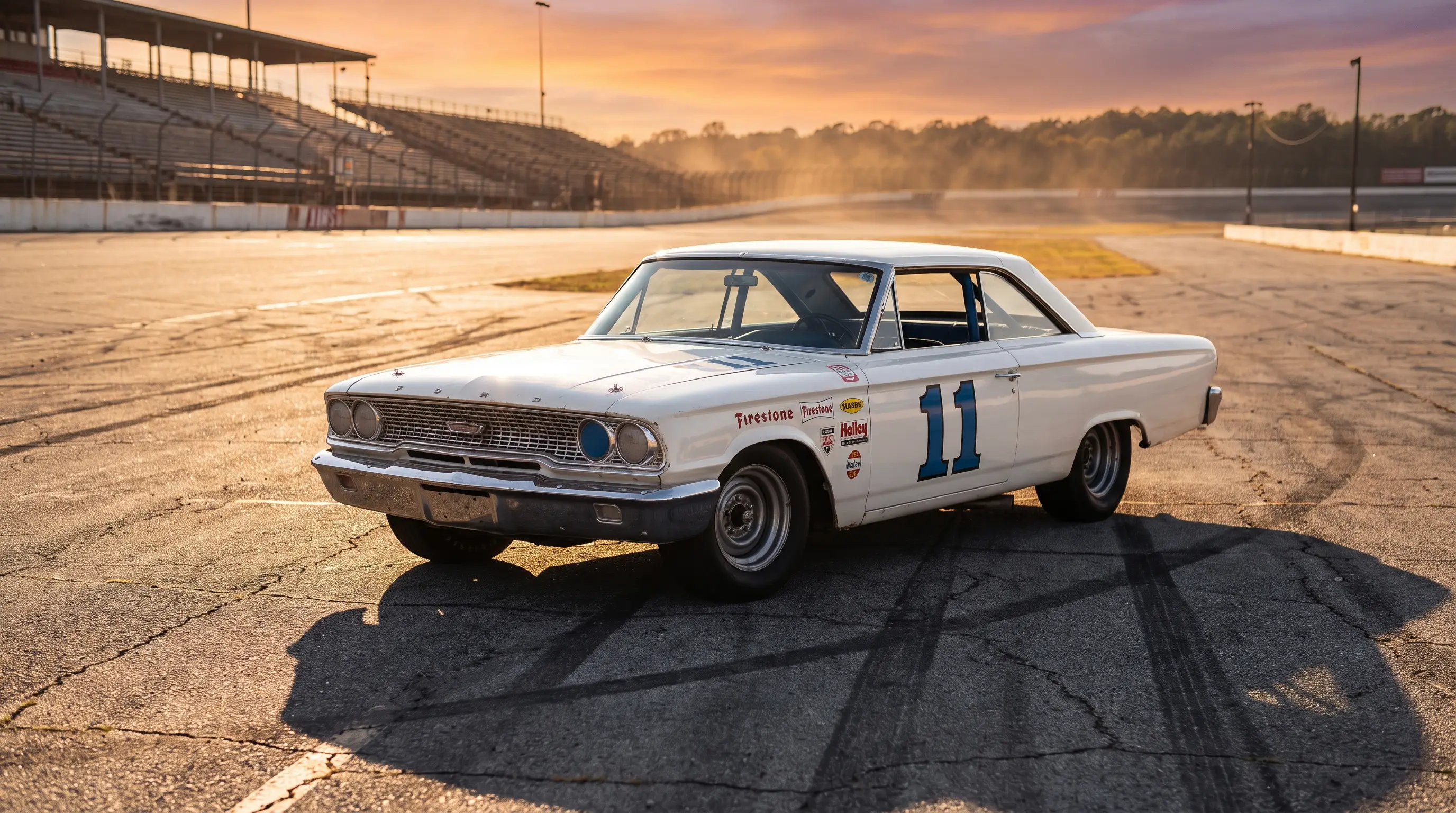

Two cars, same model, same year, comparable condition grades. One sells for the expected market price. The other sells for meaningfully more, sometimes well more. The difference, more often than not when you pull the sale details, is paper: a documented ownership chain, a known first buyer, or a period competition history that the first car simply does not have. Provenance is not a soft, sentimental add-on to a valuation. In the data, it is one of the more consistent price movers in the pre-war market.
What counts as real provenance, and what does not
Real provenance is verifiable: a continuous ownership chain with names, dates, and locations that can be checked against registration records, marque registry entries, or period documentation. A known original purchaser, especially a notable one, a documented competition or rally history, or a coachbuilder commission record all qualify. What does not qualify, despite showing up in listings constantly, is unverifiable anecdote: "believed to have been owned by," "rumored to have competed at," or a story with no paper behind it. Buyers serious enough to pay a provenance premium want documentation, not a good story told confidently.
The verification standard rises with the size of the claim. A routine ownership chain might be adequately supported by consecutive title records and registration renewals. A claim of competition history or a notable original owner needs corroborating period sources, event programs, newspaper coverage, dealer correspondence, something contemporaneous to the claim rather than a family story passed down and repeated in a listing decades later.
This distinction shows up directly in sale results. Cars marketed with a thoroughly documented history routinely outperform their condition-grade peers. Cars marketed with an undocumented "believed to be" story tend to sell at or near the plain market price for the condition grade, because sophisticated buyers discount unverifiable claims to close to zero.
How much provenance actually adds
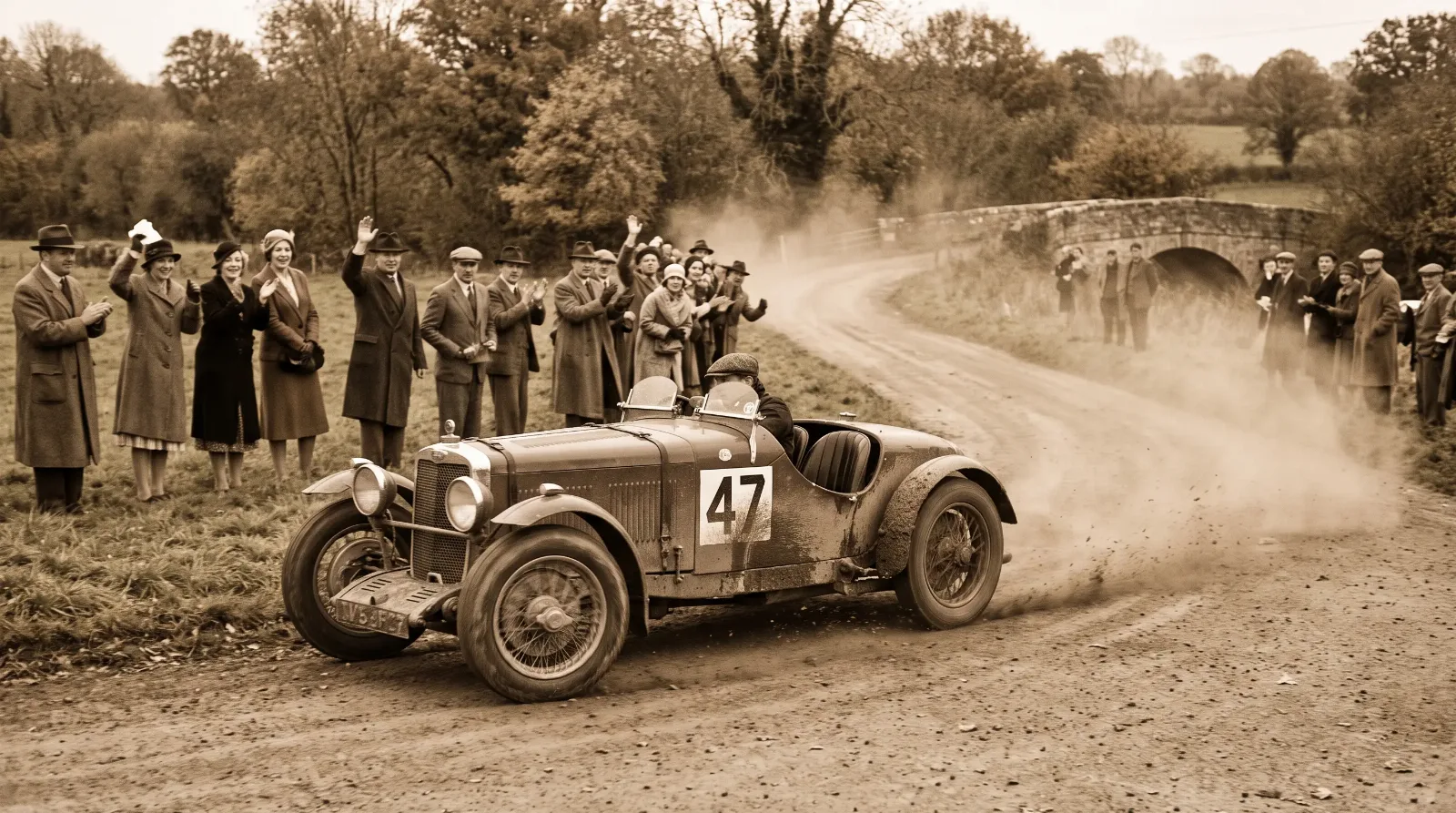
The premium is not fixed, and it should not be treated as a flat percentage you can bolt onto any appraisal. It scales with how compelling and how verifiable the story is. A documented first-owner chain with no particular fame attached might add a modest premium, in the range of 10 percent, reflecting the reduced uncertainty rather than any glamour. A documented period competition history, particularly a notable result at a recognized event, can move the number considerably further, sometimes doubling the premium range or more depending on how significant the result was and how well it is documented. A verified celebrity or notable-figure ownership tends to produce the widest and least predictable premiums, since that value is driven by name recognition and buyer sentiment as much as by the underlying car.
It is worth noting these premiums are not always additive in a simple way. A car with both a documented competition history and a notable original owner does not necessarily command the sum of both individual premiums. Buyers tend to anchor on whichever story is strongest and treat the rest as supporting evidence rather than pricing each element separately. The practical effect is that one exceptionally well-documented, compelling story usually outperforms several thinner, disconnected claims stacked together.
| Provenance type | Verification standard | Typical effect |
|---|---|---|
| Continuous ownership chain | Titles, registry entries | Modest, consistent premium |
| Period competition history | Event records, period press | Meaningful premium, scales with event significance |
| Coachbuilder commission | Build records, coachbuilder archive | Meaningful, model-dependent premium |
| Notable original owner | Verified documentation | Wide, sentiment-driven premium |
Why buyers pay for a story they cannot drive
Provenance does not change how a car performs. It changes the risk profile of owning it. A documented ownership chain reduces the chance of a future title dispute, a hidden theft history, or an undisclosed accident buried somewhere in the gaps. Buyers are, in effect, paying to reduce uncertainty about everything the car cannot tell them on its own. That is a rational premium, not an emotional one, even when the underlying appeal, a famous owner, a race win, feels emotional on the surface.
There is also a resale argument. A car with strong, documented provenance is easier to sell in the future, because the next buyer inherits the same reduced uncertainty you paid for. That liquidity benefit compounds the direct value the provenance adds today.
There is a downside worth naming plainly. Provenance claims that later prove exaggerated or false do not just fail to add value, they actively damage it, sometimes below what a comparable car with no story at all would fetch, because buyers start questioning everything else about the car once one claim falls apart. Sellers should be conservative about what they assert, and buyers should independently verify rather than take a compelling narrative at face value, however well the seller tells it.
"I have watched two nearly identical cars sell six figures apart, and the only real difference on paper was one had a documented ownership chain back to the original dealer and the other had a story nobody could confirm. The market is not sentimental about this. It is pricing risk."
— David Mercer
What this means when you are researching a car
Before you accept a seller's provenance claim as a reason to pay more, ask for the documents, not the narrative. A title chain, registry listing, period photographs with verifiable context, or event records are worth pursuing. A story with no paper behind it should not move your offer at all, regardless of how compelling it sounds in the listing. For more on classic car provenance value, this factor sits alongside condition and originality as one of the primary drivers of pre-war car pricing. If a coachbuilder commission is part of a car's story, keep reading for how that specific type of provenance gets verified and valued. And for the rarity dimension that often compounds with provenance on the earliest cars in this category, a related read covers how scarcity from the pre-1920 era factors into the same pricing conversation.
Sources and notes
- RM Sotheby's - provenance and ownership history in catalog notes
- Bonhams - motor car department catalog notes
- Hagerty Insider - market trends and provenance premiums
- Gooding & Company - auction results and provenance records
- CCCA - marque and model documentation standards
- PreWarCar - provenance and registry reference articles