Rarity gets thrown around loosely in car listings, usually to justify a price the seller wants rather than one the market has actually established. On pre-1920 cars, actual scarcity is real and it does move prices, but it does not move them the way most people assume. A car being old and uncommon is not the same as a car being valuable, and confusing the two is an easy way to overpay.
Why pre-1920 rarity is different from later scarcity
The earliest years of American automobile production involved hundreds of small manufacturers, many building only a handful of cars before folding entirely. Survival rates from that era are low across the board, not just for the marques that later became famous. That means "rare" is almost the default condition for a pre-1920 car rather than a distinguishing feature. The real question is not whether a car is rare, since most of them technically are, but whether that rarity is one the market cares about.
A car from a manufacturer nobody collects, with no active club, no registry, and no established comp sales, can be genuinely one of very few surviving examples and still be worth relatively little, simply because there is no demand pulling against the limited supply. Rarity without demand is not scarcity value. It is just an orphan.
This is a hard truth for owners of forgotten-marque cars to hear, and I understand why. The car in the garage might genuinely be one of two or three known survivors of its make, a fact that would be remarkable for almost anything else. In the collector car market specifically, that fact competes against buyer attention, and attention is finite. Without an active club, a registry, or even a handful of enthusiasts who specifically seek out the marque, the car's true rarity has nowhere to translate into a bidding contest.
Where rarity actually translates into price
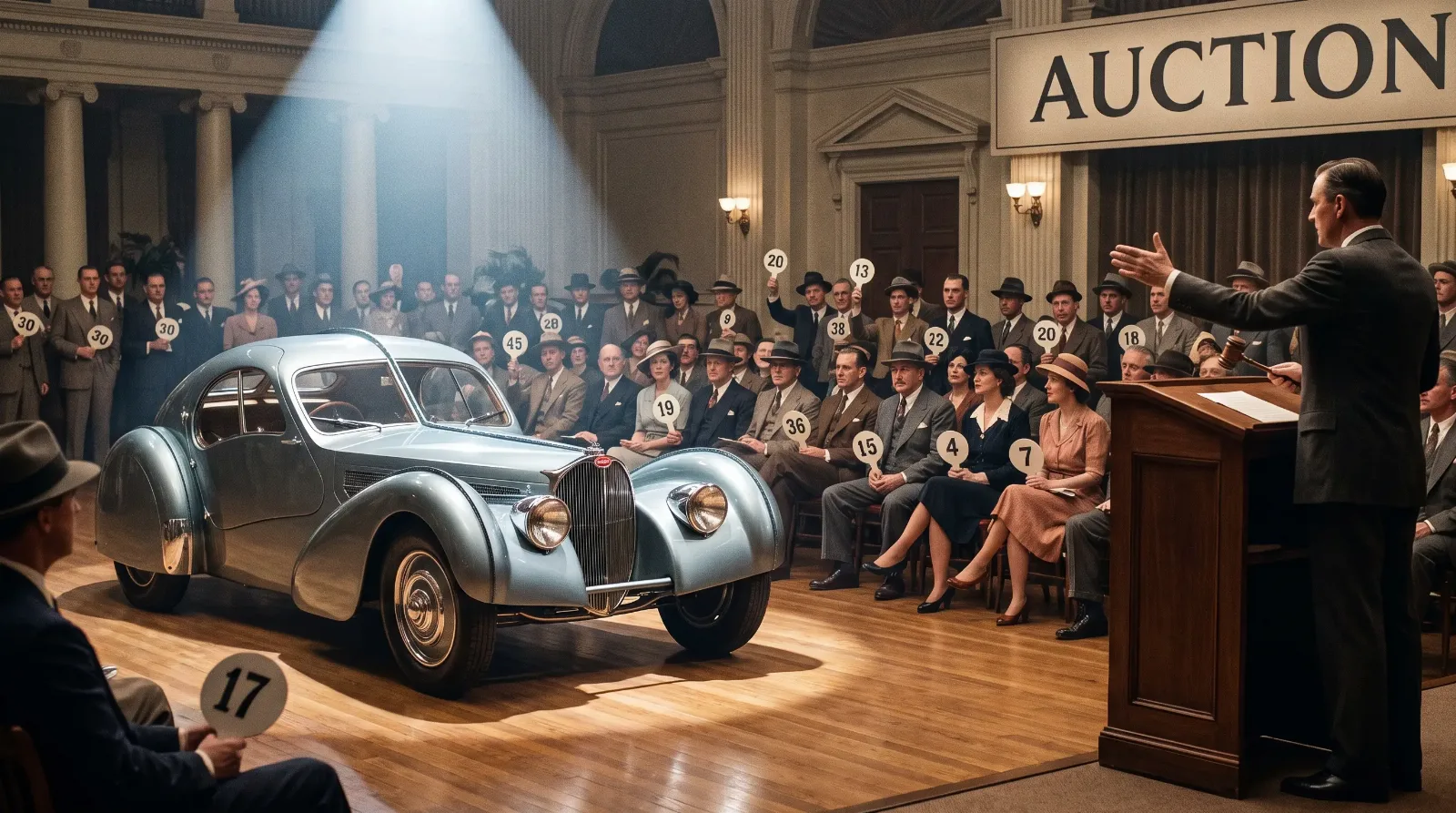
Rarity moves the number when it intersects with an established, actively collected marque or model, and ideally with some documented context, like an early production number or a notable first-owner. A low chassis number from a marque with an active collector base and a functioning registry carries real weight, because there is a defined pool of buyers competing for a genuinely limited supply of desirable examples. That combination, established demand plus documented scarcity, is where the real premiums show up.
Contrast that with a technically rarer car from an obscure, uncollected marque. The absolute survival numbers might favor the obscure car, but the price will not, because there is no competitive bidding pool driving the number up. I tell clients to think of rarity as a multiplier on existing demand, not a standalone source of value. Multiply zero demand by extreme rarity and you still get close to zero.
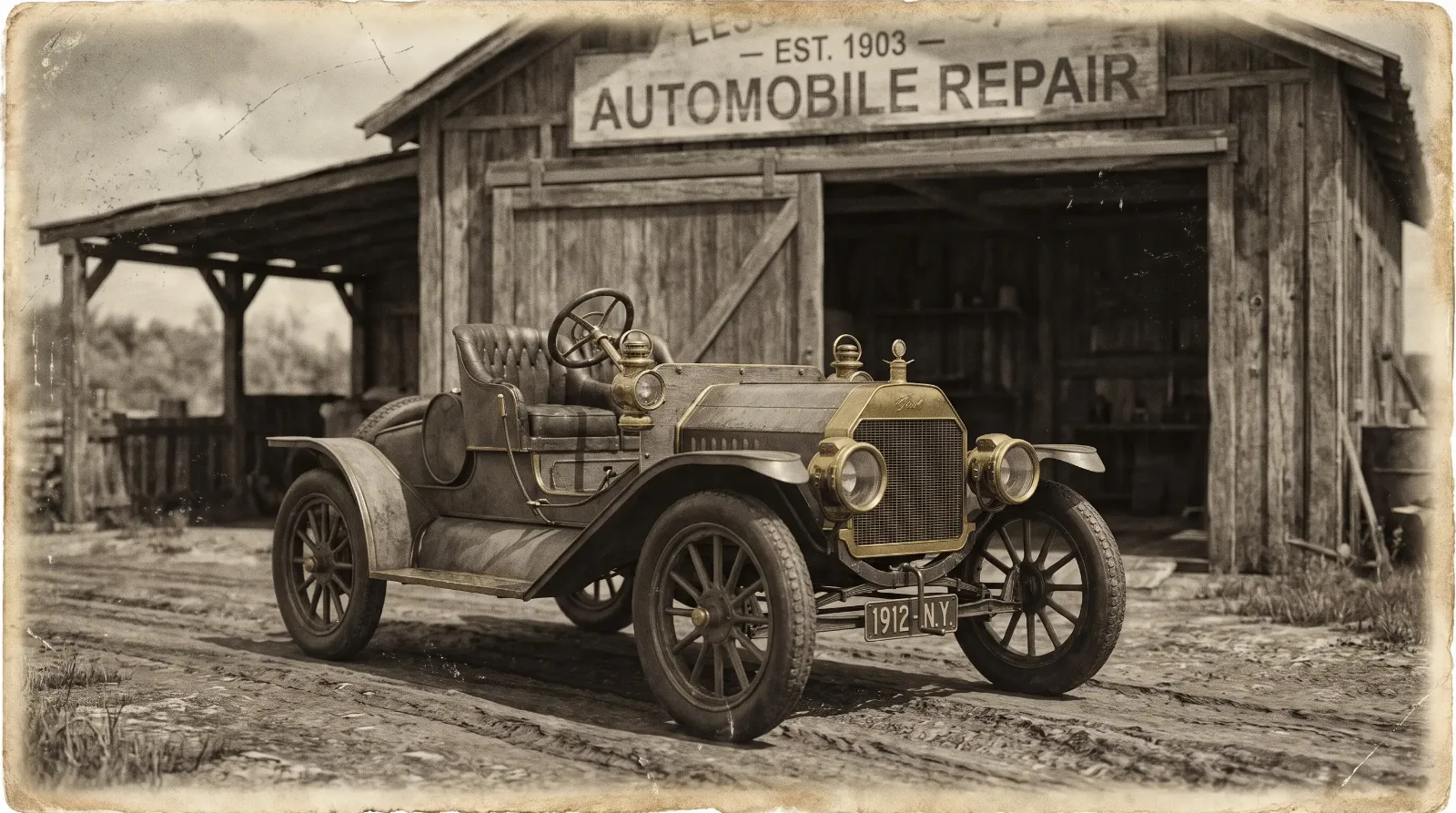
The inverse case matters too. A relatively common survivor from a marque with strong, active collector demand, a Model T being the obvious example, can still carry meaningful value despite not being rare in absolute terms, simply because a large, engaged buyer pool exists and specific configurations, body styles, or documented histories within that broad population remain genuinely scarce. Rarity within a popular category can matter more than rarity of the category itself.
How to actually assess rarity before you pay for it
Start with a known survival count if one exists, usually maintained by a marque registry or club rather than the factory. A documented survival number, even an approximate one, is far more useful than a general sense that "not many were made." Cross-reference that against how active the collecting community for that marque actually is: are there recent comp sales, an active club with events, published price guides that track the model. If none of that infrastructure exists, treat any rarity claim with real caution, no matter how genuinely scarce the car might be.
Watch specifically for sellers conflating production rarity with survival rarity. A model that had low original production numbers but a decent survival rate is a different proposition than a model with high original production but very few survivors. Both can be described as "rare" honestly, but they carry different implications for how many more might turn up later and dilute the market.
Barn finds complicate this further. A model long assumed to have only two or three known survivors can see that number shift overnight when a previously unknown example surfaces from a long-term single ownership or an estate. Buyers paying a significant rarity premium should factor in the possibility that the known-survivor count is not final, particularly for marques where organized reporting to a registry has always been informal or incomplete.
"Rarity is a word sellers reach for when they do not have a stronger argument. Ask them how many survive, who is tracking that number, and whether anyone besides them has ever paid a premium for it. Most of the time, the rarity claim quietly deflates once you ask those three questions."
— Marcus Feld
What this means for buyers chasing early cars
If you are drawn to the brass era specifically for its scarcity, focus your search on marques with an active collecting infrastructure behind them. That is where genuine rarity converts into a defensible price, and where you will be able to resell the car to a real pool of interested buyers rather than hoping the right person finds your listing. For the rarity of early antique cars guide, this fits alongside the other factors that determine what a pre-war car is actually worth. To see how this plays out across the full brass era specifically, read on. And for how physical alterations to a rare car affect its price, the next story covers modifications and their impact on valuation.
Sources and notes
- Wikipedia - list of defunct American automobile manufacturers
- AACA - brass era judging and marque registries
- RM Sotheby's - brass era auction results and survival notes
- Bonhams - motor car department catalog notes
- Hagerty Insider - market trends on rare and obscure marques
- PreWarCar - brass era and rarity reference articles