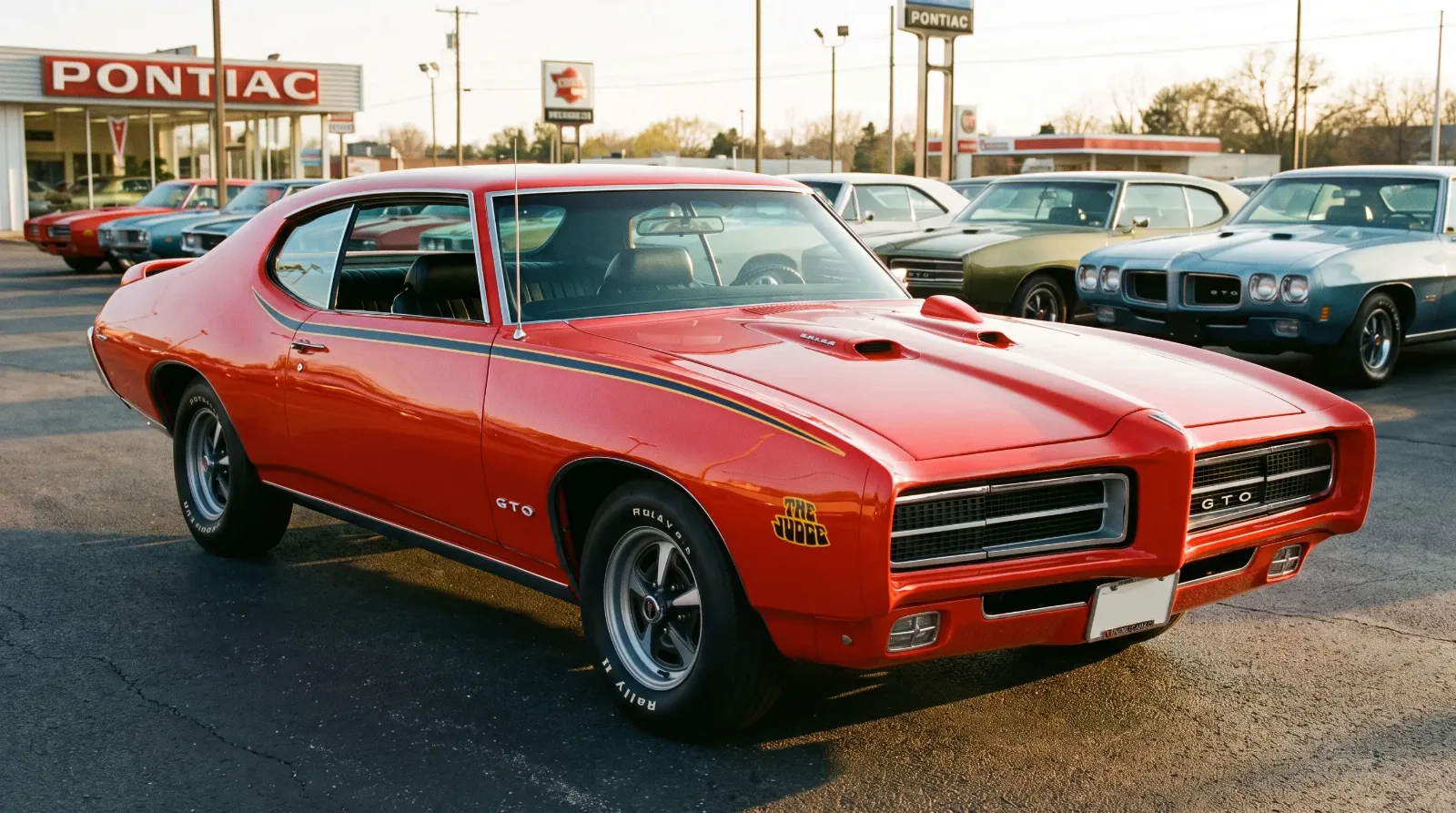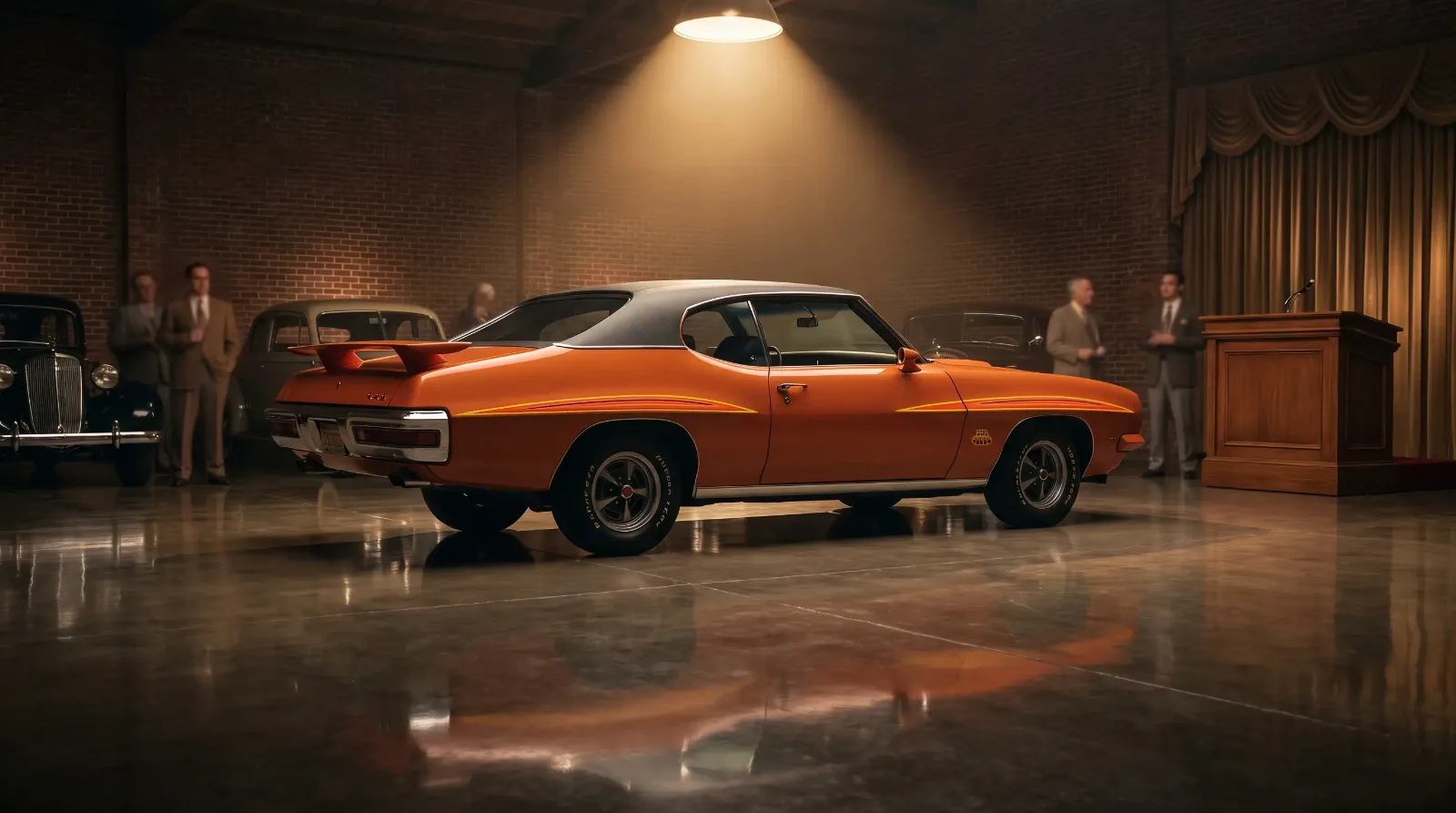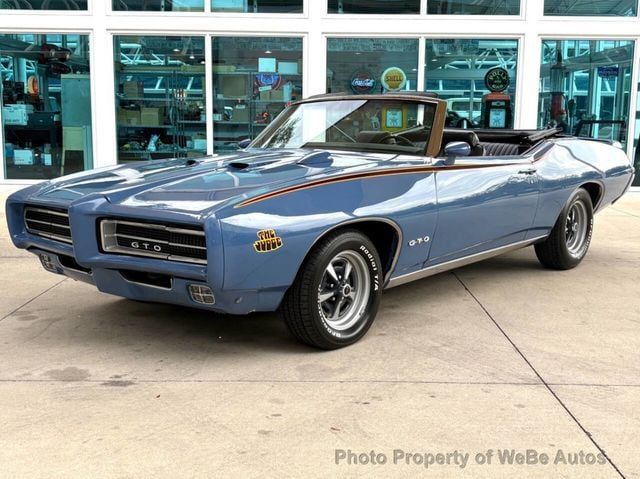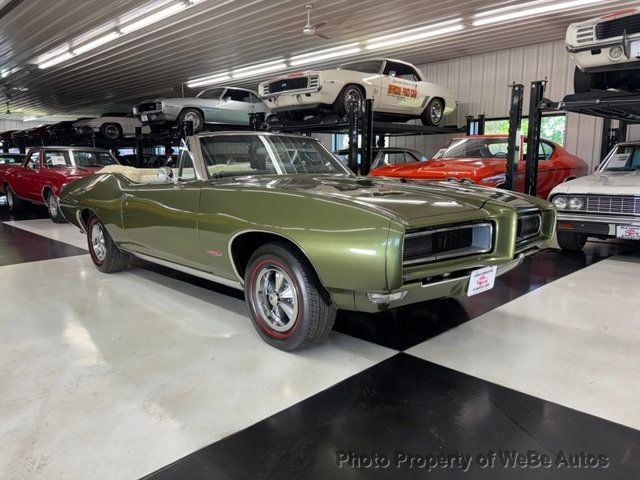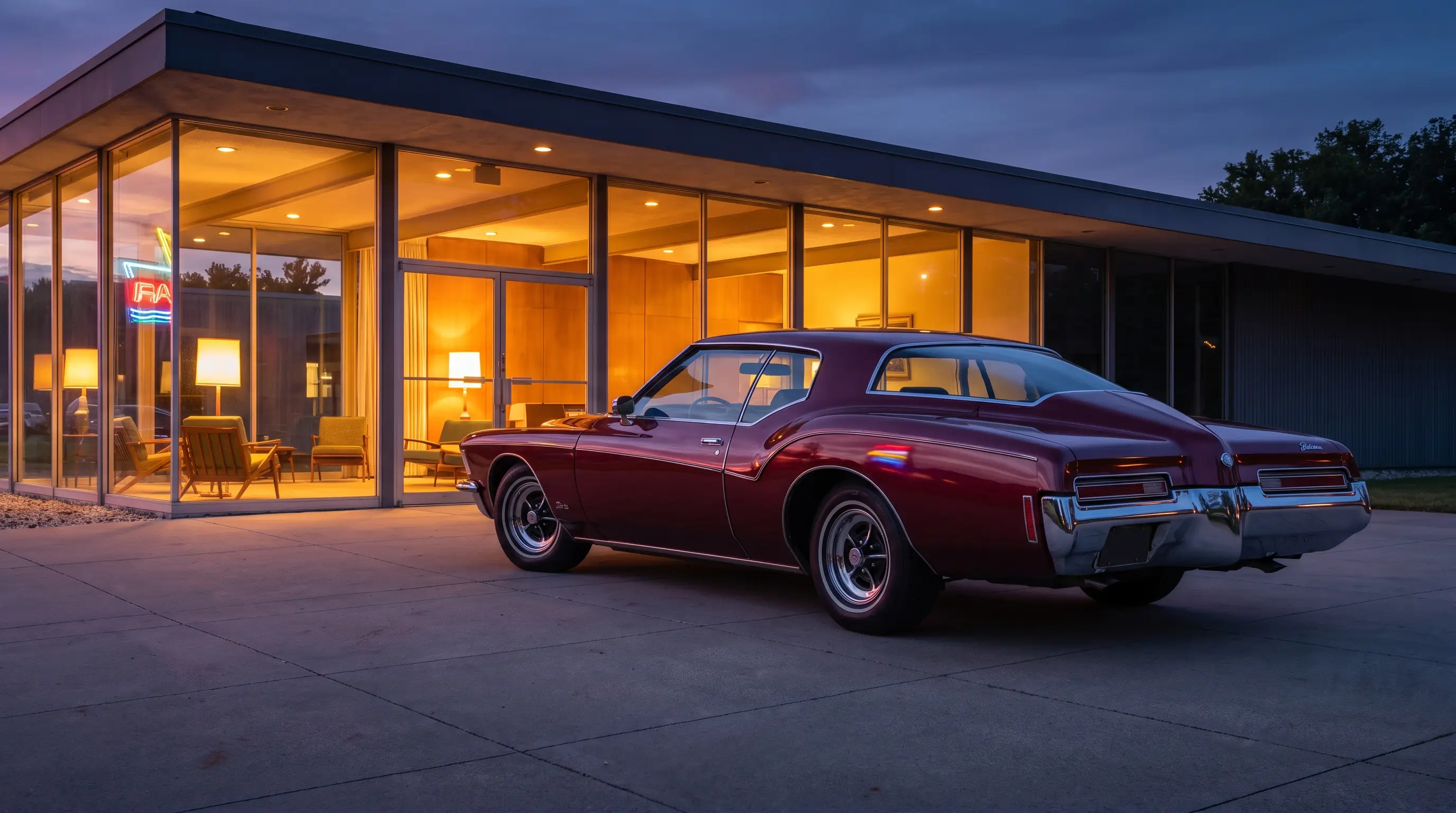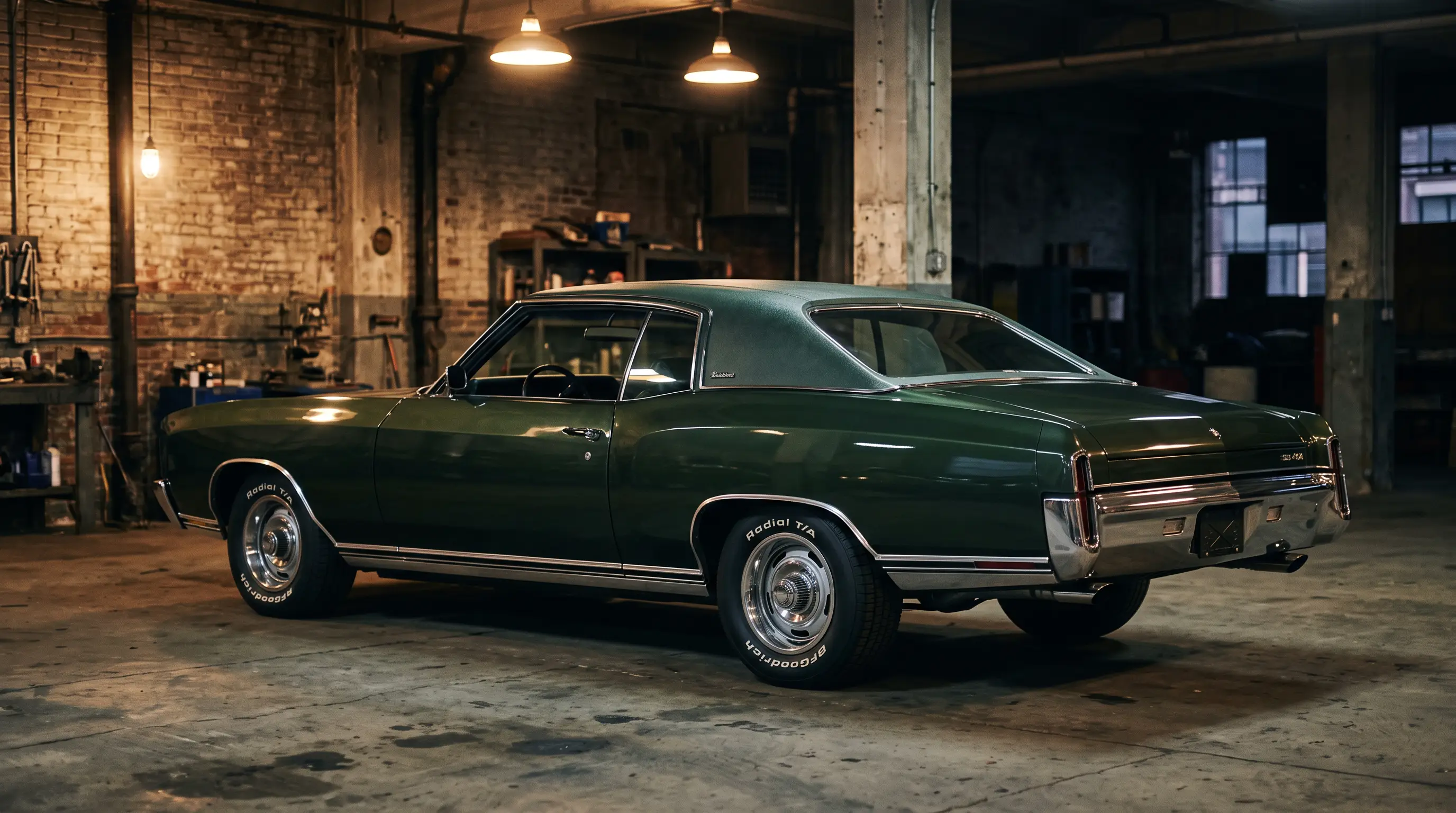
Our club registry has tracked Ram Air IV Judges for over two decades now, and the list of confirmed, documented examples is short enough that most serious collectors in this hobby could probably name half of them from memory. That's not an exaggeration born out of enthusiasm. It's a function of how few of these cars Pontiac actually built, and how much scrutiny each one has received since the collector market caught up to what this option really represented.
What made the Ram Air IV different from the standard Judge engine
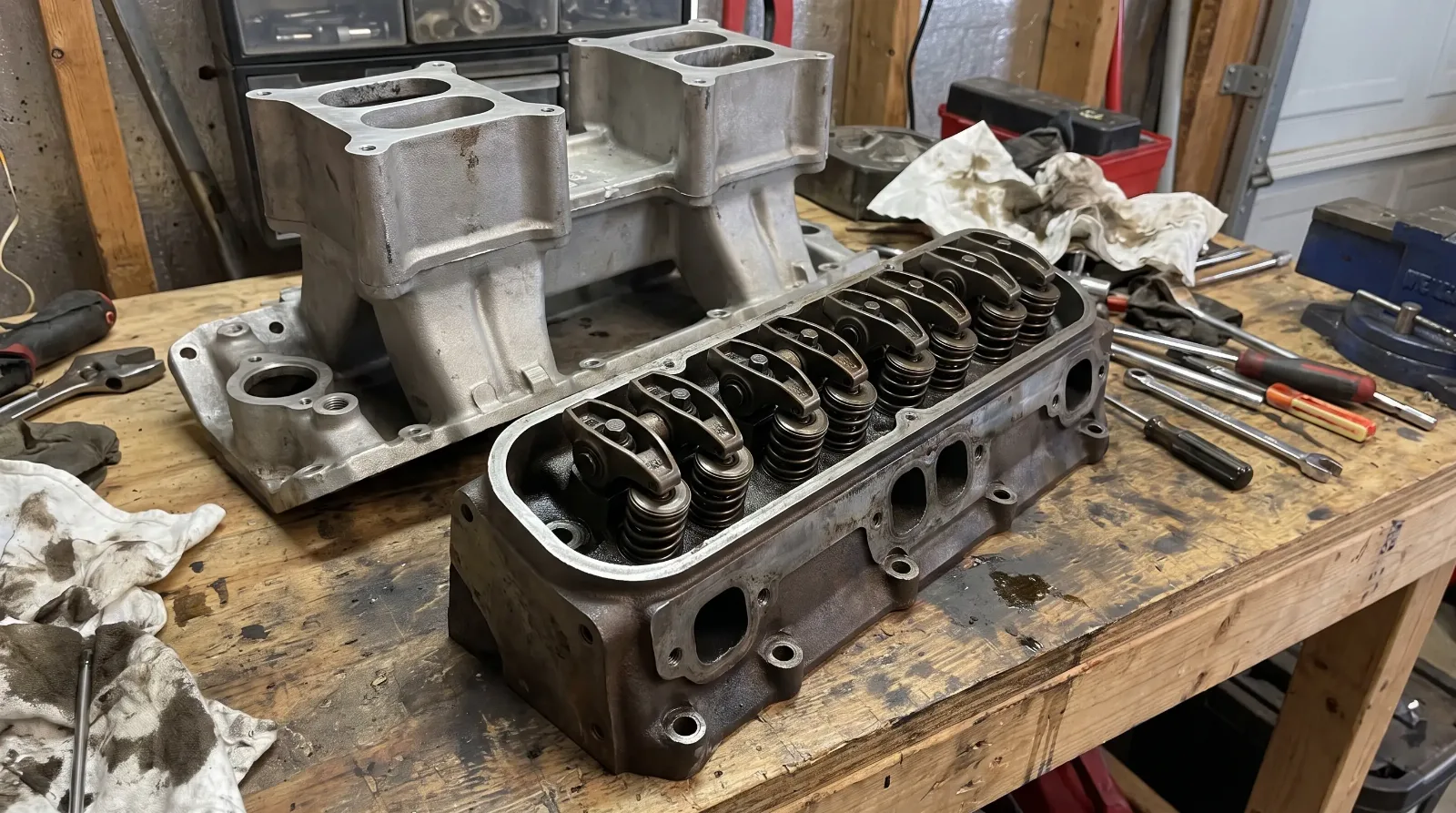
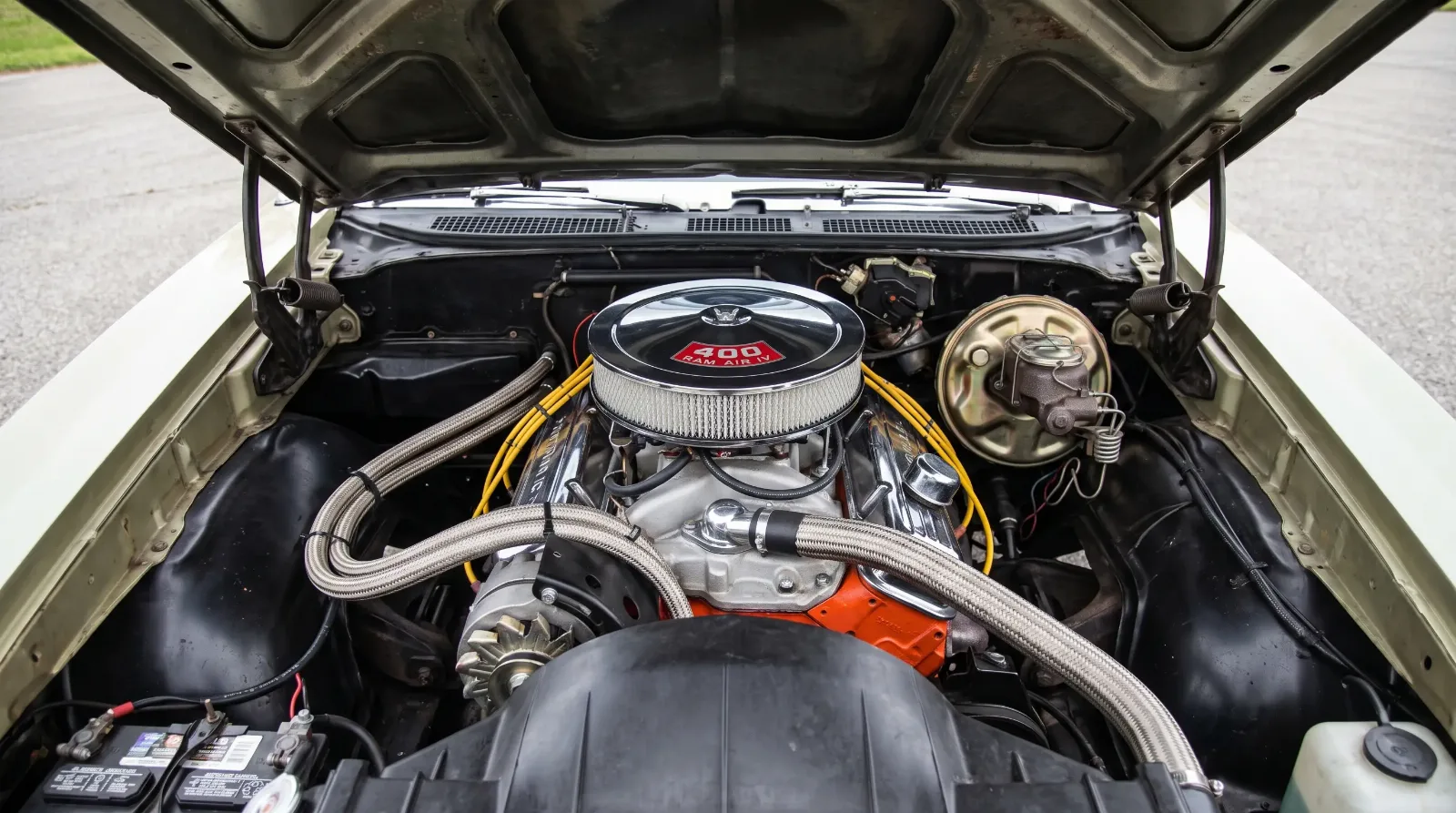
Every Judge came standard with the Ram Air III 400, a strong engine in its own right, but the Ram Air IV was the serious option, the one aimed at buyers who wanted something closer to a factory race motor than a street cruiser with attitude. It used a different camshaft profile, round-port cylinder heads instead of the D-port design on the III, and a taller aluminum intake manifold that improved high-RPM breathing at the expense of some low-end torque. Pontiac rated it at 370 gross horsepower at 5,500 rpm with 445 lb-ft of torque, a number the enthusiast community has long argued undersold the engine's real output, consistent with the era's general practice of conservative factory ratings aimed partly at insurance underwriters.
The catch was cost and complexity. The Ram Air IV added meaningfully to the price of an already-optioned Judge, and it demanded a buyer who actually wanted to exploit its higher-RPM power band, not just look fast sitting in a driveway. Most buyers, reasonably, chose the standard Ram Air III and saved the money. That's precisely why so few Ram Air IV Judges left the factory, and why the ones that did carry such weight in the collector market today.
What our registry actually shows
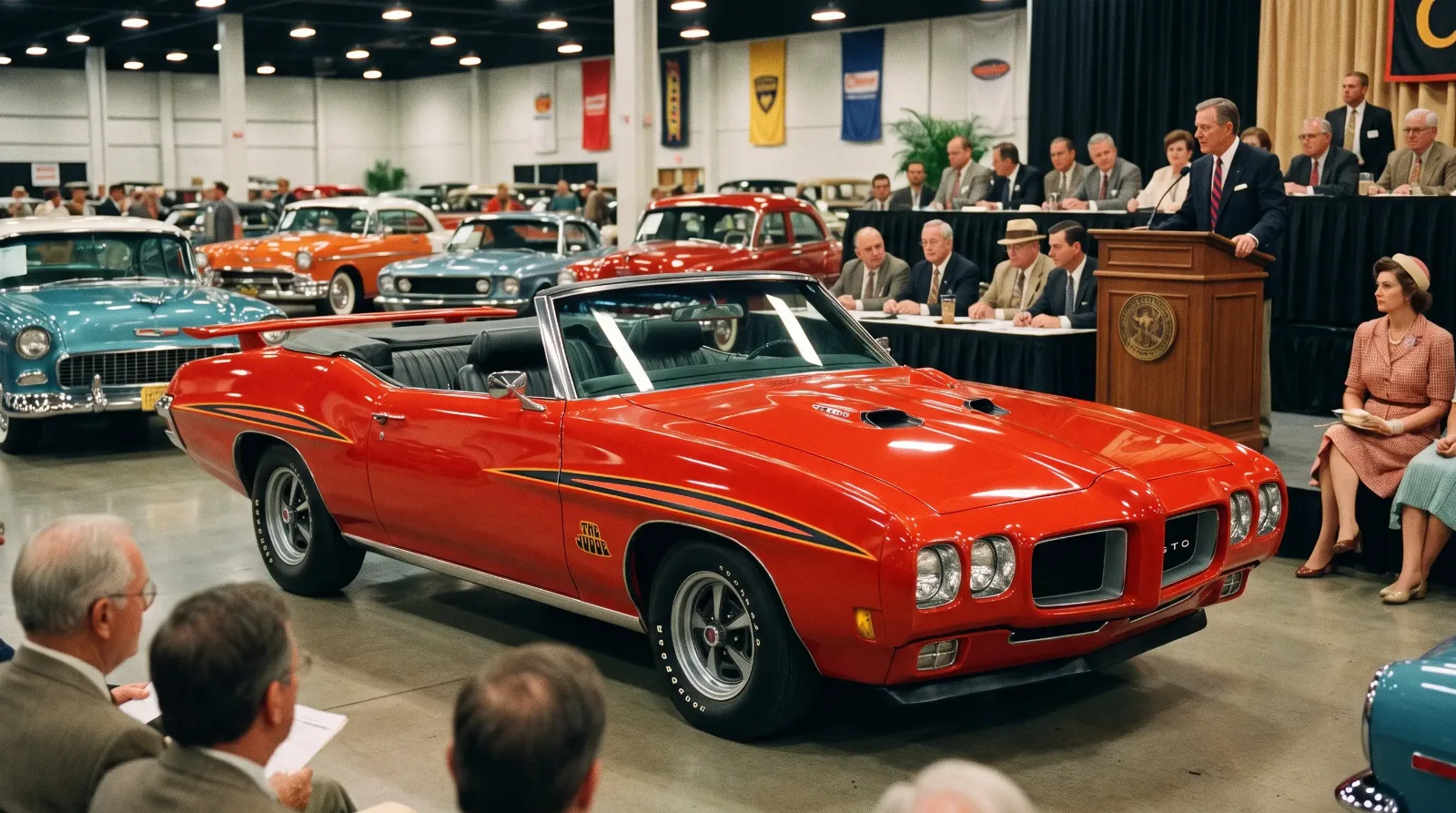
Confirmed Ram Air IV Judge production sits well under 1,000 units combined across 1969 and 1970, the only two years it was offered, with production running roughly even between the two years and, by most club tallies, slightly higher in 1970. Hardtops outnumber convertibles by a wide margin, with combined convertible totals in the low dozens across both years, and a documented Ram Air IV convertible is rare enough that when one surfaces at auction, word travels through the registry network within days. We cross-reference every claimed example against known build sheets, PHS documentation where available, and in some cases direct correspondence with original owners or their families, because the incentive to misrepresent a standard Judge as a Ram Air IV car has only grown as the price gap between the two has widened over the years.
That verification work matters more than most casual buyers realize. A Ram Air IV engine can be swapped into a car that never left the factory with one, and unless you're checking casting numbers, date codes, and cross-referencing against the vehicle's original build sheet, a well-executed clone can pass a surface-level inspection without raising flags. Our registry exists specifically because the community decided decades ago that self-policing through documentation was the only reliable way to protect the value and history of the genuine cars.
| Detail | Ram Air IV Judge |
|---|---|
| Cylinder heads | Round-port design |
| Intake manifold | Aluminum, taller rise than Ram Air III |
| Factory rating | 370 hp / 445 lb-ft |
| Production concentration | 1969-70 only, roughly split between the two years |
| Body style split | Hardtops far outnumber convertibles |
How the club verifies a claimed example
Our process starts with the trim tag and the block casting number, cross-referenced against known Ram Air IV casting families for the model year in question. From there we look at PHS documentation if the owner has it, and if not, we work through secondary evidence: dealer invoices, period photographs, prior ownership chains that can be traced back far enough to establish the car wasn't modified after leaving the factory. It's slow work, sometimes taking months for a single car, but the registry's credibility depends on not rubber-stamping claims just because an owner is eager for validation.
We've had to tell owners their car didn't check out as a genuine factory Ram Air IV Judge more than once, and those conversations are never pleasant, particularly when the owner bought the car believing the seller's representation in good faith. It's part of why we always tell prospective buyers to get a car verified before purchase, not after, when there's still room to negotiate price or walk away entirely.
"The registry isn't about gatekeeping for its own sake. It's about making sure the handful of genuine cars left don't get diluted by clones nobody bothered to check before the sale."
— Wayne Coburn
Stories that circulate around the registry
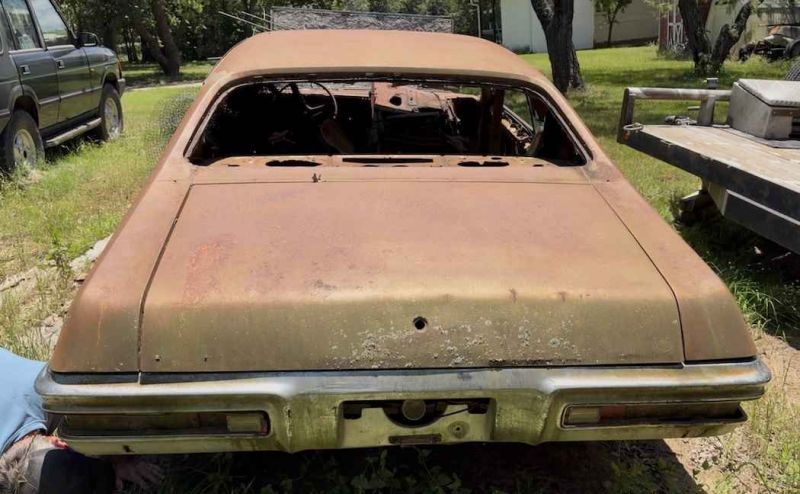
Every long-running club has its own version of the barn find legend, and ours involves a Ram Air IV Judge pulled out of a garage in the Midwest where it had sat since the mid-1970s, parked by an original owner who'd simply stopped driving it and never gotten around to selling. The family that eventually found it had no idea what they had beyond "grandpa's old muscle car," and it took a registry member who happened to see photos posted in a local classifieds group to recognize the round-port heads in a blurry engine bay shot. That kind of discovery happens less often now than it did fifteen or twenty years ago, most of the easy finds have already surfaced, but the registry still gets the occasional inquiry from a family member who found something in an estate and wants to know if it's worth having looked at properly.
Those stories matter beyond their entertainment value because they remind the community why the documentation work is worth doing carefully rather than quickly. A car that sat untouched for forty years arrives with a kind of built-in authenticity that a car with gaps in its ownership history simply cannot match, and distinguishing between the two requires exactly the patient, unglamorous verification process our registry has spent decades refining.
What this means for the market
Documented Ram Air IV Judges trade at a significant premium over standard Ram Air III examples, and that gap has only widened as the registry's verification work has made buyers more cautious about undocumented claims. A car with a clean paper trail through our registry sells with confidence and typically faster than one relying solely on a seller's word, even when the seller is being entirely honest. The market has learned, sometimes the hard way, that documentation is not optional at this level of the hobby.
For buyers specifically chasing this rarity, the convertible variant represents an even steeper climb, fewer built, fewer surviving, and a documentation trail that gets thinner the further back you try to trace it. If that's the direction you're headed, read on for what that search actually involves and what it tends to cost once you find a genuine example.
For the broader arc of how the story of the Judge led to an option this exclusive within an already-exclusive package, and for the fuller history of the model line that produced it, Classic Cars Arena's GTO story traces the whole line from its 1964 origins forward. The Ram Air IV Judge sits at the far end of that story, the point where a mass-market performance option became something closer to a factory-built rarity that most of its own era's buyers passed over without a second thought.
Sources and notes
- Automobile Catalog: 1970 GTO Judge Ram Air IV specifications
- TopSpeed: Ram Air IV engine history and underrating
- MotoGallery: 1969-1970 Ram Air IV Judge production guide
- Sports Car Market: 1969 GTO Judge Ram Air IV convertible profile
- Motorious: rare 1970 GTO Judge Ram Air IV survivor
- GTO Forum: 1969 Judge Ram Air IV production numbers discussion