
A television comedian points at the camera, drops his voice, and says the line the whole country was repeating that year: "Here come da judge." It was a catchphrase from a variety show, silly and everywhere at once. Somewhere inside Pontiac a marketing man heard it and saw a car. Within months the phrase was a badge on a rear quarter panel, riding on a striped, spoilered, unapologetically loud version of the GTO. The Judge was born out of a comedy bit, and it became the most collectible Pontiac of the muscle car age.
Car Features
10 min read
The GTO Judge: Pontiac's Rebellious Marketing Masterstroke
The GTO Judge began as a cheap Road Runner rival and became Pontiac's loudest, most collectible halo car, named after a comedy catchphrase.
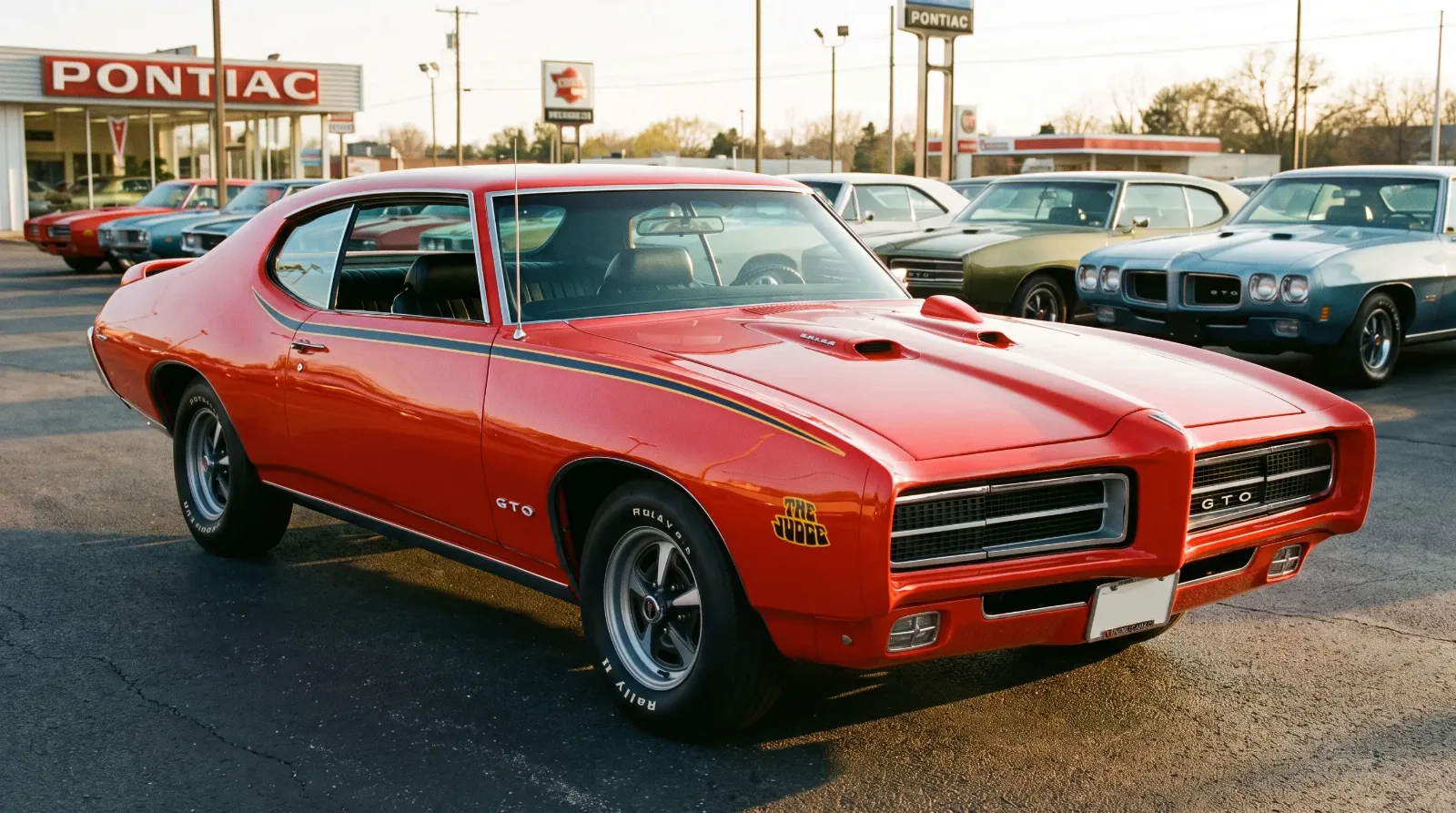
The strange part is where it started. The Judge began as an attempt to build a cheaper GTO, and it ended as the opposite. This is the story of how that happened. For where the Judge fits in the larger run, there is the complete GTO story.
The plan that flipped
By 1969 Plymouth had a hit on its hands with the Road Runner, a stripped-down, cheap muscle car that gave up the frills and kept the go. It undercut the GTO on price and sold on the honesty of the idea: pay for the engine, not the trim. Pontiac wanted an answer. The original concept for The Judge was exactly that, a budget GTO to fight the Road Runner on its own ground.
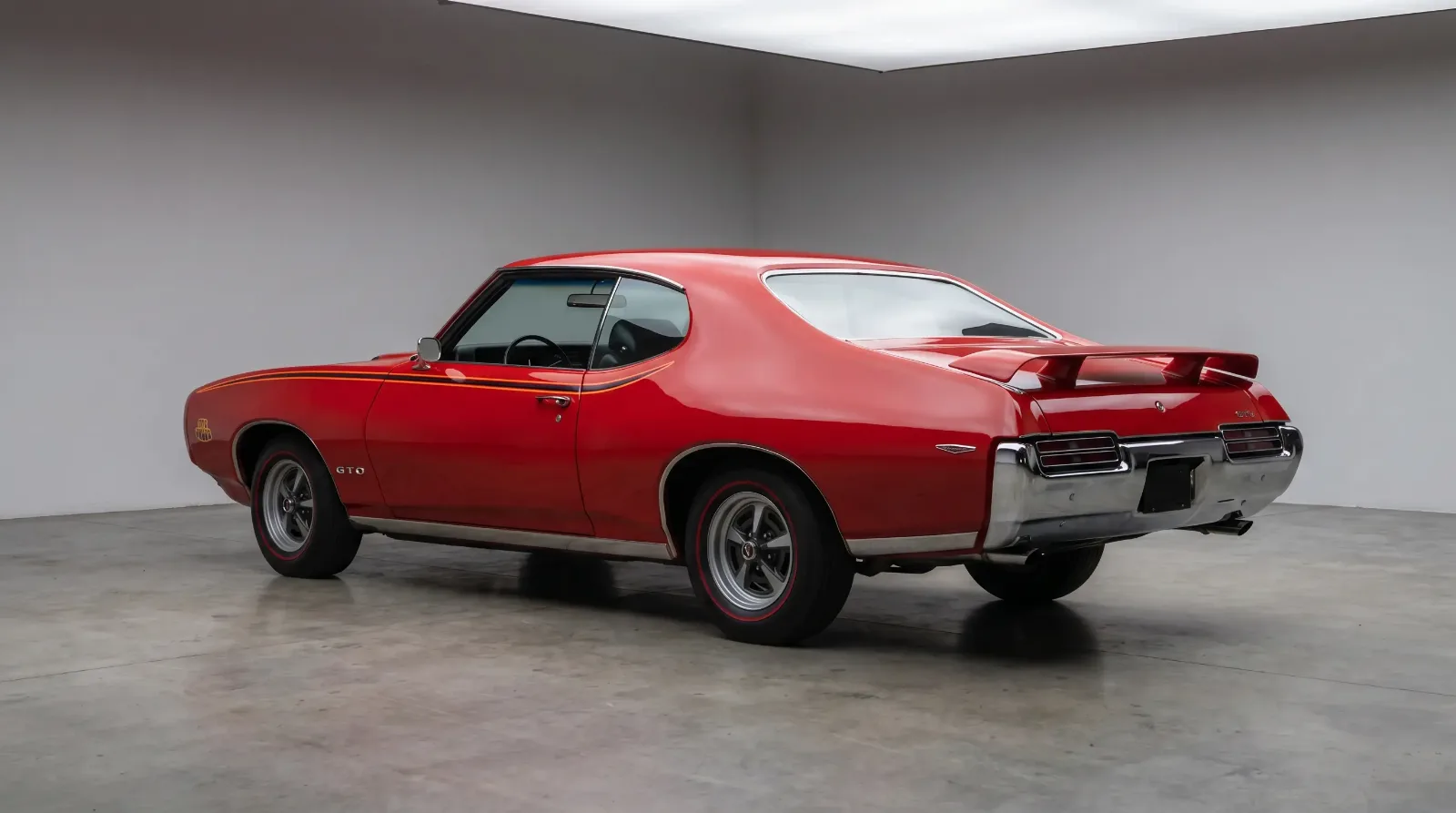
Somewhere between the idea and the showroom the whole thing inverted. Rather than a stripped price-fighter, The Judge arrived mid-1969 as a top-tier package, loaded with the Ram Air engine, wild graphics, a rear spoiler, and enough attitude to make it a halo car rather than a bargain. The plan to go cheap produced the most expensive-feeling GTO of them all. The people building it could not help themselves, and the market rewarded the instinct.
"The Judge was supposed to be the cheap one. It came out the loudest one. That gap between the plan and the car is the most Pontiac thing that ever happened, and it is exactly why people love it."
Patrick Walsh
A name from a punchline
The name really did come from the "Here come da judge" routine popular on television at the time. Pontiac's marketing, with Jim Wangers in the mix, understood that a muscle car was sold on feeling and swagger more than on numbers. A name pulled from the most-quoted comedy line of the moment was pure attitude, and it fit a car covered in loud stripes and a big rear wing.
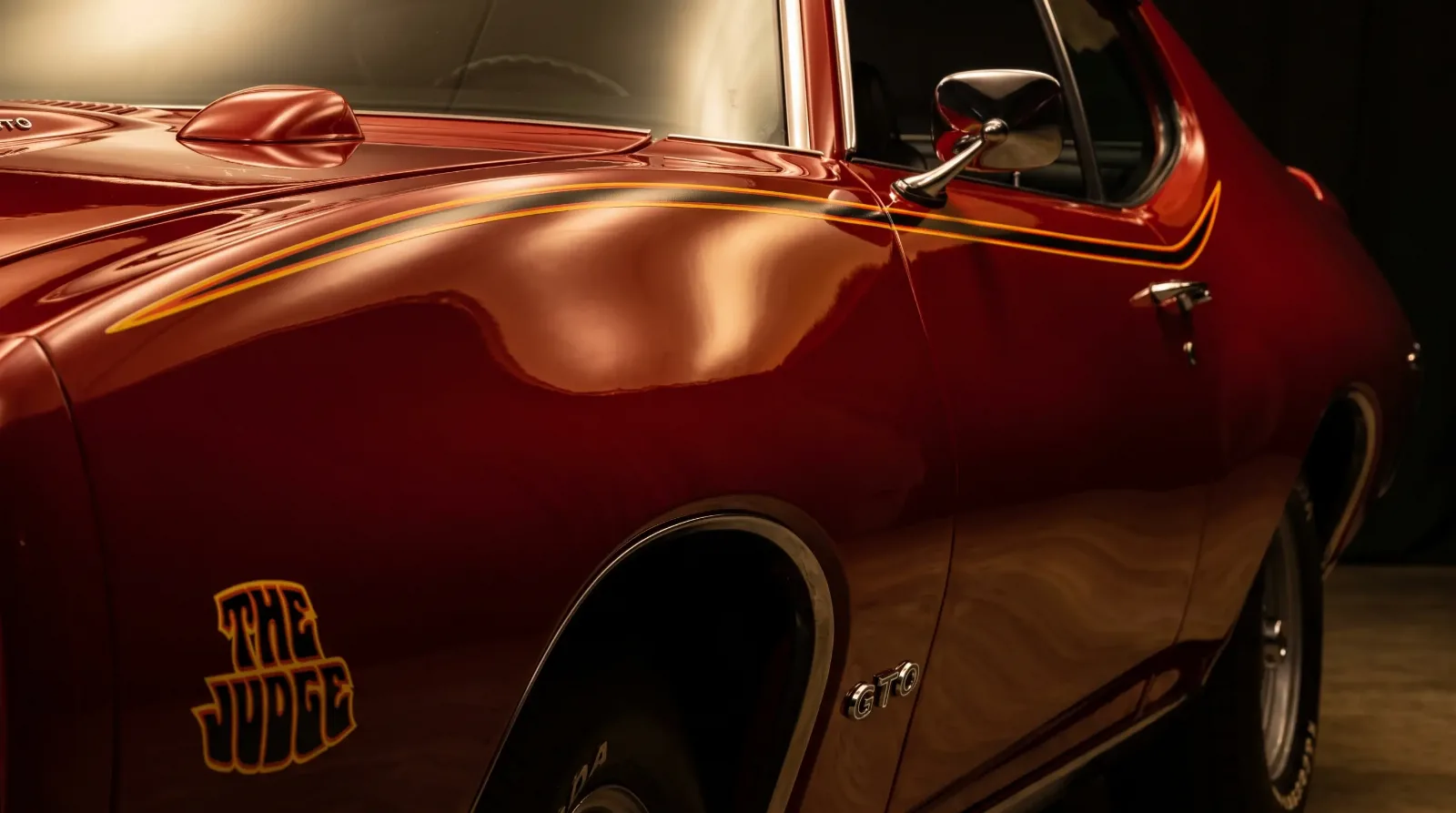
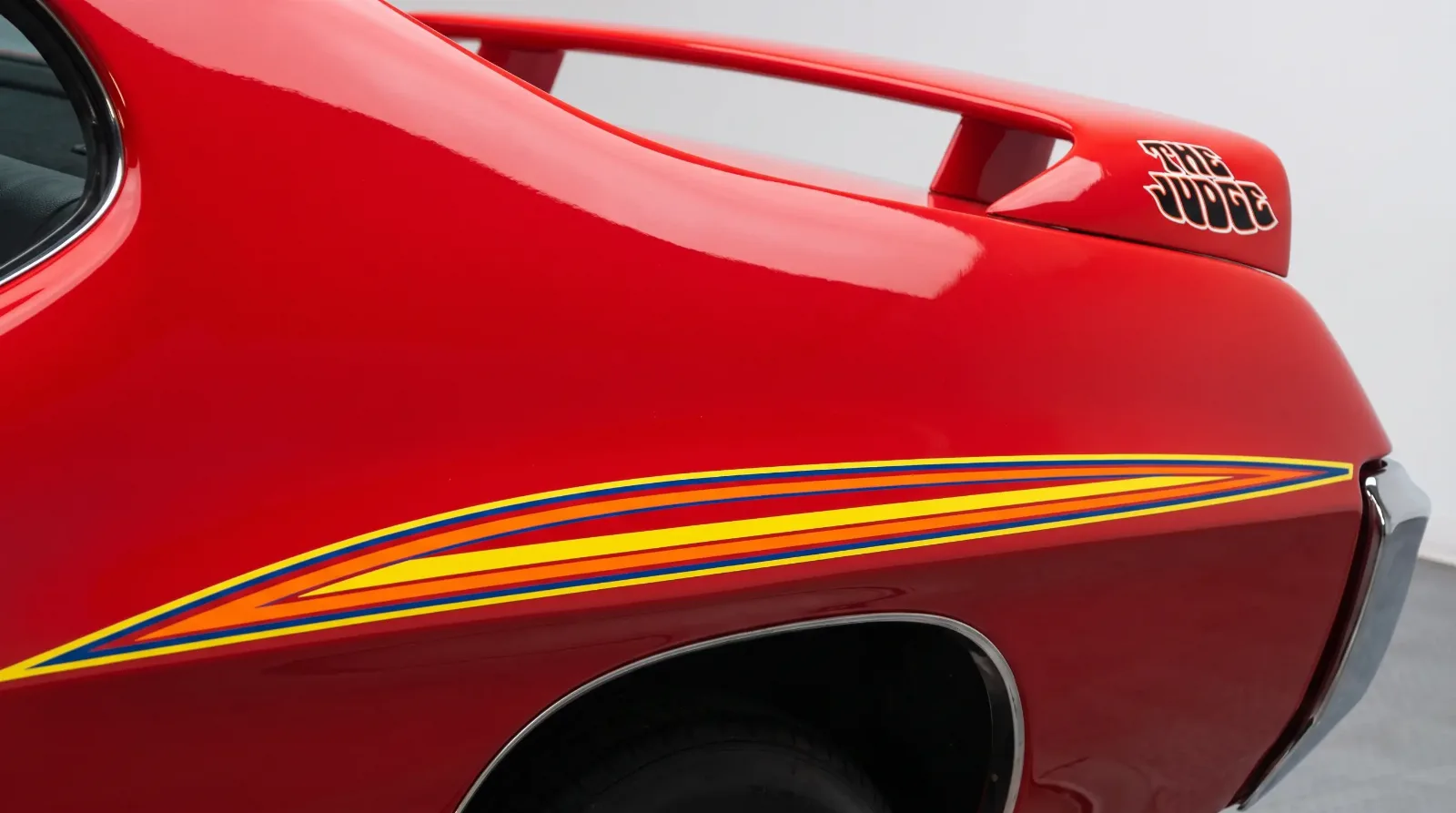
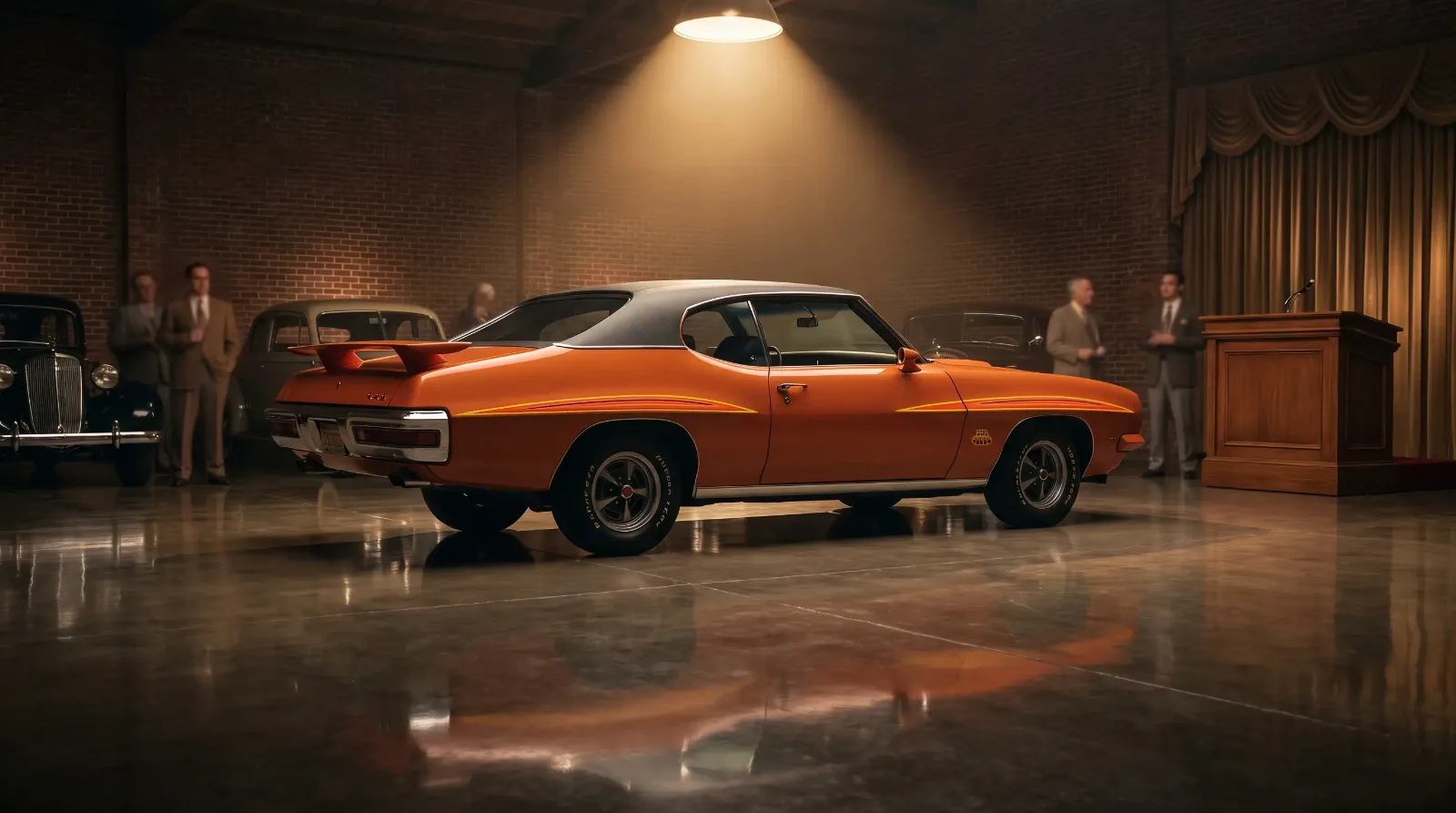
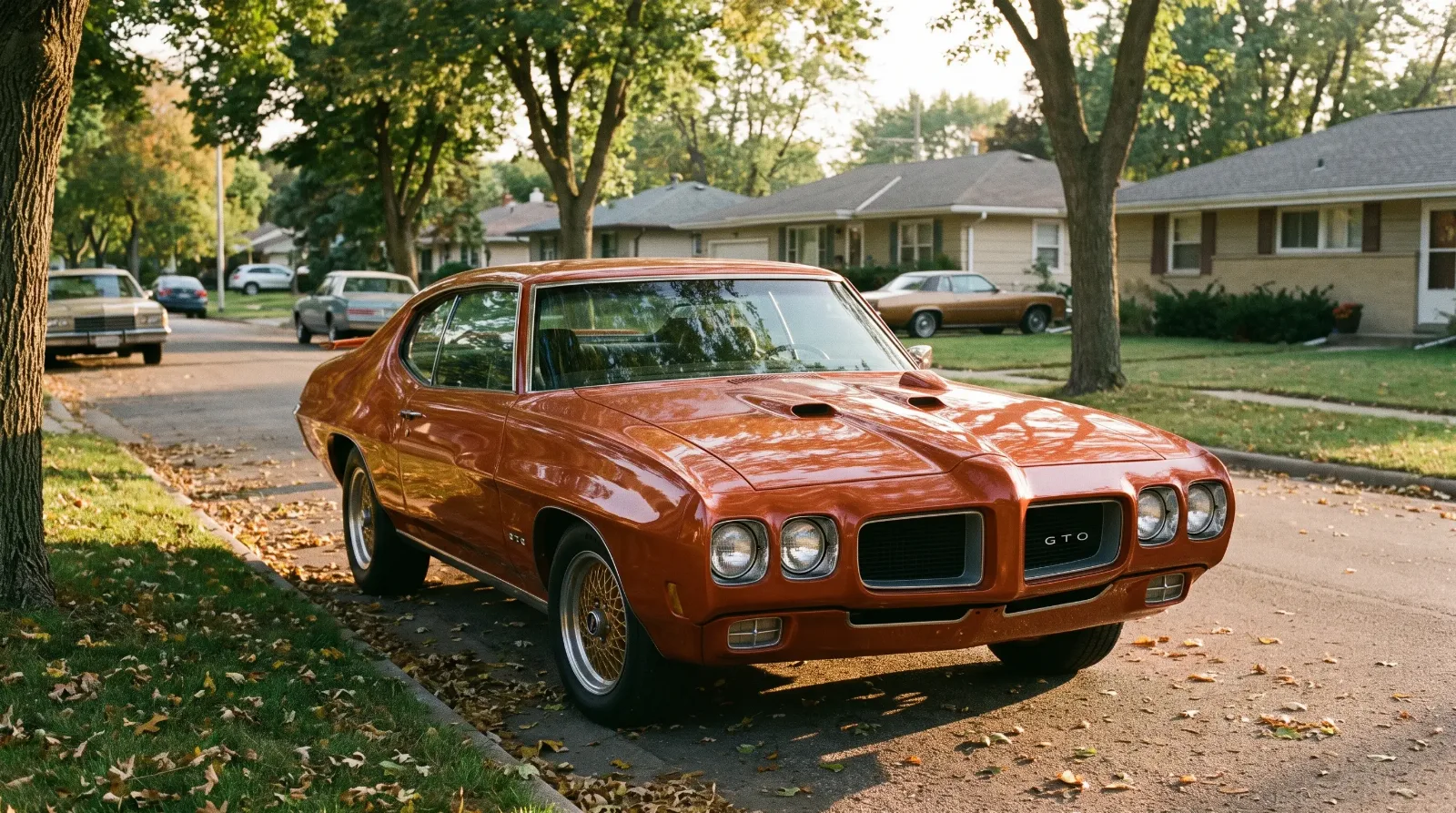
The graphics matched the name. Bold striping, "The Judge" callouts, and an available palette of colors that included some genuinely wild period hues. The first Judges, roughly the first couple thousand cars, were all painted a bright orange shade called Carousel Red before other colors opened up mid-year, and it became almost a signature. This was a car that did not whisper. It announced itself from a block away, which was the entire point.
What made a Judge a Judge
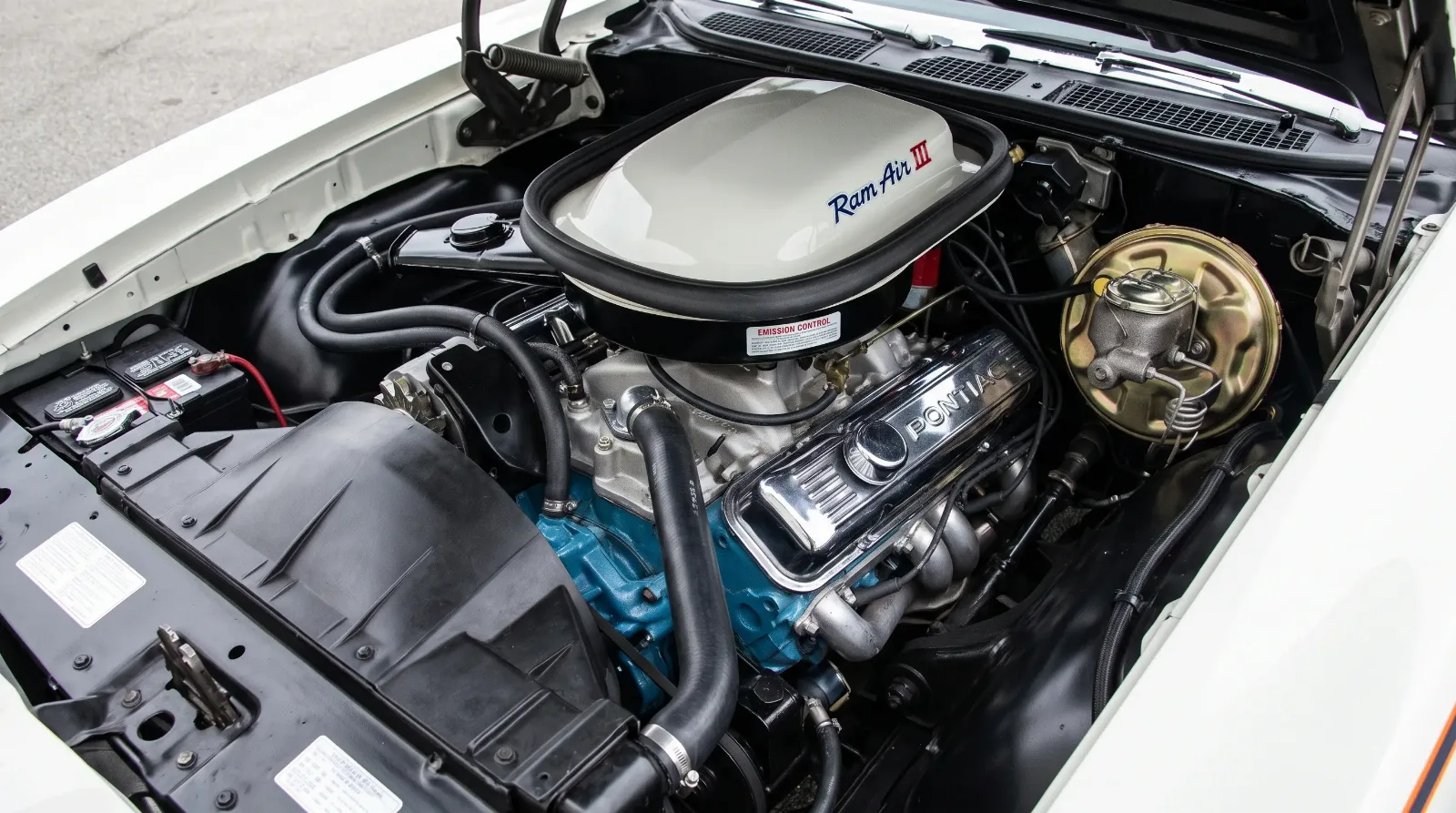
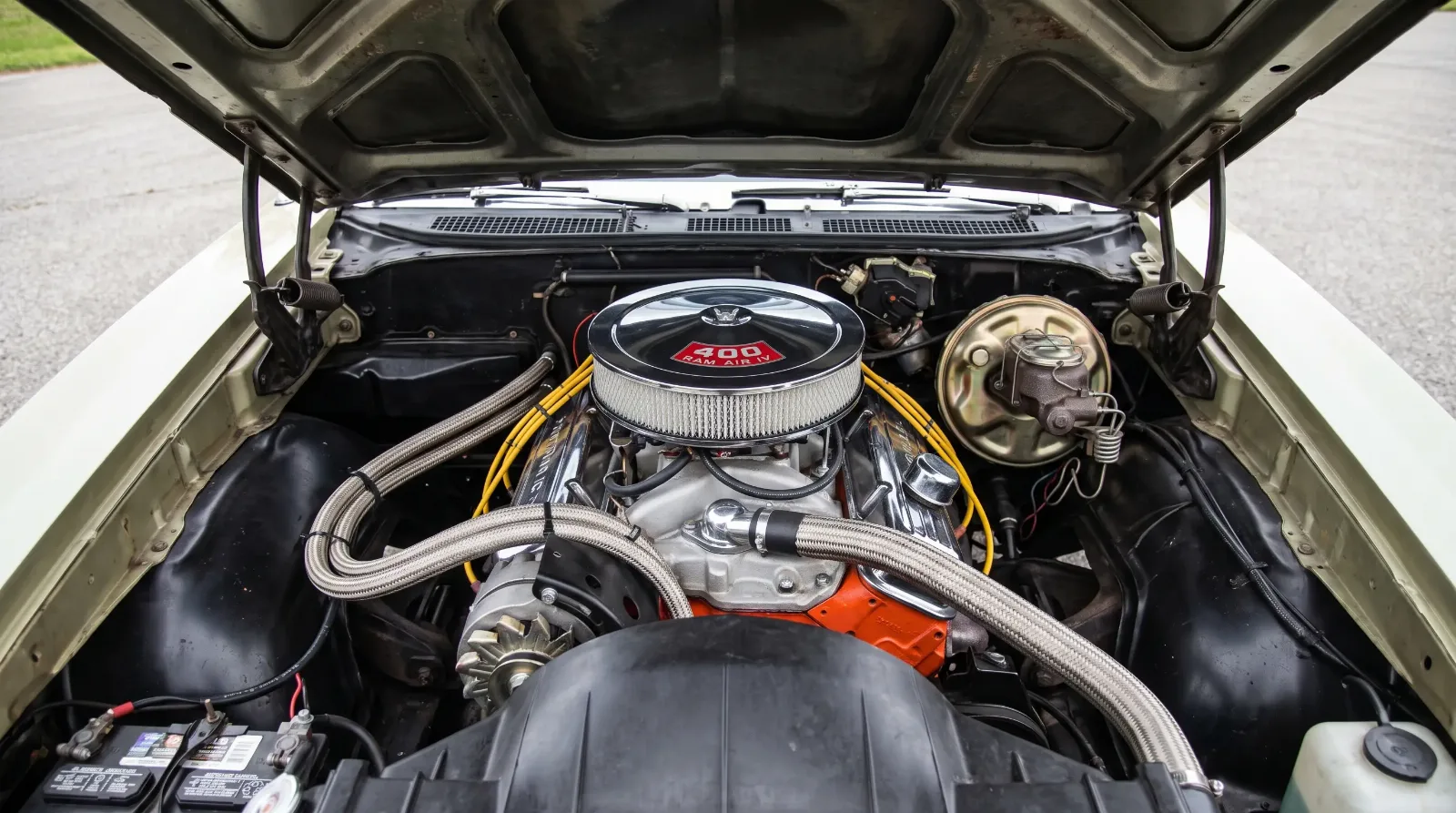
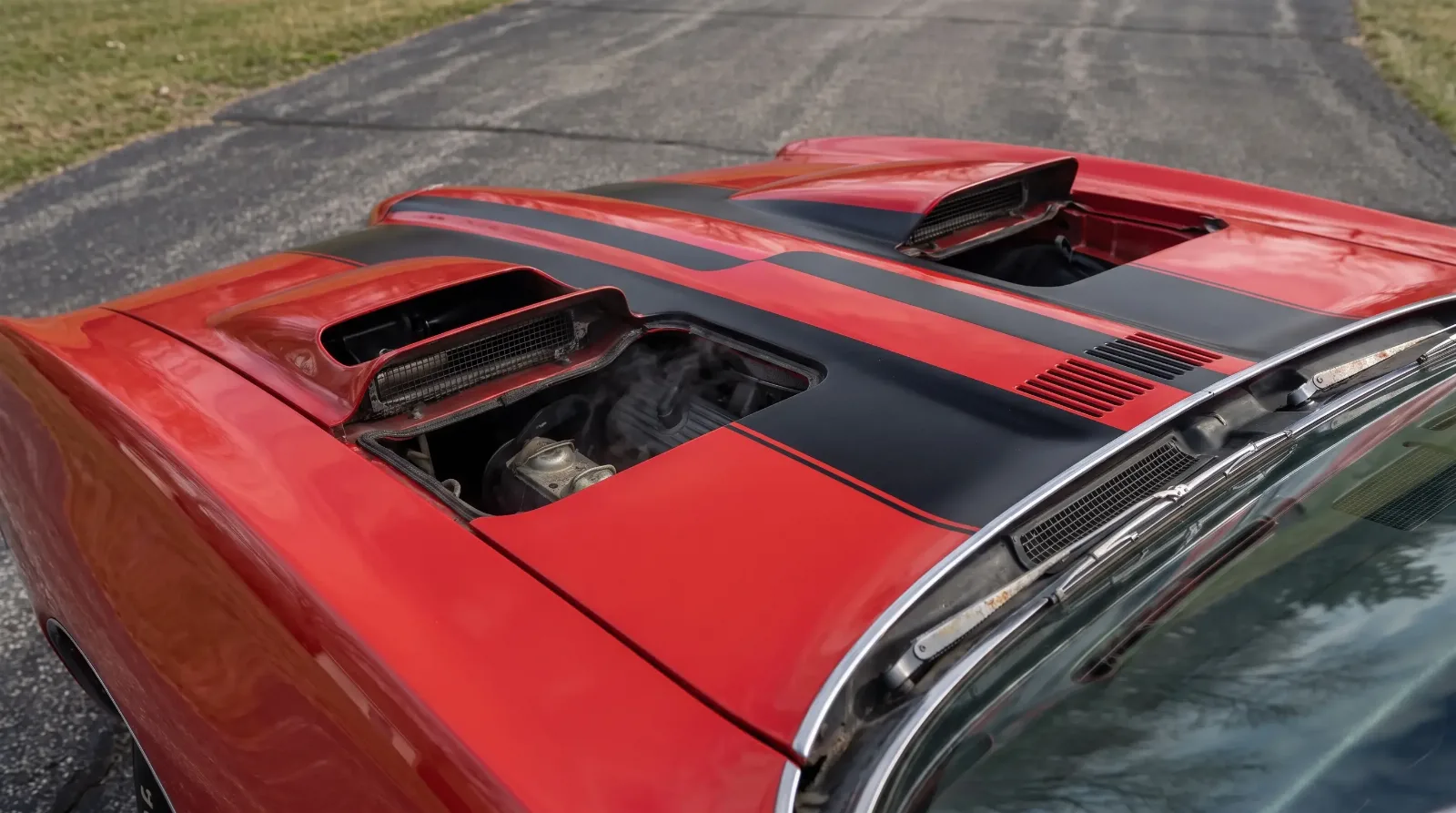
Under the graphics, The Judge was a real performance package, not just a stripe kit. It came with the Ram Air engine as standard equipment, the functional cold-air 400, along with the spoiler, specific badging, and the trim that set it apart from a standard GTO. It debuted mid-1969 and continued into the following couple of model years before the package was retired as the muscle car era wound down.
| Element | The Judge |
|---|---|
| Debut | Mid-1969 model year |
| Origin concept | Budget GTO to fight the Road Runner |
| What it became | Top-tier halo package |
| Standard engine | Ram Air 400 |
| Signature look | Stripes, rear spoiler, bold colors |
Three model years, and how they changed
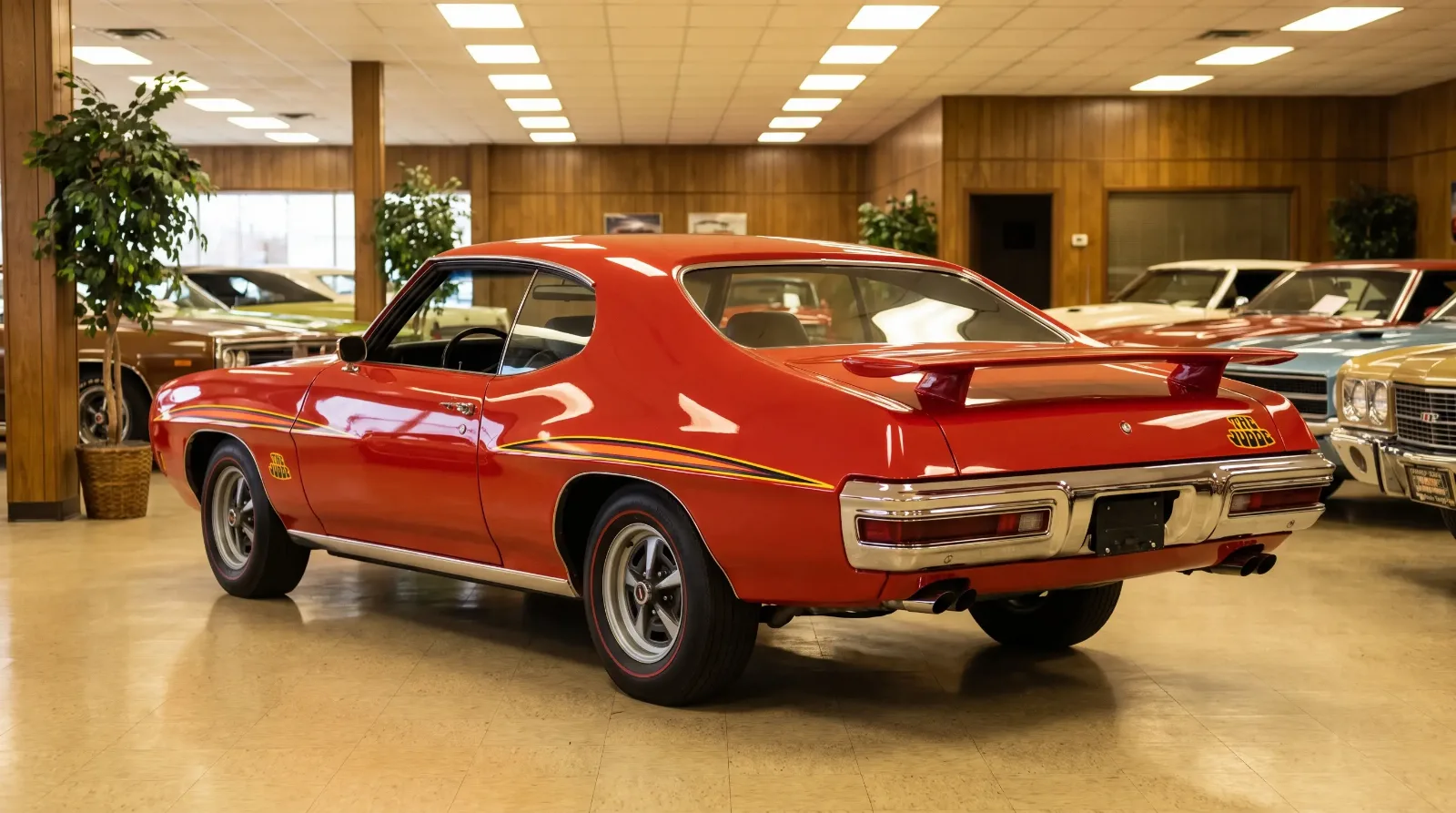
The Judge ran a short life across three model years, and each one has its own character. The 1969 cars are the debut, the ones that carried the Ram Air engine and the wild early graphics, and they are the purest expression of the idea. For 1970 the Judge followed the wider GTO restyle, gained the option of the big 455 alongside the Ram Air 400, and wore revised striping that most people can date at a glance once they learn it. Then came 1971, the last full year, when lower compression softened every muscle car and the 455 HO became the engine to have in a Judge that could no longer be quite what a 1969 was.
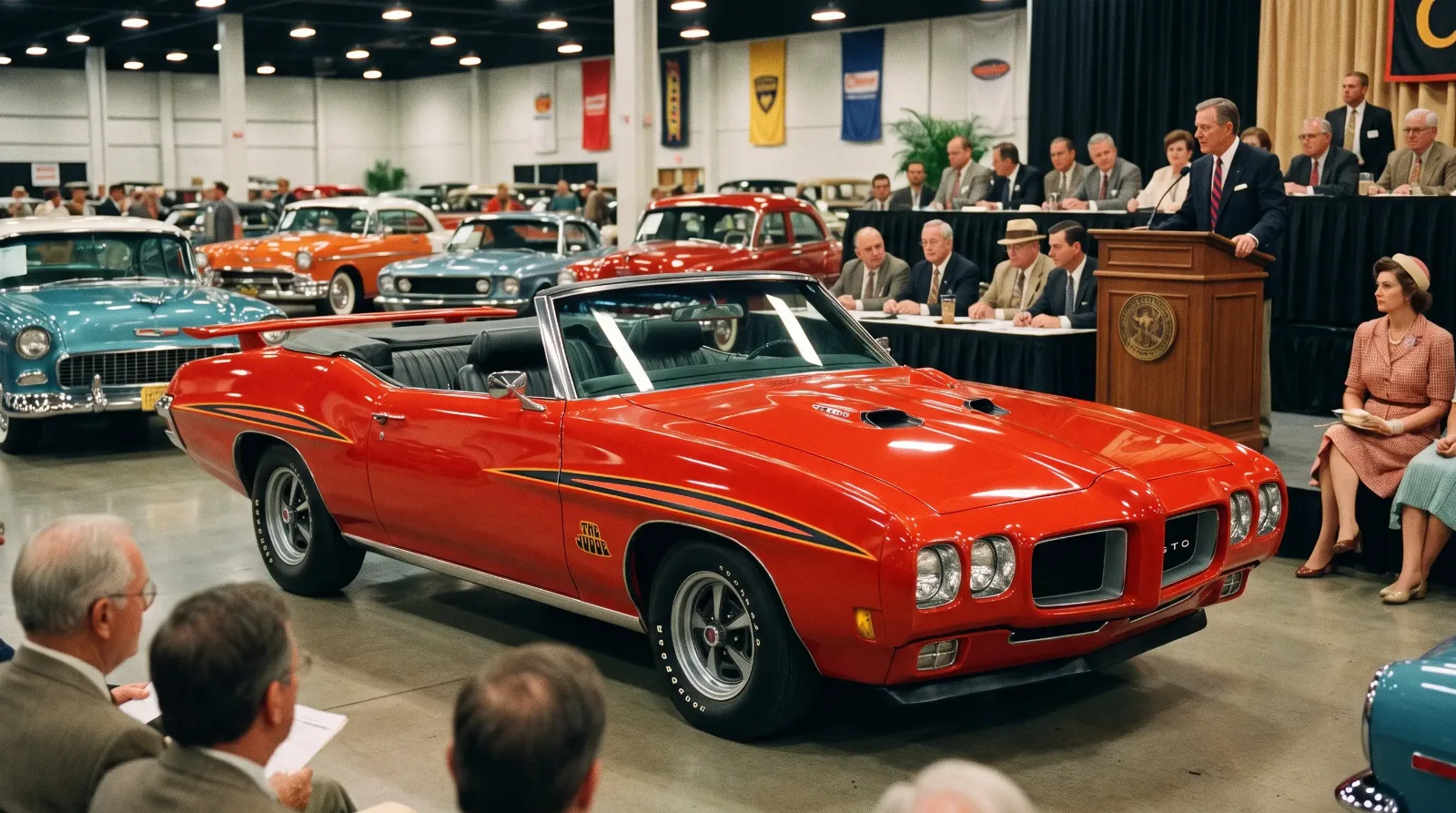
The convertible is the rarity that collectors talk about in hushed voices. A hardtop Judge was already a low-production car. A Judge convertible, especially in the final years, was built in tiny numbers. Pontiac built just 108 Judge convertibles for 1969 and only 17 for 1971, and a documented one is among the most valuable Pontiacs of the era. When you hear a story about a six-figure GTO, it is usually a car from this narrow corner of the production ledger, a genuine, papered, drop-top Judge that survived when almost none did.
"Every Judge is a good story, but the convertibles are the ones that stop a room. Somebody ordered a loud car with the top down in a year the whole party was ending, and a handful of those cars are still here. That is not a spec. That is a person you can almost see."
Patrick Walsh
The man who sold the feeling
You cannot tell the Judge story without Jim Wangers, the advertising man whose fingerprints are on the whole GTO phenomenon. Wangers understood something the engineers did not always say out loud, that this car was a piece of theater as much as a piece of machinery. The Judge was his kind of product. It had a name from a comedy show, colors you could see from across a parking lot, and a rear wing that did more for the attitude than for the aerodynamics. It was built to be noticed, and it was sold to a generation that wanted to be noticed.
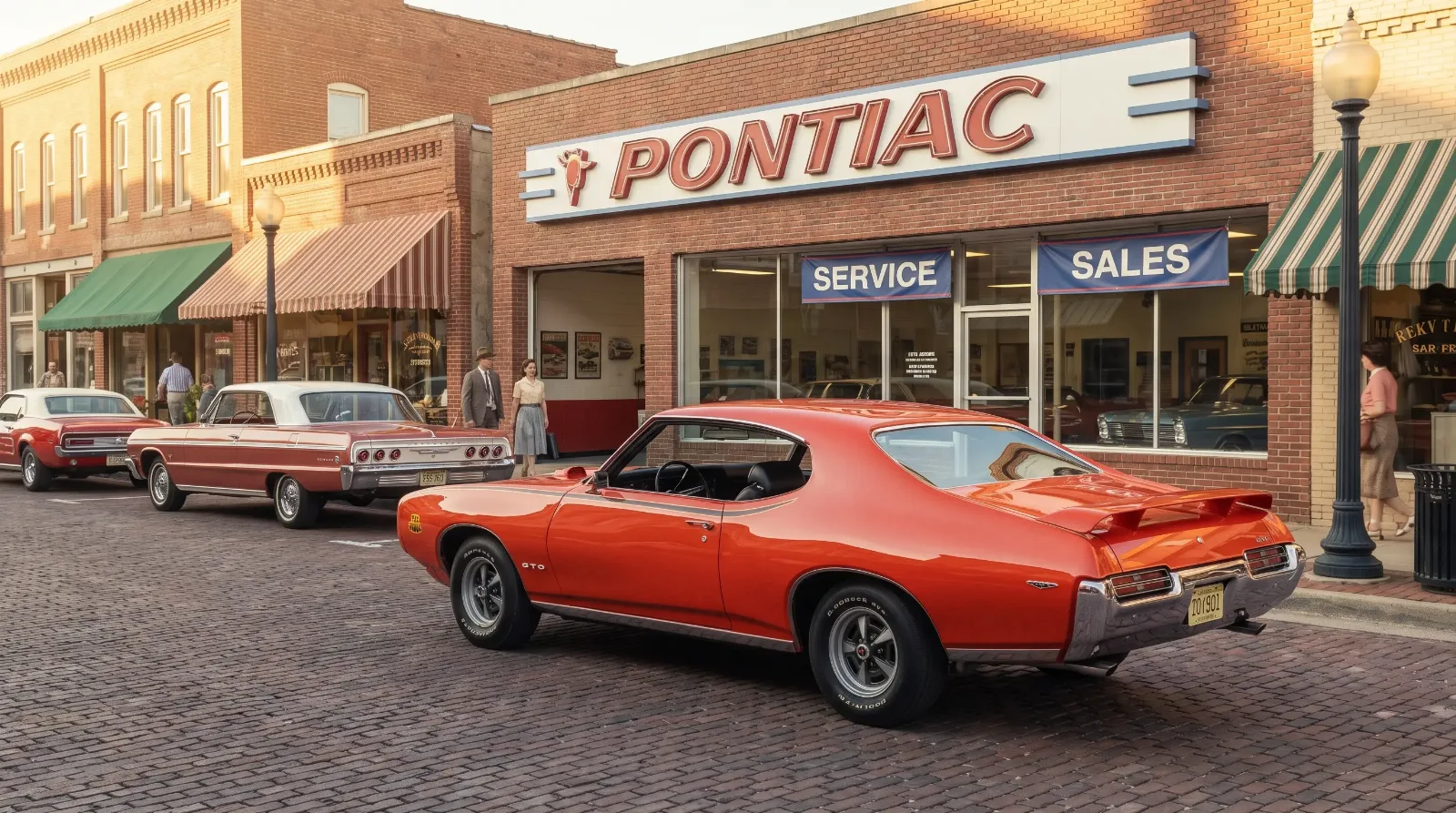
There was even a Judge that toured the drag strips and the promotional circuit, a marketing exercise dressed as a race car, because Pontiac knew the image had to live somewhere a young buyer could see it move. The whole effort worked in a way that pure engineering never could have. Decades later the Judge is the GTO that ends up on bedroom walls and magazine covers, and a lot of that reach traces back to a marketing department that treated a car like a rock act.
Carousel Red and the look you could not miss
Part of the Judge legend lives in its colors. The early cars are tied in the popular memory to a bright orange shade Pontiac called Carousel Red, a hue that read as orange to every eye that saw it and became almost a shorthand for the whole package. It was not the only color a Judge could wear, and later cars opened up the palette, but that first loud orange is the one people picture. It was a deliberate choice. A car built to announce itself needed a paint that announced itself first, before you ever saw the stripes or the wing.
Think about the confidence in that decision. In an era when plenty of buyers still chose sober colors for a family sedan, Pontiac painted its halo muscle car a shade you could spot from the far end of a parking lot and wrapped it in graphics that spelled out its own name. The Judge did not ask to be taken seriously in the quiet way a European coupe might. It walked into the room and told a joke about itself, and then it backed the joke up at the drag strip. That combination of humor and genuine muscle is why the car still charms people who were not even born when it was new.
"I met a man who bought his Judge new in that orange, drove it to his wedding, and never sold it. Fifty years on he still lights up describing the day he brought it home. That is what these cars did to people. They were never just transportation."
Patrick Walsh
Why it became the collector's grail
Two things made The Judge the most sought-after GTO. First, it carried the top engines and the boldest look, so it sits at the summit of the range on both muscle and image. Second, it was produced in far smaller numbers than the standard GTO, with about 6,833 built for 1969, 3,797 for 1970, and just 374 for 1971, which makes a documented, genuine Judge a rare thing today. Scarcity plus attitude plus the right engine is the exact recipe collectors chase.
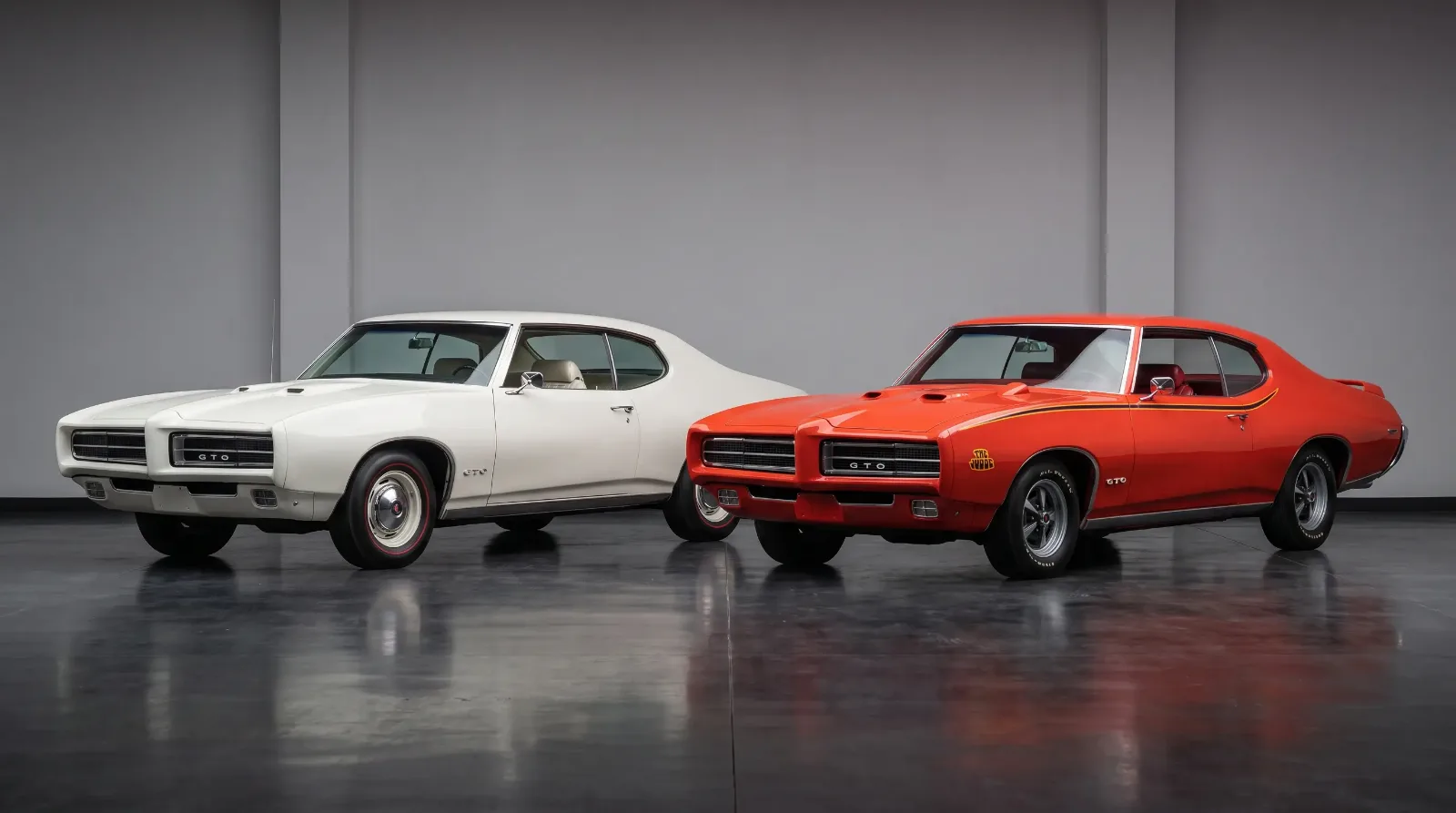
That desirability is also why The Judge is the most-faked GTO. A standard GTO of the same year can be dressed with reproduction stripes, badges, and a spoiler to look like a Judge, and plenty have been. The graphics are the easy part to copy. The paperwork is not. A real Judge is proven by its documentation, and the gap in value between a genuine car and a convincing tribute is large enough to matter a great deal.
"When someone shows me a Judge, the first thing I want to see is not the stripes. It is the paperwork. The story of this car is written in its documents, and without them you have a very handsome tribute, not the real thing."
Patrick Walsh
The end of the act
The Judge did not last long. It arrived mid-1969, ran through the early 1970s, and was retired as insurance costs, emissions rules, and a changing market squeezed the whole muscle car field. The forces that ended The Judge are the same ones that were closing in on the entire GTO line, a turn covered in the early-70s GTO.
For a car that started as a cost-cutting exercise and got its name from a comedy show, The Judge left an outsized mark. It is the GTO people put on posters and the one that commands the strongest prices today. If you want to see what genuine and tribute cars are trading for and what the good paperwork looks like, browse the GTOs for sale. Just remember what the man said. Here come da judge, but only if the documents say so.
Sources and notes
Related Reading
Article
The Pontiac GTO Story: How One Car Invented the Muscle Car Era
Article
1968-1969 Pontiac GTO: The Endura Nose and the Hidden-Headlight Peak
Article
1969 GTO Judge Specs and the Colors That Made It Loud
Article
Carousel Red: The Story Behind the Judge's Signature Color

Article
Where the 'Judge' Name Came From (Hint: Laugh-In)
Article
'Here Comes the Judge': The Decals and Stripes Decoded
Article
The 1969 Judge Caravan That Shocked Small-Town America
Article
1970 GTO Judge: Bigger Wing, Bolder Colors
Article
1971 GTO Judge: The Rare, Quiet Finale
Article
The Ram Air IV Judge: The Rarest Goat of Them All
Article
The Judge Convertible: 108 Cars and a Fortune
Article
Judge vs Standard GTO: What Actually Differed
Article
Was Every Judge a Ram Air Car? Busting the Myth
Article
The Hurst T-Handle and the Judge's Cockpit
Article
The Judge's Rear Wing: Function, Fashion, or Both?
Article
Why the Most Valuable Judges Sell for Six Figures
Article
1970-1972 Pontiac GTO: Peak Power Meets the Beginning of the End
Have a
Pontiac GTO
for Sale?
Reach thousands of serious classic car collectors across the US.
Sell It Here →
Are You a Classic Car Dealer?
List your full inventory and connect with targeted classic car buyers.
Join as a Dealer →

About the author
Patrick Walsh
Automotive journalist covering classic car shows, events, and the enthusiast community across North America.
Related Listings - Pontiac GTO


Comments
Be the first to comment on this article.