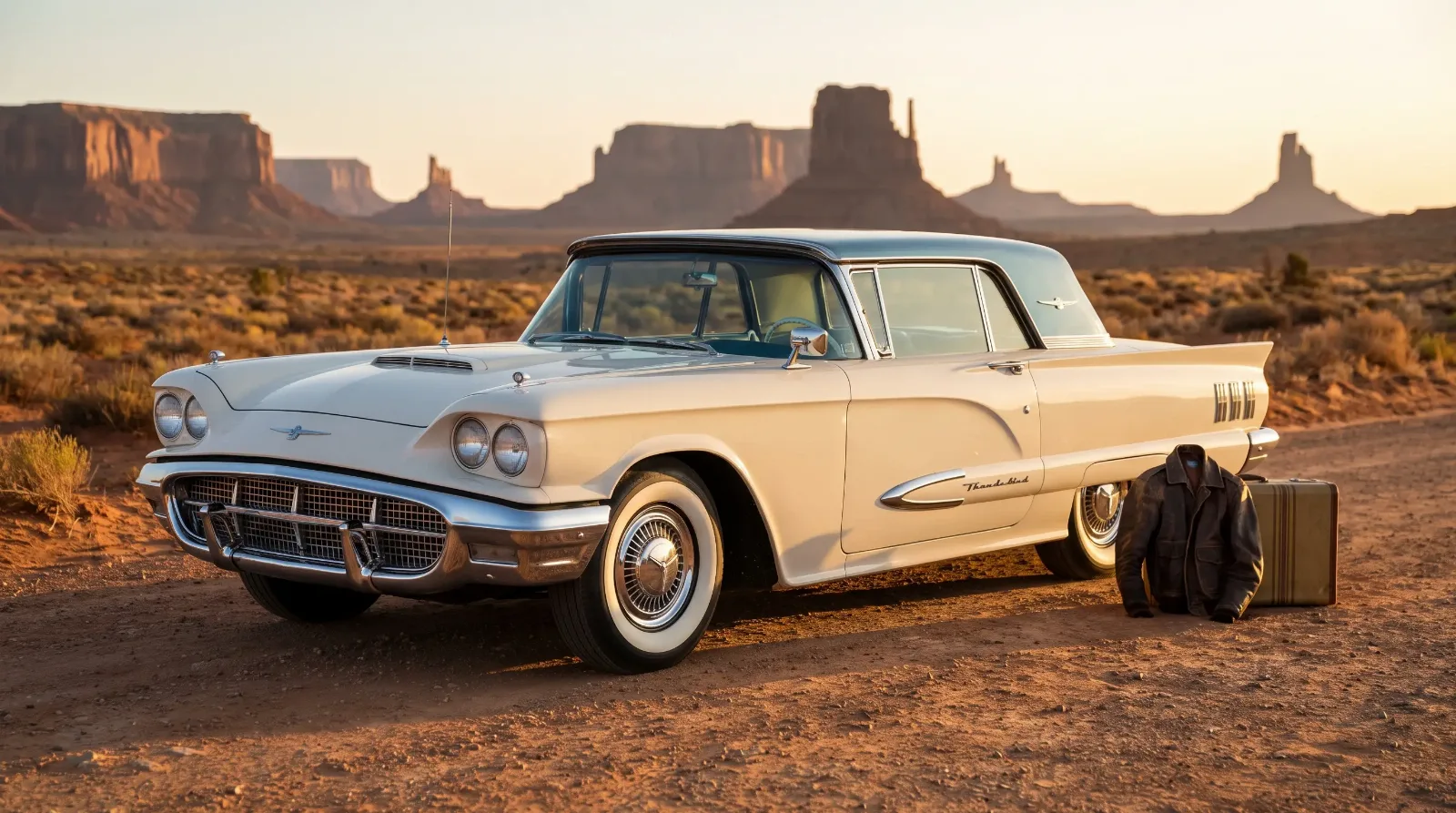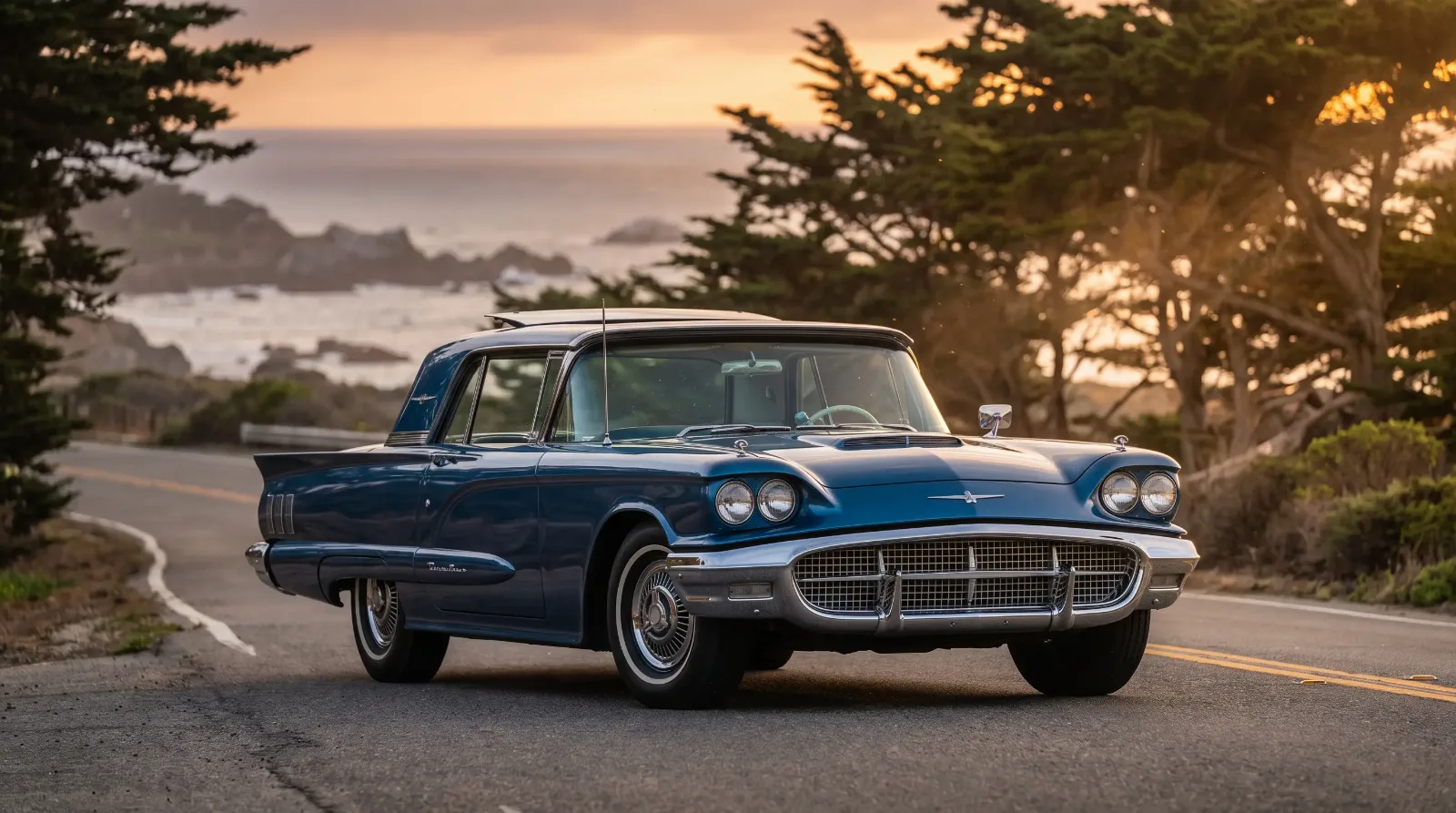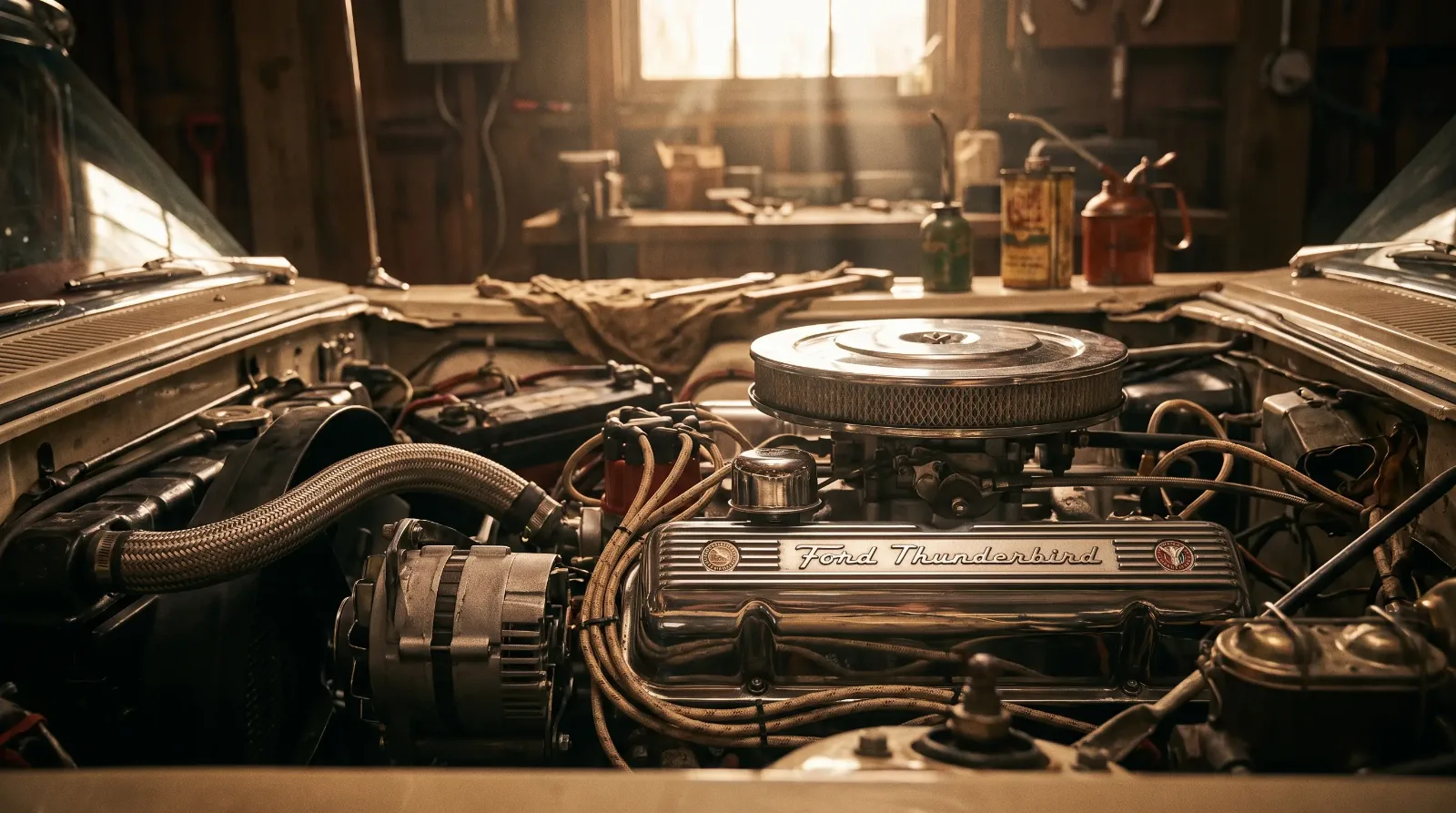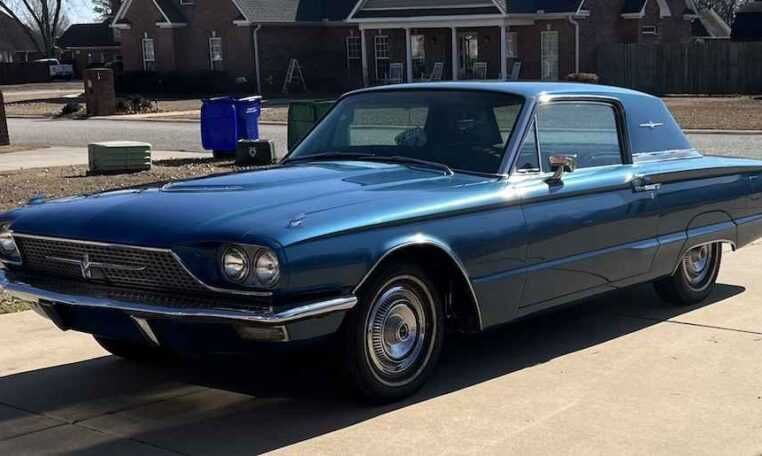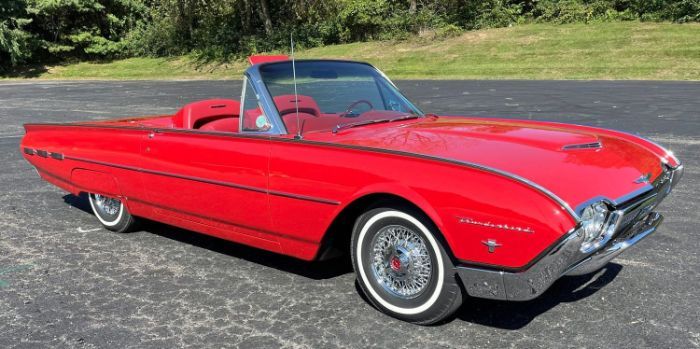
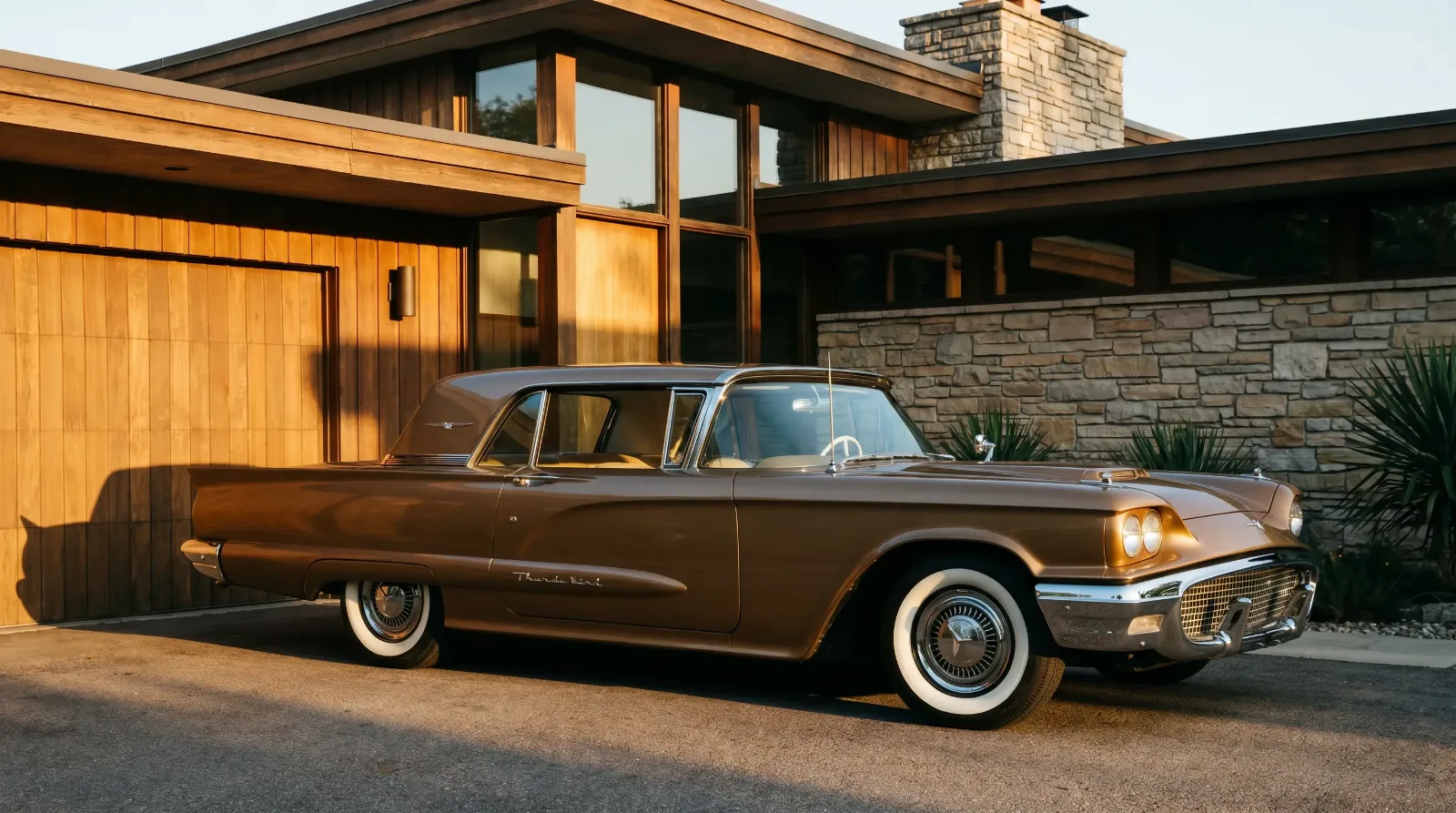
Every category in the car business has an origin point, a single product that proved a segment could sell before anyone had a name for it. For the personal luxury car origin, that point is the 1958 Thunderbird, the boxy, four-seat car collectors now call the Square Bird. Trace the sales data and the competitive response that followed, and the case for the Square Bird as the category's true starting point holds up better than most marketing origin stories do.
What "personal luxury" actually meant
Before 1958, American manufacturers built their lineups around fairly clean categories. There were economy cars, mainstream family sedans, full-size luxury cars, and a small handful of sports cars chasing enthusiast buyers. Nothing occupied the middle ground between a Cadillac and a Chevrolet that was built specifically around personal style rather than either economy or outright status. The 1958 Thunderbird filled that gap almost by accident, growing out of a two-seat sports car into a four-seat coupe that kept the sporty proportions and added genuine comfort and luxury trim, priced well below a full Cadillac but well above a mainstream Ford.
The formula worked because it gave buyers something a full-size luxury car could not: a smaller, more personal package that still signaled taste and discretionary income. It was not trying to move a family of six. It was built for a couple, or a single buyer, who wanted a car that felt special every time they got behind the wheel, without the size, cost, or formality of a traditional luxury sedan.
The sales data that proved the category existed
The 1958 Thunderbird sold 37,892 units in a recession year, nearly double what the two-seat Thunderbird had managed in its best season. That number alone would be a solid result. What made it a genuine category-defining moment is what happened next: competitors noticed, and they moved fast to build their own answer to a market Ford had just proven existed.
| Model | Manufacturer | Debut Year |
|---|---|---|
| Thunderbird (4-seat) | Ford | 1958 |
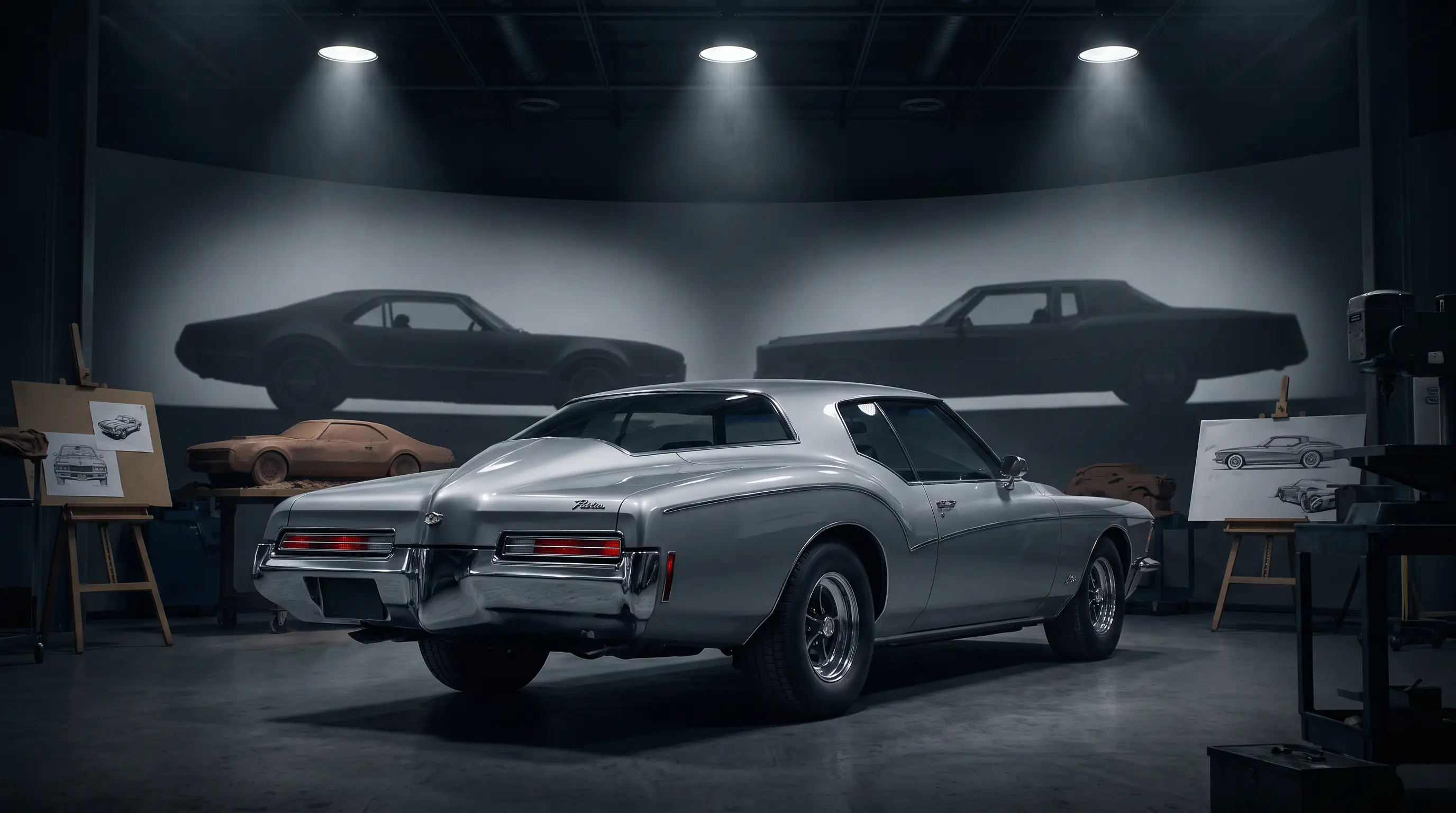
| Buick Riviera | General Motors | 1963 |
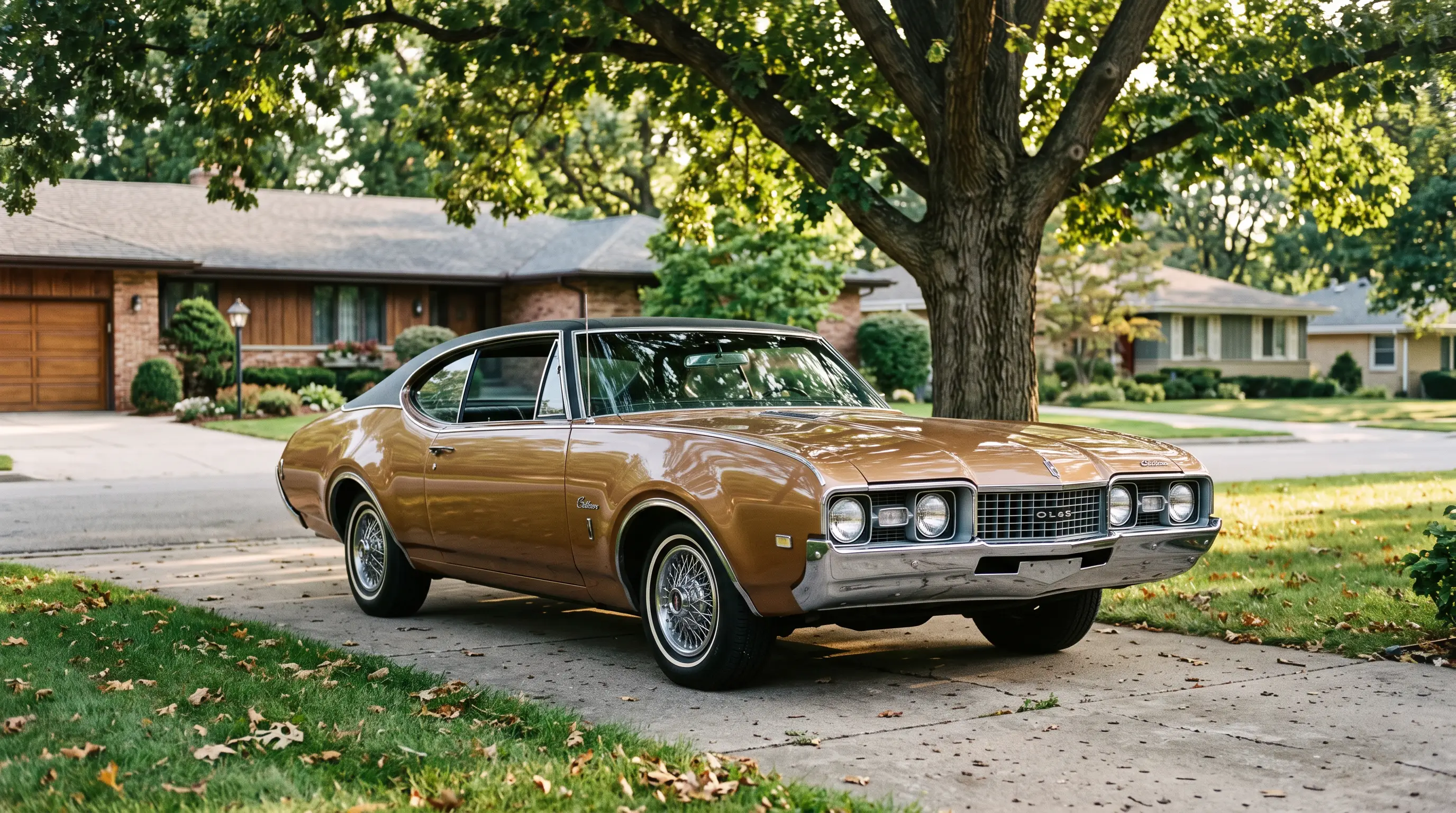
| Oldsmobile Toronado | General Motors | 1966 |
| Cadillac Eldorado (personal coupe era) | General Motors | 1967 |
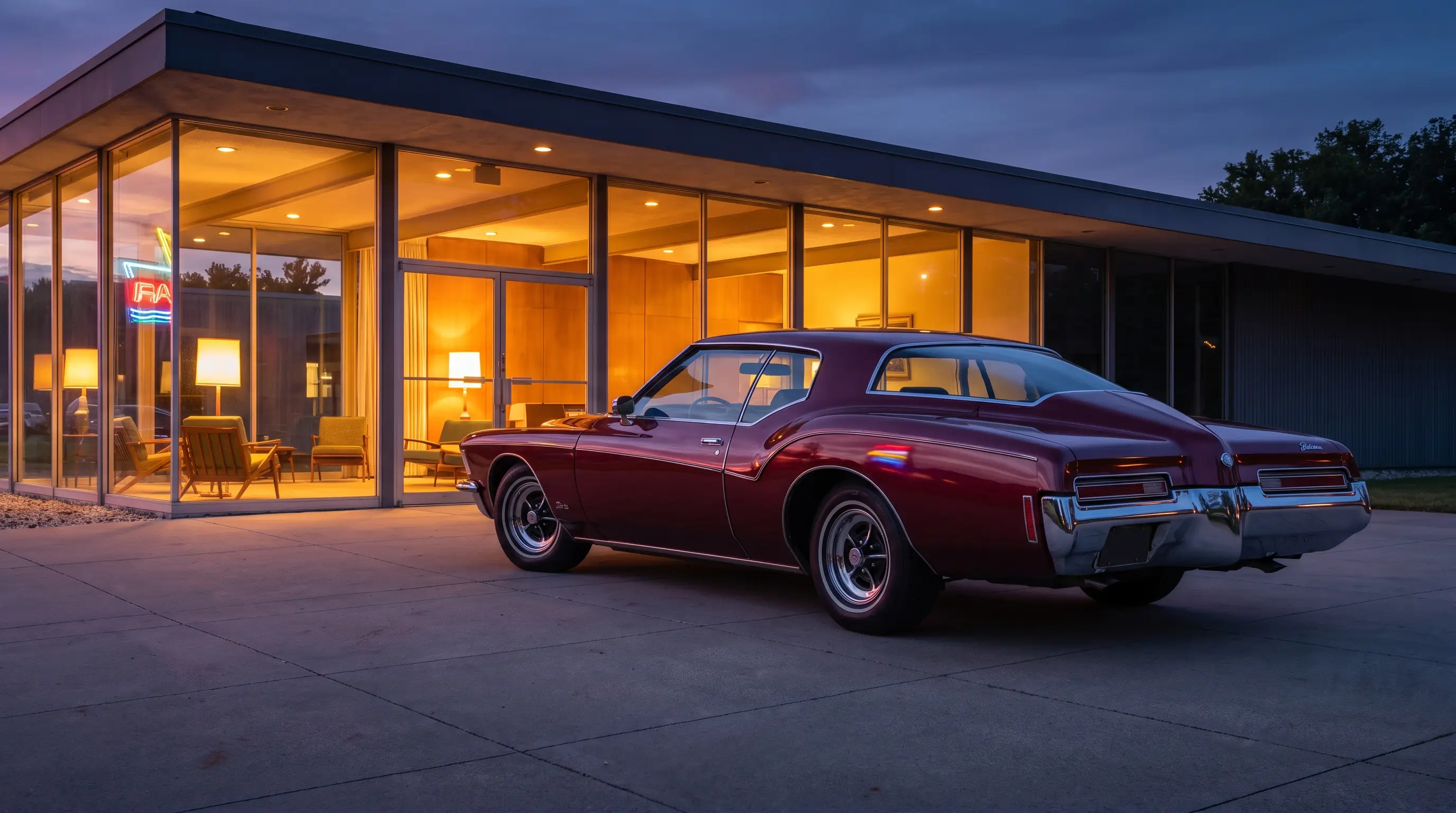
General Motors did not respond overnight, but the Buick Riviera's 1963 debut and the Oldsmobile Toronado that followed a few years later both borrowed directly from the formula the Square Bird had established: a distinctive, sporty-proportioned coupe body, genuine luxury trim and features, and pricing that sat comfortably between mainstream and full luxury segments. Neither GM product was a direct Thunderbird copy in styling, but both were unmistakably chasing the same buyer the Thunderbird had discovered first.
Pricing positioning tells the same story from a different angle. A 1958 Thunderbird stickered meaningfully above a comparably equipped Ford Fairlane but well below an entry-level Cadillac or Lincoln, occupying a price band that had effectively been empty of a dedicated personal-style product before this car arrived. Buyers who could afford a full-size luxury car but did not want one, either because it felt too formal or too large for their actual needs, had nowhere else to look. The Thunderbird gave them somewhere to look, and the sales results show they had been waiting for exactly that option.
Why Ford got there first
Ford's advantage was not luck. The two-seat Thunderbird had already spent three years teaching Ford's product planners exactly what kind of buyer was drawn to the nameplate, and that buyer turned out to want comfort and style more than raw sports car performance. Robert McNamara's leadership of the Ford Division pushed the redesign toward that read of the market rather than doubling down on a pure sports car identity, a decision documented in more depth in the full story of how the 1958 redesign came together.
That head start in market research meant Ford was not guessing when it committed serious tooling money to a four-seat, unibody Thunderbird. It was executing on data nobody else in Detroit had yet collected, since no one else had run a three-year experiment with a two-seat personal car quite like the original Thunderbird.
The category's staying power
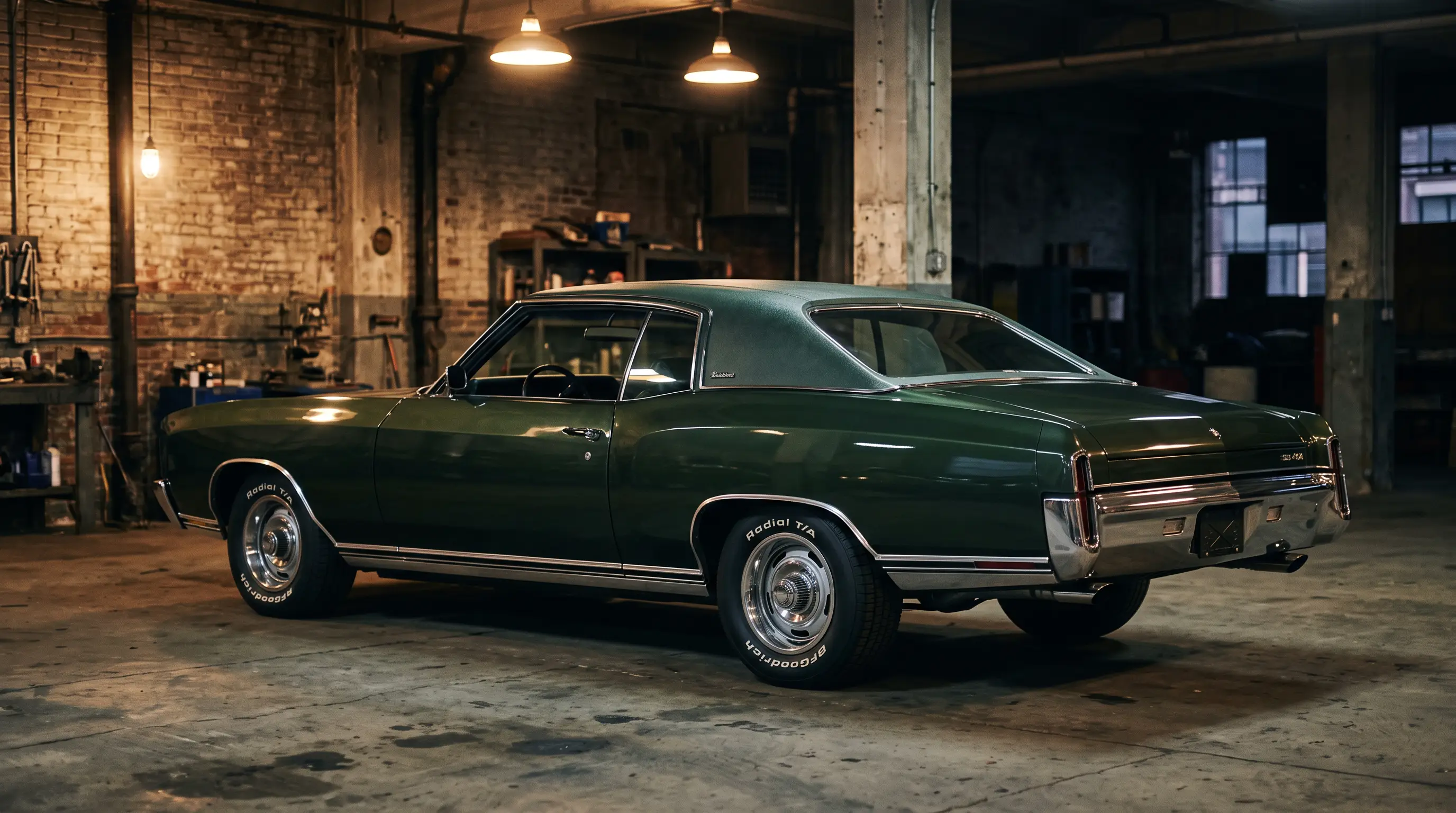
Personal luxury as a segment did not fade quickly once established. It ran strong through the 1960s and well into the 1970s, eventually encompassing cars like the Lincoln Mark series, the Chevrolet Monte Carlo, and the Pontiac Grand Prix, each chasing a version of the buyer the 1958 Thunderbird identified first. The segment only really lost steam as fuel prices and changing tastes in the late 1970s and 1980s pushed American buyers toward smaller cars generally, a market shift that hit nearly every segment, not just this one.
What is notable from a market analyst's perspective is how long the category's core proposition held up. A car built around personal style rather than utility or pure status is a genuinely durable idea, and the fact that it took competitors five years to mount a serious response with the Riviera says something about how well Ford had read a market nobody else had spotted yet.
It is also worth noting what did not define the category, since later retellings sometimes muddy this. Personal luxury was never primarily about horsepower or straight-line performance, the way the muscle car segment that emerged a few years later would be. The Thunderbird and the cars that followed its lead competed on styling distinctiveness, interior comfort, and the intangible sense of owning something a little apart from the mainstream, not on quarter-mile times. That distinction matters for anyone trying to place the Thunderbird correctly in automotive history rather than lumping it in with performance-oriented segments it never actually competed in.
What this means for collectors today
Understanding the Thunderbird's role as the category's true starting point matters for collectors because it explains why the 1958 through 1960 Square Bird generation commands the historical significance premium it does in today's market, distinct from later Thunderbirds that competed in an increasingly crowded personal luxury field the car itself had created. Being first counts for something with collectors the same way it counts for market historians, and the Square Bird's position as the segment's genuine originator, not just an early example, is well documented rather than a marketing claim invented after the fact.
"I have looked at plenty of segment-origin claims that do not hold up once you check the sales data and the competitive timeline. This one holds up. Ford proved the market, and everyone else spent the next five to ten years catching up."
- David Mercer
And for anyone looking to own a piece of the segment's genuine origin point, you can browse classic Thunderbird listings and see what the car that started the personal luxury category is worth on today's market.