In September 1954, a crowd gathered at the Detroit Auto Show around a low white two-seater that looked like nothing else Ford had ever built. The men leaning over the rope were not shopping for a family sedan. They wanted the car that had just been given a name borrowed from Southwestern legend, a name that promised speed, weather, and a little danger. The Ford Thunderbird had arrived, and the people who saw it first understood, before the marketing ever caught up, that Dearborn had made something personal. Not a race car. Not a plain roadster. A car built around the idea that a driver might want to feel good simply sitting in it.
That instinct turned out to be worth a fortune. Over the next two decades the Thunderbird would change shape more radically than almost any American nameplate, growing from a nimble two-seater into a chrome-heavy cruiser, and in the process it would invent an entire class of automobile that the rest of Detroit rushed to copy. This is the story of how that happened, and why the early cars still hold a grip on collectors who were not even born when the last classic-era Bird rolled off the line.
A car built to answer a challenge
The Thunderbird did not begin as a grand idea. It began as a reaction. In the early 1950s Ford executives were watching two things at once. Chevrolet had shown its fiberglass Corvette in 1953, and American servicemen who had come home from Europe kept talking about the little sports cars they had driven over there, the MGs and Jaguars that were light and quick and fun in a way Detroit iron simply was not. Ford wanted an answer, and it wanted one fast.
The man usually credited with pushing the project was Lewis Crusoe, a Ford general manager who reportedly asked designer Frank Hershey why Ford had nothing to compete in that space. Hershey, working partly in secret, had a clay model taking shape before the company had even fully committed. What came out of that studio was clever. Ford decided not to chase the British sports car on its own terms. Instead of a stripped, buzzy roadster, the Thunderbird would have roll-up windows, a proper heater, a V8, and a ride that would not beat you senseless on a long drive. Ford called it a personal car rather than a sports car, and that single choice set the whole future of the model.
When it reached showrooms as a 1955 model, the first Thunderbird carried a 292 cubic inch V8 and a base price that put it within reach of a comfortable middle-class buyer. Ford built around 16,000 of them that first year, which does not sound like much by Detroit volume standards until you compare it to the Corvette, which Chevrolet moved in the hundreds. The two-seater market was tiny, and the Thunderbird had just claimed most of it.
The two-seat years, 1955 to 1957
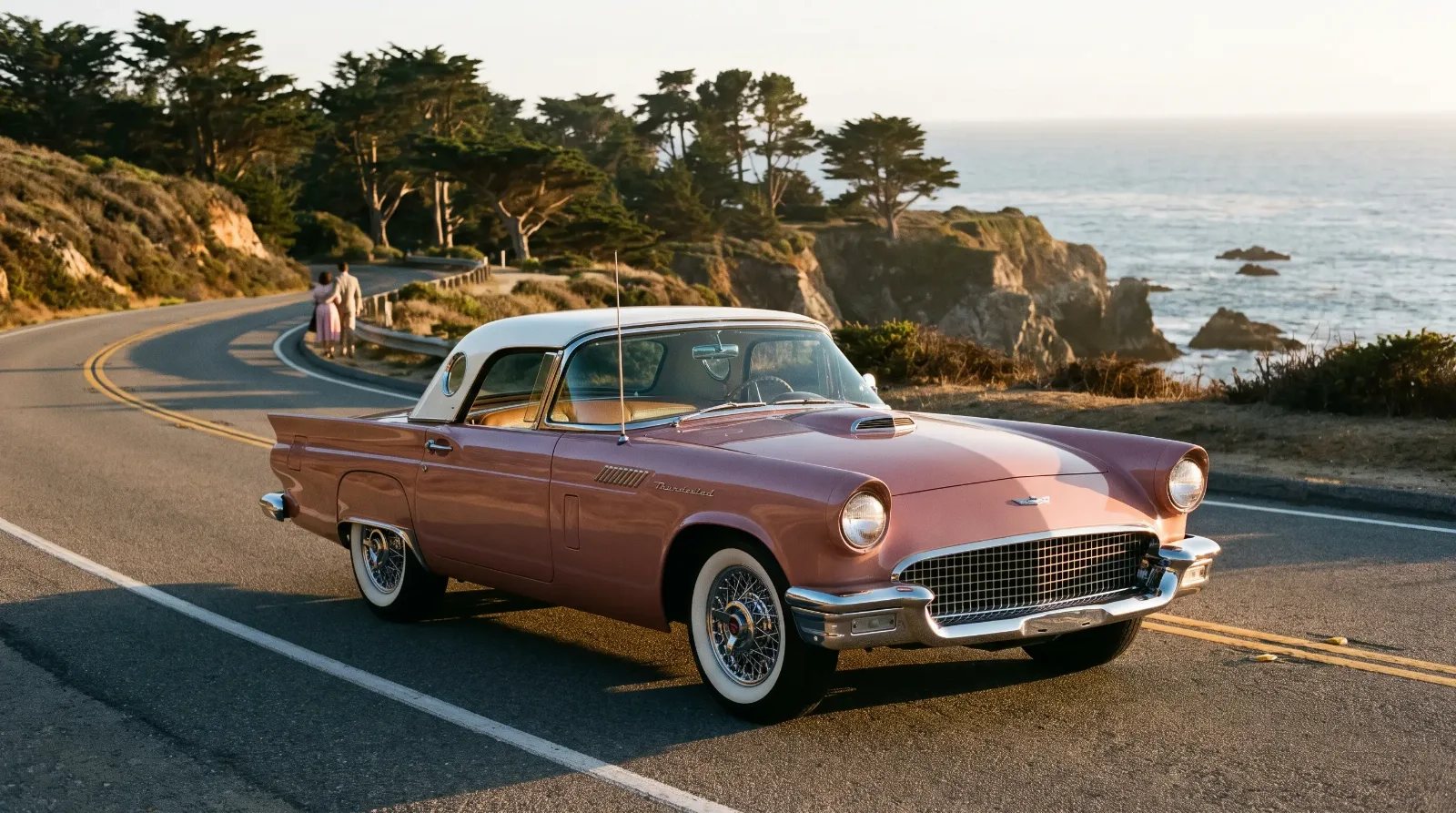
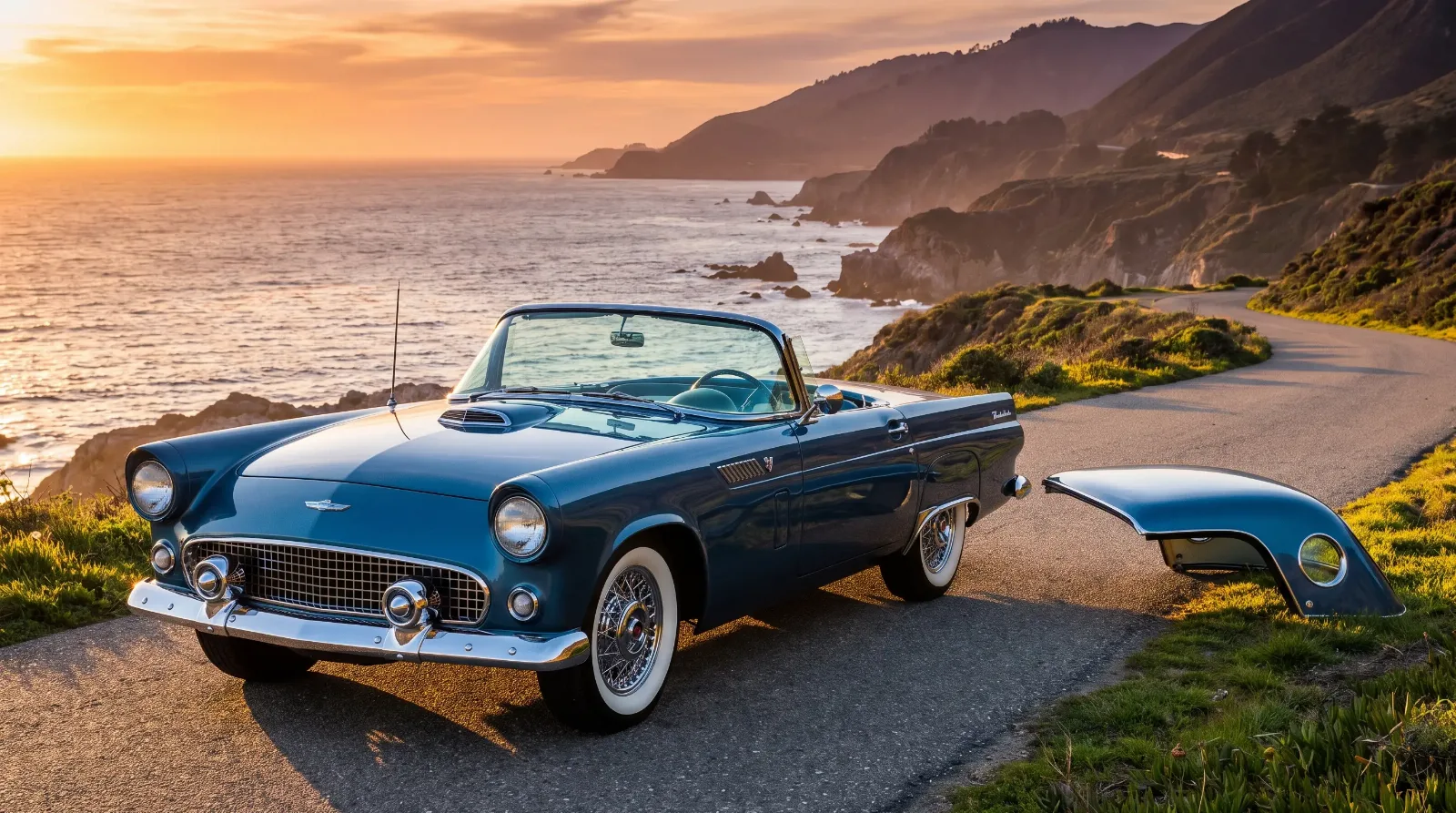
For three model years the Thunderbird stayed true to its original shape, and those three years produced the cars that most people picture when they hear the name. The 1955 and 1956 models are close cousins, but enthusiasts learned to read the differences quickly. The 1956 car moved its spare tire outside, hanging it off the rear in a Continental kit, partly to free up trunk space. It also added small vent windows and those distinctive round porthole windows in the removable hardtop, which improved visibility over the driver's shoulder and became one of the most recognized details in 1950s American design.
The 1957 model is the one many collectors chase hardest. Ford restyled the rear with modest fins and a longer deck, cleaned up the front, and offered a range of engines that climbed toward serious performance, including supercharged versions built in small numbers for buyers who wanted to go racing. The 1957 was also, though nobody buying one knew it yet, the last of its kind. Ford had already decided to walk away from the two-seat formula, and it did so at the exact moment the little car was selling better than ever.
Color played a role in the legend too. The early cars came in shades that still sound like a summer afternoon, Thunderbird Blue, Fiesta Red, Colonial White, Goldenrod Yellow, and a good original color combination can add real money to a car today. Buyers in the mid-1950s were being sold optimism, and Ford dressed the Thunderbird to match. Even the interiors matched the exterior in ways that feel almost decadent now, with color-keyed vinyl and painted metal dashboards that turned the cabin into part of the show.
That decision to end the two-seat car still starts arguments at car shows. The purists never forgave Ford for killing the little roadster. The accountants, on the other hand, were about to be proven very right, and the man who had to make the case for change inside Ford understood something the enthusiasts did not. A car that sells sixteen or twenty thousand copies a year is a nice halo. A car that can sell many times that number is a business.
"People forget that the original two-seat Thunderbird was a runaway success by the standard Ford actually cared about. It outsold the Corvette so badly that Chevrolet nearly cancelled its own sports car. Ford did not abandon a failure. It abandoned a winner because it saw an even bigger win coming."
- Patrick Walsh
The gamble that created a category
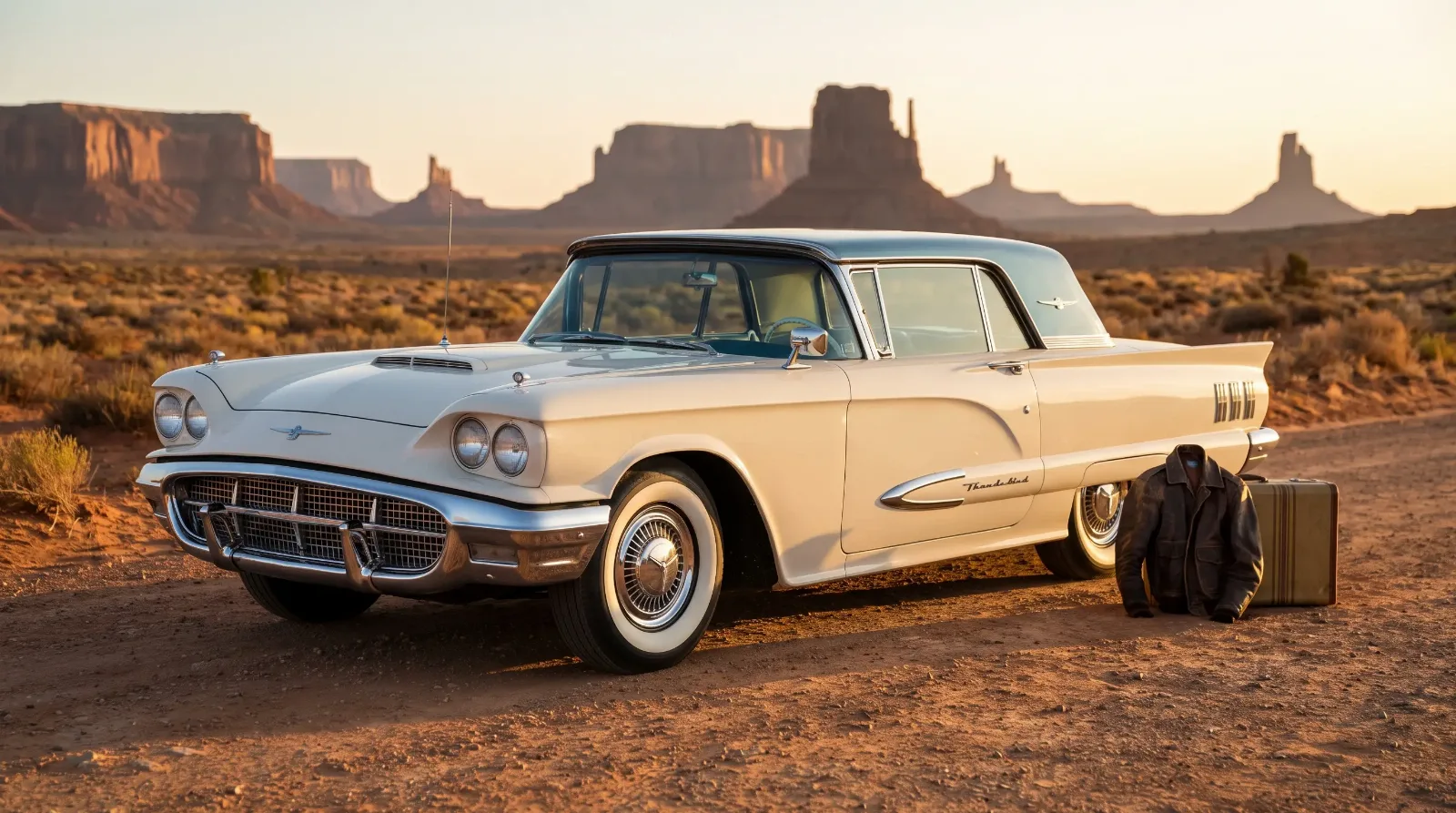
For 1958 the Thunderbird did something that should have been commercial suicide. It grew a back seat. Ford added two doors' worth of length, a full rear bench, and a great deal more weight, transforming the darling little roadster into a four-place coupe and convertible. The car people called the Square Bird, for its crisp, boxy lines, looked almost nothing like the model it replaced.
And it sold like nothing Ford had expected. Buyers who had loved the idea of the Thunderbird but needed room for a family or a night out with friends finally had a version they could actually use. The 1958 Thunderbird won Motor Trend's Car of the Year award, and sales roughly doubled over the two-seat car in short order. Ford had guessed correctly that there was an enormous middle ground between the plain family sedan and the true sports car, a space for a stylish, comfortable, powerful car that flattered its owner. That space did not really have a name yet. In time the industry would call it the personal luxury car, and the 1958 Thunderbird is the car that proved it existed.
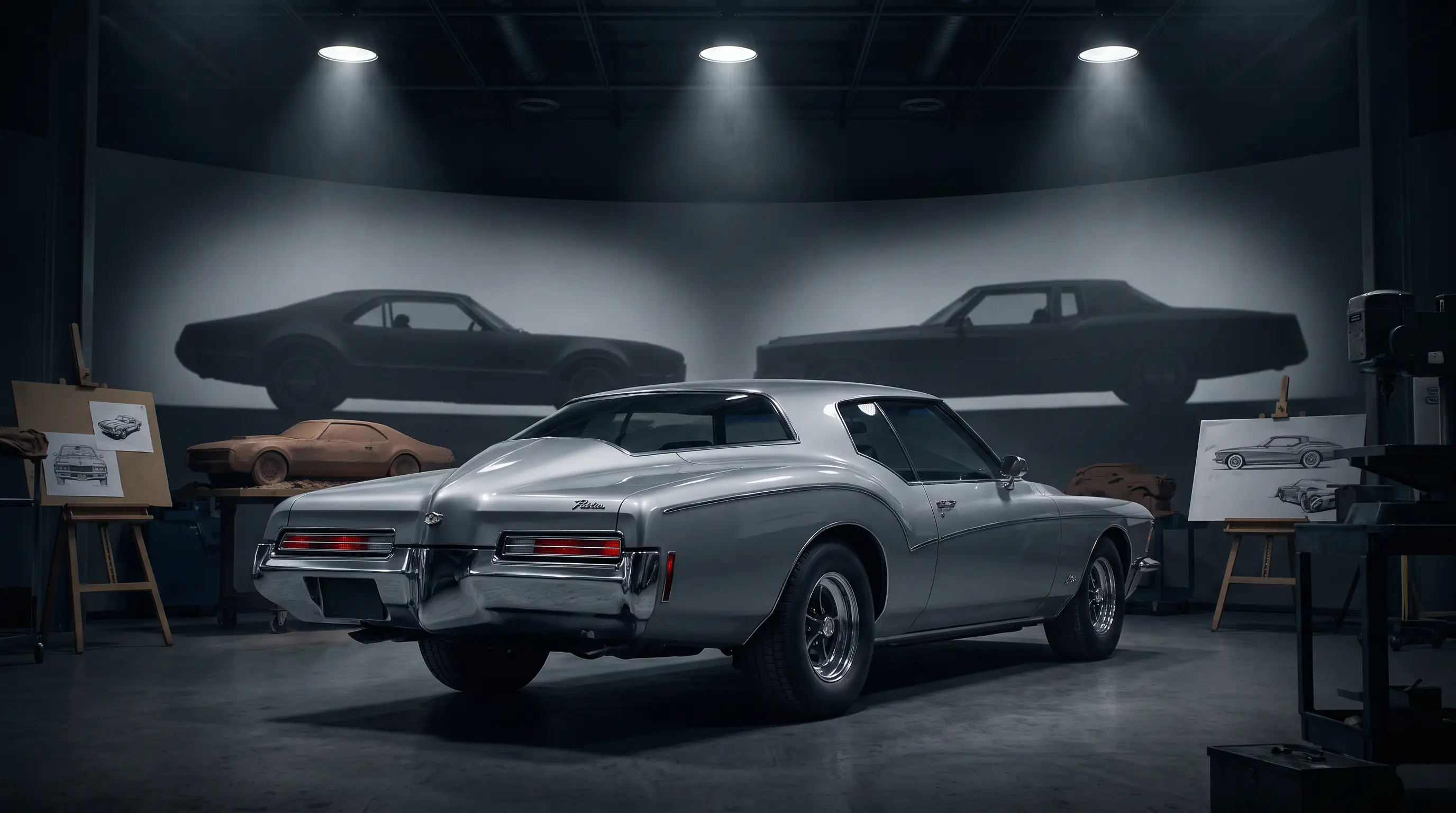
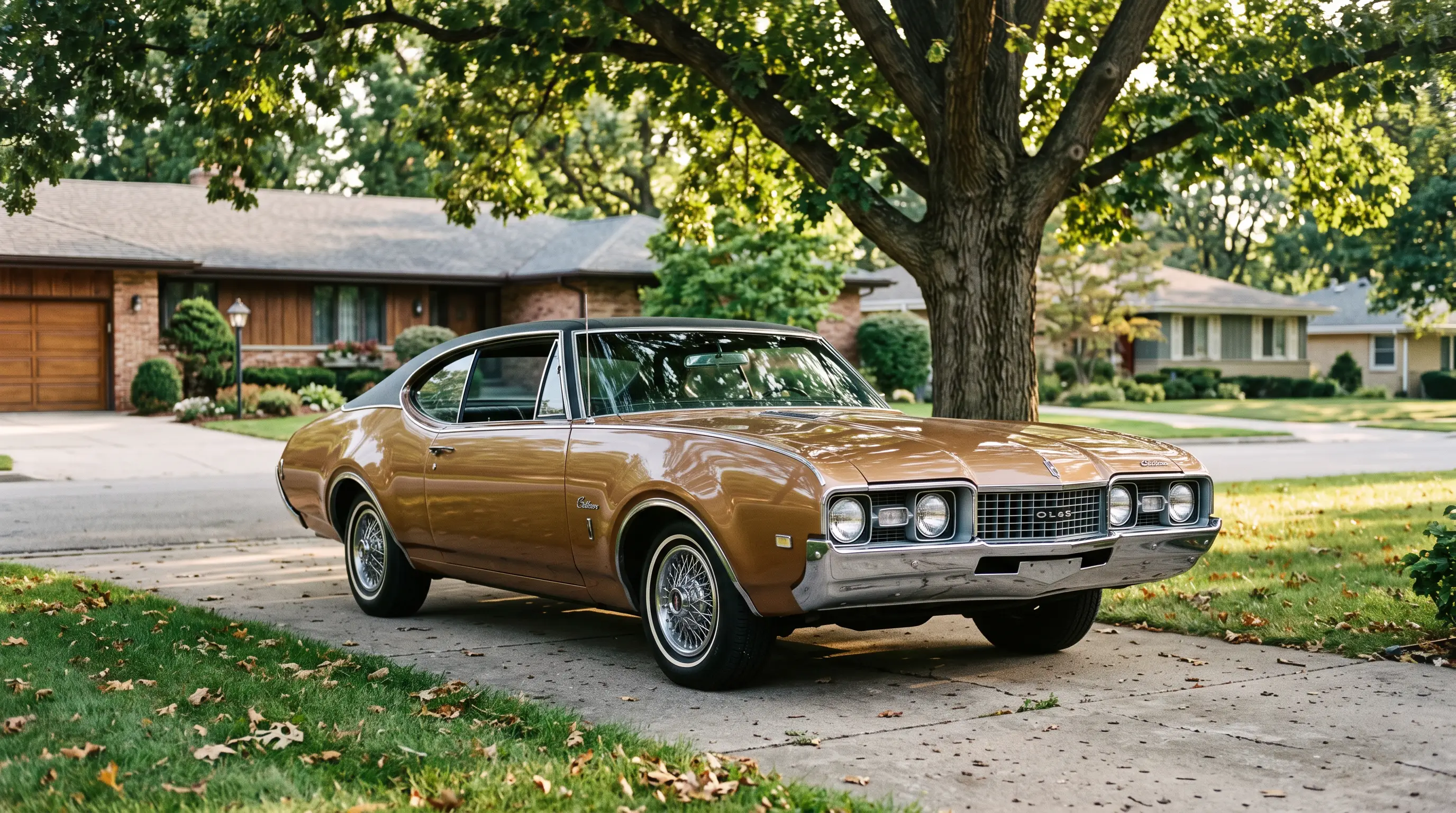
This is the Thunderbird's real historical importance, larger even than the pretty two-seaters. Within a few years General Motors would answer with the Buick Riviera and eventually the Oldsmobile Toronado and Cadillac Eldorado, and Ford itself would spin the formula into other models. The whole personal luxury boom of the 1960s and 1970s, a genuinely huge slice of the American market, traces back to a gamble made in Dearborn when Ford decided the Thunderbird should carry four people instead of two.
| Generation | Model years | Nickname | Body notes |
|---|---|---|---|
| First | 1955 to 1957 | Little Bird | Two-seat convertible with removable hardtop |
| Second | 1958 to 1960 | Square Bird | First four-seat Thunderbird, unibody construction |
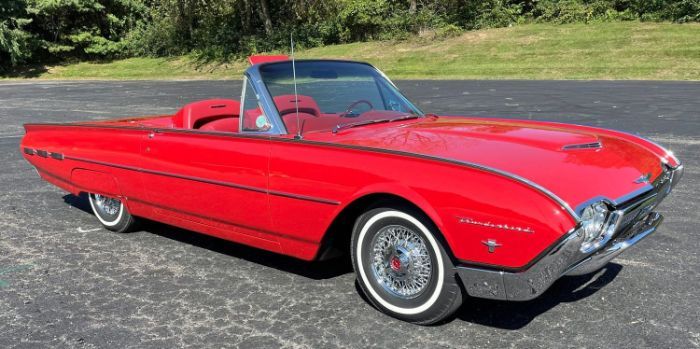
| Third | 1961 to 1963 | Bullet Bird | Rocket-inspired projectile styling |
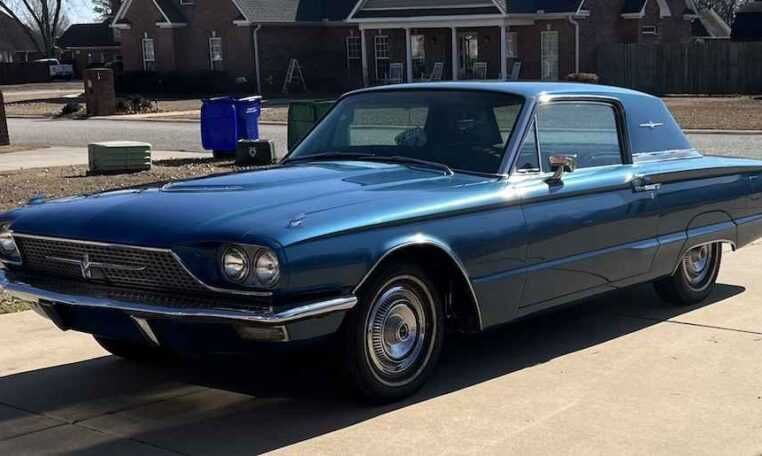
| Fourth | 1964 to 1966 | Flair Bird | Squared, sculpted sides; sequential turn signals arrived for 1965 |
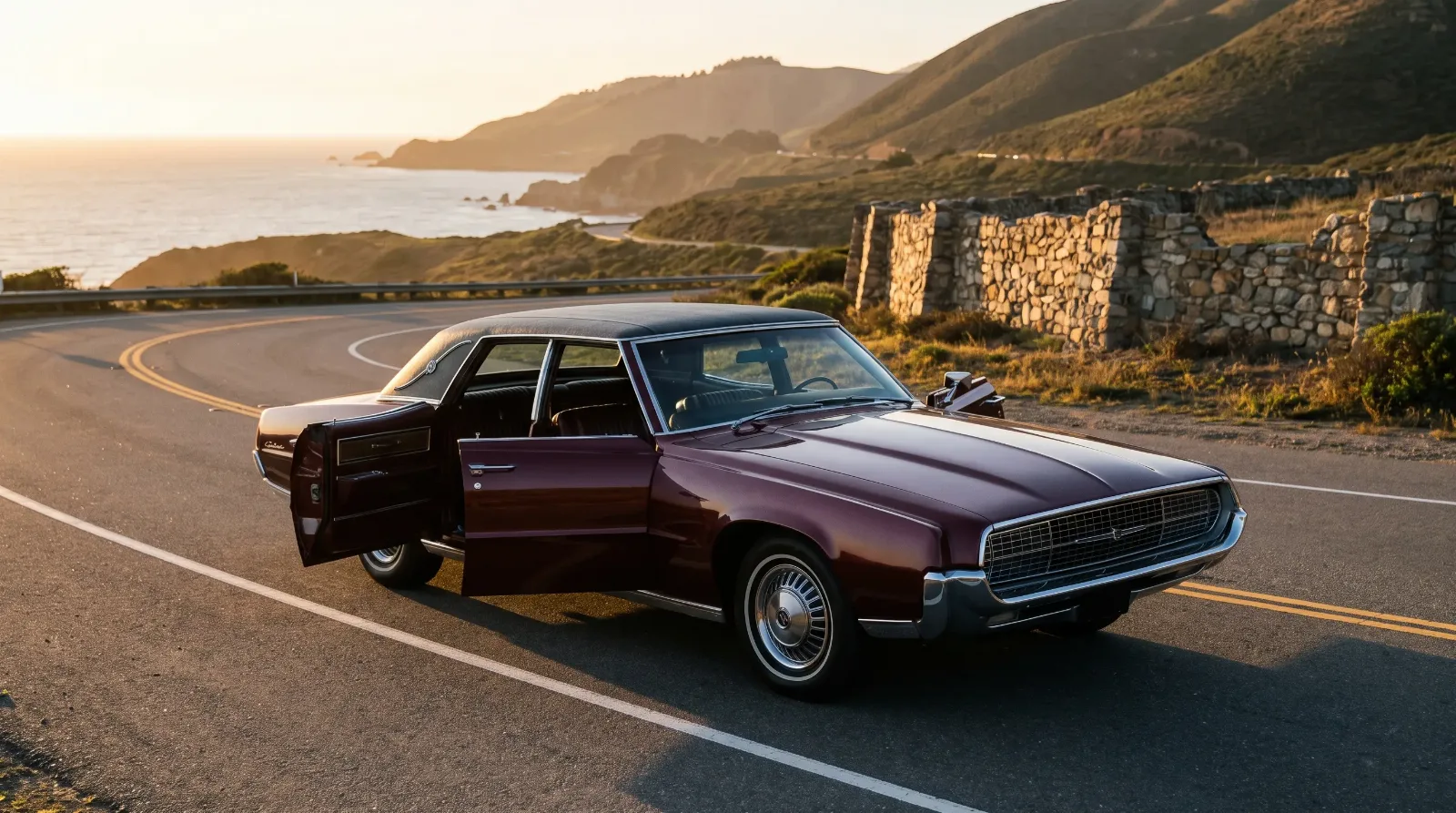
| Fifth | 1967 to 1971 | Glamour Bird | Added a four-door sedan; later moved to a full frame |
| Sixth | 1972 to 1976 | Big Bird | Largest Thunderbirds ever built, shared with Lincoln Mark |
The Bullet Birds and the jet age, 1961 to 1963
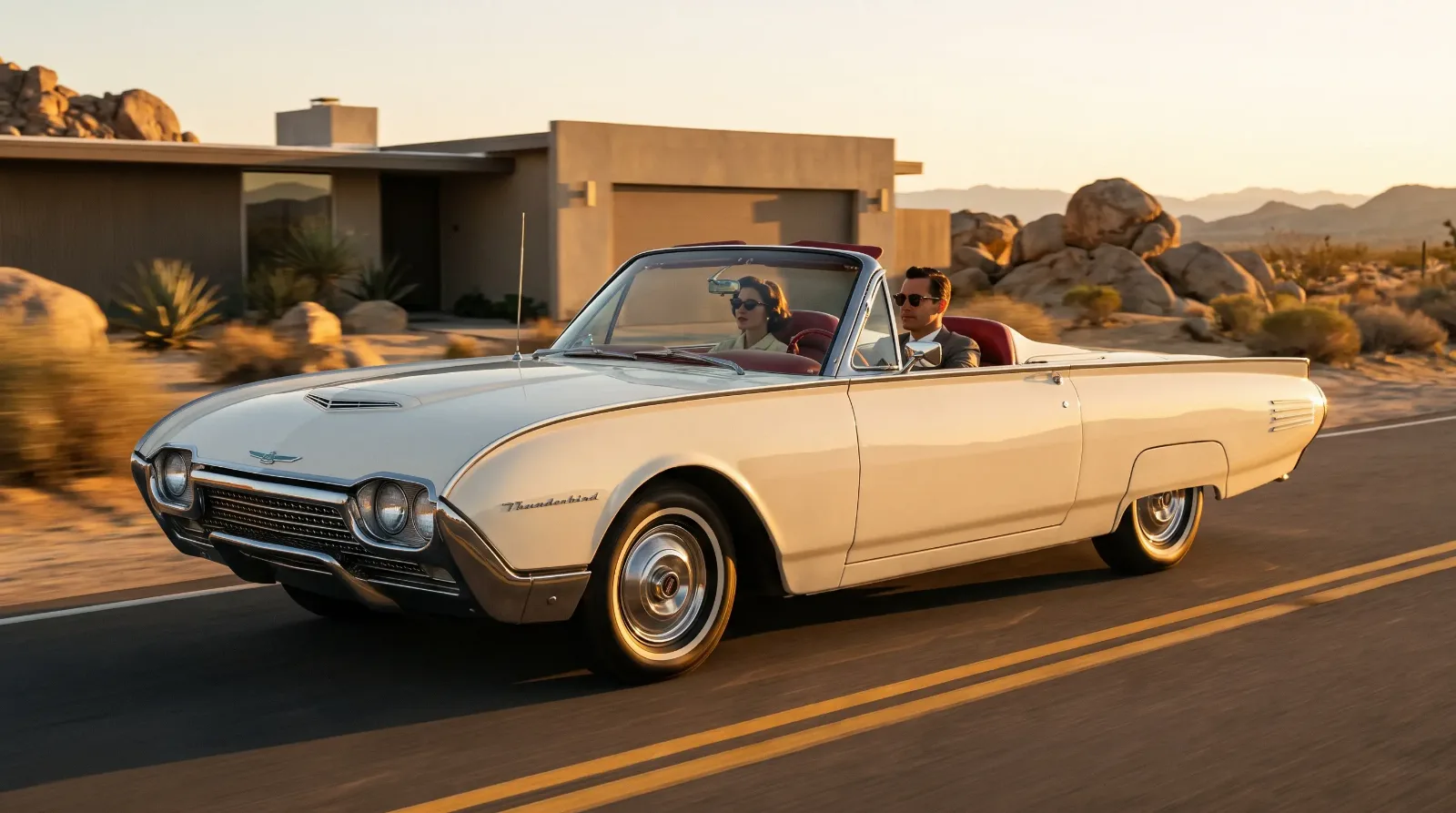
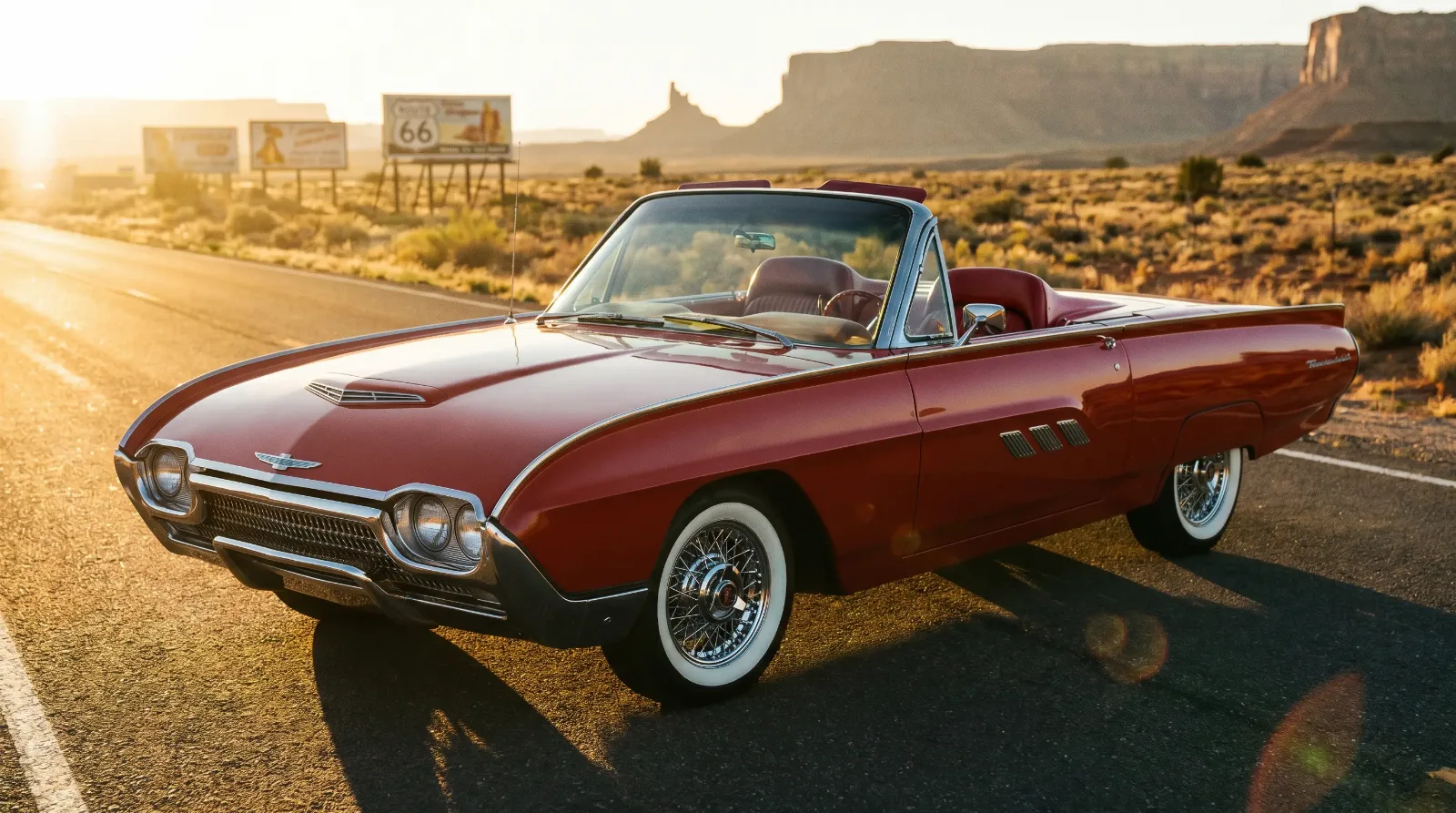
If the Square Bird proved the concept, the next Thunderbird sold the fantasy. The 1961 redesign gave the car a pointed, projectile nose and a long tapering tail that made it look like something built to break the sound barrier. Collectors call these the Bullet Birds, and the styling captured the mood of a country that was putting men into rockets and dreaming about the moon.
The 1961 model got one of its finest moments almost by accident. When President John F. Kennedy was inaugurated in January 1961, a specially built fleet of about 50 Thunderbird convertibles, most finished in a special Mahogany Metallic paint with white tops, carried dignitaries in the parade, and photographs of those cars circulated widely. A little later the same car appeared in a specially designed Sports Roadster version that covered the rear seats with a fiberglass tonneau and added wire wheels, a nod to the buyers who still missed the two-seat original. The Sports Roadster never sold in big numbers, which is exactly why the survivors command strong money today.
Under the hood the standard engine had grown to a 390 cubic inch V8, and the interiors leaned harder into gadgetry and comfort. The Thunderbird was no longer pretending to be a sports car at all. It was selling a feeling, the sense that the person behind the wheel had arrived somewhere in life. That was the whole point, and it worked.
Flair Birds, Landau roofs, and the mid-sixties
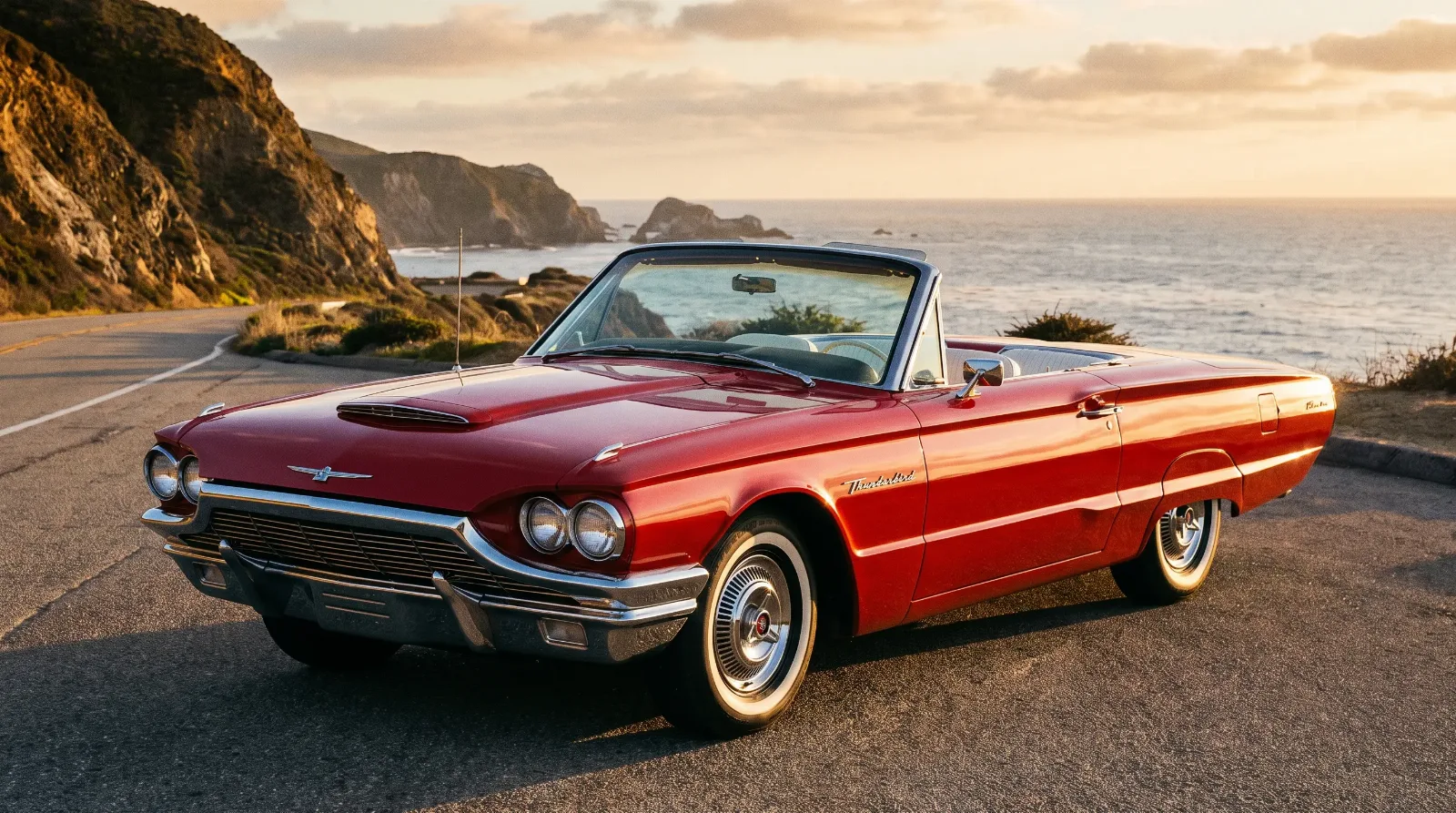
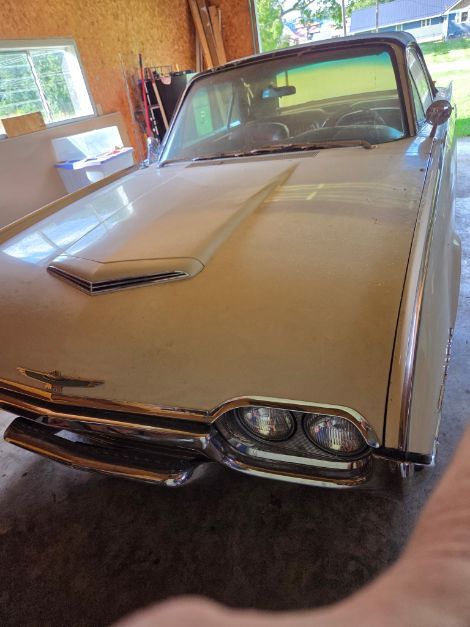
The 1964 restyle, known as the Flair Bird, squared off the rounded lines of the Bullet cars and added heavily sculpted sides. These are handsome, substantial machines, and they carried some of the era's most memorable details. The Landau roof option, with its padded vinyl top and decorative S-shaped bars on the rear pillars, became almost a signature of the personal luxury look, and other manufacturers copied it endlessly.
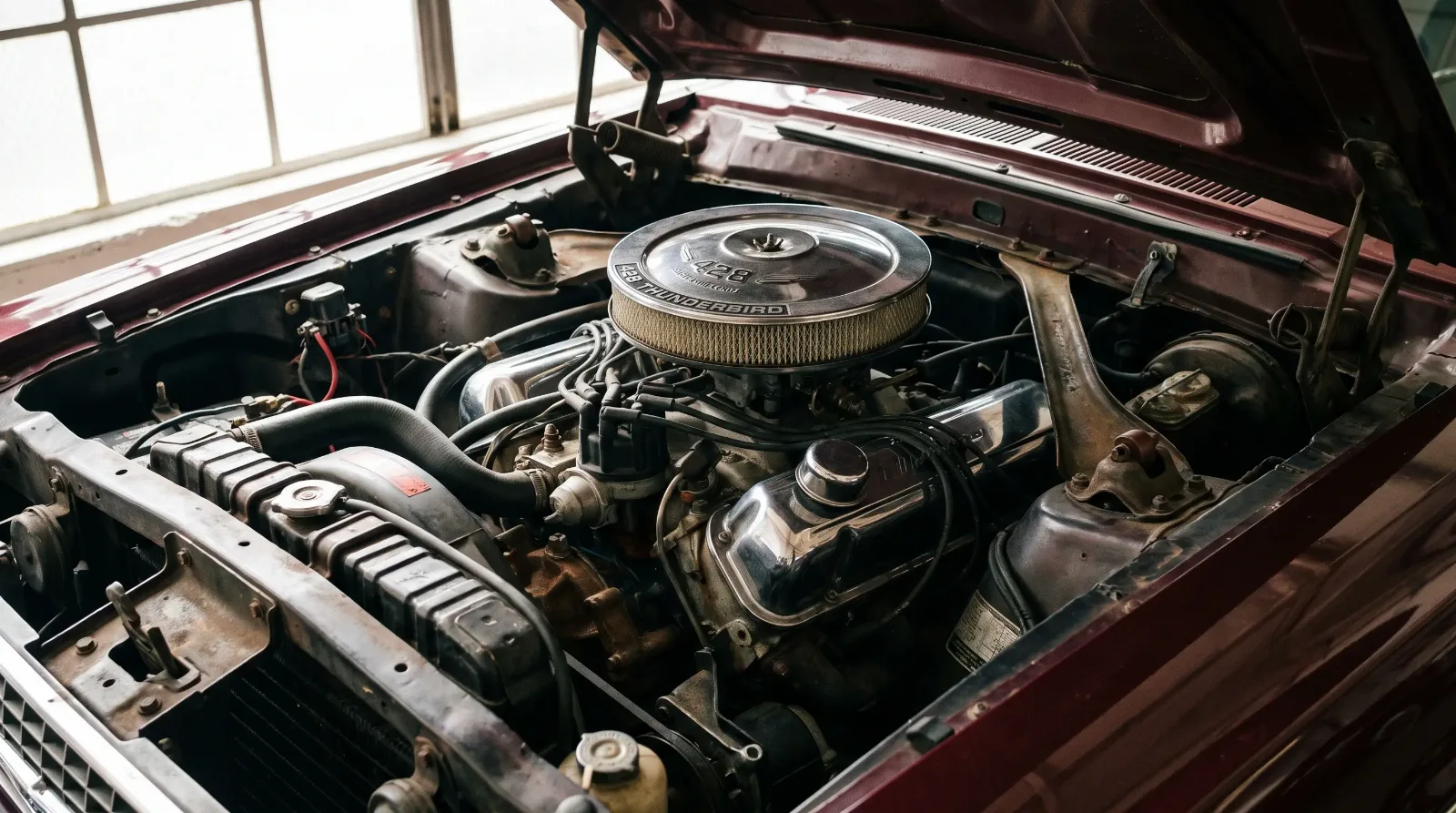
The 1965 and 1966 cars refined the theme, and the interiors reached a level of theater that is hard to imagine on a mid-priced car today. The dashboards were full-width sweeps of chrome and switchgear designed to make the cabin feel like a cockpit. For 1966 the engine option list topped out with a 428 cubic inch V8, giving the increasingly heavy car the muscle to move with authority. These were cars built for the interstate, for covering long distances in quiet comfort while looking expensive doing it.
By this point the Thunderbird had fully separated from its roots, and Ford was comfortable with that. The name no longer promised a sports car. It promised status, and status was selling.
Growing heavier, 1967 to 1976
The Thunderbird's last classic-era decade is the one collectors argue about most. In 1967 Ford did the once unthinkable and offered a four-door Thunderbird, complete with rear-hinged back doors, chasing buyers who wanted the personal luxury image with room for the whole family. It was a logical extension of the 1958 gamble, but it also pulled the car further from anything a sports car enthusiast could love.
Through the late 1960s and into the 1970s the Thunderbird kept growing. By the 1972 to 1976 generation it had become one of the largest cars Ford built, sharing much of its structure with the Lincoln Continental Mark series. These big Birds were plush, powerful, and thirsty, and then the 1973 oil crisis arrived and changed the rules for every large American car. Rising fuel prices and tightening emissions standards squeezed the horsepower out of the big engines and cooled the market for enormous personal coupes.
The classic era of the Thunderbird effectively closed with the 1976 model. For 1977 Ford shrank the car onto a smaller platform and slashed the price, chasing volume, and while that move sold in huge numbers it turned the Thunderbird into something closer to a dressed-up mid-size coupe than the special car it had once been. The nameplate would soldier on for decades in various forms, but the run of cars that collectors treat as truly classic runs from that first 1955 two-seater through the last of the big cars in the middle 1970s.
"You can draw a straight line from the 1955 two-seater to the land yacht of 1976 and never find the exact moment the Thunderbird stopped being one thing and became another. It happened one styling cycle at a time, and every single version was somebody's dream car. That is the strange magic of this nameplate."
- Patrick Walsh
The Thunderbird in American culture
Few cars have soaked into popular culture the way the early Thunderbird has. A handful of period songs name-checked the car directly, and the Beach Boys' 1964 track "Fun, Fun, Fun," with its famous line about a T-Bird her daddy takes away, planted the car in the soundtrack of American youth. When George Lucas made "American Graffiti" in 1973, he put a mysterious blonde in a white 1956 Thunderbird gliding through the night, and that single image did more for the car's mythology than any advertisement Ford ever paid for. The Thunderbird became shorthand for cool, for freedom, for the version of the 1950s and 1960s that Americans wanted to remember.
Later the car found a second life on television when a red 1957 Thunderbird became the signature ride of the private investigator lead in the late-1970s crime drama "Vega$," keeping the shape in front of audiences who had no memory of the original showroom. That kind of cultural staying power is rare, and it feeds directly into the car's value today. People do not only buy a classic Thunderbird because of how it drives. They buy a piece of a story they grew up inside.
The Thunderbird also carried a certain adult glamour that set it apart from the muscle cars that would come later. Where a GTO or a Mustang appealed to a young buyer chasing speed, the Thunderbird spoke to someone a little older who had money and wanted the world to know it without shouting. Movie stars and entertainers drove them. The car turned up in the driveways of the successful and the almost-successful alike, and that association with the good life is baked into every early Bird that survives. When one rolls onto a show field today, the crowd it draws is not the crowd that gathers around a race car. It is the crowd that remembers, or wishes it could.
Collecting a classic Thunderbird today
For anyone drawn to these cars, the good news is that the classic Thunderbird remains one of the more approachable American collectibles, at least at the entry point. The two-seaters from 1955 to 1957 are the blue chip of the family and command the strongest prices, especially the 1957 cars and the rare supercharged and Sports Roadster variants from later years. But the four-seat cars of the late 1950s and the 1960s can still be found at prices that would shock someone shopping for a comparable muscle car, and they offer a great deal of style for the money.
Parts and club support are a real advantage. The Thunderbird has one of the most active owner communities of any American classic, with dedicated clubs, reproduction parts suppliers, and decades of accumulated knowledge about what breaks and what matters. That support network is worth as much as the car itself when you are trying to keep a sixty-year-old machine on the road. Anyone weighing a purchase should spend time browsing the current market for a classic Ford Thunderbird for sale to get a feel for how condition, originality, and the specific year swing the asking prices.
The Thunderbird's story is really a story about ambition and reinvention. Ford started with a simple wish to answer the Corvette and ended up inventing a category that reshaped the American car market for twenty years. Along the way it built cars that were beautiful, cars that were excessive, and cars that were both at once. That restless willingness to change is exactly why the classic Thunderbird still matters, and why the early cars keep pulling new admirers toward a name first whispered around a clay model in a secret Ford studio all those years ago.
Sources and notes
- Ford Thunderbird first generation, Wikipedia
- Ford Thunderbird second generation, Wikipedia
- Ford Thunderbird fourth generation, Wikipedia
- 1955 Ford Thunderbird production figures, Automotive Mileposts
- The Thunderbird convertibles of JFK's 1961 inaugural parade, Classic Industries
- Curbside Classic: 1957 Ford Thunderbird