Ask a casual fan why Pontiac's performance Firebird is called the Trans Am, and most will guess it has something to do with racing glory, maybe an assumption that Pontiac factory cars dominated some famous series under that banner. The real answer is stranger and more interesting than that. The name came from a road racing championship Pontiac barely competed in, licensed from a sanctioning body that had nothing to do with building cars, and the trans am scca name arrangement is one of the odder footnotes in how an American nameplate gets chosen.
The Trans-American Sedan Championship
The Sports Car Club of America ran the Trans-American Sedan Championship starting in the late 1960s, a series built around production-based pony cars and sedans rather than purpose-built race machines. Mustangs, Camaros, Barracudas, and AMC entries fought it out there through the peak years, and the series carried real prestige in American road racing circles even though it never had the mainstream visibility of drag racing or NASCAR.
Pontiac's own participation in that championship was thin. The division's factory involvement in Trans-Am racing itself stayed limited to scattered customer and semi-factory efforts, finishing well behind Ford and Chevrolet in the championship points standings during the series' biggest years, nowhere near the level of Ford's or Chevrolet's factory-backed efforts. That gap between the name on the car and the division's actual presence on Trans-Am grids is exactly what makes the naming decision worth explaining rather than assuming.
Why Pontiac wanted the name anyway
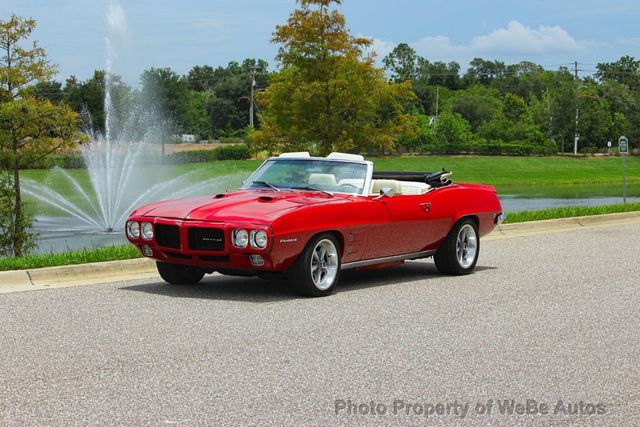
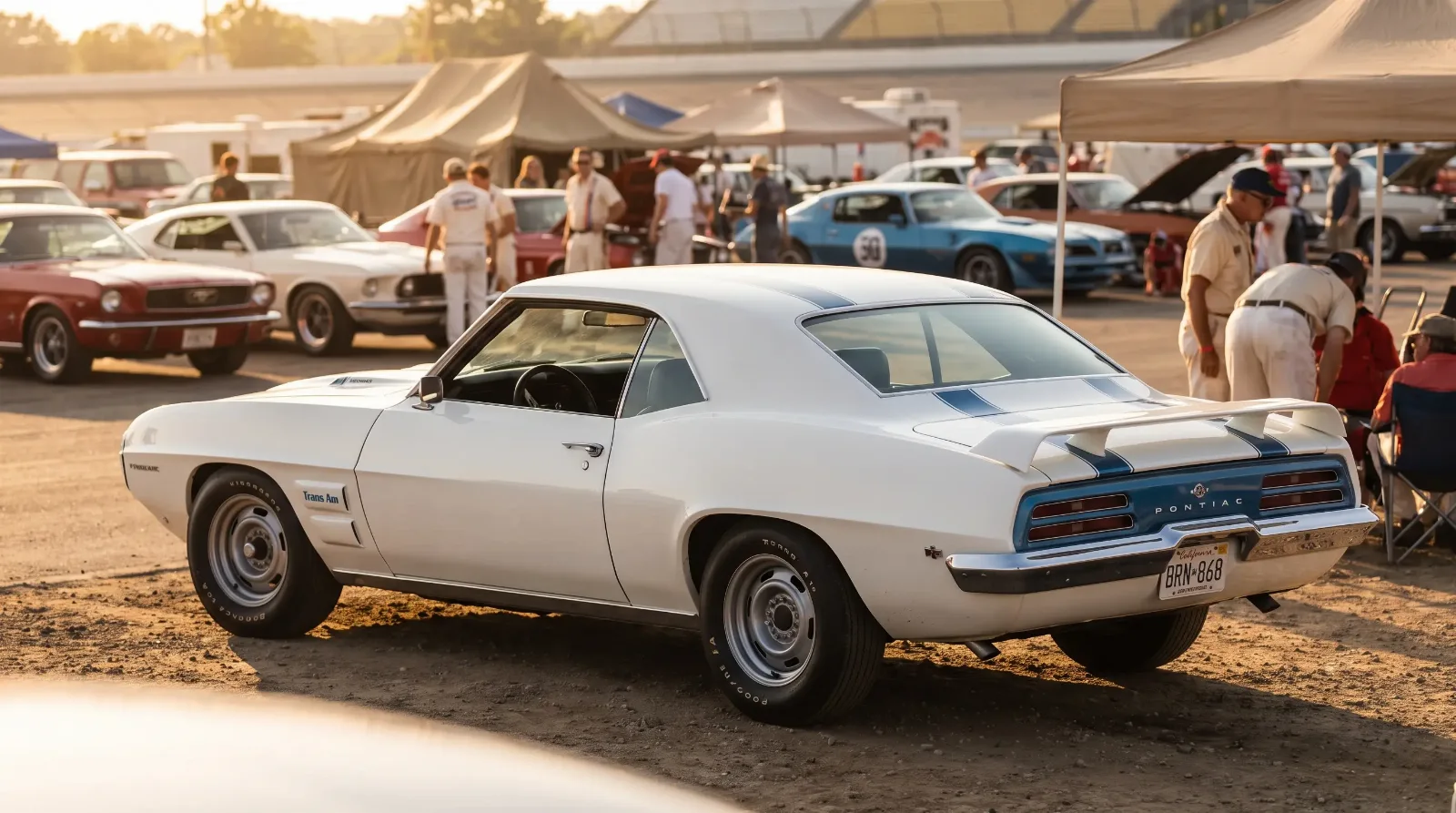
Pontiac introduced the Trans Am as a mid-year option on the Firebird for the 1969 model year, and the name itself had to be licensed from the SCCA, since the sanctioning body owned rights to the Trans-American Sedan Championship title. Pontiac paid the SCCA a royalty of about five dollars for every car sold under that name, a modest sum per unit, which is a small enough detail that it tends to get exaggerated or misquoted whenever people retell the story.
What Pontiac was buying was not a racing pedigree so much as an association. The Trans-Am series had cachet with exactly the buyer Pontiac wanted, someone who read enthusiast magazines and cared about road racing credibility, even if that buyer never once watched an actual Trans-Am race. The name did marketing work that the division's actual competition record could not have done on its own.
The gap between name and racetrack
This is the part that surprises people who assume nameplates always trail directly from a manufacturer's own racing program. Ford could point to genuine factory Mustang efforts in the Trans-Am series. Chevrolet had real factory-backed Camaro programs there too. Pontiac's Trans Am, by contrast, built its reputation almost entirely on the street, through magazine road tests, dealer showrooms, and eventually a movie career, rather than through laps turned under the Trans-Am banner itself.
That is not a knock on the car. It is a useful correction to a story that gets repeated wrong often enough that the wrong version has started to sound like common knowledge. The Trans Am name was a licensing deal and a marketing bet before it was anything else, and Pontiac's engineers spent the following decade building a car that eventually earned the reputation the name implied, even if it did not start out that way.
"I asked a longtime Pontiac club member once whether he thought the name was false advertising, given how little factory racing backed it up early on. He laughed and said the car eventually caught up to its own name, which is about the most honest answer anyone has given me on the subject."
— Patrick Walsh
How the licensing deal likely worked in practice
Manufacturer licensing arrangements of this kind were not unusual in the era, and the mechanics were typically straightforward. A sanctioning body owned the rights to a series name, and a manufacturer wanting to use that name commercially paid for the privilege, usually structured as a royalty tied to sales volume rather than a single flat fee. That structure meant the SCCA had a direct financial interest in the Trans Am selling well, which is a small irony worth sitting with, a sanctioning body built around amateur and semi-professional racing quietly profiting from a road car that, for its first several years, had almost nothing to do with the racing series carrying its name.
It is worth being honest about how much of this story circulates in slightly different versions depending on the source, with royalty figures and exact contractual terms cited inconsistently across enthusiast retellings. The broad shape of the arrangement, a paid license for use of the Trans-Am name, is well established. The precise dollar figures attached to it should be treated with some caution until traced back to a primary source.
What the name became
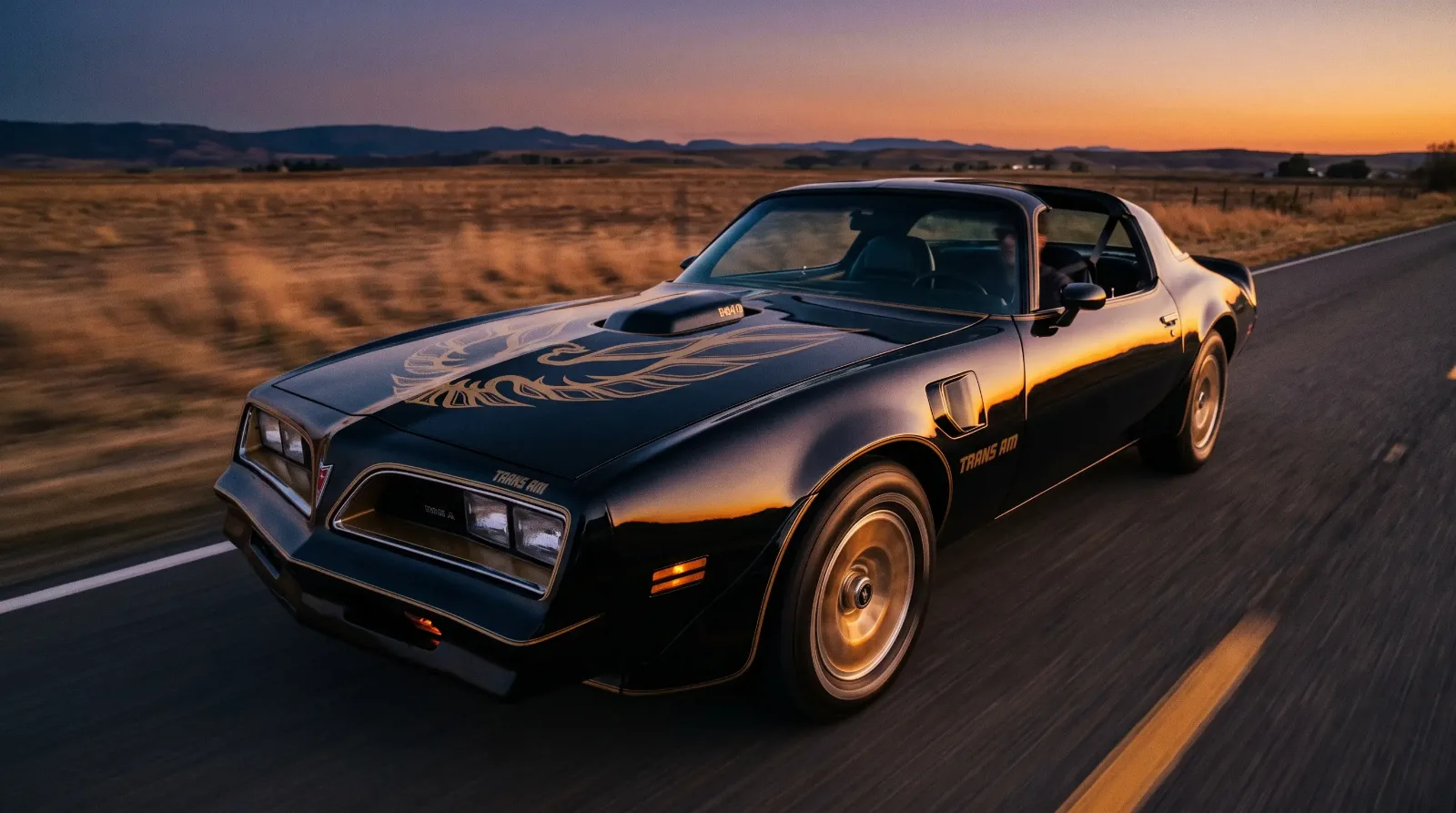
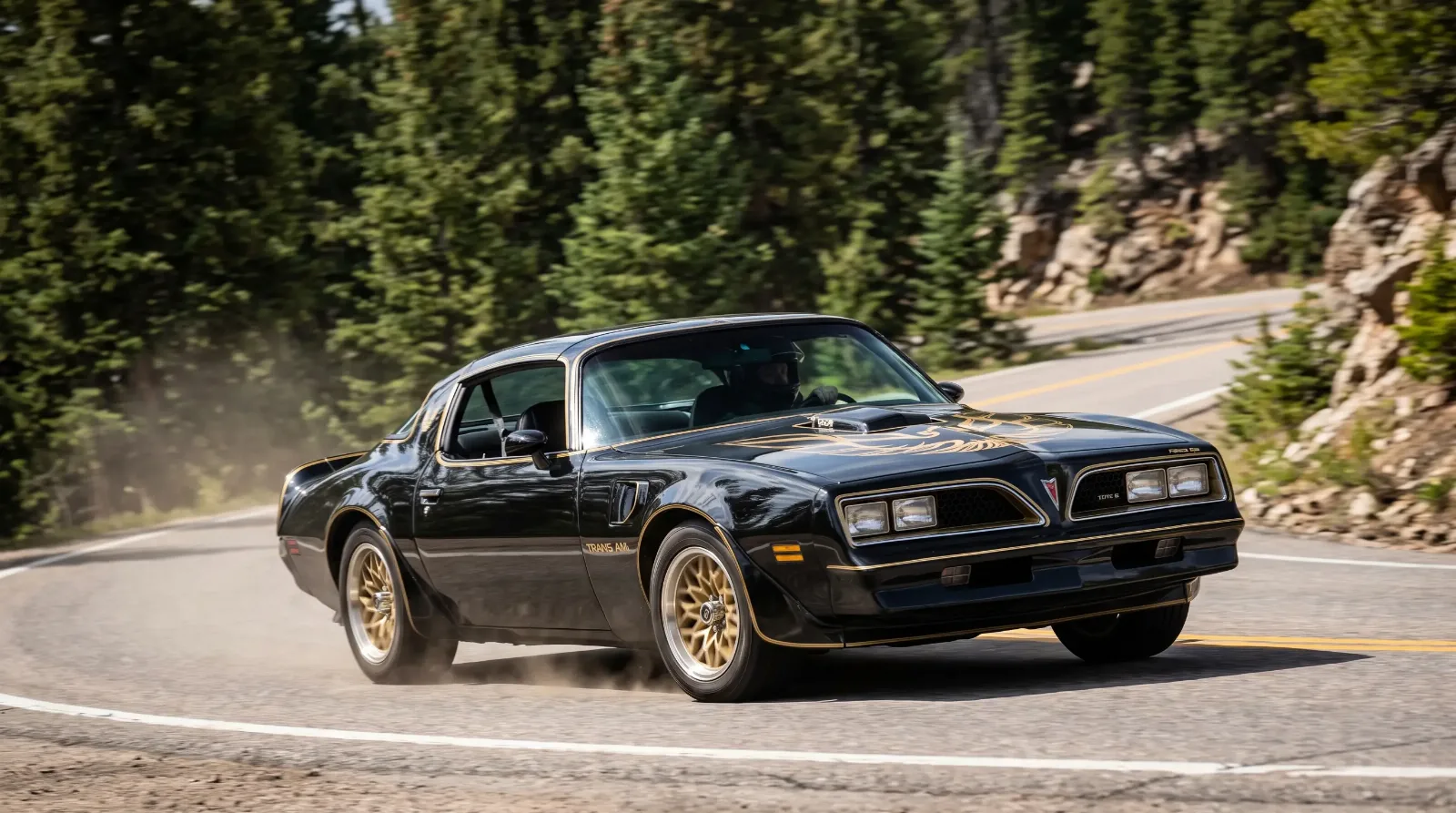
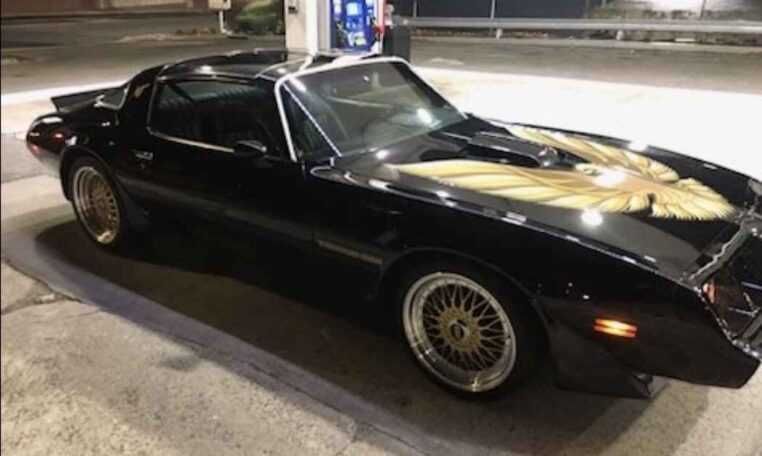
Regardless of the licensing arrangement's original terms, the Trans Am name outgrew its paperwork origins fast. Within a few years it stopped meaning "a car named after a racing series Pontiac barely entered" and started meaning something specific on its own: black and gold paint, a hood decal, a screaming engine note, and eventually a starring role that made the name recognizable to people who had never heard of the SCCA at all. For the Trans Am story in full, the arc runs from this odd licensing footnote through to the car most people picture today.
The naming story sits alongside other angles worth knowing if you are digging into this car's history, including another angle on the special editions Pontiac built once the Trans Am's identity was firmly established, and how the Firebird legend began well before Trans Am was even a word attached to it. If any of this history has you thinking about owning one, there are usually classic Trans Ams for sale worth a look.