
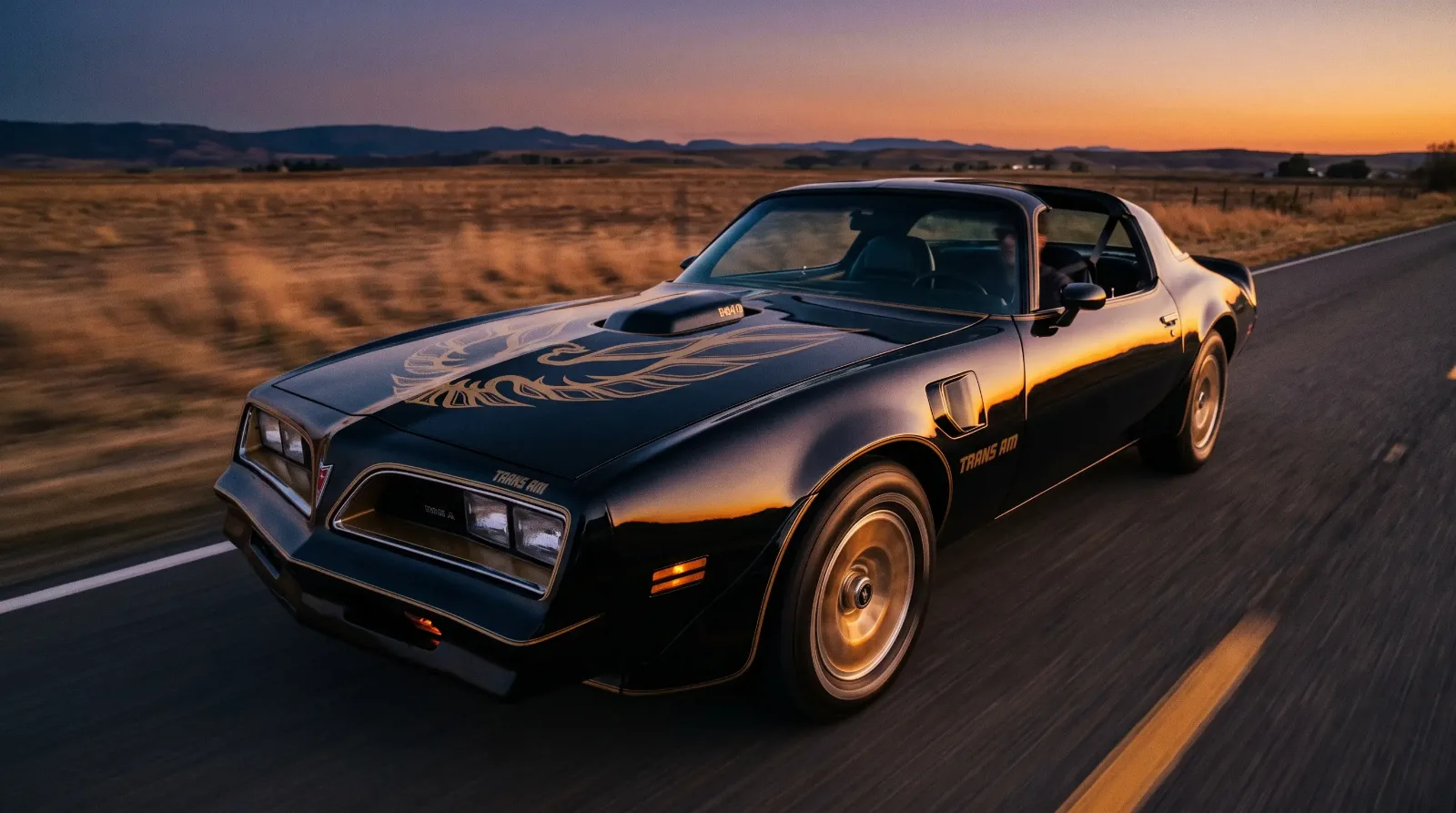
On a summer night in 1977, half of America watched Burt Reynolds drop the hammer on a black-and-gold coupe and jump a river in it. The car was a Pontiac Trans Am, and by the time the credits rolled on Smokey and the Bandit, Pontiac's dealers could not keep them on the lot. That moment tells you almost everything about why the Trans Am matters. It was fast, it was loud, and it arrived at exactly the point when every other American muscle car was either dead or dying. The muscle era had a funeral in the mid-1970s. The Trans Am skipped it.
Car Features
9 min read
The Pontiac Trans Am: America's Muscle-Era Survivor
Burt Reynolds jumped a river in one, and by 1979 Pontiac could barely build them fast enough. How the Trans Am skipped the muscle car's funeral.
The story starts eight years earlier, though, with a car almost nobody bought.
The 1969 original nobody noticed
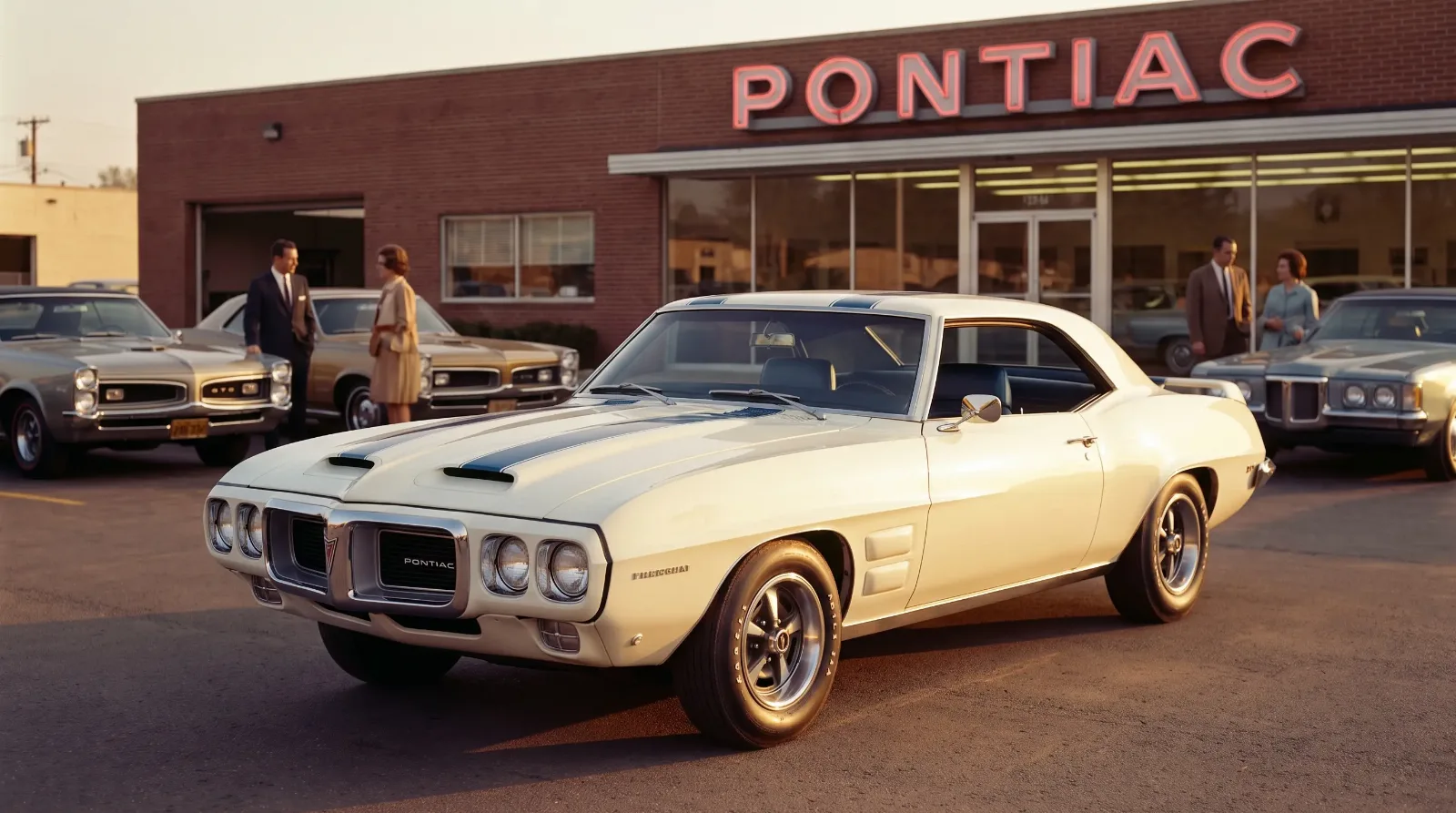
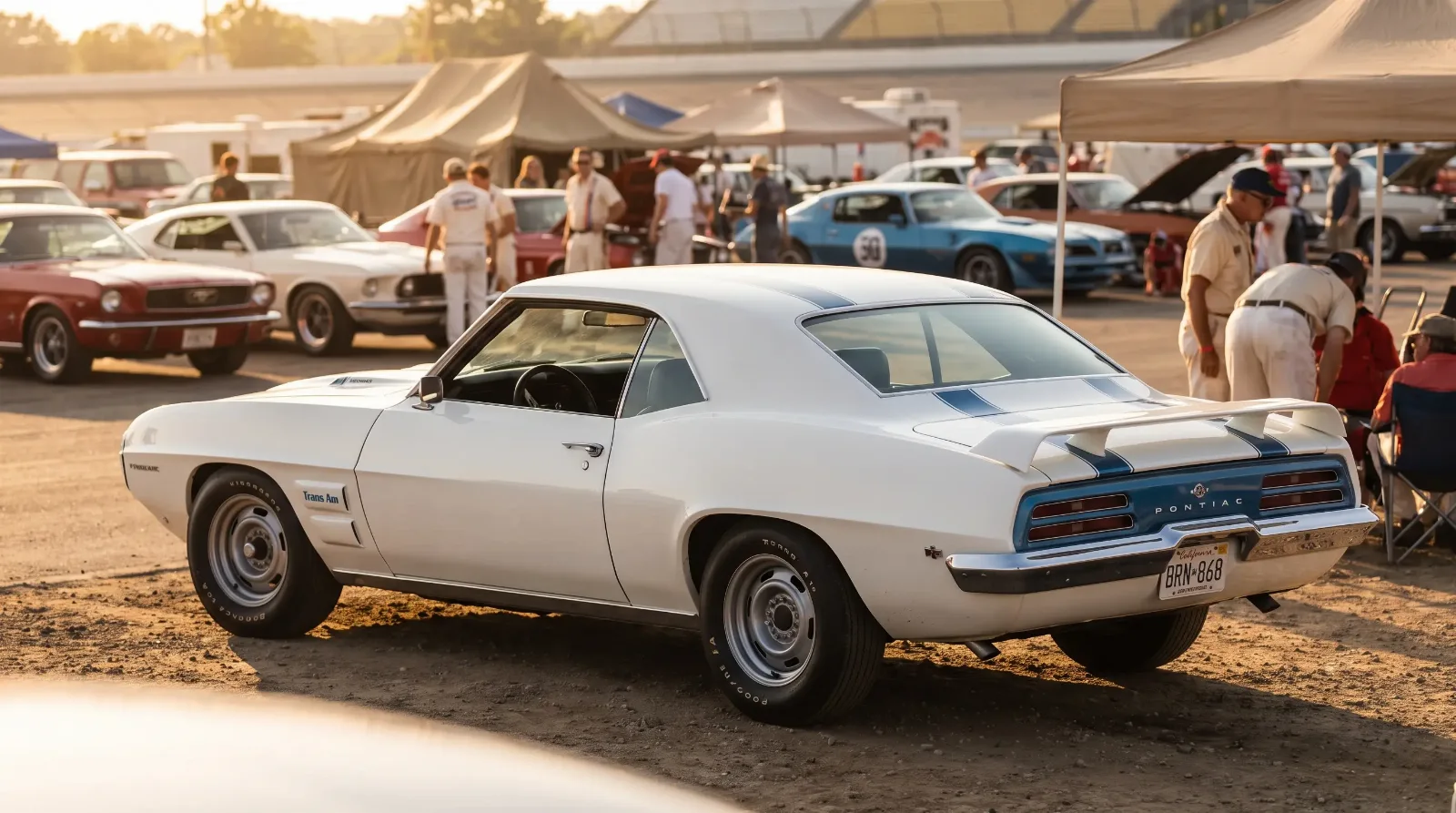
When the first Trans Am appeared in 1969, it was a footnote. Pontiac built it as a performance option package on the Firebird, named after the Sports Car Club of America racing series, and priced it as a serious buy. Pontiac sold just 697 of them that first year, and only eight were convertibles. Every one wore Cameo White paint with blue racing stripes. There was no other combination. If you wanted a 1969 Trans Am, you wanted it in white with blue stripes, and that was the end of the conversation.
Under the hood sat Pontiac's Ram Air engines, the 400 cubic inch V8 in Ram Air III trim and the rarer Ram Air IV. These were not shy motors. The Ram Air IV was rated at 345 horsepower, though anyone who drove one suspected Pontiac was being modest, since the same engine was rated at 370 horsepower in the 1969 GTO. The irony is thick in hindsight. The car that would go on to become the defining American performance machine of the 1970s sold in numbers you could count at a single car show. Collectors now chase those first-year cars hard, precisely because so few exist. If you want the whole arc of the nameplate that spawned it, the full Firebird story runs from this same 1967 launch through three decades of change.
The SD455 and the last real muscle car
By 1973, the muscle car was supposed to be finished. Insurance surcharges had gutted the market, unleaded fuel and emissions rules were closing in, and compression ratios were falling across the industry. Detroit was retreating. Pontiac, stubbornly, went the other way and built the Super Duty 455.
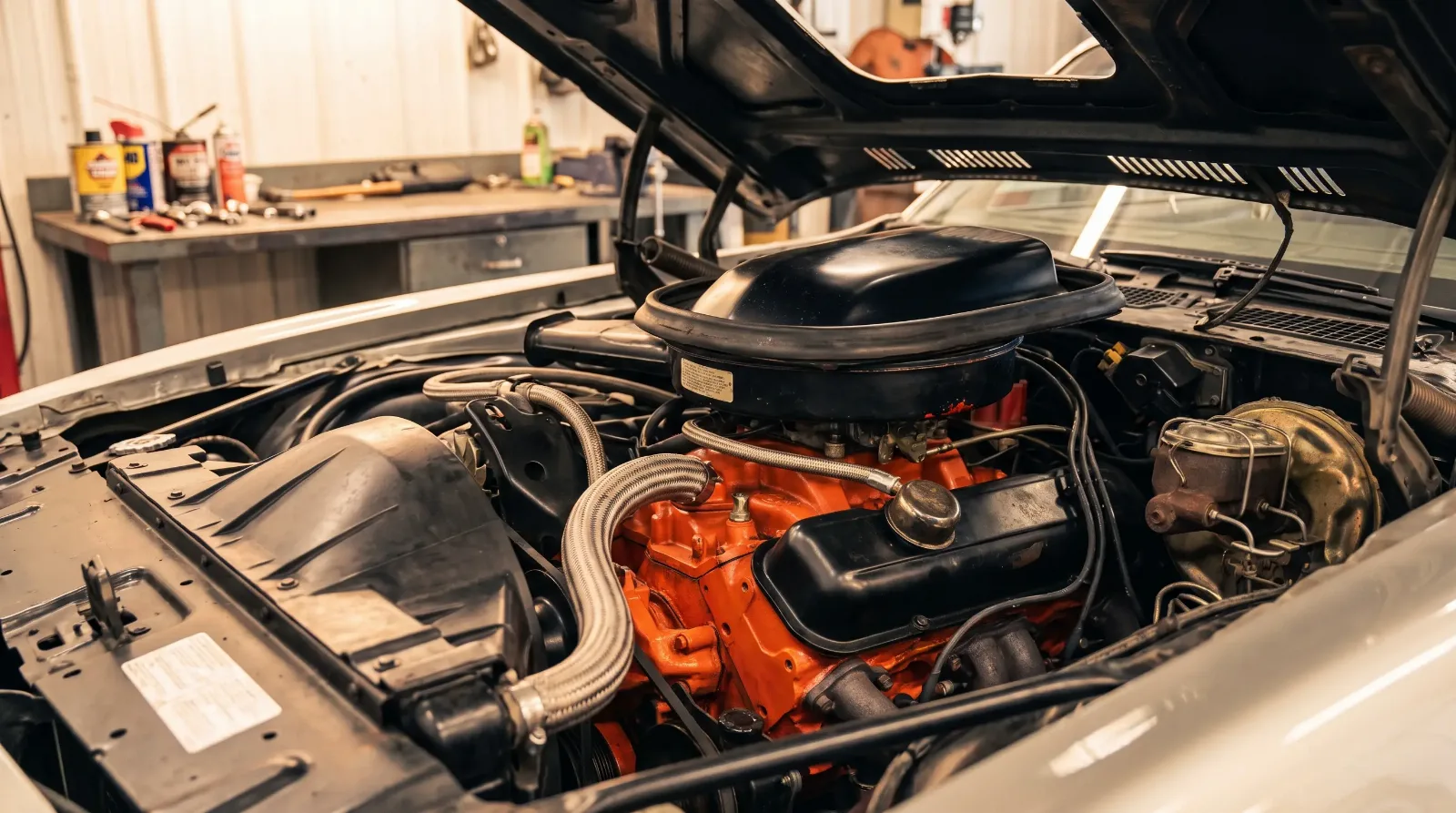
The SD455 was a genuine race-derived engine dressed for the street. It had a strengthened block, forged internals, and provision for dry-sump oiling that most buyers never used. Pontiac rated it at roughly 290 to 310 horsepower net depending on the model year, a figure that sounds tame until you remember these were the honest net numbers of the emissions era, not the inflated gross ratings of 1969. In a straight line, a Super Duty Trans Am would run with almost anything from the golden age. It is the reason so many people call the SD455 the last real muscle car. It was the final American engine of the period designed to make big power without apology, and it lasted only two model years, 1973 and 1974, in tiny numbers.
Those cars are the crown jewels of the breed now. A documented, numbers-correct Super Duty is a six-figure car on a good day, and the market treats it as the punctuation mark at the end of the muscle era. Everything after it was survival.
The 6.6 litre years and a car that got slower and more popular
Here is the strange part. As the Trans Am got slower through the middle of the decade, it got more popular. A lot more popular. Pontiac sold a few thousand Trans Ams a year in the early 1970s. By 1979 it was selling well over a hundred thousand, with Pontiac moving 117,078 Trans Ams that year alone. The performance numbers went down and the sales chart went nearly vertical.
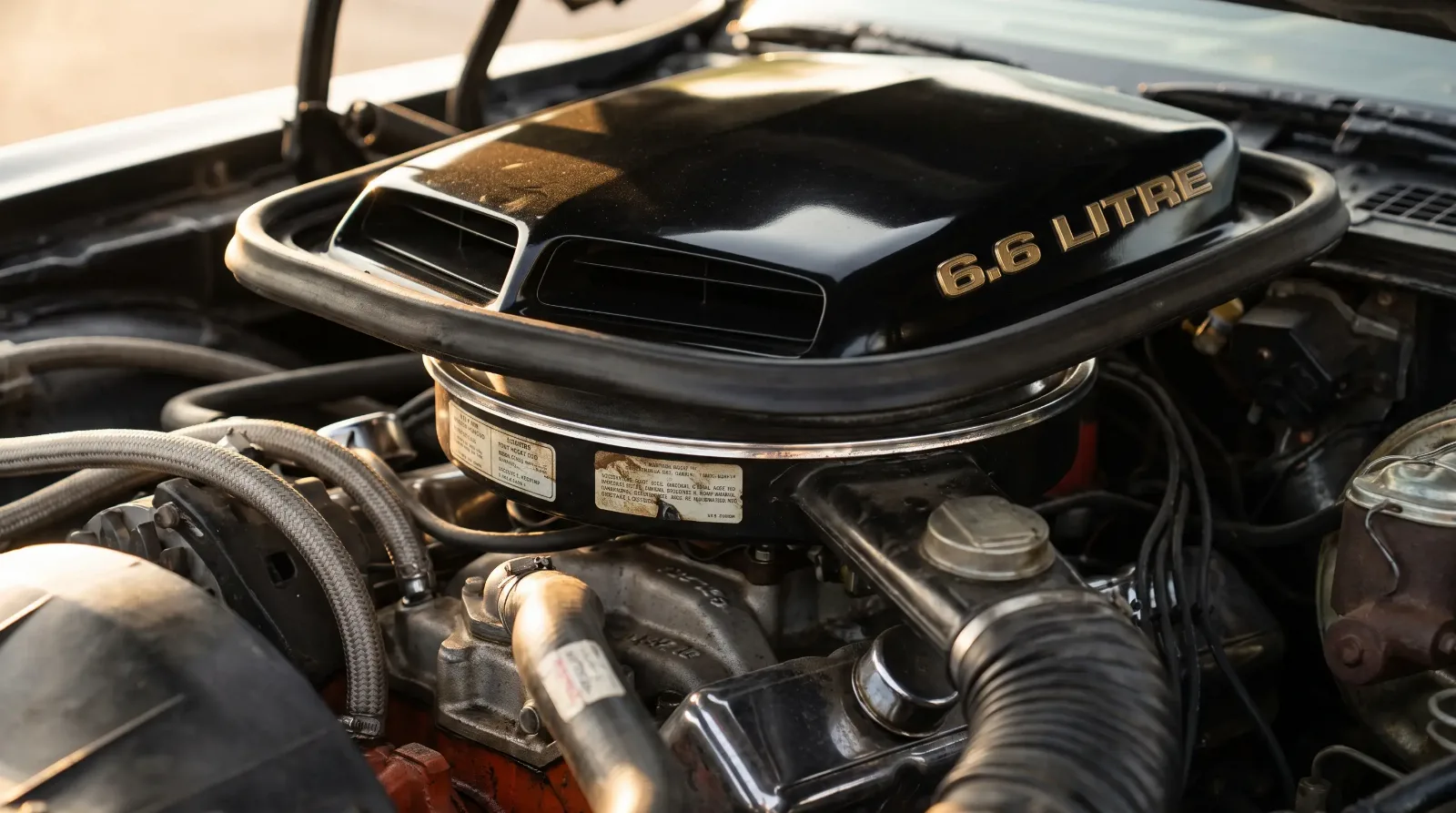
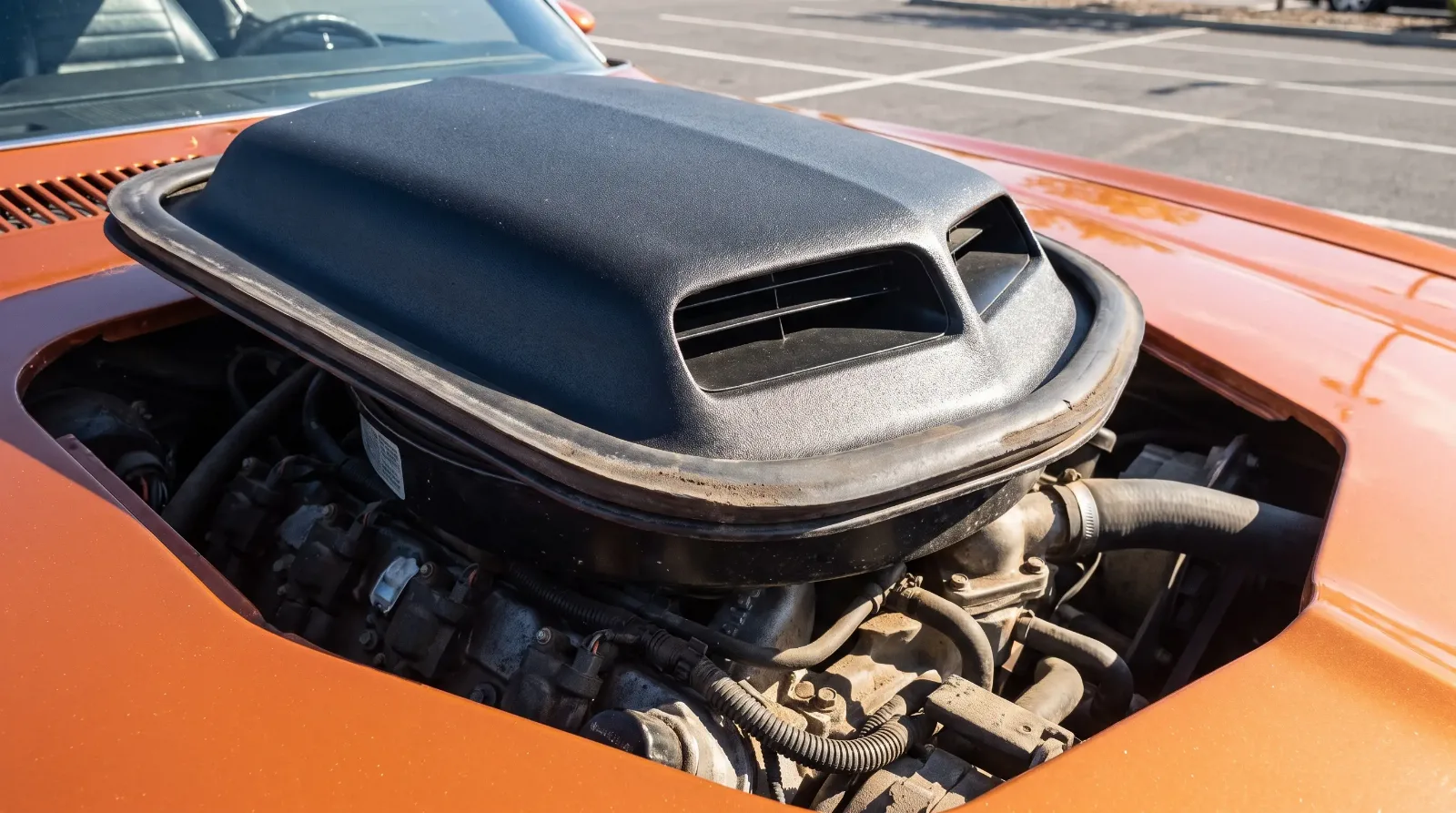
The engines of this stretch wore metric badges. The "6.6 litre" call-out on the shaker hood referred to the 400 cubic inch Pontiac V8, and when supply of that engine ran short, Pontiac fitted a 403 cubic inch Oldsmobile motor in some cars. Enthusiasts learned to read the difference, because the Pontiac 400 was the one you wanted and the Olds 403 was the one you got stuck with in California, where emissions rules pushed it in. Power ratings hovered around 180 to 220 horsepower depending on the year and engine, a fraction of what the SD455 made. Nobody seemed to care. The Trans Am had become a look, a sound, and a piece of pop culture, and that turned out to matter more than a dyno sheet.
"The Trans Am survived the muscle era for a reason no engineer could have drawn up on paper. It stopped being just a fast car and became a character. You did not buy one because of the horsepower rating. You bought one because of what it said about you the second you turned the key."
Patrick Walsh
The black-and-gold Special Edition and Hollywood
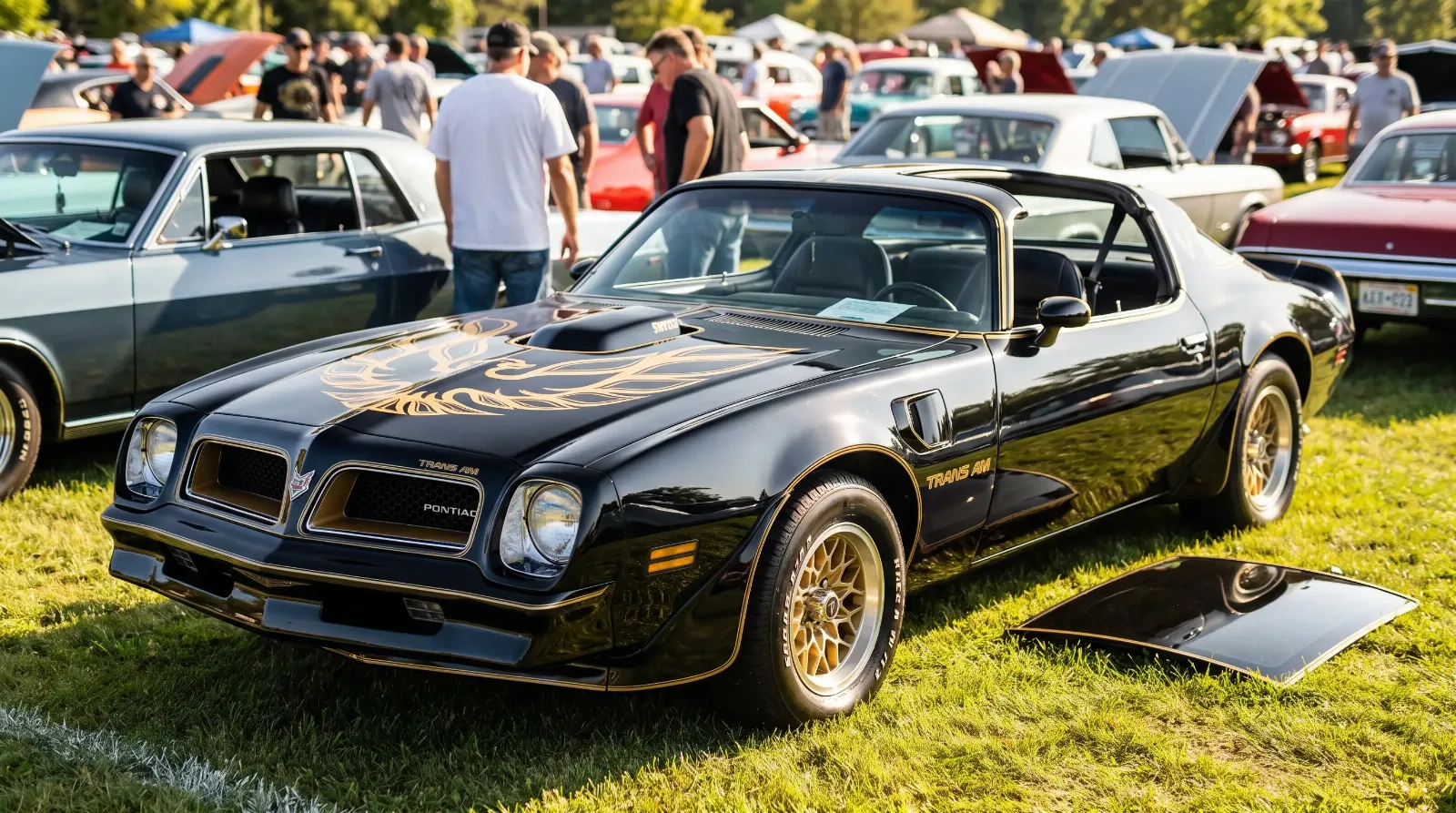
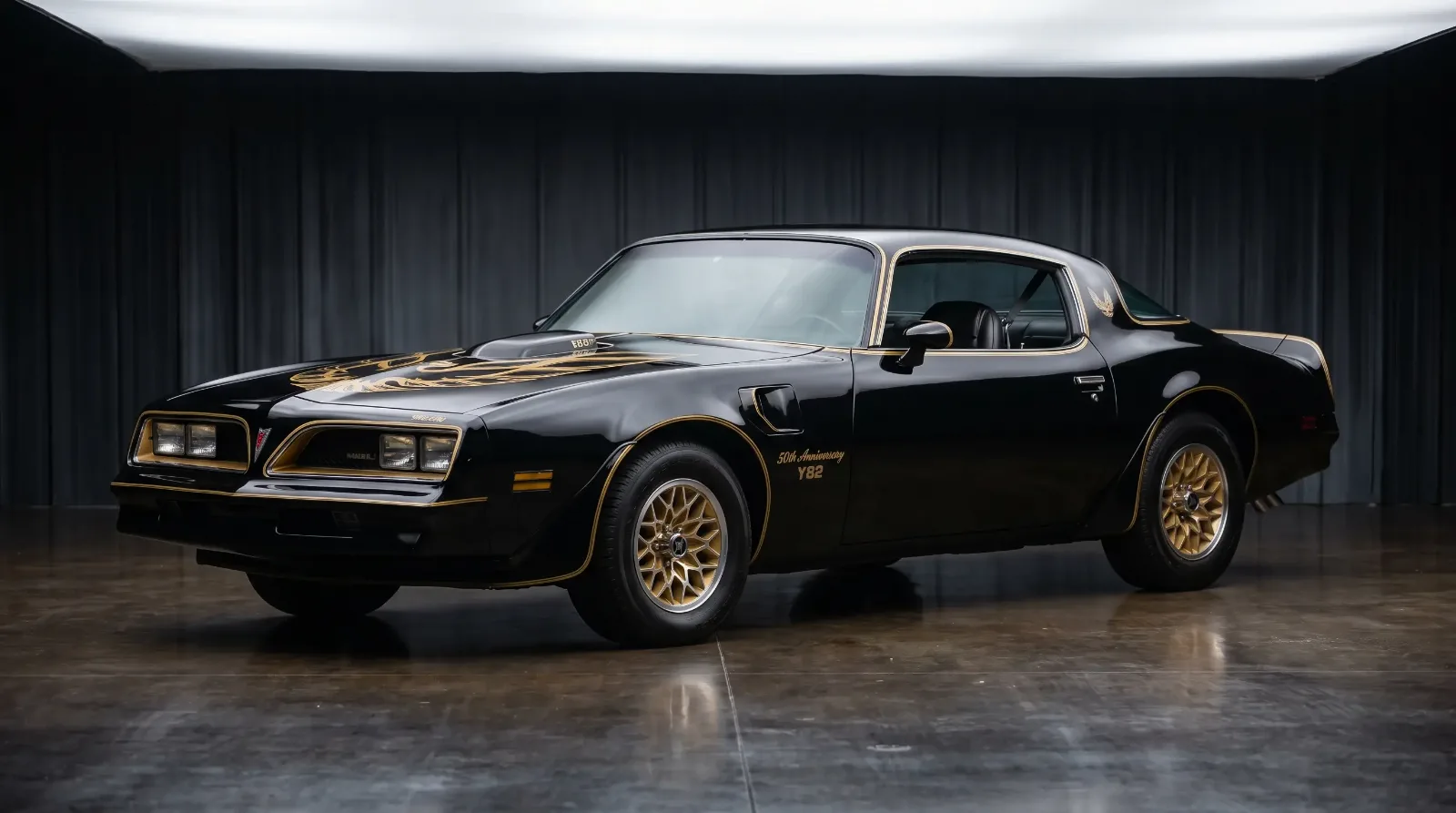
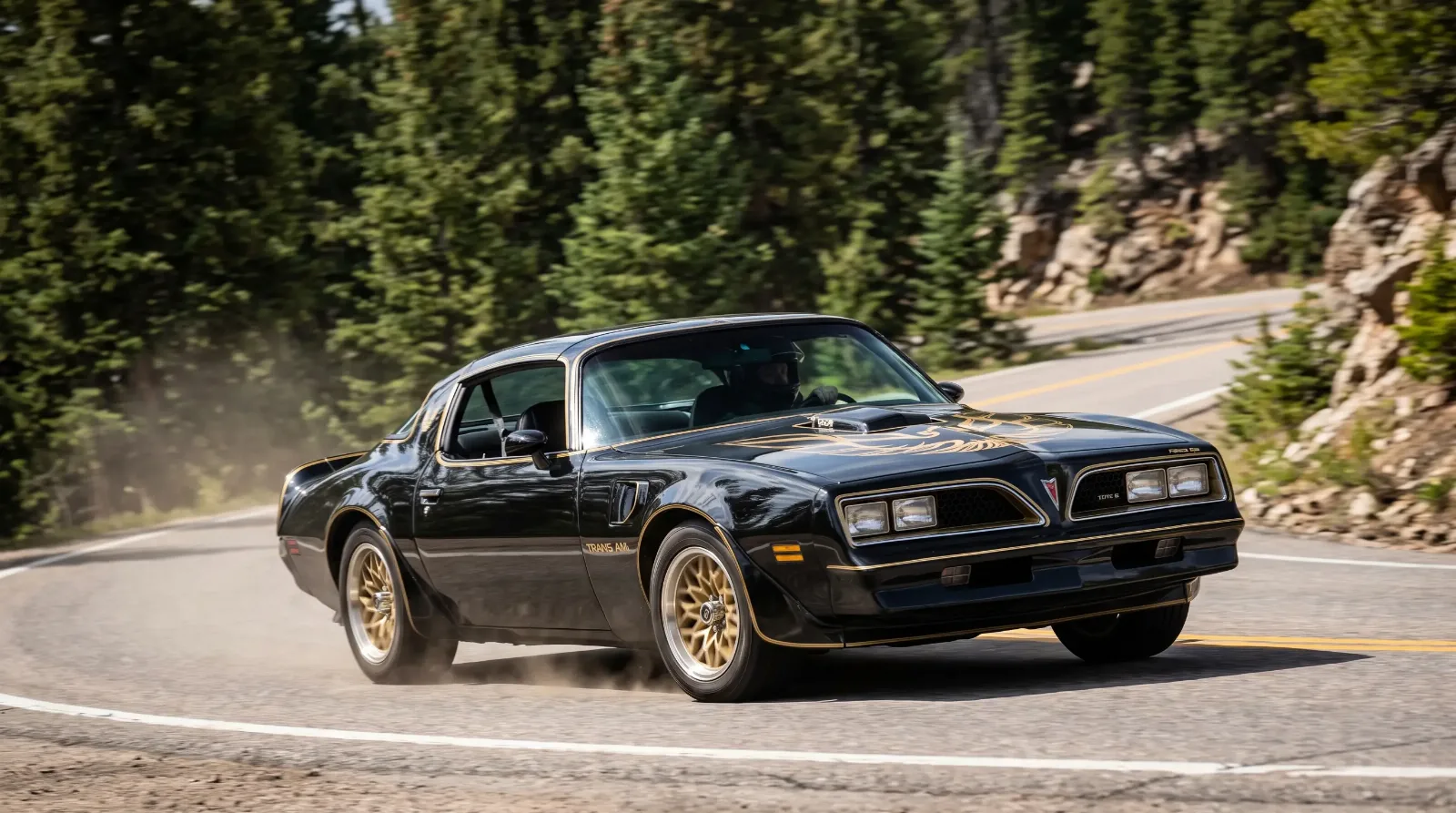
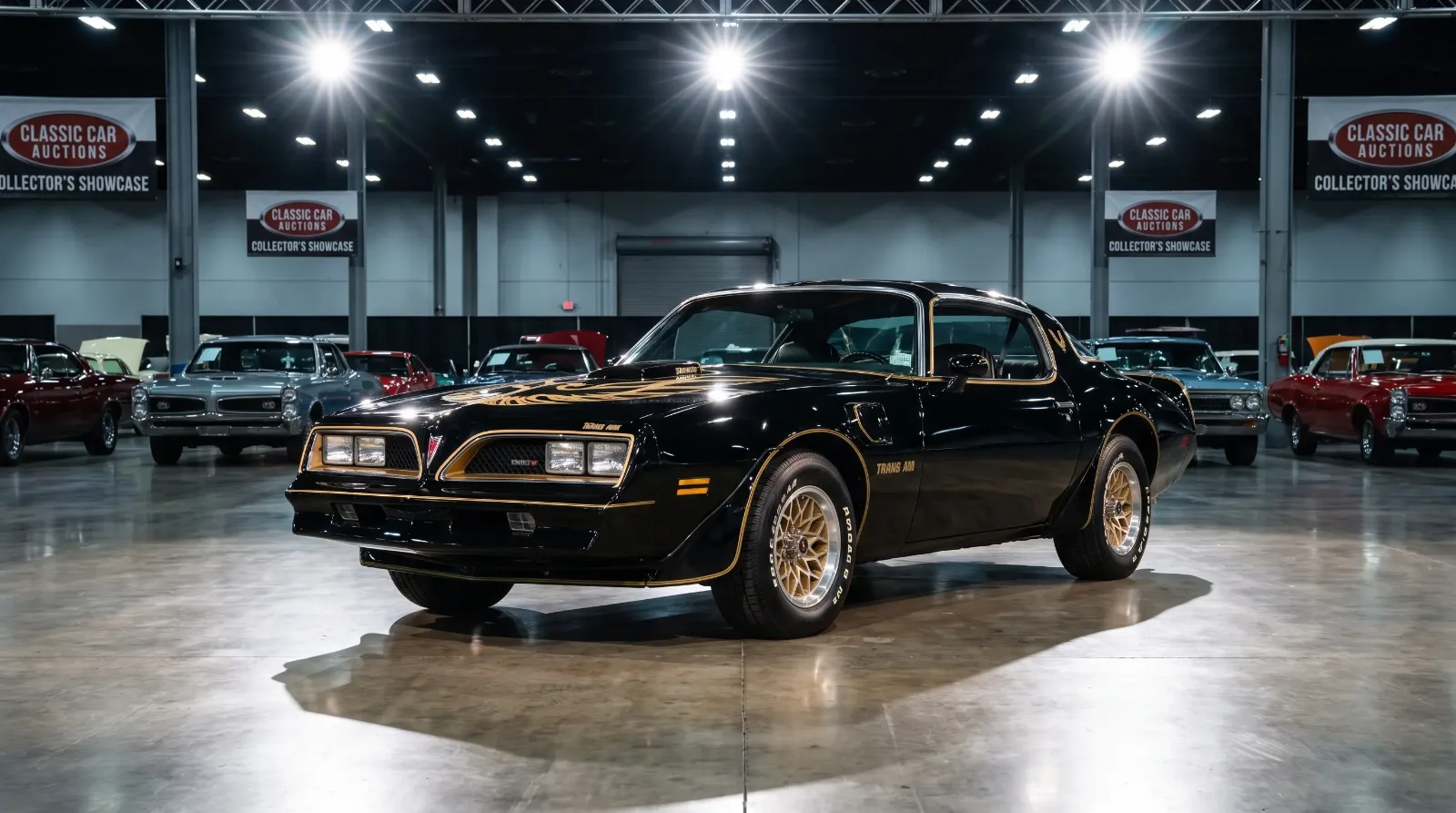
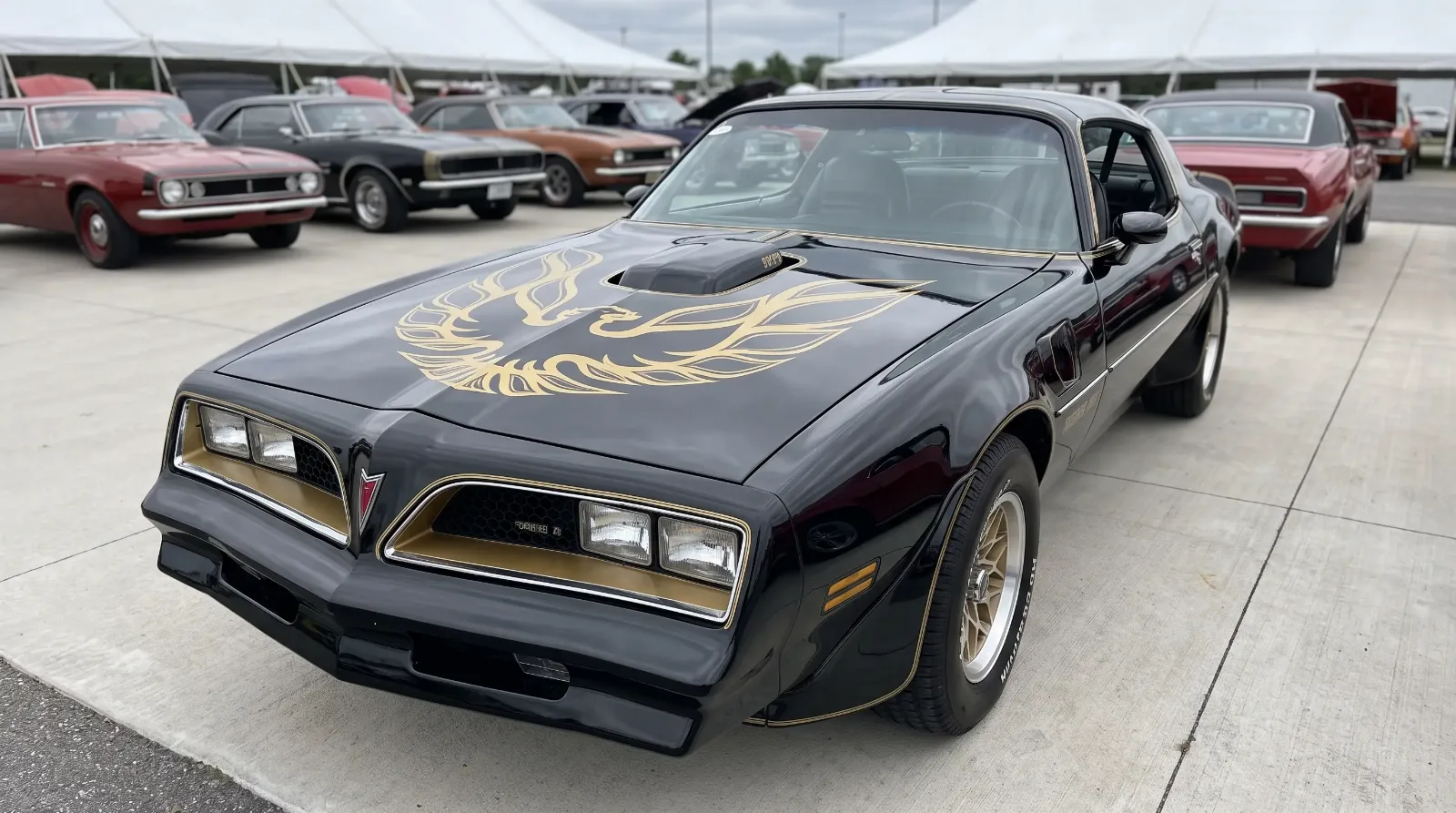
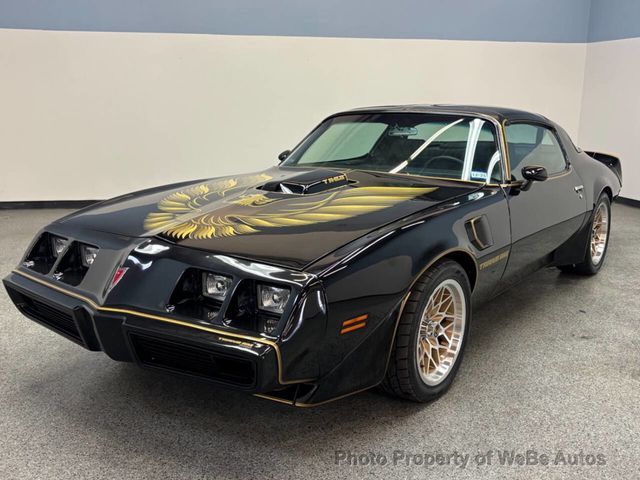
The car Burt Reynolds drove was the Special Edition, the black-and-gold combination that became the most recognizable American performance car of its decade. Pontiac had introduced the black-and-gold treatment in 1976 to mark its fiftieth anniversary, with gold snowflake wheels, gold pinstriping, and the big screaming chicken decal spread across the hood. Then Smokey and the Bandit came out in 1977, and the Special Edition stopped being a trim option and became a cultural object.
Dealers reported buyers walking in and asking for "the Bandit car" by name. Pontiac obliged, offering the Y82 (t-top) and Y81 (hardtop) Special Edition packages that gave the public exactly the coupe from the movie. It is one of the clearest cases in automotive history of a film selling a car. The Trans Am was already doing well. After the Bandit, it was a phenomenon, and the black-and-gold scheme remains the color most people picture when they hear the name.
WS6, the turbo, and learning to corner
Straight-line speed was only part of the plan for the second half of the Trans Am's run. In 1978 Pontiac introduced the WS6 package, a genuine handling upgrade with stiffer springs, larger sway bars, better wheels and tires, and quicker steering. It was the first real acknowledgment that a Trans Am should be able to turn as well as go, and the WS6 cars are the ones driving enthusiasts still seek out, because they change the character of the machine from a boulevard cruiser to something you can actually hustle.
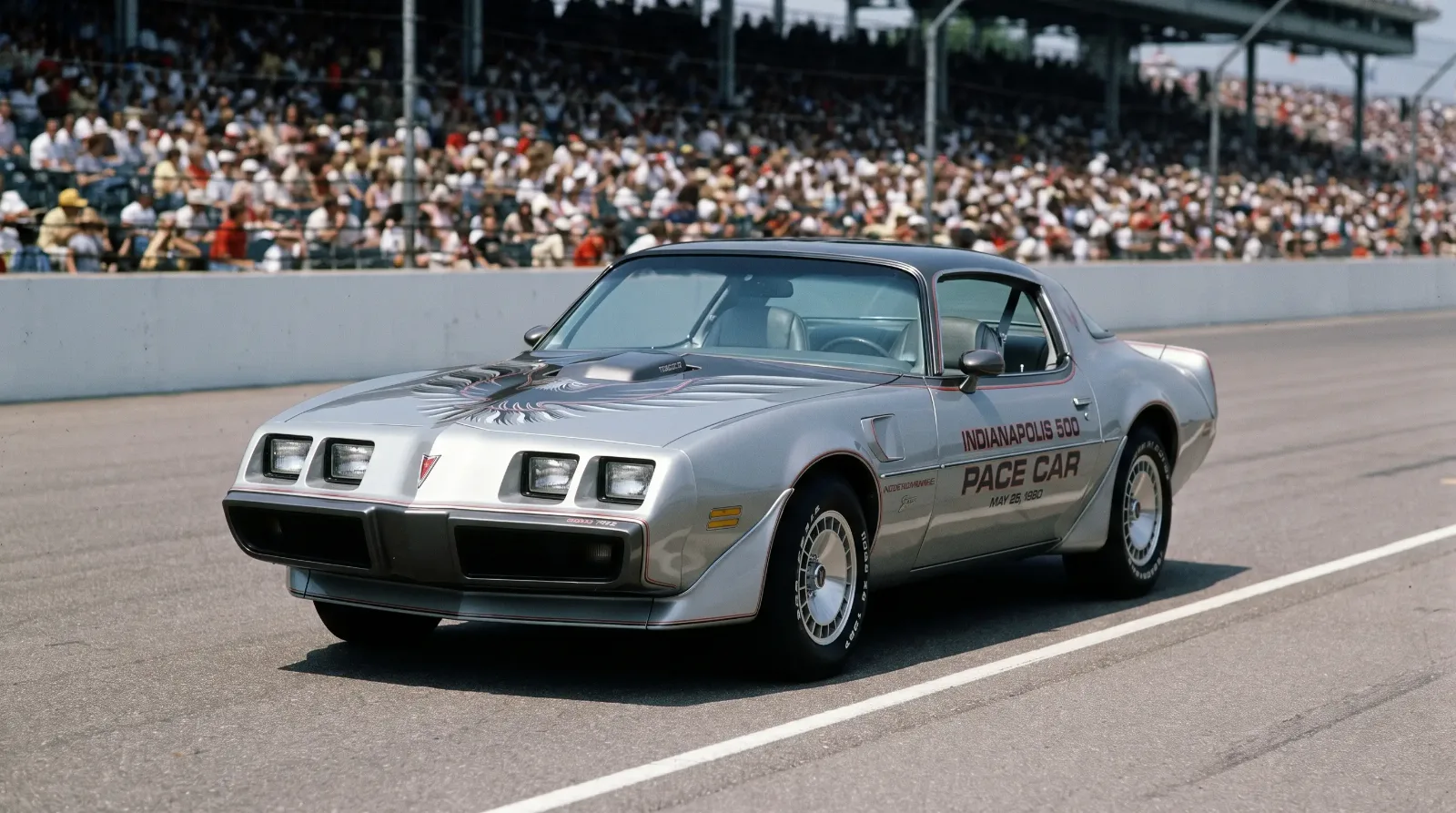
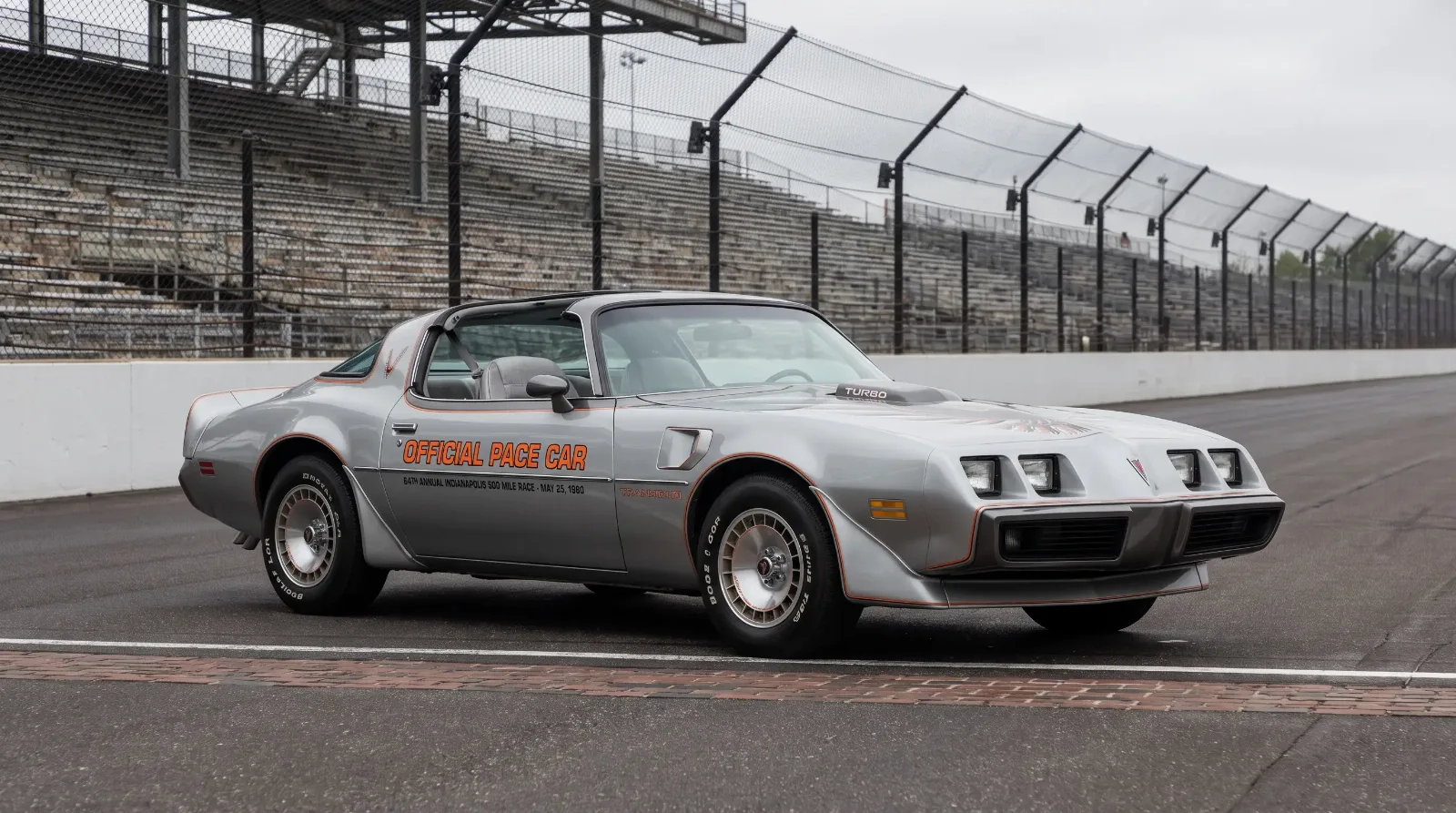
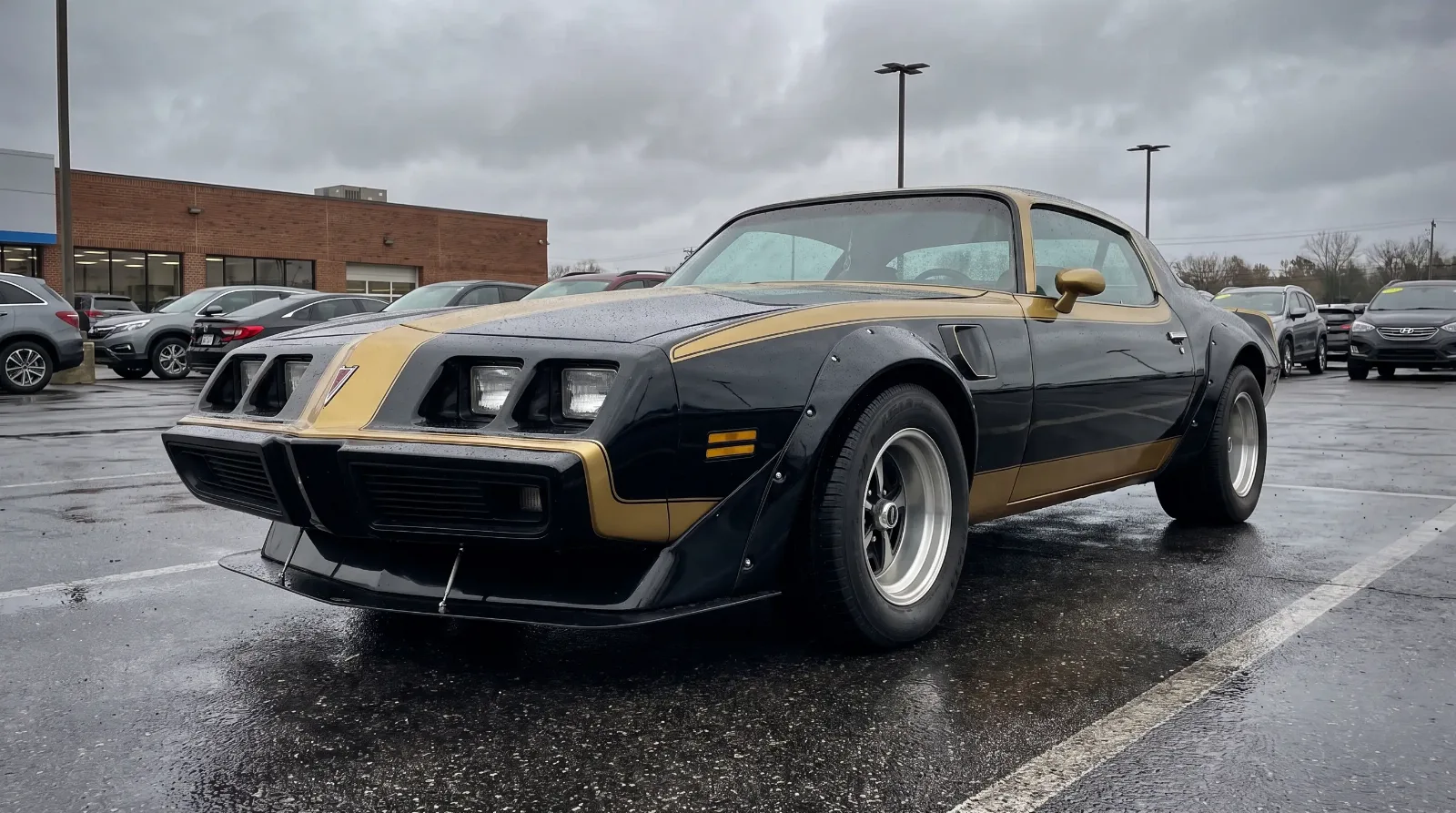
Then came the turbo. With the big Pontiac V8s falling to emissions rules, Pontiac turbocharged a 301 cubic inch engine for 1980 and 1981, badged as the Turbo Trans Am. On paper it was a clever answer to a hard problem, a way to keep the performance image alive with a smaller, cleaner engine. In practice the turbo motor was fragile and the power came on late, and the turbo cars have a mixed reputation among people who owned them. Still, it was the pace car at the 1980 Indianapolis 500, and it kept the Trans Am relevant into a decade that had little patience for the old formula. You can find these later cars, along with the whole spread of coupes, among the classic Trans Ams for sale that keep the second-generation story alive.
| Era / Variant | Years | Engine | Notes |
|---|---|---|---|
| First Trans Am | 1969 | 400 Ram Air III / IV | 697 built, white with blue stripes only |
| Super Duty 455 | 1973 to 1974 | SD455 V8 | ~290 to 310 hp net, the last real muscle car |
| 6.6 Litre era | 1977 to 1979 | 400 Pontiac / 403 Olds | Sales peak, roughly 180 to 220 hp |
| Bandit Special Edition | 1976 to 1981 | varies | Black and gold, Y81 / Y82 packages |
| Turbo Trans Am | 1980 to 1981 | 301 turbo V8 | 1980 Indy 500 pace car |
Why the Trans Am outlived the muscle era
Every other muscle car of the classic period either died or was diluted into a stripe-and-badge shadow of itself. The GTO faded. The Chevelle SS name drifted away. The big-block Mopars became legends precisely because they stopped being built. The Trans Am did the opposite. It got slower, then it got popular, then it learned to handle, then it turbocharged its way into the 1980s, and it never once left the showroom floor for long.
The reason is that the Trans Am was never only about the numbers. It was about identity. It had a shape you could recognize from a block away, a decal that turned heads whether you loved it or hated it, and a starring role in one of the most-watched films of its decade. When the horsepower dried up, the personality carried it. That is a rare thing for a performance car, and it is why the Trans Am is the survivor of its generation rather than a casualty of it. If you are working your way through the family tree, there is another Firebird worth knowing that ran alongside the Trans Am and tells a quieter, more affordable version of the same story.
The muscle era ended for almost everyone in the mid-1970s. The Trans Am just refused to accept the news, and half a century later it is still the car people picture when they think of a black hood, a golden bird, and the sound of an American V8 with somewhere to be.
Sources and notes
- Hitman's Pontiac Trans Am Site: Production Numbers
- ThrottleXtreme: 1969 Trans Am Convertible Production
- Hagerty Media: 1969 Ram Air IV Trans Am
- Horsepower Memories: 1973-1974 Pontiac Super Duty 455
- Motorious: Black & Gold Trans Am History (Y82, Y84, Bandit)
- Hitman's Pontiac Trans Am Site: WS6 and WS7 Packages
Related Reading
Article
The Pontiac Firebird Story: From 1967 to the Screaming Chicken
Article
Second-Generation Firebird 1970-1981: The Definitive Bird
Article
The Firebird Formula: Muscle Without the Wing
Article
The 1969 Trans Am: Where the Legend Started
Article
The SD455: The Last Real Muscle Car
Article
The 6.6 Litre Era
Article
The Black and Gold Special Edition
Article
The Turbo Trans Am 1980-81
Article
The Trans Am Pace Cars
Article
The 1976 50th Anniversary Y82
Article
WS6 and the Handling Legend
Article
The Trans Am Name and the SCCA Fight
Article
The Macho and Pro-Stock Specials
Article
The Engine-Turned Dash and TA Interior
Article
Trans Am Values Today
Article
The Shaker and Ram Air on the TA
Article
The Recaro Trans Am
Article
Why the Trans Am Outlived the Muscle Era
Have a
Pontiac Firebird
for Sale?
Reach thousands of serious classic car collectors across the US.
Sell It Here →
Are You a Classic Car Dealer?
List your full inventory and connect with targeted classic car buyers.
Join as a Dealer →
#Muscle Cars
#pontiac firebird
#1970s cars
#classic pontiac
#Smokey and the Bandit
#sd455
#pontiac trans am

About the author
Patrick Walsh
Automotive journalist covering classic car shows, events, and the enthusiast community across North America.
Related Listings - Pontiac Firebird
Comments
Be the first to comment on this article.