For much of the badge-engineered era, a Bentley and its Rolls-Royce twin were, mechanically, close to the same car. They shared an engine, a floorpan, a gearbox, and most of the body. And yet, in the used market especially, the Bentley has frequently traded for less. That gap has puzzled buyers for decades, because on paper the two cars offer nearly identical engineering. The answer has little to do with what the cars are and a great deal to do with what the badges signaled and how the market has priced that signal over time.
This is worth getting right, because the price difference is not a myth and it is not random. It follows a logic that any buyer can use to their advantage, provided they understand where the discount comes from and, just as important, where it does not. The pattern sits inside the sibling rivalry explained, which is really a story about brand perception as much as machinery.
The cars really were nearly identical
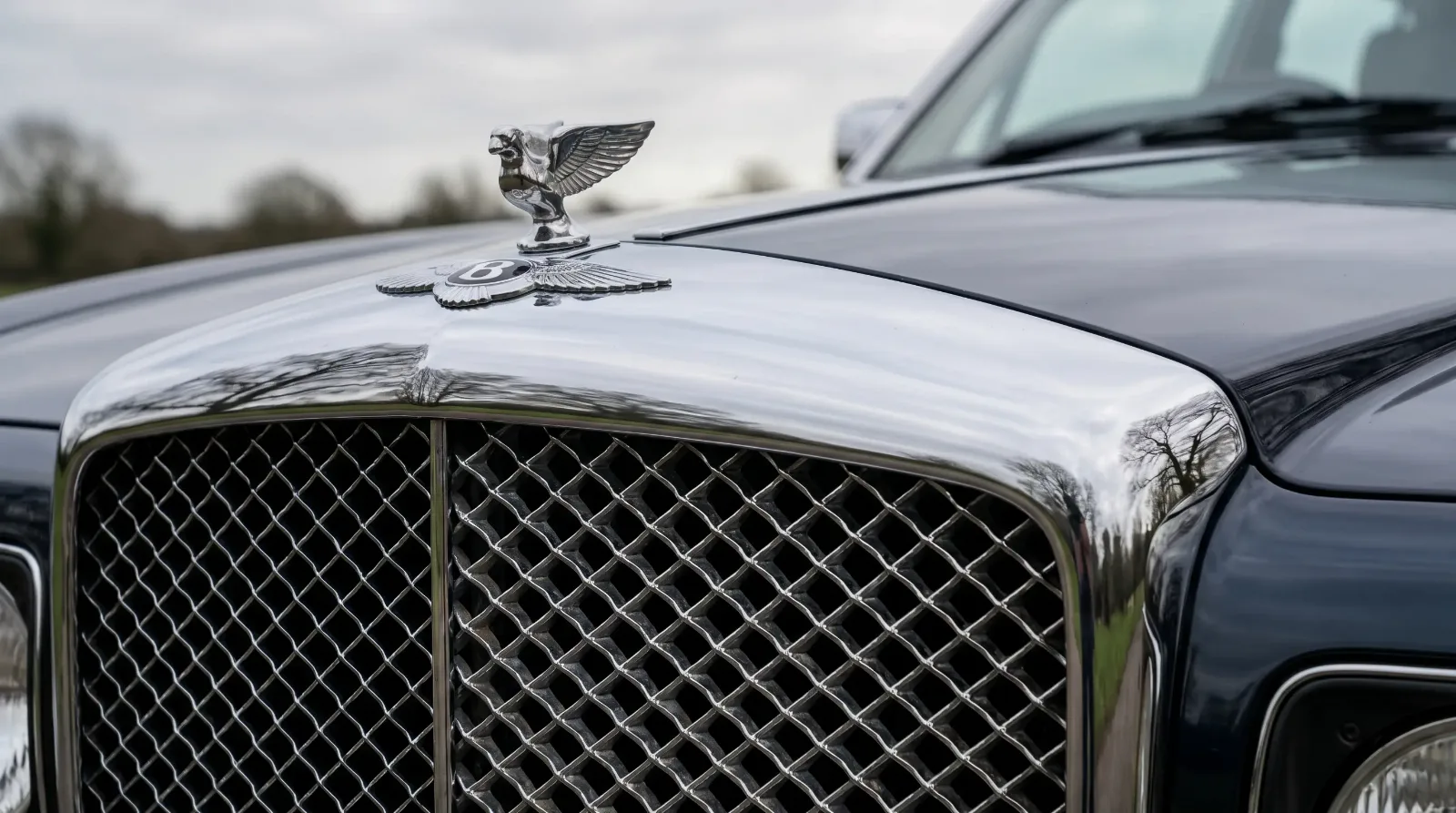
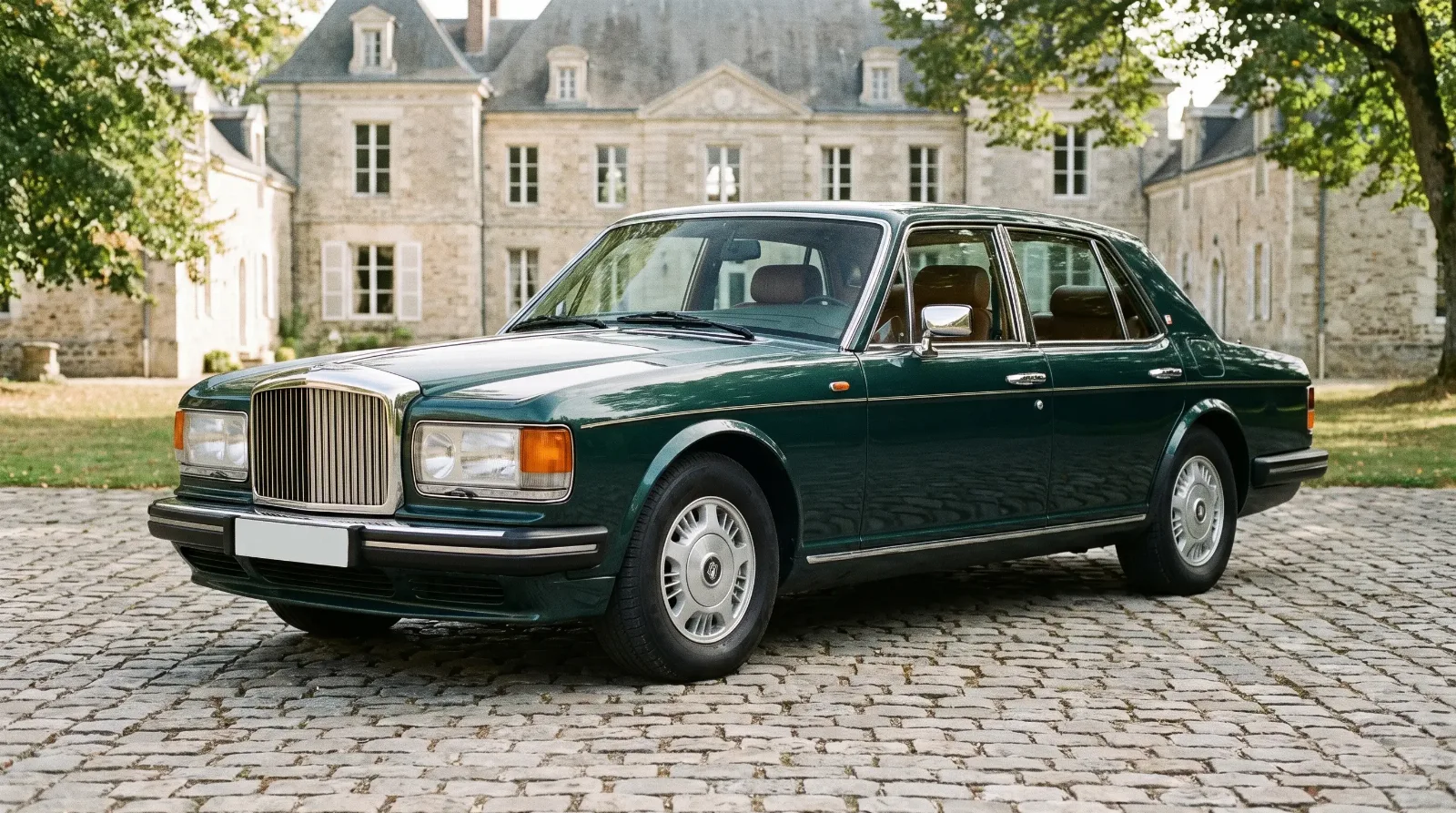
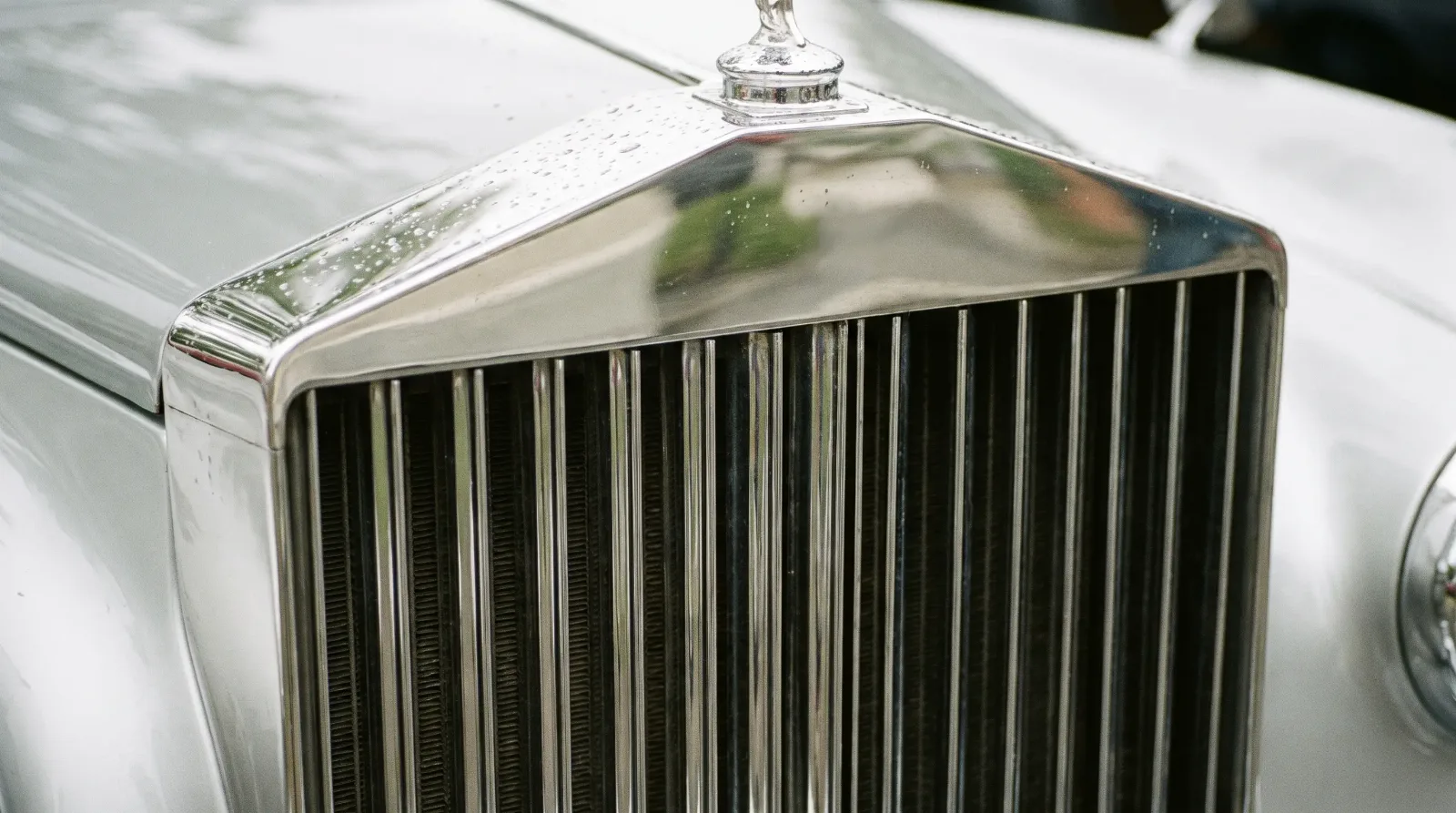
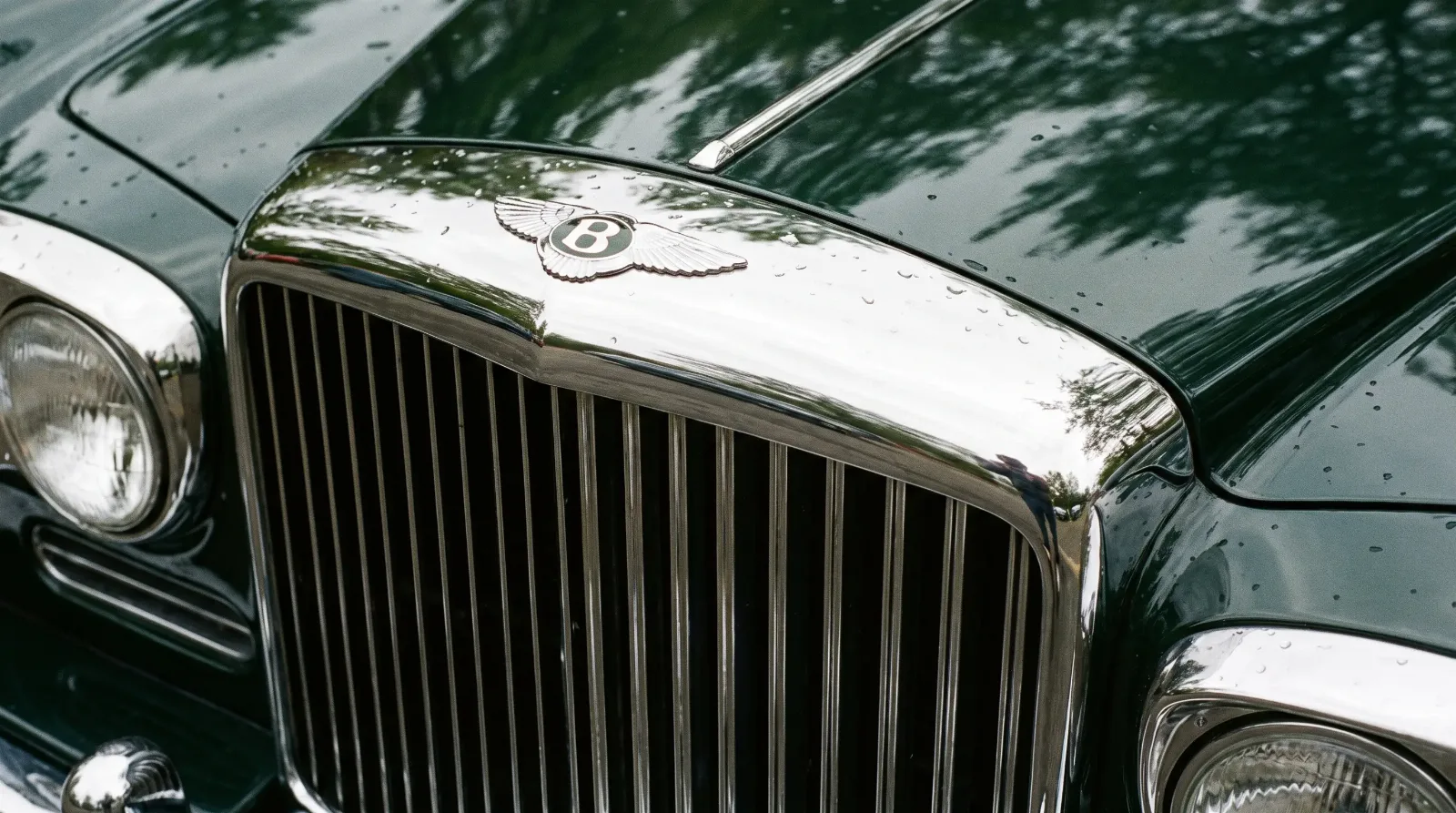
Through the postwar decades, particularly across the Silver Cloud and Bentley S-Series, and later the Silver Shadow and Bentley T-Series, the two marques shared the fundamental hardware. The engine, whether the inline-six of the earlier cars or the aluminum V8 introduced in 1959, was common to both. So were the running gear and the bulk of the bodyshell. The visible differences came down to the radiator grille, the Rolls-Royce being the tall Parthenon shape and the Bentley a rounder matrix, along with badging and minor trim.
That near-identity is exactly why the price gap is interesting. If the cars are the same underneath, a difference in value has to come from somewhere other than the metal. It comes from demand, and demand was shaped by what each badge meant to the buyers of the day.
Where the discount came from
Rolls-Royce, in the chauffeur-driven era, carried the stronger prestige signal. It was the name a buyer chose when the point was to be seen owning the best. That prestige translated into stronger demand and, over the life of the car in the used market, better price retention. The Bentley, sold to a subtler buyer who wanted the same car without the announcement, drew a smaller pool of demand. Fewer buyers competing for a car pushes prices down, regardless of engineering.
Production volume reinforced the effect. In many of these badge-engineered years the Rolls-Royce badge outsold the Bentley by a wide margin, so the Bentley was often the rarer of the two on the road yet the cheaper on the used market, because rarity without demand does not lift prices. Depreciation compounded it. A Bentley that cost roughly the same when new tended to shed value faster secondhand, so the gap that was small at the showroom widened as the cars aged into the used market.
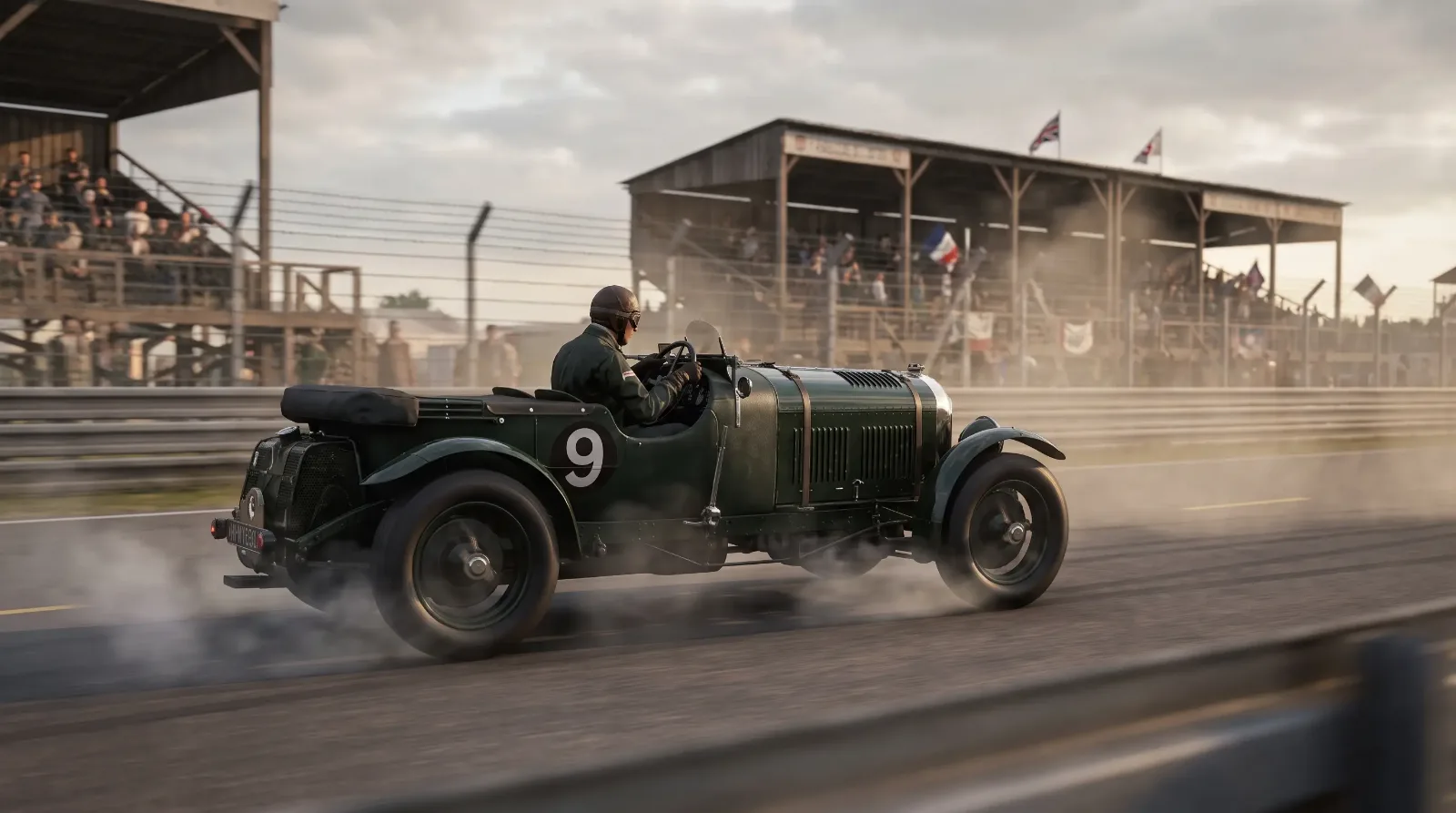
There is a further wrinkle worth noting, because the discount has not held steady across the decades. As the badge-engineered cars aged into genuine classics, collector taste began to shift, and the Bentley name recovered some of its standing on the strength of the marque's sporting heritage. For certain models the historic gap has narrowed, and a well-documented Bentley of the right specification can now command interest that its used-market history would not have predicted. The discount was always a function of demand, and demand moves. A value buyer reading the market today should treat the old rule as a starting point, not a fixed law.
"The Bentley discount was never a discount on the car. It was a discount on the badge. You paid less because fewer people wanted the winged B, and that is precisely the inefficiency a value buyer can exploit."
— David Mercer
New price versus used price
It is worth separating two different questions, because they have different answers. When new, the Rolls-Royce and its Bentley sibling were often priced very close to each other, sometimes near identical, since they cost the factory almost the same to build. The dramatic gap opened up on the secondhand market, where perception, demand, and depreciation did their work. So the popular phrase "Bentley was cheaper" is most true of the used market and much less true of the original list prices.
| Factor | Rolls-Royce | Bentley (badge-engineered era) |
|---|---|---|
| Engine and running gear | Shared | Shared |
| Bodyshell | Shared, tall grille | Shared, matrix grille |
| Prestige signal | Stronger, more public | Quieter, more discreet |
| Relative demand | Higher | Lower |
| Used-market pricing | Held value better | Historically softer |
What it means for a value buyer
The practical takeaway is that the Bentley discount can be real value, but only if the rest of the car is right. You are buying the same engineering for less money, which is genuinely attractive. What you are not buying is lower running costs, since the maintenance, the parts, and the notoriously involved hydraulic systems on the later cars cost exactly the same to keep up whichever badge sits on the nose. The cheaper purchase price does nothing to soften the ownership bill.
So the discount rewards the buyer who wants the car for its own sake rather than for its resale story, and who has budgeted honestly for upkeep. For anyone shopping the segment, comparing badge against badge across the current classic luxury cars for sale is the fastest way to see the gap in live money rather than in theory. The right car is the one with the best history and condition, and the badge is a distant second consideration once those two are settled.
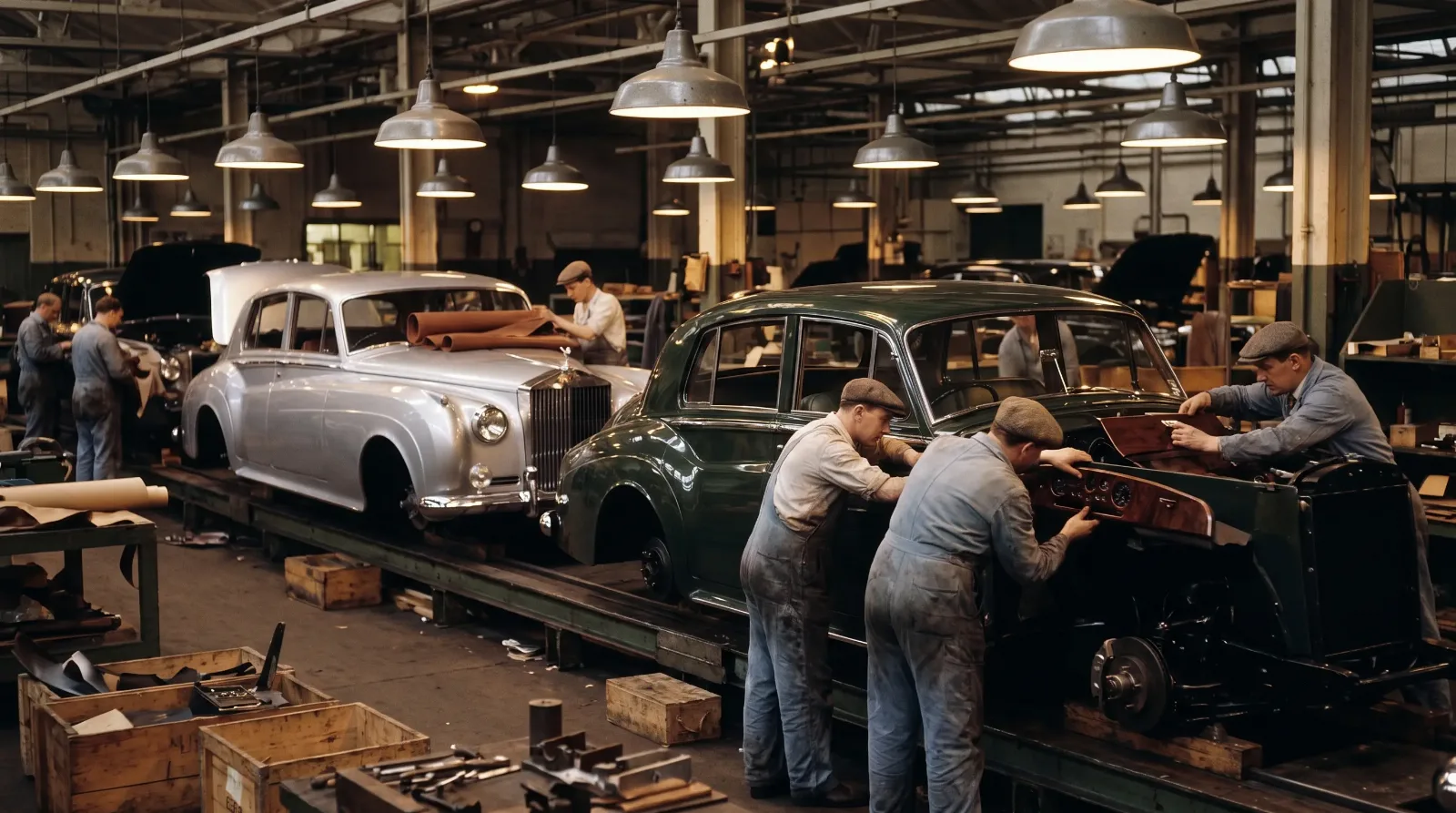
All of this shared engineering and divided branding came out of one place, a single factory where both marques were assembled on the same lines. How that worked in practice is the subject of next: Inside Crewe.