
Ask a room full of collectors to explain the difference between a Rolls-Royce and a Bentley, and you will get a dozen confident answers, most of them half right. The confusion is understandable. For the better part of the twentieth century these were two names sharing one factory, one set of drawings, and often one body pressing. Yet the rivalry between them was real, and it shaped how each marque presented itself at the concours field and in the sales brochure. Understanding the question of rolls royce vs bentley is really understanding how a single company sold two ideas of luxury to two kinds of buyer.
History & Heritage
9 min read
Rolls-Royce vs Bentley: The Sibling Rivalry
Rolls-Royce vs Bentley: one factory, two identities. How the marques split, shared bodies, and which is the smarter classic to collect.
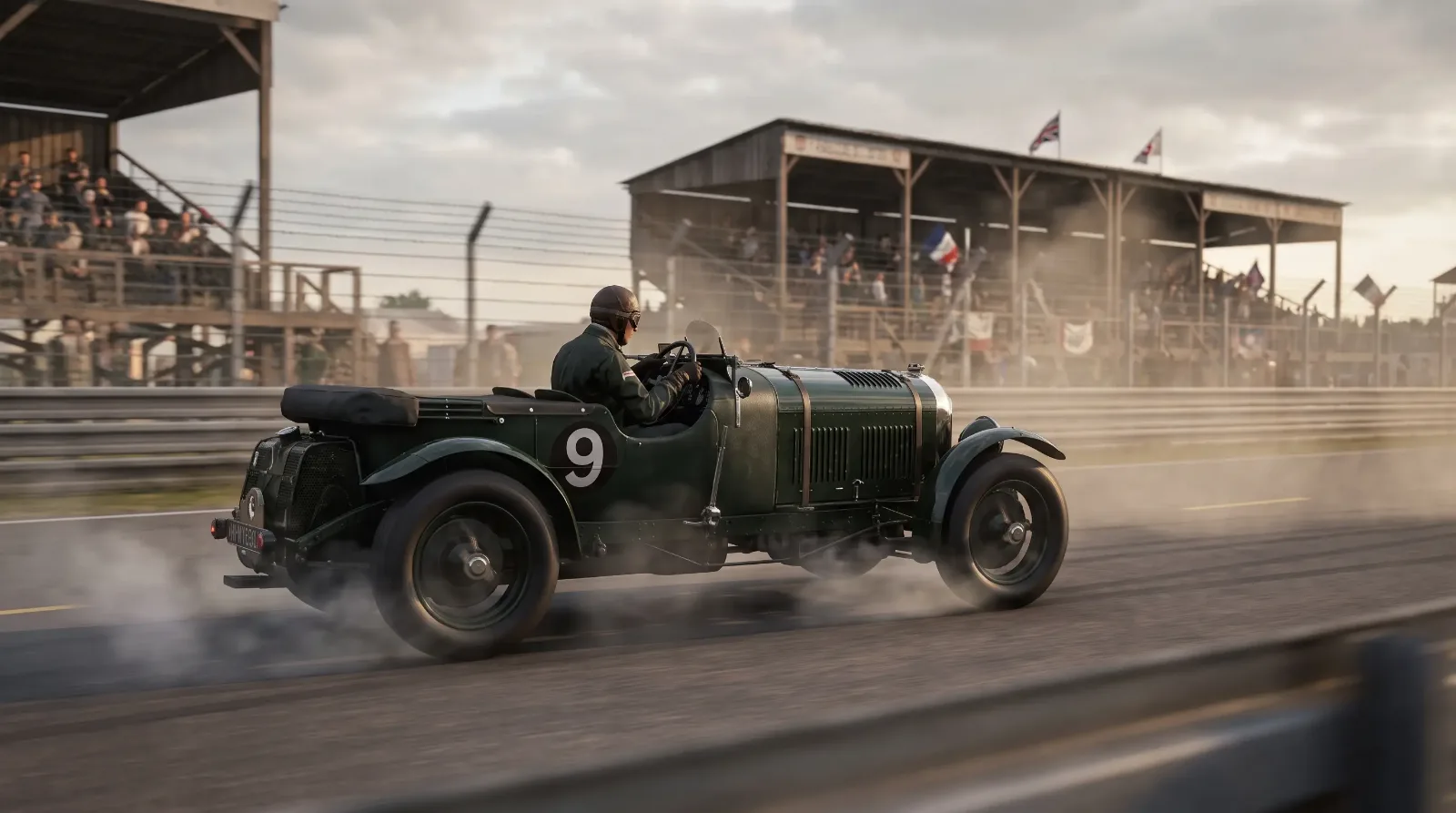
The short version is that Bentley began as an independent maker of fast sporting cars, lost its independence in 1931, and spent the next sixty-seven years as the sporting alter ego of Rolls-Royce. The long version is more interesting, because the badge on the radiator often told you less about the car than the coachwork behind it. This piece sits inside the full classic luxury car story, and the two British marques are central to it.
Two companies, two founding ideas
Rolls-Royce arrived first. Henry Royce built his early cars to a standard of mechanical refinement that bordered on obsession, and the partnership with Charles Rolls gave the company a name that came to mean quiet, effortless motion. The 40/50 hp model, later called the Silver Ghost, established the reputation around 1907: a car that ran so smoothly it was said you could balance a coin on the running engine. Rolls-Royce sold serenity.
Bentley sold speed. W.O. Bentley founded his firm in 1919, and his cars were built to go fast and keep going. The proof came at Le Mans, where Bentley won the twenty-four hour race in 1924 and then four years running from 1927 through 1930. Those victories, and the hard-charging privateers known as the Bentley Boys, fixed the marque in the public mind as a maker of muscular, aristocratic sports cars. The 4½ Litre and the supercharged Blower Bentley are the icons of that era, though it is worth noting W.O. himself disapproved of the supercharger.
The distinction was philosophical as much as mechanical. Ettore Bugatti is said to have called the Bentley the fastest lorry in the world, a jibe at its size and weight, but the cars answered him at the Sarthe circuit. Rolls-Royce, meanwhile, rarely raced and rarely needed to. Its engineering argument was made in the drawing room, not on the track. Two companies, two ways of proving the same claim to excellence, and that difference in temperament outlived both founders.
The 1931 takeover and the Derby Bentleys
When Rolls-Royce absorbed Bentley, the sporting marque did not simply vanish. It was reinvented. The first car of the new era, the 3½ Litre of 1933, was built at the Derby works and used a tuned version of a Rolls-Royce engine. Marketed as the Silent Sports Car, it kept the performance promise while adopting Rolls-Royce refinement. Purists who loved the raw vintage Bentleys grumbled, and W.O. Bentley had little say in the cars now wearing his name.
These Derby Bentleys of the 1930s are, to my eye, among the most beautifully proportioned British cars of the decade, particularly when bodied by Vanden Plas or Park Ward. They matter to collectors because they represent the moment the two identities fused. The chassis was shared engineering; the character was deliberately sportier than the equivalent Rolls-Royce.
Badge engineering and the shared bodyshell years
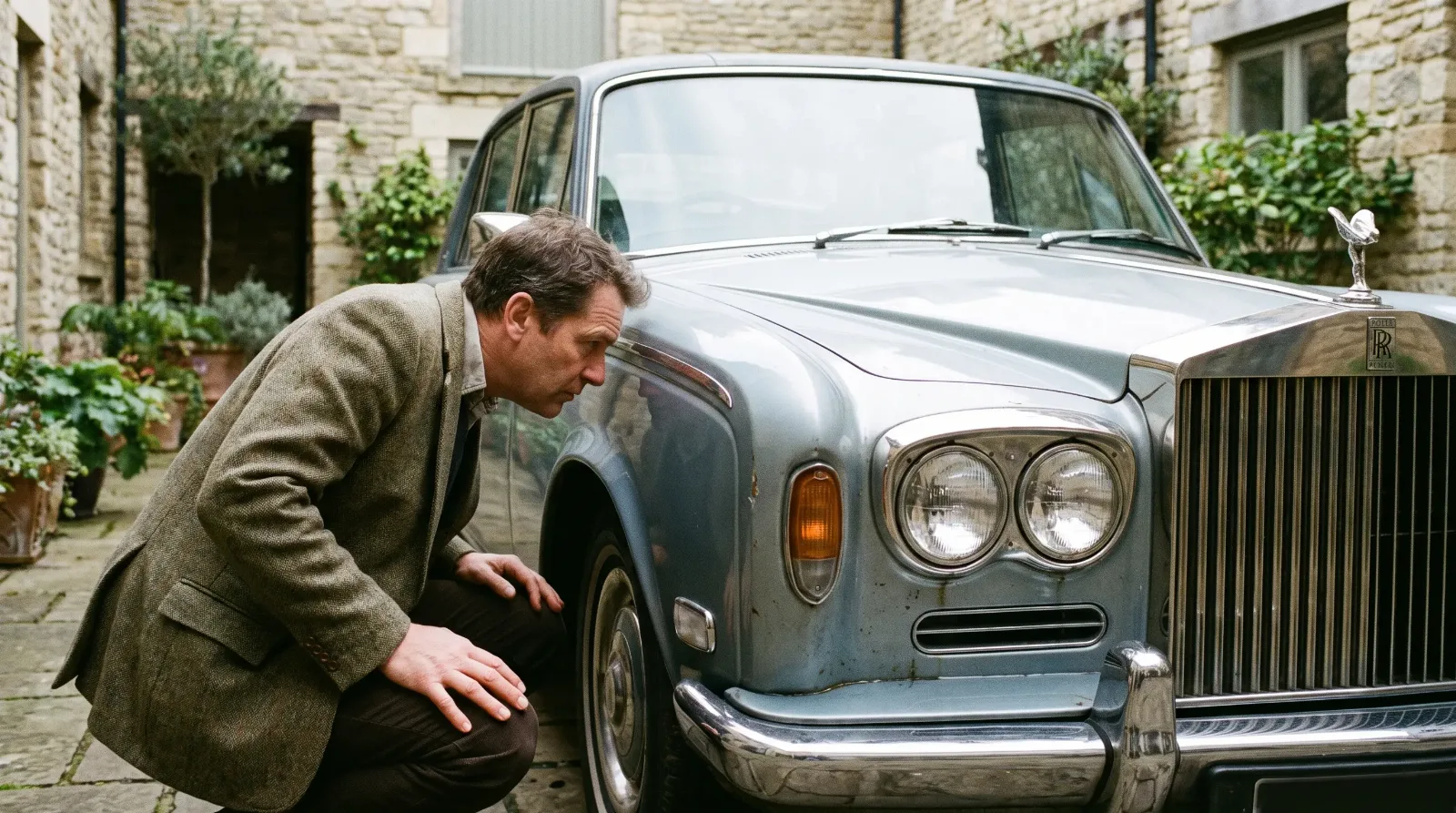
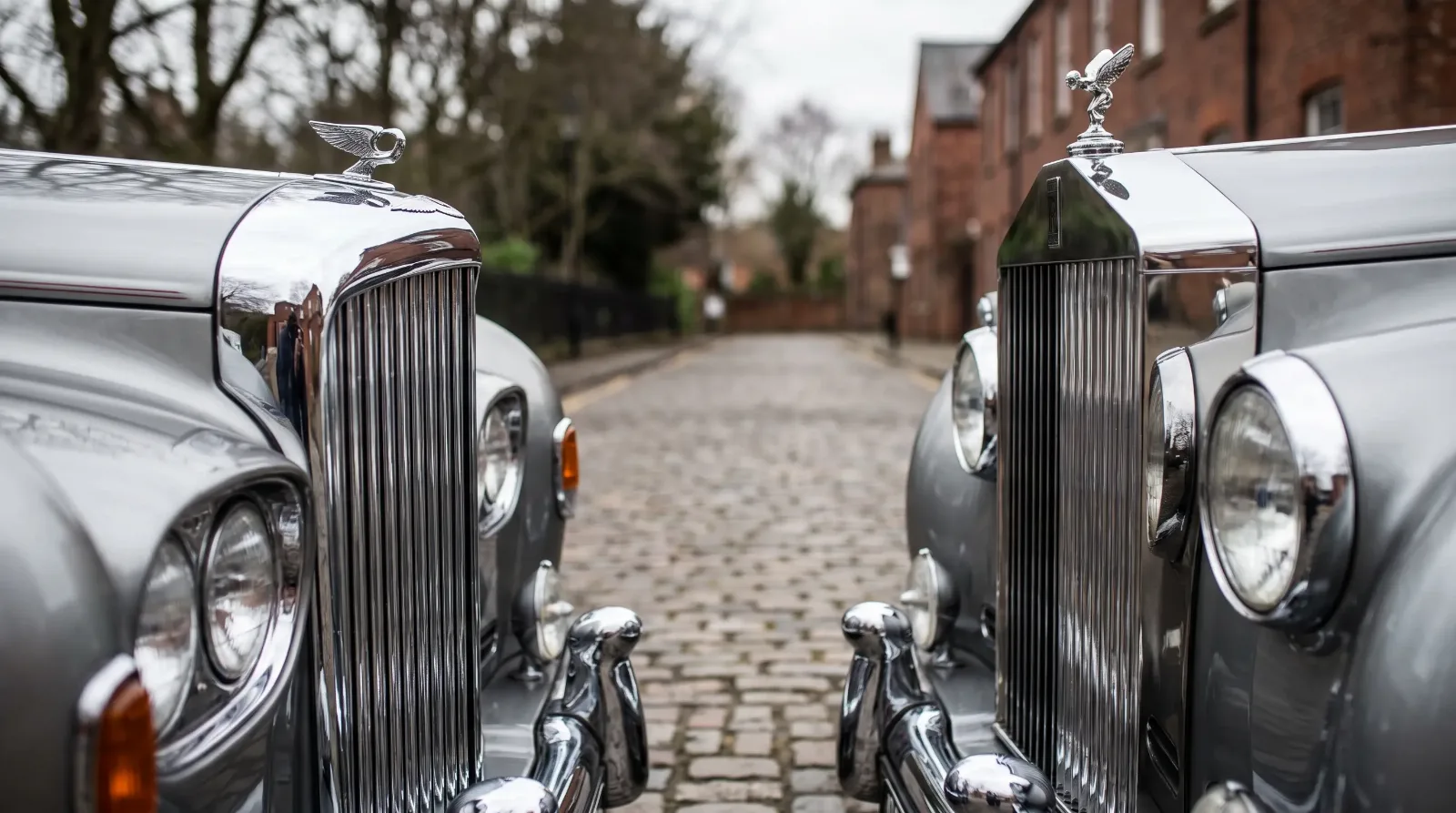
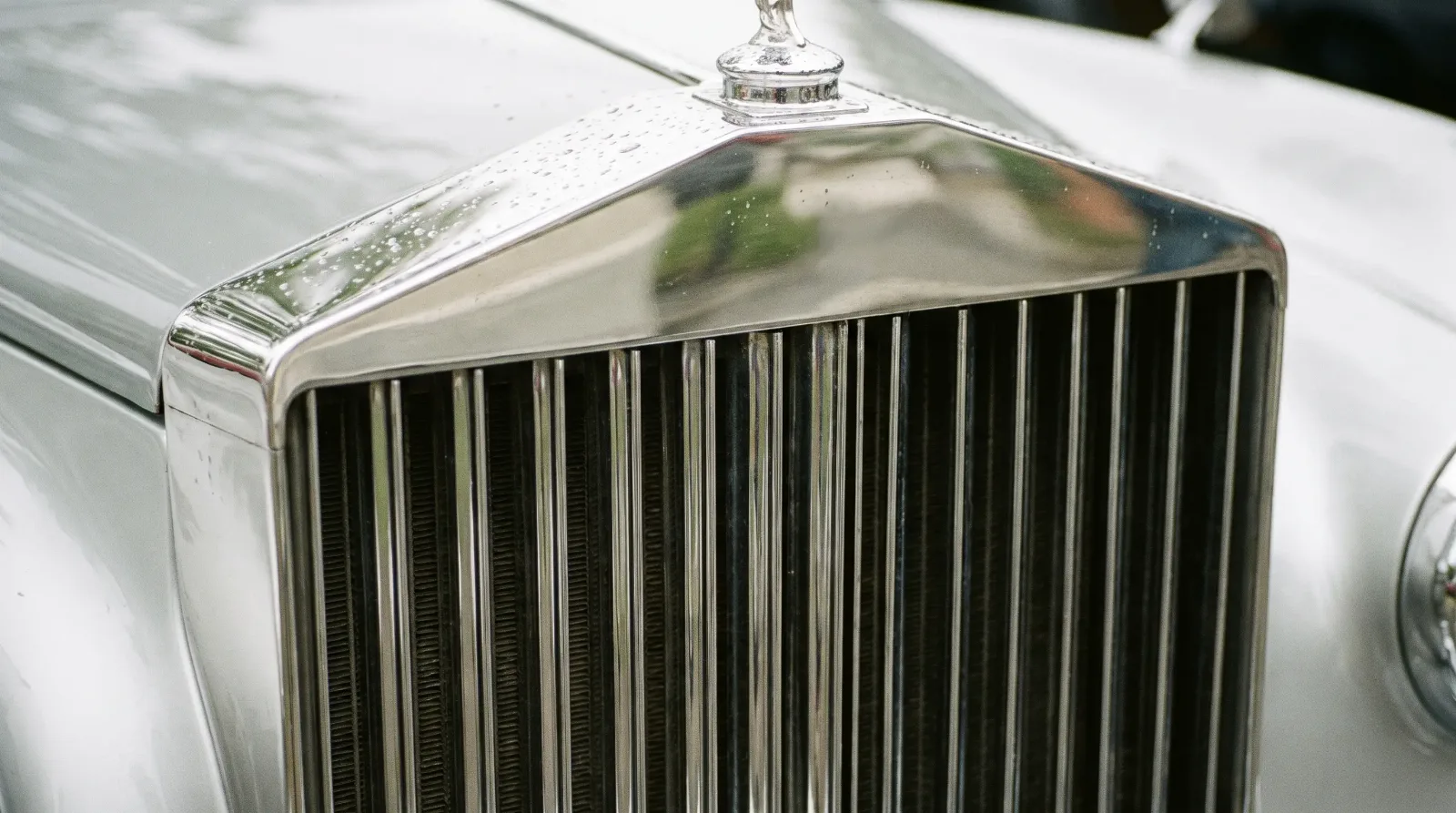
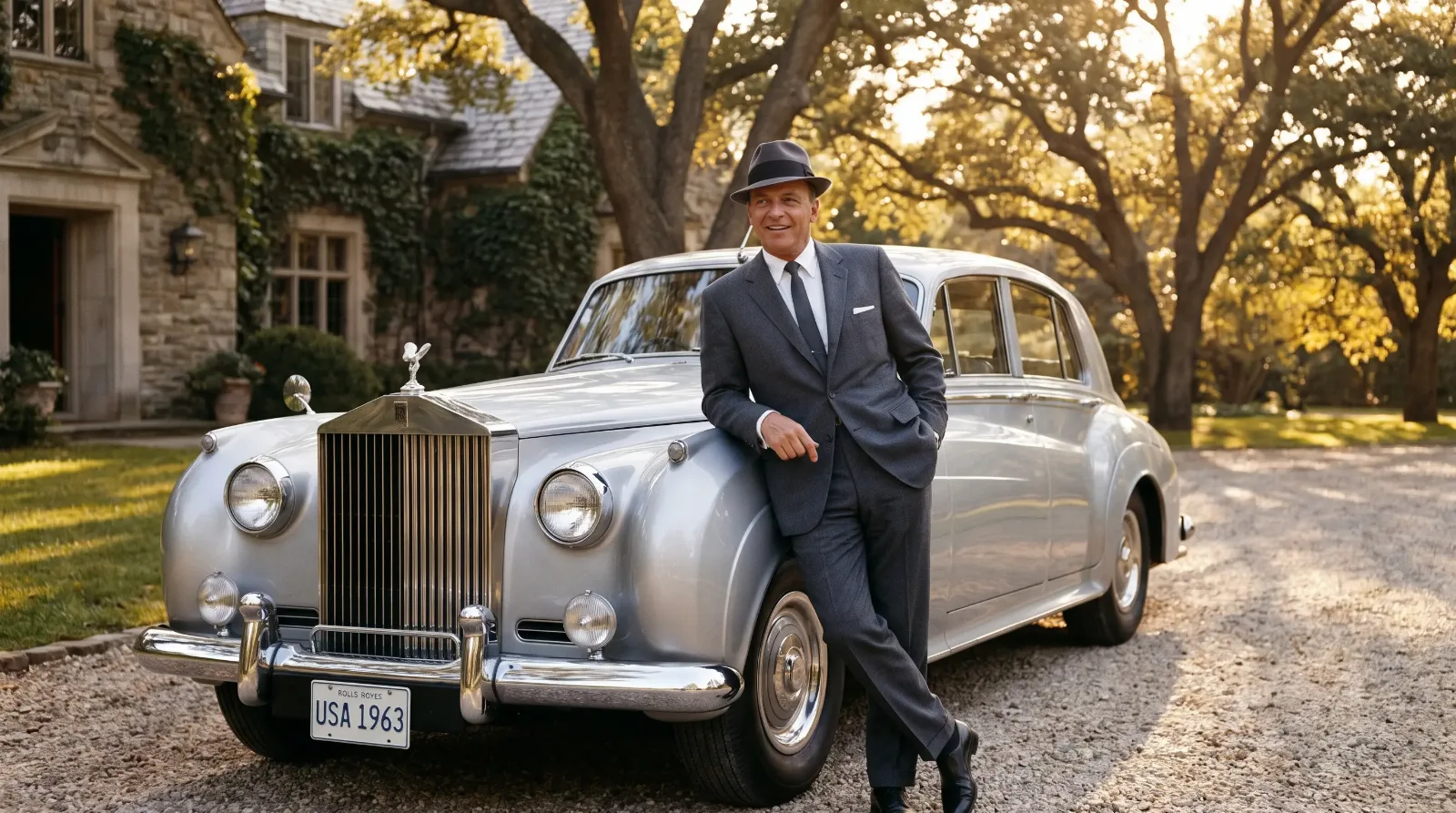
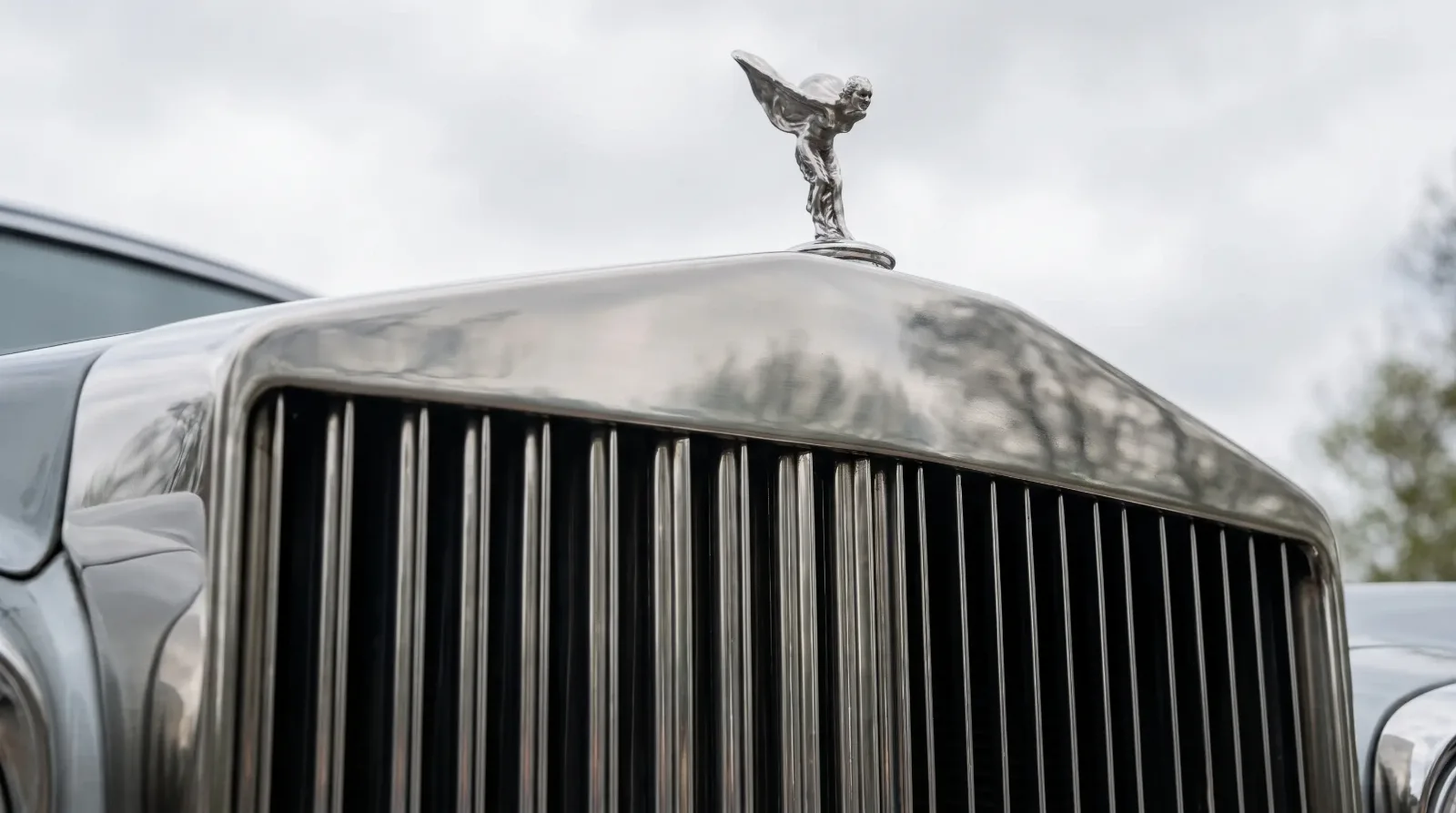
After the Second World War the overlap became almost total. From the 1950s onward, most Bentleys and Rolls-Royces were the same car under the skin. The Bentley R-Type and the Rolls-Royce Silver Dawn shared a platform. The Bentley S1, S2, and S3 were mechanical twins of the Silver Cloud I, II, and III. The Bentley T-series was a Silver Shadow with a different grille. In each pairing the sheet metal was near identical from the windscreen back, and the defining visible difference was the radiator shell: the Rolls-Royce wore the tall temple-front grille and the Spirit of Ecstasy, while the Bentley used a lower, more rounded matrix.
This is where buyers get caught out. During the shared-body decades, Rolls-Royce badged cars typically sold for more when new and often still command a premium today, yet the Bentley versions were built in far smaller numbers, which changes the calculation for a collector chasing rarity. On the Silver Cloud and S-series generation, the Rolls-Royce outsold its Bentley twin by a wide margin, so the scarcer badge is frequently the sporting one. A buyer who understands that inversion can find the rarer car for similar money, simply because the market still reaches first for the name it knows.
The bodywork question sits on top of the badge question. Most of these cars left the factory with the Standard Steel body, a handsome but mass-produced shell. A minority were sent to independent coachbuilders, and those bespoke cars, whether drophead coupes, two-door saloons, or limousines, occupy an entirely different price tier. A coachbuilt Bentley Continental with James Young or Mulliner bodywork has almost nothing in common, commercially, with a Standard Steel S-type, even though the running gear is shared.
| Model pairing | Rolls-Royce name | Bentley name | Era |
|---|---|---|---|
| Immediate post-war saloon | Silver Dawn | Mark VI / R-Type | 1946-1955 |
| V8 luxury saloon | Silver Cloud I-III | S1 / S2 / S3 | 1955-1966 |
| Monocoque saloon | Silver Shadow | T-Series | 1965-1980 |
| Sporting flagship | Corniche | Continental / Corniche | 1971-1995 |
Where the two marques actually diverged
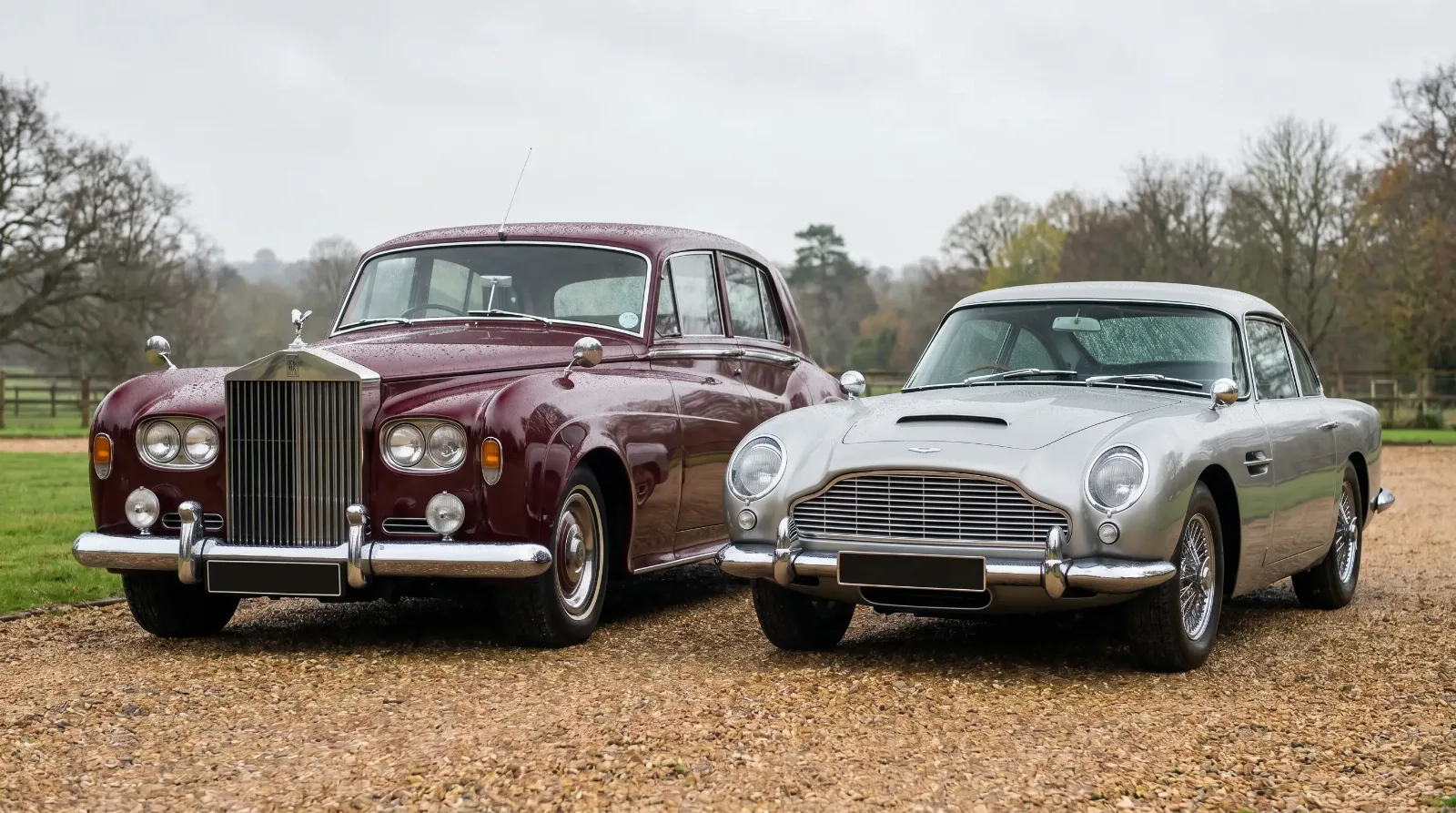
The badge-engineering story has one large exception, and it is the exception that keeps the rivalry alive: the Continental. The Bentley R-Type Continental of 1952 was not a rebadged Rolls-Royce. It was a lightweight, aerodynamic fastback, expensive and fast, capable of a genuine 115 mph or so at a time when that figure meant something. It was among the fastest four-seat cars in the world when new, and it revived the pre-war Bentley promise of speed with dignity. Roughly 200 were built, and they are blue-chip cars today, well into seven figures for the best examples.
That car is the reason the Bentley identity survived the shared-body years intact enough to be reborn later. When Bentley introduced the Turbo R and the earlier Mulsanne Turbo in the 1980s, it was reaching back to the Continental idea: a Rolls-Royce platform, but tuned and firmed up to go hard. For the first time in decades a Bentley felt meaningfully different to drive than its Rolls-Royce sibling.
"People treat the badge as the whole story, and it never was. The radiator shell tells you which showroom the car was sold in. The coachwork, the engine tune, and the build numbers tell you what it actually is, and those are the details that decide value on a concours field."
Sarah Whitfield
What separated them for the buyer
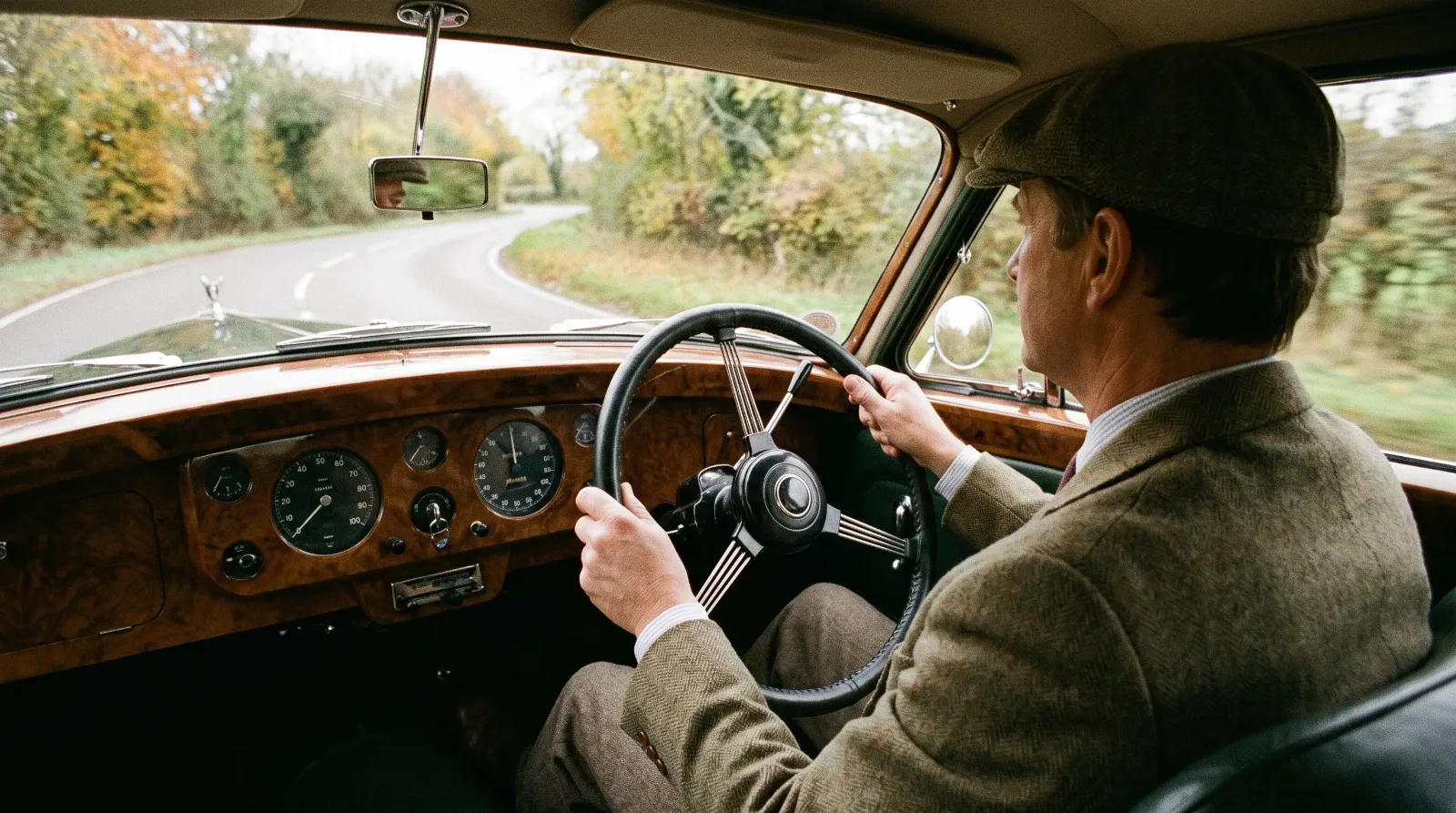
Set aside the engineering and the difference was one of self-presentation. A Rolls-Royce announced arrival. It was the car of the chairman, the head of state, the wedding. A Bentley was the choice of the owner who wanted the same engineering without the ceremony, the person who preferred to drive rather than be driven. The marketing leaned into this. Rolls-Royce sold presence; Bentley sold the idea, real or not, that the owner might take the wheel and press on.
The 1998 split and what it means for classics
The strangest chapter came at the end. In 1998 the Rolls-Royce and Bentley motor car business was sold, and in a now-famous tangle, Volkswagen bought the Crewe factory and the Bentley marque, while BMW secured the rights to the Rolls-Royce name and the badge. For a brief period Volkswagen built Rolls-Royce cars it could not sell as Rolls-Royces after a set date. The two marques finally, formally, went their separate ways in 2003, with BMW launching the Phantom and Volkswagen investing heavily in Bentley at Crewe.
For the classic buyer this history is the whole point. A Silver Cloud and an S-series Bentley are close cousins with different price curves. A Continental is a different animal entirely. If the choice between the two is on your mind, it pays to read our companion guide before you commit, and you can carry on onward to How to Buy a Classic Luxury Car for the practical side. When you are ready to compare real examples, browse the current classic luxury cars for sale and put the theory against the metal.
So which one is the collector's car
There is no single answer, and anyone who gives you one is selling something. If you want the most recognizable object, the fastest liquidity, and the badge that a non-enthusiast will understand, the Rolls-Royce wins. If you want the sportier drive, the smaller production numbers, and the marque with the Le Mans record behind it, the Bentley rewards you. The pre-1931 Bentleys and the R-Type Continental stand apart from the rivalry altogether as genuine performance icons. Everything in between is the same fine engineering, dressed for two different audiences, and priced accordingly.
Related Reading
Article
The Classic Luxury Car Story
Article
Cadillac vs Lincoln: America's Luxury War
Article
How to Buy a Classic Luxury Car: The Complete Guide
Article
How Rolls-Royce Bought Bentley in 1931 and Made Them Corporate Siblings
Article
Badge Engineering Explained: What Really Differed Between a Silver Cloud and a Bentley S-Series
Article
Why Bentley Was Built as the Driver's Alternative to the Chauffeur-Driven Rolls-Royce
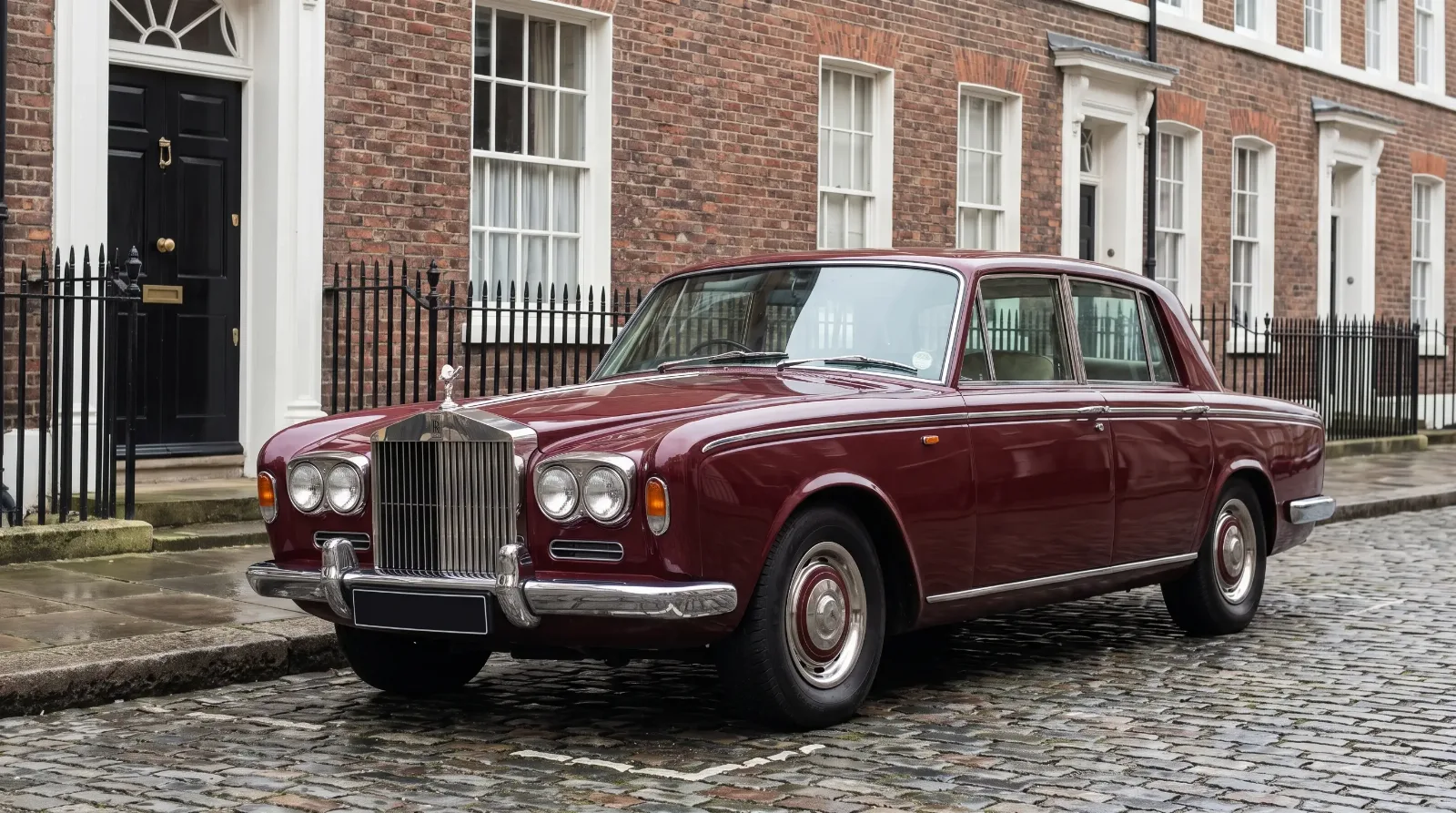
Article
Silver Shadow vs Bentley T-Series: The Unibody Era Begins
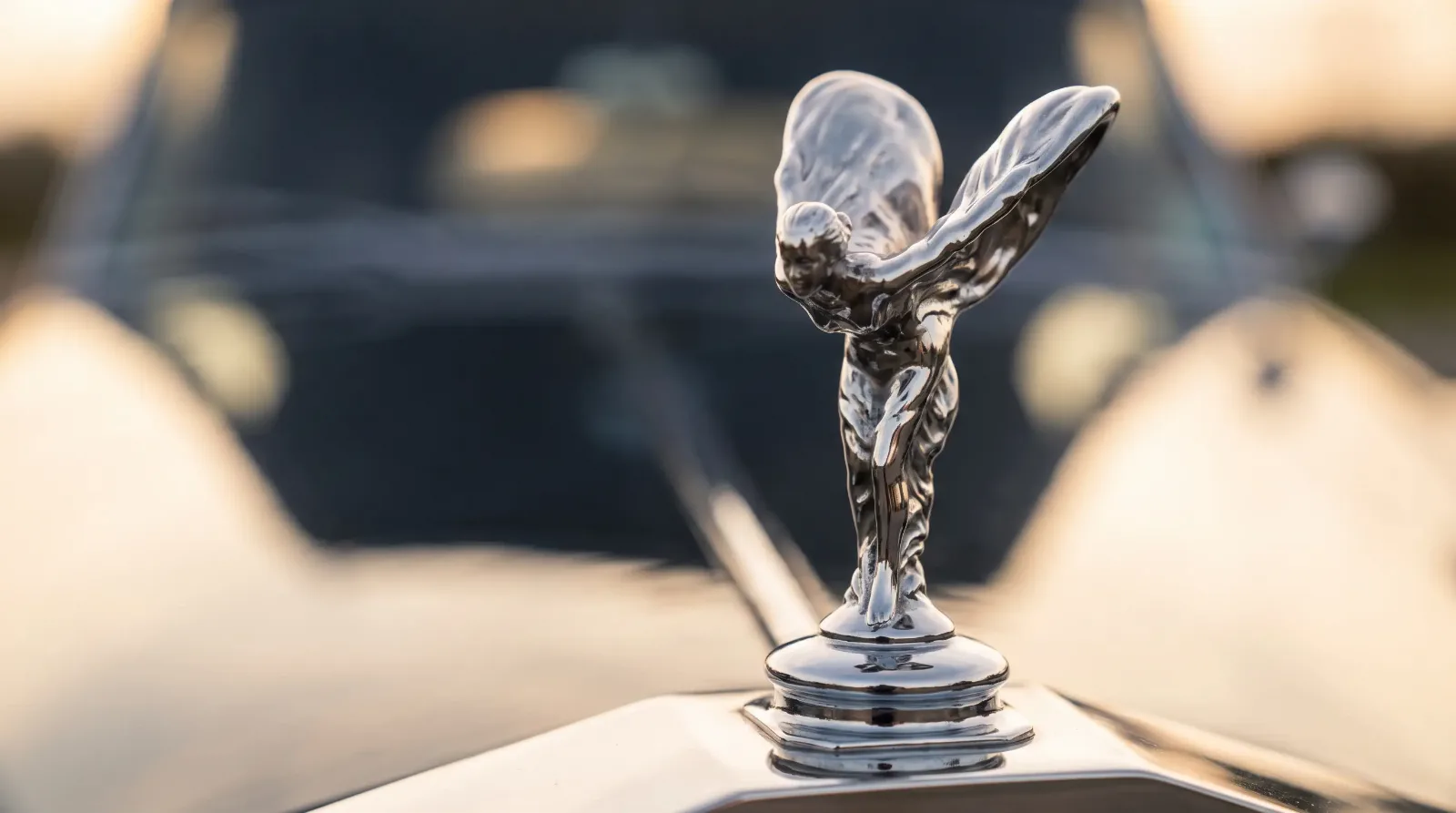
Article
The Spirit of Ecstasy: Why Rolls-Royce's Hood Ornament Never Graced a Bentley
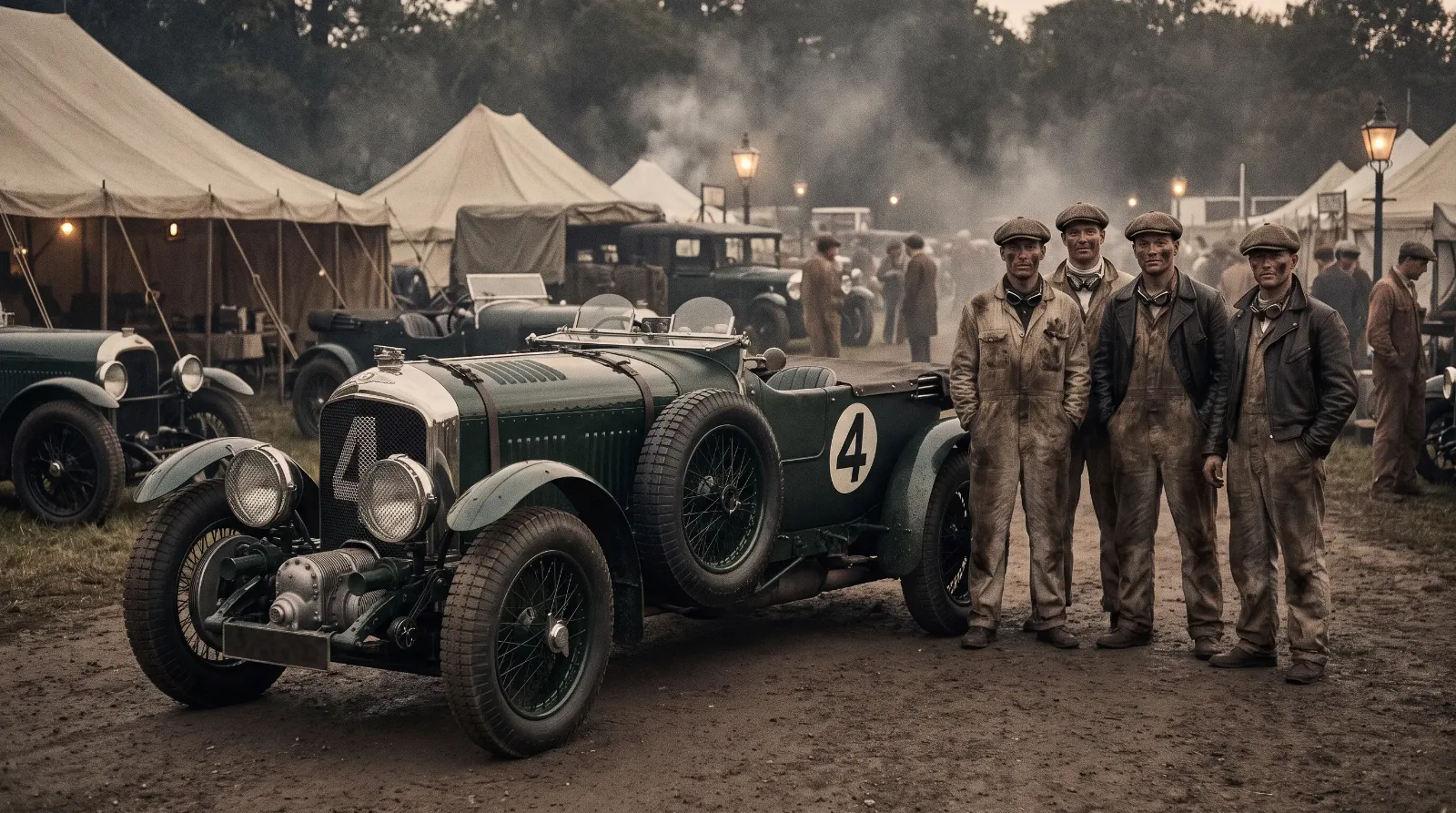
Article
Before the Merger: Bentley's Independent Racing Heritage and the Le Mans “Bentley Boys”
Article
How American Buyers Saw Rolls-Royce and Bentley Differently
Article
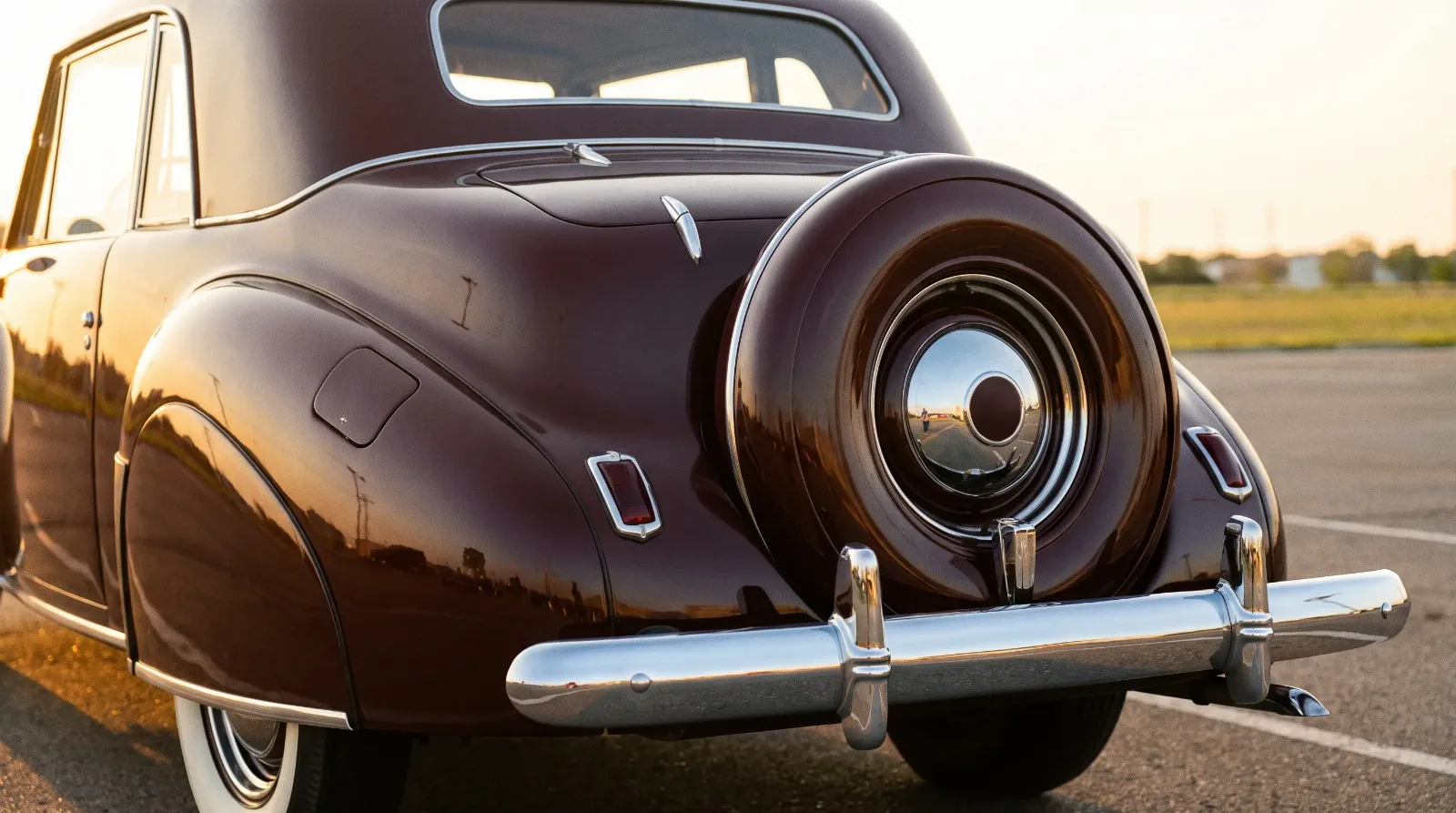
The Continental Name Confusion: Bentley, Lincoln, and a Shared Word With Different Histories
Article
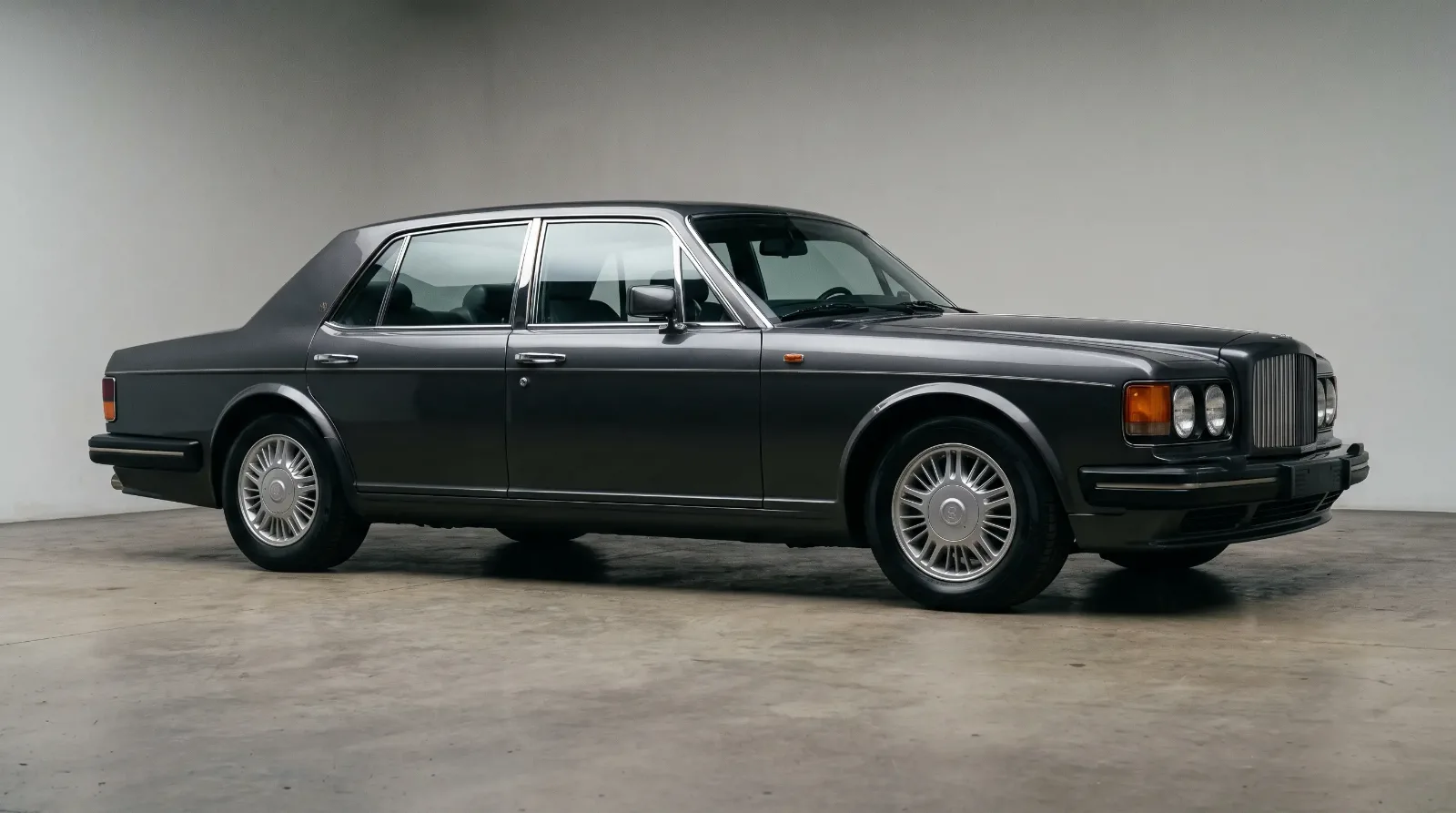
Silver Spirit and Silver Spur vs Bentley Mulsanne: The Styling Finally Diverges
Article
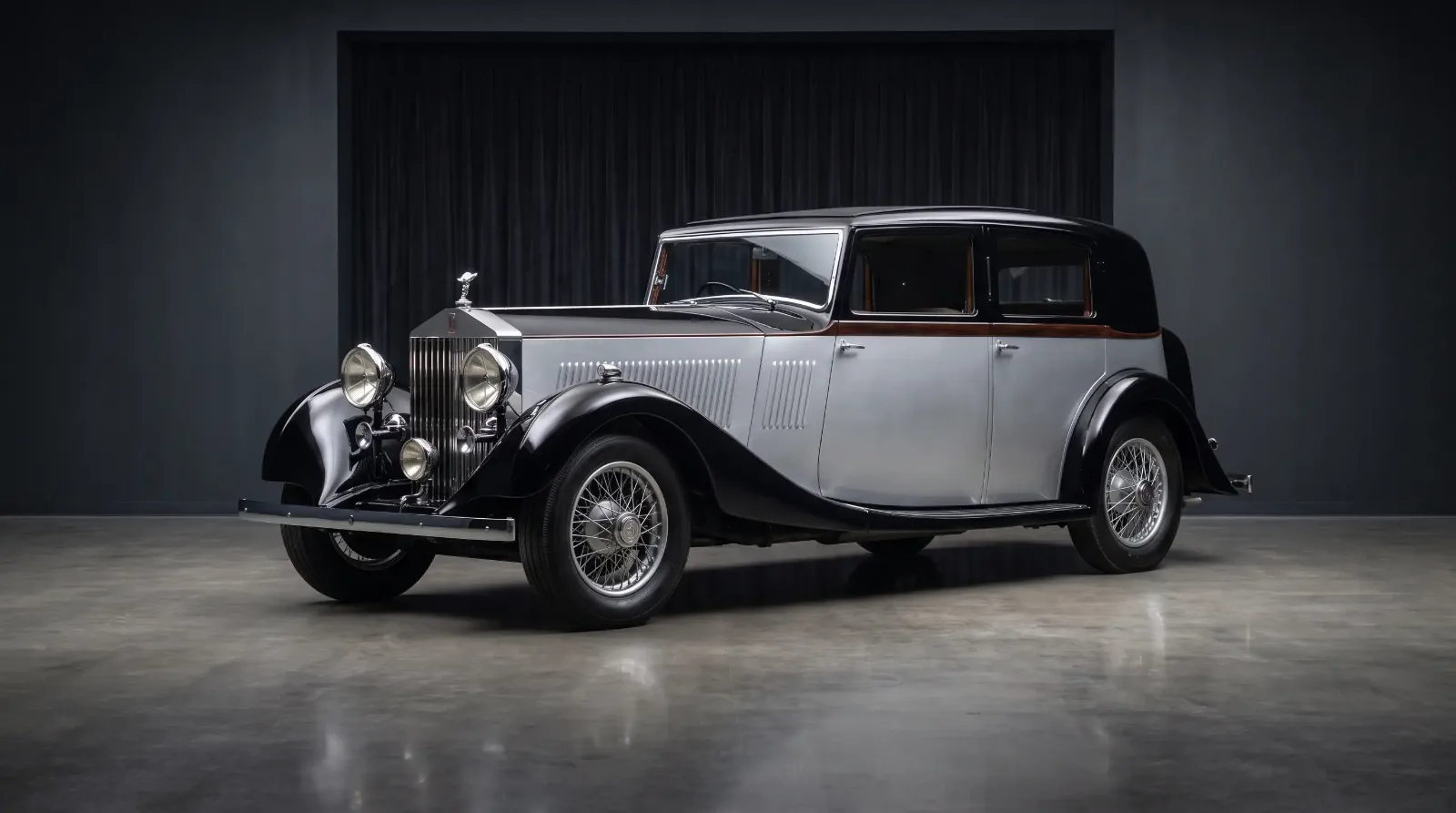
Coachbuilt vs Production Line: How Rolls-Royce and Bentley Bodies Were Actually Built
Article
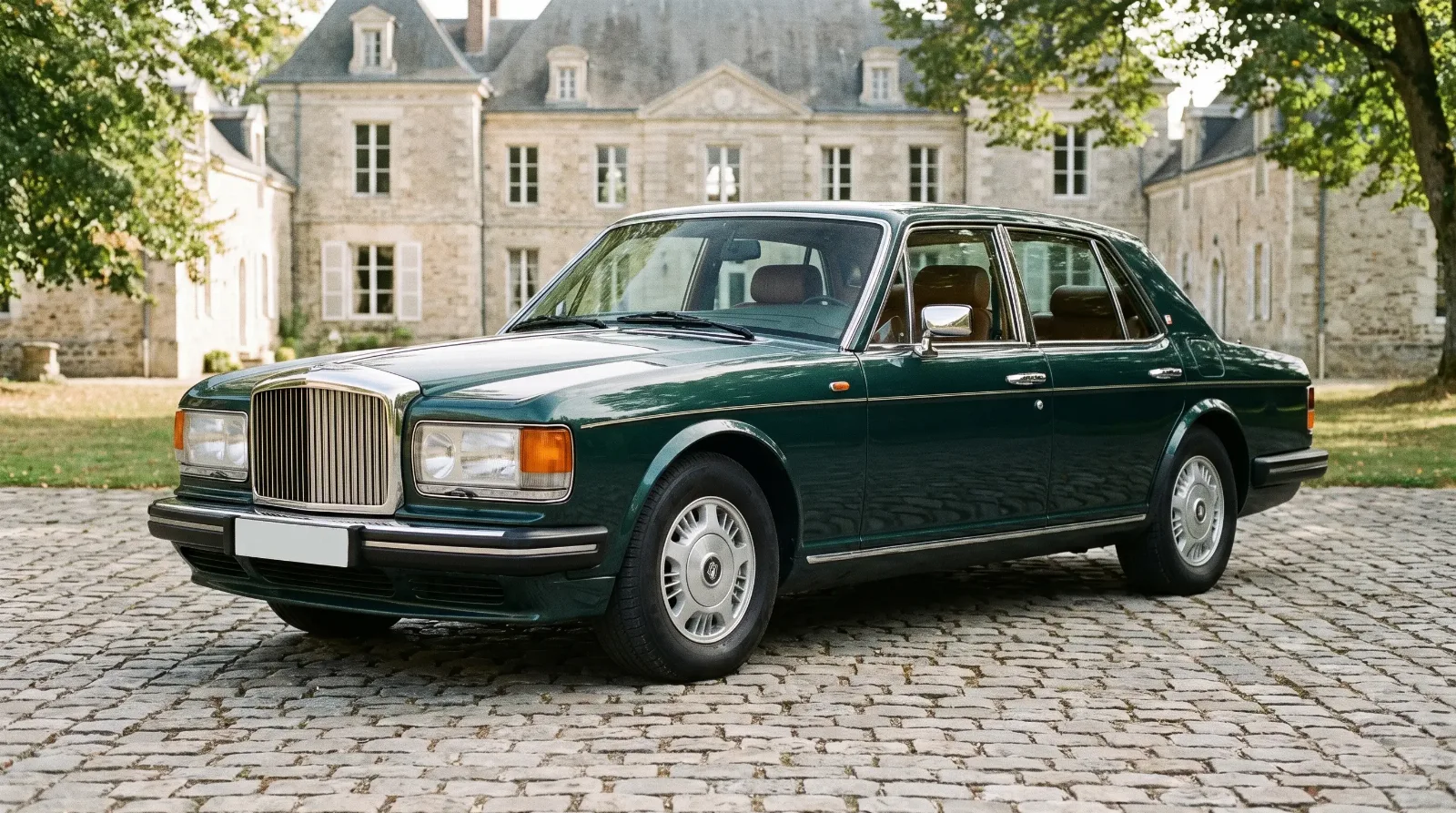
Grey-Market Rolls-Royce and Bentley Imports to the US Explained
Article
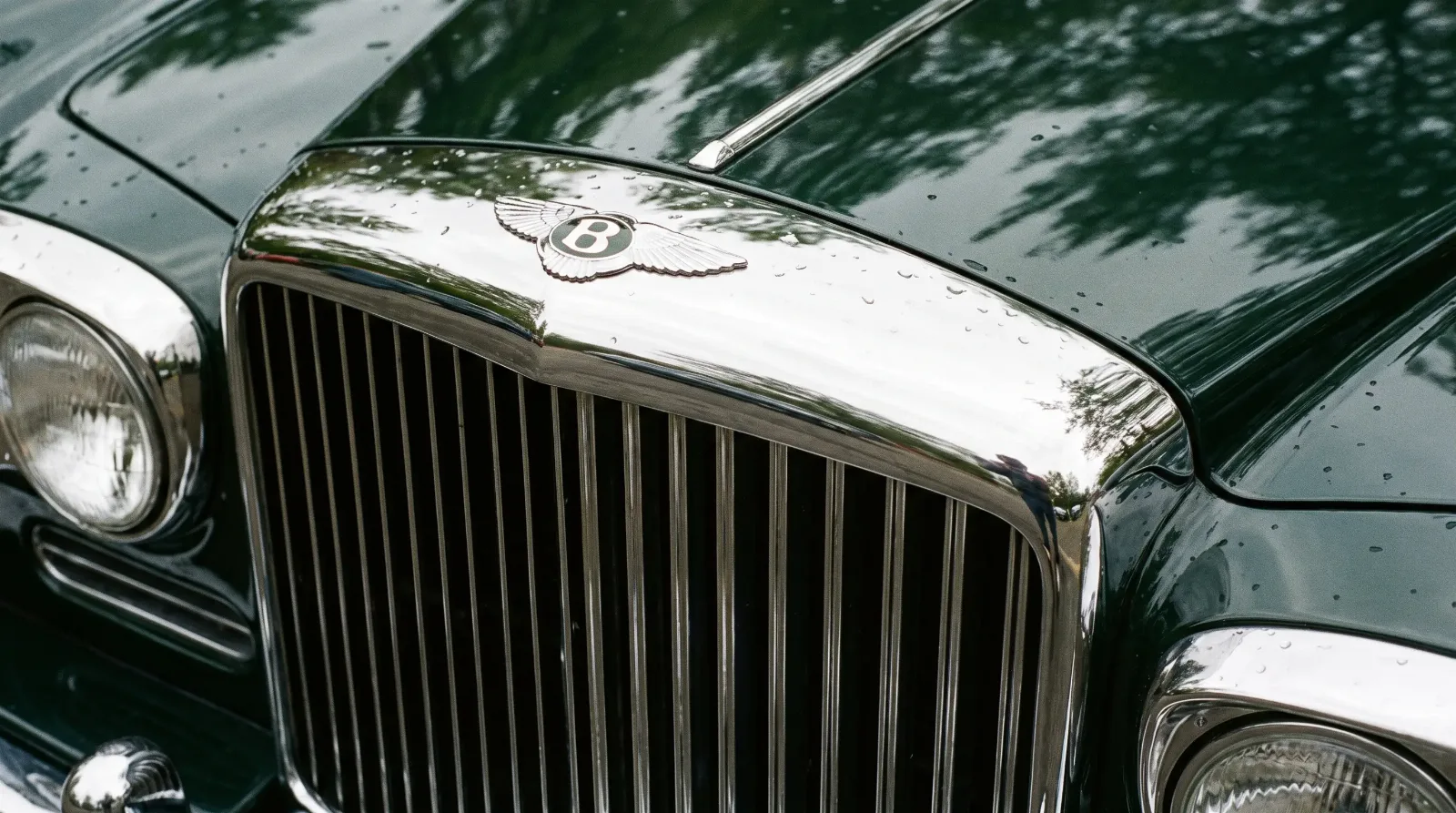
Why Bentley Stayed Cheaper Than Rolls-Royce Despite Sharing an Engine
Article
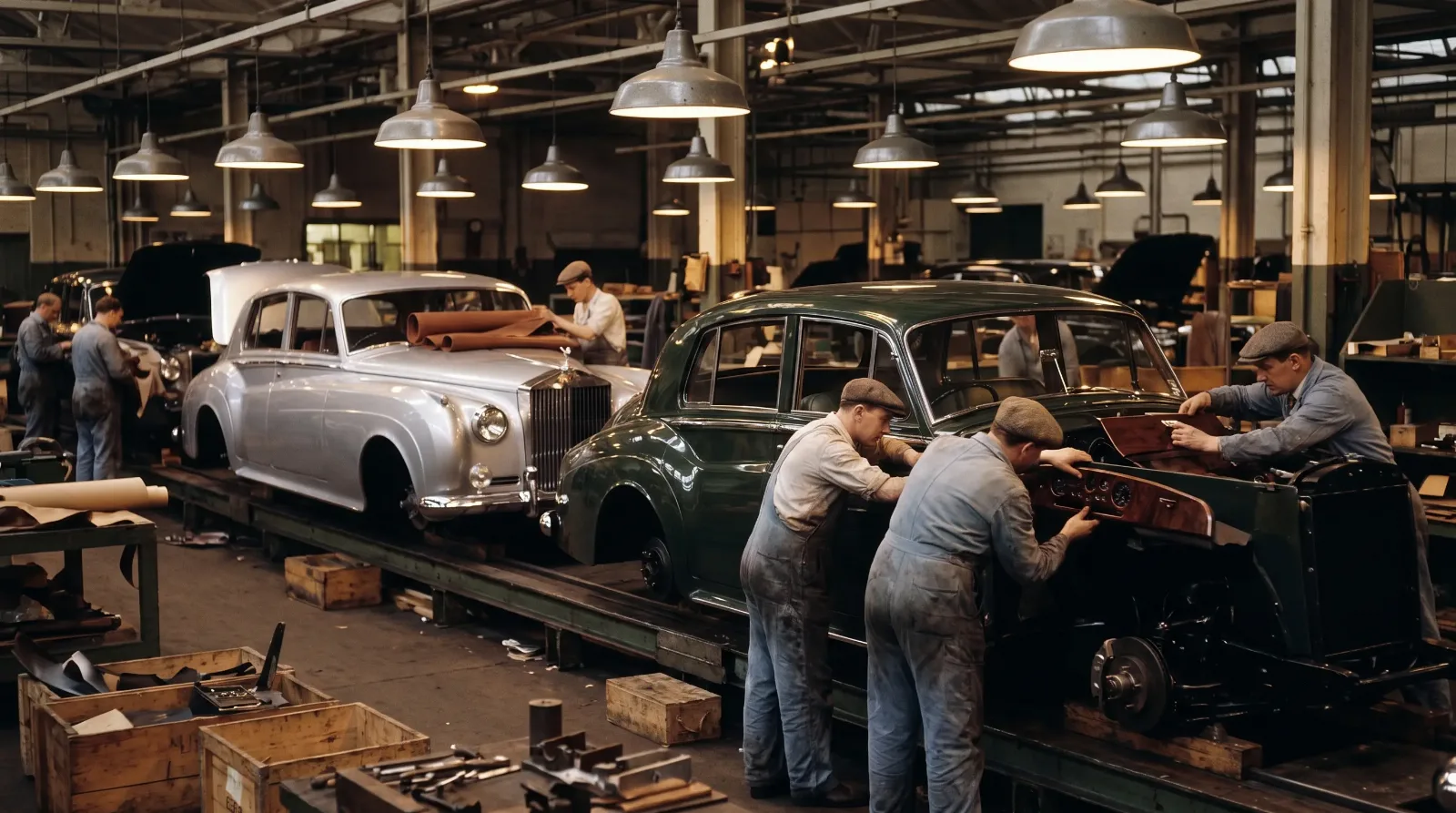
Inside Crewe: The Factory That Built Rolls-Royce and Bentley Side by Side
Article
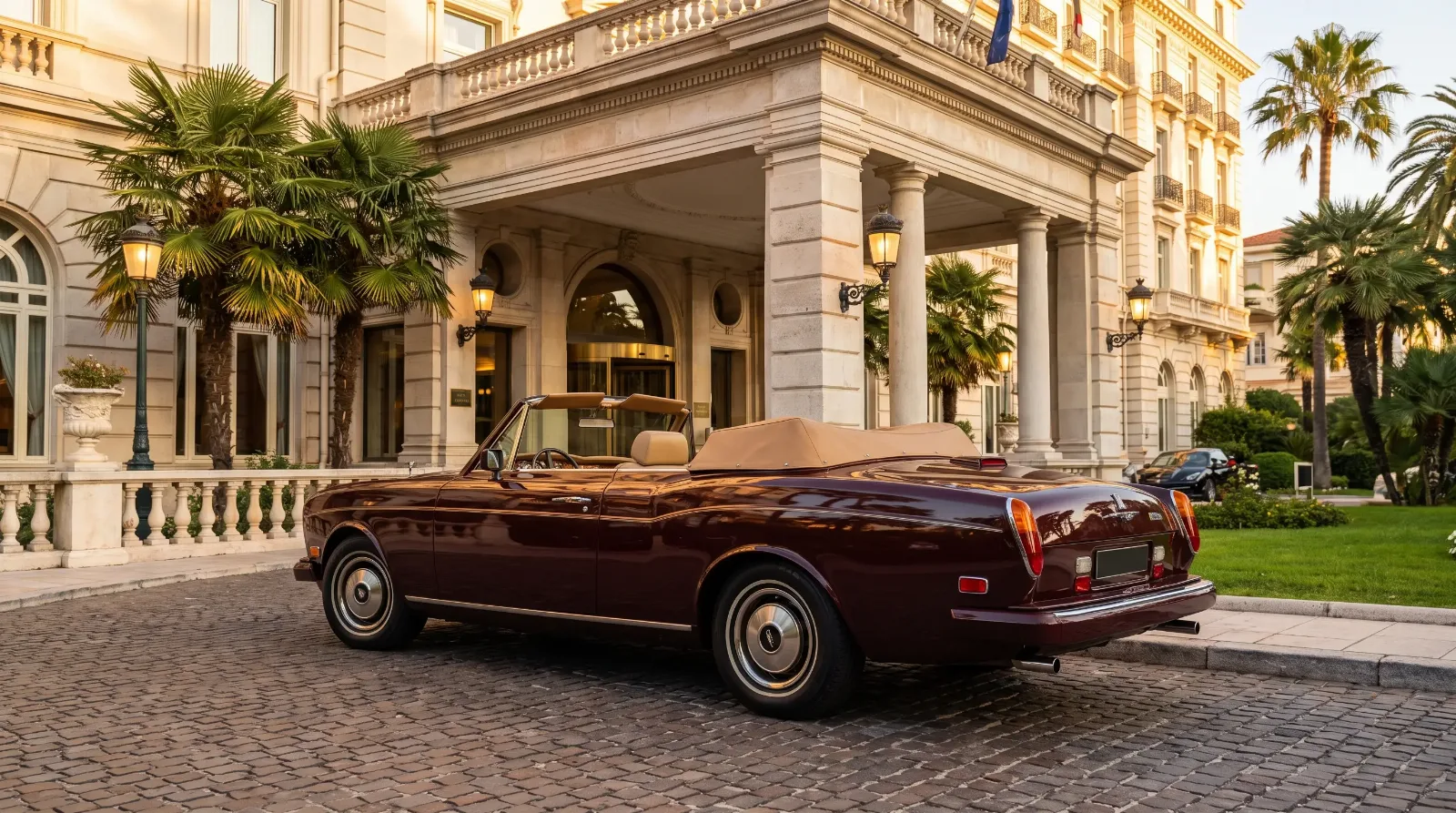
Drophead and Convertible Variants Compared Across the Two Marques
Article
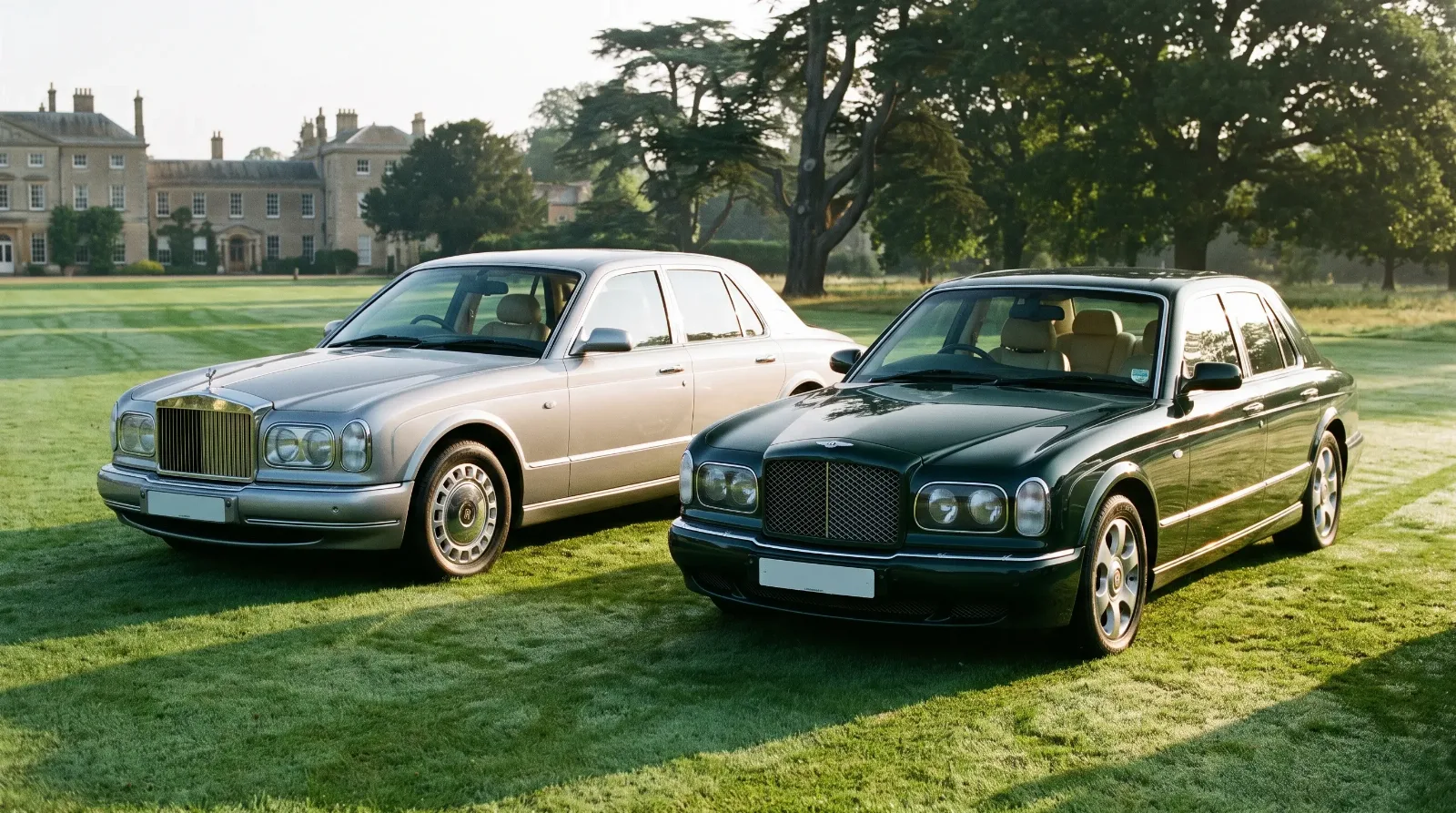
1998: How BMW and Volkswagen Finally Split Rolls-Royce and Bentley for Good
Article
Famous American Owners: Who Chose Rolls-Royce, Who Chose Bentley
Article
Parts and Service Commonality Between the Badge-Engineered Siblings
Have a
Classic Car
for Sale?
Reach thousands of serious classic car collectors across the US.
Sell It Here →
Are You a Classic Car Dealer?
List your full inventory and connect with targeted classic car buyers.
Join as a Dealer →

About the author
Sarah Whitfield
Third-generation classic car collector specializing in pre-war American and European coachbuilt automobiles. Researcher and concours enthusiast.
More in History & Heritage
Comments
Be the first to comment on this article.