Ask ten people what a classic luxury car costs and you will get ten answers, all of them right and all of them useless, because "classic luxury" spans from a $12,000 driver to an eight-figure coachbuilt icon. What buyers actually need is not a single number but a map: where the segment starts, where it climbs, and what moves a car from one tier to the next. Classic luxury car prices follow a logic once you stop looking at the badge and start looking at condition, documentation, and demand. This is that map.
I track this segment at auction and in private sales, and the most useful thing I can tell a first-time buyer is that condition tier matters more than model within a given car. A tired example of a desirable model and a superb example of a humbler one often trade closer together than you would guess. Learn the tiers first. Then pick the car.
The four condition tiers and what they mean
The collector market runs on a condition scale, commonly numbered one through four, and the language is worth knowing because sellers use it and value guides are built on it. A number-one car is concours, restored or preserved to a standard beyond how it left the factory, trailered not driven. A number-two is an excellent car with only minor flaws visible up close, the sweet spot for many buyers. A number-three is a solid driver, presentable and usable with honest wear. A number-four is a rough but complete car, running or nearly so, a project with a floor under it.
The price spread between these tiers on the same model is enormous, frequently three or four to one from a number-three driver to a number-one show car. That spread is where buyers make or lose money. Paying number-two money for a number-three car is the most common mistake in the segment, and it happens because the paint looked good in the photos.
Where the segment actually prices out
Here is a working map of the market as I see it. These are approximate ranges for solid, usable cars and should be treated as orientation, not a quote, because condition and documentation move every one of them. Verify any specific figure against recent comparable sales before you buy.
| Tier | Typical cars | Approx. driver-to-excellent range |
|---|---|---|
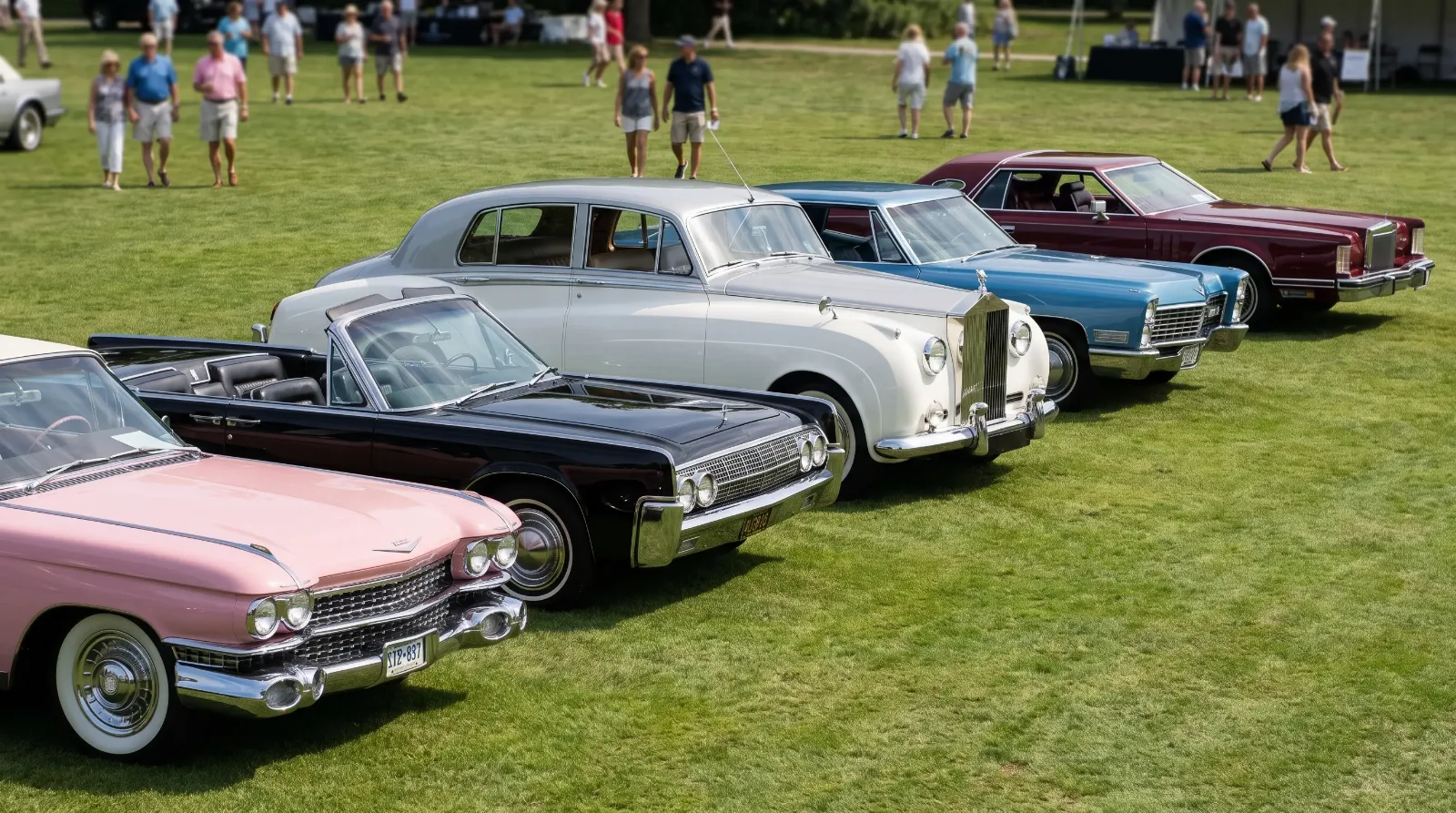
| Entry luxury classic | Jaguar XJ6, Cadillac Fleetwood, Lincoln Mark, Mercedes W116 | $8,000-$30,000 |
| Core collector luxury | Mercedes W126 / R107, Rolls-Royce Silver Shadow, Bentley Turbo R | $20,000-$70,000 |
| Blue-chip postwar | Mercedes 600, early Silver Cloud, Facel Vega, Citroen SM | $60,000-$250,000+ |
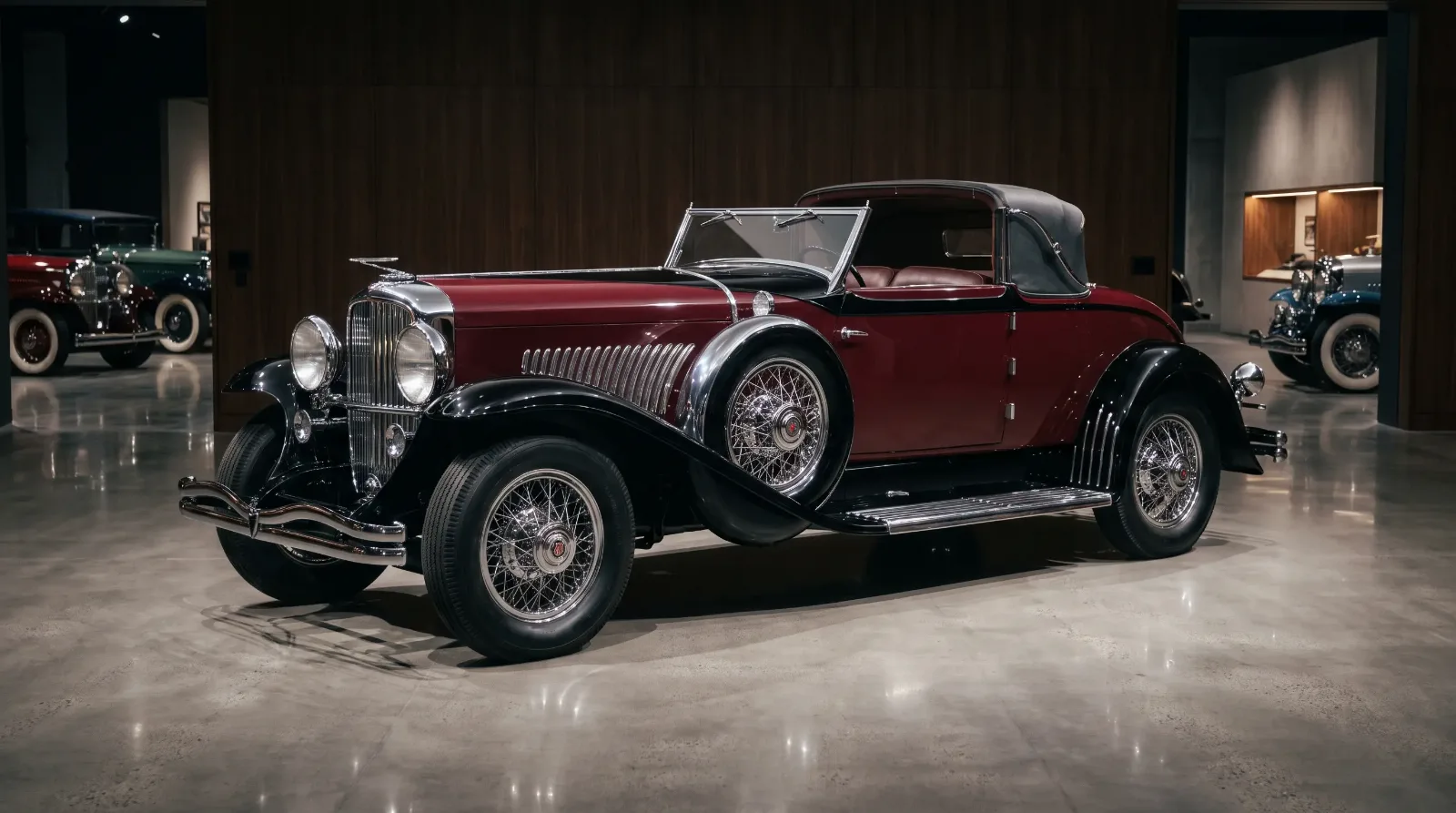
| Coachbuilt / prewar icons | Duesenberg, coachbuilt Rolls-Royce Phantom, Delahaye | $500,000 to seven figures and up |
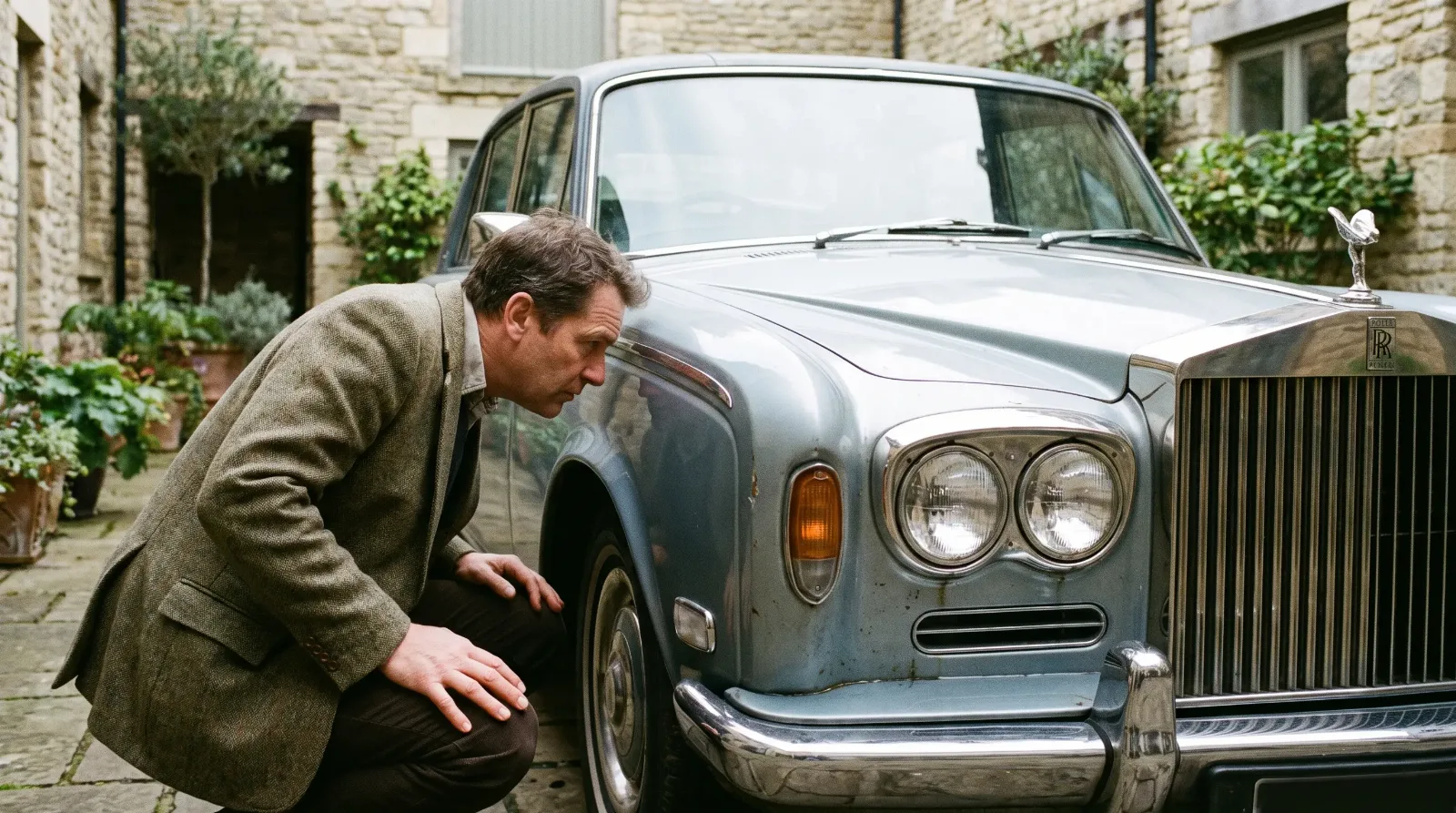
Notice the overlap. A superb entry car can cost more than a rough core-collector car, which is exactly why tier-thinking beats model-thinking. The Silver Shadow is instructive here: it is the cheapest way into Rolls-Royce ownership, with drivers trading in the $20,000s, precisely because so many were built and the market is deep. Rarity and demand, not just prestige, set the price.
Demand also shifts under your feet. The market for these cars is not static, and a model that looked soft five years ago can firm up as a younger group of buyers ages into it. The 1980s and early 1990s luxury flagships that once traded as used cars are a good example, with clean, low-mile examples now pulling away from the tired ones. That divergence is the tell: as a model matures into collectibility, the premium for condition widens, and the rough cars get left behind. Buy the best example you can afford within your tier, because it is the one the market rewards.
🔧 Inspection Priorities
- Confirm the car matches its tier. Sellers describe up. Inspect the car against the condition scale honestly, because a number-three sold as a number-two is the segment's classic overpay.
- Price the gap to the next tier. Before you pay near number-two money, cost out what it would take to actually get there. Often it is more than the price difference, which means buy the better car.
- Check documentation against value. On core-collector and blue-chip cars, thin history knocks a car down a tier in real terms regardless of paint. Paperwork is price.
- Anchor on recent comparable sales. Value guides lag the market. A cluster of recent hammer prices for the same model and condition is worth more than any single asking price.
"The number on the windshield is an opinion. The number that matters is what three comparable cars actually sold for in the last year, in the condition this one is really in, not the condition the seller is describing."
— David Mercer
How to use the map when you buy
Two rules keep buyers out of trouble. First, decide your tier before you shop, because it disciplines everything else. If you want a usable driver you buy a documented number-three and stop apologizing for honest wear. If you want a show car, budget number-one money and do not expect to find one hiding in the classifieds at driver prices. Second, in the middle tiers, the well-sorted number-two is frequently the cheapest car to own even though it costs the most to buy, because the previous owner already paid for the expensive work.
The blue-chip and coachbuilt end runs on different rules entirely, where provenance and rarity can swamp condition, and those cars belong to buyers with specialist advice and deep pockets. Most first-time luxury buyers are shopping the first two rows of that table, and that is a healthy place to be. To see how these tiers translate into real asking prices right now, browsing current classic luxury cars for sale across the segment will calibrate your eye faster than any value guide.
Prices are the frame, not the whole picture, and the number you pay is only half the story. The other half is what the car will ask of you after you own it. For the full decision framework, work through the complete buying guide, and once you know what a fair price looks like, the next thing to understand is the specific faults that turn up across these marques, covered next: next: Common Issues Buyers Find Across Classic Luxury Marques.