
The purchase price of a classic luxury car is the part everyone focuses on and the part that matters least over a ten-year hold. I have watched buyers celebrate a sharp deal on a Silver Shadow, then spend three times the savings sorting the hydraulics and the headliner. The number that decides whether you enjoy the car or resent it is not the hammer price. It is the running total. Getting a handle on classic luxury car ownership costs before you buy is the single most useful thing you can do, and it is the thing most buyers skip.
Ownership & Lifestyle
8 min read
How to Buy a Classic Luxury Car: The Complete Guide
The real classic luxury car ownership costs, from insurance to sorting. How to budget, inspect, and buy the right example without overpaying.
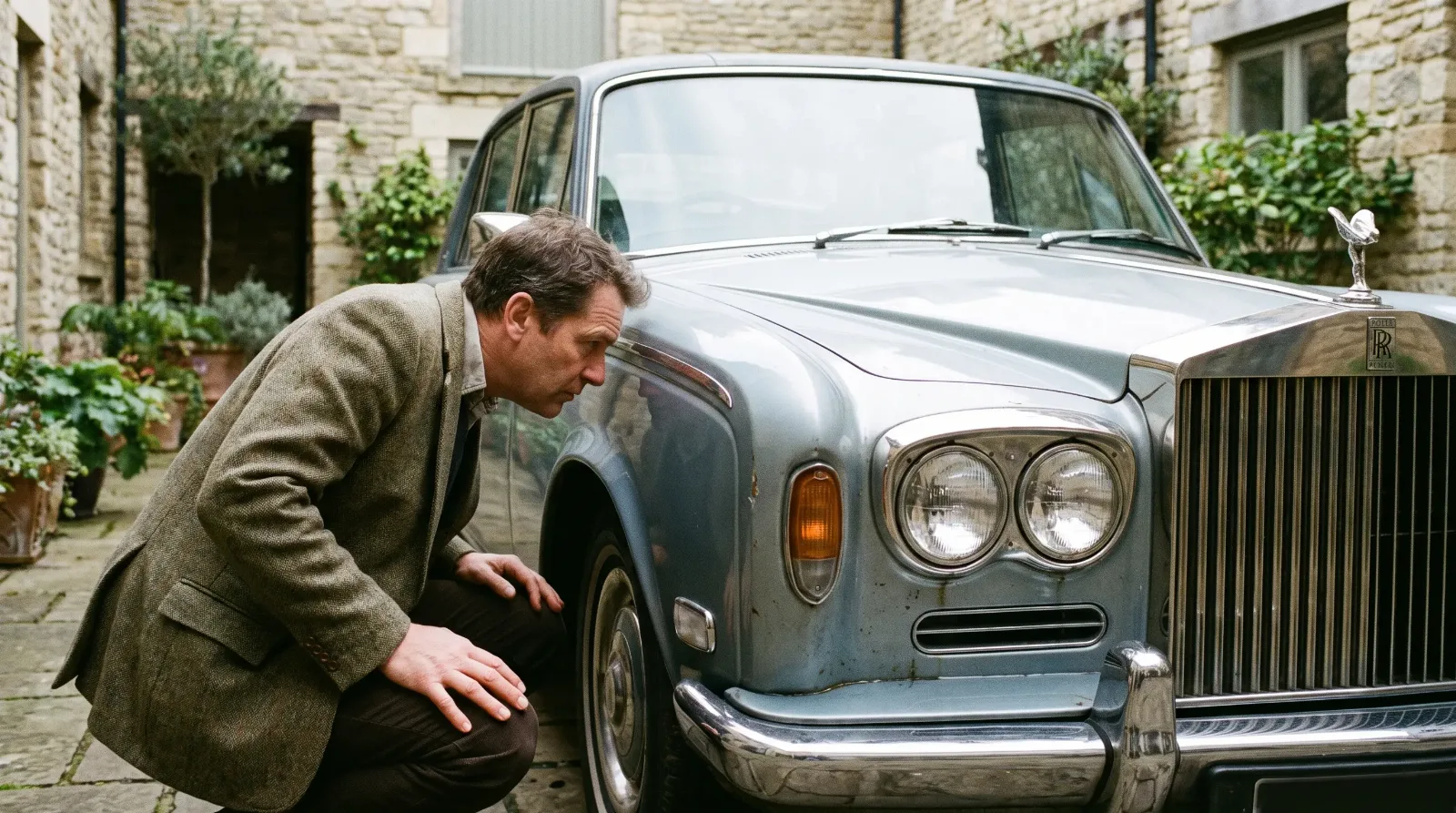
This guide walks the whole process from budgeting through inspection to the actual transaction, with real ranges rather than reassuring vagueness. If you want the wider context first, start with the classic luxury car story, then come back here for the numbers.
Budget for the total cost, not the sticker
A classic luxury car has four cost buckets, and the purchase price is only the first. The others are acquisition extras, annual carrying costs, and deferred maintenance. Buyers who model only the first bucket are the ones who sell at a loss eighteen months later.
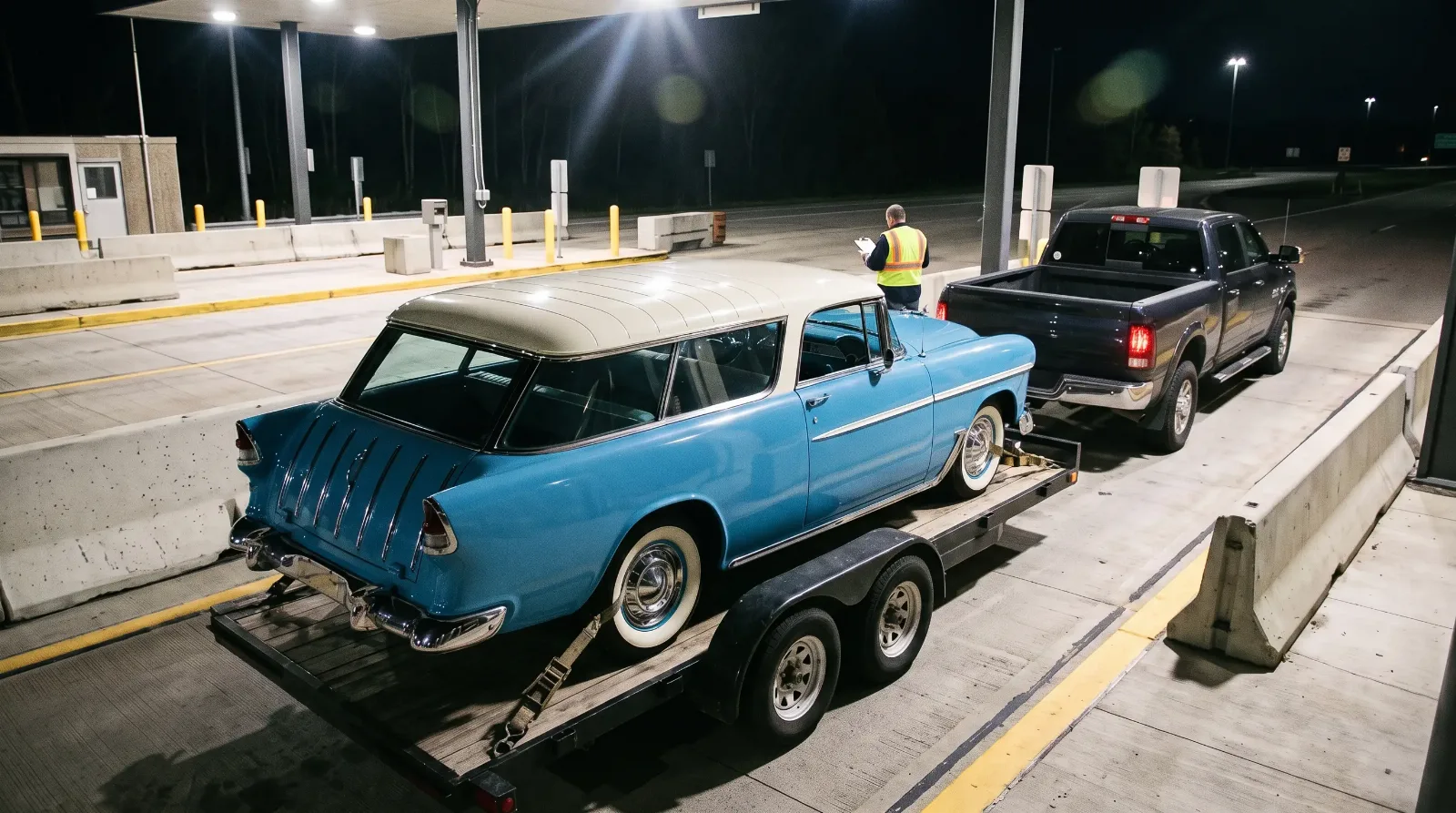
Acquisition extras include transport, pre-purchase inspection, any auction premium, and registration. On a car bought at distance, budget one to three thousand dollars before the car turns a wheel in your ownership. Annual carrying costs cover insurance, storage, and routine servicing. Deferred maintenance is the wild card, and on a complex luxury car it is usually the largest number of all.
The mistake I see most often is treating a luxury classic like a modern car with a fixed service interval. It is not. These cars need exercise, and a car that sits is a car that develops problems: seized calipers, perished seals, flat spots on tires, fuel that turns to varnish. The carrying cost of ownership assumes you actually use the car a few thousand miles a year. Budget for that use, because the alternative, a car that only depreciates in condition while it sits, is the worse deal.
| Cost category | Typical annual range | What moves it |
|---|---|---|
| Agreed-value insurance | $400-$1,500 | Value, usage, storage, driver history |
| Climate-controlled storage | $1,200-$3,600 | Region, humidity control, security |
| Routine servicing | $800-$3,000 | Complexity; a V12 costs far more than a straight-six |
| Sorting / deferred repairs (year 1) | $3,000-$25,000+ | Condition tier at purchase |
These are working ranges for a driver-quality to good car, not concours figures, and they shift with the model and the market. A well-sorted example costs more to buy and far less to own. That trade-off is the core lesson of this guide.
Buy the best example you can afford
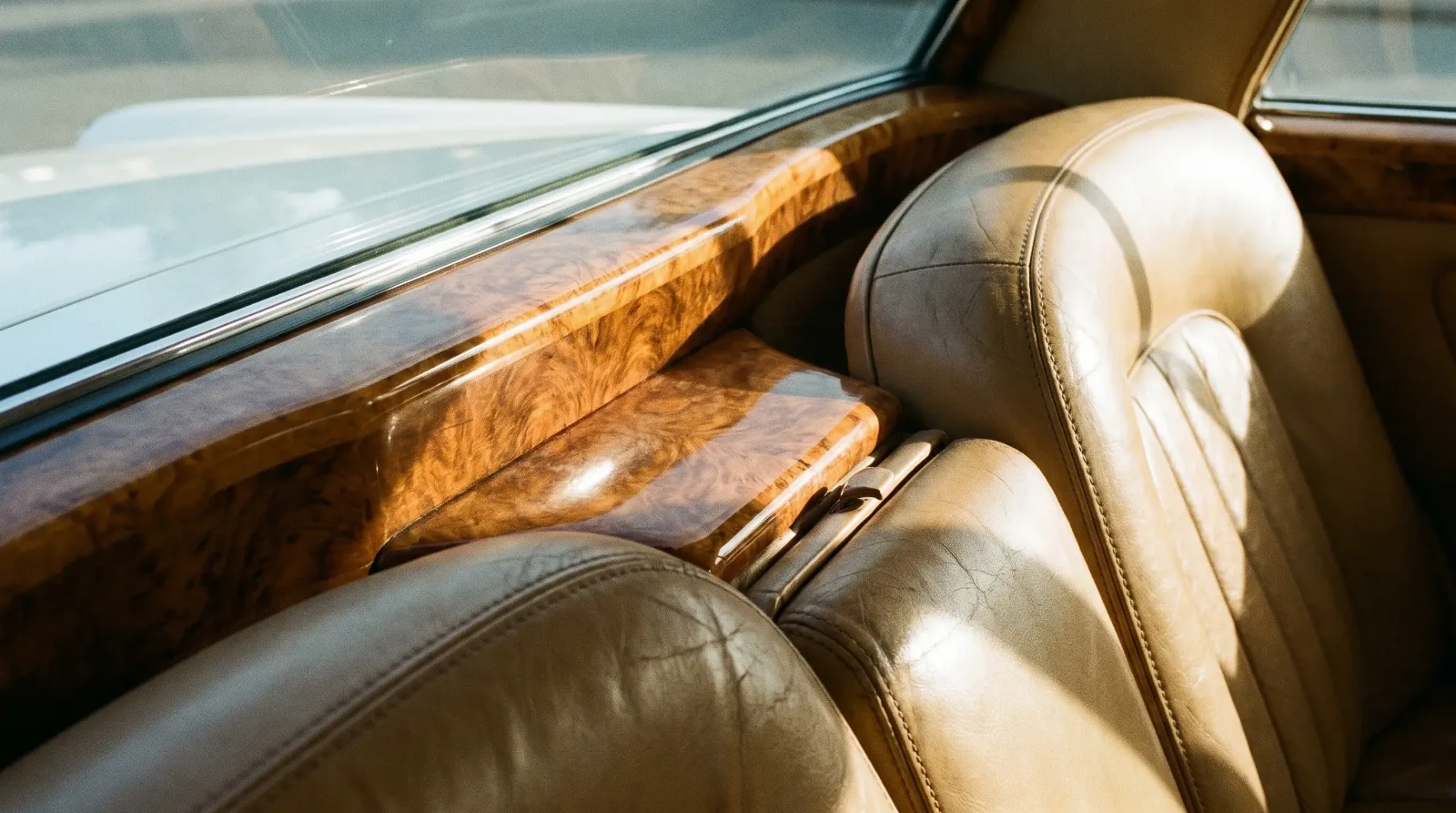
The oldest advice in the collector world is also the most reliably profitable: buy the best car you can stretch to, not the cheapest example of the model you want. The math is straightforward. The gap between a tired driver and a sorted, documented example is often smaller than the cost of closing that gap yourself.
Take a common luxury saloon. A rough but running car might list at $18,000, a sorted example of the same model at $38,000. The $20,000 difference looks large until you price a full sort: rechrome, interior retrim, hydraulic overhaul, and mechanical recommissioning routinely run past that figure on a complex car, and you finish with a car that carries a restoration you did not choose. The sorted car was the cheaper path from the start.
Documentation is worth real money
Provenance is not sentiment. It is price. A car with service records, build documentation, ownership history, and matching numbers commands a measurable premium over an identical car with a thin paper trail, and it sells faster when your turn comes. At the top of the market, documentation can account for a striking share of the difference between two visually similar cars.
Ask for the history file before you ask about the paint. Old invoices tell you what has been done and, more usefully, what has been ignored. A gap of fifteen years with no records is not automatically a deal-breaker, but it changes the conversation and it should change your offer.
There is a specific kind of documentation that matters more than the rest: proof of the expensive jobs. On a complex luxury car, a receipt showing a recent hydraulic overhaul, an engine rebuild, or a full retrim is worth real money to you as a buyer, because it removes the largest items from your first-year sorting reserve. When you read a history file, weight it by cost of the work, not the thickness of the folder. Ten oil-change receipts tell you less than one invoice for a suspension rebuild.
The pre-purchase inspection is non-negotiable
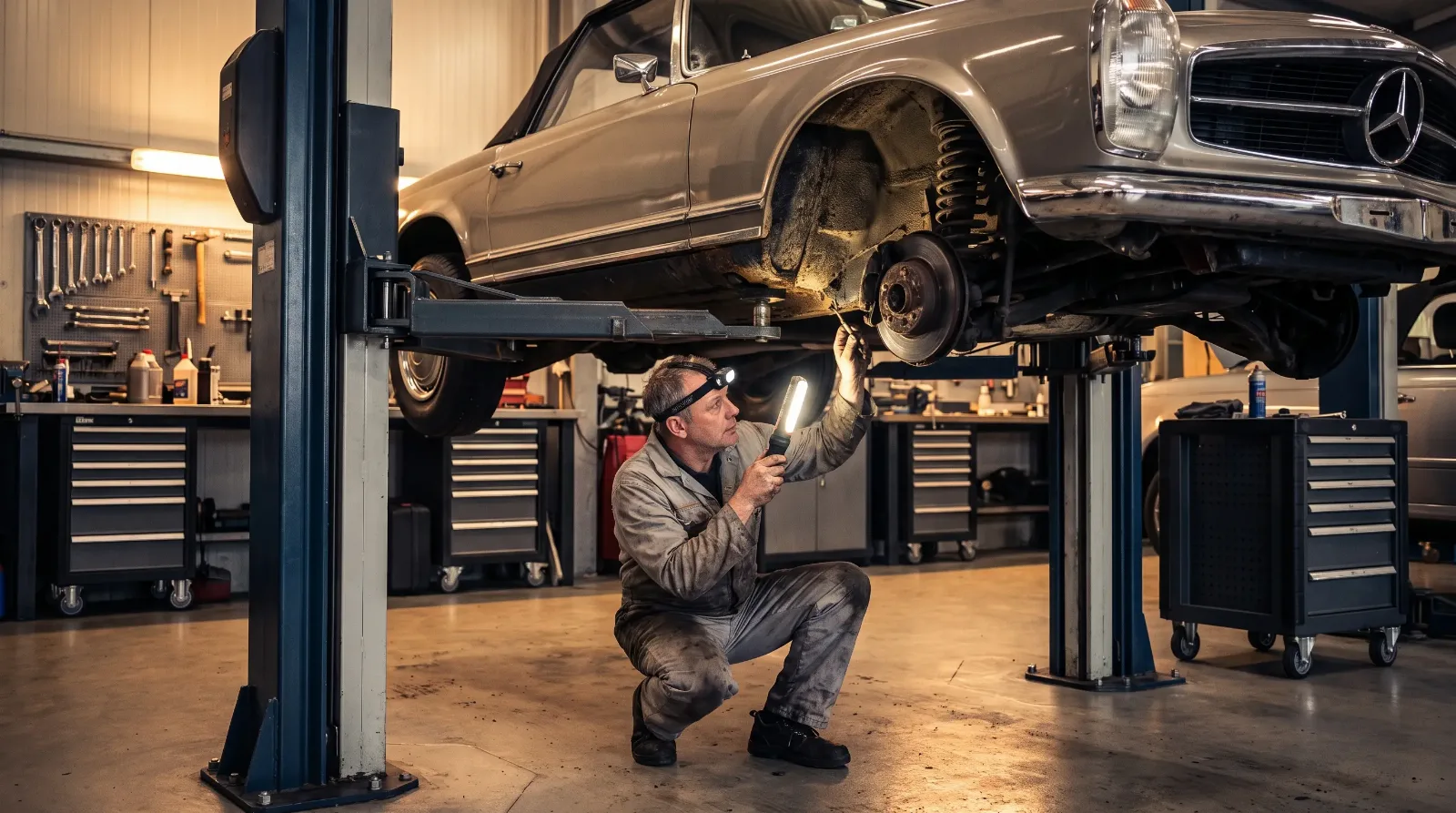
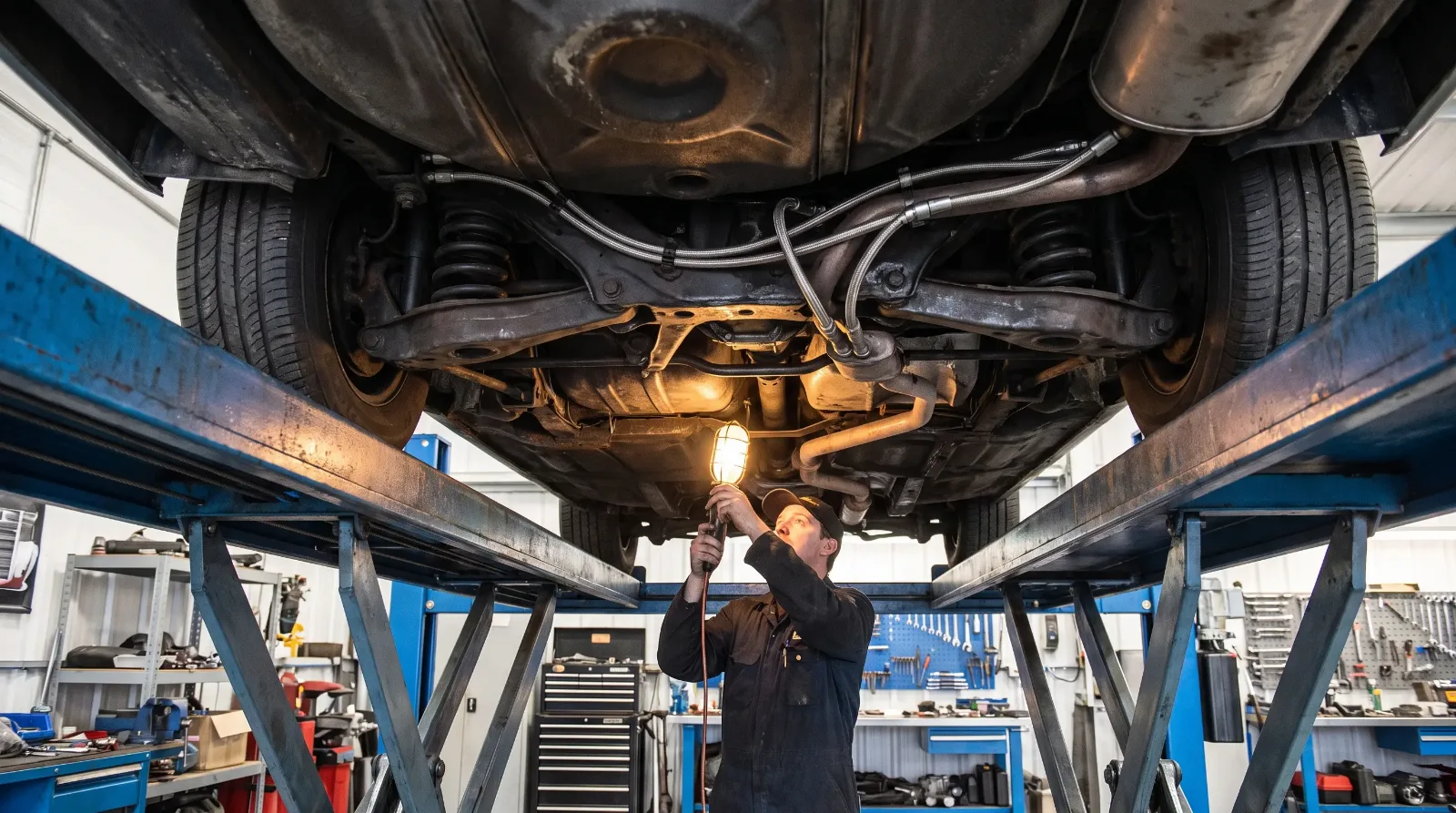
No serious luxury classic should change hands without a specialist inspection, and it should be a specialist in that marque, not a general mechanic. The complex systems on these cars, the self-leveling suspension, the hydraulics, the climate control, the wood and leather, are exactly where costs hide and exactly where a generalist misses things.
🔧 Inspection Priorities
- Structure and rust. Sills, floors, subframe mounts, and boot floors. Structural corrosion on a monocoque luxury car can exceed the value of the car to repair properly.
- Hydraulic and brake systems. On cars with complex hydraulics, a full system overhaul is a five-figure job. Test for leaks, slow braking, and a sinking pedal.
- Interior wood and leather. A full retrim in correct materials is one of the most expensive line items on any luxury classic. Cracked veneers and split hides add up fast.
- Engine and transmission provenance. Confirm numbers where the marque documents them. A replacement engine changes value and complicates any future concours ambition.
- Electrical gremlins. Power windows, seats, and accessories that fail one by one signal a long, expensive chase through aged wiring.
A thorough inspection costs a few hundred dollars and regularly saves tens of thousands. Skipping it to save the fee is the most expensive economy in this hobby.
Where to buy, and the trade-offs
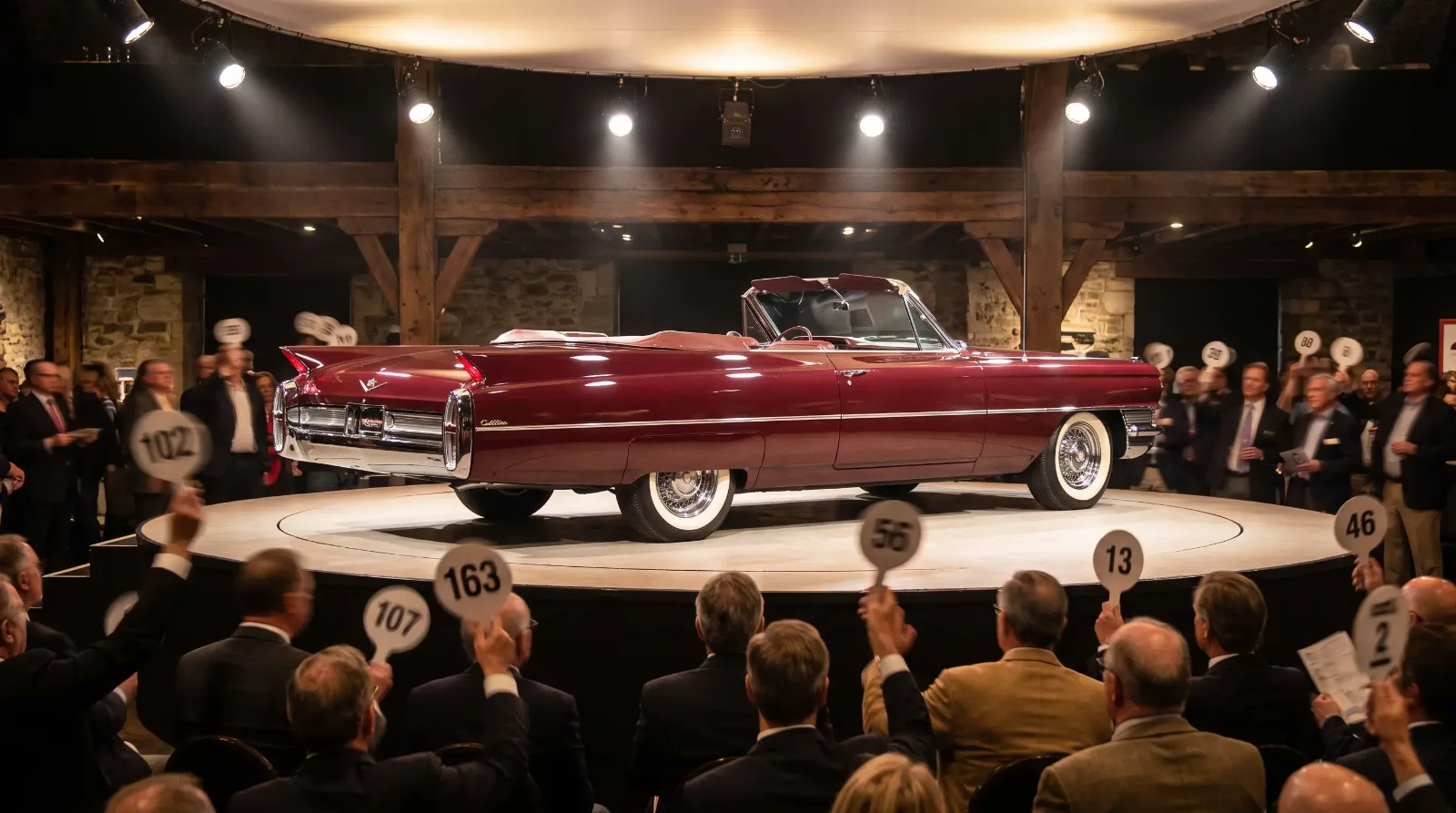
There are four main channels, and each carries a different risk profile. Auctions, both live and online, offer selection and transparency on recent comparable results, but the buyer's premium adds roughly 10 percent and the inspection window is tight. Marque specialists cost more but sell sorted, warranted cars. Private sales offer the best prices and the least protection. Estate sales can surface original, low-owner cars, though condition is a gamble. The same channels look different from the seller's chair, and our guide to classic car buyers explains who pays what when an owner sells to a dealer or a private party.
"The buyers who do well are boring about it. They set a total budget, they pay for the inspection, they walk away from three cars before they buy the fourth. The ones who overpay fell in love at a viewing and skipped the paperwork. The market rewards patience with better cars at better numbers, every single time."
David Mercer
Making the offer and closing cleanly
Once the inspection report is in hand, your offer should reflect it in writing. Use the findings as leverage. A list of needed work with rough costs turns a negotiation from opinion into arithmetic, and sellers respond to arithmetic.
On the transaction itself, verify the title and identity of the car against its documentation, use secure payment, and arrange enclosed transport for anything above driver quality. Keep every document from the sale; it becomes the first page of the history file you will hand the next owner. If restoration is where you are headed rather than a turnkey car, read onward to Restoring and Collecting a Classic Luxury Car before you commit to a project.
One caution on distance buying, which is now the norm. Photographs and video calls are useful, but they flatter a car. Corrosion hides under fresh underseal, a repaint hides bodywork, and a running engine on a cold start tells you little. If you cannot inspect the car yourself, pay a marque specialist near the seller to do it in person and send you the raw findings. The few hundred dollars is trivial against a five-figure mistake made from a phone screen.
The bottom line
A classic luxury car is a genuinely rewarding thing to own, and it can hold or grow its value if you buy well. The buyers who lose money are almost always the ones who optimized for the lowest purchase price and ignored the running total. Budget for the whole cost, buy the documented example, pay for the inspection, and let patience do the heavy lifting. When you are ready to see what is available, browse the current classic luxury cars for sale and start building your shortlist against the numbers in this guide.
Related Reading
Article
The Classic Luxury Car Story

Article
Rolls-Royce vs Bentley: The Sibling Rivalry
Article
Restoring and Collecting a Classic Luxury Car
Article
Why Classic Luxury Cars Are Cheaper to Buy Than to Own
Article
Air Suspension: The Hidden Complexity Buyers Underestimate
Article
Parts Availability Across the Classic Luxury Marques
Article
Why Provenance Matters More for Luxury Classics Than Muscle Cars
Article
The Price Range Reality Check Across Classic Luxury
Article
Common Issues Buyers Find Across Classic Luxury Marques
Article
Insuring a High-Value Classic Luxury Car
Article
Auction vs Private Sale: Buying a Classic Luxury Car
Article
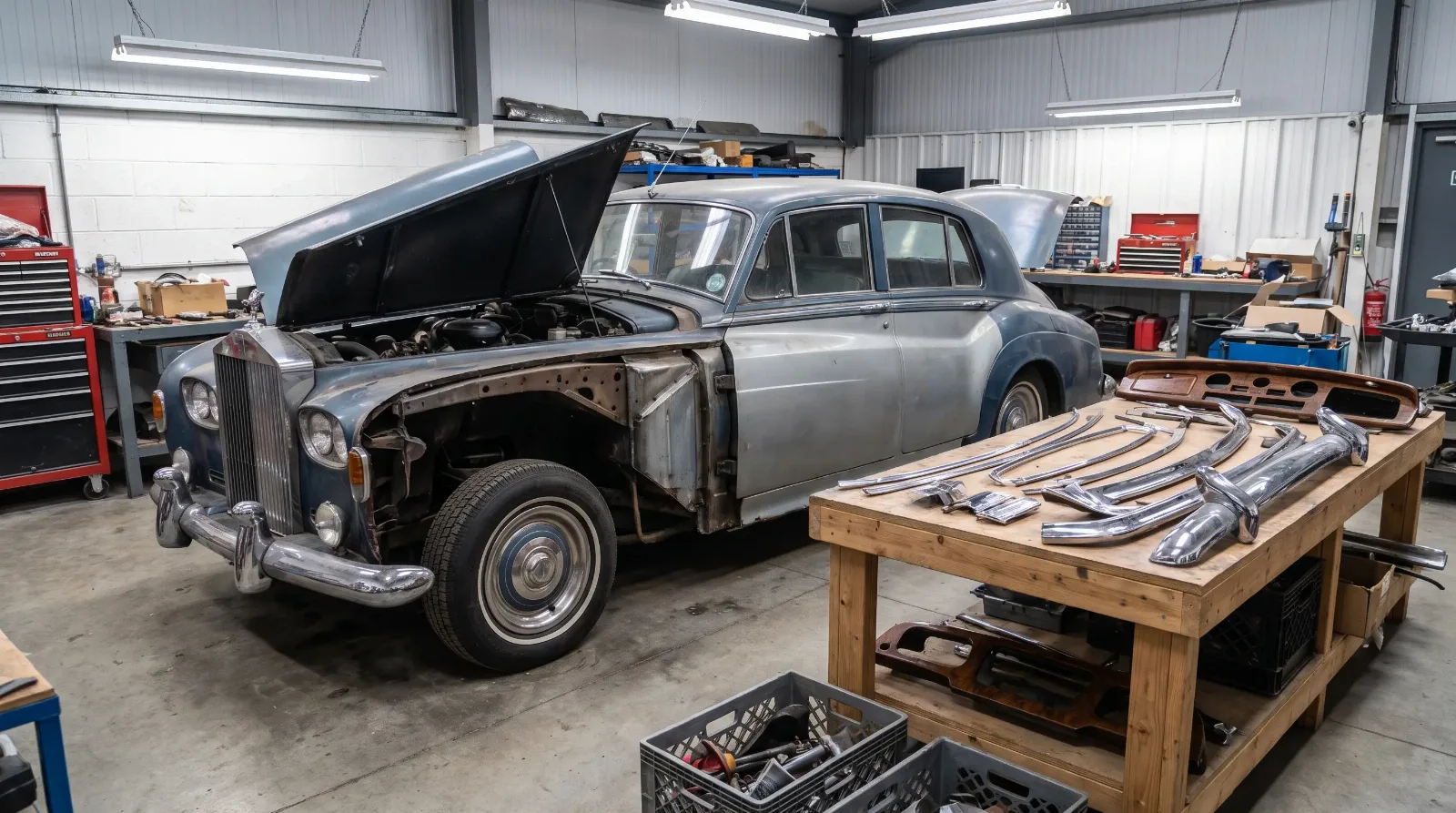
Why a Project Luxury Car Is a Bigger Gamble
Article
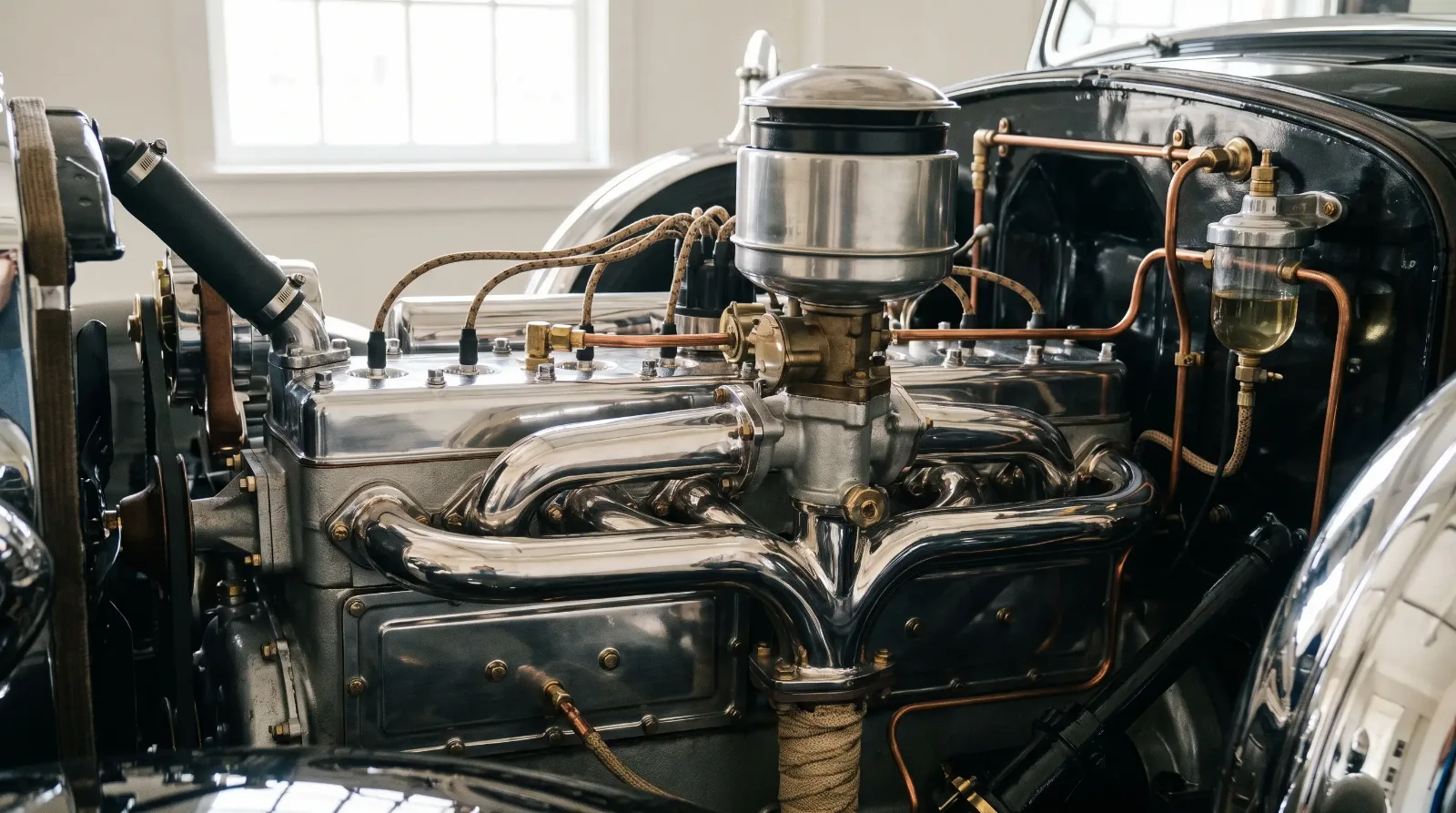
Matching Numbers and Why It Matters Less for Luxury Classics
Article
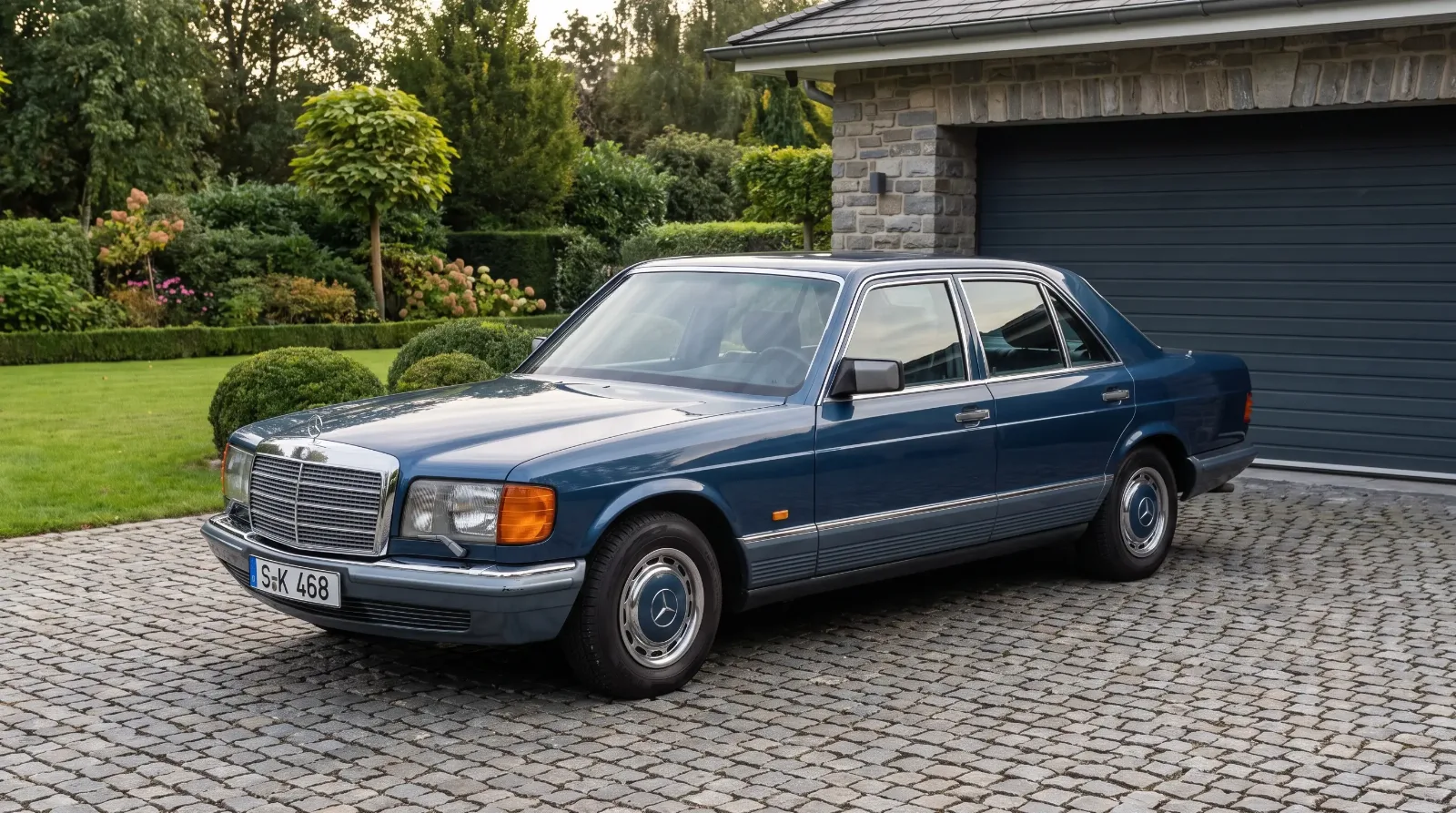
Grey-Market Imports: What Luxury Classic Buyers Should Know
Article
Driver-Quality vs Concours-Quality Classic Luxury
Article
Regional Buying Considerations for Classic Luxury Cars
Article
Evaluating Interior Condition in a Classic Luxury Car
Article
What a Smooth Test Drive Should Feel Like in a Classic Luxury Car
Article
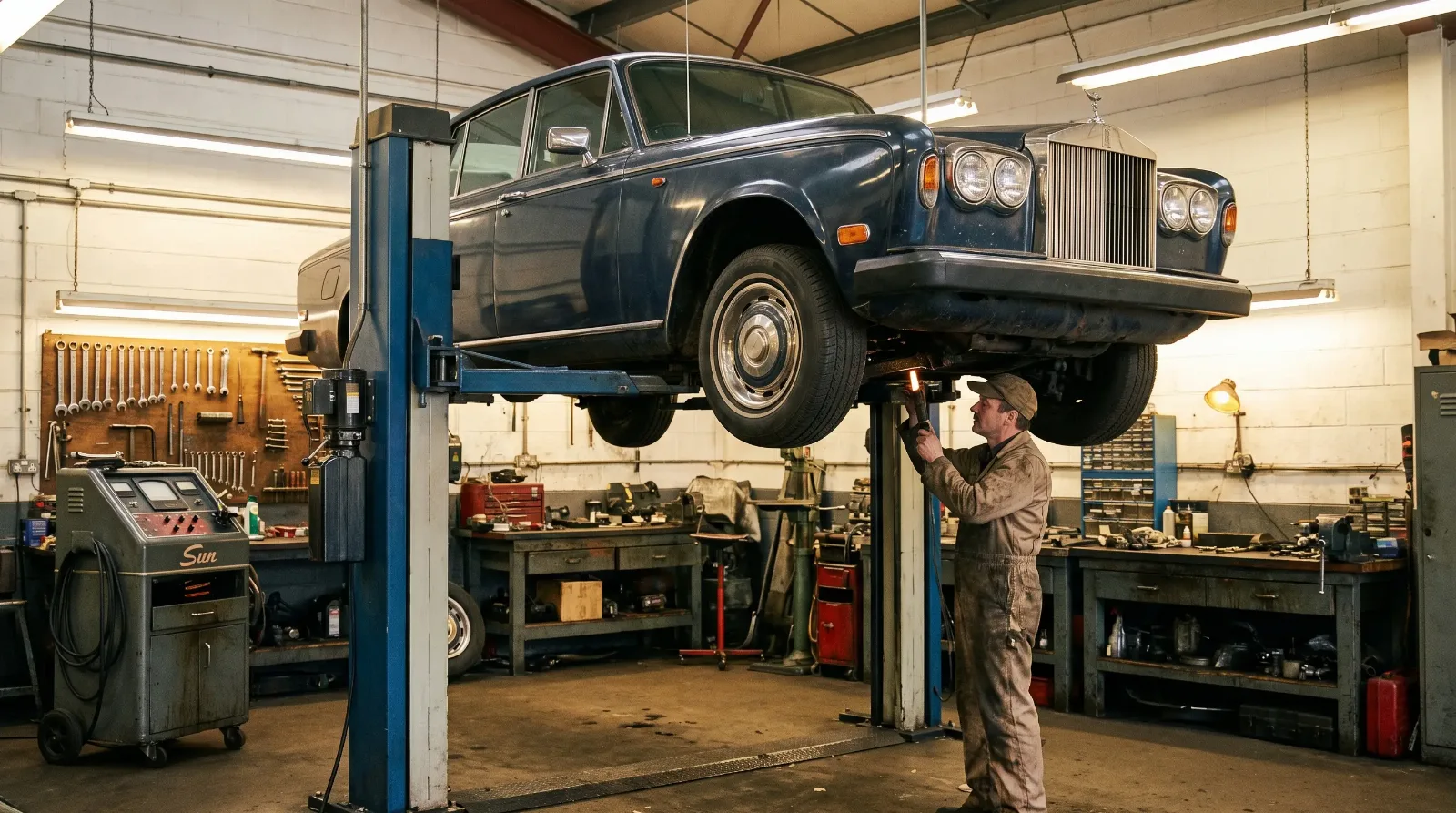
Marque Specialists vs General Classic Mechanics
Article
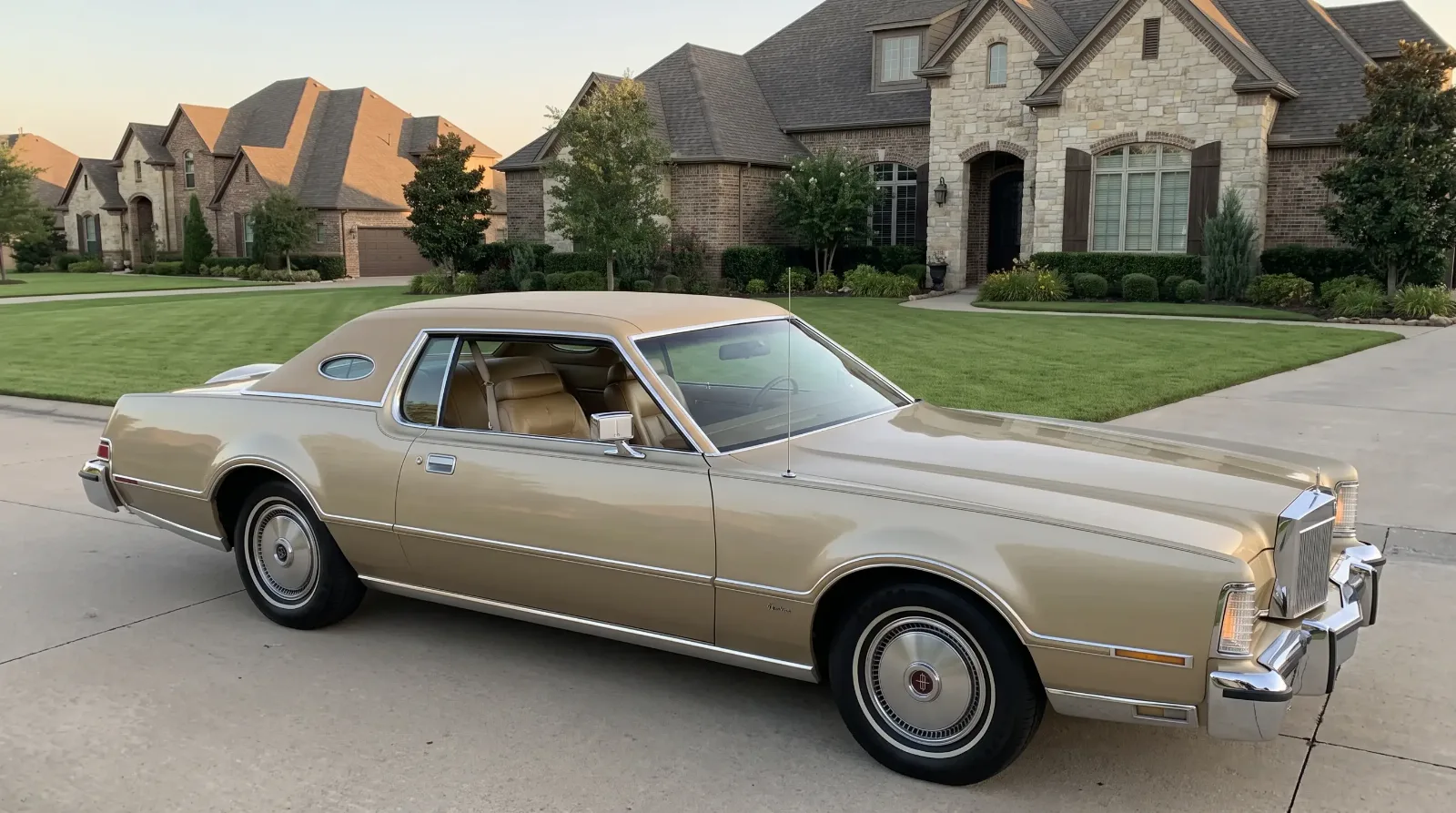
Buying for Status vs Buying for Enjoyment
Article
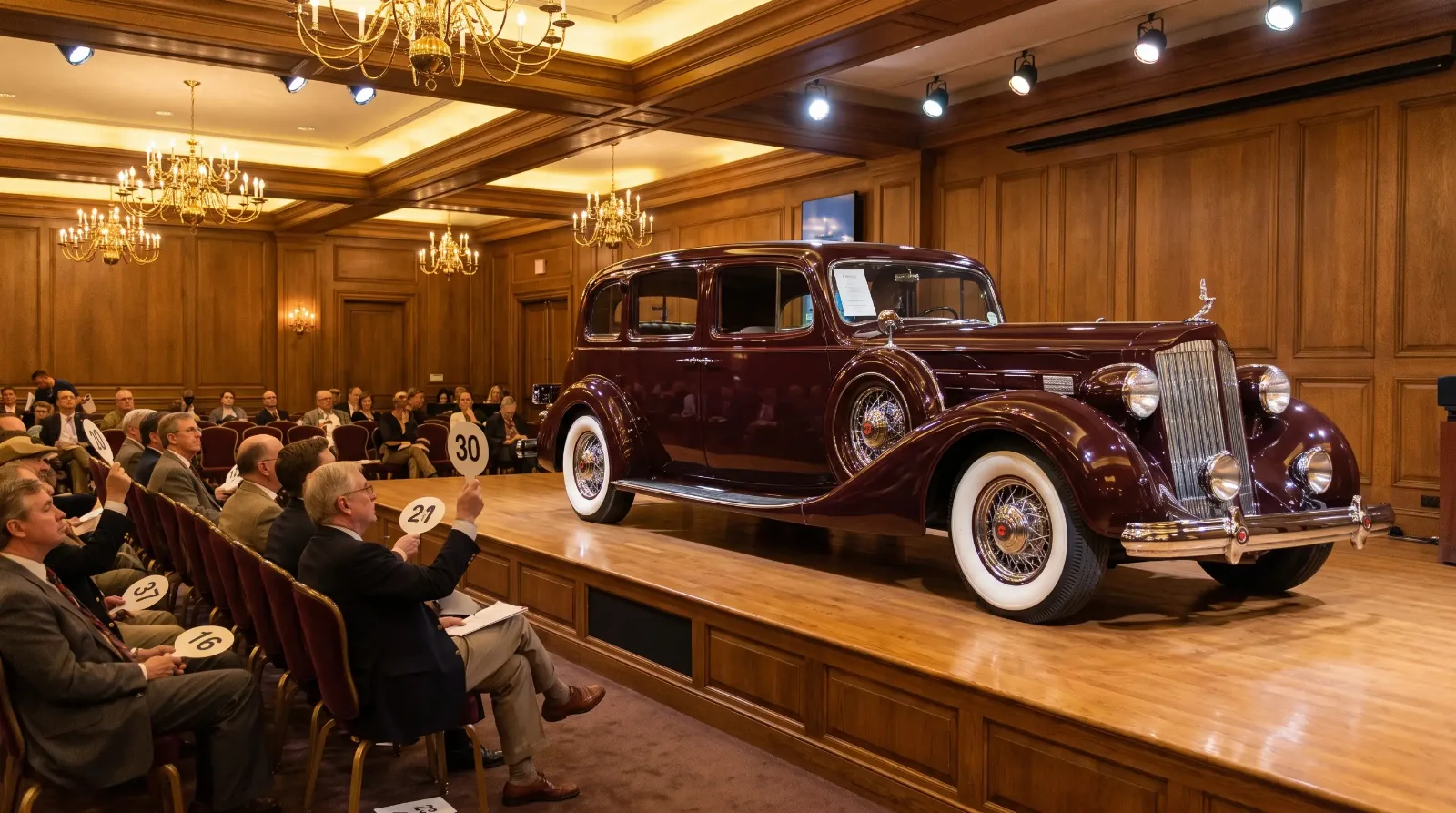
Financing and Appraising an Expensive Classic
Article
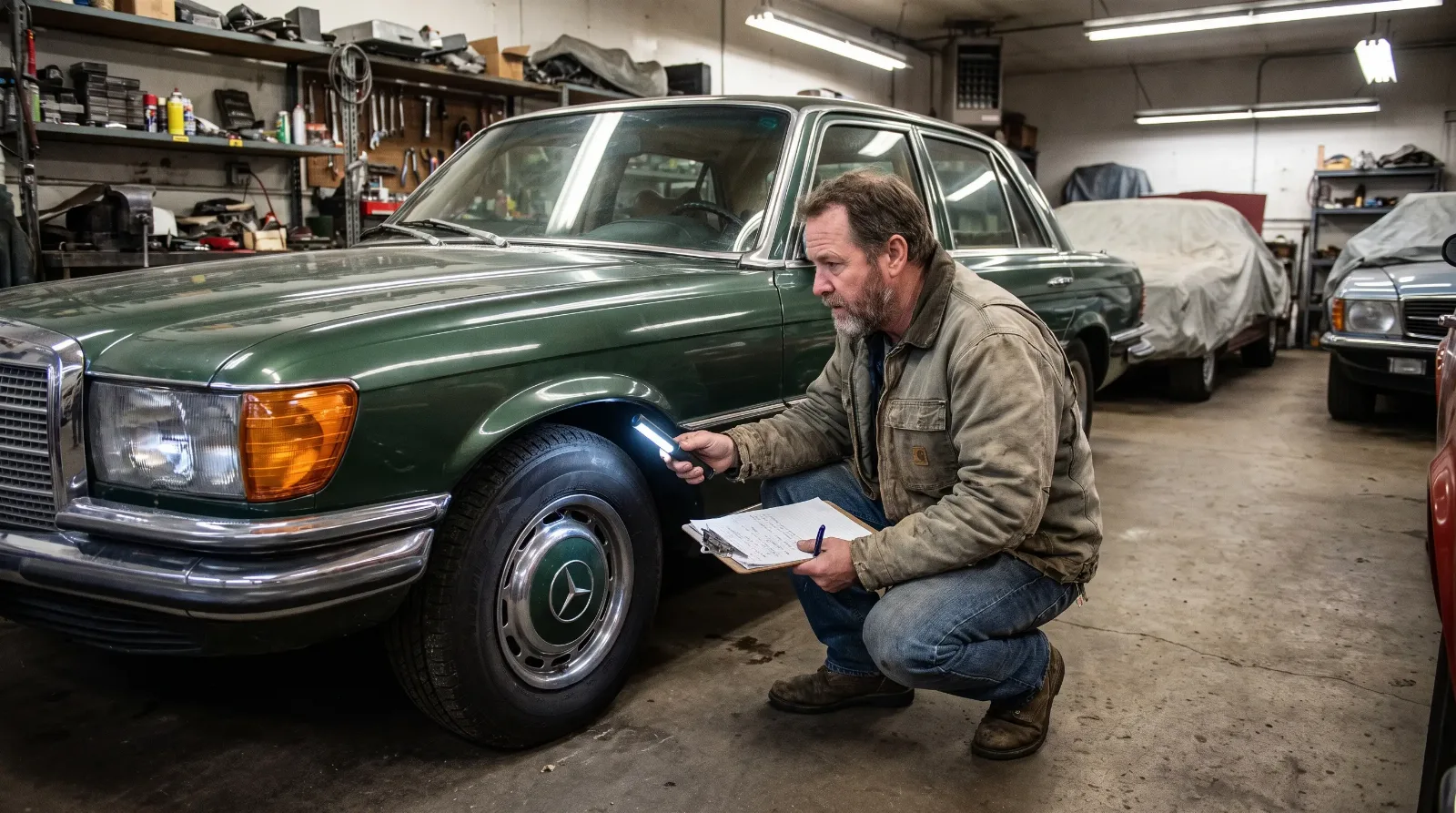
Questions to Ask Before Buying a Classic Luxury Car Sight Unseen
Have a
Classic Car
for Sale?
Reach thousands of serious classic car collectors across the US.
Sell It Here →
Are You a Classic Car Dealer?
List your full inventory and connect with targeted classic car buyers.
Join as a Dealer →

About the author
David Mercer
Classic car market analyst with two decades of experience tracking collector car valuations, auction results, and investment trends.
More in Ownership & Lifestyle
Comments
Be the first to comment on this article.