
Classic luxury car common problems tend to run together no matter what badge is on the hood. I have pulled apart enough Jaguars, Mercedes, and Rolls-Royces to tell you that the expensive stuff fails in the same places, for the same reason. Somebody deferred the maintenance because the parts were costly, and the car kept getting sold down the line until the bill landed on a buyer who did not see it coming.
Ownership & Lifestyle
6 min read
Common Issues Buyers Find Across Classic Luxury Marques
Classic luxury car common problems across the marques, from hidden rust and hydraulics to interior wood, leather, and failing electrical systems.
These cars were built to a standard, not a price, when they were new. That is exactly what makes them a headache to own cheap. A luxury system that was over-engineered in 1972 still costs luxury money to fix in 2026. Here is what actually goes wrong across the marques, and where to put your flashlight before you write a check.
Rust hides in the places that cost the most
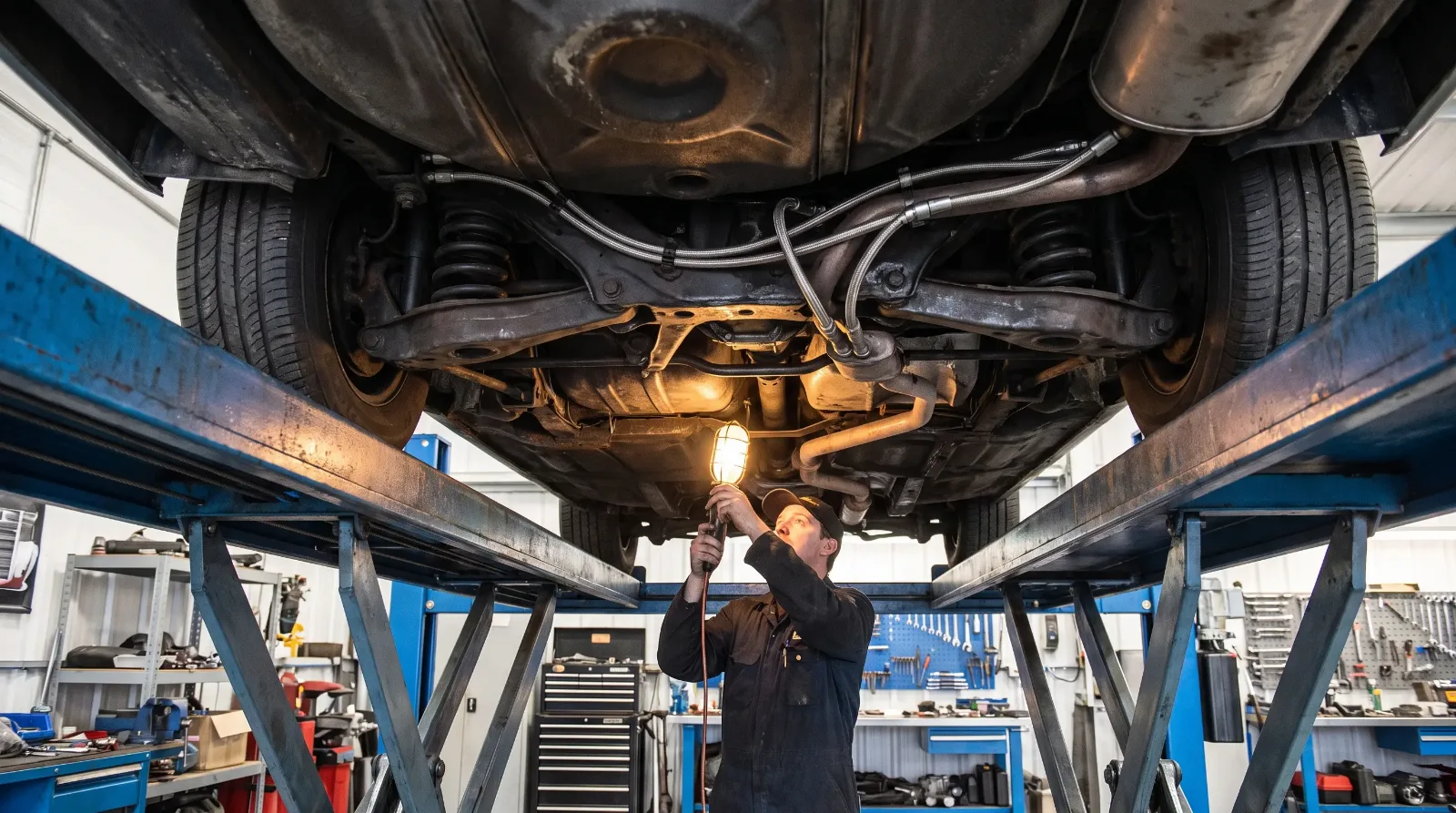
Every one of these cars rusts, and the badge does not save you. What changes is where it hides. On a Mercedes W108 or W116 sedan the rot starts in the front fenders, the jacking points, and the subframe mounts, and by the time you see bubbling in the paint the structure underneath is usually further gone than the surface lets on. Jaguar sedans and the E-Type rust in the sills and floors, and the sills on a monocoque Jaguar are structural, not trim. On a Rolls-Royce Silver Shadow the wings and lower body panels trap moisture and go from the inside out.
The trap with luxury cars is that the cosmetics stay presentable while the structure quietly fails. Thick paint, heavy chrome, and a clean interior make a rusty car look loved. Get underneath with a light and a screwdriver. Poke the sills, the floors, and the subframe mounts. Money spent on a proper inspection here is the cheapest insurance you will buy. This is the single biggest theme in our buyer's guide to the segment, and it is where most bad purchases go wrong.
🔧 Inspection Priorities
- Structural rust. Sills, floors, subframe mounts, and jacking points. A hidden rot repair on a monocoque luxury car runs several thousand dollars in bodywork and can total a cheap example.
- Hydraulic and brake systems. On a Silver Shadow the high-pressure hydraulics feed the brakes and self-leveling. A full system refresh is a four-figure job, often heading toward five.
- Interior wood and leather. Cracked veneer and split hides on a Rolls-Royce or Jaguar are restoration-grade work. A full interior can cost more than the car.
- Climate and electrical. Vacuum systems, power accessories, and period wiring fail quietly and add up in labor.
The hydraulics are the marque tax
The system that separates a Rolls-Royce Silver Shadow or a Bentley T-series from an ordinary car is also the one that scares buyers, and it should. These cars use a high-pressure hydraulic system, licensed from Citroen, that runs the brakes and the self-leveling suspension off engine-driven pumps and accumulator spheres. When it is right, the car stops and rides like nothing else from the period. When it is neglected, it leaks brake fluid at every fitting and the whole circuit needs sorting.
A proper hydraulic refresh on a Shadow, new hoses, seals, accumulators, and a bleed-down of the system, is not a weekend job and not a cheap one. Budget several thousand dollars if a specialist touches it, and know that this is exactly the work a flipper skips. The same principle applies to any luxury system that was complex when new. It costs luxury money to keep alive, and the previous owner's decision to defer it becomes your problem.
Interior wood and leather is a restoration line item
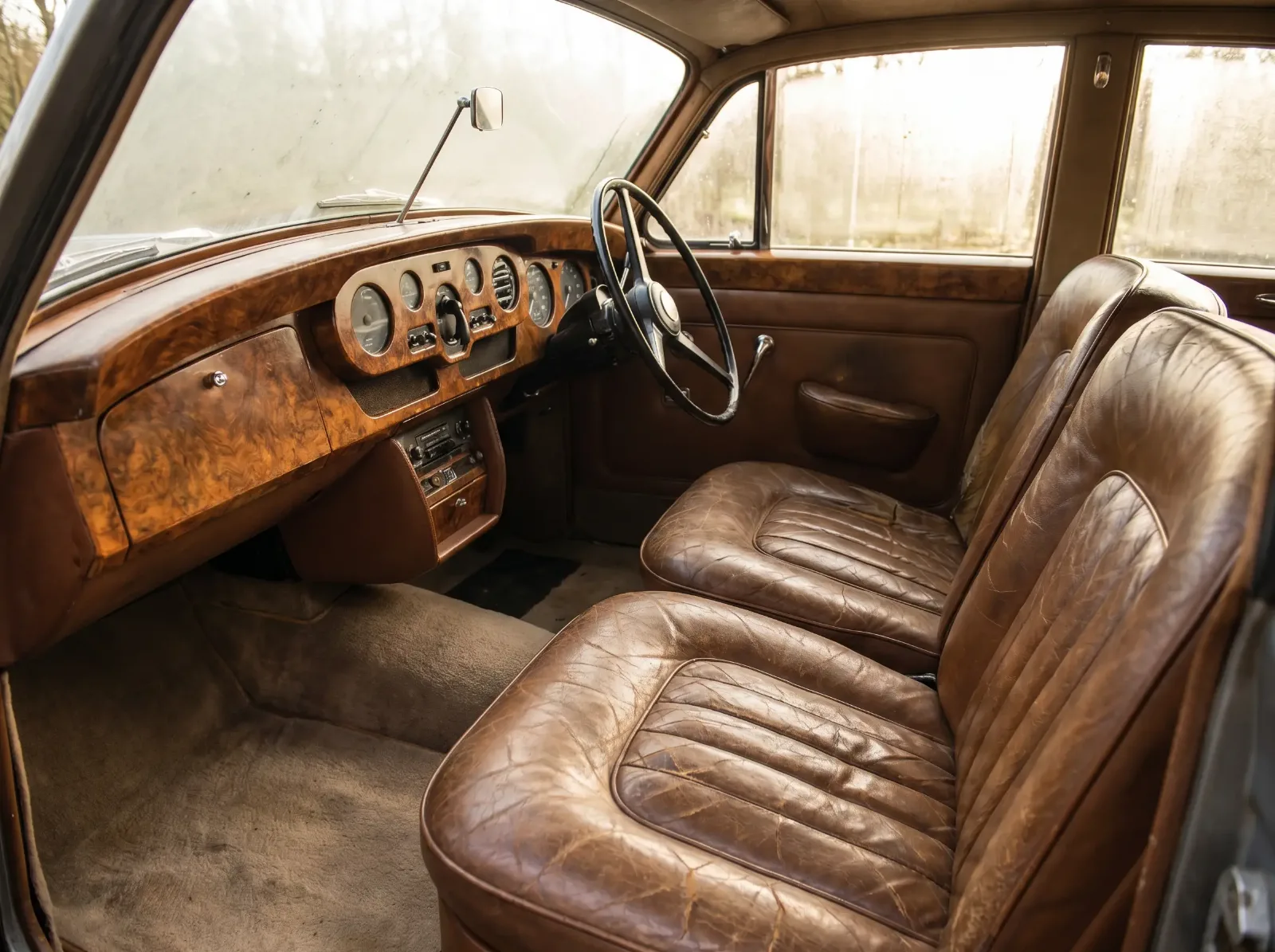
People underestimate the interior because it photographs well. On these cars the cabin is a big part of what you are paying for, and it is expensive to put right. The burl walnut veneer on a Rolls-Royce, Bentley, or Jaguar dashboard cracks and lifts when the car has lived through heat and sun cycles, and reveneering a full set of trim is skilled hand work. The Connolly leather seats crack and split at the bolsters, and a full retrim in correct hides is real money.
Do not let a musty smell or a single cracked cap fool you into thinking it is cosmetic. Add up the veneer, the leather, the headliner, and the carpet, and a tired interior can cost as much as a running driveline. Price it before you fall in love with the car. For the longer view on how these cars were built and why the interiors matter so much, read the full classic luxury car story.
Electrical and climate systems fail quietly
The last theme is the one buyers ignore until it strands them. Luxury cars carried every power accessory the era offered, and every one of them is a failure point four or five decades later. Jaguars of this period wore Lucas electrics, and the running joke about them exists for a reason: connectors corrode, grounds go bad, and gauges read wrong until you chase the fault back to a green terminal. Mercedes used vacuum systems to run the central locking and climate flaps, and a single cracked vacuum line takes down the whole circuit.
Air conditioning is its own trap. These systems were complex when new, the components are marque-specific, and a full retrofit or rebuild runs well into four figures. When you test one of these cars, work every switch. Windows, seats, locks, climate, lights. Anything dead is a clue, and a car with three dead accessories usually has more you have not found yet.
"The badge tells you the car was built well. It does not tell you it was kept up. I have seen a clean-looking Rolls hiding a hydraulic system that hadn't been touched in twenty years. The paint was the cheap part. Everything underneath it was the expensive part."
Mike Sullivan
None of this should scare you off the right car. A luxury classic that has been genuinely maintained is one of the best-driving old cars you can own, and the money is in buying a sorted example instead of a project that hides its bills. Look at what is currently available across the segment on our classic luxury cars for sale listings and compare condition against price with these failure points in mind. When the hydraulics, the rust, and the interior all check out, the rest of the car usually follows. Once you have found a solid one, the next question is protecting it, so continue with next: Insuring a High-Value Classic Luxury Car.
Related Reading
Have a
Classic Car
for Sale?
Reach thousands of serious classic car collectors across the US.
Sell It Here →
Are You a Classic Car Dealer?
List your full inventory and connect with targeted classic car buyers.
Join as a Dealer →

About the author
Mike Sullivan
Detroit-area muscle car enthusiast and restoration specialist with three decades of hands-on experience working on American iron.
More in Ownership & Lifestyle
Comments
Be the first to comment on this article.