Every street rod starts as a decision about steel. Before the crate motor, before the paint booth, before anybody argues about wheel diameter, you pick a body. That choice sets your budget, your parts availability, and honestly your whole attitude for the next two years. I've built cars on most of the popular platforms over the years, and each one comes with its own personality, its own headaches, and its own crowd standing around it at the show.
The pool of usable bodies is smaller than people think. Street rod culture drew a hard line at pre-1949 American iron, so the candidates are Fords, Chevys, Plymouths, and a handful of oddballs from the flathead era. Within that pool, a few shapes dominate every fairground in the country. If you want the full backstory on how these cars became the hobby they are, read the story of the street rod. This piece is about the metal itself, which shapes are worth chasing, and what it actually costs to start with each one.
The Model A: the honest starting point
Ford built the Model A from 1928 through 1931, and it is the car that taught most of us how to build. The proportions are upright and simple, the frame is a straight ladder that welcomes modern crossmembers, and the aftermarket treats it like a second national religion. You can buy nearly every panel new. That matters more than horsepower when you are staring at a rusty tub in somebody's barn.
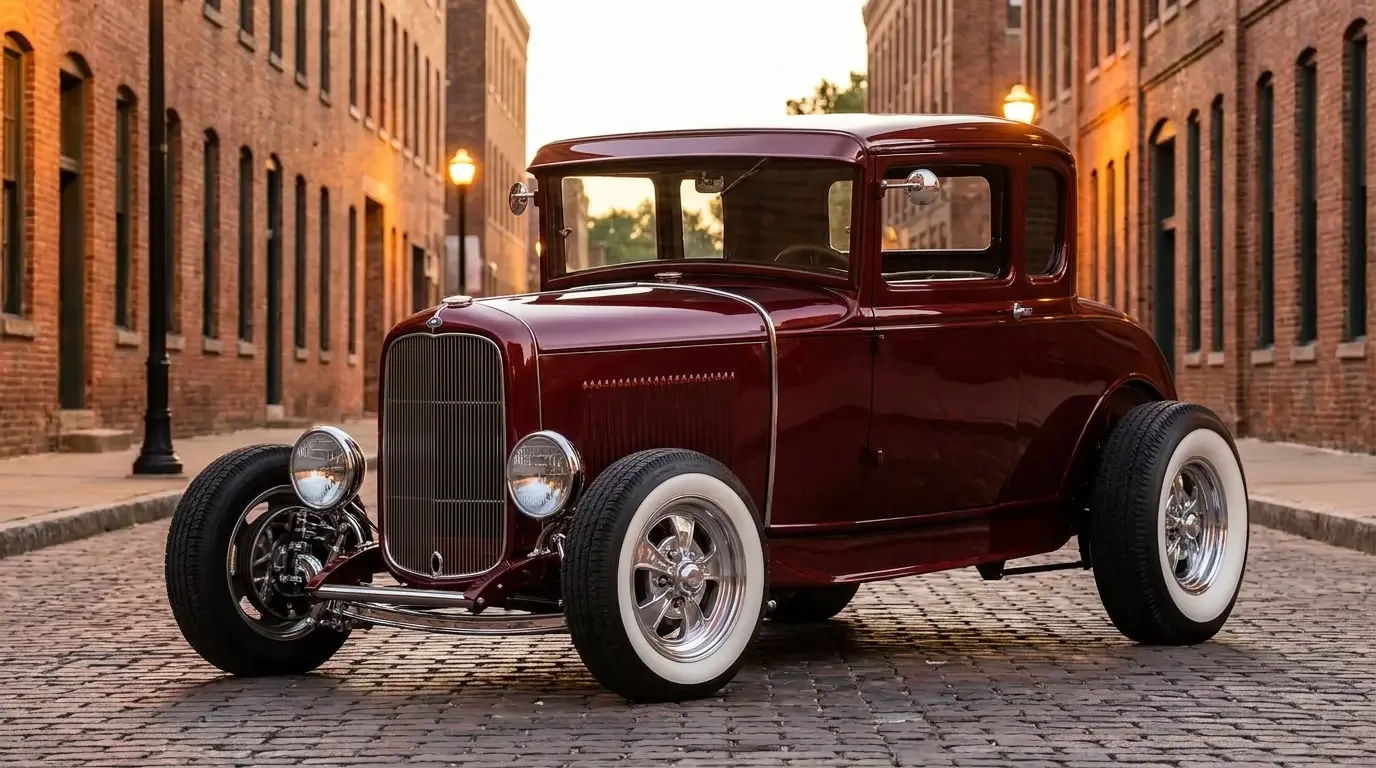
The A comes in enough body styles to fit any taste. The Tudor and Fordor sedans give you room for a family. The coupe, especially the five-window, is the classic hot-looking A. The roadster and the roadster pickup are the light, fast, sunburned versions that SoCal builders love. Phaetons and the rare cabriolet round it out. Prices for a rough but complete steel A body still land in reasonable territory compared to the Deuce, which is exactly why so many first builds happen here.
The 1932 Ford: the Deuce and the crown
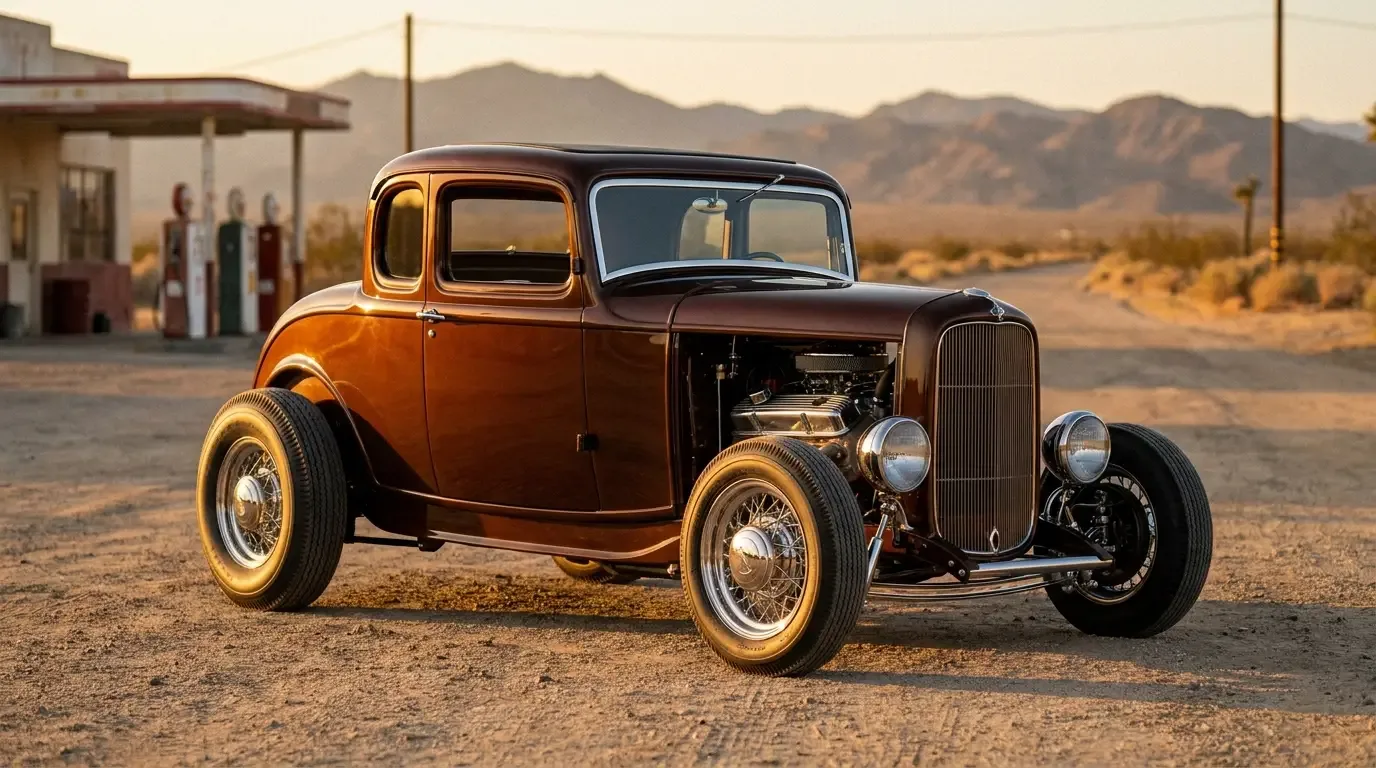
Then there is the 1932 Ford, the Deuce, the single most desirable street rod platform ever made. Ford only built the 32 for one model year, and that scarcity plus the perfect stance of the car turned it into the icon. The frame rails have that reveal down the side, the grille shell is a shape everybody recognizes from fifty feet, and the flathead V8 debuted in this car. A real steel 32 body is expensive and getting worse every year.
Here is the good news for the rest of us. The 32 is the most heavily reproduced body in the hobby. You can buy a brand new steel 32 highboy roadster body, or a fiberglass one for far less, and companies have been making reproduction Deuce frames for decades. That means a builder can put a genuine 32-shaped car in the garage without ever touching an original panel. Purists sniff at glass, but a well-built glass Deuce drives down the road looking exactly right.
| Platform | Years | Steel body supply | Fiberglass repro | Rough project cost (guide) |
|---|---|---|---|---|
| Model A | 1928-1931 | Good, originals plus new panels | Available | Lower |
| 1932 Ford (Deuce) | 1932 | Reproduction steel available, originals costly | Widely available | Higher |
| 1933-1934 Ford | 1933-1934 | Repro steel and originals | Available | Moderate to high |
| Fat-fender Fords | 1935-1948 | Mostly originals | Limited | Moderate |
| 1937-1948 Chevy | 1937-1948 | Mostly originals | Limited | Lower to moderate |
The 1933 and 1934 Fords: curves arrive
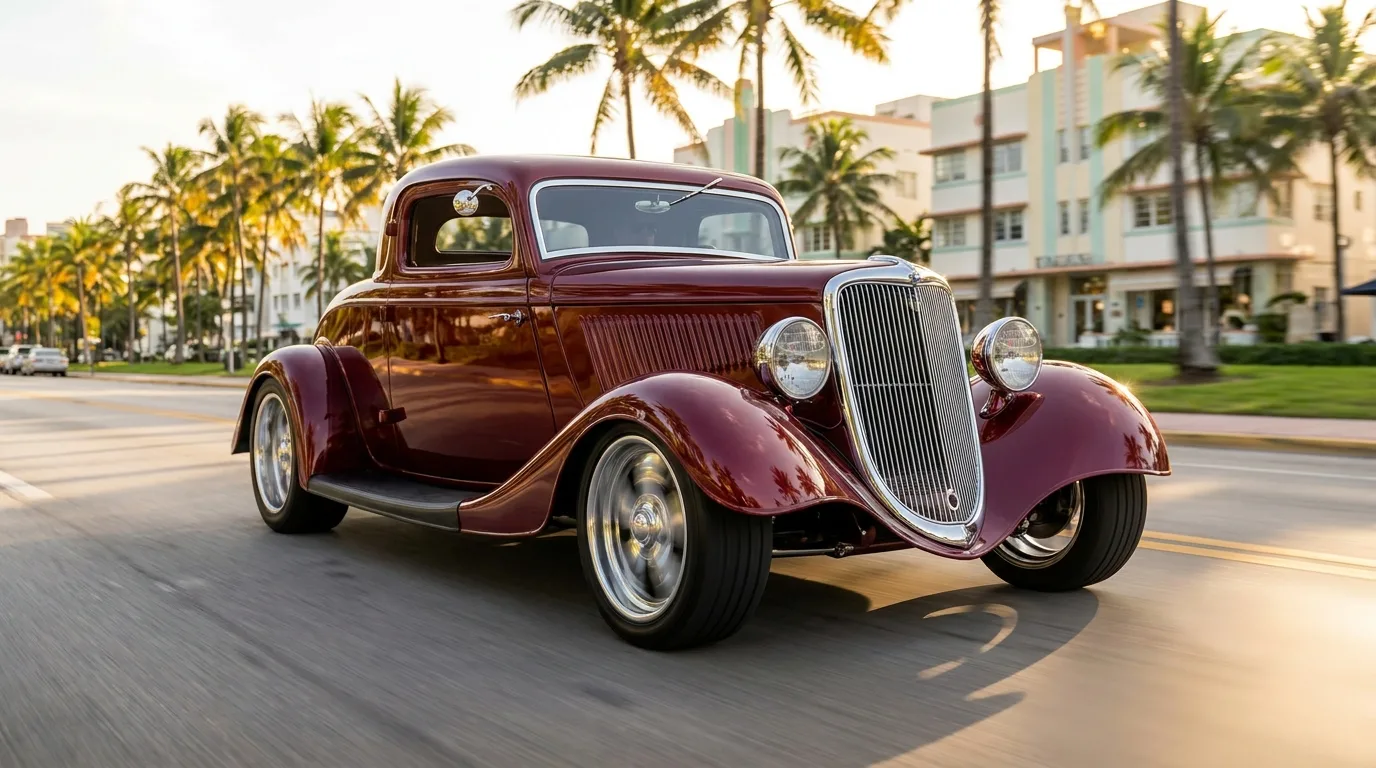
The 33 and 34 Fords are where Ford styling started to flow. The grille leans back, the fenders sweep, and the body has a grown-up elegance the A and the 32 do not. Builders who want a slightly more sophisticated car without leaving the early-Ford world gravitate here. The three-window coupe is the trophy shape, sleek and low, and it commands money to match. The five-window and the roadster are more attainable.
Parts support is strong. Reproduction steel bodies exist, fiberglass is common, and the frames follow the same crossmember logic as the earlier cars. The 33-34 sits in a sweet spot for a lot of builders: enough style to stand out, enough aftermarket to stay sane. It's the one I keep steering folks toward when a customer wants something that looks expensive but does not fight back at every turn.
"Folks ask me what to build first and I always steer them to a Model A or a 33 Ford. You want a platform where every bracket you need is a phone call away. Save the rare stuff for build number three, when you already know how to weld a floor."
— Gary Nowak
Fat-fender Fords: the 1935 to 1948 crowd
After 1934 the fenders got wide and full, which is where the affectionate term fat-fender comes from. These cars, the 1935 through 1948 Fords, carry more metal and more presence. A 1940 Ford coupe is one of the prettiest American cars of the whole era, and it has a devoted following for exactly that reason. The 1946 to 1948 cars share much of that look and often cost less to get into.
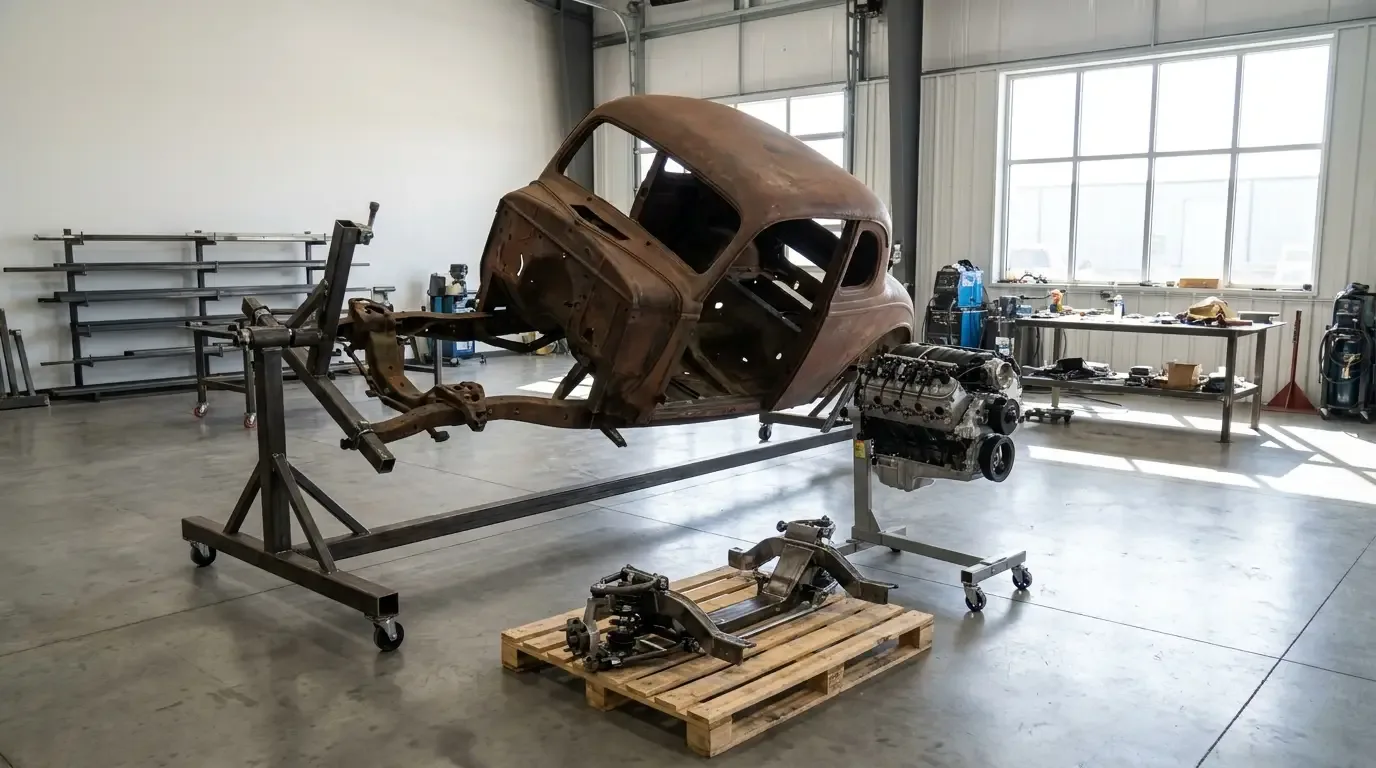
The trade-off is parts. Fat-fenders do not enjoy the same wall-to-wall reproduction support as the A and the Deuce. You lean more on original panels, careful rust repair, and swap-meet hunting. That is not a reason to skip them. It is a reason to buy the most solid body you can find rather than the cheapest. A rust-free 40 coupe is worth chasing across three states. A rotten one will eat your budget through the floorpans.
Chevy, Plymouth, and the non-Ford path
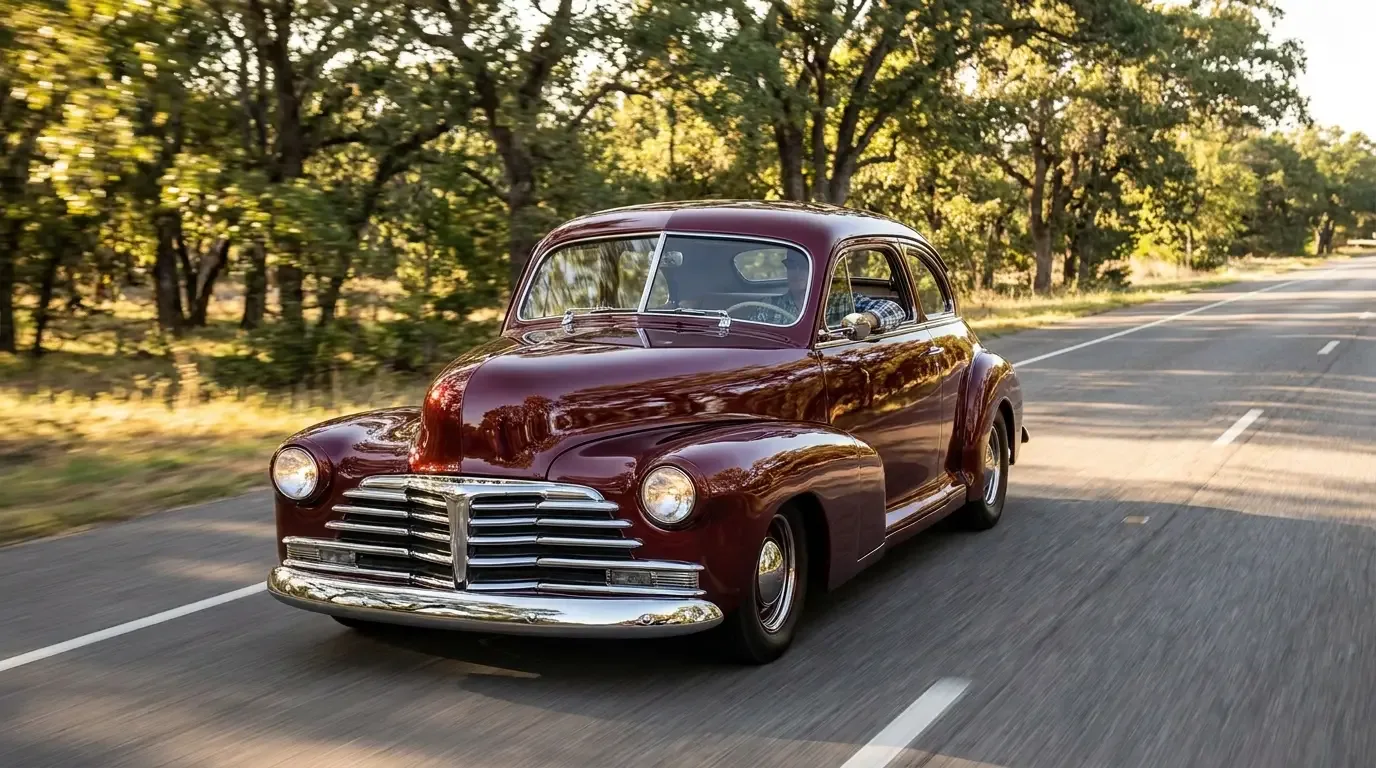
Ford dominates the conversation, but it is not the only game. Pre-1949 Chevrolets, particularly the 1937 through 1948 cars, make excellent street rods and often cost less to buy because the crowd is smaller. A 1939 or 1940 Chevy coupe has real character, and dropping a small-block Chevy into a Chevy body pleases the brand-loyal builders. Plymouths and other Mopars from the flathead years are rarer still and give you a car nobody else at the show is running.
The catch is the same one that hits the fat-fenders, only harder. Reproduction body panels for early Chevys and Plymouths are thin on the ground. You are committing to original steel and to a longer search for trim, glass, and brightwork. For a builder who values standing out over convenience, that is a fair trade. Just go in with clear eyes about the hunt.
🔧 Inspection Priorities
- Floorpans and trunk floor. Rot here is common and fixable but adds real labor cost. Budget for patch panels or full pans on any project car.
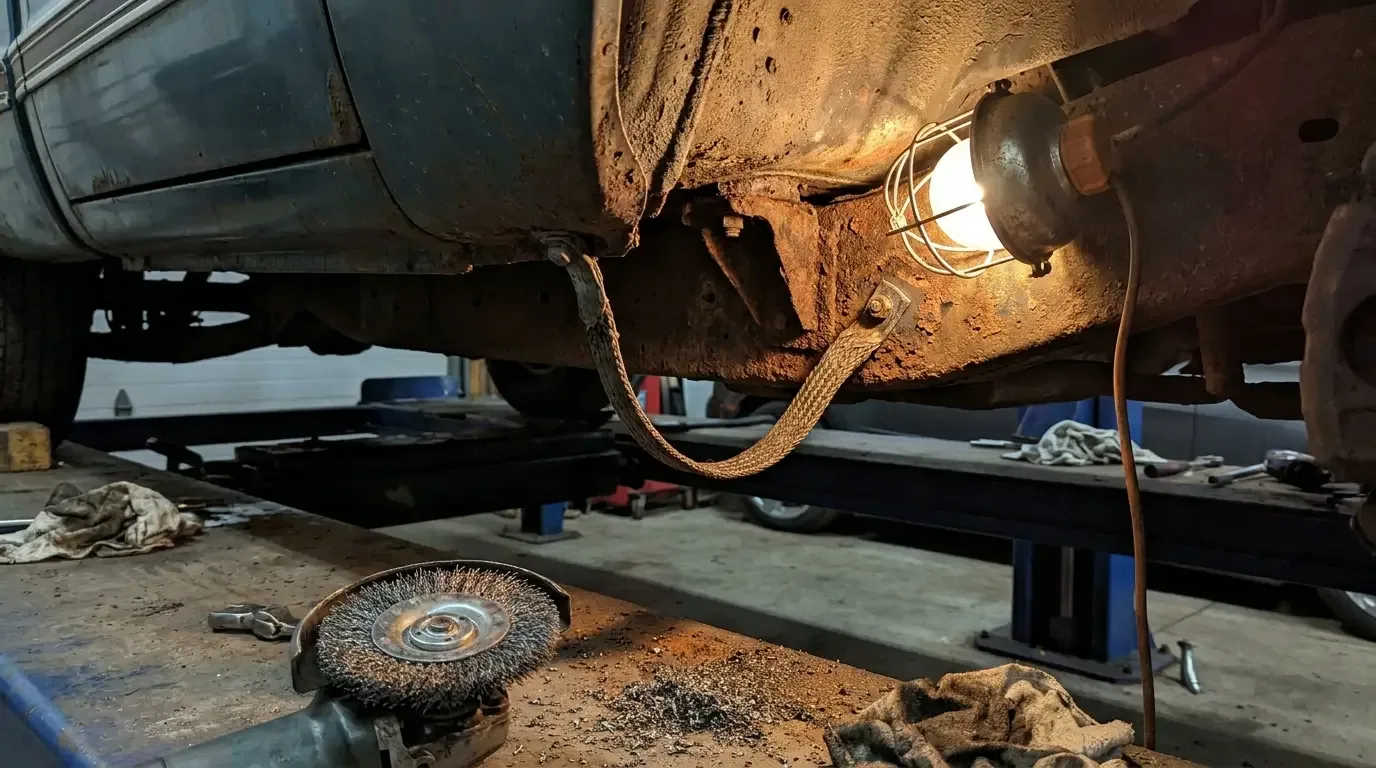
- Cowl area. Water sits in the cowl and rusts it from the inside. Repairs are difficult and often the reason a cheap body is cheap.
- Door gaps and body lines. Uneven gaps suggest past damage or a tired body. On a repro-scarce platform this is harder to correct.
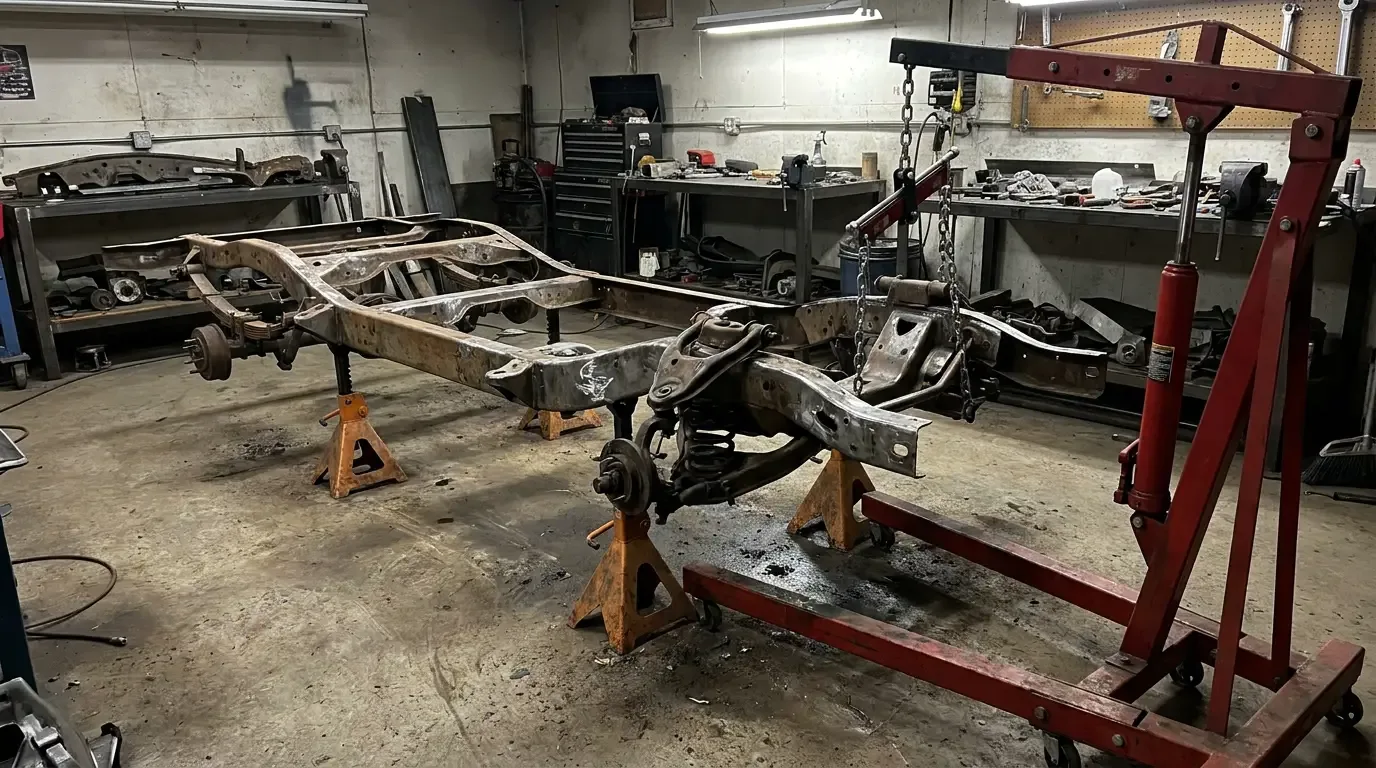
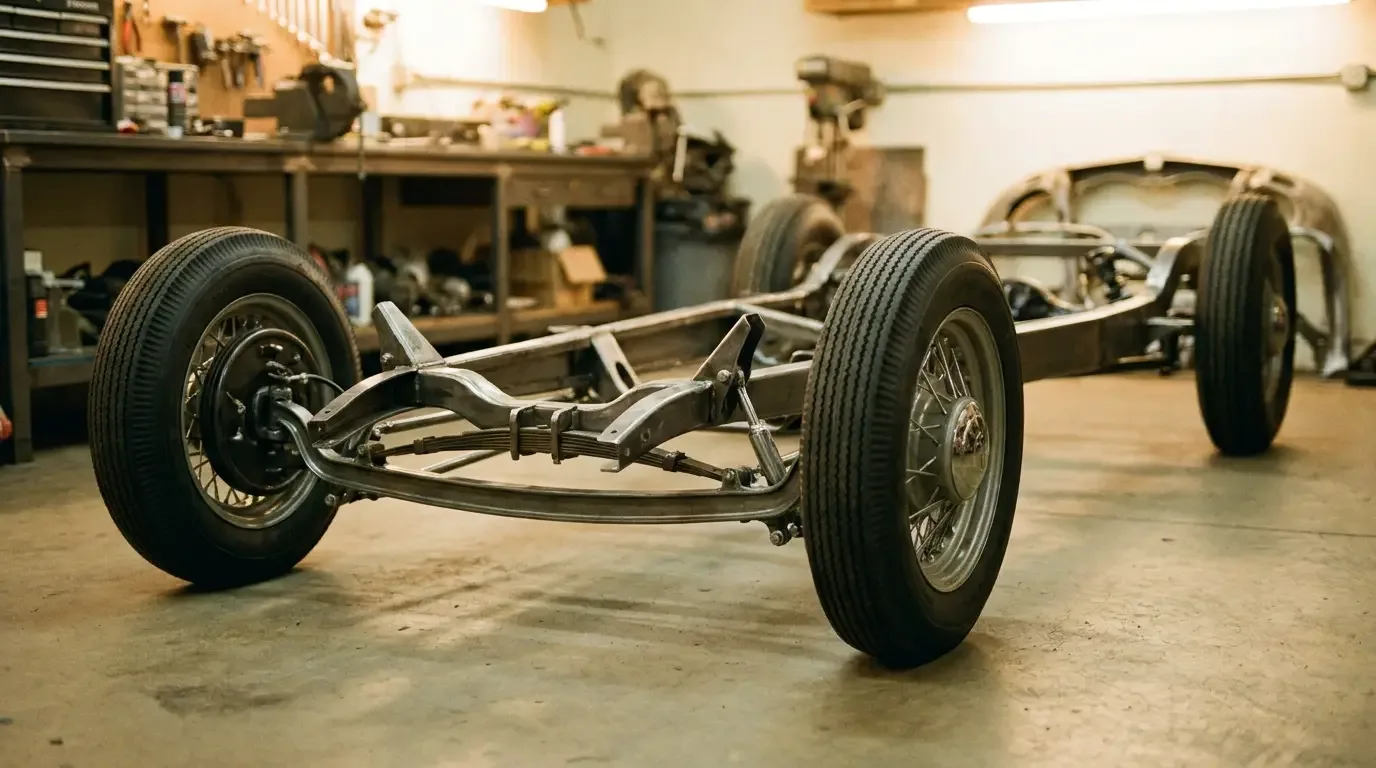
- Frame condition. If you plan to keep the original frame, check the rails for rust and prior hacking. If you are buying a repro chassis, this matters less.
- Completeness of trim and glass. Small pieces on non-Ford cars can be nearly impossible to find. A complete car is worth a premium.
Steel, fiberglass, or reproduction: choosing your metal
The last big platform decision is not which car but which material. Original steel carries history and holds value, but it comes with rust, filler, and the risk of hidden repairs. Reproduction steel bodies, available for the popular Fords, give you a straight new shell with modern mounting and no sixty years of decay. Fiberglass is the budget door into desirable shapes like the Deuce roadster, lighter and rust-proof, though it demands different bodywork skills and gets side-eye from traditionalists.
My honest advice, after enough years of this to have an opinion worth sharing: pick the material that matches your goal, not your ego. Building a show-quality period tribute? Chase real steel. Want a reliable driver in a classic shape without a second mortgage? A quality glass or repro-steel body is a smart call. Whatever you choose, the platforms with deep aftermarket support forgive mistakes, and that forgiveness is worth real money on your first few builds. When you are ready to shop, plenty of project street rods for sale already sit on these exact platforms, which can save you the teardown entirely.
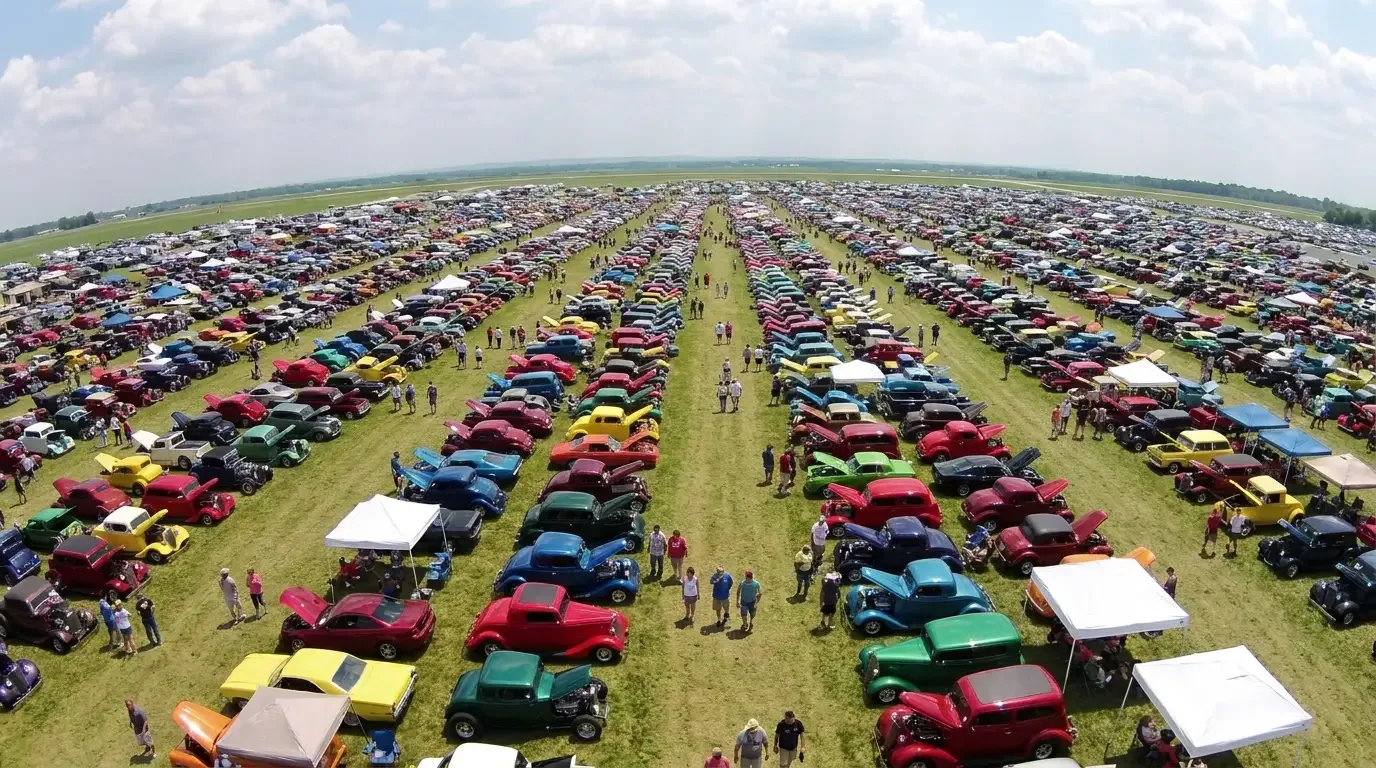
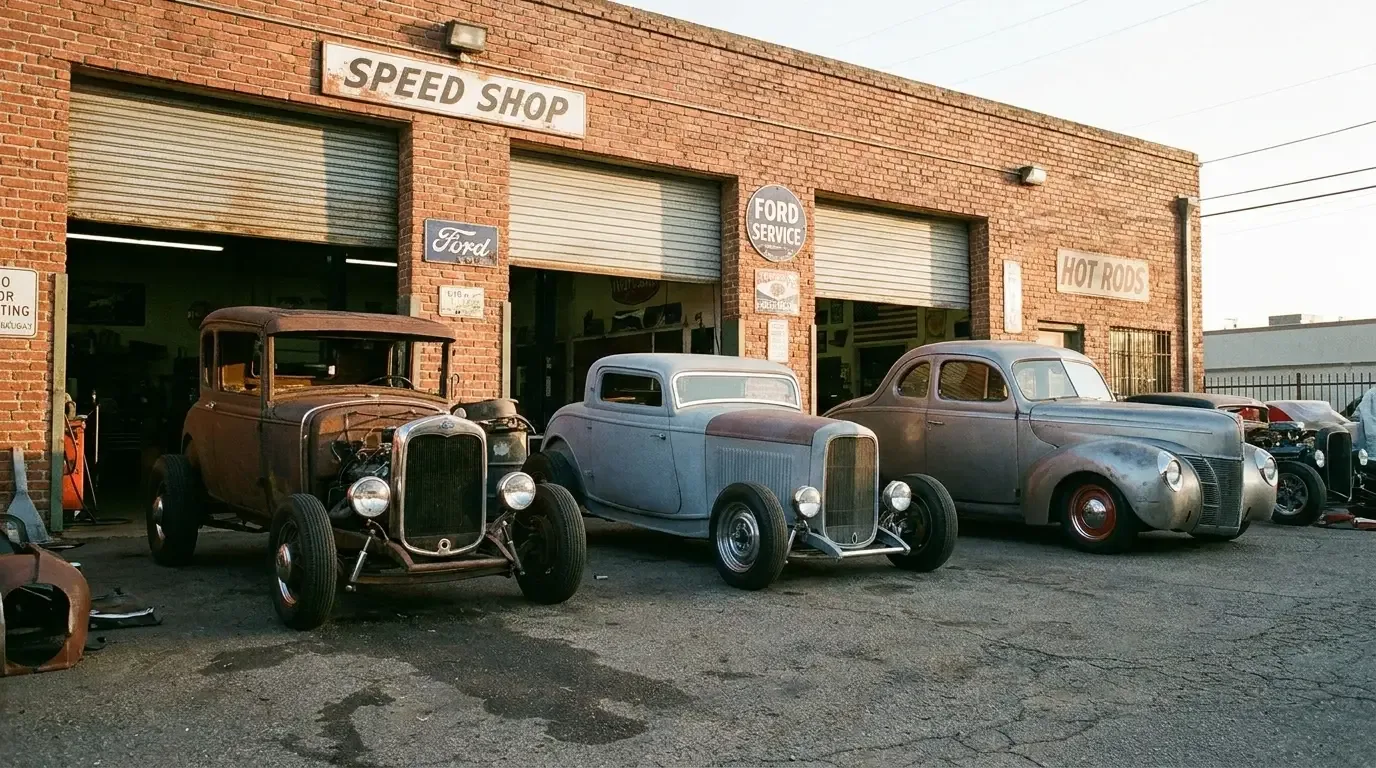
Once the car runs and drives, the platform you picked also decides which crowd claims you. Model A and Deuce guys fill the fairgrounds, and the big street rod nationals are where you finally see every one of these shapes parked side by side, which is the best education a new builder can get.
Sources and notes
- Ford Model A and early V8 production references and marque histories.
- Street rod reproduction body and chassis manufacturer catalogs (steel and fiberglass suppliers).
- Club and registry material on pre-1949 body-style designations and the street rod cutoff.
- Builder interviews and shop experience on platform selection and rust-repair costs.
- Collector-car auction and classified records for project-body price ranges.