The 1967 restyle: why Ford went bigger
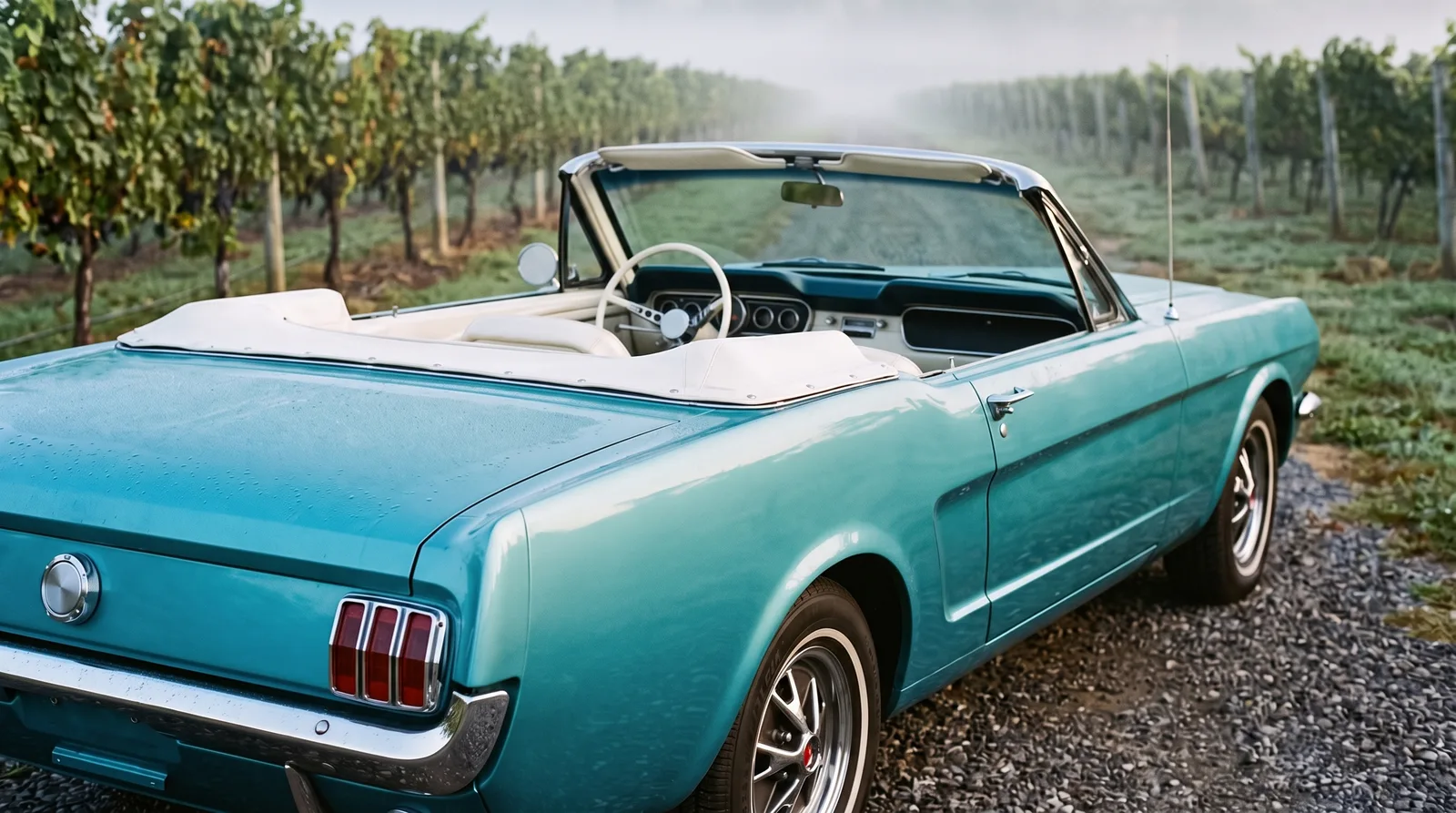
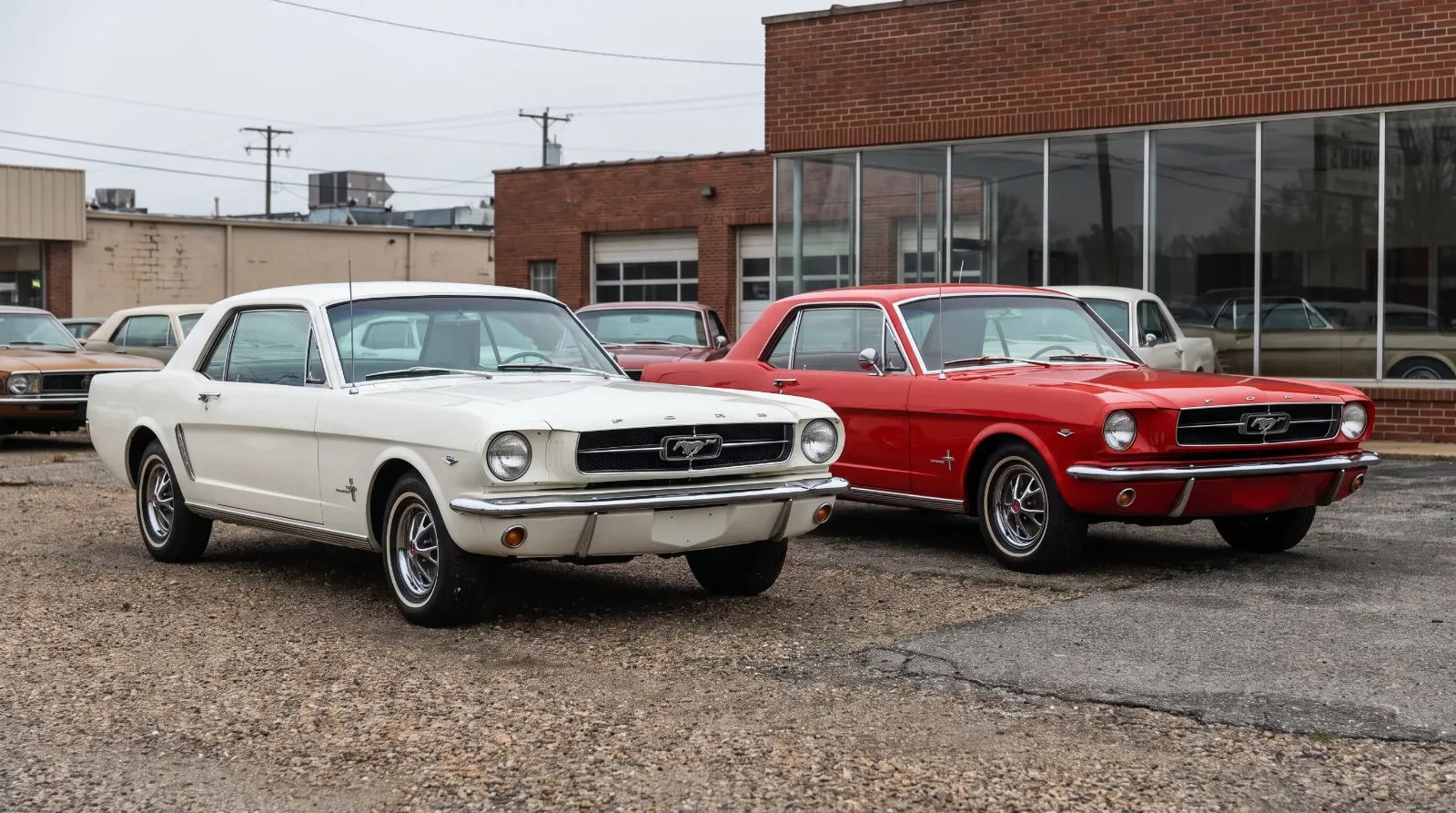
Through 1964 and a half, 1965, and 1966, the Mustang held to a body shell that was, by any measure, compact. Ford's engineers had shoehorned a maximum of a 289 cubic-inch V8 into that original platform, and by mid-decade that ceiling was starting to feel low. The muscle-car wars were intensifying, and Chevrolet's Camaro was arriving for 1967 with room for big-block power. Ford answered with a thorough restyle that gave the Mustang a longer, wider, and heavier body for the first time since its launch.
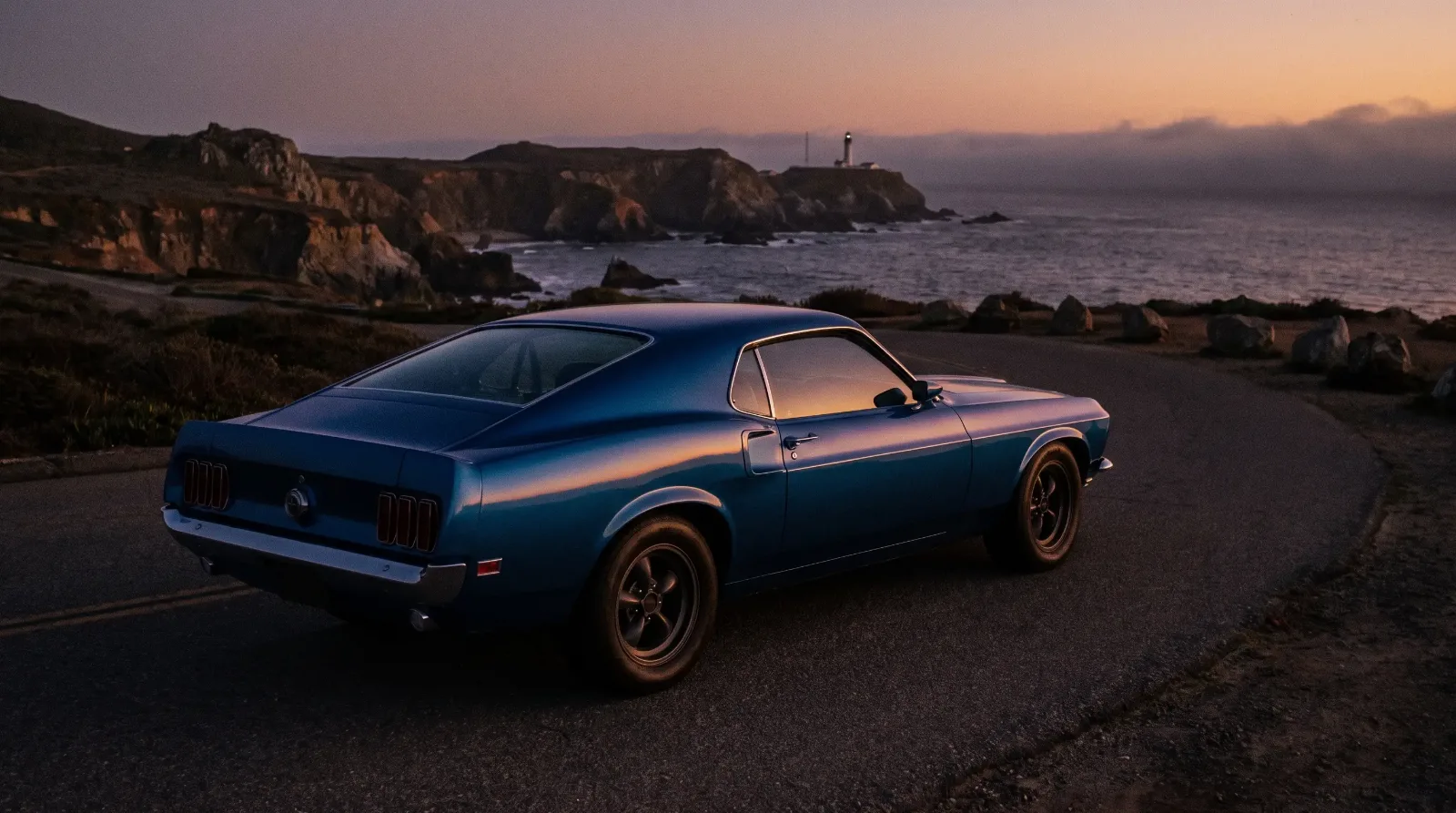
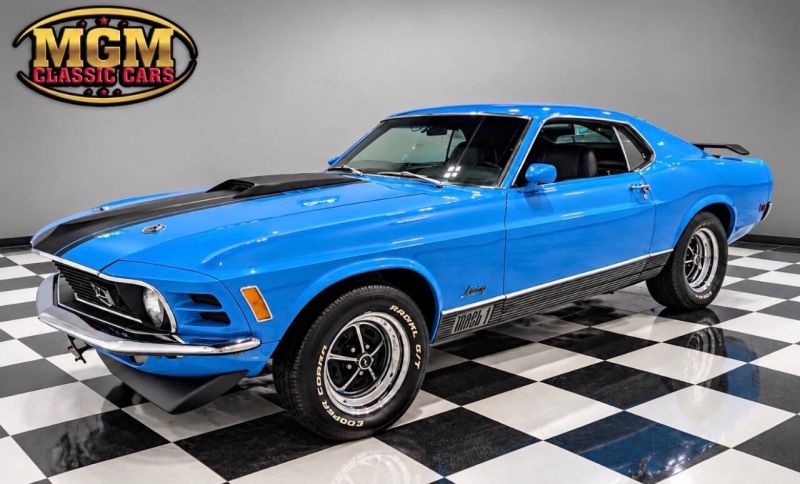
The 1967 body grew roughly two inches wider at the rear, which was the key change: it finally allowed Ford to install the 390 cubic-inch FE big-block, offered in a 320-horsepower GTA specification. The roofline was lowered and the fastback gained a more flowing rear quarter. Up front, the grille received a revised horizontal-bar treatment inside a slightly deeper surround, and the center corral housing the running horse was reshaped. At the rear, one of the most distinctive design moves of the generation appeared: a concave or recessed tail panel with sequential turn signals on the Shelby GT500 option, flanked by sequential taillamps on standard cars. That concave panel became the clearest visual signature separating a 1967 from any previous Mustang.
The interior also grew, with a larger instrument cluster housing optional gauges in individual round pods rather than the earlier idiot-light layout. High-back bucket seats appeared, and buyers could now order a factory fold-down rear seat on fastbacks. These were substantive changes, not a simple facelift, and they set the visual DNA that would carry into 1968.
What changed for 1968
Ford did not restyle the Mustang again for 1968. The shell carried over almost unchanged in its outer dimensions and basic form, which is precisely why the two model years are so frequently confused. The changes for 1968 were driven by three forces: federal safety regulations, emissions compliance, and mid-cycle refinement.
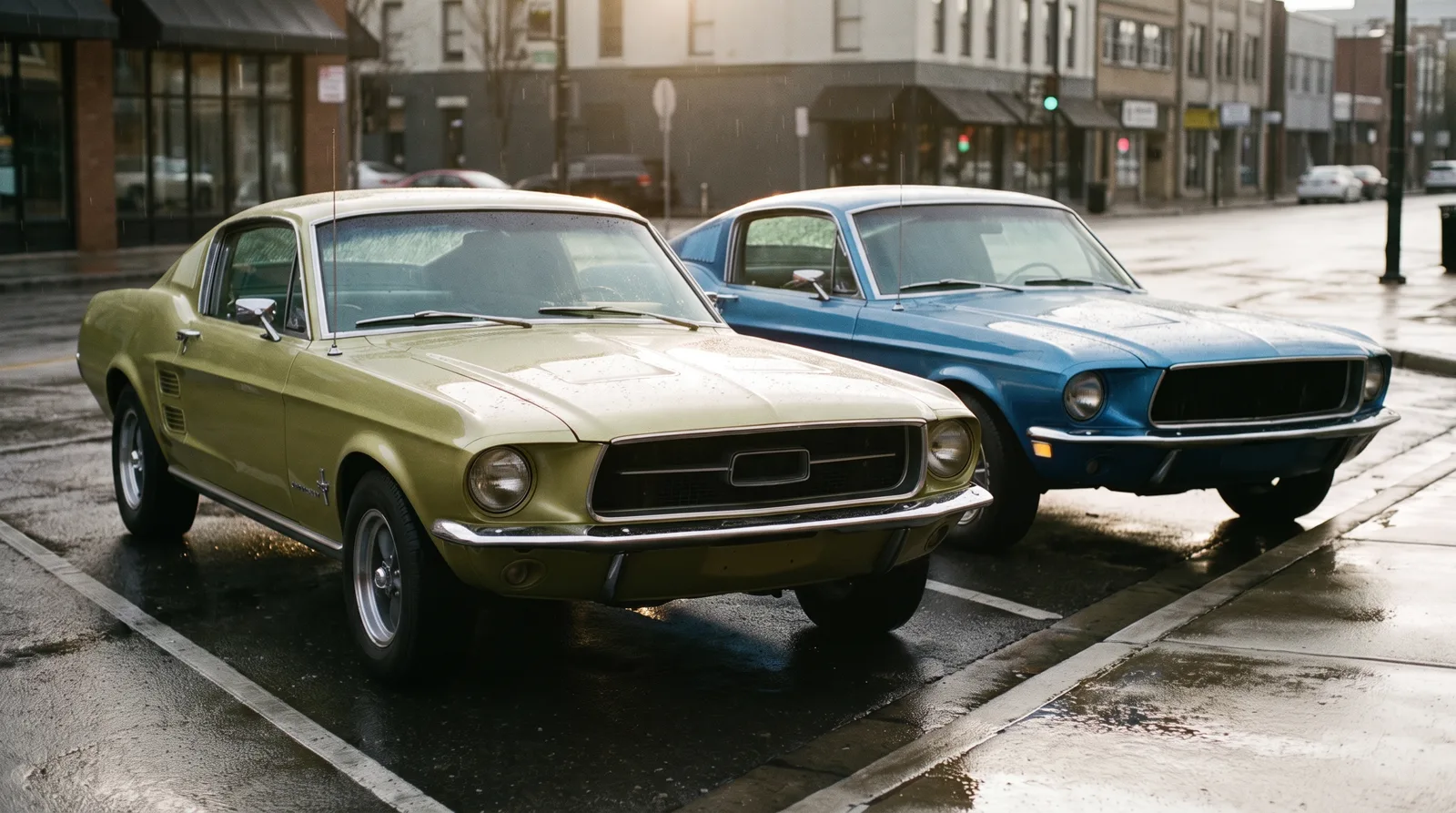
The most significant federal mandate was the addition of side marker lights, required on all 1968 model-year cars sold in the United States. On the Mustang, these appear as small amber reflectors at the front fenders and red reflectors at the rear quarters. A 1967 Mustang has no such markers at all. If you are standing in a parking lot trying to decide what you are looking at, the presence or absence of side markers is the single fastest way to separate the two years.
Under the hood, the engine lineup changed as well. The reliable 289 V8 was replaced by the new 302 cubic-inch small-block, which shared its external dimensions but offered better long-term development potential. For 1968 the 302 came as a two-barrel rated at 210 horsepower and a four-barrel rated at 230 horsepower, with a competition-only 302 also listed late in the run. The 390 big-block remained available, but the headline news came in April 1968 when Ford released the 428 Cobra Jet in a limited mid-year introduction. Installed in a run of specially prepared cars for the NHRA Super Stock class, the 428 CJ was officially rated at 335 horsepower, a figure most historians consider conservative. It would define the performance Mustang for the next two years.
Interior safety changes for 1968 included a padded steering wheel with a smaller diameter and revised hub, energy-absorbing side panels on the doors, and revised seat belts meeting updated federal standards. The courtesy lights and some interior trim finishes also saw minor revisions.
Spotting them apart: the definitive checklist
Both years share the same basic silhouette, the same wheelbase, and many of the same body panels. The differences are real but subtle, and knowing where to look makes identification straightforward. For anyone researching the early Mustang years, understanding these distinctions is essential to reading a listing or evaluating a car in person.
| Feature | 1967 | 1968 |
|---|---|---|
| Side marker lights | None | Amber front, red rear (federally mandated) |
| Front grille | Horizontal bars, wider corral surround | Revised bars, slightly altered corral opening |
| Side C-scoop (fastback) | Larger, more pronounced sculpted scoop | Slightly reshaped scoop opening |
| Standard small-block V8 | 289 cu in (200 hp two-barrel; 225 hp four-barrel) | 302 cu in (replacing 289) |
| Big-block option | 390 cu in (320 hp) | 390 cu in; 428 Cobra Jet added mid-year |
| Steering wheel | Three-spoke with standard hub | Smaller diameter, padded safety hub |
| Fender badge/script | "Mustang" script, engine displacement badges | Revised "Mustang" script placement; GT fog lamp grille deleted on some models |
| GT equipment group | Available; fog lamps in grille opening | Available but fog lamps moved to valance area |
| Emissions equipment | Minimal | Thermactor air pump fitted to most engines |
On GT-equipped cars, the grille fog lamp arrangement changed between years. The 1967 GT placed its driving lights directly in the grille opening flanking the corral. On the 1968 GT, those lamps moved to the lower valance panel below the bumper. This is another reliable quick-check point when evaluating a car claimed to be an original GT.
Why collectors and historians mix them up
The confusion between 1967 and 1968 Mustangs is not carelessness. It is a natural result of Ford's decision to carry over a major restyle for a second year with only regulatory and mechanical updates. The two cars share body stampings, trim pieces, and visual proportions closely enough that even experienced enthusiasts can misidentify them at a glance.
The problem compounds itself over time because many of these cars have been restored or modified. Side marker lights are among the first items removed or filled during custom bodywork, eliminating the single easiest identifier. Engines are frequently swapped, erasing the under-hood clues. Badges come off during repaints. A car presented as a 1967 may be a 1968 with the markers removed, and vice versa. The definitive check, beyond the physical details listed above, is the VIN. On first-generation Mustangs, the fifth character of the VIN encodes the model year: 7 for 1967, 8 for 1968. The VIN is stamped on a plate riveted to the top of the dashboard on the driver's side and is readable through the windshield. It is the one piece of documentation that cannot be changed without obvious fraud.
The door data plate (also called the warranty plate or certification label) provides additional cross-reference information including the assembly plant, build date, and option codes. Serious authentication of any first-generation car should involve reading both the VIN and the door data plate against the factory build sheet, if one survives. You can learn more about the full context of this era by visiting the classic Mustangs for sale listings, where detailed provenance documentation is often included with significant cars.
"The VIN never lies. Before you debate the side markers or the grille, walk to the dashboard and read the tag. That single data point ends more arguments than any visual inspection ever will."
Tom Ramirez
Which year matters more to collectors
Both years occupy a meaningful place in the first generation's history, but for different reasons. The 1967 represents the first significant evolution of the original design, the year the Mustang grew up enough to accept big-block power and compete directly with the Camaro and Firebird. The 1967 Shelby GT500, with its 428 Police Interceptor engine, is among the most sought-after variants of the entire nameplate. For anyone focused on the performance history of the car, 1967 is the year the Mustang's character changed most sharply.
The 1968 is historically significant for the mid-year arrival of the 428 Cobra Jet, which proved devastating in NHRA competition and established the standard for what a factory performance Mustang could be. The 1968 also benefits from being the final year before the weight gain and styling changes of the 1969 model, giving it a cleaner, uncluttered visual character that many collectors prefer. California Special and High Country Special regional variants add production-number rarity to certain 1968 examples. The restyled cars that followed are covered in a separate piece on the 1969-70 fastbacks.
Neither year is objectively superior. The 1967 earns points for being the first of the wider body and for the Shelby variants. The 1968 earns points for the Cobra Jet, for the California Special, and for being the last of the cleaner early styling. Both years trade in the same general market tier, with condition, documentation, and optioned equipment driving value far more than the model year itself.
Sources and notes
Engine output figures cited here are the factory gross horsepower ratings published for the model years in question, and period manufacturer ratings are widely regarded as approximate. The 428 Cobra Jet's 335-horsepower rating in particular is broadly considered conservative by historians. Verify any specific car against its VIN and door data plate before relying on year, engine, or option claims. The references below are provided for further reading.
- Mustang Specs, 1967 Mustang 390 FE V8 engine information and specifications
- Mustang Specs, 1968 Mustang 302 Windsor V8 engine information and specifications
- HowStuffWorks, 1968 Ford Mustang 428 Cobra Jet profile
- Automotive Mileposts, side marker lights and the 1968 federal lighting requirement
- Mustang Specs, 1967 Mustang 289 Windsor V8 engine information and specifications
- Silodrome, 1967 Shelby GT500 and its 428 Police Interceptor V8