The restyle that defined an era
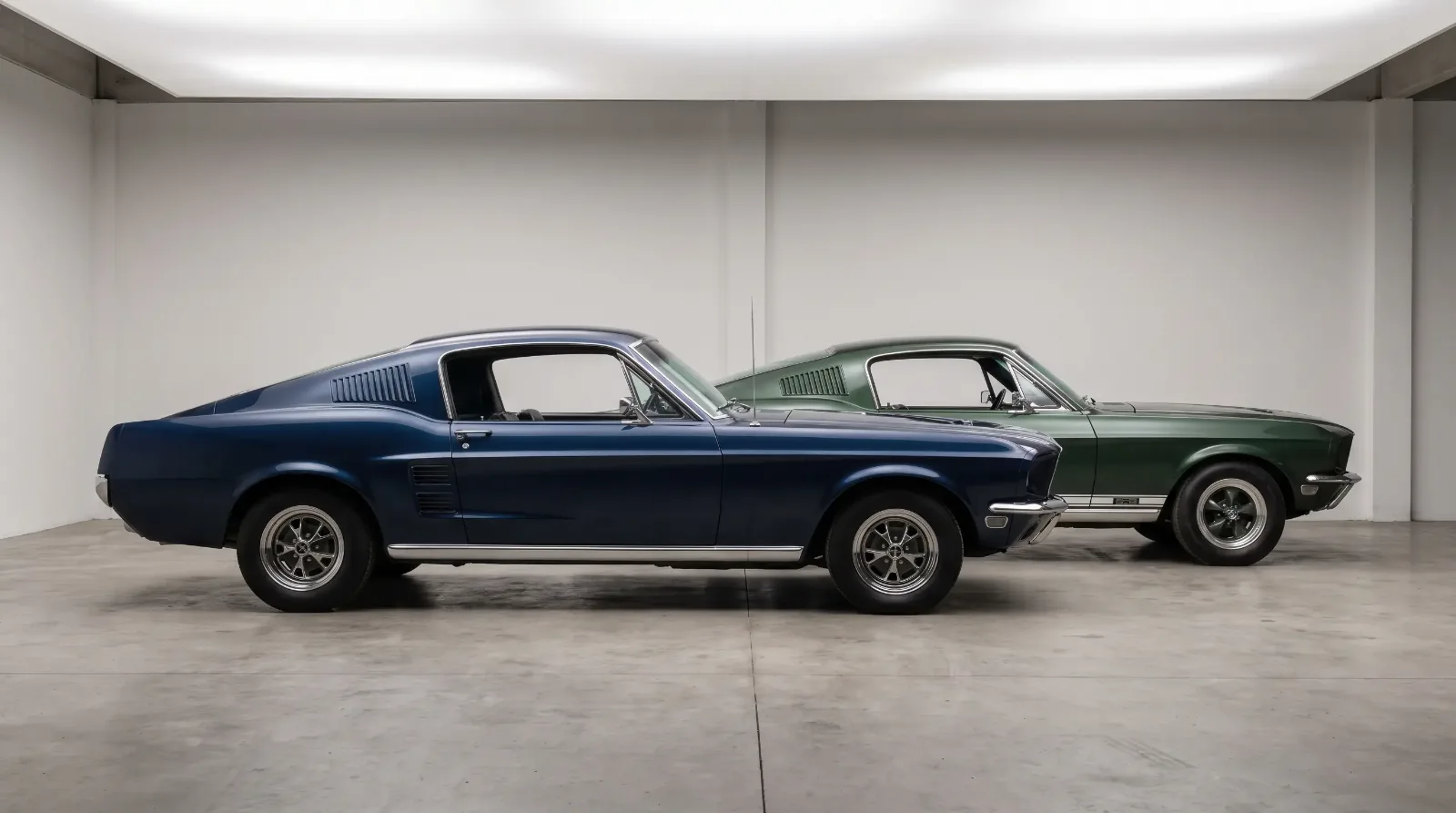
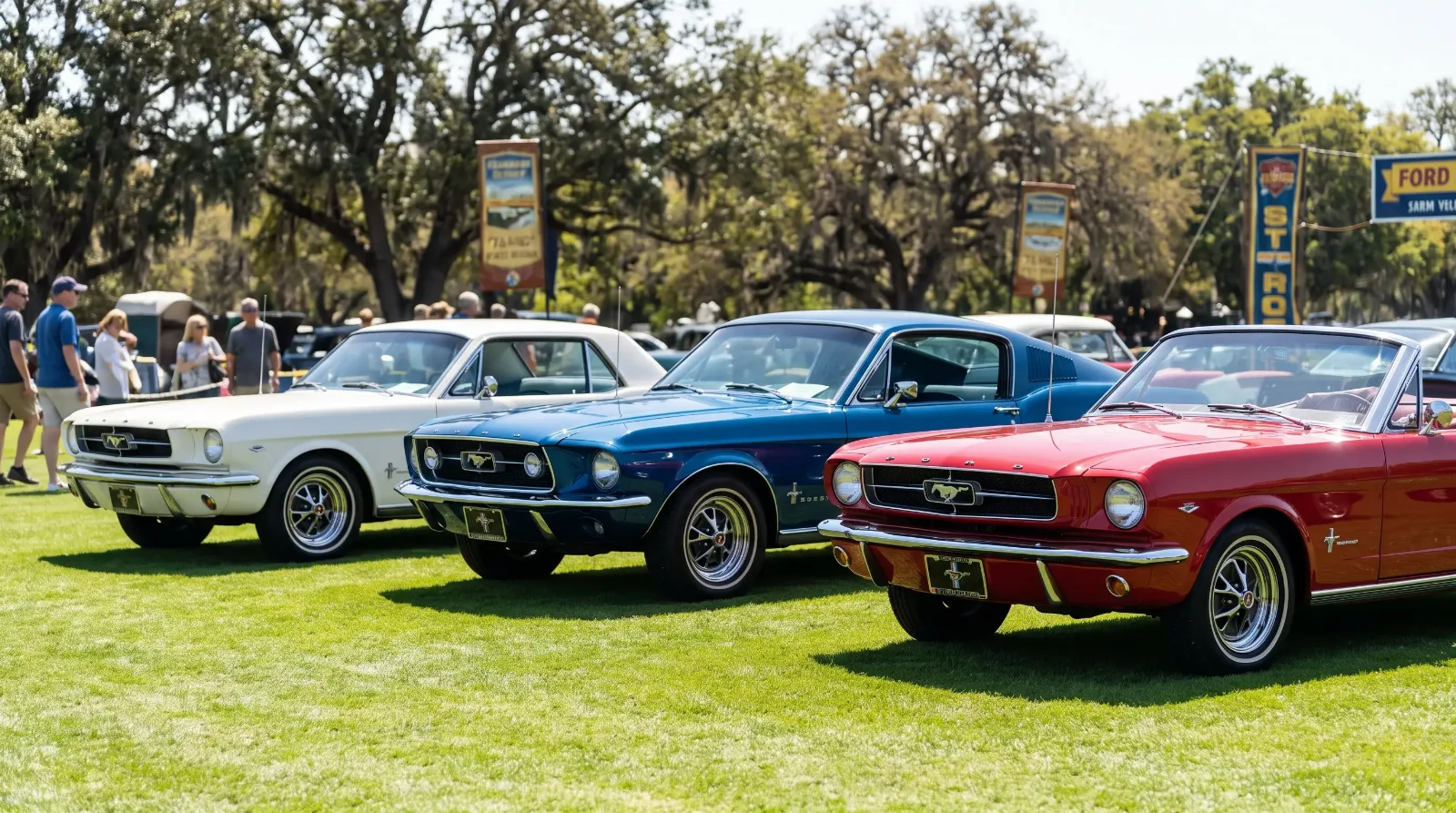
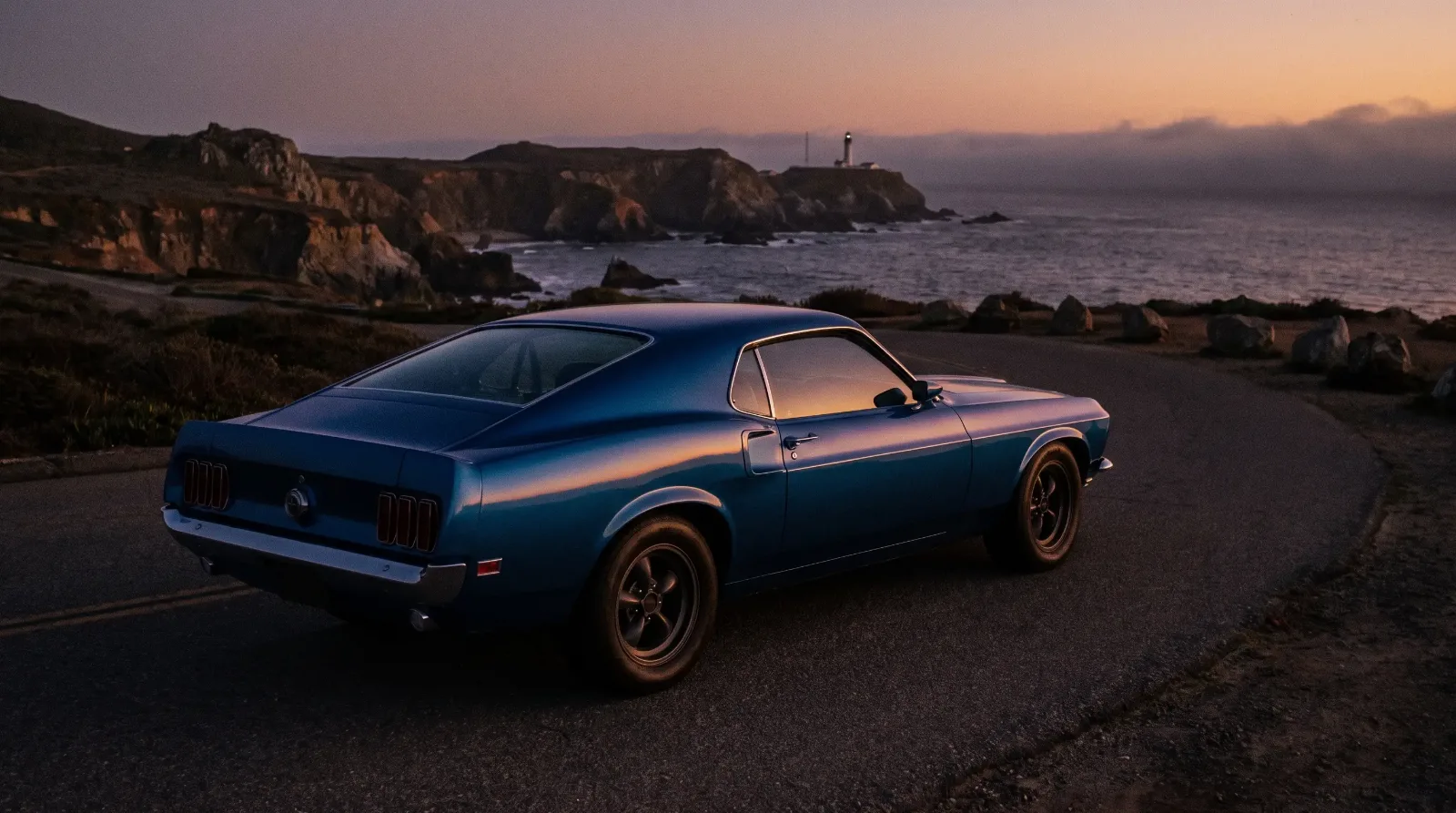
When Ford unveiled the 1969 Mustang, it was a departure from everything the original 1964½ pony car had promised. The body grew longer and wider, with overall length stretched by close to four inches and width up by roughly half an inch over the 1967–68 revision, even though the 108-inch wheelbase carried over unchanged. The wider stance planted the car more aggressively on the road and gave designers room to do something the earlier cars never quite managed: draw a roofline that looked genuinely purposeful. The result was the SportsRoof, a fastback profile that swept from the roofline down to the tail in a single long arc. Standing alongside a notchback or convertible of the same year, the SportsRoof looks like a different species entirely. This is where the first-generation story begins to reach its visual peak.
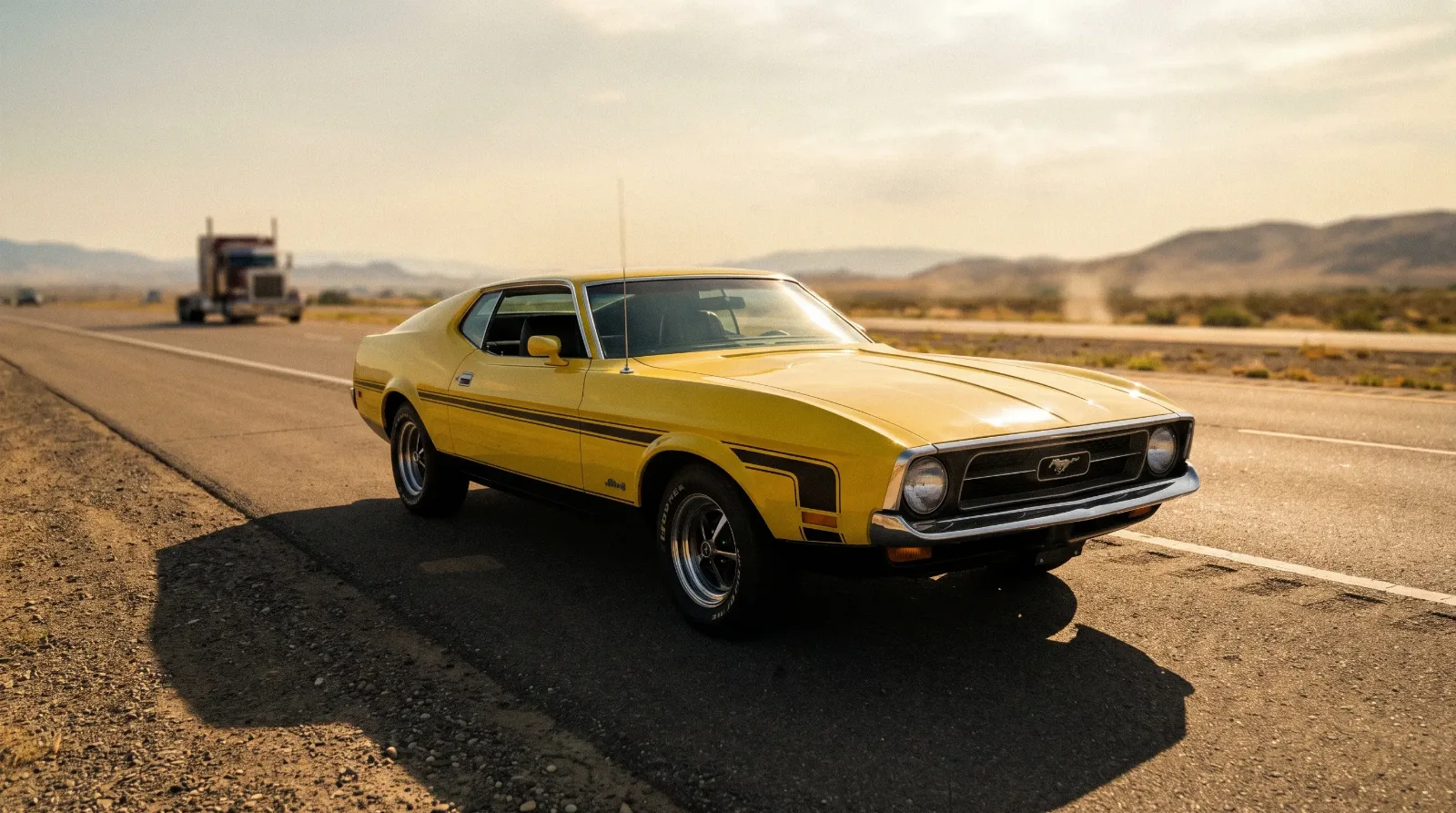
The 1969 car also introduced quad headlights, four circular lamps mounted in a restyled front fascia that gave the car a wider, more aggressive face. Ford reversed course for 1970, returning to a single headlight per side in a revised grille opening that cleaned up the nose considerably. Both front-end treatments have their advocates, but the distinction is one of the clearest ways to tell the two model years apart at a glance.
Performance variants that made history
The 1969 and 1970 model years represent the performance ceiling of the first-generation Mustang. The SportsRoof body was the foundation for every serious performance variant Ford released during this period. The Boss 302 arrived in 1969 as a homologation special for Trans-Am racing, pairing a high-revving small-block with specific chassis tuning. The Boss 429 brought a NASCAR-developed big-block engine into a street car that required widened shock towers just to fit it. The Mach 1 gave buyers a performance-oriented SportsRoof at a more accessible price, while the Shelby program produced its final Mustang-based models in 1969 and 1970 before Carroll Shelby and Ford parted ways. The full account of the Mustang's full history places these cars at the top of the first-generation achievement ladder.
None of those variants would carry the same weight without the SportsRoof body to anchor them. The roofline was not merely a styling choice; it communicated a seriousness of purpose that the notchback body never quite achieved.
The SportsRoof silhouette and why collectors prize it
Ask any serious Mustang collector which body style tends to draw the most sustained interest, and the answer is often the 1969 or 1970 SportsRoof fastback. The reasons are partly visual and partly historical.
Visually, the long rear deck and steeply raked rear glass give these cars a proportion that photographs well from almost any angle. The roofline does not taper to a Kamm-style truncation or flatten out the way some competing designs did; it flows. Combined with the wider body of the 1969 revision, the SportsRoof presents a silhouette that reads as muscular without looking bulbous. The interior benefited from the fastback roofline too, with rear headroom that the earlier 1965–66 fastbacks sometimes struggled to provide.
Historically, the connection between the SportsRoof body and every meaningful performance variant of the era is inseparable. Collectors are not simply buying a shape; they are buying the body style that housed the Boss 302, the Boss 429, and the Mach 1. Even a base SportsRoof coupe with a six-cylinder engine benefits from that association, though the genuine performance cars tend to attract the strongest interest. For buyers researching available examples, 1969 and 1970 Mustangs continue to appear in the marketplace in a range of configurations and conditions.
"The production records tell the story clearly: Ford built far fewer SportsRoof cars than notchbacks in both 1969 and 1970, which is one reason the fastback body has held such a steady place in collector interest."
— Tom Ramirez
Trim and appearance differences between 1969 and 1970
Beyond the headlight change, the 1969 and 1970 Mustangs differ in several appearance details that matter to collectors and restorers. The 1969 car used a horizontal-bar grille design with the running horse and corral centered in the opening. The 1970 revision used a simpler grille with the horse moved forward, the headlight housings reshaped, and a revised hood with a different treatment around the twin scoops that characterized the Mach 1 and certain other variants.
The rear of the 1970 car was also subtly revised. The sequential turn signal system, available on 1969 Shelbys, carried over in modified form on some 1970 models. Taillight treatments differed slightly between years, and the overall rear fascia received minor refinements. Side scoops and body crease lines were shared broadly between the two years but detailed differently in ways that trained eyes pick up immediately.
Interior appointments followed a similar pattern. The 1969 cabin used a dashboard layout that Ford updated for 1970 with revised instrumentation bezels and detail changes to the steering wheel and door panels. Neither year was dramatically different from the other inside, but the running changes are well documented in factory build sheet records and matter to judges at concours events.
Paint and stripe options also varied by year. The 1969 car offered a range of stripes specific to the Mach 1 and Boss models that differ from the 1970 equivalents in stripe thickness, placement, and available color combinations. Restorers working to factory-correct standards treat the year-specific details as non-negotiable, which is one reason that properly documented, numbers-matching examples of either year continue to attract serious collector attention.
What separates a great example from a compromised one
Condition and documentation tend to matter more on 1969–70 fastbacks than on almost any other Mustang generation. Because these cars are desirable, they have also been subject to decades of modification, rebodying, and creative history. A genuine Boss 302 or Boss 429 is accompanied by a Marti Report or equivalent documentation tracing the original factory order. A Mach 1 should have its drivetrain codes verified against the door data plate and the engine and transmission stampings.
SportsRoof cars that started life as base coupes are sometimes presented as Mach 1 clones. The build sheet, if it survives, is the primary defense against misrepresentation. Secondary documentation including broadcast sheets, window sticker reproductions, and dealer records adds to the picture. Buyers without experience in factory Mustang documentation are well served by having a specialist review any significant purchase before committing.
Rust is the other reality. The 1969–70 unibody has specific vulnerable areas including the floor pans, the torque boxes at the front of the floor structure, and the lower quarters where the fastback roofline meets the rear body. Cars from rust-prone regions that have been repaired deserve careful inspection of the repair quality and extent. A clean, unmodified car from a dry-climate history remains the gold standard among enthusiasts.
The 1969 and 1970 SportsRoof fastbacks occupy a position in collector regard that has proven durable over the years. They represent the convergence of the best-looking body style of the first generation with the highest concentration of factory performance variants the Mustang ever saw in a single two-year window. That combination does not happen often in automotive history.
Sources and notes
This article is for general historical and enthusiast reference only. Specifications, production details, and any references to collector interest are summarized from the sources below and from period documentation; they are not valuations or buying advice. Verify year-specific and individual-car details against factory documentation (such as a Marti Report) before making any purchase decision.