The first casting and why it mattered
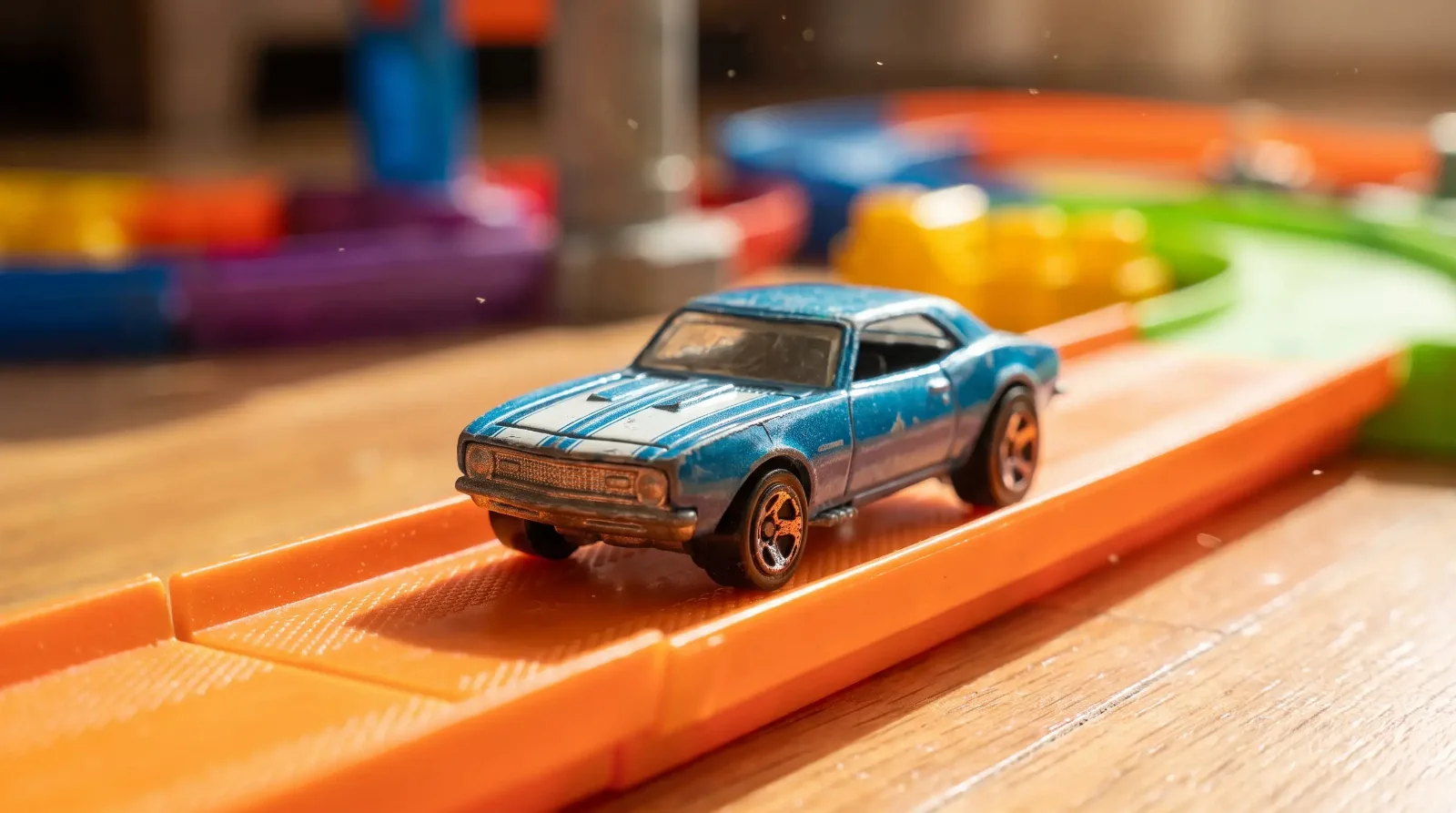
Hot Wheels launched in 1968, the same year the Camaro was entering its second model year. Mattel's founder Ruth Handler and designer Harry Bradley, who was himself a Camaro customizer in his personal life, helped shape the early Hot Wheels aesthetic around the California car culture of the period. The first Hot Wheels Camaro casting appeared early in the brand's history and immediately became one of the line's better-selling cars. The proportions of the first-generation Camaro worked exceptionally well at 1:64 scale: the long hood read as dramatic even when the car was smaller than your palm, and the roofline was distinctive enough that the car was recognizable on a toy shelf without the name on the package.
The original Hot Wheels castings used a free-wheeling axle system that Mattel called Spectraflame paint. The Camaro releases in those early years came in colors that were more intense than anything Chevrolet offered at the dealership: deep purples, toxic oranges, bright reds that seemed to glow under light. These were not accurate replicas of factory cars. They were idealized versions of what the car could look like if the laws of pigment were more cooperative.
The Redline era and what collectors seek
Hot Wheels collectors use the term Redline era to describe cars produced from 1968 to approximately 1977, named for the red stripe that appeared on the tires of cars from this period. Redline-era Camaro castings are among the most sought-after in the entire Hot Wheels collector market. The combination of a desirable subject car, a short production window, and the aging of the original audience into affluent adult collectors has created a category where individual cars in top condition can sell for several hundred dollars, and rare color variants for considerably more.
The condition grading system for Redline Hot Wheels is detailed enough to rival systems used for trading cards or coins. Collectors evaluate the paint, the wheels, the baseplate, the axles, and whether the car has ever been played with in a way that created wear. A Camaro casting in a rare Spectraflame color with no paint chips, original wheels, and a clean baseplate represents the top of the market. These cars are found in collections, at die-cast shows, and occasionally at major auction houses that have added Hot Wheels as a legitimate collecting category.
"A Redline Camaro in good shape is not a toy anymore. It is a document. It tells you what a generation of kids thought was the coolest possible version of an already cool car."
-- Patrick Walsh
How the Camaro casting evolved through the decades
Hot Wheels has recast the Camaro multiple times as new generations of the car appeared and as the brand's manufacturing capabilities improved. The transition from Redline-era castings to the post-1977 period brought changes in axle design and paint quality. Through the 1980s and 1990s, the Camaro appeared in the basic mainline assortment alongside hundreds of other cars, often in simple paint schemes that did not carry the same intensity as the Spectraflame era.
The collectors' premium segment changed this. In the 1990s, Hot Wheels launched treasure hunt series and later super treasure hunt variants that gave specific mainline cars limited production runs and upgraded paint and wheel treatments. First-generation Camaro castings appeared in these series multiple times, and finding them in retail packaging became a hobby within a hobby. The super treasure hunt versions of the Camaro, with their Spectraflame-style metallic paint, deliberately referenced the original Redline era cars while being contemporary releases.
Modern diecast brands and the Camaro's place in the premium market
Beyond Hot Wheels, the Camaro has appeared in diecast form from virtually every manufacturer in the segment. Greenlight Collectibles has produced detailed 1:64 and 1:43 scale Camaros, often tied to specific film and television appearances including the Transformers series. Auto World and M2 Machines have released first-generation Camaros in their premium muscle car lines with opening hoods, detailed engine bays, and rubber tires rather than the plastic wheels of basic mainline toys.
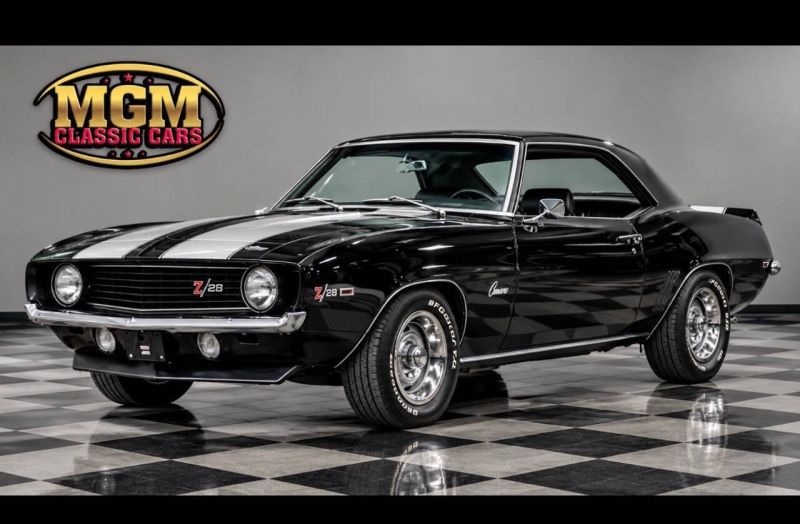
The 1:18 scale market, which commands higher prices and reaches adult collectors almost exclusively, has seen extensive Camaro coverage from brands like ACME, GMP, and Greenlight. These cars can cost anywhere from $50 to several hundred dollars and are designed for display rather than play. A 1:18 scale 1969 Camaro Z/28 in Fathom Green with the correct engine detail represents a commitment to the car's history that no toy can quite match, even if the Hot Wheels Redline version has a more interesting market.
What miniatures reveal about the real car
The accumulated record of Camaro diecast releases across six decades is essentially a polling result. The cars that appear most often, in the most variants, across the most manufacturers, are the ones the market has voted for consistently. The first-generation cars, particularly from 1967 to 1969, dominate that record by a significant margin. The second generation appears regularly. The third and fourth generations appear less frequently, reflecting their more complicated reception in real-world car culture.
For more on the Camaro's broader cultural footprint, visit the Camaro in movies and culture for the full picture. The next article in this series moves from the shelf to the badge itself: the Camaro logo and badge visual history.
Sources and notes
Production figures, engine specifications, codes, and dates in this article are cross-referenced from established Camaro references, period documentation, and owner registries. Where sources differ, the most commonly cited value is used. Cost figures are indicative and vary by supplier, region, and condition.