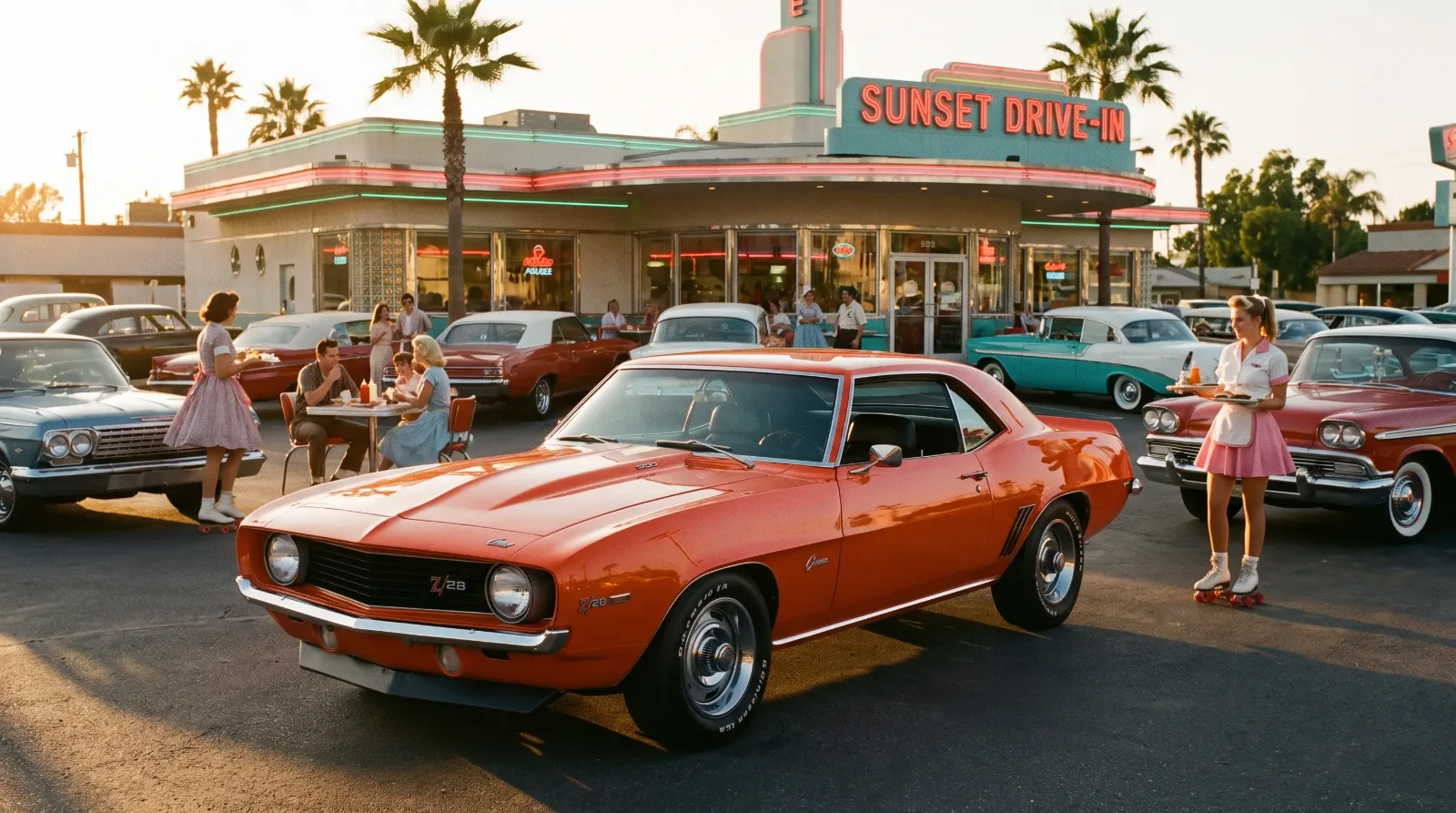
Why nicknames matter for muscle cars
A nickname is a form of affection that gets assigned, not chosen. The official name stays on the badge; the nickname lives in shop talk, track-side conversation, and classified ads. For the Camaro, the collection of camaro nicknames that have stuck over six decades tells you something about how each generation was received, what enthusiasts valued about it, and sometimes what they thought was wrong with it. None of these names came from a marketing meeting. They came from people who worked on the cars, raced them, or just loved them enough to reach for a better word than the one on the paperwork.
The Camaro entered the market in 1967 without a nickname because it was new and unproven. Chevrolet's marketing team had already done the metaphorical heavy lifting by describing it as a predator that ate Mustangs, but that was corporate copy, not community language. The first real nickname came quickly and stuck harder than anyone expected.
The Hugger: Camaro's most durable alias
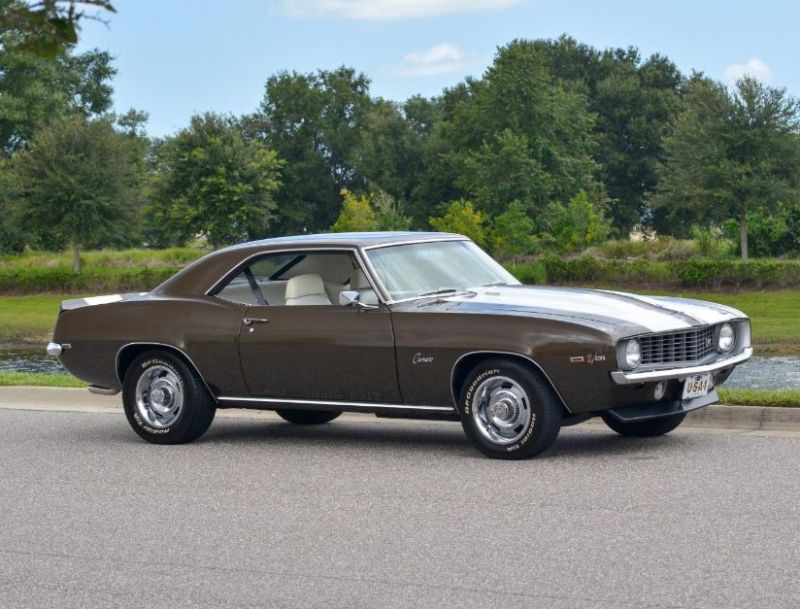
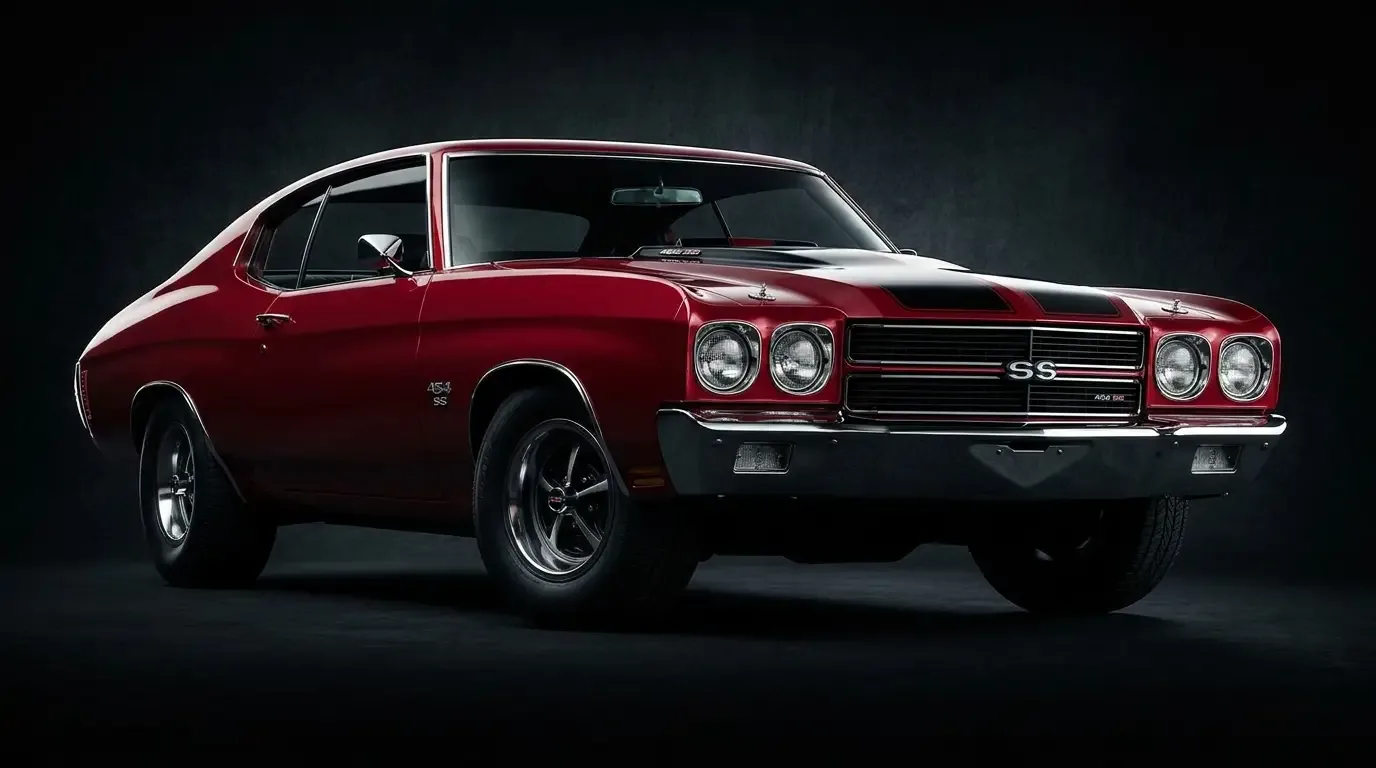
The Hugger was the nickname given to the 1969 Camaro SS in Chevrolet's own advertising, and it referred to the way the car sat low to the road and handled corners. The suspension geometry of the first-generation Camaro, particularly when equipped with the F41 sport suspension option, gave the car a planted feel that was genuinely distinctive for an American production car of the period. The name communicated that quality without requiring technical explanation.
What made the Hugger unusual is that it survived the campaign that created it. Most automotive advertising nicknames disappear the moment the budget shifts. This one persisted because it actually described something real about the car. Enthusiasts who had driven a first-gen Camaro with proper suspension knew exactly what the word meant. You will still see it in listings and forum posts today, almost always attached to late first-generation cars from 1968 or 1969.
"The Hugger is one of those rare cases where an advertising nickname became community property. The marketing team accidentally described the car accurately enough that owners claimed it as their own."
-- Patrick Walsh
Z/28 and the shorthand that became a legend
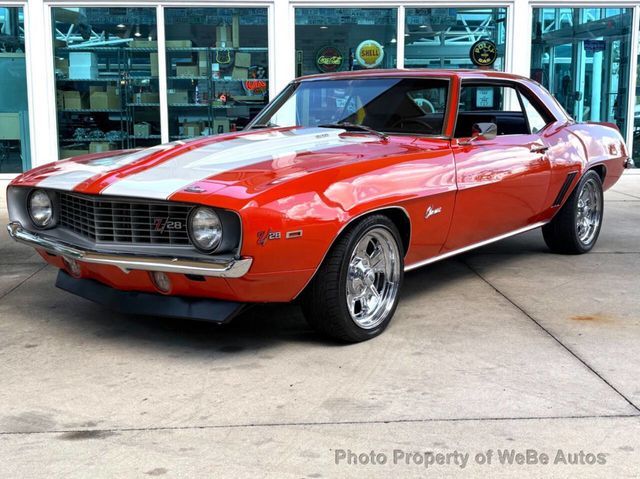
Technically speaking, Z/28 is not a nickname but an option code. It designated the package built for Trans-Am racing eligibility: a high-revving 302 cubic inch small-block V8, a close-ratio four-speed, upgraded brakes, and specific suspension tuning. The code appeared on the order form because Chevrolet's corporate rules required that any special-order performance package receive a code, and Z/28 was the one assigned.
What happened next was that the code became more famous than the car it modified. When people said they had a Z/28, they were not describing an option they had ticked on a form. They were naming a specific kind of Camaro with a specific character: high-strung, track-focused, demanding. The Z/28 name carried through every subsequent generation of the Camaro until the car's end, even as the displacement and the purpose evolved. By the sixth generation, the Z/28 designation signified the most track-focused variant, a direct line from the 1967 Trans-Am homologation car.
The SS, the RS, and the letters that blurred together
Super Sport and Rally Sport: two trim packages, two abbreviations, and decades of confusion for buyers and sellers who did not know whether they could be combined. They could, and cars with both badges existed, which led to the RS/SS designation appearing in listings in ways that still cause debate about what a buyer is actually getting.
The SS was the performance package, originally centered on the 350 or 396 cubic inch engines. The RS was the appearance package, featuring hidden headlights, specific trim, and a blacked-out grille treatment. A car could have one, both, or neither. A Z/28 was technically its own thing and could not be combined with the SS package in 1967 [VERIFY package combination rules for each model year]. The proliferation of letter combinations created a kind of shorthand language among Camaro people that functioned almost as a nickname system in itself. Having an SS/RS communicated a precise configuration to anyone who knew the code.
Later generations and the names that followed
Second-generation Camaros (1970-1981) carried some of the first-generation names forward, particularly Z/28, but also acquired new associations. The Screaming Chicken is actually a Trans Am nickname, belonging to Pontiac's Firebird and the large bird graphic available on the hood. The Camaro and Firebird shared a platform throughout the second, third, and fourth generations, and the two cars' nicknames and identities occasionally blurred in popular culture, particularly among people who remembered them from the same parking lots and the same films.
The fourth-generation Camaro (1993-2002) produced the 1LE, a track package that became its own sub-legend. The name originated as an order code in 1988, designed initially to create a cost-effective racing package [VERIFY 1LE origin year and exact original purpose]. By the fourth generation, it had become a recognized configuration that serious track drivers sought out. The sixth-generation Camaro brought the 1LE back as an official package and gave it wider recognition than it had ever had.
Names accumulate on cars that matter. The Camaro's collection of nicknames is a record of which versions made people feel something strong enough to reach for language beyond the spec sheet. The next piece in this series moves from names to pixels: the classic Camaro in video games. And for more context on the Camaro's pop culture presence, visit the Camaro in movies and culture.
Sources and notes
Production figures, engine specifications, codes, and dates in this article are cross-referenced from established Camaro references, period documentation, and owner registries. Where sources differ, the most commonly cited value is used. Cost figures are indicative and vary by supplier, region, and condition.