
What's the best year C3 Corvette to buy?

I've spent two decades chronicling every C3 Corvette variant, and the question of "best year" is one that reveals exactly what the buyer is actually after. The C3 ran from 1968 to 1982 — fifteen model years across radically different regulatory environments. Choosing the right year is the most important decision in any C3 purchase.
The Early High-Water Years (1968–1972)
The 1968 introduction brought Stingray styling (technically resurrected from the Sting Ray on the C2) and a dramatically new body. The 1969 model corrected several first-year details and introduced the small-block 350. The peak is 1970–1972: the LT-1 solid-lifter small block (330 hp, rev-happy, spectacular exhaust note) represents the performance pinnacle of the C3 in road-car form. The 1969 L88 and 1971 LS6 are the factory racing engine variants — rare, documented, and exponentially more expensive.
The Emissions Years (1973–1978)
Post-1972, power ratings began declining sharply. The 1974 454 dropped to 270 hp; by 1975 the base engine made 165 hp. The 1973–1977 cars have their fans — the handling was progressively refined, and the 1977 model represents the last year before the digital dash. But these are not performance cars in the sense of 1970–1972. Buy them as styling statements and touring cars, not for quarter-mile comparisons.
The Late Resurgence (1978–1982)
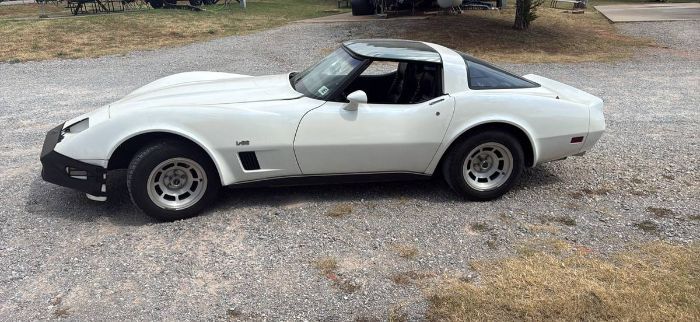
The 25th Anniversary 1978 Silver Anniversary Edition and the 1982 Collector Edition (first to cross $20,000 MSRP) bookend a period of gradual improvement. The L82 engine introduced mid-decade regained ground on the base engine. The 1978–1982 cars are the most common C3s in good condition and the most affordable entry point — expect $18,000–$35,000 for a solid driver.
The Build Sheet Is Everything
Cross-reference against the tank sticker on any claimed-high-output C3. The tank sticker (attached inside the fuel filler flap) lists the Turbo-Hydramatic or manual transmission code, the engine RPO code, and color information. On an LT-1, the engine code is ZQ3; on an L88, it's L88. A C3 without a readable tank sticker needs its provenance established through other documentation before you accept any performance claims.
Browse current listings
 Dealer
 United States
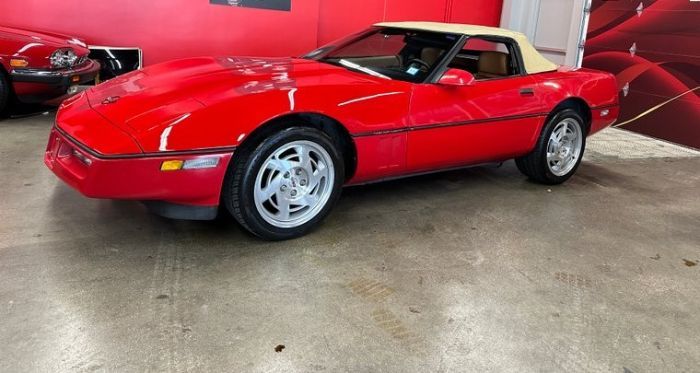
1990 Chevrolet Corvette
 Dealer
United States
Dealer
United States
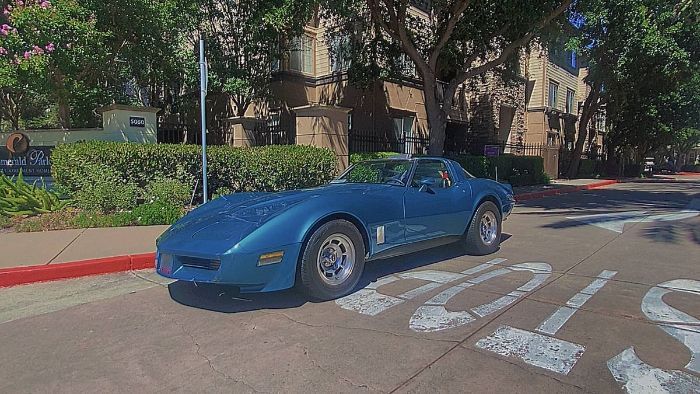
1972 Chevrolet Corvette
 Dealer
United States
Dealer
United States
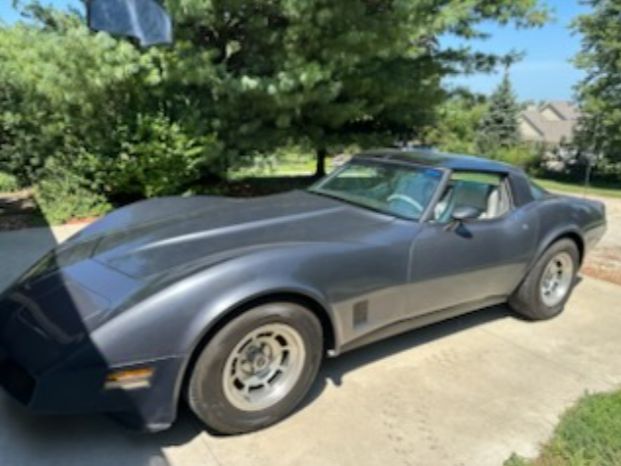
1981 Chevrolet Corvette
 Dealer
United States
Dealer
United States
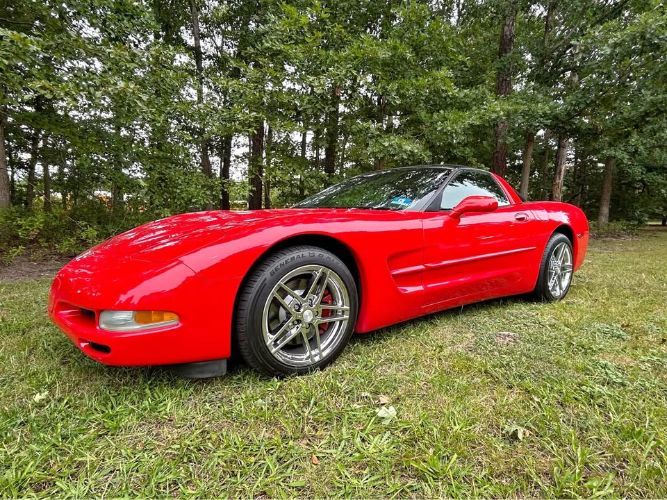
1997 Chevrolet Corvette
 Dealer
United States
Dealer
United States
1980 Chevrolet Corvette
 Dealer
United States
Dealer
United States