
1971 Chevrolet Camaro
$20,000
Vehicle Details
Chevrolet
Camaro
1971
Description
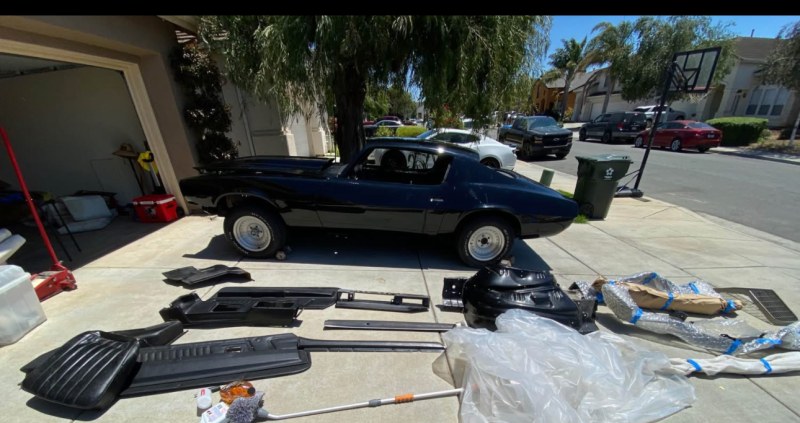
This 1971 Camaro is a project car for someone who loves to restore old vehicles to their intended glory. It has a custom 454 cu in engine and a 700 R4 automatic transmission with a shift kit. The gauges are billet aluminum, and the frame has been powder-coated.
Classic Chevrolet Camaro Buyer's Guide
Chevrolet Camaro Market Overview
Based on 261 Chevrolet Camaro listings currently on ClassicCarsArena.com
Classic Chevrolet Camaro Buyer's Guide
The Chevrolet Camaro launched in September 1966 as Chevy's direct response to the Ford Mustang, and for over five decades it has defined American performance for an entire generation of enthusiasts. Whether you're hunting a numbers-matching first-generation Z/28, a survivor split-bumper second-gen, or a clean third-gen IROC-Z, the Camaro buyer's market is deep, varied, and full of pitfalls for the unprepared.
What to Check Before Buying
Common Issues
What to Look For
Price Guide
Did You Know?
Also Consider
Similar classic cars shoppers also browse:
How Does It Compare?
Head-to-head matchups for the Chevrolet Camaro:
Price is negotiable
1971 Chevrolet Camaro
Contact Seller
Buying safely?
Read our scam-avoidance tips before paying →
Listing Actions
More in this area
Browse by Era
1970s Classics for SaleAll 1971 Classics
Browse all 1971 Cars for SaleModel History
How the Chevrolet Camaro evolved (1967–2002) across 4 generations.
📈 View Full EvolutionGet classic car alerts
Latest arrivals, newest deals, and discount coupons, straight to your inbox.
Selling your classic car?
Reach millions of classic car enthusiasts on the largest US classics marketplace.
Sell Your Car →Similar Listings
 Dealer
 United States
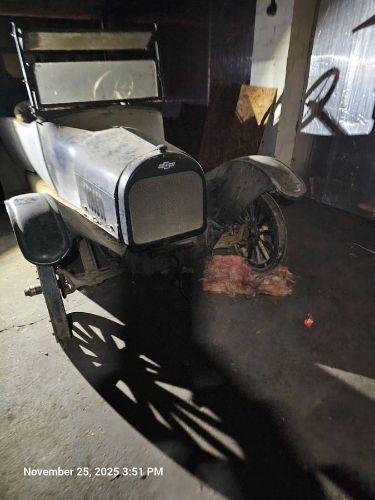
1917 Chevrolet Touring Car
 Dealer
United States
Dealer
United States
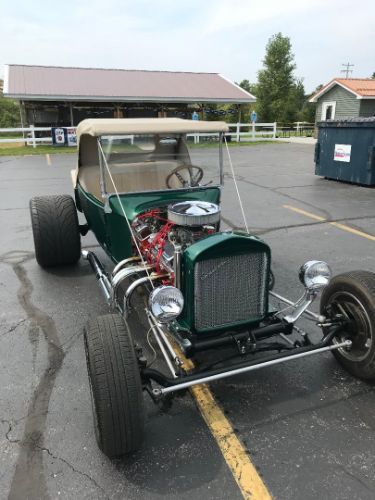
1918 Chevrolet 100
 Dealer
United States
Dealer
United States
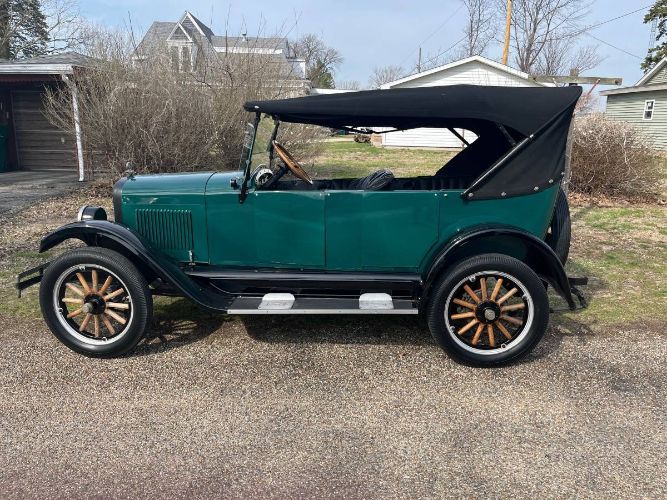
1924 Chevrolet 100
 Dealer
United States
Dealer
United States
1925 Chevrolet 100
Contact Seller
Report this Ad
Help us keep the marketplace clean. Our moderation team reviews every report within 24 hours.