
1972 Chevrolet Camaro
$59,995
Video
Vehicle Details
Chevrolet
Camaro
1972
1Q87H2N120270XXXX
Other
Manual
454
Description
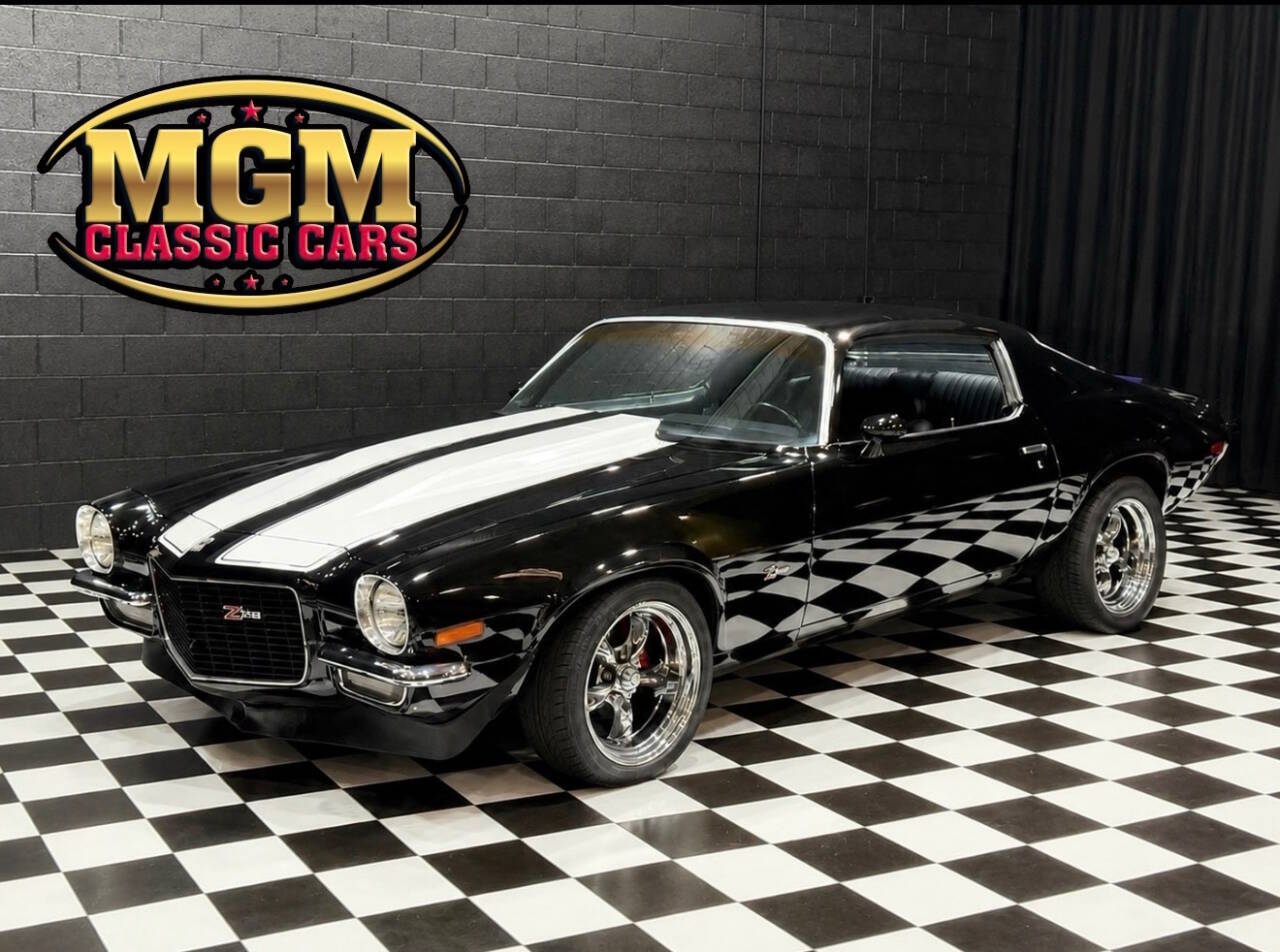
1972 Chevrolet Camaro Split Bumper This 1972 Chevrolet Camaro Split Bumper is the kind of muscle car that checks all the boxesaggressive looks, serious big-block power, and tasteful performance upgrades throughout. Powered by a rebuilt 454 Big Block V8 paired with a 5-speed manual transmission, this Camaro delivers an exhilarating driving experience with the unmistakable sound and performance that only a big block can provide. Under the hood you?ll find a clean, detailed engine compartment featuring aluminum cylinder heads, an aluminum high-rise intake, 4-barrel carburetor, MSD ignition, serpentine belt system, Be Cool aluminum radiator with dual electric cooling fans, and a set of headers feeding into a dual X-pipe exhaust system that sounds incredible.
Finished in a stunning black exterior, this Camaro has excellent body lines with what appear to be original quarter panels, straight metal throughout, and beautiful inner and outer door jambs. The chrome, trim, weatherstripping, and glass are all in very good condition, while the solid trunk and exceptionally clean undercarriage speak volumes about how well this car has been cared for. The suspension has also been upgraded for improved handling with tubular front control arms, upgraded springs, rear multi-leaf springs, and shocks, while Wilwood power front disc brakes and power steering make it a pleasure to drive.
Power is transferred through a Posi-Traction rear end with 3.73 gears, giving this Camaro outstanding acceleration. Inside, the cabin retains its classic factory appearance with bucket seats, complemented by custom upgraded gauges and instrument cluster, a Hurst shifter, and Z/28 floor mats, blending classic styling with modern functionality. This Camaro has just been freshly serviced with a new oil change, comes with a clean title, and is ready to hit the road or your local car show.
Highlights Rebuilt 454 Big Block V8 5-Speed Manual Transmission Aluminum Cylinder Heads Aluminum High-Rise Intake 4-Barrel Carburetor MSD Ignition System Serpentine Belt System Be Cool Aluminum Radiator Dual Electric Cooling Fans Headers Dual X-Pipe Exhaust Power Steering Wilwood Power Front Disc Brakes Posi-Traction Rear End 3.73 Gear Ratio Tubular Front Control Arms Upgraded Springs & Rear Multi-Leaf Suspension American Racing Wheel & Tire Package Custom Gauge Cluster Factory Bucket Seats Hurst Shifter Z/28 Floor Mats Straight Body with Excellent Panel Fit Clean Undercarriage Solid Trunk Fresh Oil Change & Service Clean Title Camaro comes with the following - Because no one cares like MGM!!- 1972 Owners manual-Custom keychain-Black Car Cover-Battery tenderAvailable MGM Classic Cars Upgrades Vintage Air Conditioning Power Window Kit Bluetooth Stereo & Navigation Package Front & Rear LED Lighting Package Electric Exhaust Cut-Outs Custom Racing Stripes (Color of Your Choice) Window Tint Wheel & Tire Packages Suspension & Brake Upgrades Ceramic Coating Packages Extended Warranty Options Financing available with low monthly payments. We ship nationwide and can deliver right to your driveway. Every vehicle is serviced before delivery for added peace of mind.
Nobody does it like MGM Classic Cars!
Trim: SPLIT BUMPER - BIG BLOCK - 5 SPEED
Body Style: 2
Fuel Type: Unspecified
Classic Chevrolet Camaro Buyer's Guide
Chevrolet Camaro Market Overview
Based on 375 Chevrolet Camaro listings currently on ClassicCarsArena.com
Classic Chevrolet Camaro Buyer's Guide
The Chevrolet Camaro launched in September 1966 as Chevy's direct response to the Ford Mustang, and for over five decades it has defined American performance for an entire generation of enthusiasts. Whether you're hunting a numbers-matching first-generation Z/28, a survivor split-bumper second-gen, or a clean third-gen IROC-Z, the Camaro buyer's market is deep, varied, and full of pitfalls for the unprepared.
What to Check Before Buying
Common Issues
What to Look For
Price Guide
Did You Know?
Also Consider
Similar classic cars shoppers also browse:
How Does It Compare?
Head-to-head matchups for the Chevrolet Camaro:
1972 Chevrolet Camaro
Find a similar Chevrolet Camaro currently for sale.
Browse Similar ListingsComparable Sales
Buying safely?
Read our scam-avoidance tips before paying →
Listing Actions
Browse by Era
1970s Classics for SaleAll 1972 Classics
Browse all 1972 Cars for SaleGet classic car alerts
Latest arrivals, newest deals, and discount coupons — straight to your inbox.
Selling your classic car?
Reach millions of classic car enthusiasts on the largest US classics marketplace.
Sell Your Car →Similar Listings
 Dealer
 United States
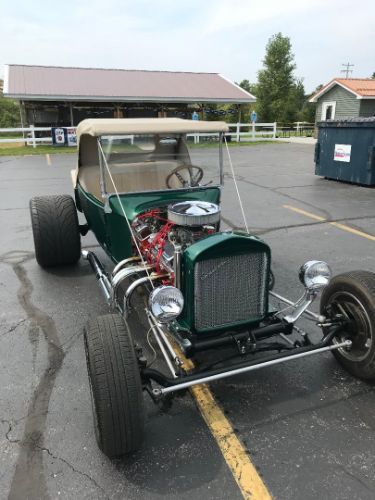
1918 Chevrolet 100
 Dealer
United States
Dealer
United States
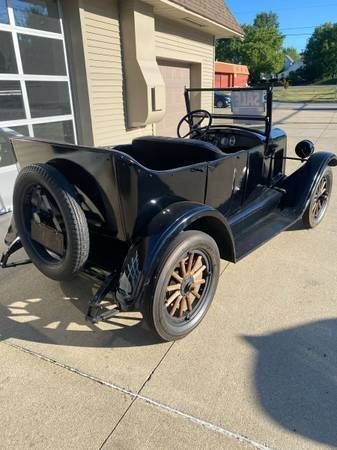
1923 Chevrolet Master
 Dealer
United States
Dealer
United States
1925 Chevrolet Superior K
 Dealer
United States
Dealer
United States
1926 Chevrolet 100
Call this seller?
You're about to call MGM Classic Cars about the 1972 Chevrolet Camaro.
+1 (847) 848-1850
Report this Ad
Help us keep the marketplace clean. Our moderation team reviews every report within 24 hours.