
1968 Chevrolet Corvette
$49,997
Vehicle Details
Chevrolet
Corvette
1968
83,067 miles
194378S424616
Coupe
Manual
327 V8 L75
Description
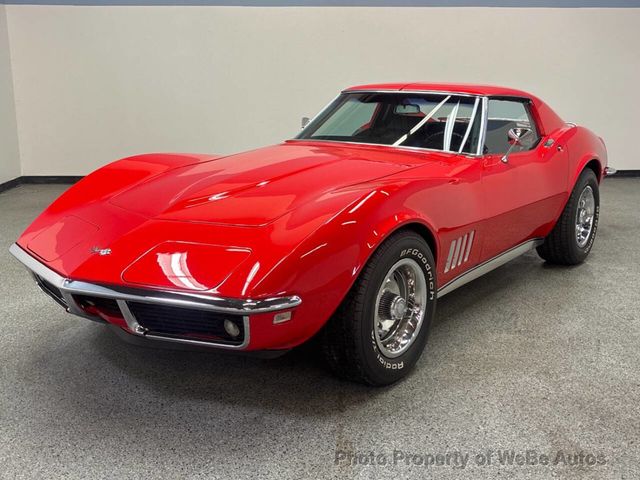
1968 Chevrolet Corvette Coupe — 327/300 V8, 4-Speed, T-Tops, Red over Black Why This Car Is Special The 1968 Chevrolet Corvette represents one of the most significant model-year changes in the nameplate's history. After five years of the Sting Ray coupe and convertible, Chevrolet introduced an entirely new body for 1968 — longer, lower, and wider than its predecessor, with a dramatically different silhouette that was clearly influenced by the Mako Shark II show car. The roofline was redesigned around a pair of removable T-Top panels, a feature that would define Corvette ownership for the next two decades.
The hideaway windshield wipers, the vacuum-operated pop-up headlights, and the side fender vents were all new for this year. It was a car that looked nothing like what came before it. What makes the 1968 Corvette particularly interesting from a collector's standpoint is its position at the beginning of the C3 generation.
This was the first year of the body style, which means it carries details that were revised or eliminated in later years — including the fiber-optic light monitoring system routed through the instrument panel and the chrome-intensive interior trim that would be toned down as the decade turned. These early-production C3 features are part of what separates a 1968 from its successors. The VIN on this car tells a specific story.
The body style code confirms this is the coupe — the T-Top hardtop — rather than the convertible. The engine code in the VIN identifies the 327 cubic inch, 300 horsepower small block, which was the base V8 for 1968. The transmission code confirms the 4-speed manual.
Chevrolet built 28,566 Corvettes for the 1968 model year — 9,936 of them were coupes. Pairing the coupe body with the 327 small block and a 4-speed gearbox was how many buyers specified their cars in 1968, balancing usable street performance with a more manageable ownership experience than the high-compression big blocks. This example presents in red over a black leather interior, one of the most recognizable and historically appropriate color combinations for a C3 Corvette.
Features List - 327ci / 300hp V8 small block - 4-speed manual transmission - Removable T-Top roof panels - Four-wheel disc brakes - Independent rear suspension - Vacuum-operated pop-up headlights - Factory air conditioning - AM/FM radio - Chrome luggage rack - Black leather bucket seats - Center console - Dashboard tachometer - Wood-rim steering wheel - Dual exhaust - Spinner wheel covers - BFGoodrich Radial T/A tires - Chrome bumpers - Fiberglass body Mechanical The 327 cubic inch V8 in this car is the L79-adjacent base small block, rated at 300 horsepower. The 327 had been the Corvette's signature engine since 1962, and by 1968 it was a well-sorted, refined unit with a strong reputation for reliability and linear power delivery. It is not a tire-shredding big block, and that is exactly the point — this is the version of the 1968 Corvette that you can drive regularly without managing the temperament that comes with the high-compression L71 or L88 variants.
The 300hp 327 pulls cleanly through the rev range and responds well to the 4-speed manual, which gives the driver direct mechanical control over every gear change. The 4-speed manual gearbox in a 1968 Corvette is a close-ratio or wide-ratio Muncie unit depending on how the car was optioned. It connects to the independent rear suspension, which was one of the Corvette's most significant engineering advantages over its era's competition.
Rather than the solid rear axle found in most American performance cars of the period, the Corvette used a three-link independent setup with a U-jointed half-shaft at each rear wheel and a single transverse leaf spring. This arrangement allowed each rear wheel to move independently, which improved traction, reduced unsprung weight, and gave the car a handling character that was genuinely different from its domestic rivals. Four-wheel disc brake
Classic Chevrolet Corvette Buyer's Guide
Chevrolet Corvette Market Overview
Based on 638 Chevrolet Corvette listings currently on ClassicCarsArena.com
Classic Chevrolet Corvette Buyer's Guide
The Chevrolet Corvette has been America's sports car for over seventy years, but the classic Corvette market splits into three distinct generations, each with its own buyer profile and its own pitfalls. The C1 (1953-1962), C2 mid-year (1963-1967), and C3 shark (1968-1982) cover three decades of evolution from solid-axle straight-six convertibles to small-block legends to LT-1-powered chrome-bumper cars. Knowing which Corvette is yours — and what it actually is versus what the seller claims — is the difference between a sound investment and an expensive lesson.
What to Check Before Buying
Common Issues
What to Look For
Price Guide
Did You Know?
Also Consider
Similar classic cars shoppers also browse:
How Does It Compare?
Head-to-head matchups for the Chevrolet Corvette:
1968 Chevrolet Corvette
Contact Seller
Listed by dealer
Nationwide consignment dealer
WeBe Autos lists vehicles from sellers across multiple states. The vehicle may not be at the dealer's address shown. Contact the dealer to confirm the vehicle's actual location before traveling.
Buying safely?
Read our scam-avoidance tips before paying →
Listing Actions
Browse by Era
1960s Classics for SaleAll 1968 Classics
Browse all 1968 Cars for SaleOriginal Factory Colors
Official paint codes for the Chevrolet Corvette (1968).
🎨 View Factory ColorsGet classic car alerts
Latest arrivals, newest deals, and discount coupons — straight to your inbox.
Selling your classic car?
Reach millions of classic car enthusiasts on the largest US classics marketplace.
Sell Your Car →Similar Listings
 Dealer
 United States
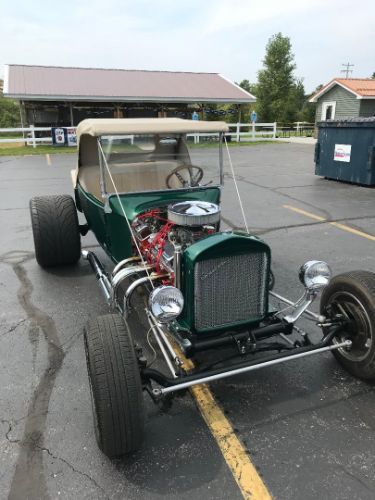
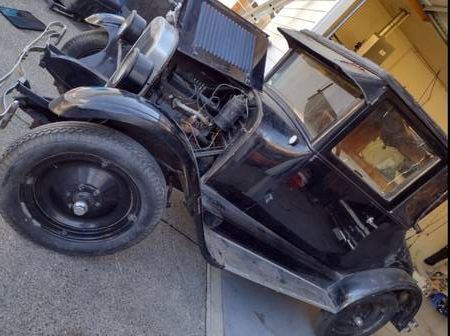
1918 Chevrolet 100
 Dealer
United States
Dealer
United States
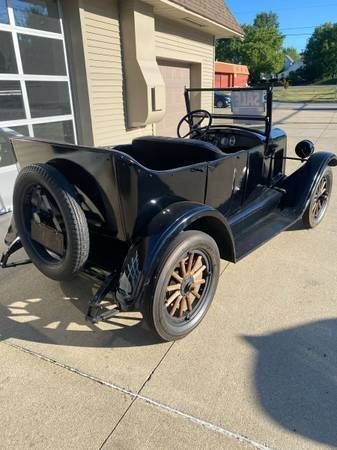
1923 Chevrolet Master
 Dealer
United States
Dealer
United States
1925 Chevrolet Superior K
 Dealer
United States
Dealer
United States
1926 Chevrolet 100
Contact Seller
Call this seller?
You're about to call WeBe Autos about the 1968 Chevrolet Corvette.
+1 (631) 339-0399
Report this Ad
Help us keep the marketplace clean. Our moderation team reviews every report within 24 hours.