Published June 10, 2026Updated September 27, 20265 generations1959–1987
The El Camino is the car-truck that never quite decided what it was, and that is exactly why people love it. Chevrolet built it to chase the Ford Ranchero, gave up after two years, then brought it back on the Chevelle platform and turned it into something nobody expected: a half-ton hauler you could order with a 450-horsepower big block. I have seen guys daily-drive these and I have seen show cars that never see rain. Both are right. Here is how the El Camino went from a styling experiment to a genuine muscle machine and finally to a downsized cruiser.
Chevrolet El Camino — Generation by Generation
1959–1960
First Generation
"The full-size styling statement"
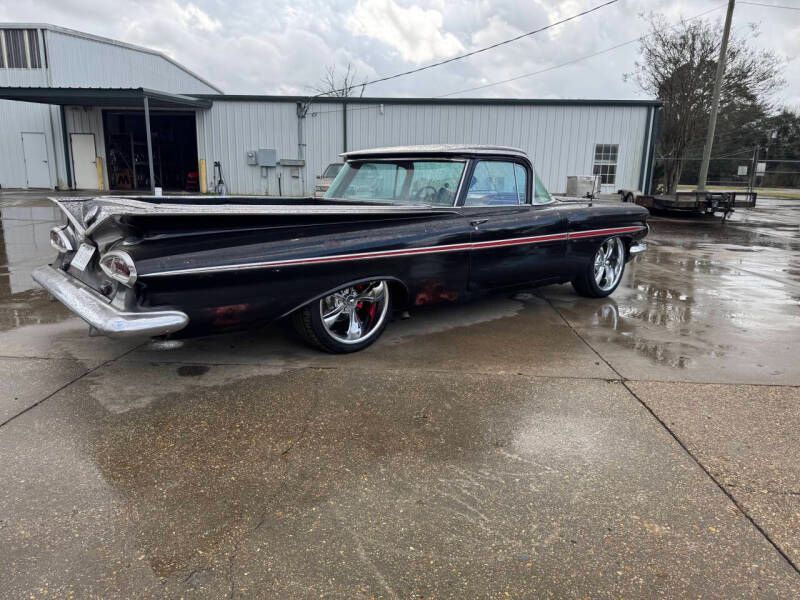
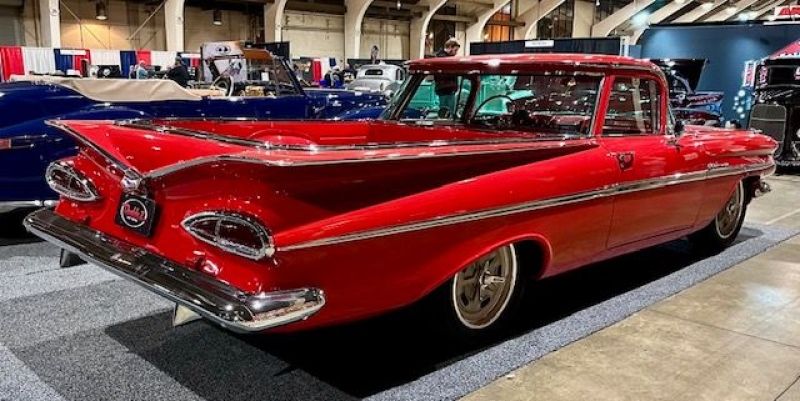
Chevrolet answered the Ford Ranchero with an El Camino based on the full-size 1959 Brookwood wagon, which means it wears the wild batwing tailfins and cat-eye taillights of that year. It is a big, flamboyant thing, and the bed sits low and long. The 1960 version toned the styling down with the rest of the Chevrolet line. Sales were soft against the smaller Ranchero, and Chevrolet pulled the plug after two years, but these first cars are now prized exactly because the styling is so of its moment.
Key Changes
→
Based on the full-size 1959 Brookwood wagon platform
→
Batwing fins and cat-eye taillights for 1959
→
Inline-six through 348 V8 engine range
→
1960 restyle matched the toned-down full-size line
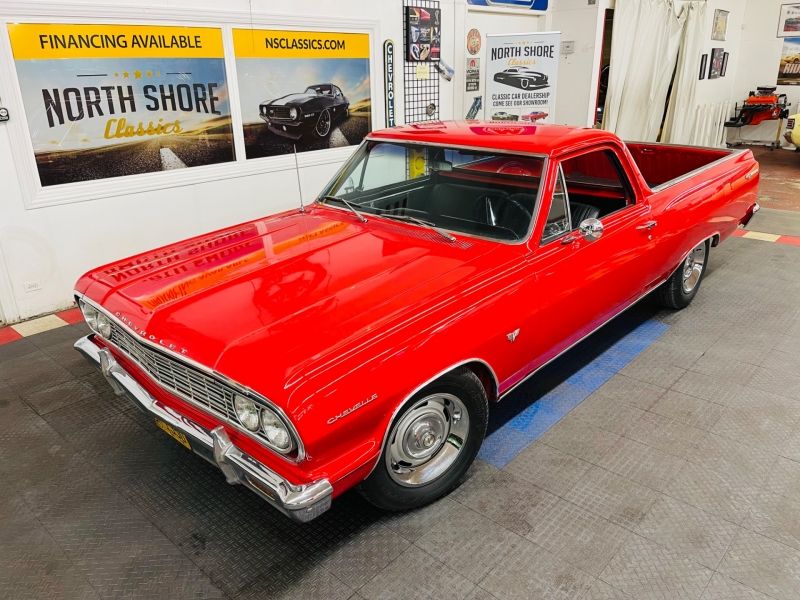
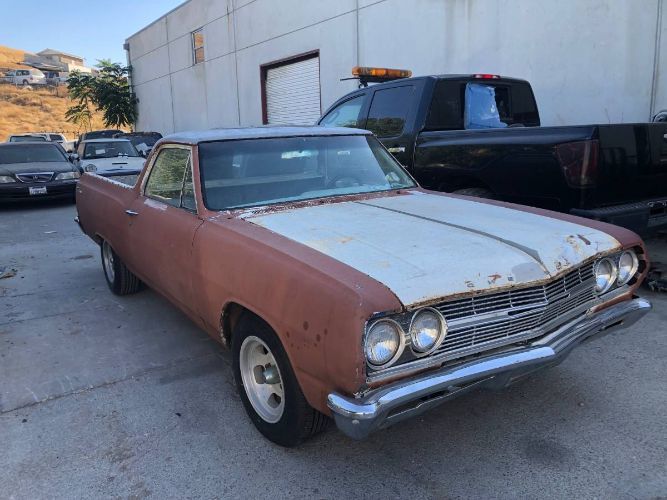
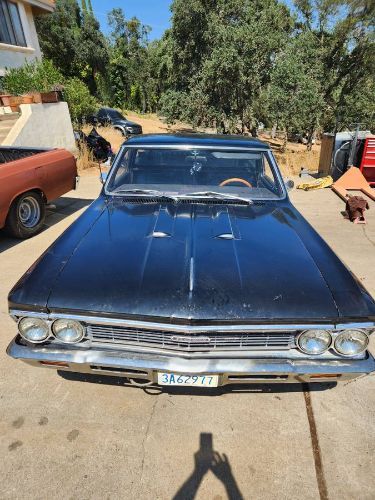
The El Camino came back for 1964 on the new mid-size A-body it shared with the Chevelle, and that was the right size all along. It looked tidy, drove like a car, and carried a useful load. Engine choices grew through the run, and by 1966 you could get the 396 big block, which pointed at where this thing was headed. These are clean, usable classics that often get overlooked next to the louder cars that followed.
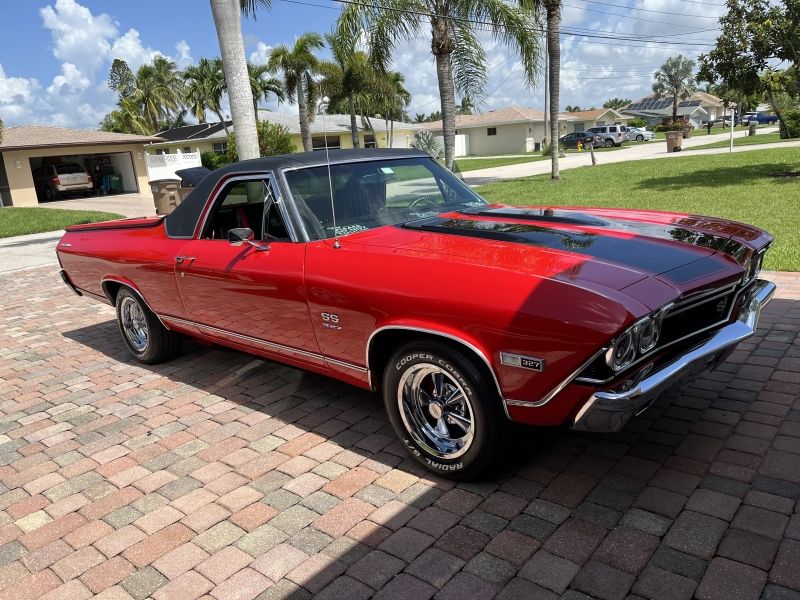
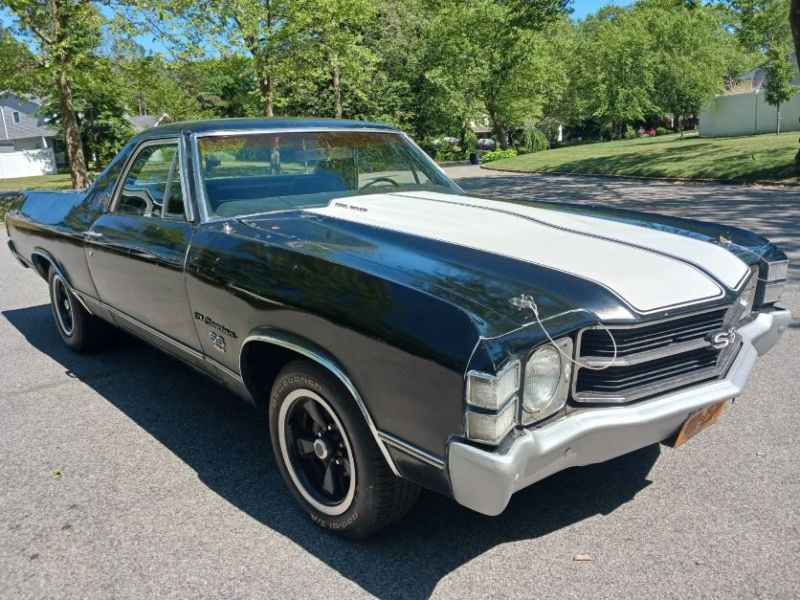
This is the El Camino people picture. The 1968 redesign brought the long-hood Chevelle shape, and the SS396 became a proper performance model. When GM lifted its engine-size ceiling for 1970, the El Camino got the 454, and the SS454 LS6 shared the same 450-horsepower rating as the Chevelle. Cowl induction, bucket seats, and the SS package turned a work truck into a street weapon. These are the most valuable El Caminos by a wide margin, and also the most faked.
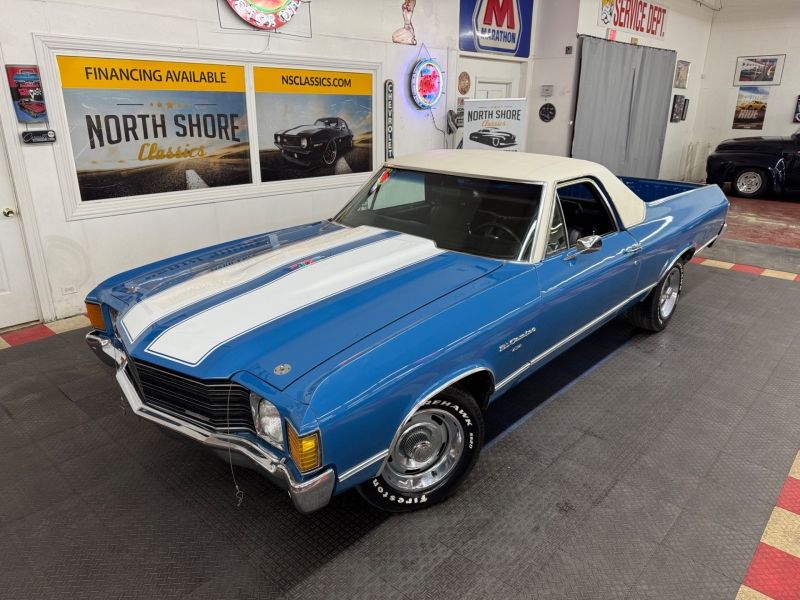
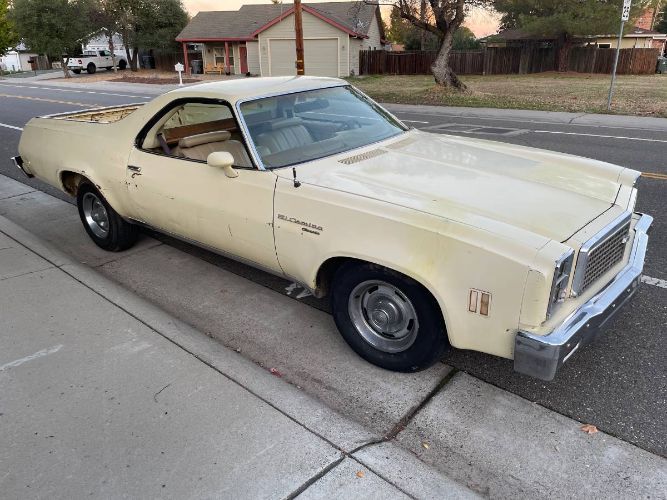
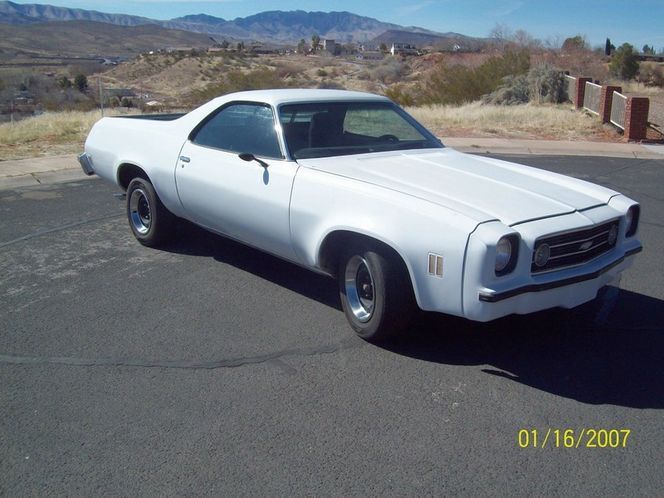
The 1973 redesign followed the Chevelle into the Colonnade era. The El Camino grew heavier and softer, with the bigger bumpers and lower compression that federal rules forced on everything. The SS continued as an option package rather than a high-output car. These are honest cruisers that you can buy cheap and enjoy, as long as you go in knowing the muscle-era numbers are behind them.
Key Changes
→
New Colonnade-era body for 1973
→
Heavier with federal 5-mph bumpers
→
SS continues as an appearance and handling package
GM downsized everything for 1978, and the El Camino moved to the trimmer G-body. It was lighter and more efficient, and the SS and the Royal Knight graphics packages gave it some attitude even as power stayed modest. The GMC version was now called Caballero. Late in the run the Monte Carlo SS front clip showed up on some cars. With the huge G-body aftermarket, these are the easiest El Caminos to own and build, which is why they make good first projects.
If you want the muscle, the 1968 to 1972 cars are where it lives, and a real SS454 with documentation is the one everybody wants. Like the Chevelle it shares everything with, the El Camino gets cloned constantly, so check the cowl tag and the build sheet before you pay SS money. The first-generation 1959 cars are pure styling statements and bring strong money in good shape. The G-body cars from 1978 on are the affordable entry, and the aftermarket support is deep. Whatever year you chase, remember it is still a truck underneath. Check the bed floor and the frame where a car person would never think to look.
Frequently Asked Questions
The El Camino is built on Chevrolet passenger-car platforms, the full-size for 1959 to 1960 and the Chevelle and later G-body for the rest of its run, but it has an open pickup bed. It is officially classified as a utility coupe, so it drives like the car it is based on while hauling like a light truck.
The 1970 El Camino SS454 could be ordered with the LS6 engine rated at 450 horsepower, the same top big block offered in the Chevelle SS that year. The far more common SS454 used the LS5 rated at 360 horsepower.
The El Camino ran from 1959 to 1960, then returned for 1964 and continued through 1987 across five generations, including a two-year gap from 1961 to 1963.
📖
Thinking of Buying One?
Read our Chevrolet El Camino Buyer's Guide — pre-purchase checklist, common issues, and pricing.


 Dealer
 United States
 Dealer
 Featured
 Dealer
 Dealer
 Featured
 Dealer
 Dealer
 Dealer
 Dealer
 Dealer
 Dealer
 Dealer