
Chevrolet El Camino vs Ford Ranchero — Car-Truck Icons Compared
<p>The Chevrolet El Camino and Ford Ranchero are the two founding members of the "car-truck" segment — vehicles that made no practical compromises in either direction and ended up being more interesting than pure examples of either category. The Ranchero arrived first; the El Camino lasted longer. Both are enjoying renewed collector interest as buyers discover they're acquiring a genuinely unique piece of American automotive history at prices that remain accessible.</p>
Specs side-by-side
| Spec | Chevrolet El Camino | Ford Ranchero |
|---|---|---|
| First production year | 1959 (relaunched) | 1957 |
| Best generation | 1968–1972 (Chevelle A-body) | 1966–1971 (Fairlane/Torino) |
| Top factory engine | 454 LS6 (SS option) | 428 Cobra Jet (GT option) |
| Bed length | ~6.5 ft | ~6.0 ft |
| Driver-quality value (2026) | $22,000–$65,000 | $18,000–$55,000 |
The case for Chevrolet El Camino
The El Camino wins on the strength of its platform. From 1968 onward, the El Camino was built on the Chevelle A-body chassis — which means it could accept the full Chevelle SS option package including the 396 and 454 big blocks. A factory SS 396 or SS 454 El Camino is a legitimate muscle car with a bed. The square-body 1968–1972 generation represents the high point: SS appearance, available bucket seats, and big-block power in a package that could still haul a load. The El Camino's A-body heritage also means parts and technical support are drawn from the vast Chevelle community.
The case for Ford Ranchero
The Ranchero was first — Ford introduced the concept in 1957, a full two years before Chevrolet responded with the El Camino. The 1957–1959 first-generation Ranchero, built on the full-size Ford platform, is the rarest and most valuable collector piece. The 1966–1977 Torino/Ranchero generation produced the most collectible combination: the 1969–1970 Ranchero GT with the 428 Cobra Jet is a genuine performance machine. The Ranchero also has an argument on fit and finish — Ford's Torino-based cars from 1970–1971 are among the best-built production vehicles of the muscle car era.
Verdict
For parts support and big-block performance, the El Camino SS has the advantage — the Chevelle community is enormous and SS documentation is well-understood. For rarity and first-mover collector significance, the early Ranchero and the 1969–1970 Ranchero GT with the 428 CJ are compelling. Both represent some of the best-value classic American vehicles available in 2026. Don't buy somebody else's project — find a rust-free, honest example of either and you'll own something appreciating for the next decade.
Recent Chevrolet El Camino listings
 Dealer
 United States
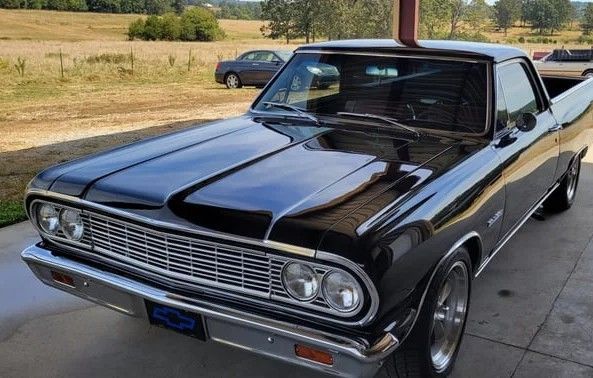
1964 Chevrolet El Camino
 Dealer
United States
Dealer
United States
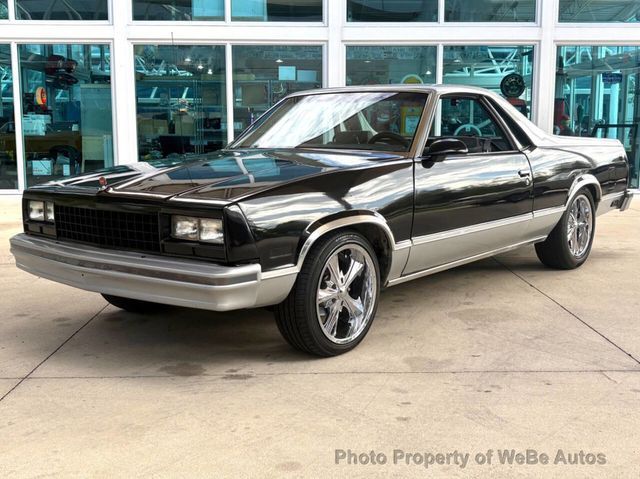
1987 Chevrolet El Camino
 Dealer
United States
Dealer
United States
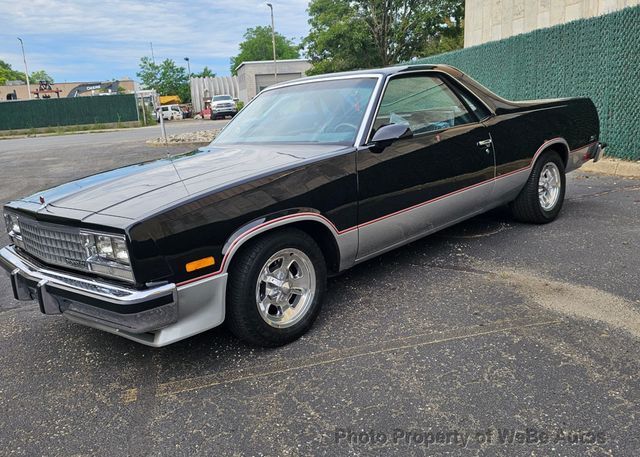
1987 Chevrolet El Camino
 Dealer
United States
Dealer
United States
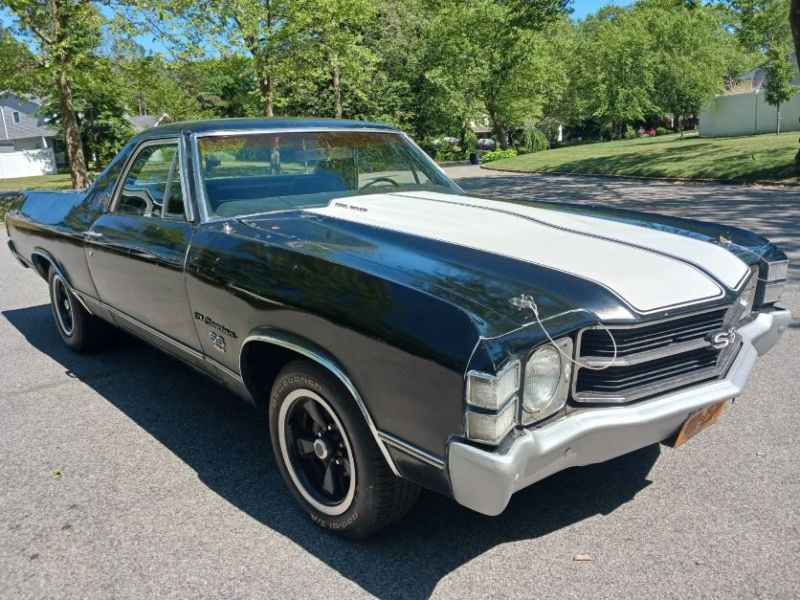
1971 Chevrolet El Camino
Recent Ford Ranchero listings
 Dealer
United States
Dealer
United States
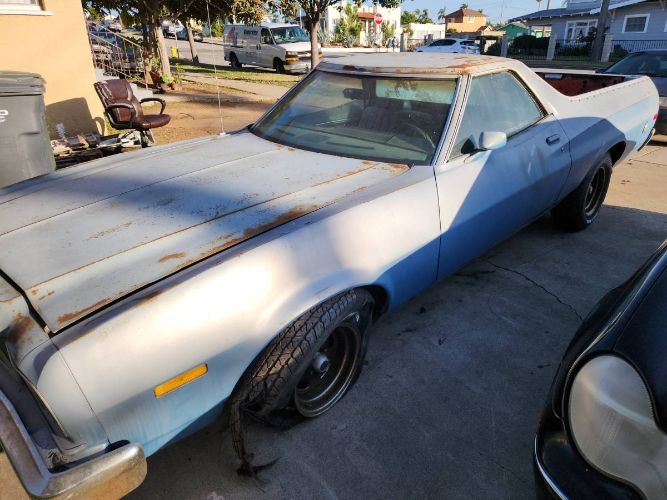
1973 Ford Ranchero
 Dealer
United States
Dealer
United States
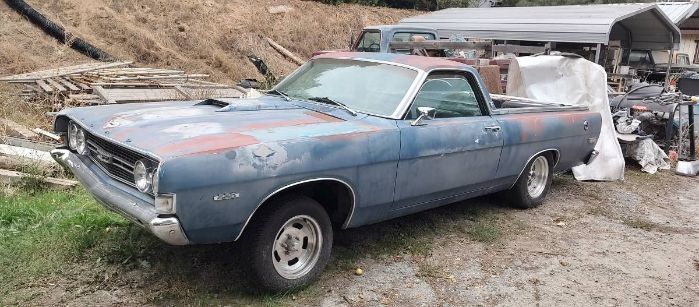
1968 Ford Ranchero
 Dealer
United States
Dealer
United States
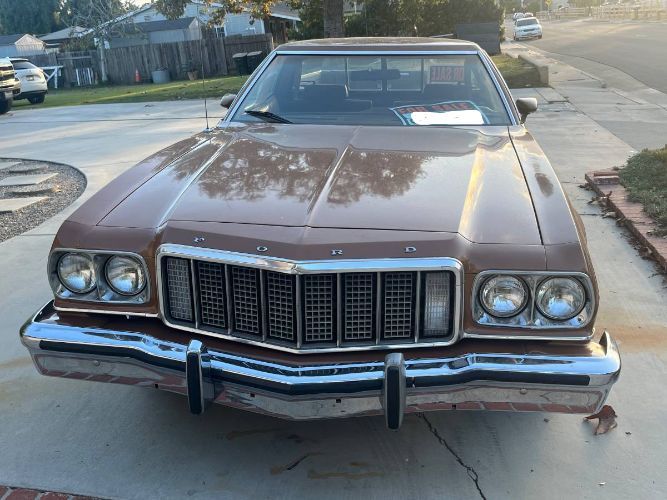
1974 Ford Ranchero
 Dealer
United States
Dealer
United States