
Studebaker Avanti vs Buick Riviera — American Personal Luxury Rebels
<p>The Studebaker Avanti (1963–1964) and Buick Riviera (1963–1973) were introduced in the same model year as the twin poles of American personal luxury — one an act of corporate desperation, the other a corporate triumph. Both challenged Detroit orthodoxy with European-influenced styling, front disc brakes, and a commitment to driving dynamics that the standard American luxury segment had abandoned. They have followed strikingly different collector paths since.</p>
Specs side-by-side
| Spec | Buick Riviera | Studebaker Avanti |
|---|---|---|
| Production years | 1963–1973 (first three generations) | 1963–1964 |
| Total units built | ~390,000 (all generations) | 4,643 |
| Body material | Steel | Fiberglass |
| Top engine option | 425 Super Wildcat V8, 360 hp (1965) | R3 Paxton supercharged 304.5, 335 hp |
| Front brakes | Drum standard, disc optional 1965+ | Disc (standard) |
| 2026 value range | $28,000–$85,000 | $22,000–$85,000 |
The case for Buick Riviera
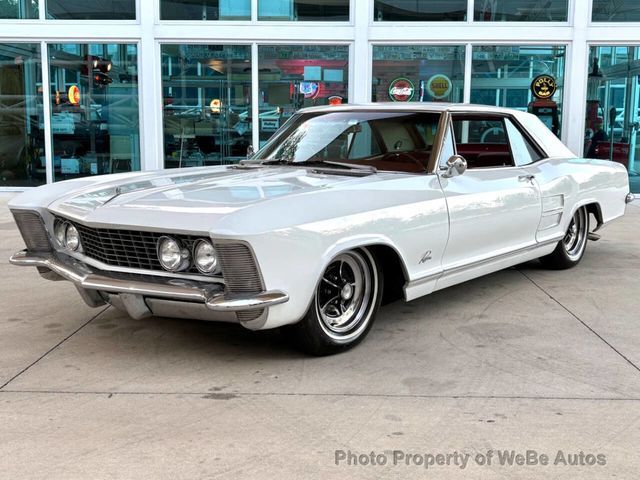
The Buick Riviera argues on design purity, driving dynamics, and the breadth of its collector community. Bill Mitchell's 1963 Riviera design — the "Gentleman's Express" — is one of the three or four most important American automotive styling achievements of the postwar era, alongside the 1955–1957 Thunderbird and the C2 Corvette. The first-generation Riviera (1963–1965) is the purest expression: no vinyl top, no opera windows, no chrome excess — just clean lines, a concealed headlamp design, and a Gran Turismo character that the Avanti, for all its drama, cannot match as a grand touring car. The 1965 Riviera with the 425 Super Wildcat is a genuinely driver-focused grand tourer. The marque registries for the Riviera (Riviera Owners Association) provide complete documentation, and the restoration parts ecosystem is more developed than for the Avanti.
The case for Studebaker Avanti
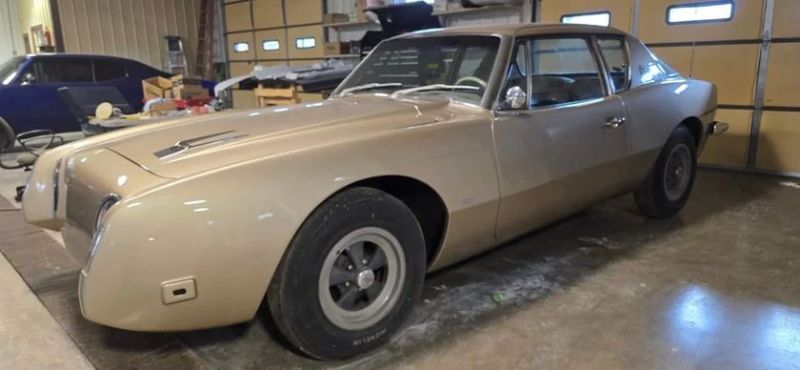
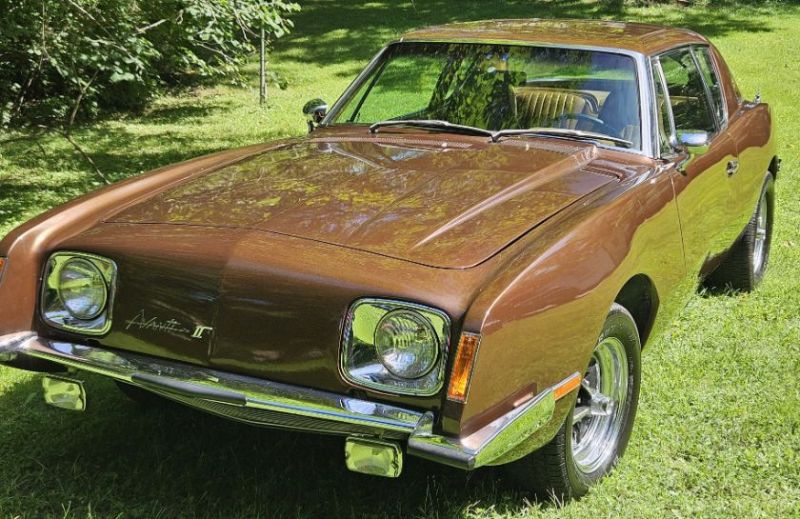
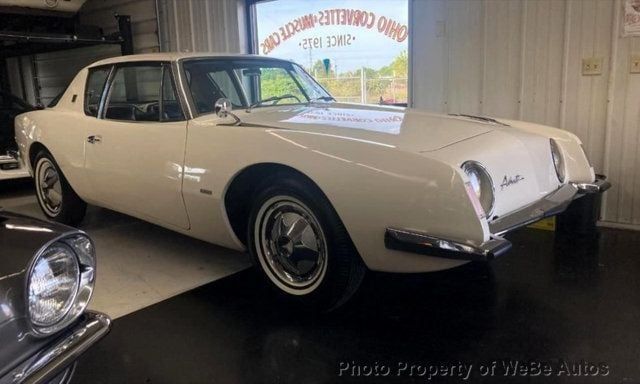
The Studebaker Avanti makes a singular case that no other American car can match: it is the final production car from South Bend, designed in 40 days by Raymond Loewy's office, built in a fiberglass body that has proven remarkably resistant to the corrosion that plagues steel-bodied contemporaries, and available in Paxton-supercharged R2 and R3 variants that set 29 speed records at Bonneville in 1963. The unrestored survivor in original livery commands an authenticity premium from concours judges that the Riviera — produced in 40,000 units in its first year — simply cannot match on scarcity. The Avanti's production of 4,643 units across two years makes every surviving example a documented rarity. From a marque registry perspective, the Studebaker Drivers Club's complete VIN documentation means provenance is verifiable to an exceptional degree. The fiberglass body's survival rate is also significantly better than comparable steel-body cars of the era — more original-surface Avantis survive than original-surface Rivieras.
Verdict
From a concours judging perspective, the Studebaker Avanti is the more historically significant object — it documents a remarkable moment in American industrial history with a design that holds up against anything European of the same period. The Buick Riviera first generation is the superior automobile as a driving experience and the better practical choice for a collector who wants to use the car regularly. At comparable prices ($22,000–$55,000 for the Avanti versus $28,000–$65,000 for a first-gen Riviera), both are compelling. The tiebreaker is purpose: invest in American design history, buy the Avanti; invest in driving experience and design excellence, buy the first-gen Riviera.
Recent Buick Riviera listings
 Dealer
 United States
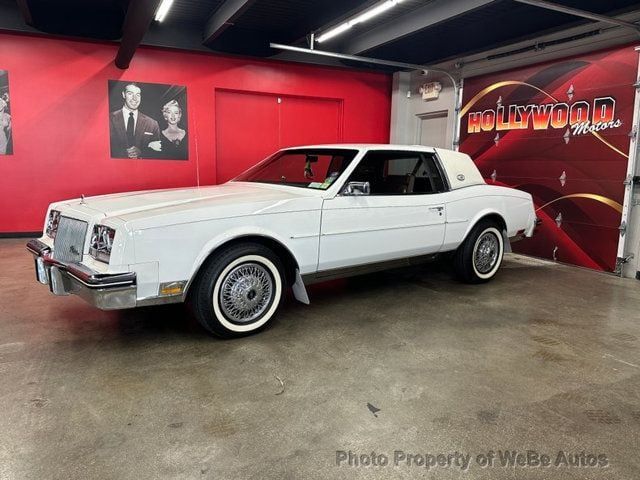
1984 Buick Riviera
 Dealer
United States
Dealer
United States
1964 Buick Riviera
 Dealer
United States
Dealer
United States
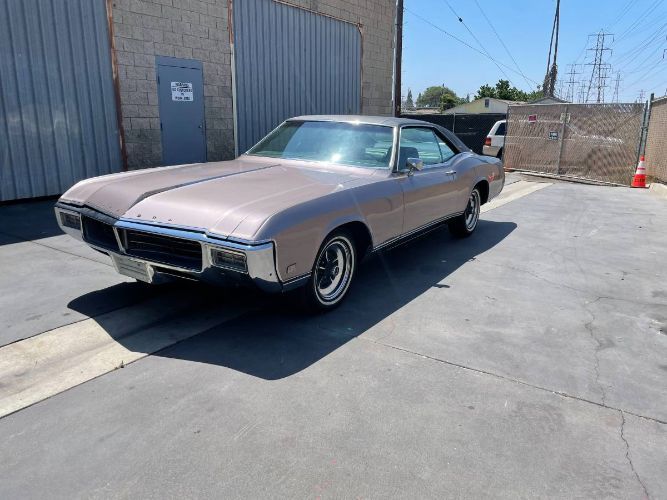
1969 Buick Riviera
 Dealer
United States
Dealer
United States
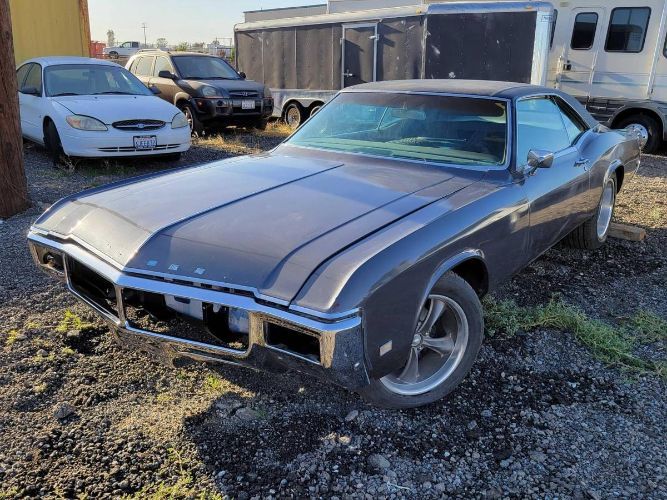
1969 Buick Riviera
Recent Studebaker Avanti listings
 Dealer
United States
Dealer
United States
1963 Studebaker Avanti
 Dealer
United States
Dealer
United States
1972 Studebaker Avanti
 Dealer
United States
Dealer
United States
1963 Studebaker Avanti
 Dealer
United States
Dealer
United States