Published June 10, 2026Updated September 27, 20263 generations1963–1973
The 1963 Buick Riviera is one of the few American cars that belongs in a discussion of design rather than merely of automobiles. General Motors styling chief Bill Mitchell wanted a car with the taut, knife-edged elegance of a custom-bodied European grand tourer, and the result was a personal luxury coupe so resolved that it still looks deliberate sixty years on. The Riviera ran for decades, but its most significant and collectible years are the first three generations, from that 1963 landmark through the dramatic boattail of the early 1970s. Each was a distinct design statement, and understanding the Riviera means understanding it as a series of them.
Buick Riviera — Generation by Generation
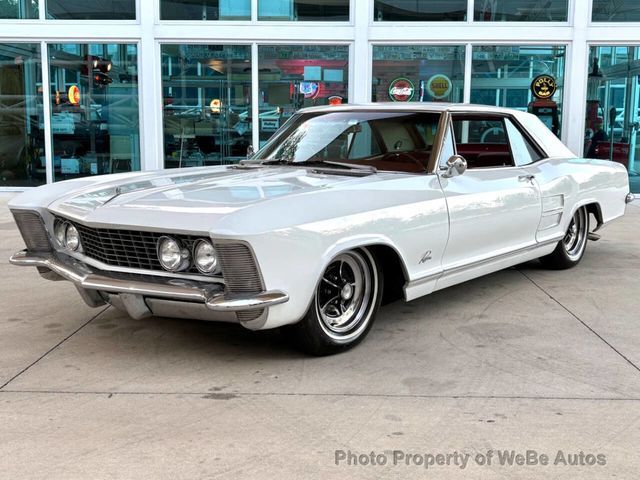
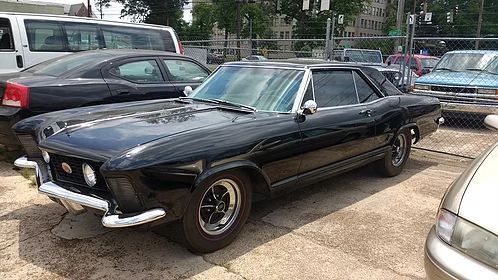
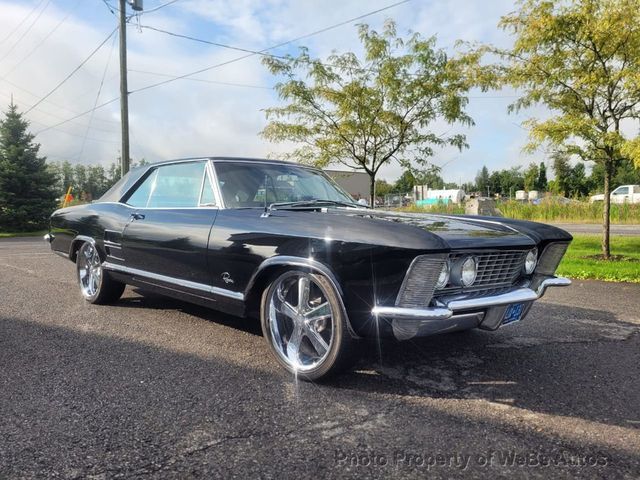
1963–1965
First Generation
"The design landmark"
The first Riviera introduced the personal luxury coupe with a level of styling discipline that set it apart from everything around it: a sharp beltline, a formal roof, and clean flanks with minimal ornamentation. Power came from Buick's Nailhead V8, and the Gran Sport added performance. For 1965 the headlamps moved behind hidden clamshell covers in the leading edges of the fenders, completing the design. These first cars are the purest expression of the Riviera idea and the most historically important.
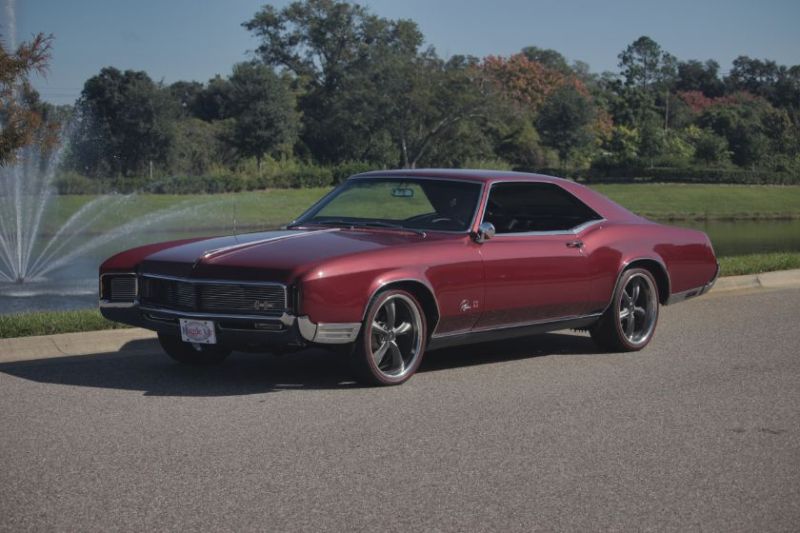
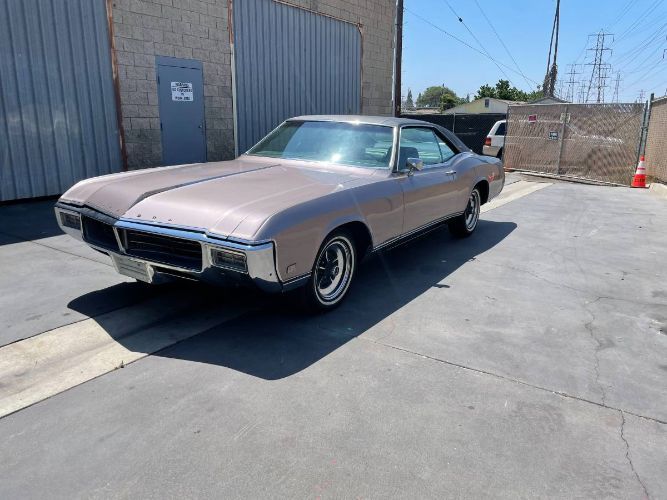
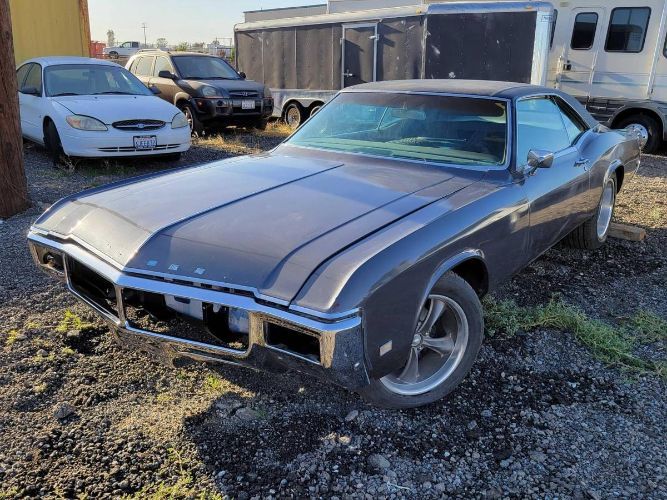
The 1966 Riviera moved to the new E-body shared with the front-drive Oldsmobile Toronado, though the Riviera kept rear-wheel drive. The styling grew larger and more flowing, with a semi-fastback roofline and, for 1966, hidden headlamps behind the grille. The big-block 430 and later 455 V8s gave it effortless power. These cars are handsome grand tourers in their own right and a more affordable way into Riviera ownership than the landmark first generation.
The 1971 Riviera wore the boattail, a dramatic tapering rear deck that came to a point in a clear nod to the split-window Corvette and the classic speedsters of the past. It was the boldest Riviera design and divided opinion when new. The 455 V8 provided the power expected of the class, and the 1973 cars softened the look slightly to meet bumper rules. Once overlooked, the boattail is now among the most collectible Rivieras for its pure design daring.
Key Changes
→
Dramatic boattail rear styling
→
455 big-block V8
→
Bold, polarizing design
→
1973 softened for bumper rules
→
Now highly collectible
Specs
Engine
455 V8
Signature
Boattail rear deck
Reception
Divisive when new
Status
Increasingly collectible
Legacy & Impact
For the collector, the Riviera offers three distinct propositions. The 1963 to 1965 cars are the design landmark, restrained and beautifully proportioned, with the 1965 hidden-headlamp Gran Sport the connoisseur's choice. The 1966 to 1970 cars are larger and more flowing, still handsome and more affordable. The 1971 to 1973 boattail is the bold one, polarizing when new and increasingly appreciated now for its sheer audacity. Across all three, these are comfortable, powerful grand tourers that have been undervalued relative to their design importance, and a well-kept example rewards the buyer who recognizes what Bill Mitchell achieved.
Frequently Asked Questions
The 1963 Riviera, styled under Bill Mitchell, brought a crisp, knife-edged elegance inspired by European coachbuilt cars, free of excess chrome and fins. It is widely regarded as one of the finest American designs of the 1960s and influenced personal luxury styling for years.
The 1971 to 1973 Riviera featured a dramatic tapering rear deck that came to a point, earning the boattail nickname. The bold styling was divisive when new but is now one of the most distinctive and collectible Riviera designs.
The Gran Sport, or GS, was the Riviera's performance package, adding a stronger engine setup, firmer suspension, and other upgrades. The 1965 GS with hidden headlamps is among the most desirable early Rivieras.
📖
Thinking of Buying One?
Read our Buick Riviera Buyer's Guide — pre-purchase checklist, common issues, and pricing.


 Dealer
 United States
 Dealer
 Dealer
 Dealer
 Dealer
 Dealer