
Dodge Charger vs Plymouth Road Runner — B-Body Mopar Showdown
The Dodge Charger and Plymouth Road Runner are the two defining B-body Mopars of the classic muscle era — same platform, shared engine options, completely different personalities. The Charger was the styled, sophisticated choice; the Road Runner was deliberately stripped down to maximize performance per dollar. Both remain pillars of classic Mopar collecting.
Specs side-by-side
| Spec | Dodge Charger | Plymouth Road Runner |
|---|---|---|
| Body style | Fastback coupe (2-door) | Hardtop coupe (2-door) |
| Base engine (1969) | 318 V8 (standard Charger) | 383 Magnum (standard R/R) |
| Top engine option | 426 Hemi (425 hp) | 426 Hemi (425 hp) |
| 440 car value | \$75,000–\$120,000 | \$60,000–\$95,000 |
| Hemi value | \$250,000–\$600,000+ | \$150,000–\$350,000+ |
| Iconic year | 1969 (Daytona) | 1969 (Hemi) |
The case for Dodge Charger
Choose the Dodge Charger for the most visually distinctive B-body Mopar. The 1968-1970 Charger's fastback roofline, hidden headlamps, and flying buttress C-pillar are among the most dramatic styling statements of the American muscle era. The 1969 Charger 500 (flush grille for aerodynamics) and the Charger Daytona (nose cone, rear wing, built for NASCAR superspeedways) are the most extreme factory production cars of the era. Charger values have been firm and appreciating, with 440 Six Pack and Hemi cars commanding strong premiums. The mainstream cultural recognition from Dukes of Hazzard and The Fast and the Furious keeps demand broad.
The case for Plymouth Road Runner
Choose the Plymouth Road Runner for the purest expression of the budget muscle-car philosophy. Plymouth priced the 1968 Road Runner below $3,000 — stripping away the Charger's style features to focus exclusively on the performance package. The 383 Magnum four-barrel was standard; the 426 Hemi was available at $714 over base price. The Road Runner's cartoon character branding (licensed from Warner Bros.) and distinctive horn give it a personality no other muscle car of the era matches. Hemi Road Runners are among the most documented and authenticated Mopars — the broadcast sheet and fender tag combination is the validation standard.
Verdict
For styling and cultural recognition, the Charger is the clear winner. For the purest muscle-car philosophy and the best value at the 440/383 level, the Road Runner wins — comparable specs trade 10-15% below Charger equivalents, making it the smart buyer's Mopar. At the Hemi level, both are in the same price range and the decision comes down to body style preference. Buy the Charger if the fastback silhouette defines the car for you; buy the Road Runner if you want the muscle-car philosophy in its most distilled form.
Recent Dodge Charger listings
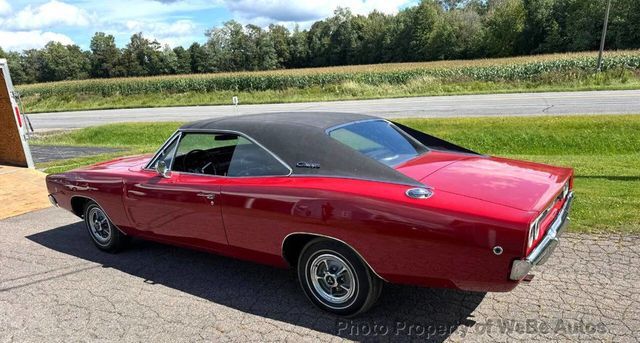 Dealer
 United States
1968 Dodge Charger
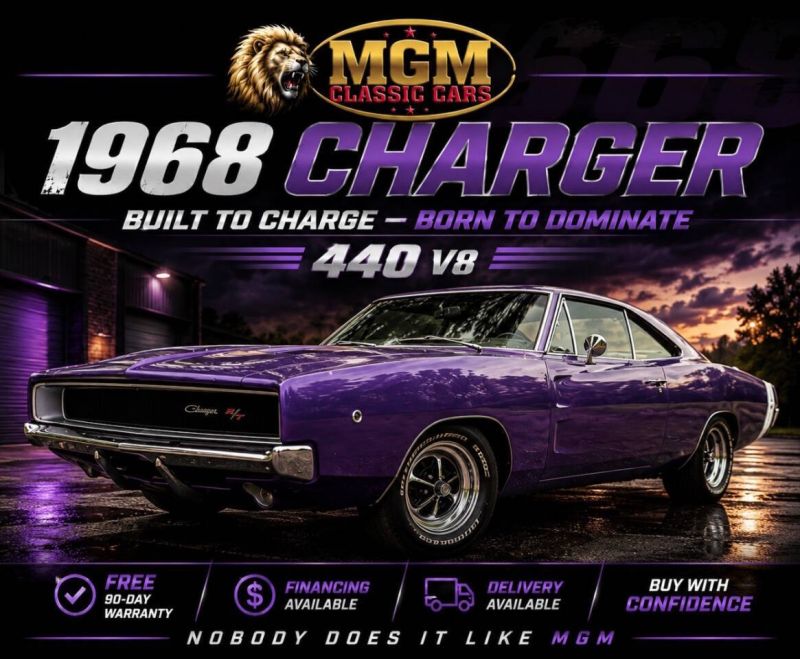 Dealer
United States
Dealer
United States
1968 Dodge Charger
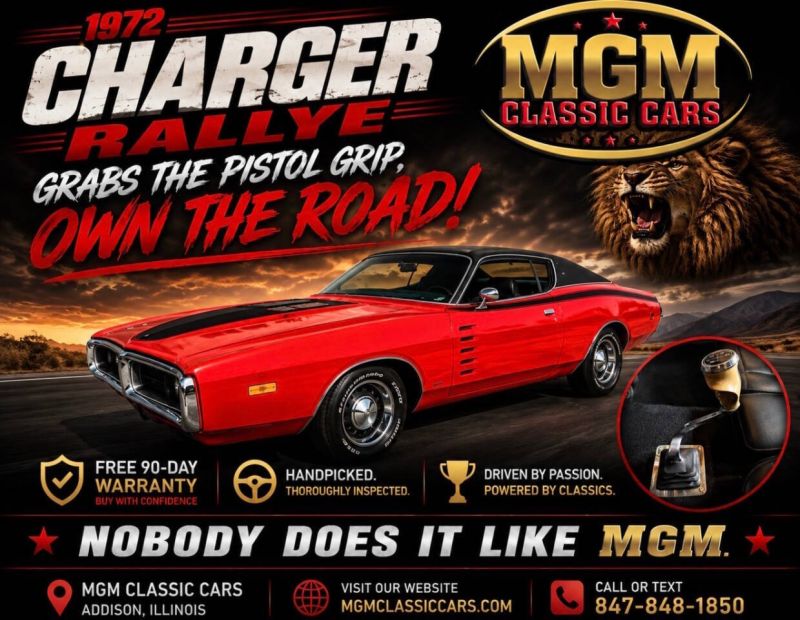 Dealer
United States
Dealer
United States
1972 Dodge Charger
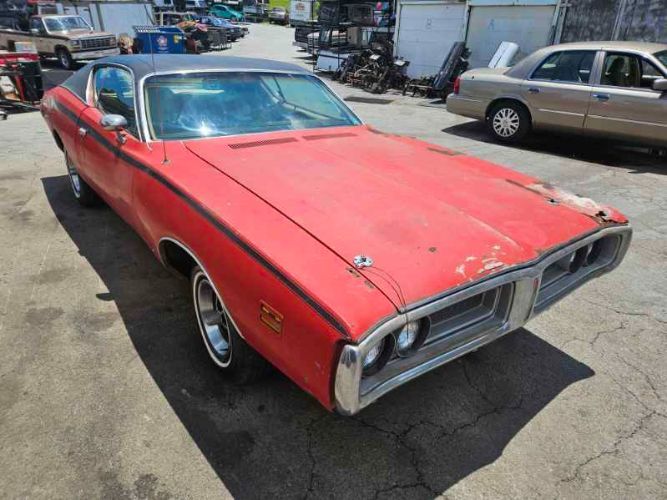 Dealer
United States
Dealer
United States
1971 Dodge Charger
Recent Plymouth Road Runner listings
 Dealer
United States
Dealer
United States
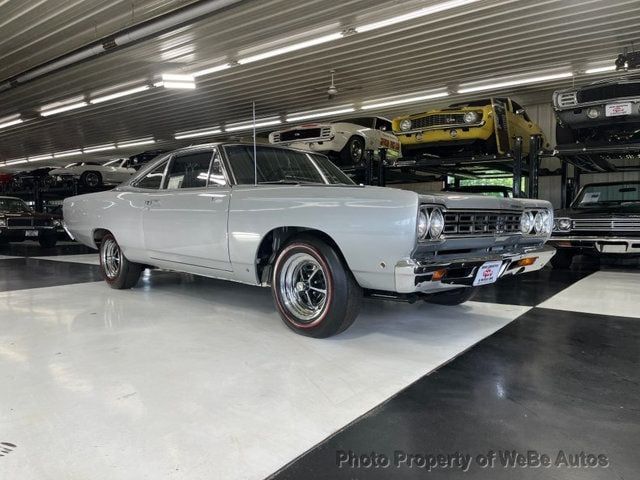
1968 Plymouth Road Runner
 Dealer
United States
Dealer
United States
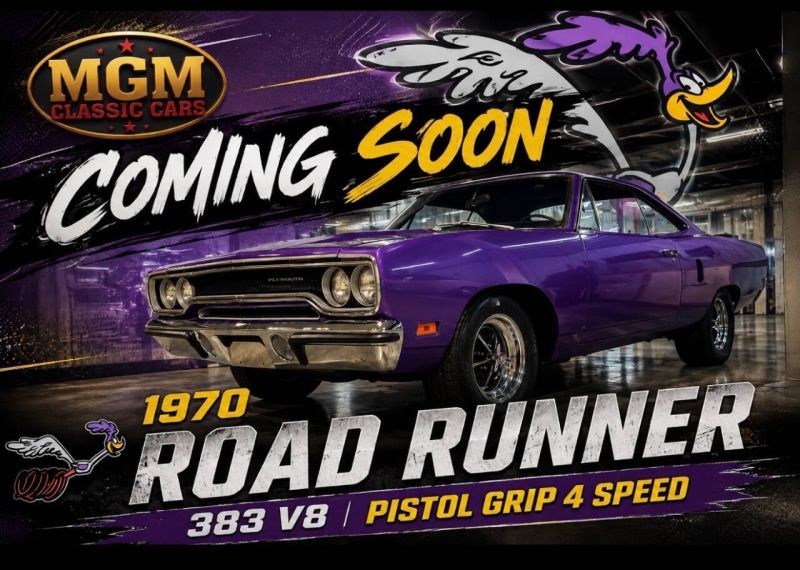
1970 Plymouth Road Runner
 Dealer
United States
Dealer
United States
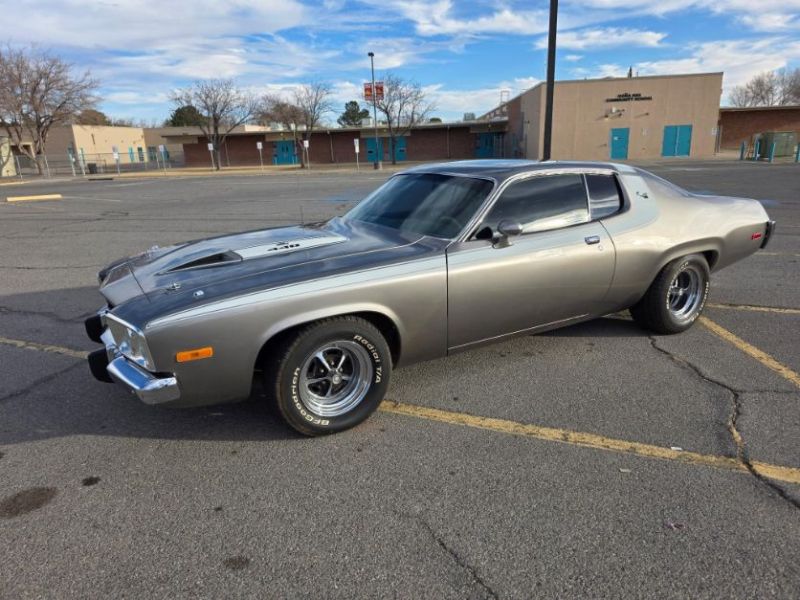
1974 Plymouth Road Runner
 Dealer
United States
Dealer
United States