
The Complete Plymouth Road Runner Evolution: 1968–1980

The Road Runner is my favorite kind of muscle car story because it started as an accountant's idea that turned out to be brilliant. Plymouth figured out that a lot of guys wanted to go fast and could not afford a loaded GTX, so they built a stripped-down, cheap B-body, stuffed a 383 in it, licensed the cartoon bird and the beep-beep horn, and priced it to move. It worked better than anybody expected. The Road Runner became one of the defining muscle cars of the era, and you could option it all the way up to a 426 Hemi. Here is how it went from a budget special to a Mopar icon and then faded with the rest of them.
Plymouth Road Runner — Generation by Generation
Key Changes
- → Stripped budget B-body with standard 383
- → Beep-beep horn and bird graphics
- → Optional 426 Hemi
- → 1969 440 Six Barrel added
- → 1970 Superbird NASCAR aero special
Specs
| Engines | 383 V8, 440 Six Barrel, 426 Hemi |
| Top setup | 426 Hemi |
| Crown jewel | 1970 Superbird |
| Watch for | Clones; verify the fender tag |
 Dealer
 United States
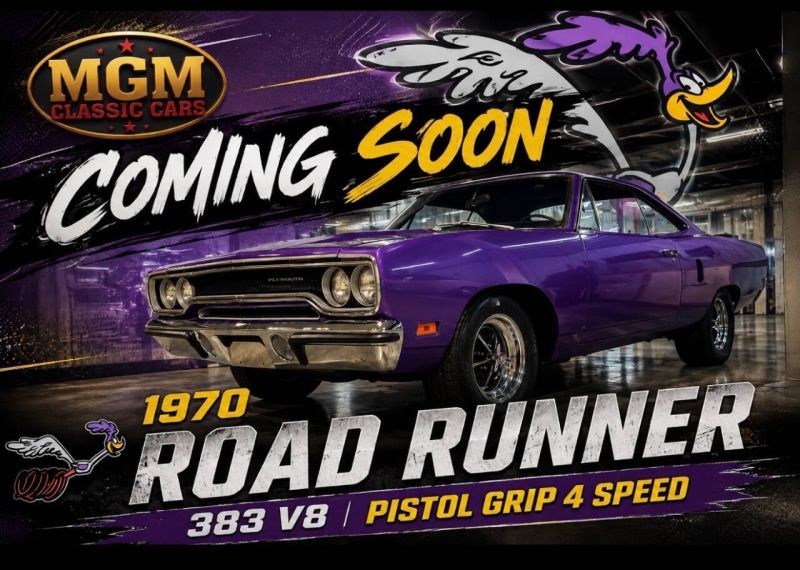
1970 Plymouth Road Runner
 Dealer
United States
Dealer
United States
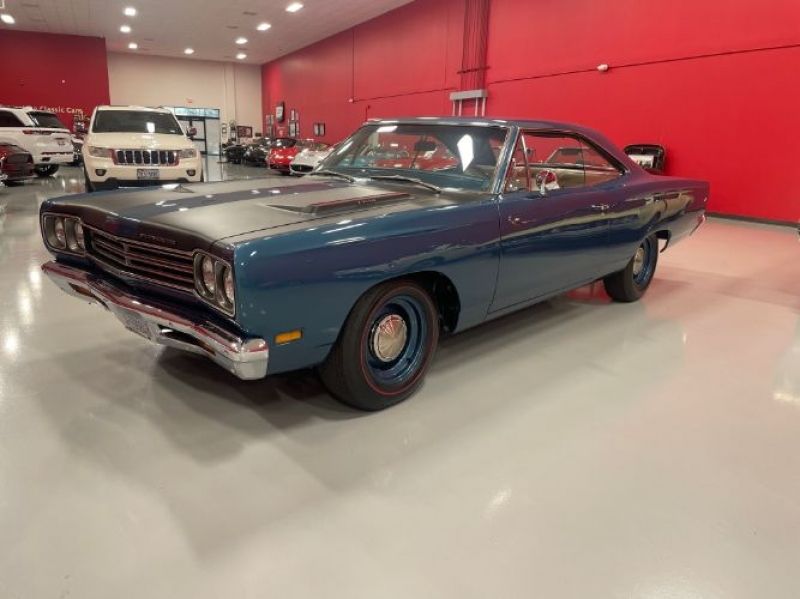
1969 Plymouth Road Runner
 Dealer
United States
Dealer
United States
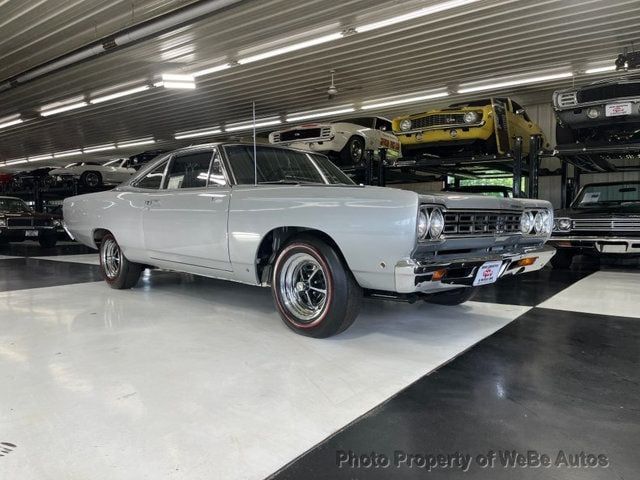
1968 Plymouth Road Runner
Key Changes
- → Curvy fuselage B-body for 1971
- → Hemi available only through 1971
- → Compression cuts reduce power
- → 440 continues into the early Seventies
- → Bold, aggressive styling
Specs
| Engines | 383/400 V8, 440 V8, 426 Hemi (1971) |
| Styling | Fuselage B-body |
| Character | Bold but softening |
| Value | More affordable than first-gen |
 Dealer
United States
Dealer
United States
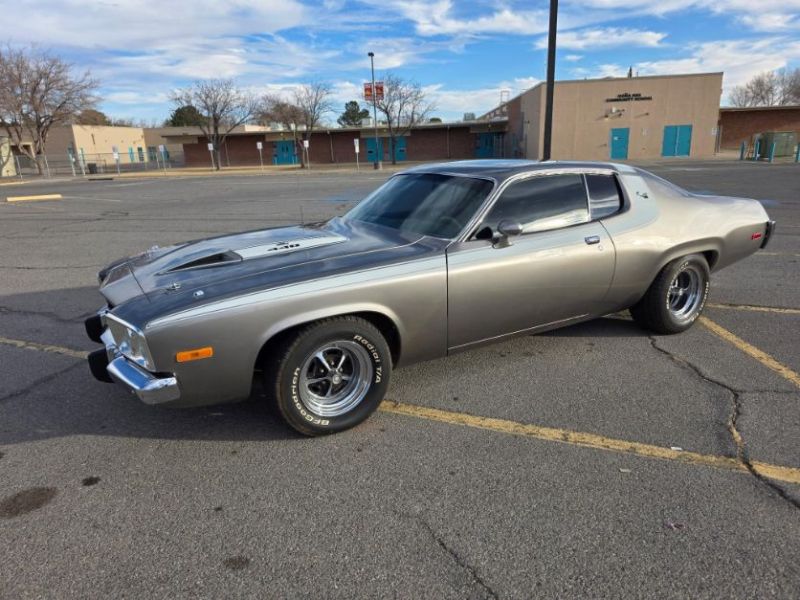
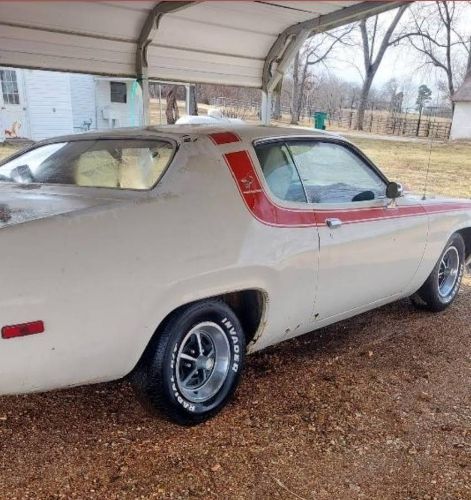
1974 Plymouth Road Runner
 Dealer
United States
Dealer
United States
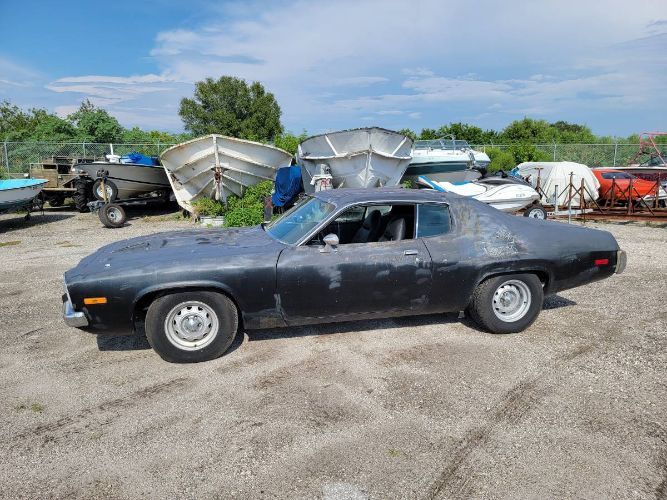
1973 Plymouth Road Runner
 Dealer
United States
Dealer
United States
1973 Plymouth Road Runner
Key Changes
- → Becomes a trim package
- → Based on the Fury, then the Volare
- → Modest emissions-era power
- → Stripes and badges over substance
- → Name retired after 1980
Specs
| Engines | Slant Six, 318/360 V8 |
| Base | Fury, then Volare |
| Character | Appearance package |
| End | Final year 1980 |
 Dealer
United States
Dealer
United States
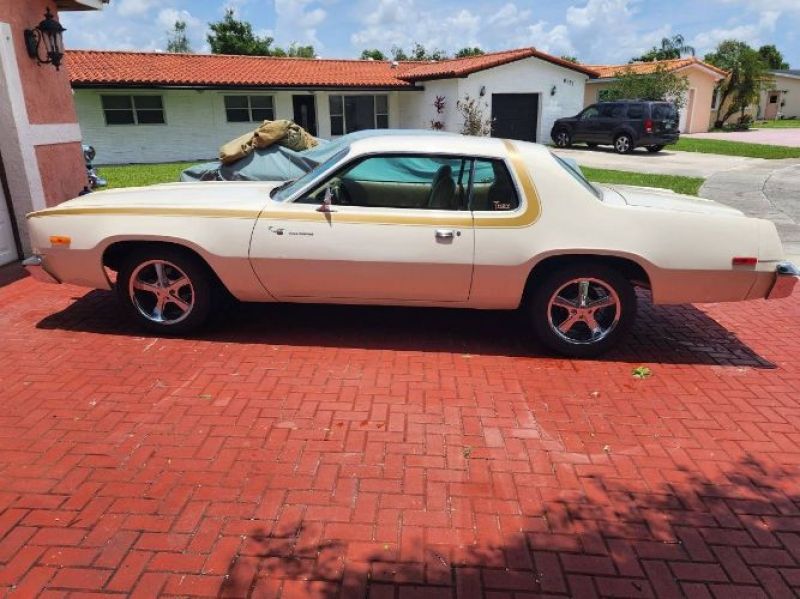
1975 Plymouth Road Runner
Legacy & Impact
The cars everybody wants are the 1968 to 1970 originals, and the values climb with the engine: a 383 car is attainable, a 440 Six Barrel is serious, and a documented 426 Hemi Road Runner is a blue-chip Mopar. The 1970 cars and the wild Superbird aero special are the high point. The 1971 to 1974 fuselage cars are bold-looking and more affordable, and the later Volare-based cars are Road Runners in name more than spirit. Like every Mopar muscle car, these get cloned constantly, so the fender tag and the build documentation matter as much as the metal. Check the rear frame rails and trunk for the rust these B-bodies hide.
Frequently Asked Questions
Find a Road Runner for Sale
Browse active Plymouth Road Runner listings on Classic Cars Arena.
View Listings →