
Classic Dodge Charger: B-Body Icon, 1966–1974

The classic Dodge Charger was born as a fastback touring car and became the most famous muscle car in cinema history. Three generations from 1966 to 1974 trace its evolution from stylish grand tourer to full-blooded muscle car — including what many consider the most beautiful American automotive design ever created: the 1968–70 B-body.
Dodge Charger — Generation by Generation
1966–1967
First Generation
"The fastback touring car"
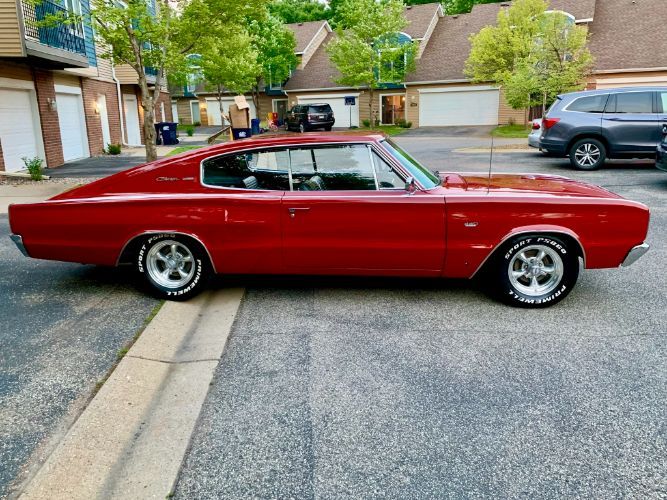
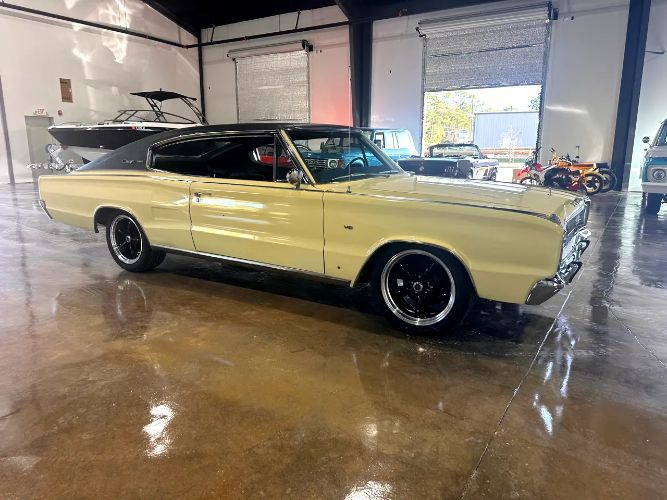
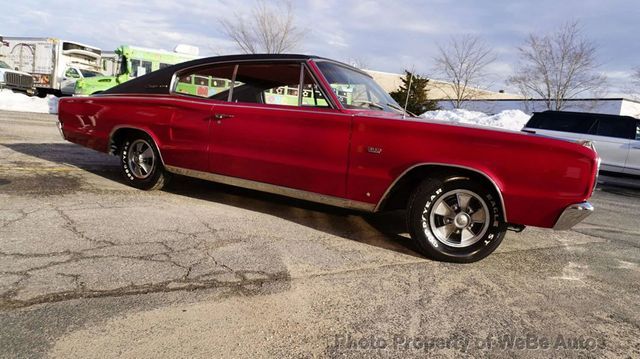
The original Charger was built on the B-body Coronet platform with a fastback roofline and fold-flat rear seats — a grand touring interpretation of the muscle car formula. A full-length console and bucket seats made it feel luxurious. The 426 Hemi was available but the first-gen Charger is better known for its dramatic styling than outright performance.
Key Changes
- → Fastback roofline on B-body Coronet platform
- → Full-width taillights
- → 426 Hemi option available
- → Fold-flat rear seat
Specs
| Engines | 318/361/383/440 V8, 426 Hemi |
| Production | 37,344 (1966) |
Dodge Charger for Sale — 1966–1967
 Dealer
 United States
1966 Dodge Charger
$45,995
 Dealer
United States
Dealer
United States
1967 Dodge Charger
$34,995
 Dealer
United States
Dealer
United States
1967 Dodge Charger
$49,500
$52,495
1968–1970
Second Generation
"The most beautiful American car ever made"
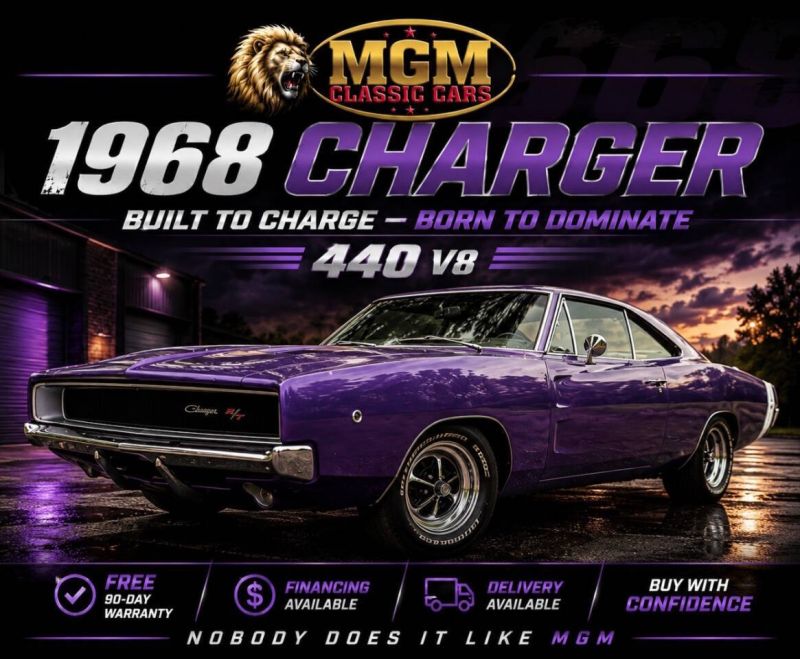
The 1968 redesign produced one of the most stunning automotive shapes in history. The Coke-bottle curves, recessed grille, and flying buttress C-pillars created a car both aerodynamically advanced and visually perfect. The DAYTONA high-downforce variant was built for NASCAR. The 1968 Charger's role in Bullitt cemented its place in popular culture forever.
Key Changes
- → Completely new Coke-bottle body design
- → Recessed "electric shaver" grille
- → Charger 500 with flush grille for NASCAR (1969)
- → Charger DAYTONA with nosecone and wing (1969)
- → R/T package with 440 or 426 Hemi
Specs
| Engines | 318/383/440 Magnum/426 Hemi |
| Hemi output | 425 hp rated / ~500 hp actual |
| DAYTONA top speed | 200+ mph at Talladega (NASCAR) |
Dodge Charger for Sale — 1968–1970
 Dealer
United States
Dealer
United States
1968 Dodge Charger
$69,994
 Dealer
United States
Dealer
United States
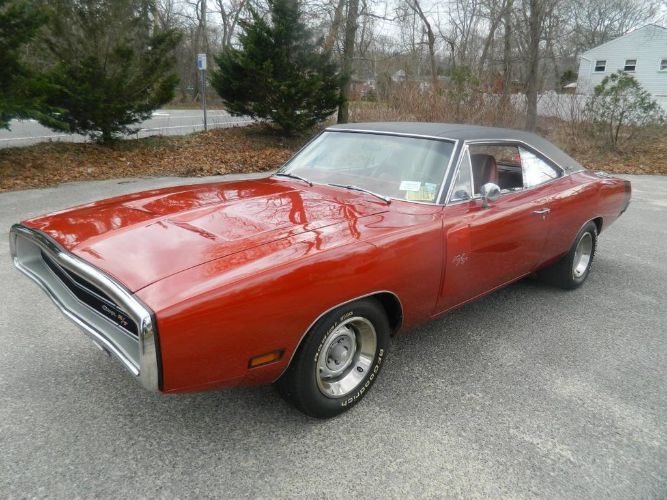
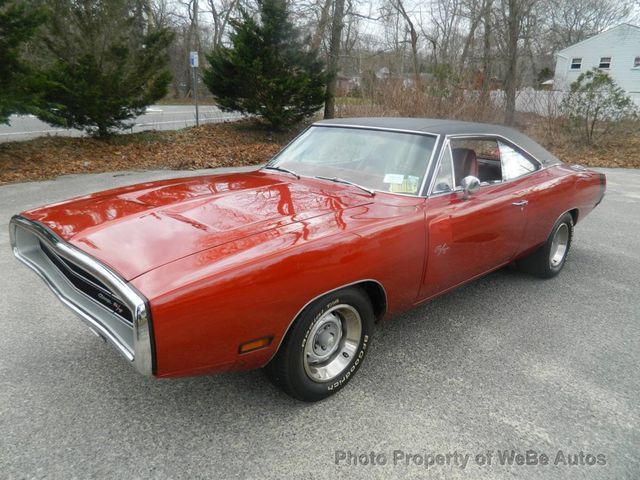
1970 Dodge Charger
$179,995
 Dealer
United States
Dealer
United States
1970 Dodge Charger
$158,995
$169,995
1971–1974
Third Generation
"The General Lee era"
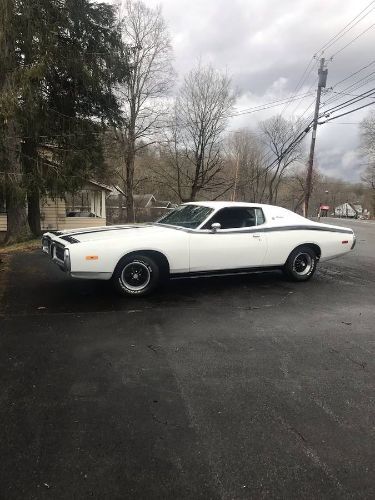
The 1971 Charger was restyled with a longer wheelbase and different proportions — less elegant than the 1968–70 but still powerful. The Hemi and 440 Six Pack were available for the last time in 1971. Performance declined from 1972 as compression ratios dropped for unleaded fuel. The 1969 body's role in The Dukes of Hazzard made the Charger the most recognizable American muscle car on television.
Key Changes
- → Longer wheelbase, different proportions
- → Rallye instrument cluster standard on R/T
- → 440 Six Pack and Hemi last year: 1971
- → 1972: Low-compression engines, net horsepower ratings
- → Final classic Charger produced 1974
Specs
| Engines | 318/383/440/426 Hemi (1971 only) |
| Popular culture | 1969 Charger used in Dukes of Hazzard (as "General Lee") |
| Last Hemi year | 1971 |
Dodge Charger for Sale — 1971–1974
 Dealer
United States
Dealer
United States
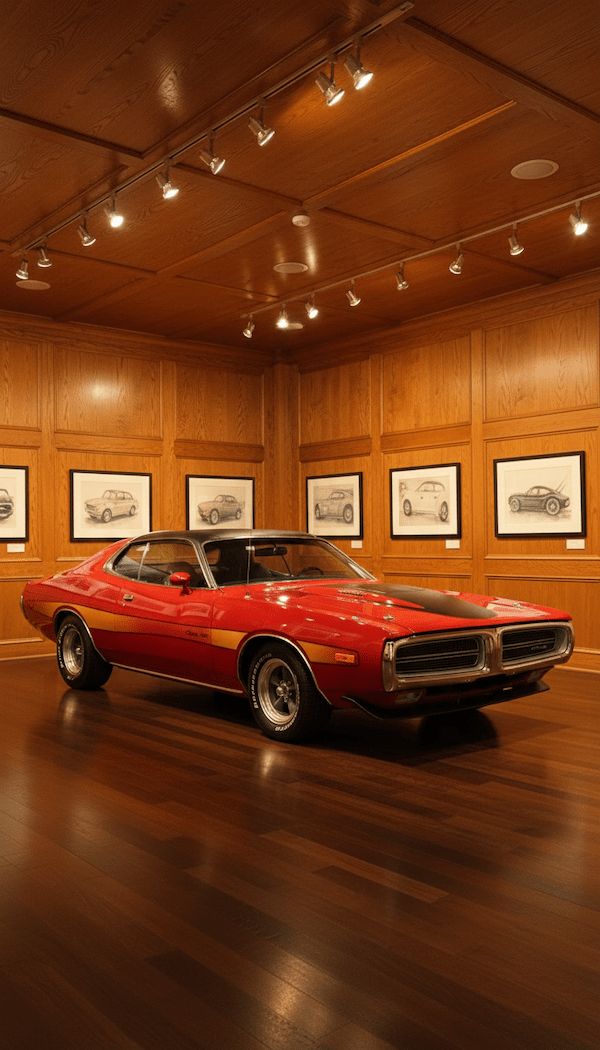
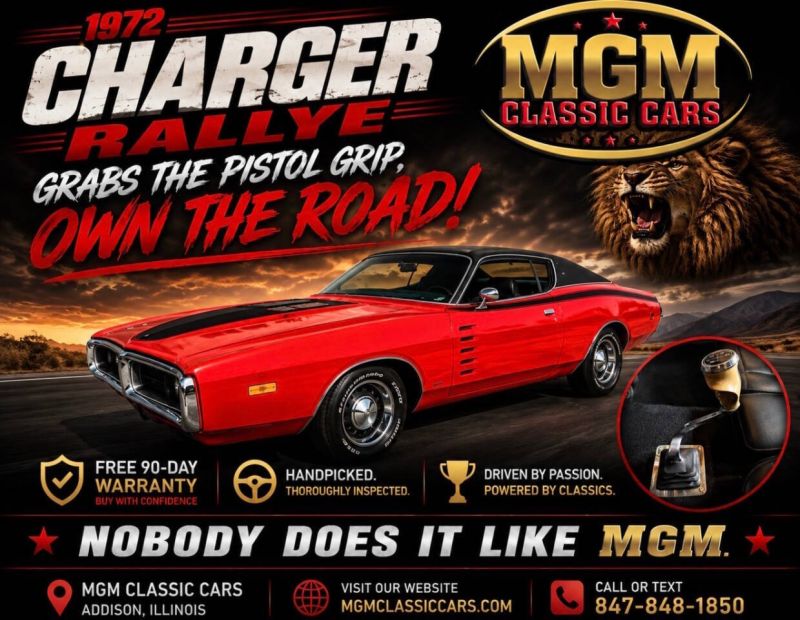
1972 Dodge Charger
$42,794
$49,994
 Dealer
United States
Dealer
United States
1972 Dodge Charger
$28,495
Legacy & Impact
The classic Charger's cultural footprint is immense. The 1968–70 body is a design masterpiece — immortalized in Bullitt and The Dukes of Hazzard. Hemi-equipped examples from these years are among the most valuable American muscle cars in existence. When the muscle car era ended after 1974, the original classic Charger left behind a legacy that no revival has matched.
📖
Thinking of Buying One?
Read our Dodge Charger Buyer's Guide — pre-purchase checklist, common issues, and pricing.
Have a
Dodge Charger
for Sale?
Reach thousands of serious classic car collectors across the US.
Sell It Here →
Are You a Classic Car Dealer?
List your full inventory and connect with targeted classic car buyers.
Join as a Dealer →
Detroit, Michigan