Published June 10, 2026Updated September 28, 20263 generations1960–1976
The Dart is one of those names that meant completely different cars depending on the year, and it pays to know which is which before you go shopping. It started full-size in 1960, shrank twice, and settled in as a compact A-body that became one of the most durable and likable small cars Chrysler ever built. Most people remember the Slant Six economy cars, and those are great honest transportation. But the same body took a 340 and even a 426 Hemi, and that is where the Dart gets interesting to a guy like me. Here is how it went from a big Dodge to a giant-killer.
Dodge Dart — Generation by Generation
1960–1961
Full-Size
"The Dart starts big"
The Dart launched in 1960 as a full-size, lower-priced Dodge on the new unibody platform, with the flamboyant styling of the era and a range of six and V8 engines including the big 383 and even the 413 Max Wedge for the performance buyer. These early full-size Darts have little in common with the compacts that followed and are a distinct, less common collector car with real period presence.
Key Changes
→
Full-size lower-priced Dodge
→
New unibody construction
→
Six through big-block V8 engines
→
Max Wedge performance option
→
Flamboyant early-Sixties styling
Specs
Engines
Slant Six through 413 V8
Construction
Unibody
Size
Full-size
Character
Period full-size Dodge
1962–1966
Downsizing to Compact
"Finding the right size"
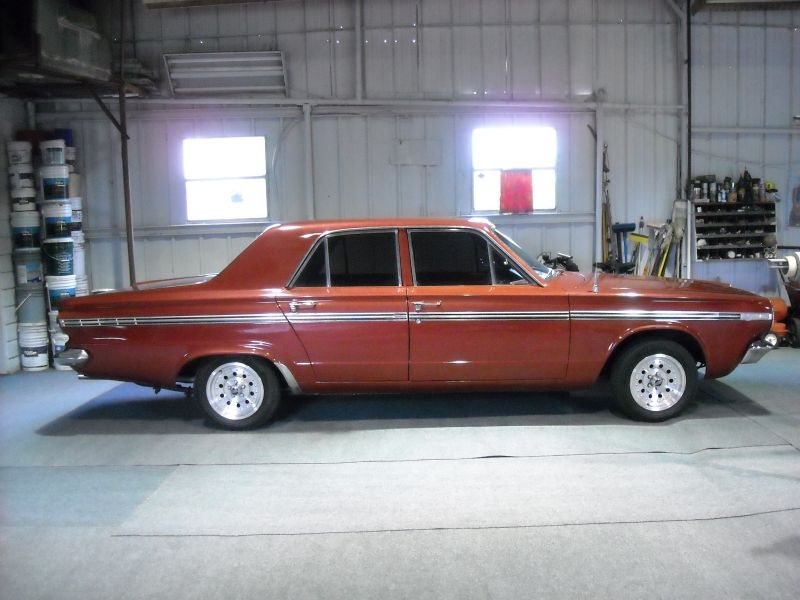
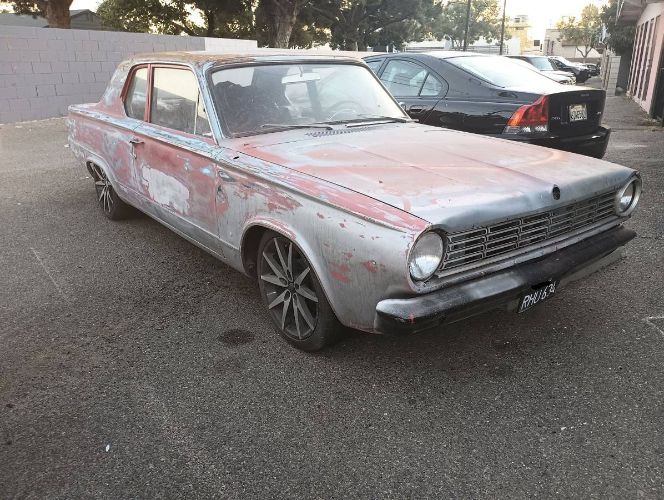
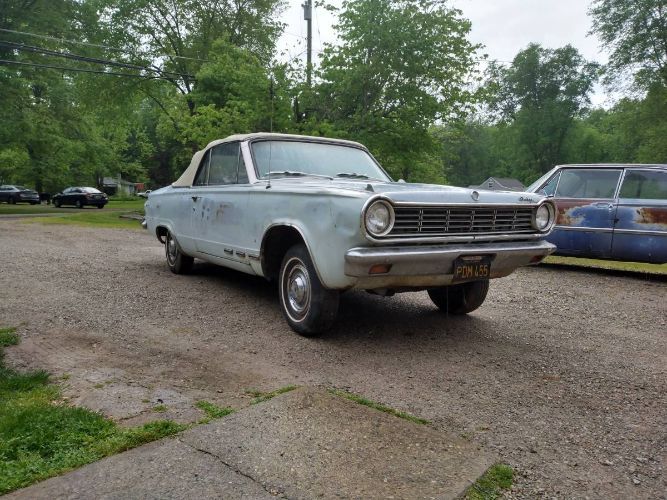
A controversial downsizing for 1962 made the Dart smaller, and for 1963 it moved onto the compact A-body where it finally found its market. The Slant Six made it dependable, and the clean styling and reasonable price made it a strong seller. These mid-Sixties compacts are simple, tough, and the foundation for the performance cars that followed, and they remain inexpensive and easy to own.
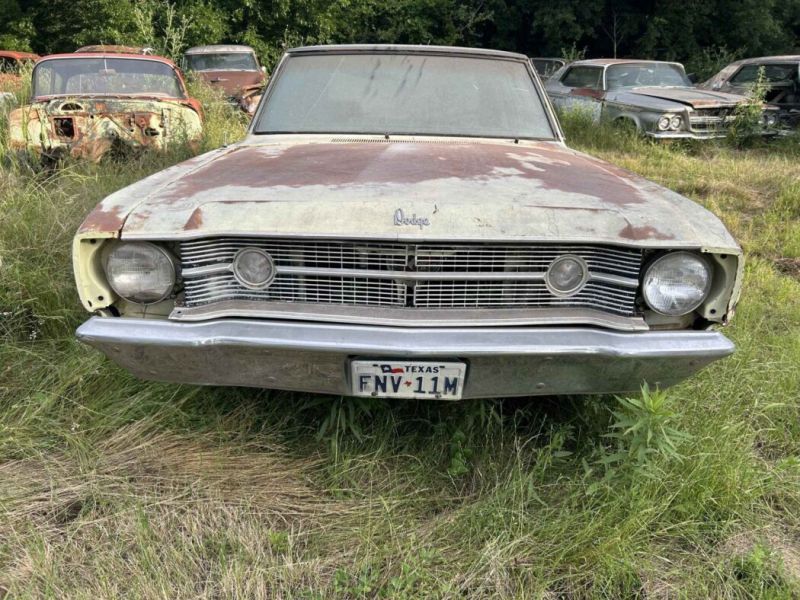
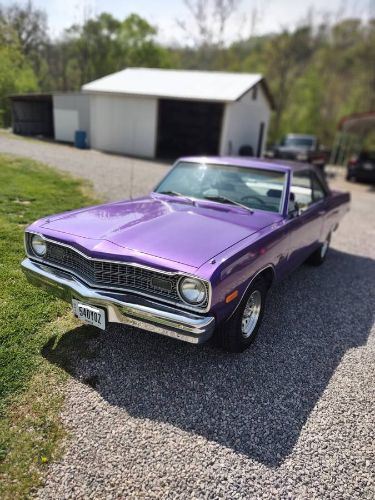
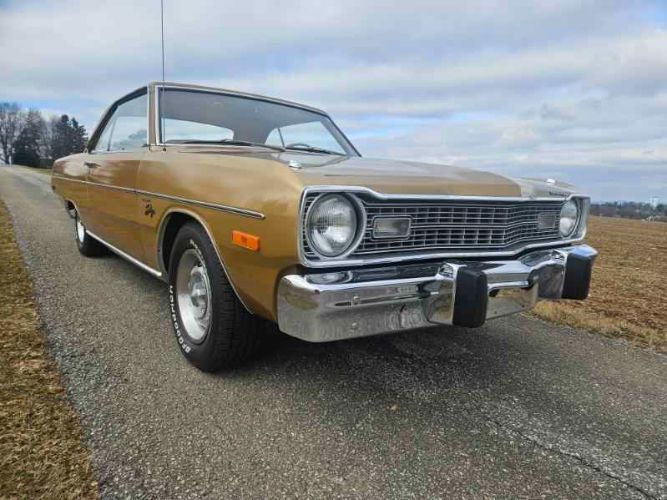
The 1967 restyle of the A-body is where the Dart became a performance car. The GTS brought the 340 and 383, the 1968 Hemi Dart drag specials brought the race 426, and the 1969 Swinger 340 offered cheap, genuine speed. The Demon arrived in 1971 as a fastback variant. Power faded through the early Seventies, but the 1967 to 1969 performance Darts are the most desirable, while the economy cars soldiered on as dependable transportation until 1976.
The cars that bring the money are the 1967 to 1969 performance Darts, the 340 GTS and the Swinger, and at the very top the 1968 Hemi Dart drag cars that left the factory built for the strip. Those are documented, serious machines and they get faked, so check the fender tag and the build records. The Slant Six and small V8 cars are some of the most reliable old cars you can buy and a great affordable entry, and the A-body parts support is excellent. Whatever you buy, these unibodies rust in the rear frame rails, the trunk, and the floors, so look hard underneath before the paint sells you.
Frequently Asked Questions
The 1968 Hemi Dart, factory code LO23, was a lightweight Dart built with the race 426 Hemi for drag racing, stripped of sound deadening and sold for competition. Only a few hundred were made, and they are among the most valuable Mopar muscle cars.
The compact A-body Dart, especially with the Slant Six engine, earned a strong reputation for durability and is considered one of the most reliable American cars of its era. That toughness is a big part of why so many survive.
The Swinger was a sporty two-door hardtop trim introduced in 1969, with the 340 Swinger offering genuine performance at a low price. It became one of the most popular and recognizable Dart variants.
📖
Thinking of Buying One?
Read our Dodge Dart Buyer's Guide — pre-purchase checklist, common issues, and pricing.


 Dealer
 United States
 Dealer
 Dealer
 Dealer