The Ford Deluxe Story: 1937–1948

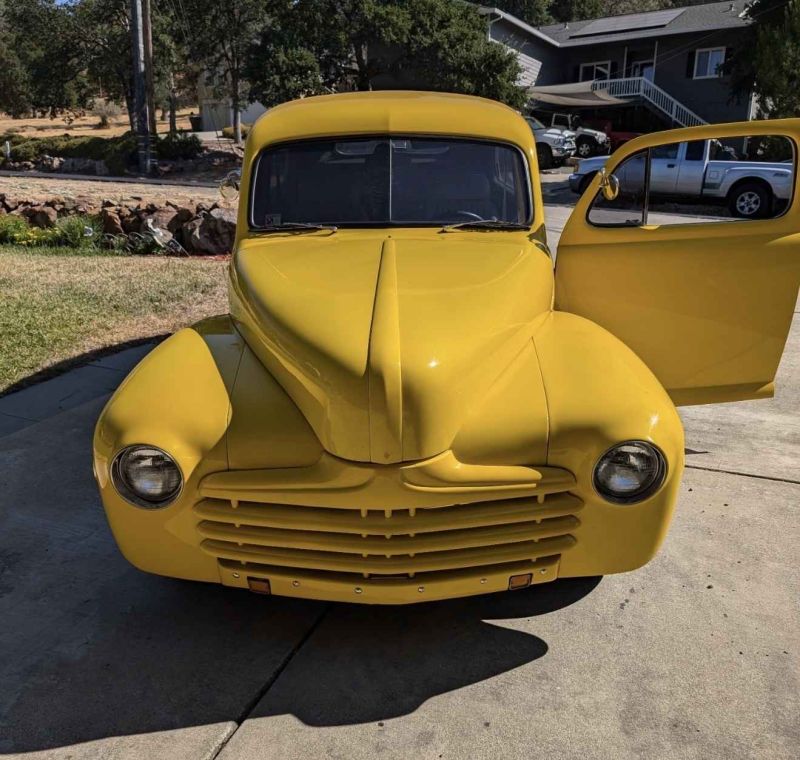
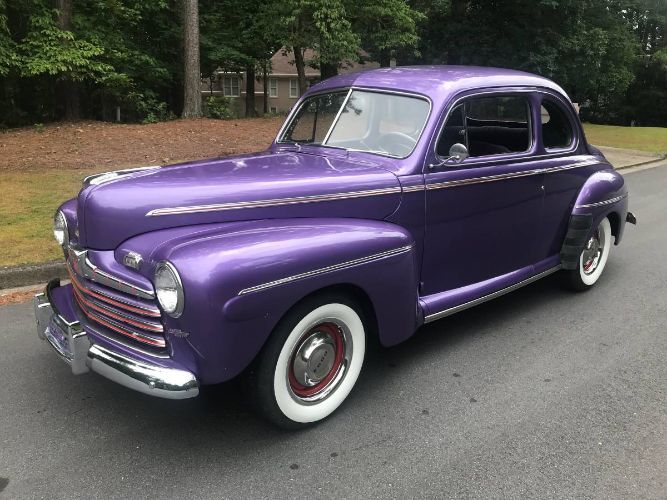
The Deluxe was Ford's nicer-trimmed line in the late thirties and forties, sitting above the standard cars and below a Lincoln. Every one of them ran a flathead V8, the engine that made Ford performance a household idea and that hot-rodders have been chopping, channeling, and hopping up ever since. The story splits cleanly in two: the prewar art-deco cars and the postwar Super Deluxe that carried Ford until the all-new 1949 models arrived.

Ford Deluxe β€” Generation by Generation

1937–1940
Prewar Deluxe
"Art-deco styling and the 1940 coupe"
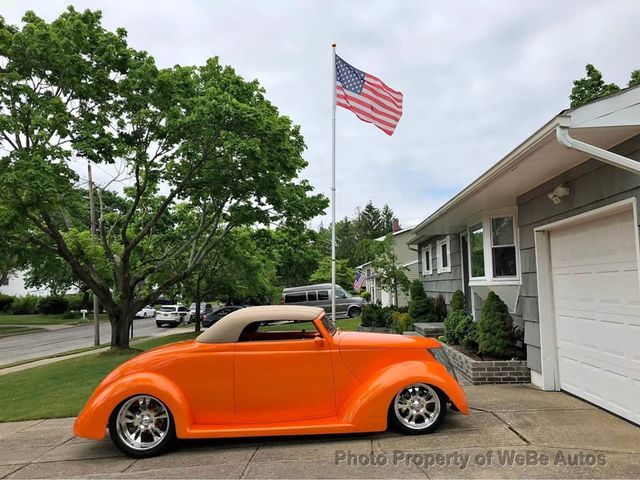
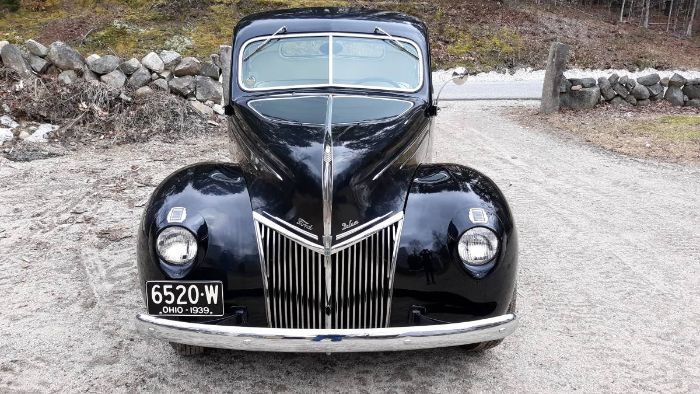
The prewar Deluxe cars wore the era's art-deco grilles and the most coveted shape of the run, the 1940 Deluxe coupe. The 221 cubic inch flathead V8 was the engine to have, and these cars became the foundation of hot-rodding because the V8 was cheap, plentiful, and easy to modify. Coupes, convertibles, sedans, and woodie wagons were all offered.

Key Changes

  • β†’ 221 cu in flathead V8
  • β†’ Annual art-deco styling updates
  • β†’ The 1940 Deluxe coupe, a hobby icon
  • β†’ Coupe, convertible, sedan, and woodie wagon bodies

Specs

Engine 221 cu in flathead V8
Icon 1940 Deluxe coupe
Bodies Coupe, convertible, sedan, wagon
1946–1948
Postwar Super Deluxe
"The last flatheads before the 1949 redesign"
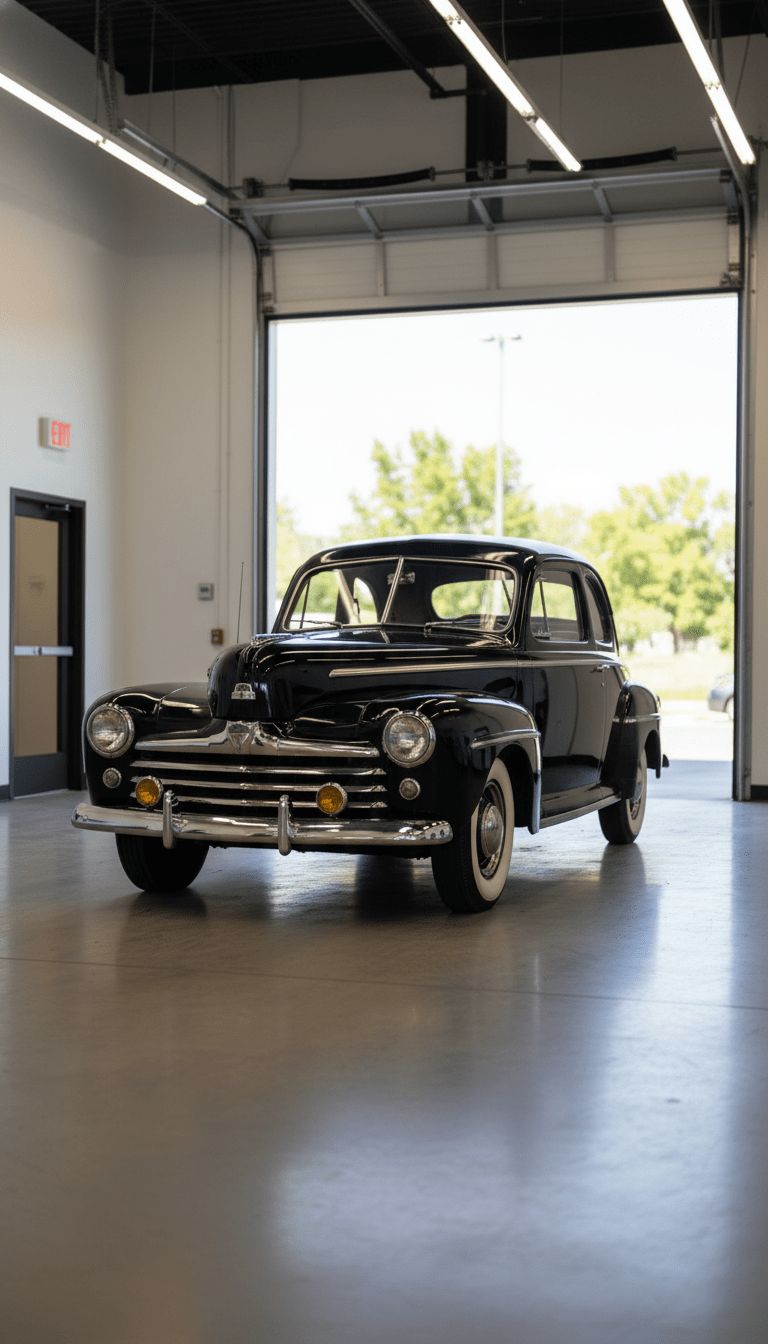
Production resumed after the war with lightly revised prewar designs, now topped by the Super Deluxe trim. The flathead grew to 239 cubic inches. The Super Deluxe convertible and the wood-bodied wagon are the prizes of these years. These were the last of the separate-fender Fords before the slab-sided 1949 cars changed everything.

Key Changes

  • β†’ 239 cu in flathead V8
  • β†’ Super Deluxe top trim
  • β†’ Convertible and woodie wagon body styles
  • β†’ Final separate-fender Ford bodies

Specs

Engine 239 cu in flathead V8
Top trim Super Deluxe
Prizes Convertible, woodie wagon

Legacy & Impact

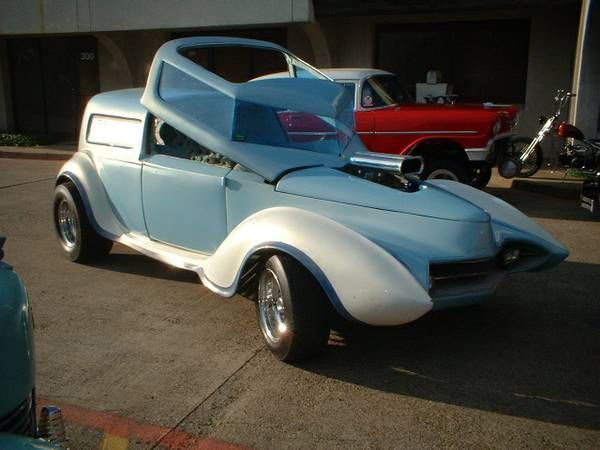
Few cars are loved two ways at once like the Deluxe. A restored original and a finished street rod sell to different buyers at different prices, and both are right. The 1940 coupe is the blue-chip shape, the convertibles and woodie wagons carry the money, and the flathead under all of them is the reason the hobby exists. Decide stock or rod before you shop, because it sets your budget and your search.

Frequently Asked Questions

Every Deluxe and Super Deluxe used Ford's flathead V8, 221 cubic inches in the prewar cars and 239 cubic inches after the war. It is the engine that launched hot-rodding.
The 1940 Deluxe coupe is one of the most coveted body styles in the hobby for its proportions and grille, and it commands a premium whether kept stock or built as a street rod.
Super Deluxe was the top trim from 1941 to 1948, above the standard Deluxe, with more brightwork and nicer interiors. The convertible and woodie wagon were Super Deluxe body styles.
πŸ“–
Thinking of Buying One?
Read our Ford Deluxe Buyer's Guide β€” pre-purchase checklist, common issues, and pricing.
Buyer's Guide β†’
Have a Ford Deluxe for Sale?
Reach thousands of serious classic car collectors across the US.
Sell It Here β†’
Are You a Classic Car Dealer?
List your full inventory and connect with targeted classic car buyers.
Join as a Dealer β†’

Find a Deluxe for Sale

Browse active Ford Deluxe listings on Classic Cars Arena.

View Listings β†’
David Mercer
Scottsdale, Arizona

Classic car market analyst with two decades of experience tracking collector car valuations, auction results, and investment trends.