
The Ford F-250 Through the Classic Years

The F-250 is Ford's three-quarter-ton pickup, the heavy-duty half of the F-Series story that towed and hauled while the lighter F-100 ran errands. It shares its cab and styling with the smaller trucks, so it benefits from the same look and parts supply with stouter underpinnings. The 300 inline six and the FE and 385-series V8s did the work.
Ford F-250 — Generation by Generation
1961–1966
Fourth Generation (Slab-Side)
"Twin I-Beam and the slab-side look"
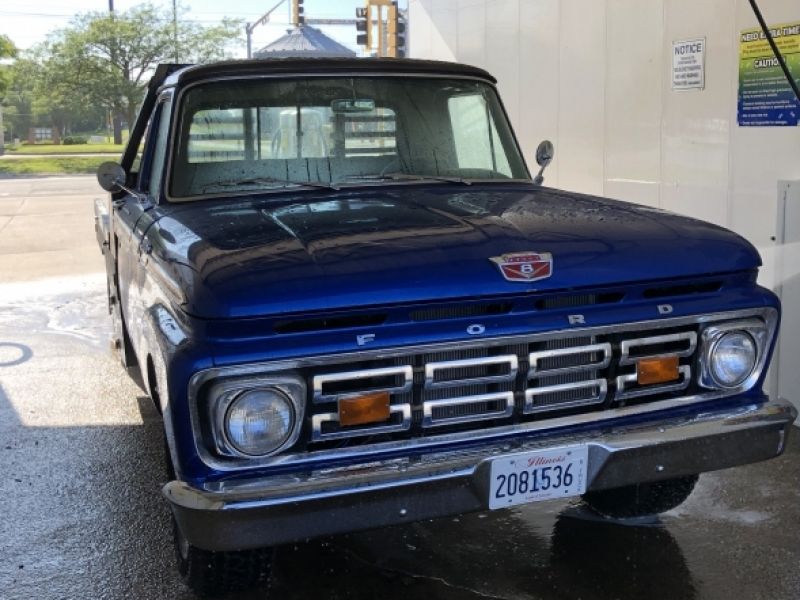
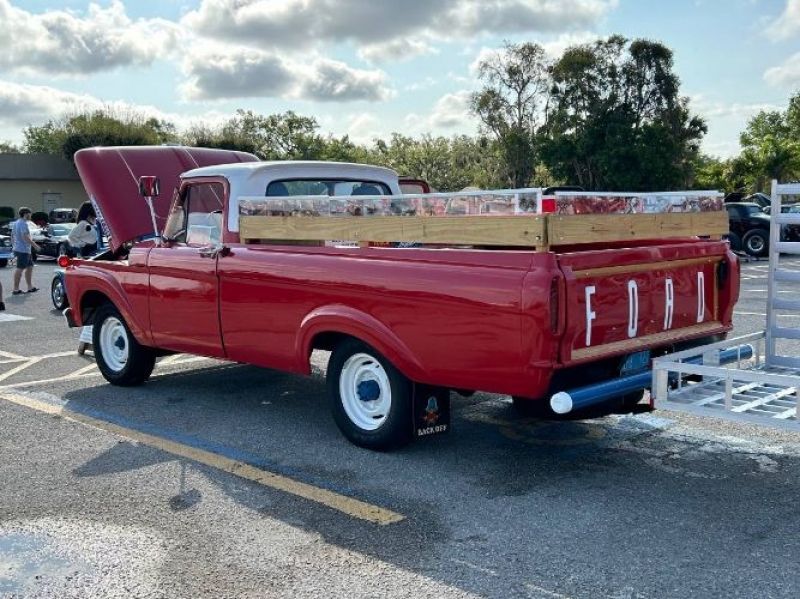
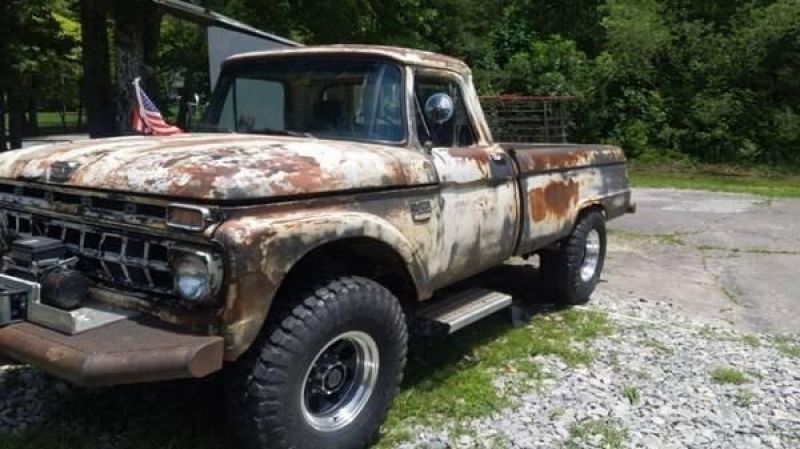
The 1961 redesign introduced a cleaner slab-side body, with an integrated unibody bed offered early before reverting to a separate bed. Ford's Twin I-Beam independent front suspension followed in 1965 on two-wheel-drive trucks. These are the oldest classic F-250s most buyers consider, with the 223 and 300 sixes and the 292 V8.
Key Changes
- → Twin I-Beam IFS from 1965 (2WD)
- → Slab-side styling
- → Optional integrated unibody bed (early)
- → 223 / 300 six, 292 V8
Specs
| Engines | 223 / 300 I6, 292 V8 |
| Suspension | Twin I-Beam |
| Nickname | Slab-side |
Ford F-250 for Sale — 1961–1966
 Dealer
 United States
1961 Ford F-250
$50,995
 Dealer
United States
Dealer
United States
1965 Ford F-250
$15,495
1967–1972
Fifth Generation (Bumpside)
"The collector-favorite bumpside"
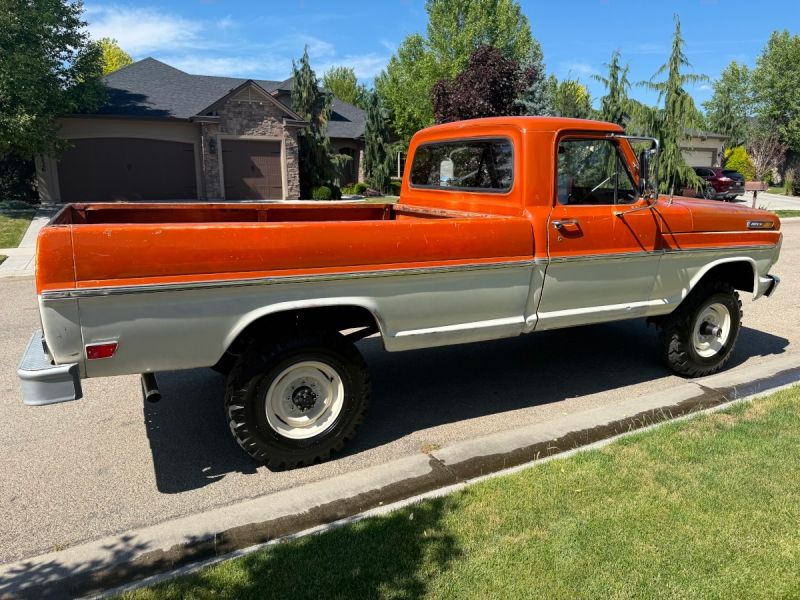
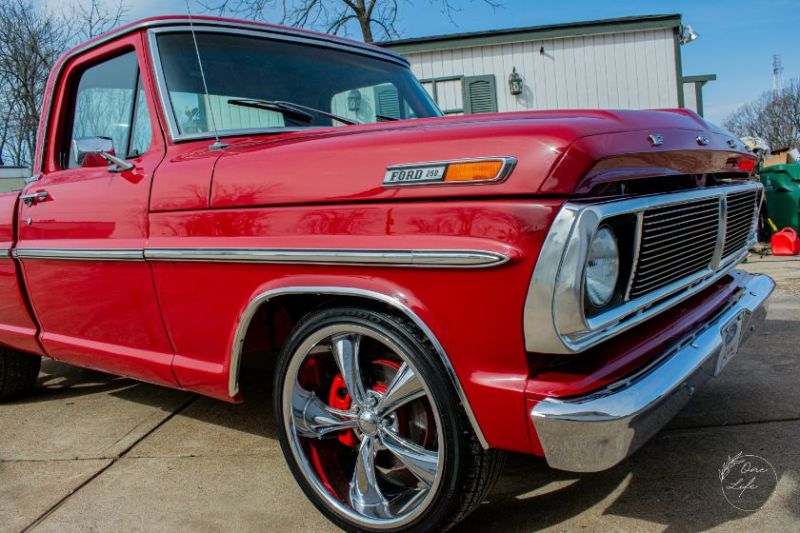
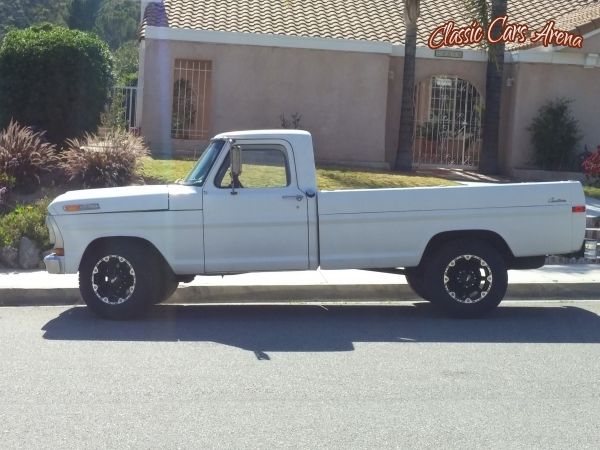
The bumpside trucks are a sweet spot of looks and usability. The 300 six was the workhorse, with the 360 and 390 FE V8s above it. Trim climbed over the run as pickups moved upmarket. Clean bumpside F-250s have a strong, devoted following.
Key Changes
- → Bumpside body-side character line
- → 300 six, 360 / 390 FE V8
- → Rising trim levels
- → Strong parts support
Specs
| Engines | 300 I6, 360 / 390 V8 |
| Era | Bumpside |
| Use | Tow and haul |
Ford F-250 for Sale — 1967–1972
 Dealer
United States
Dealer
United States
1968 Ford F-250
$80,000
1973–1979
Sixth Generation (Dentside)
"Modernized and big-block capable"
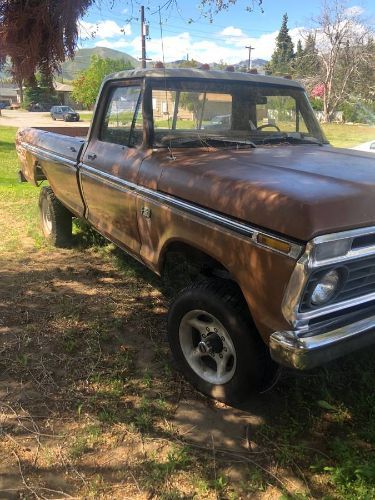
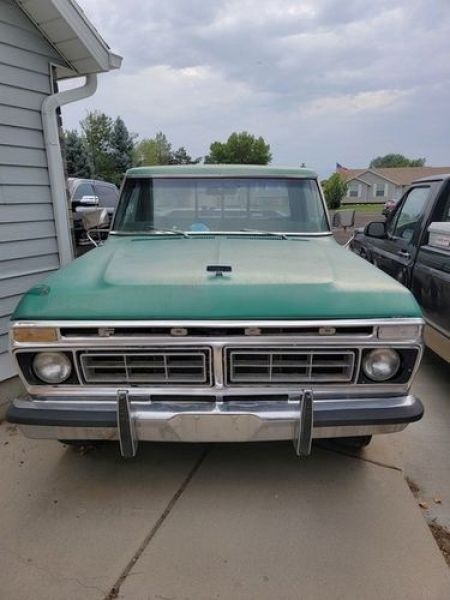
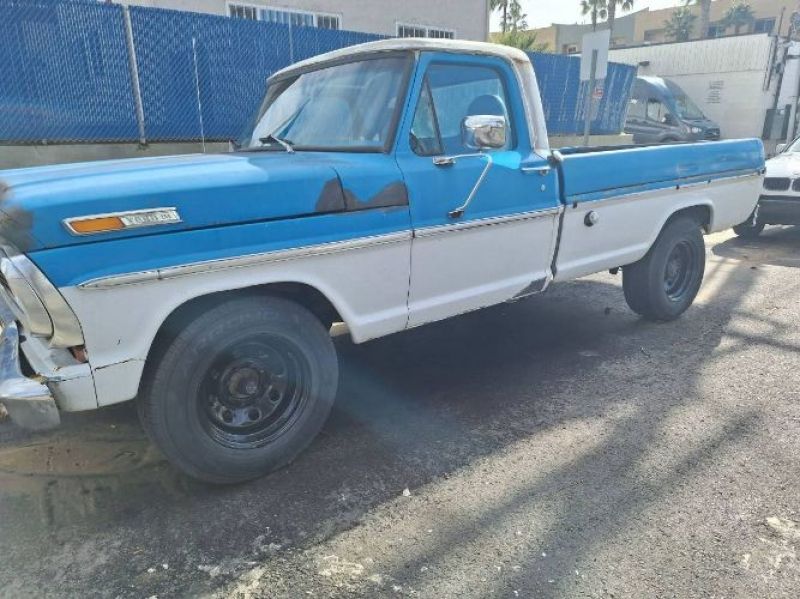
The dentside trucks brought front disc brakes, a roomier cab, and double-wall bed construction. The FE engines gave way to the 351M, 400, and the big 460. These are plentiful, capable, and the most usable of the vintage F-250s.
Key Changes
- → Front disc brakes
- → Roomier cab, double-wall bed
- → 300 six, 351M / 400 / 460 V8
- → FE engines phased out
Specs
| Engines | 300 I6, 351M / 400 / 460 V8 |
| Brakes | Front discs |
| Nickname | Dentside |
Ford F-250 for Sale — 1973–1979
 Dealer
United States
Dealer
United States
1974 Ford F-250
$10,495
 Dealer
United States
Dealer
United States
1976 Ford F-250
$12,995
 Dealer
United States
Dealer
United States
1975 Ford F-250
$13,995
Legacy & Impact
An F-250 is the truck you buy to actually use. Same classic looks as an F-100, more capability underneath, and the market still treats it as the sensible-money choice. The bumpside and dentside years have the best parts support, the 300 six is the cheapest to keep, and a rust-free Western truck is worth traveling for.
Frequently Asked Questions
The F-250 is Ford's three-quarter-ton pickup, one step up in load rating from the half-ton F-100 and later F-150. The number designates the weight class.
Bumpside refers to the 1967-1972 trucks with a body-side character line near the bumper; dentside refers to the 1973-1979 trucks with an indented body line. Both are collector favorites.
Common engines include the durable 300 cubic inch inline six and FE and 385-series V8s such as the 360, 390, and 460, depending on the year.
📖
Thinking of Buying One?
Read our Ford F-250 Buyer's Guide — pre-purchase checklist, common issues, and pricing.
Have a
Ford F-250
for Sale?
Reach thousands of serious classic car collectors across the US.
Sell It Here →
Are You a Classic Car Dealer?
List your full inventory and connect with targeted classic car buyers.
Join as a Dealer →
Fredericksburg, Texas