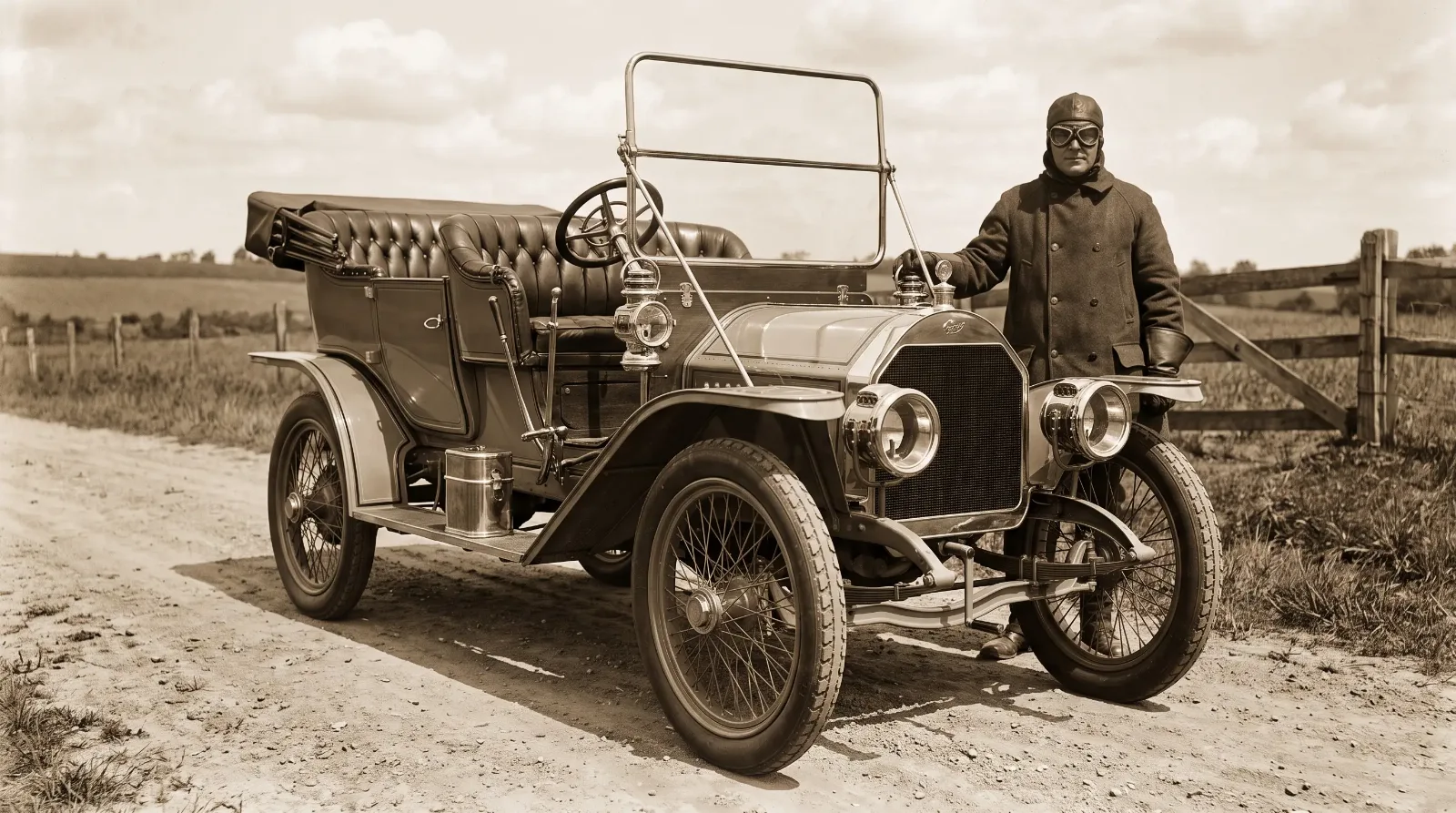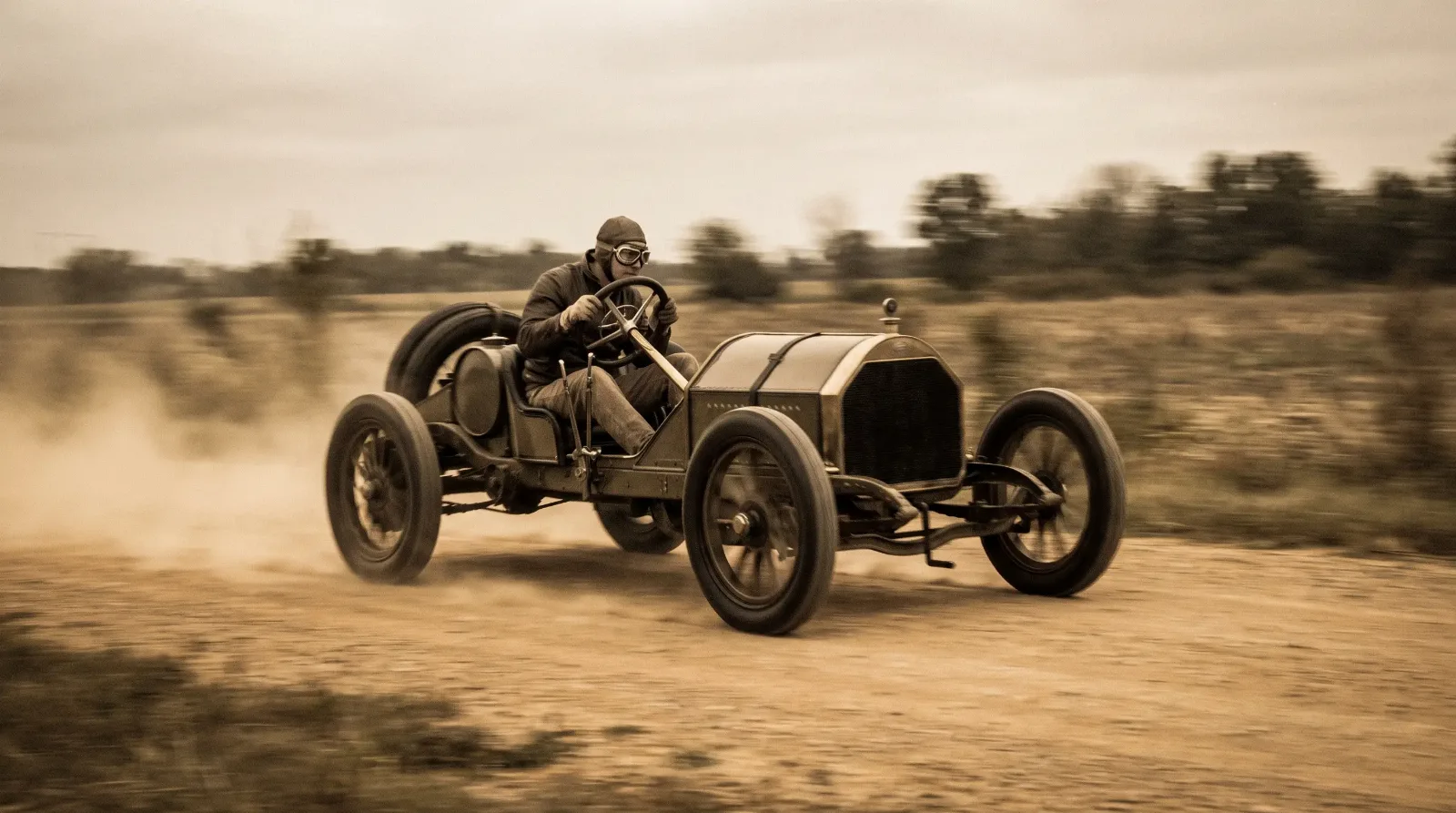
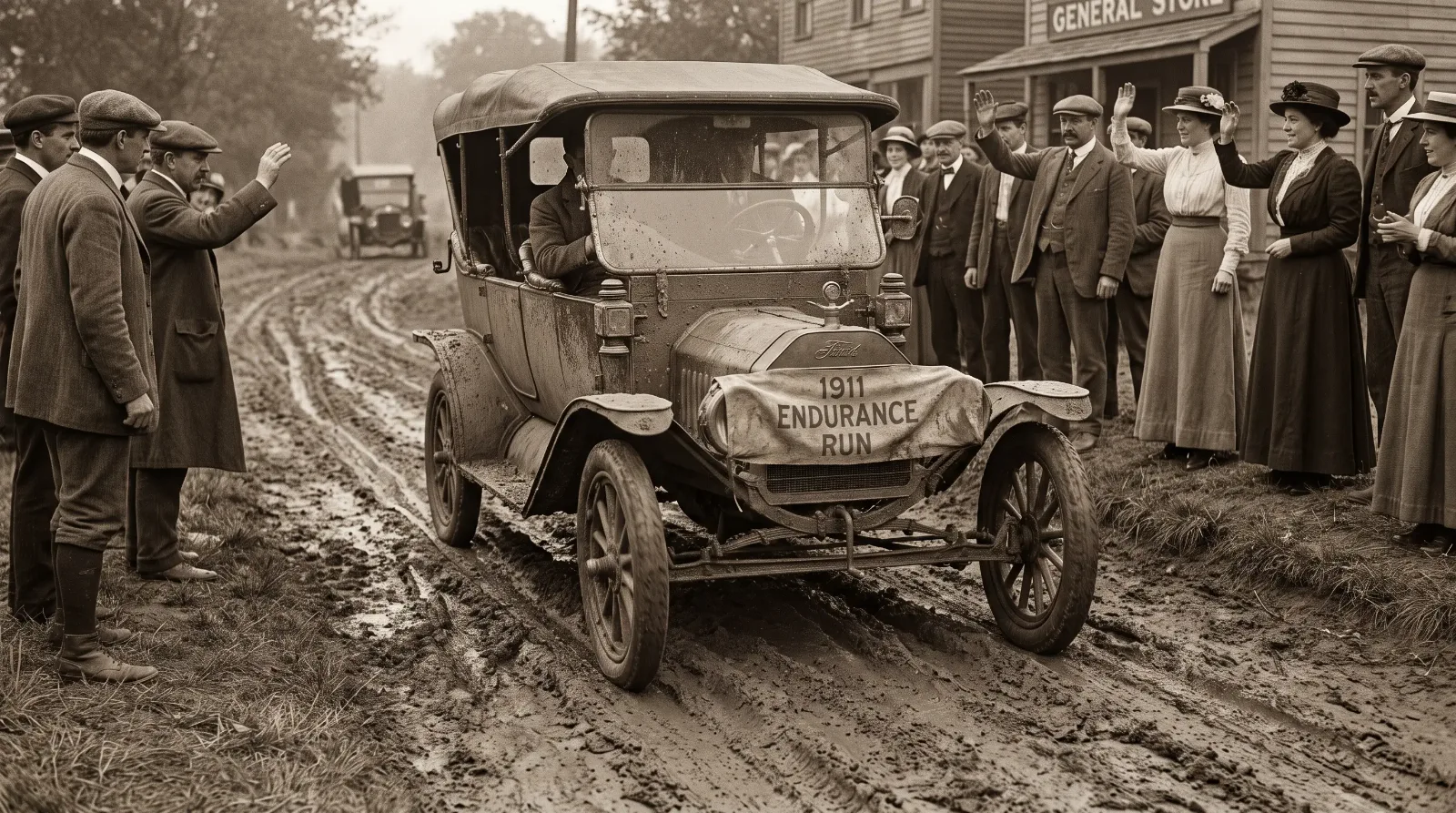
In the spring of 1911, a small field of stripped-down touring cars lined up outside New York with a route sheet, a set of tools, and a destination roughly a thousand miles away. Nobody expected a smooth trip. That was the point. The endurance run was not a race in the way a modern reader imagines racing, no oval, no grandstand crowd counting laps. It was a test of whether a car and a driver could survive a country that barely had roads yet.
These contests shaped the 1910s automobile industry more than any single speed record did. A manufacturer that finished a punishing cross-country run with its engine intact and its schedule met earned something no advertisement could buy: proof. Buyers who could not read a spec sheet could read a finishing time, and they trusted it.
What an endurance run actually demanded
The format varied from event to event, but the core idea stayed consistent. Cars covered long distances, often hundreds of miles a day, over roads that shifted from packed dirt to mud to loose gravel without warning, with time penalties for late arrival and disqualification for major mechanical failure. There was no support truck trailing behind with spare parts. A broken axle meant the crew fixed it roadside with whatever tools they carried, or they were out.
This is why endurance events tell you more about a car's real character than a top-speed claim ever could. A car that could not survive its own vibration over 300 miles of ruts was worthless to the farmers and doctors and traveling salesmen who made up most of the actual buying public. Speed got attention. Durability got sales.
The Glidden Tour, running through much of the decade's early years, became the best-known of these contests. Named for its sponsor Charles Glidden, it drew manufacturers eager to prove their cars could handle American roads as they actually existed, not as a marketing department wished they were. Finishing without a penalty point was the goal, and it was harder than it sounds.
The cars that made their names on the road, not the track
Some of the brass era's most famous names built their reputations here rather than on a speedway. Mercer's Raceabout, already known for outright speed, also proved itself in longer trials where its light weight and stout T-head engine held up mile after mile. Buick used endurance results heavily in its advertising during this period, leaning on finishing records to argue reliability over flash.
Stutz took a similar approach with its early Bearcats, entering distance events specifically to build the durability story that would later support its racing image. The car that could go fast and also survive a thousand miles of bad road was rarer than either quality alone, and the manufacturers who could claim both had a genuine marketing edge.
Drivers mattered as much as machines in these contests. A skilled driver who understood how to nurse a car over a washed-out creek crossing or read a route sheet correctly in fog could save a car that a lesser driver would have stranded. Some of the era's best-known racing names built their early reputations behind the wheel of endurance entries before ever touching a purpose-built speedway car, learning mechanical sympathy on the road that would later translate into raw pace on the oval.
How these contests connect to the wider brass era story
Endurance racing did not exist in isolation. It grew directly out of the same conditions that shaped everything else about driving in this decade, the poor roads, the unreliable early engineering, and the public's genuine uncertainty about whether the automobile was a passing novelty or a permanent fixture. Reading the 1910s race cars guide in full gives the broader context these events sat inside, from the mechanical limitations drivers fought against to the culture that grew up around proving a car's worth in public.
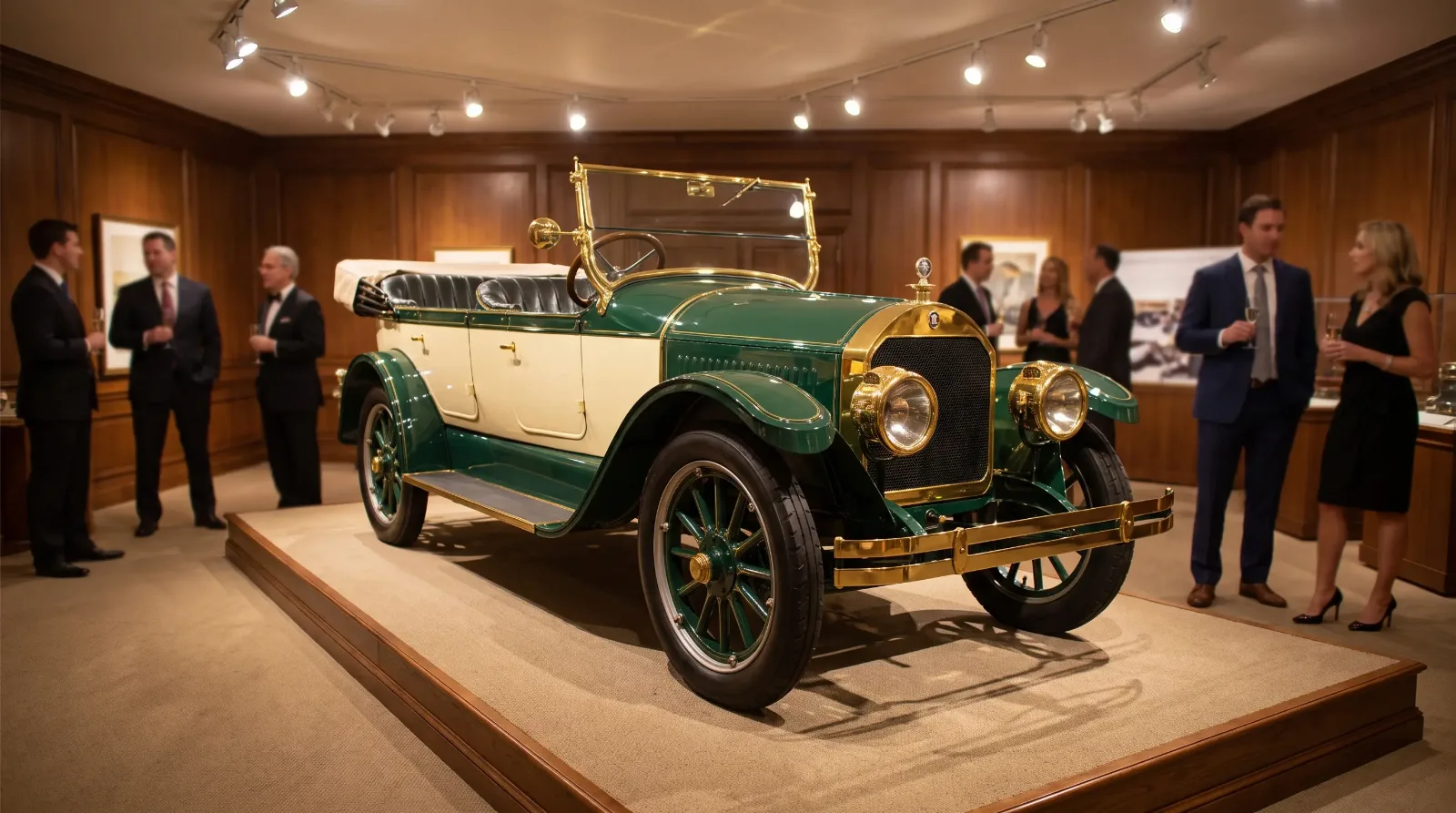
The results of these contests also fed directly into pricing and prestige. A manufacturer that could point to a strong endurance record could charge a premium, and buyers who valued reliability over raw speed gravitated toward those names. That dynamic still echoes in how collectors evaluate brass-era cars today, where a documented competition history, even from a lightly regarded regional trial, adds real value to a surviving example.
What survives from this era, and why it still resonates
Very few cars that ran these events still exist in anything close to original condition, and the ones that do carry a story most restored show cars cannot match. A Raceabout with a documented Glidden Tour finish is a different object, historically, than an identical model with no competition record, even if the two are mechanically indistinguishable today.
What makes these events worth remembering is not just the machinery but the sense of shared discovery. Nobody involved, not the drivers, not the manufacturers, not the spectators who gathered at checkpoints in small towns along the route, fully knew yet what the automobile would become. Every finished run was a small piece of evidence in an argument that was still very much unsettled. That uncertainty gave the whole decade a texture that later, more polished eras of motorsport never quite recaptured.
"You have to picture the small-town crowds that gathered just to watch these cars roll through, most of them having never seen an automobile up close before. The endurance run was theater and proof at once, and the town that hosted a checkpoint talked about it for years."
— Patrick Walsh
The story of speed and endurance in this decade did not end with the outbreak of war in Europe, and the market these contests built kept climbing for years afterward. For a look at where that trajectory eventually led, the next installment follows the cars from these very events into the auction rooms where their stories are still being told today.