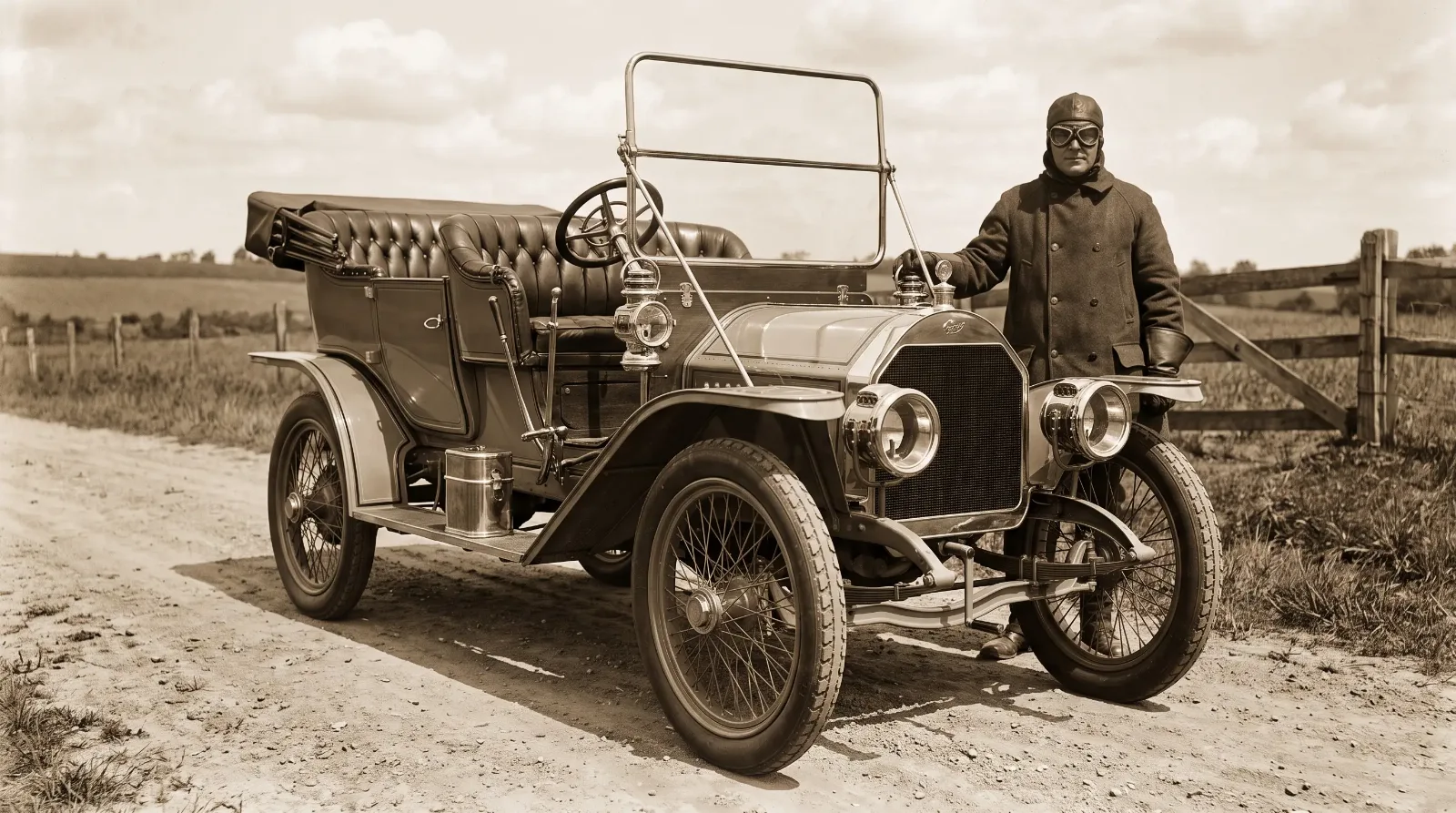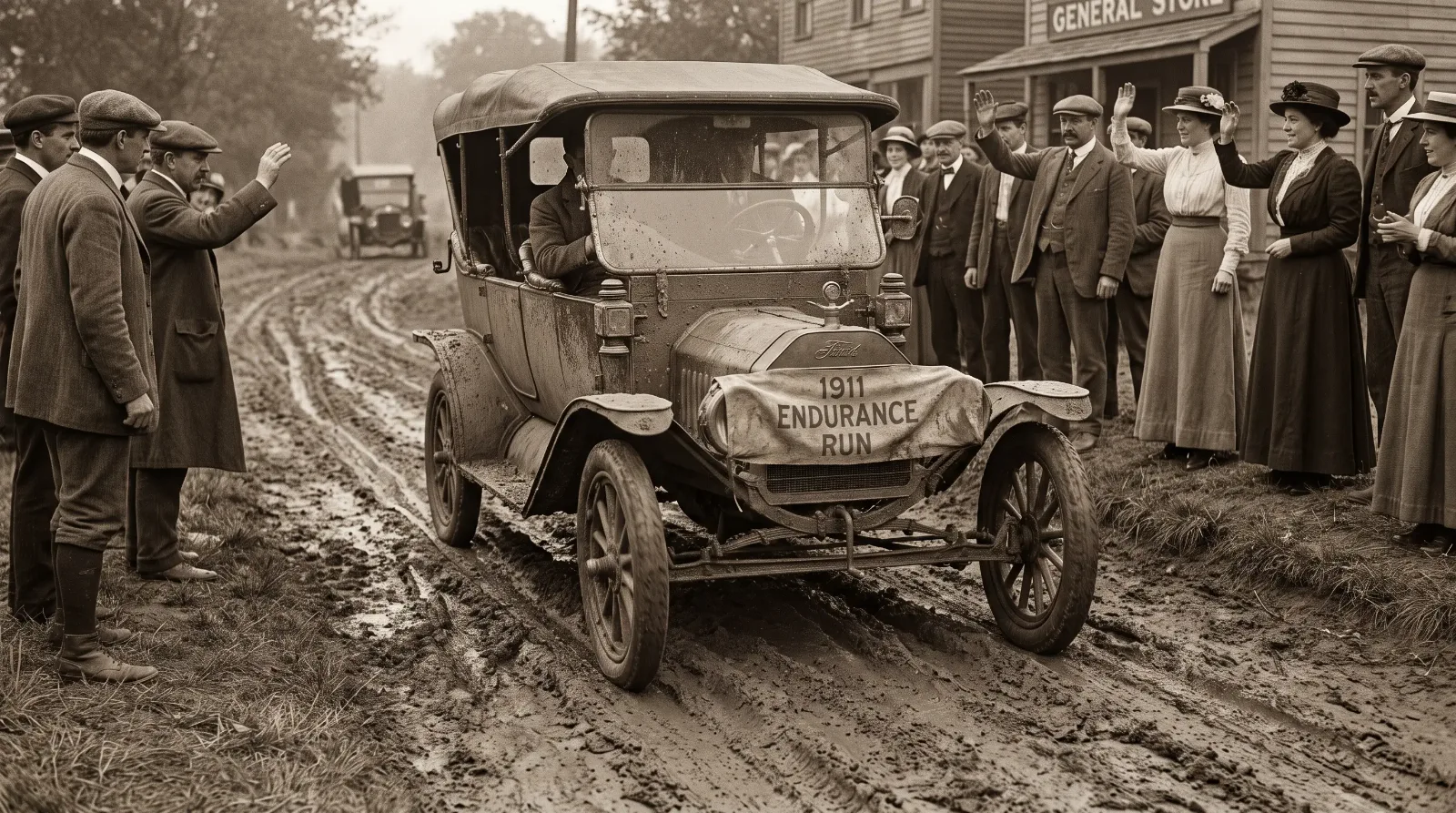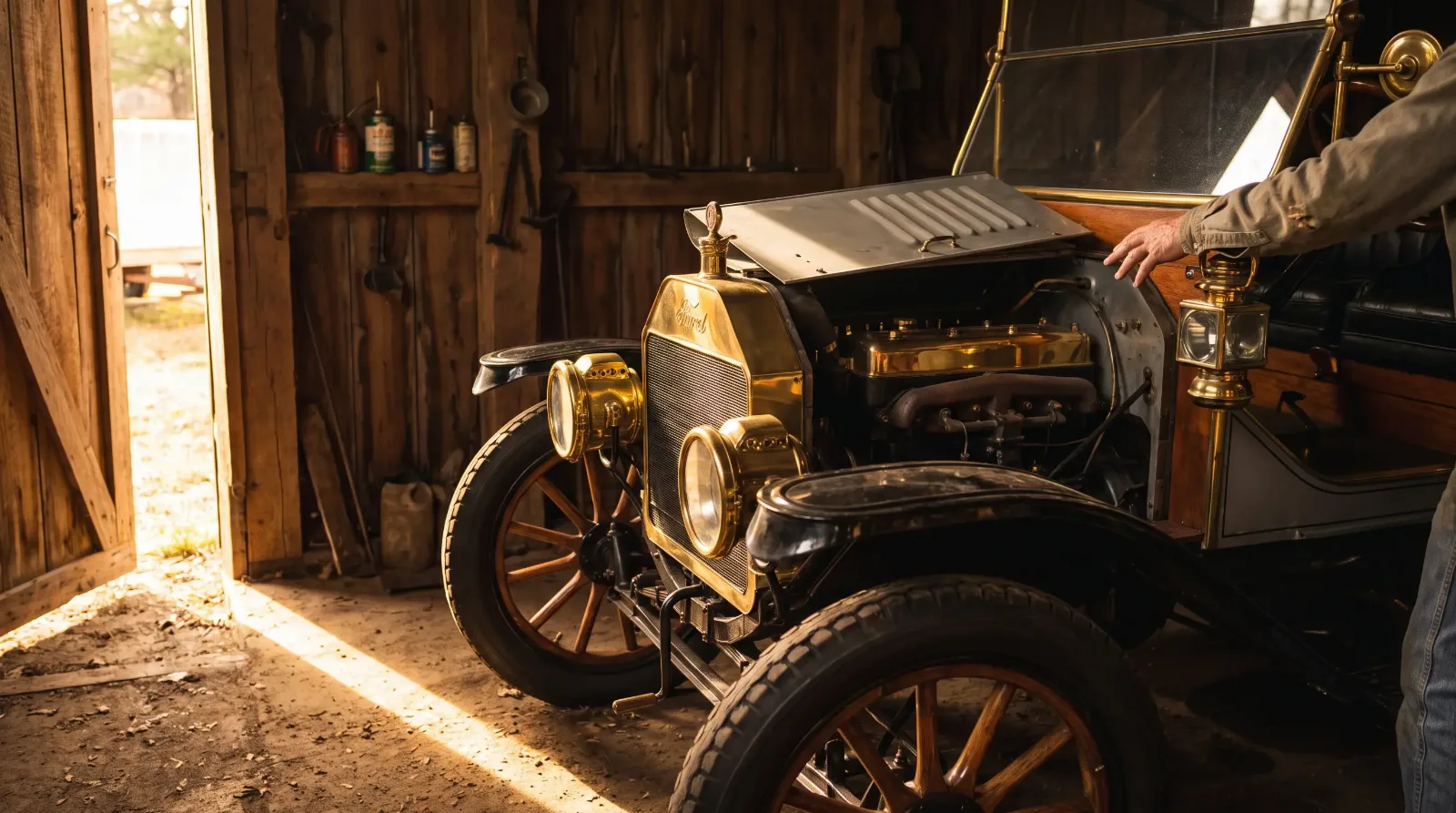
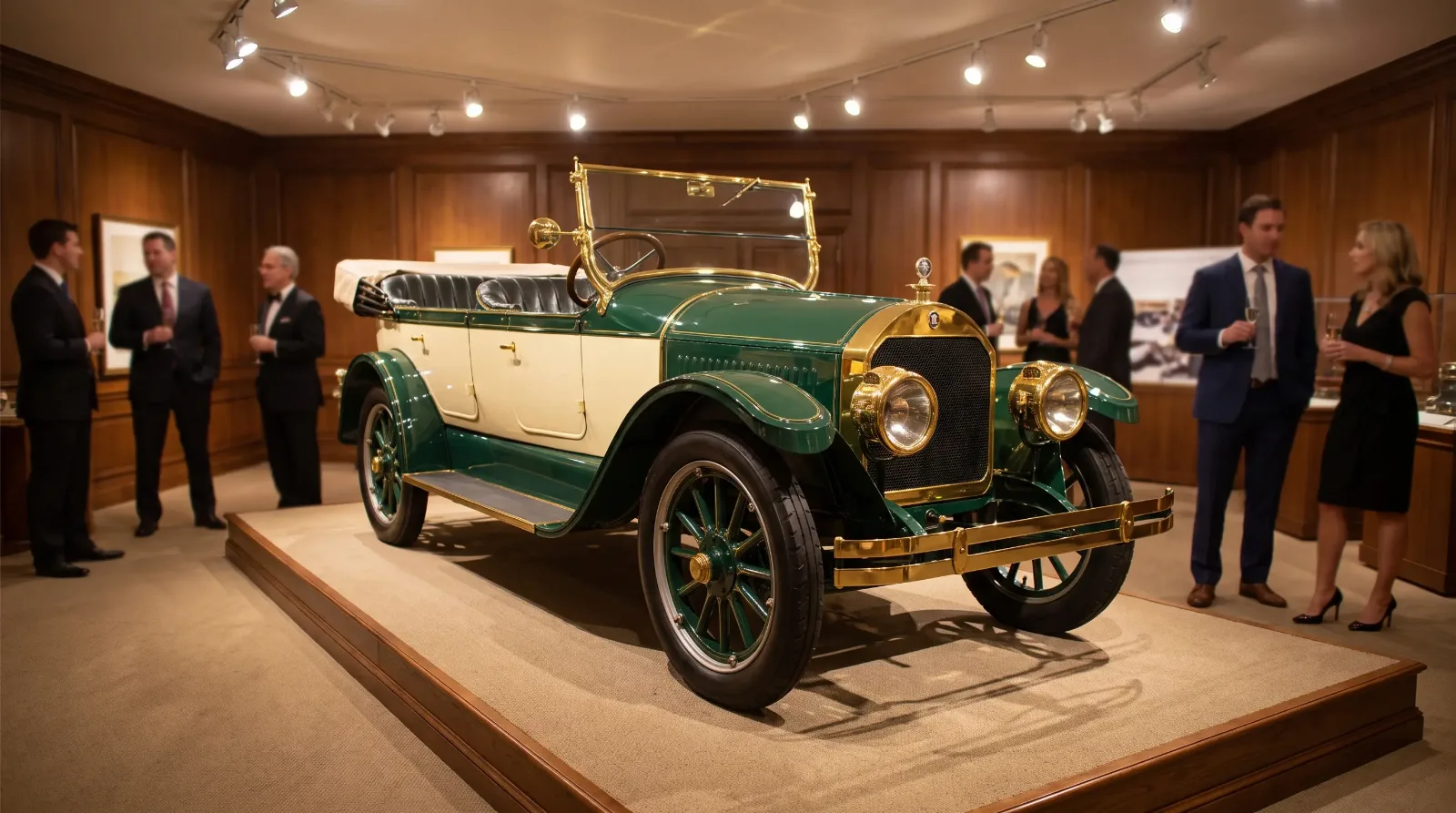
A well-documented brass-era car with a real competition history or coachbuilt pedigree can bring seven figures at auction. Most brass-era cars will never come close. That gap is the first thing to understand before anyone starts throwing around headline numbers from a single sale.
Value in this category is not primarily about horsepower or rarity of the badge. It is about condition, documentation, and how easily the market can absorb the car when the current owner decides to sell. Get those three things right and a modest chassis can outperform a more famous name with a thin paper trail.
What actually drives price in this segment
Start with condition, because it filters everything else. A brass-era car that has been correctly restored, or better, one that survives with a high percentage of original components, sits in a different price tier than a car that has been re-bodied or heavily modified over the decades. Originality is not sentiment here. It is the single largest lever on value, because the supply of genuinely original brass-era cars shrinks every year.
Documentation is the second lever, and it is the one buyers underweight until they try to sell. A car with a continuous ownership chain, period photographs, factory records, or a documented competition entry is a fundamentally more liquid asset than an identical car with a gap in its history. The paperwork does not change what the car is mechanically. It changes what a buyer is willing to risk on it, and risk is what sets the price at auction.
Liquidity is the piece most buyers forget to ask about. A famous marque with an active collector base, Mercer, Stutz, Simplex, will always find a buyer faster than an obscure regional make, no matter how well built the obscure car actually was. That matters if you ever need to sell rather than hold indefinitely.
The top tier: seven-figure territory
At the very top sit cars that combine rarity, documented competition history, and coachwork or engineering that was exceptional even when new. A Mercer Raceabout with a verified period racing record, or a Simplex chassis carrying its original coachbuilt body, lives here. These sales get press coverage precisely because they are infrequent, and the buyers competing for them are not comparing brass-era cars to each other so much as comparing them to other blue-chip collectibles entirely.
The caveat with tier-one cars is that the price reflects a very specific combination of factors, and removing any one of them collapses the value fast. A Raceabout without documented racing history is still a desirable car, but it is not a seven-figure car. Buyers at this level are paying for the story as much as the machine, and the story has to be provable.
Tier two through four: where most collectors actually operate
Tier two covers well-restored examples of respected marques without the exceptional documentation of the top tier. Think a solid Stutz Bearcat or a Cadillac from the upper end of the range, correctly restored, mechanically sound, with reasonable but not extraordinary paper trail. These cars trade in the low-to-mid six figures depending on specifics, and they represent the segment where most serious collectors actually shop.
Tier three brings in the mainstream touring cars from respected but less glamorous makers, cars that were built well and survive in decent numbers. Values here run considerably lower, often well under six figures, and the market rewards mechanical soundness and usability over pure originality debates.
Tier four is where most surviving brass-era cars actually sit: solid, usable, historically interesting, but without the rarity or documentation to command serious money. That is not a criticism of the cars. It is simply where supply and demand land for the bulk of what survives from this period, and it is often the smartest entry point for a new collector who wants the era's character without the tier-one price tag.
| Tier | Typical example | Approx. price range | Key value driver |
|---|---|---|---|
| 1 | Documented competition Mercer/Simplex | $1M-$5M+ | Rarity + provenance |
| 2 | Well-restored Stutz/Cadillac | $150k-$600k | Marque + restoration quality |
| 3 | Solid mainstream touring car | $50k-$150k | Soundness, usability |
| 4 | Common surviving touring car | Under $50k | Availability, entry price |
These ranges shift with every auction cycle, and citing exact comps without checking recent results is a mistake buyers make constantly. The broader context behind why these tiers exist at all is covered in the expensive brass era cars story, which lays out the mechanical and cultural reasons this period produced such a wide spread between its cheapest and most expensive survivors.
The downside case nobody advertises
Every asset class has a downside scenario, and brass-era cars are no exception. The risk here is not that the car breaks. It is that the buyer pool for a specific marque thins out over a generation, as the collectors who grew up wanting these particular cars age out of the market and are not fully replaced by younger buyers with the same attachment to pre-1920s machinery.
That generational risk is real and worth pricing in, particularly for tier-three and tier-four cars without a strong enough story to attract younger, story-driven buyers. The cars most insulated from this risk are the ones with documentation and competition history significant enough to matter to any serious collector, regardless of generation, which circles back to why provenance is worth paying for at the point of purchase rather than assembling later.
"I tell clients the same thing every time. The car is not the asset. The car plus its paper trail is the asset. Buy the story you can prove, because in twenty years that is the only part of this purchase that will still be worth what you paid for it."
— Marcus Feld
For readers looking at the broader arc of what makes a pre-war car valuable beyond the brass era specifically, our pre-war era guide extends this same condition-documentation-liquidity framework across the following two decades. And for those ready to shop rather than just study values, you can browse antique cars for sale to see how these principles play out in current listings.
The next chapter in this survival story is less about price and more about time itself. The next story looks at the handful of brass-era cars that have simply never stopped running, a different kind of rarity than the auction headline, but arguably a more remarkable one.