Luxury in the 1920s was not a trim package. It was a different manufacturing process, a different sales floor, and often a different factory altogether. Before we get into what these cars are worth to a collector now, it is worth being precise about what actually separated a luxury make from an ordinary one in period, because the two get blurred more than they should. This is the 1920s luxury cars guide, and the distinction starts with engineering, not just price.
What made a car "luxury" in period
The obvious answer is price, and price mattered, but the real dividing line was engineering effort per unit sold. Packard, Pierce-Arrow, Lincoln, and Cadillac were building in far lower volumes than Ford or Chevrolet, which meant they could afford to hand-fit components, use better materials, and machine parts to closer tolerances than a mass producer ever could. A Packard straight-eight engine was not just a bigger engine than a Chevrolet six, it was built to a standard of finish that a high-volume line could not sustain economically.
Silence was the other pillar of luxury engineering, and it is easy to underrate today. Cadillac and Packard both invested heavily in reducing valve train noise, smoothing out gear changes, and isolating the cabin from road vibration, because a wealthy buyer's whole frame of reference was the near-silent electric car and the horse carriage before it. A luxury car in the 1920s was judged on how little you noticed it working, which is close to the opposite of how a sporting car earns its reputation.
The marques that mattered
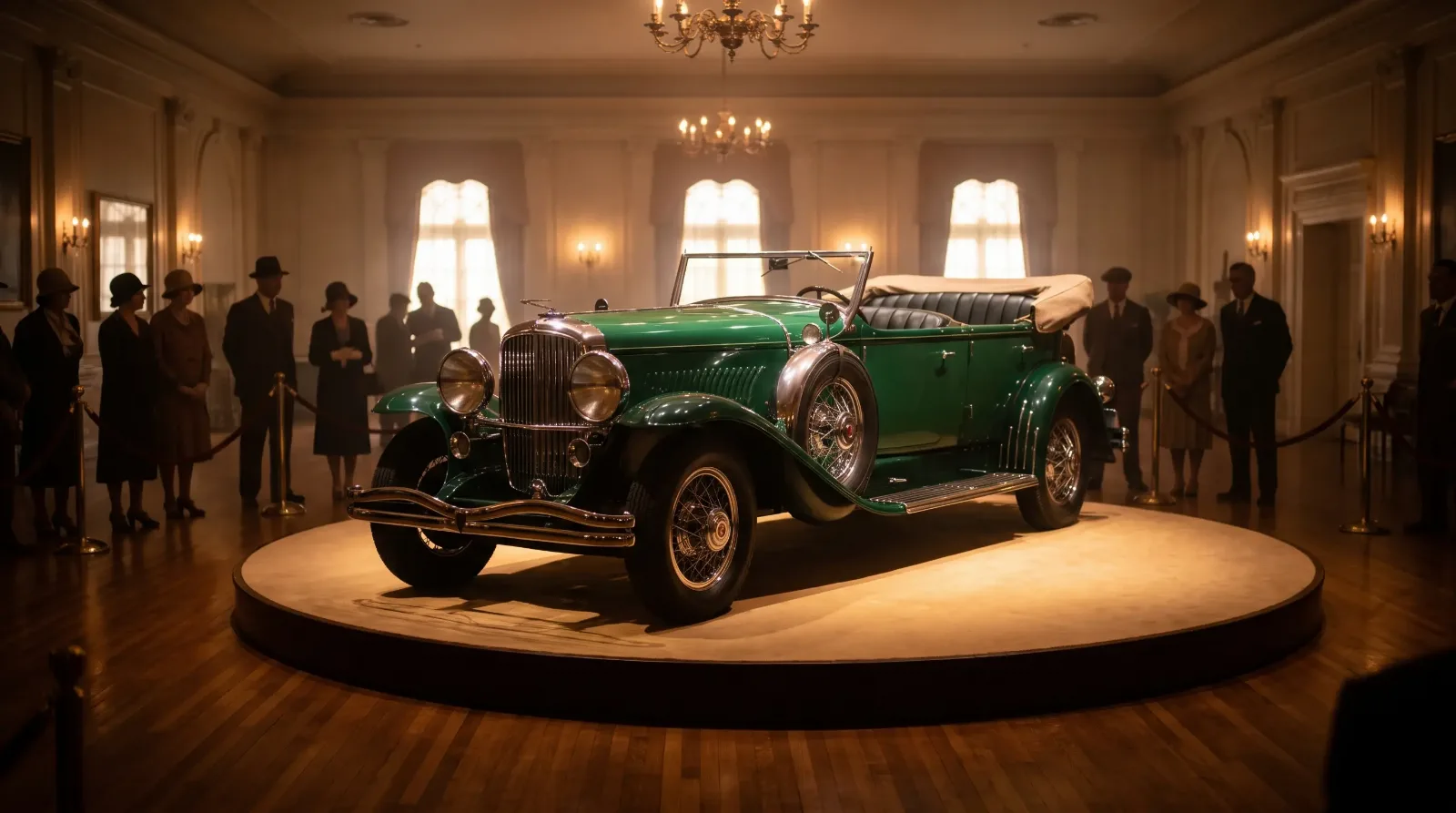
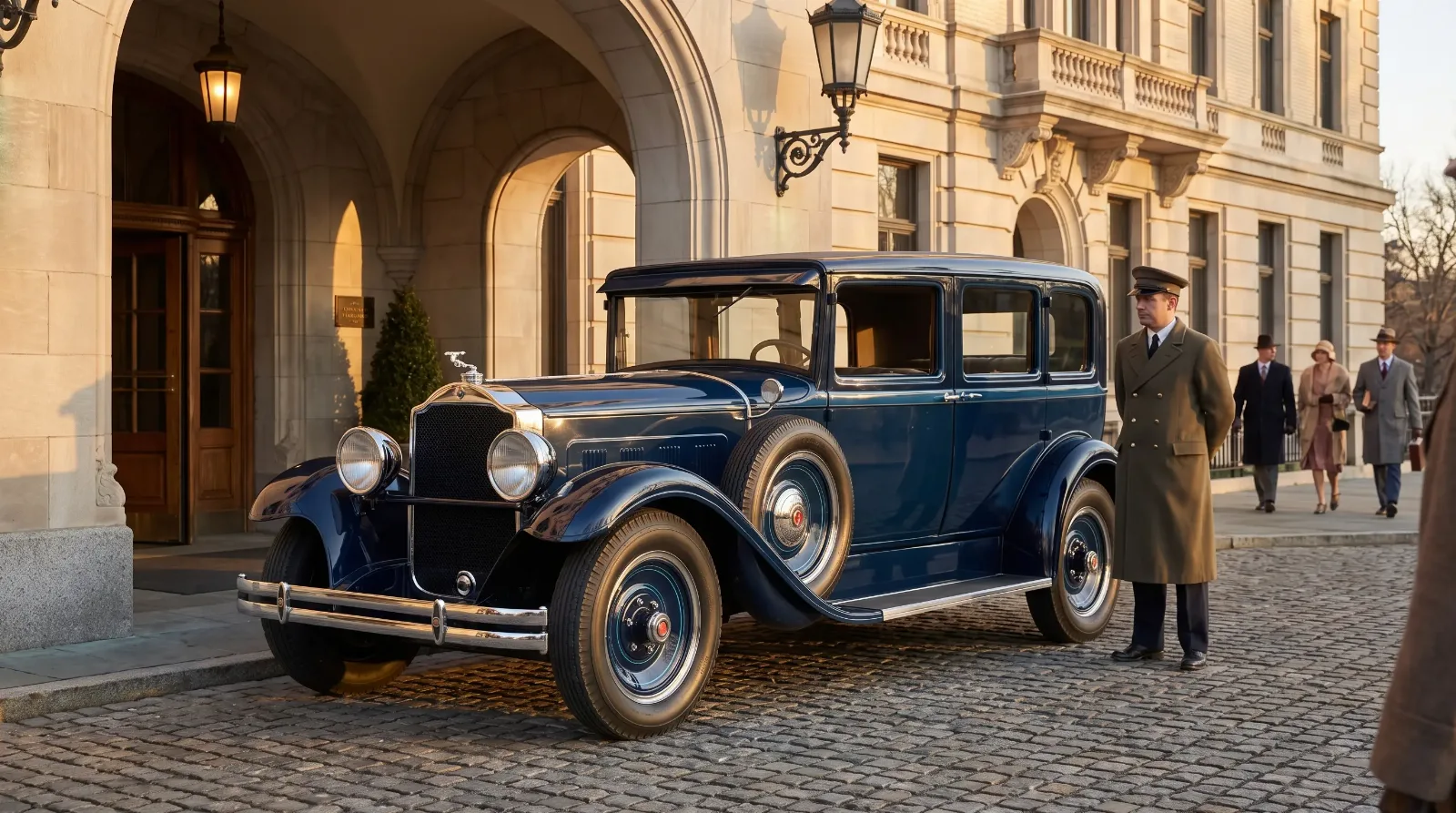
Packard led on prestige through most of the decade, with a reputation built on engineering conservatism rather than flash. Their straight-eight, introduced in 1923, became the benchmark other makers measured themselves against. Cadillac countered with its own V8 lineage and General Motors' manufacturing muscle behind it, giving buyers a luxury car with a bigger corporate service network than an independent could match. Pierce-Arrow held a smaller but fiercely loyal following, known for those distinctive fender-mounted headlamps and a level of hand finishing that outlasted the company's own commercial fortunes.
Lincoln, under Ford ownership from 1922, brought Henry Ford's manufacturing discipline to the luxury segment, which gave it a reliability edge over some of the more artisanal competitors even as it worked to shed a reputation for stodgy styling. Each of these builders occupied a slightly different corner of the same market, and buyers chose based on which values they wanted signaled: Packard for old-money conservatism, Cadillac for modern muscle, Pierce-Arrow for craftsmanship, Lincoln for engineering discipline.
| Marque | Signature strength |
|---|---|
| Packard | Straight-eight refinement, prestige |
| Cadillac | V8 performance, GM backing |
| Pierce-Arrow | Hand finishing, distinctive styling |
| Lincoln | Manufacturing discipline, Ford network |
Value at auction versus value in period
Here is where the market gets interesting, and where a naive buyer can misread the field. A car's original price does not translate cleanly into current auction value. Cadillac and Lincoln, built in larger numbers than Packard's top lines, are generally more attainable today simply because more survived and the parts base is deeper. Packard and Pierce-Arrow examples, particularly custom-bodied ones, tend to command a premium precisely because they were built more sparingly and the coachwork adds a layer of rarity that a factory body cannot match.
"I tell people the badge on the hood tells you what the buyer wanted to signal in 1926. It does not tell you what a restoration is going to cost you in 2026. Parts availability and the depth of the enthusiast club behind a marque matter as much as the name on the radiator shell."
— Marcus Feld
Service networks separated the survivors
One factor that gets overlooked in the luxury conversation is how much a manufacturer's dealer and service network affected long-term survival of these cars. Cadillac and Lincoln both had the backing of much larger corporate parents, which meant a nationwide service and parts operation that kept these cars running decades after they left the factory, long past the point where an independent luxury builder's dealer network had thinned out or vanished entirely. Packard maintained its own strong network for years, which is part of why so many Packards from this era survive in good condition today, but smaller independents without that infrastructure lost cars to neglect simply because a broken part had nowhere local to be fixed or replaced.
That infrastructure advantage compounds over a century. A car that could be serviced properly in 1935 was more likely to still be running in 1955, and more likely to be worth restoring in 1985, than one that had already sat broken in a barn for a decade because nobody nearby knew how to fix it. Survival, in other words, was never purely about how well a car was built. It was also about whether anyone could keep it built.
Buying into this tier today
Condition and documentation carry outsized weight in the luxury segment, more than they do for a common car of the same era. A Packard or Cadillac with a thin ownership history and a repainted body is a different asset than one with matching numbers and period photographs. Because so many of these cars were custom-bodied, verifying that the body actually matches the chassis it was built for is not optional, it is the first thing a serious buyer checks.
Parts and expertise are the other filter. Cadillac and Lincoln benefit from strong marque clubs and a deeper surviving parts pool because more cars were built. Pierce-Arrow and some of the smaller custom Packard bodies require more patience and a wider hunting net, since original hardware simply was not made in the same quantities. If you want to see where the story goes from here, the coachbuilders behind these bodies get the next installment of their own, and if the price of admission has you looking for something more attainable, read on for the other end of the decade's market.