
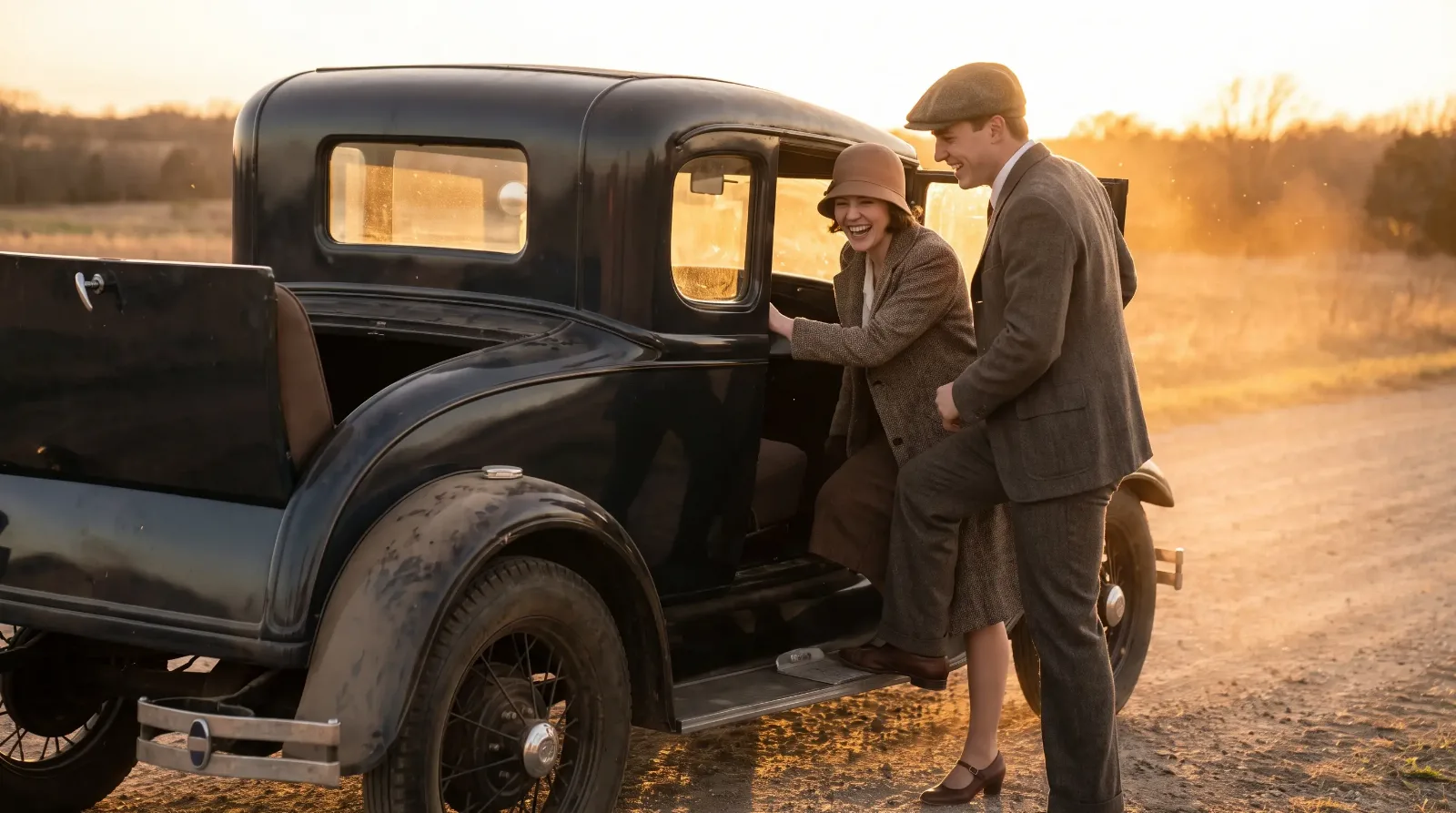
Picture a two-lane road outside Chicago on a Saturday in 1925. A young couple in a closed Ford, doors shut against the dust, passes a farmer still driving a wagon. Ten years earlier the couple would have been the oddity. Now the wagon is. That flip, from horse to motor as the normal way to get around, happened faster in the 1920s than in any decade before or since, and the cars that made it happened are some of the most collectible antiques on the road today.
Car Features
8 min read
Cars of the Roaring Twenties: America's 1920s Automobile Boom
The 1920s turned the automobile from an adventure into a routine. Here is the story of the cars, the boom, and how to collect them.
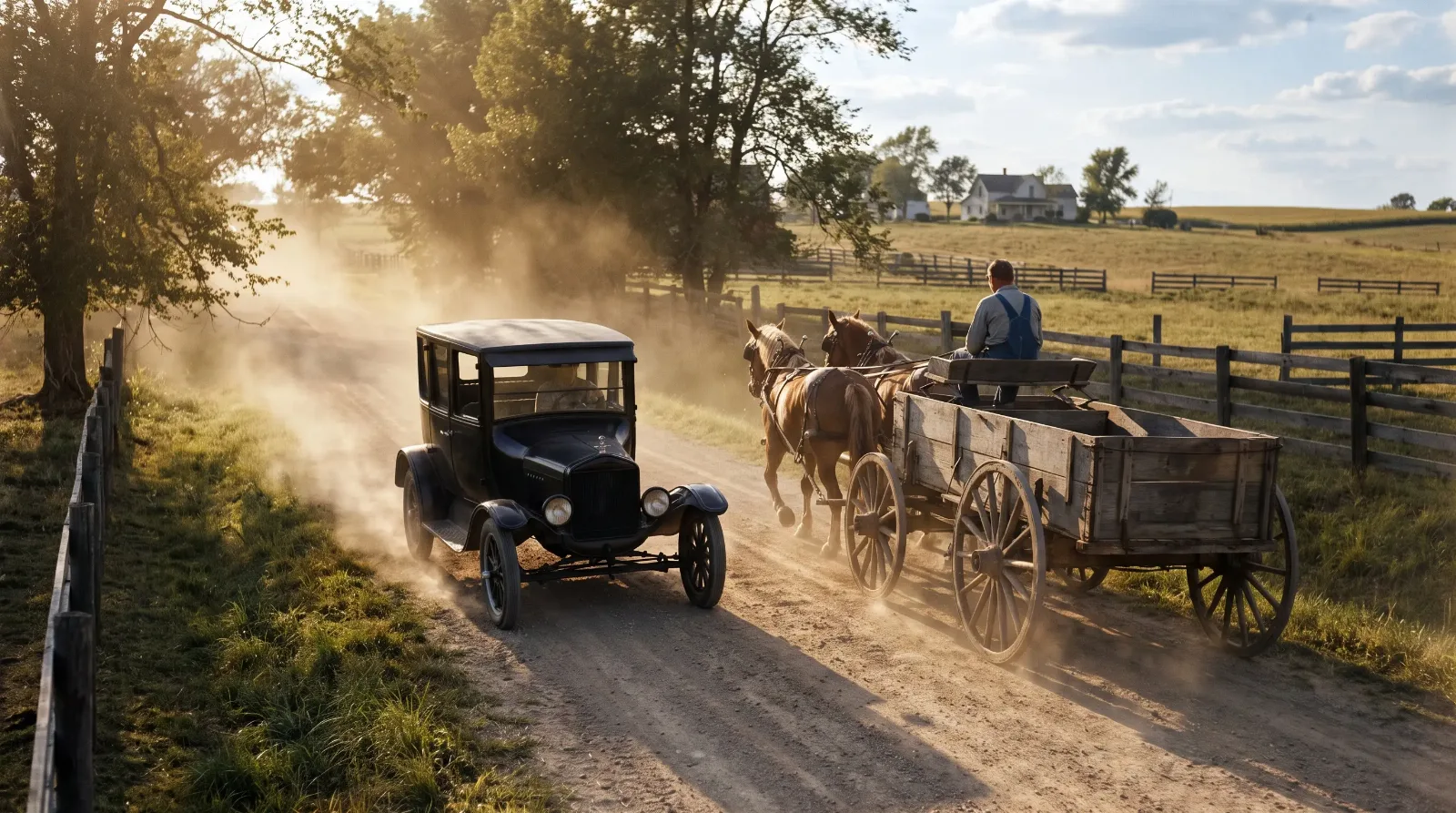
The Roaring Twenties get remembered for jazz, speakeasies, and rising stock prices. Underneath all of it was the automobile. Cheap credit, paved roads, and factories that could finally build cars by the million turned driving from an adventure into a routine. This is the story of 1920s cars and the boom that carried them.
The decade the car became normal
At the start of the 1920s, owning a car was still something to remark on in much of the country. By the end of it, a car in the driveway was ordinary across a huge share of American households. The numbers tell the story even when the exact figures are debated: registrations climbed year after year through the decade, and by the late 1920s the United States had many millions of cars on the road, far more than the rest of the world combined.
Several things came together at once. Wages rose. Roads improved as states poured money into paving. And a new idea, buying a car on installment credit, let families pay over time instead of all at once. For anyone who wants the wider arc this decade sits inside, from brass-era beginnings to the classics of the 1930s, the pre-war classics story lays out the full timeline.
Ford's Model T meets its first real rival
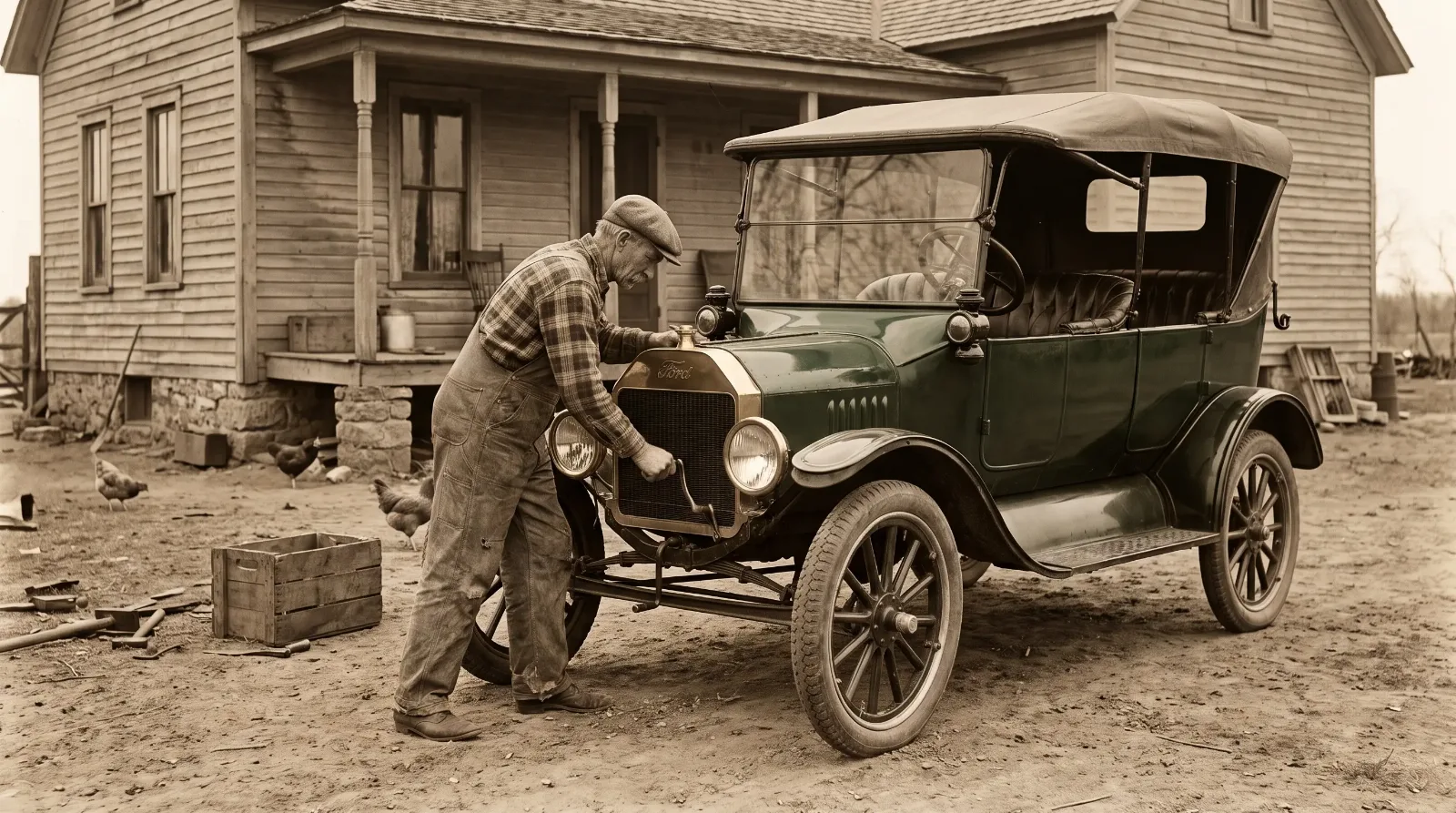
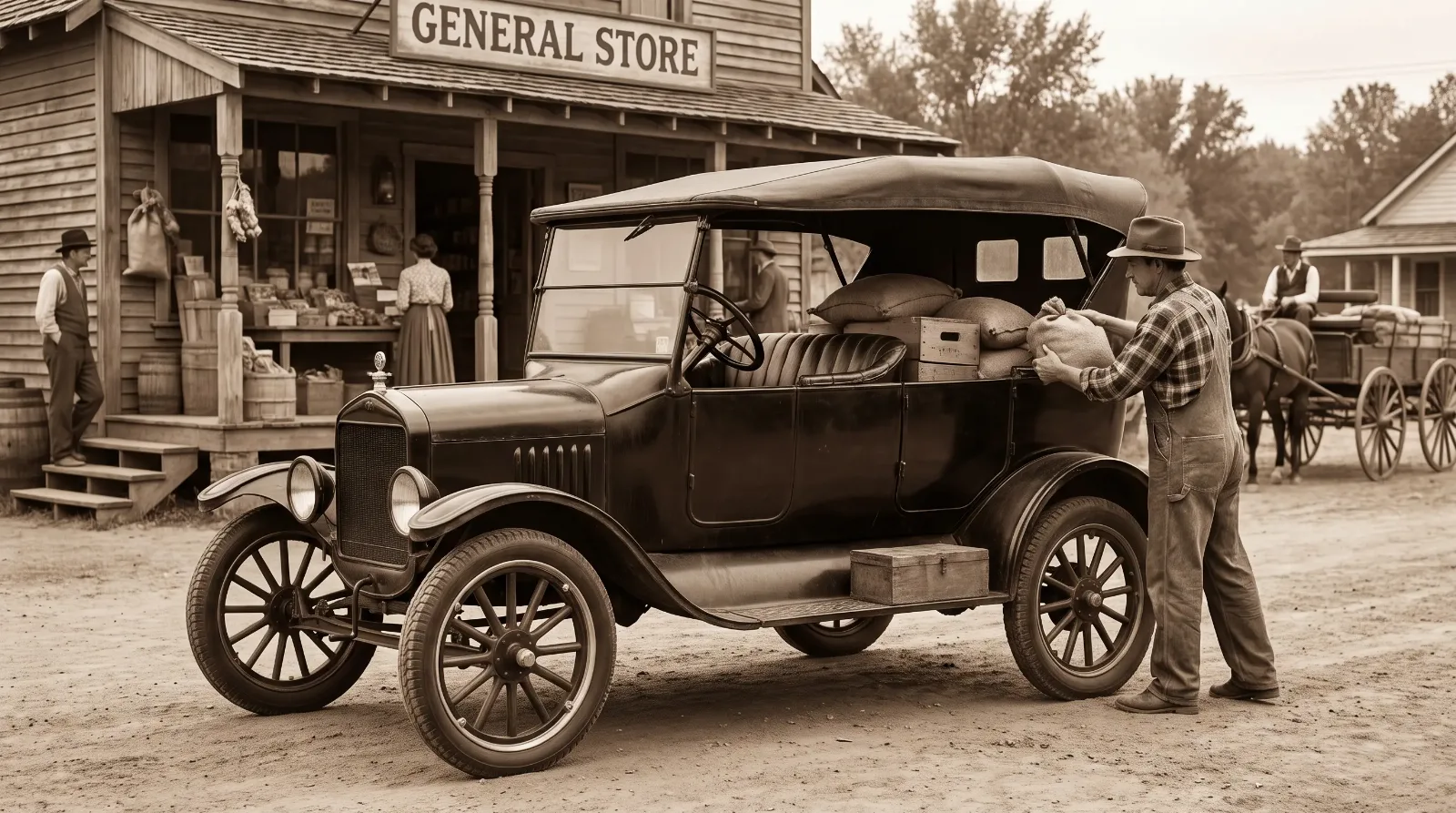
The 1920s opened as the Model T's world. Henry Ford's black, simple, cheap car had put America on wheels, and for a while nothing threatened it. The Model T's price kept falling, and by the mid-1920s a new one cost only a few hundred dollars, less than at any point in its history.
Then General Motors changed the rules. Under Alfred Sloan, GM stopped trying to beat Ford on price alone and instead offered a range of brands, from cheap Chevrolet up to luxury Cadillac, and a fresh look every year. The message was that your car said something about you, and next year's could say more. The Model T, unchanged in its bones for nearly two decades, started to feel old next to a colorful Chevrolet with modern styling.
Ford saw the problem. In 1927 the company shut down its lines, retooled, and replaced the Model T with the Model A, a genuinely modern car with a sliding-gear transmission, real styling, and a choice of colors. The changeover was a national event. Millions of the new car sold in the years that followed, and the Model A remains one of the friendliest antique cars a first-time collector can buy.
Closed bodies take over
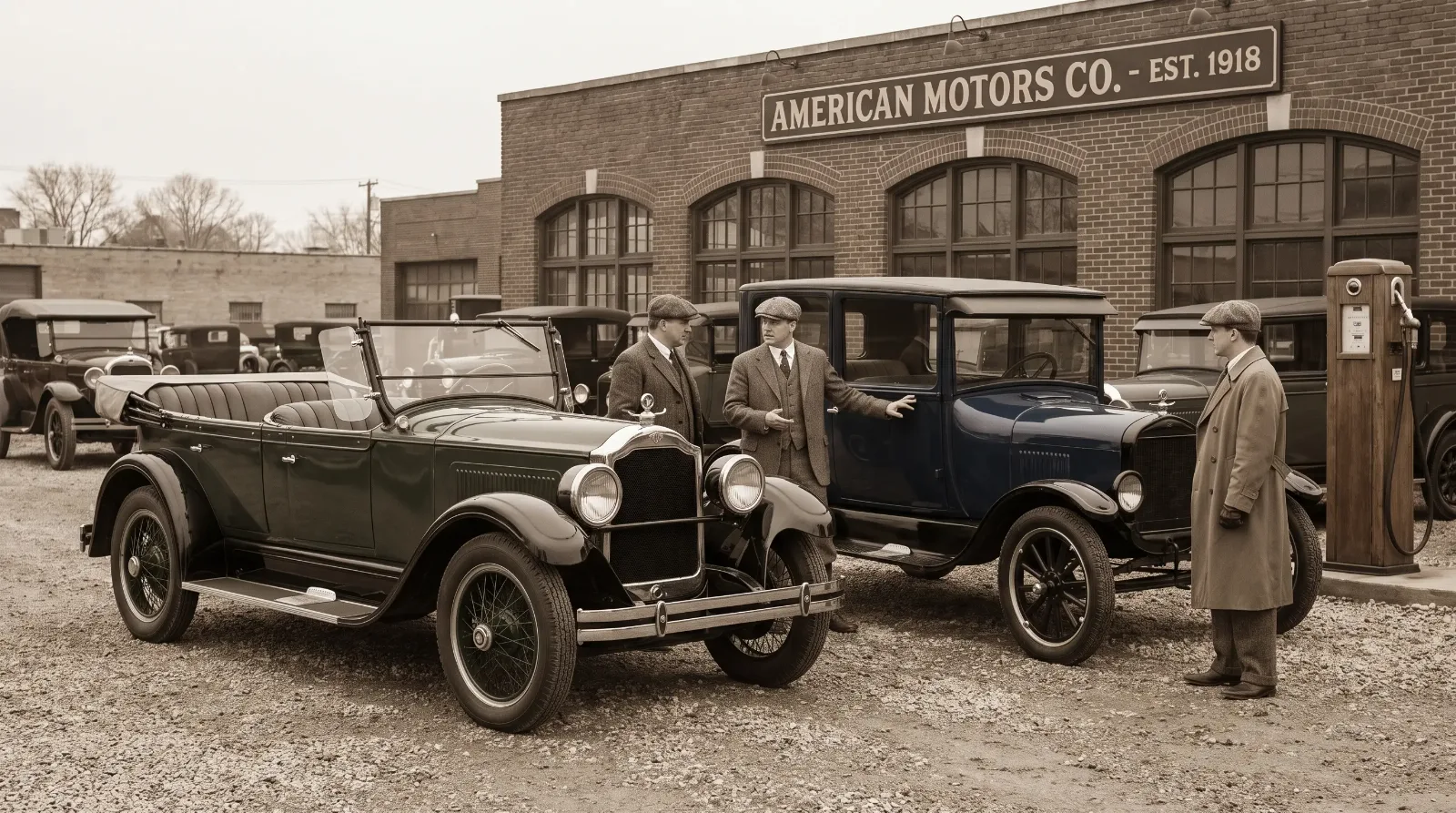
One quiet change did more to shape the modern car than any engine. At the start of the 1920s, most cars were open, with folding cloth tops that kept out little of the weather. By the end of the decade, the closed steel sedan had won. A closed car meant driving in comfort in winter, keeping clean on a dusty road, and treating the automobile as a room rather than a saddle.
The shift was dramatic. Open touring cars and roadsters, the default at the decade's start, became the minority by its close. That change pulled the whole industry along with it, since building strong closed bodies in volume demanded new methods and pushed makers toward the all-steel construction that followed in the 1930s.
"The 1920s is where the car stopped being a machine you operated and started being a place you sat. Once people could drive to church in their good clothes without arriving covered in dust, there was no going back. Everything about the modern car flows from that."
Patrick Walsh
The technology that arrived in the driveway
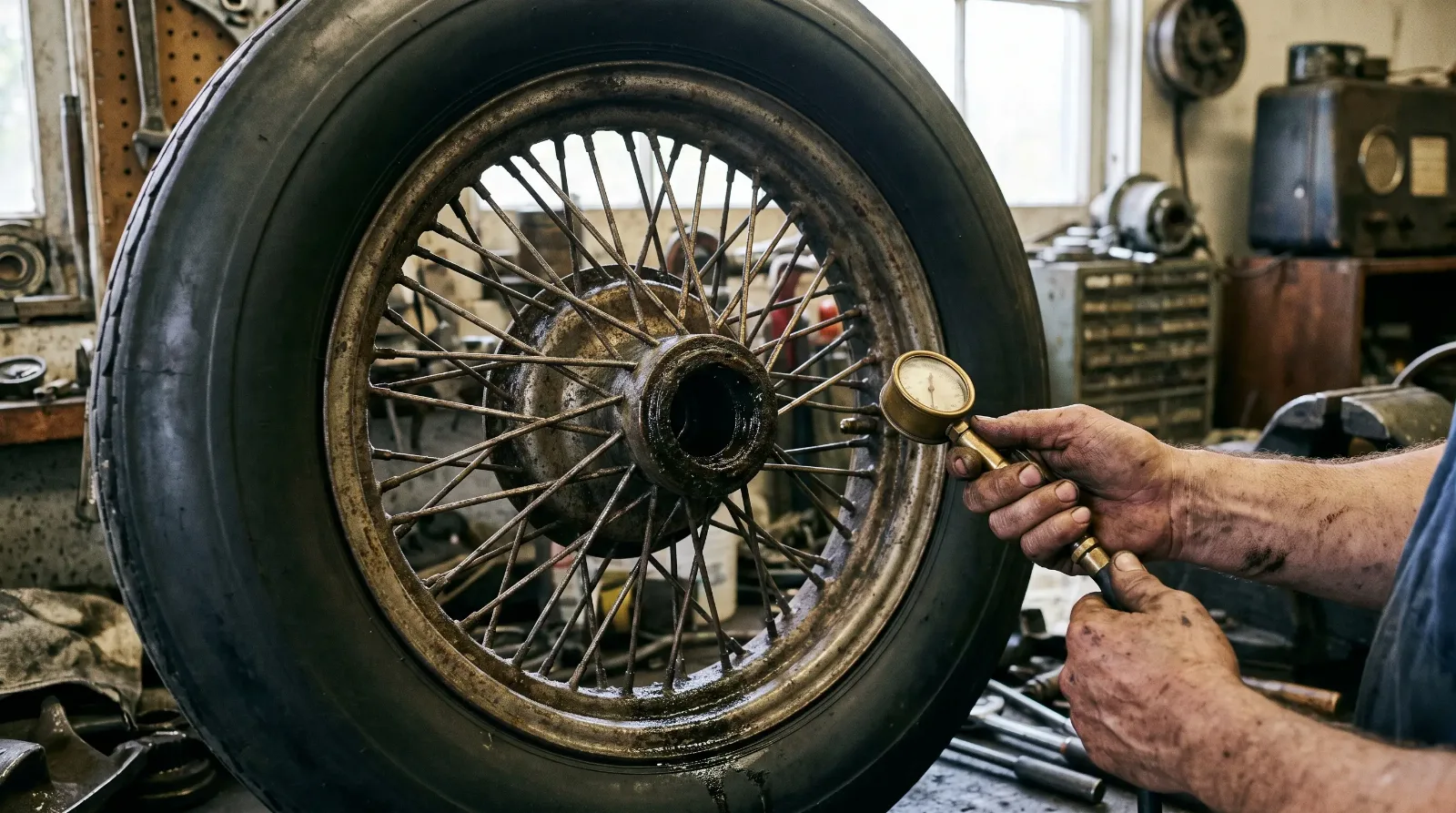
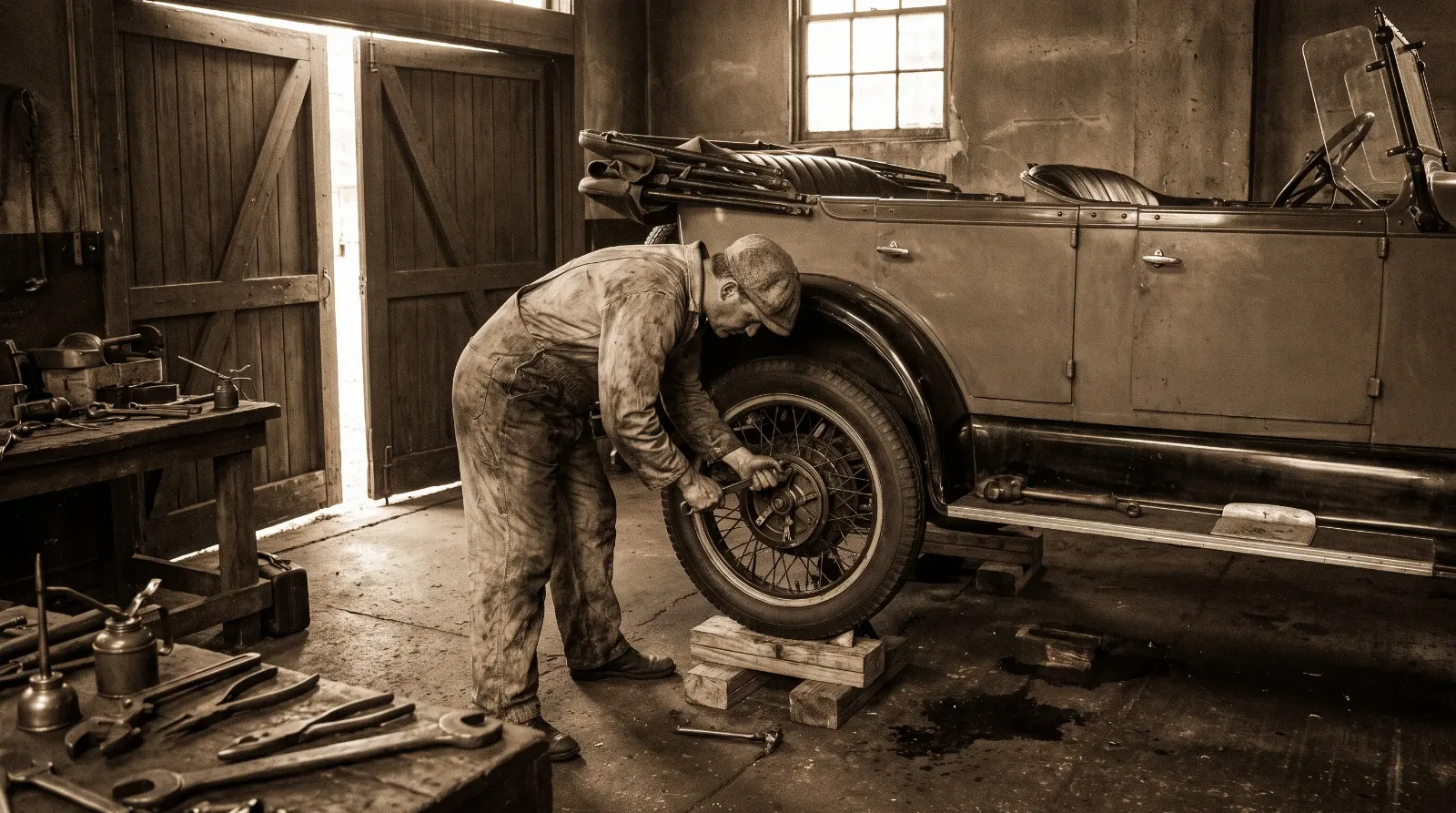
The 1920s brought a run of improvements that, taken together, turned the car from a demanding machine into an appliance. The electric starter, already available on pricier cars, spread widely and freed drivers from the dangerous hand crank. Four-wheel brakes, once a luxury, became common and cut stopping distances that had been alarming on faster cars. Balloon tires, wider and running at lower pressure, softened the ride over rough roads.
Comfort and convenience features multiplied too. Better lighting, more reliable ignition, improved cooling, and stronger closed bodies all made cars something a family could depend on in daily life. None of these was a single dramatic invention. Together they made the difference between a hobby and a habit.
Roads kept pace with the cars. Through the 1920s, states paved thousands of miles of highway, and the first numbered route systems gave drivers a way to find their way across the country. Filling stations, roadside diners, and the earliest motor courts sprang up to serve people who could now travel far from home under their own power. The car did not just change how families got around town. It opened up the weekend trip, the vacation by road, and a whole culture of going somewhere for its own sake.
| Feature | Status early 1920s | Status late 1920s | Why it mattered |
|---|---|---|---|
| Body style | Mostly open touring and roadster | Mostly closed sedan | Year-round, all-weather driving |
| Starting | Hand crank still common | Electric starter widespread | Anyone could start the car safely |
| Brakes | Often two-wheel | Four-wheel becoming standard | Shorter, safer stops |
| Tires | High-pressure clincher | Low-pressure balloon | A softer ride on rough roads |
| Buying | Mostly cash | Widespread installment credit | Cars within reach of more families |
From cheap runabouts to rolling palaces
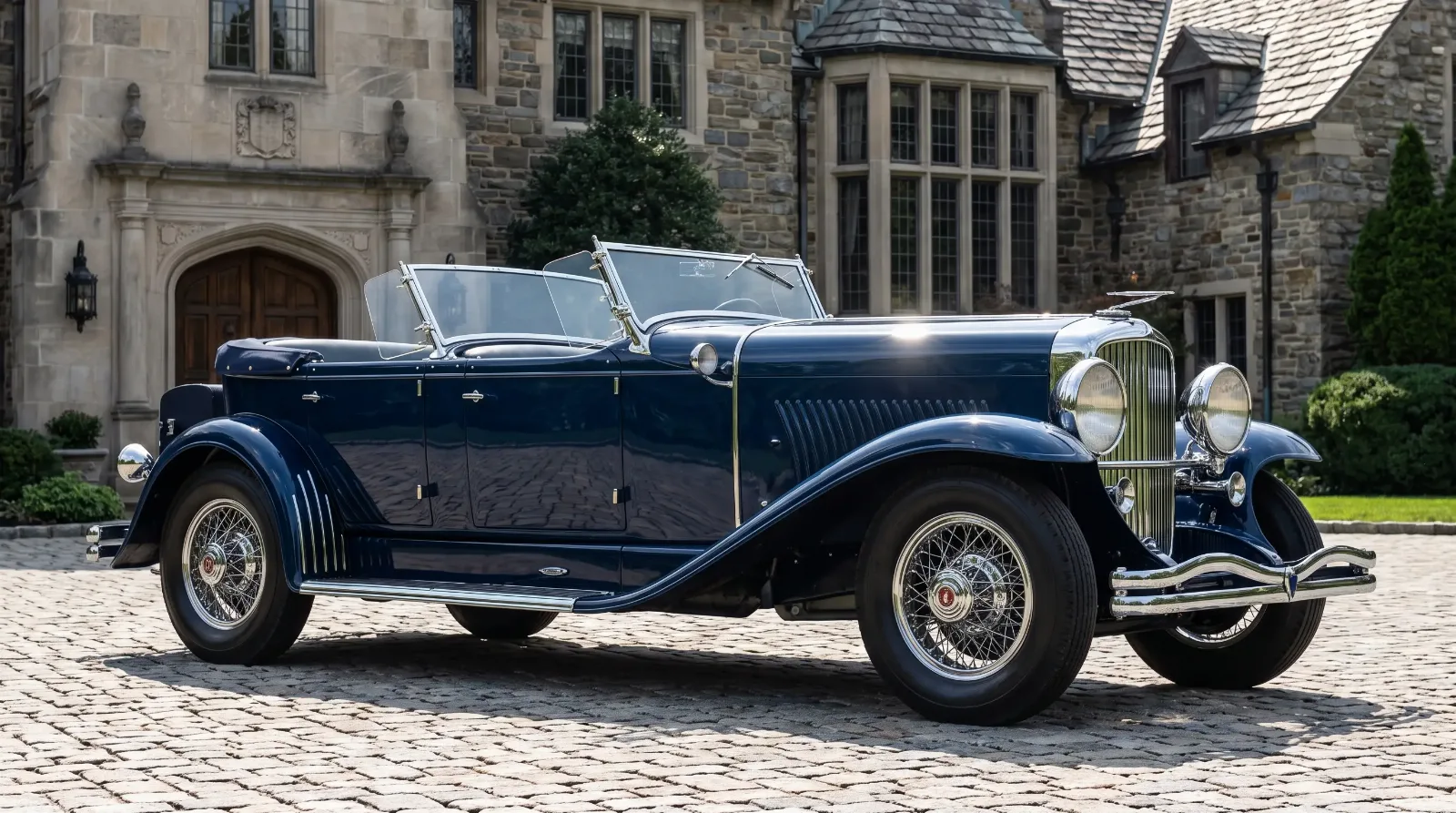
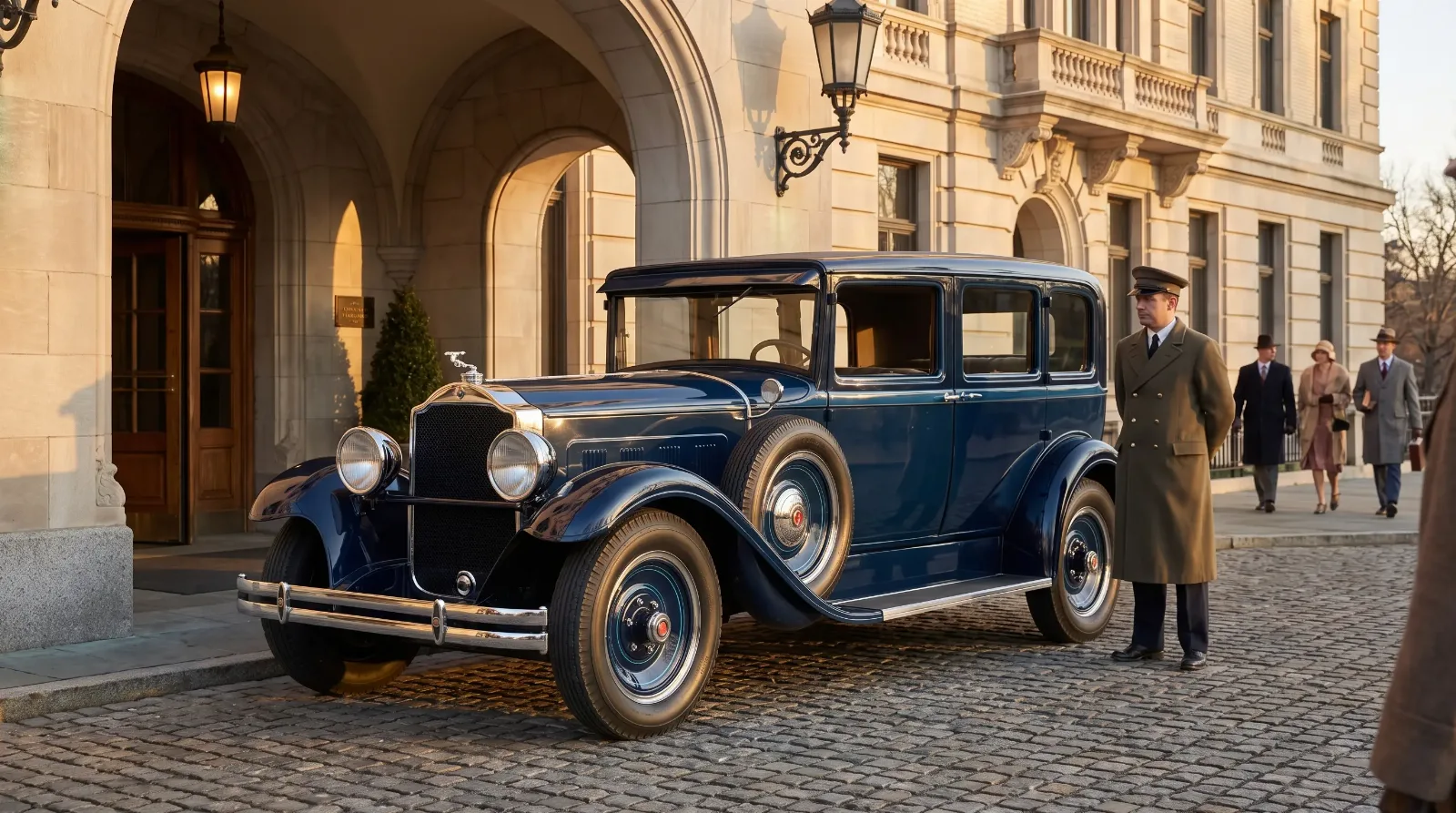
The 1920s car market stretched further than any before it. At the bottom were the Model T and Model A and the low-priced Chevrolet, cars built for the family that had never owned one. At the top were machines of real grandeur. Packard, Pierce-Arrow, Lincoln, and Cadillac built large, powerful, beautifully finished cars, and the wealthiest buyers went a step beyond and ordered custom bodies from independent coachbuilders.
Between those poles sat a broad middle market of solid, well-equipped cars from names both famous and long forgotten. The decade's prosperity supported dozens of makers, though the coming Depression would thin the field brutally. Many marques that seemed secure in 1928 were gone within a few years.
This middle ground is where much of the decade's real character lives. A mid-1920s Buick, Dodge, or Studebaker was the car a rising family actually bought, roomy enough for children, respectable enough for church, and built well enough to last. These are the cars that filled driveways and church parking lots, and they survive in enough numbers that a collector today can still find and enjoy one without a fortune.
Collecting 1920s cars today
For a new collector, 1920s cars offer a rare combination: real antique character with, in the case of the most common models, strong parts support and an active community. A Ford Model T or Model A is about the most approachable pre-war car you can own, with reproduction parts widely available and clubs in nearly every region. Step up to a mid-decade closed car from a marque like Dodge, Buick, or Studebaker and you get more comfort and presence for a still-reasonable outlay.
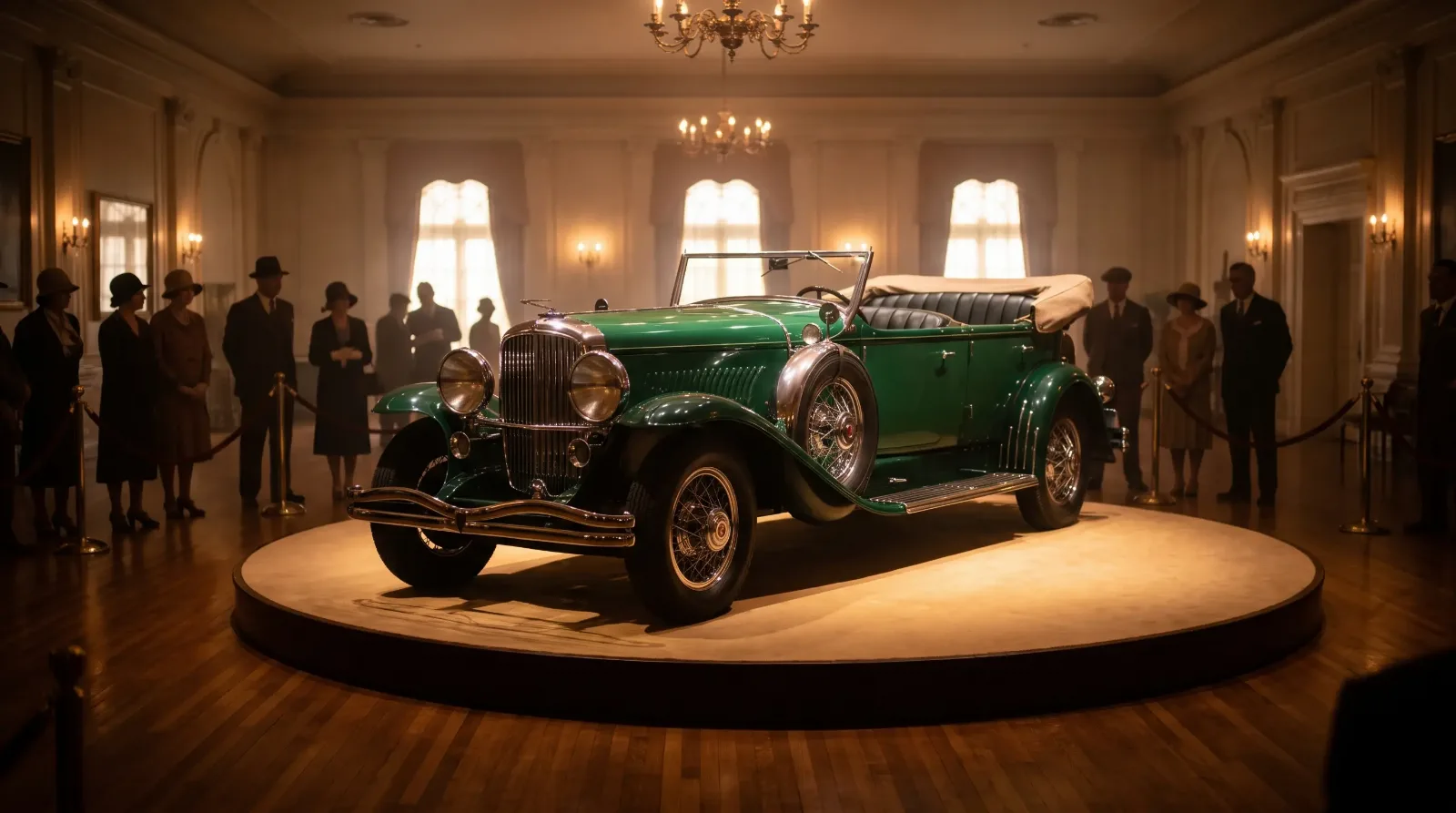
The luxury end is another world. Coachbuilt cars from the finest 1920s makers are serious collector pieces, valued on originality, documentation, and the quality of the body as much as the badge. Wherever you look in this decade, condition and honesty of the car matter more than a shiny respray. If you want to see what survives and what it takes to own one, you can browse antique cars on the market and study how sellers describe each car's history.
The decade also sets up everything that follows. The closed bodies, the styling competition, and the yearly model change all point straight at the design explosion of the next ten years. To see where the road leads, continue the era into the streamlined 1930s, when the ideas planted in the Twenties bloomed into the golden age of pre-war style.
The couple in that closed Ford outside Chicago did not know they were living through a turning point. They were just going for a drive on a Saturday, the way anyone might. That is exactly the measure of how completely the 1920s changed things. The car had become ordinary, and ordinary was the whole revolution.
Sources and notes
Related Reading
Article
Pre-War Classic Cars: The Golden Age of the American Automobile (1900-1942)
Article
1930s Cars: Streamline Style Through the Depression Era
Article
Antique Car Valuation & Restoration: Authenticating and Preserving History
Article
Ford Model T: The Car That Put America on Wheels
Article
How Art Deco Shaped 1920s Car Design
Article
The Rise of the Straight-Eight Engine
Article
Balloon Tires: The 1920s Ride Revolution
Article
Four-Wheel Brakes: The Great 1920s Safety Leap
Article
Dual-Cowl Phaetons: The Ultimate Status Symbol
Article
Rumble Seats: The 1920s Design Craze
Article
Hood Ornaments & Radiator Mascots
Article
Closed Sedans Overtake Open Roadsters
Article
The Most Expensive Cars of the Roaring Twenties
Article
Luxury Cars of the Roaring Twenties
Article
The Affordable Cars That Motorized America
Article
Prohibition-Era Cars and the Rum-Runners
Article
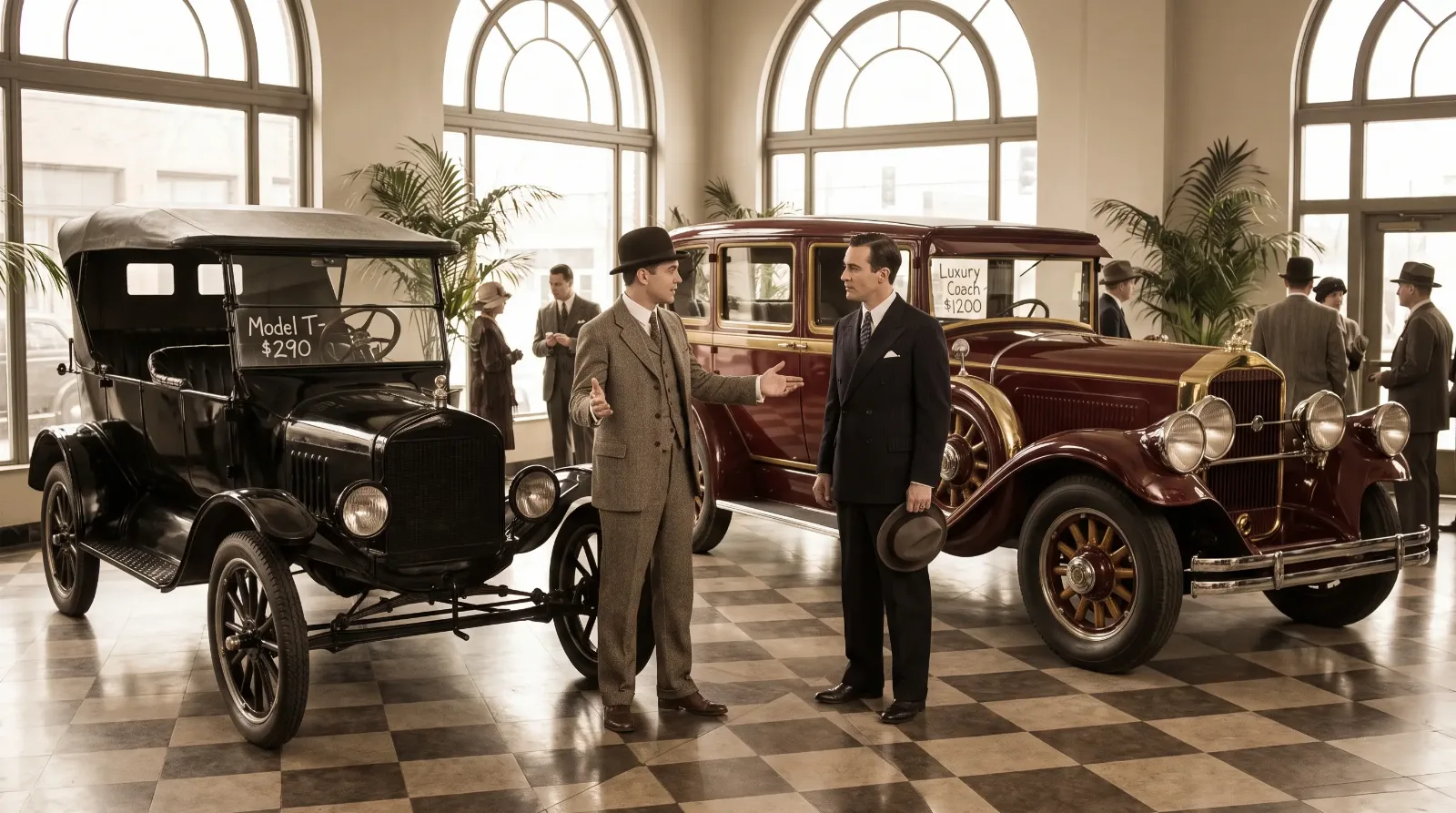
What a New Car Cost in the 1920s
Article
From Nickel to Chrome: Late-1920s Trim
Article
The Legendary Grand Prix Races of the 1920s
Have a
Classic Car
for Sale?
Reach thousands of serious classic car collectors across the US.
Sell It Here →
Are You a Classic Car Dealer?
List your full inventory and connect with targeted classic car buyers.
Join as a Dealer →

About the author
Patrick Walsh
Automotive journalist covering classic car shows, events, and the enthusiast community across North America.




Comments
Be the first to comment on this article.