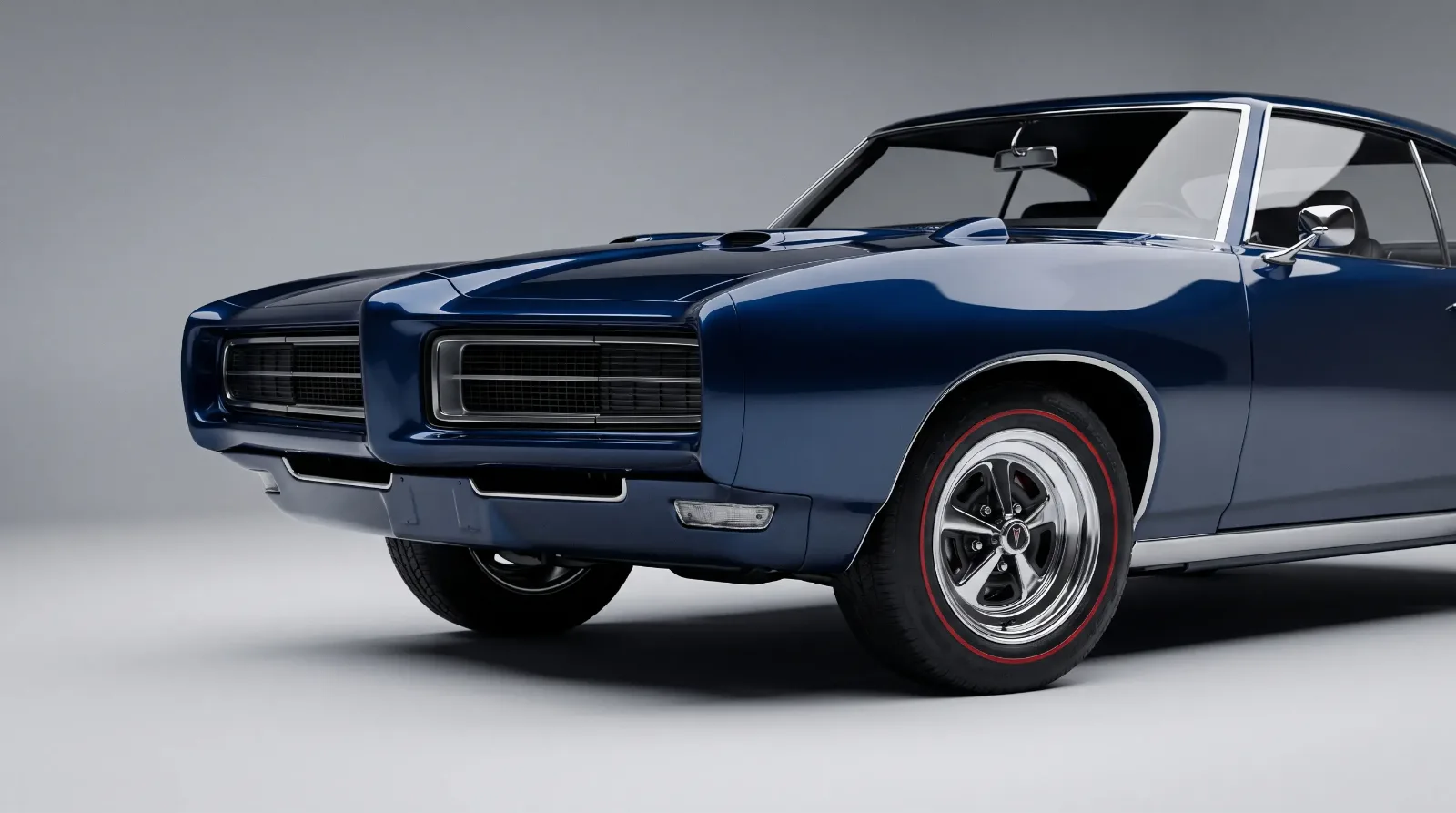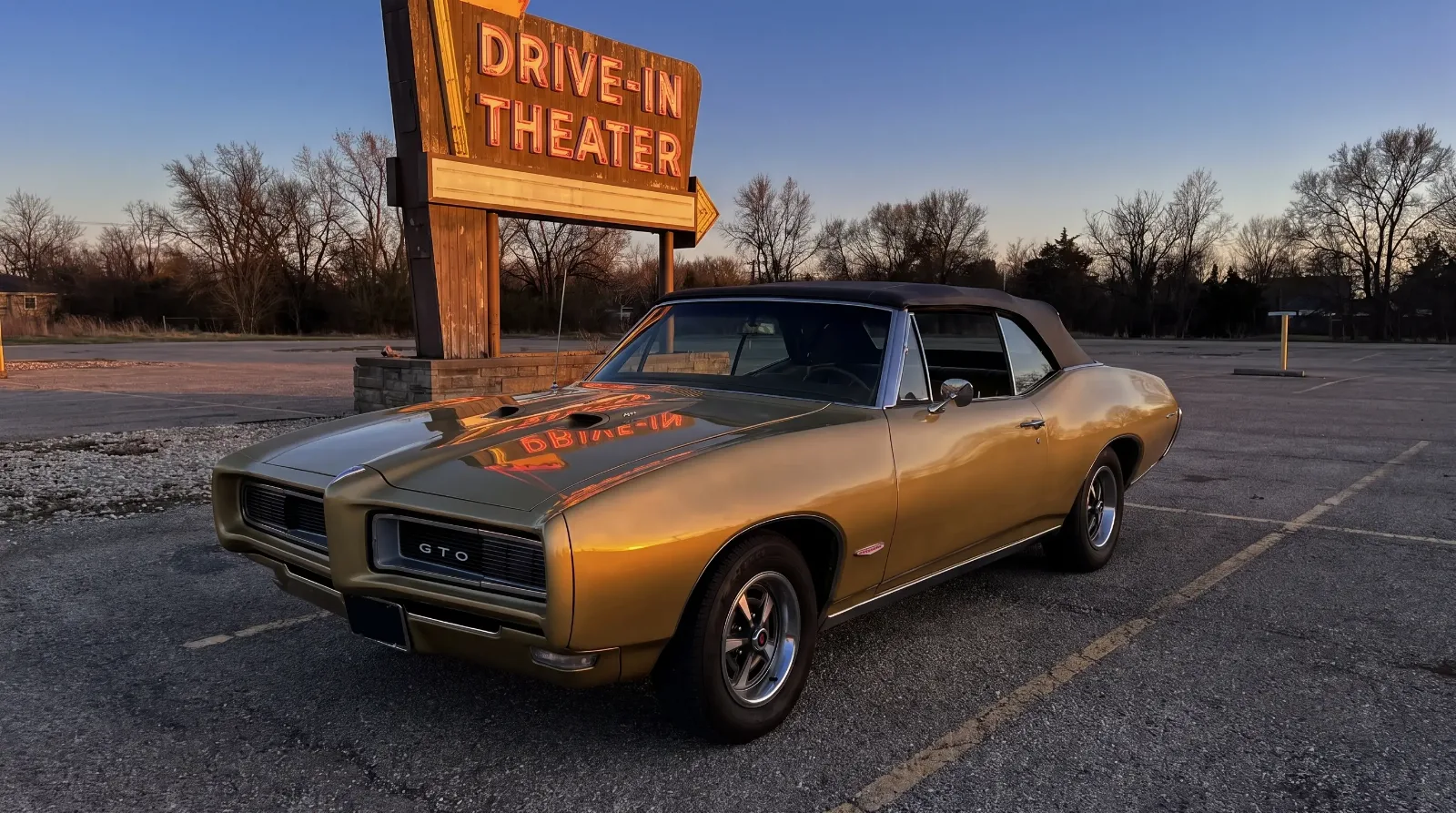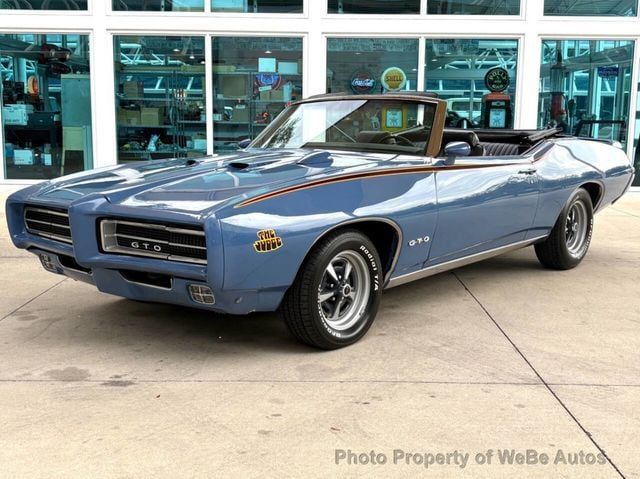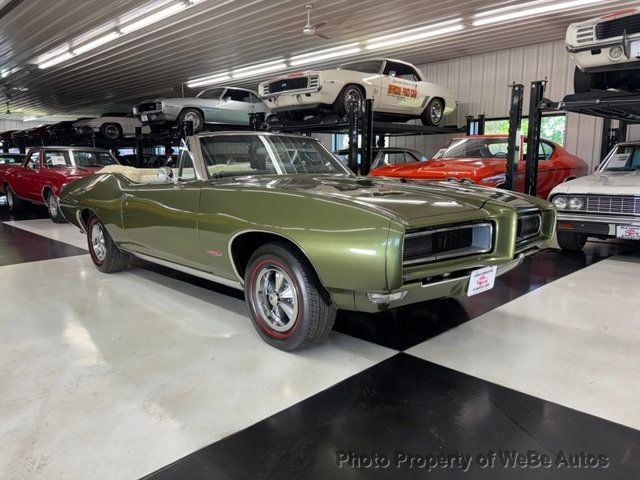
Ask a handful of longtime GTO owners which model year they'd actually want to own, not collect, not stare at in a museum, but actually drive, and 1969 comes up more than any other single year. I've heard the case made a dozen different ways over the years, but it usually comes down to the same core idea: 1969 is the year Pontiac had worked all the bugs out of the redesign it introduced the year before, without yet piling on the extra weight and complexity that would start creeping in as the decade closed out.
The 1969 car carried forward everything that made the Endura nose years distinctive, the color-keyed front end, the available hidden headlights, the 400 cubic inch V8 with its range of Ram Air options, but it did it with a year of production experience behind it. Early-build quirks that showed up on some 1968 cars had largely been sorted out.
What The Judge added to the conversation
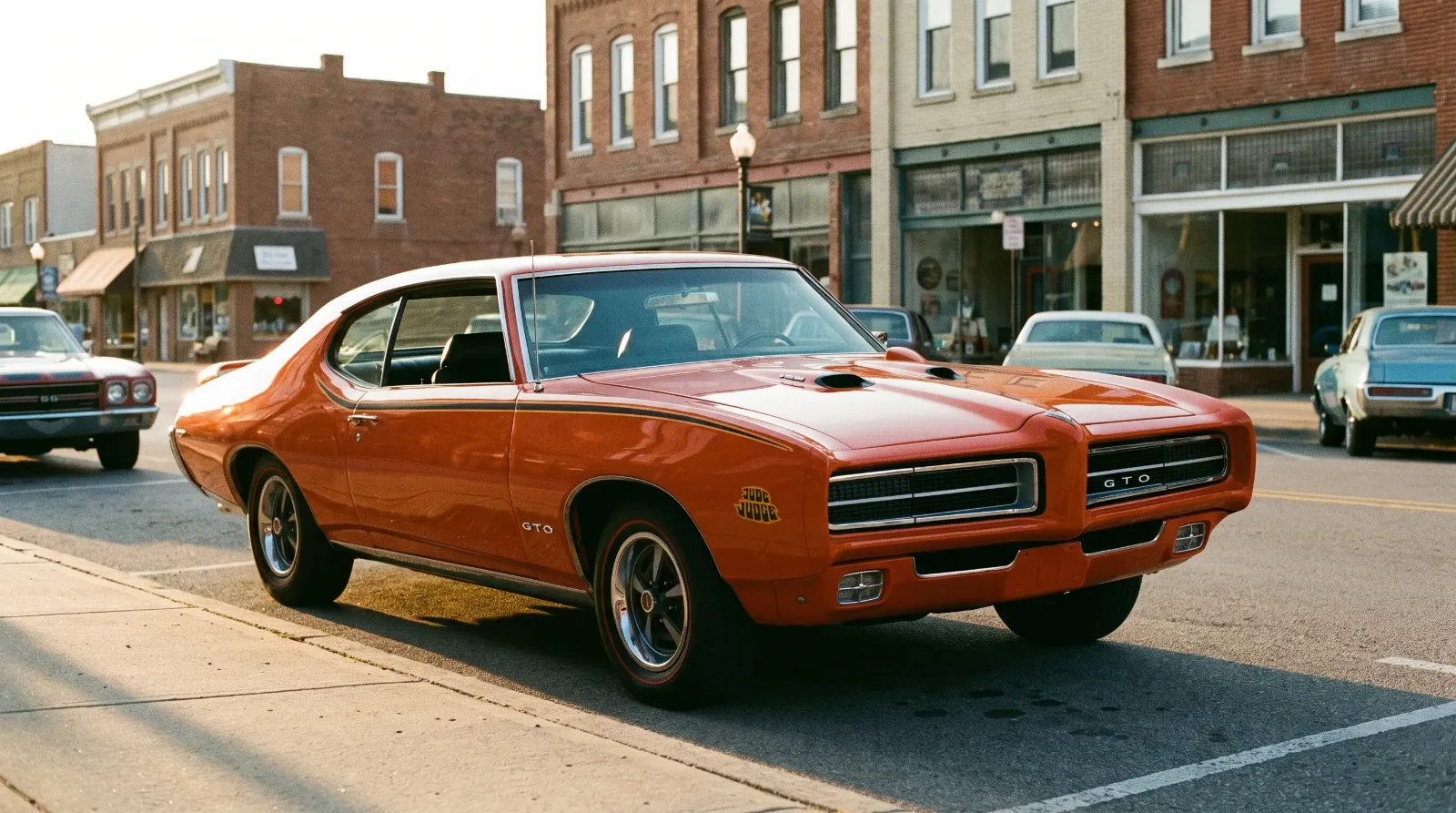
1969 is also the year The Judge arrived mid-model-year, and it's hard to overstate how much that package changed the GTO's public identity, even for buyers who never ordered one. The Judge brought bold graphics, a rear spoiler, and a marketing campaign built around standing out rather than blending in, and it gave the whole 1969 lineup a cultural energy that carried well beyond the relatively modest number of Judges Pontiac actually built. Even a base 1969 GTO benefits from that halo effect now, because the model year is remembered as the one where Pontiac leaned hardest into performance-car theater.
Pontiac built 6,833 Judges for 1969, only 108 of them convertibles, and Carousel Red was the exclusive launch color for roughly the first 2,000 cars before other colors opened up mid-year, so a Judge in a different color from that early run isn't unusual, just later production.
The options that make a 1969 GTO worth chasing
Beyond the engine and the Judge package, the option sheet on a 1969 GTO is where a lot of the car's personality actually gets decided. Rally II wheels dress a car up without shouting about it, and they've become almost synonymous with the era in a way steel wheels with hubcaps never will be. The hood-mounted tachometer, positioned right in the driver's sightline instead of buried in the dash, is one of those details that photographs well and works even better in person, letting a driver watch RPM without dropping their eyes off the road ahead. A console-shifted automatic or a Hurst-shifted manual both show up often enough on surviving cars that neither one should surprise a shopper, but the combination of options on a specific build sheet is what separates a lightly equipped 1969 GTO from one that was ordered by someone who understood exactly what they wanted.
None of these options change the fundamentals of what makes the year good to drive, but they're the difference between a GTO that feels generic and one that feels like it was speced by somebody who cared. When two 1969 cars are otherwise comparable on condition and mechanical soundness, the one with the more complete, more deliberate option list is almost always the one worth the extra money.
Why the driving experience wins people over
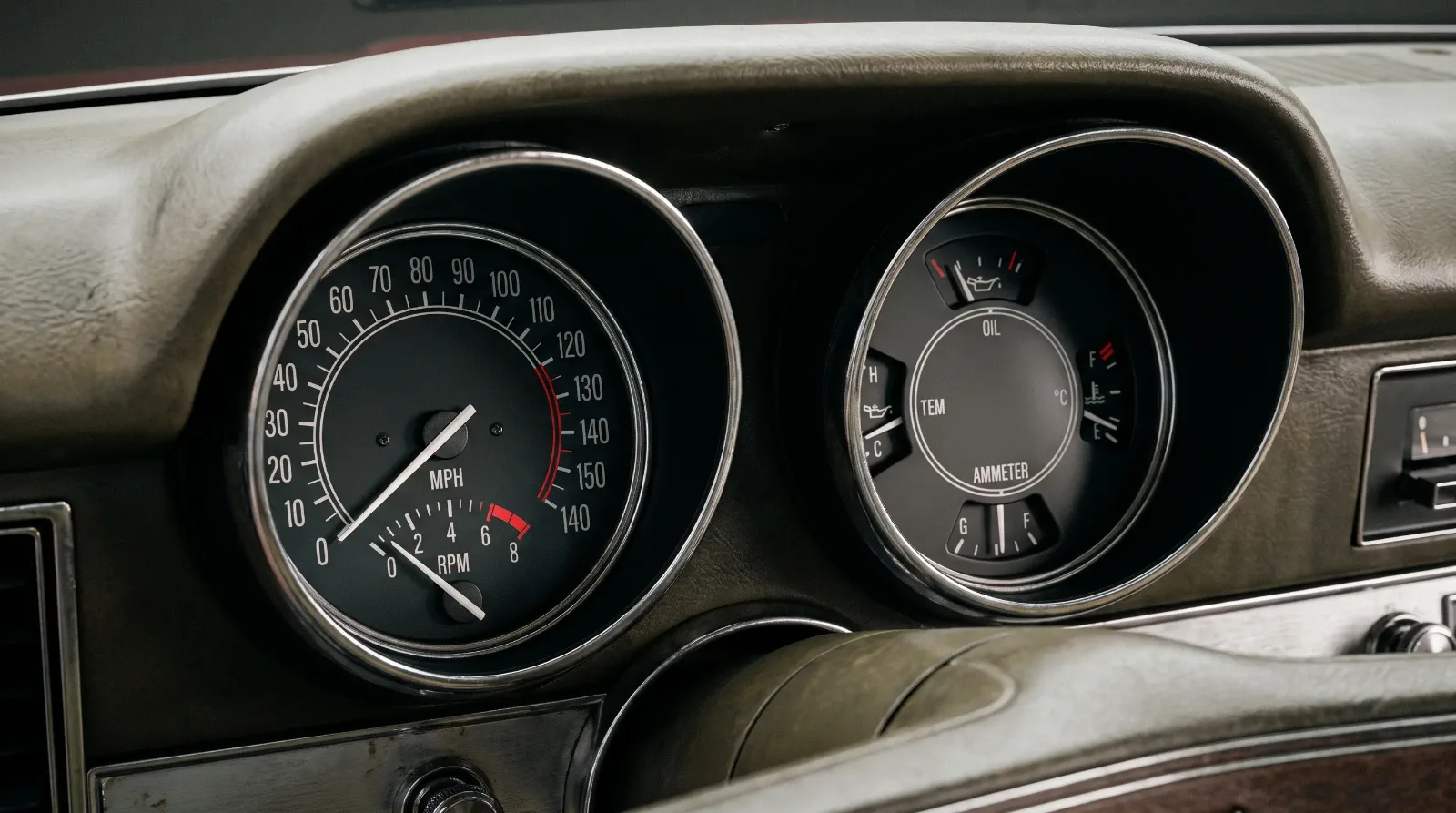
Get behind the wheel of a well-sorted 1969 GTO and the thing that stands out isn't any single spec. It's how the whole package comes together. The chassis updates from the '68 redesign had a full model year to mature. The 400 in its various Ram Air states of tune pulls hard without feeling like it's fighting the rest of the car. And the interior, with the available Rally gauge cluster, gives the driver a dashboard that actually looks like it belongs in a serious performance car rather than a dressed-up family sedan.
The Rally gauge cluster deserves its own attention, because it's one of those options that separates a GTO that was ordered to be driven hard from one that was ordered to look the part in the driveway. Read on for the full story on what that instrumentation option actually gave the driver.
"I've driven plenty of GTOs from every year they made them, and the '69 is the one I keep coming back to when someone asks me which one to buy if they only get one. It's not the fastest on paper. It's the one that feels the most sorted, like Pontiac finally got everything talking to each other the way it was supposed to."
— Mike Sullivan
Living with one day to day
A lot of GTO shopping advice focuses on the numbers on paper, the option codes, the horsepower ratings, and skips right past what it's actually like to own the car week to week. A sorted 1969 GTO isn't a fussy classic. The 400 starts easily, idles reasonably well by muscle car standards, and doesn't demand the constant fiddling some earlier, less-developed performance engines do. Parts availability is genuinely good for the mechanical items, thanks to how many of these cars survived and how active the restoration parts industry around the GTO has become. Where owners run into trouble is usually with trim, glass, and interior pieces specific to the '69, not the drivetrain, so budget accordingly if you're buying a car that needs cosmetic work rather than mechanical sorting.
The other thing worth knowing before you commit is that a well-maintained 1969 GTO tolerates being driven the way an owner actually wants to drive it. It isn't a trailer queen by design. Pontiac built this car to be used hard, and a properly sorted example still delivers on that intent decades later.
What to watch for when you're shopping one
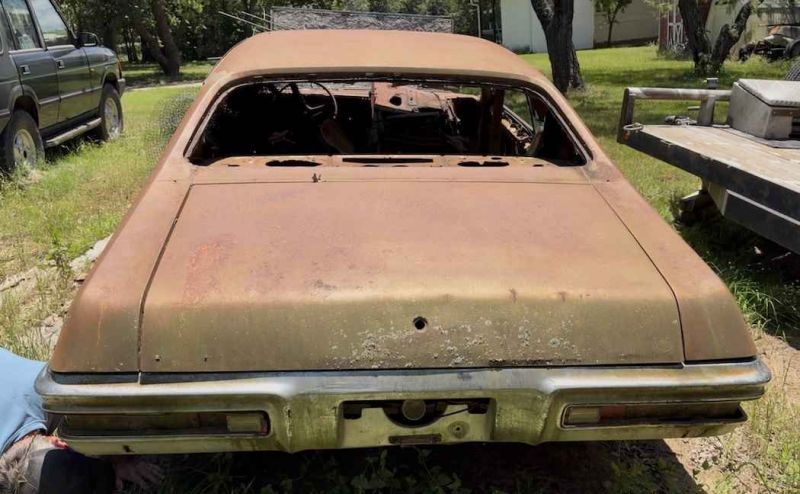
Popularity has a cost. Because 1969 GTOs, and Judges especially, carry strong values, they're also among the most commonly cloned or re-created cars in the whole muscle car world. A base GTO dressed up with Judge graphics and badging is not a Judge, and the difference matters enormously to value and to honesty in a sale. Verify build sheets, PHS documentation, and cowl tag codes before you trust any seller's claim about which options a specific 1969 car actually left the factory with. The desirability that makes 1969 the enthusiast's favorite is the same desirability that attracts the fakes.
The bottom line on this model year
None of this is to say 1968 is a lesser car. It isn't. But if you're weighing years against each other and you actually plan to drive the thing, 1969 earns its reputation honestly. It's the GTO at the point where the Endura-era formula was fully dialed in. For the fuller arc of how the nameplate got to this point, from the original 1964 option package forward, see Classic Cars Arena's GTO story.