
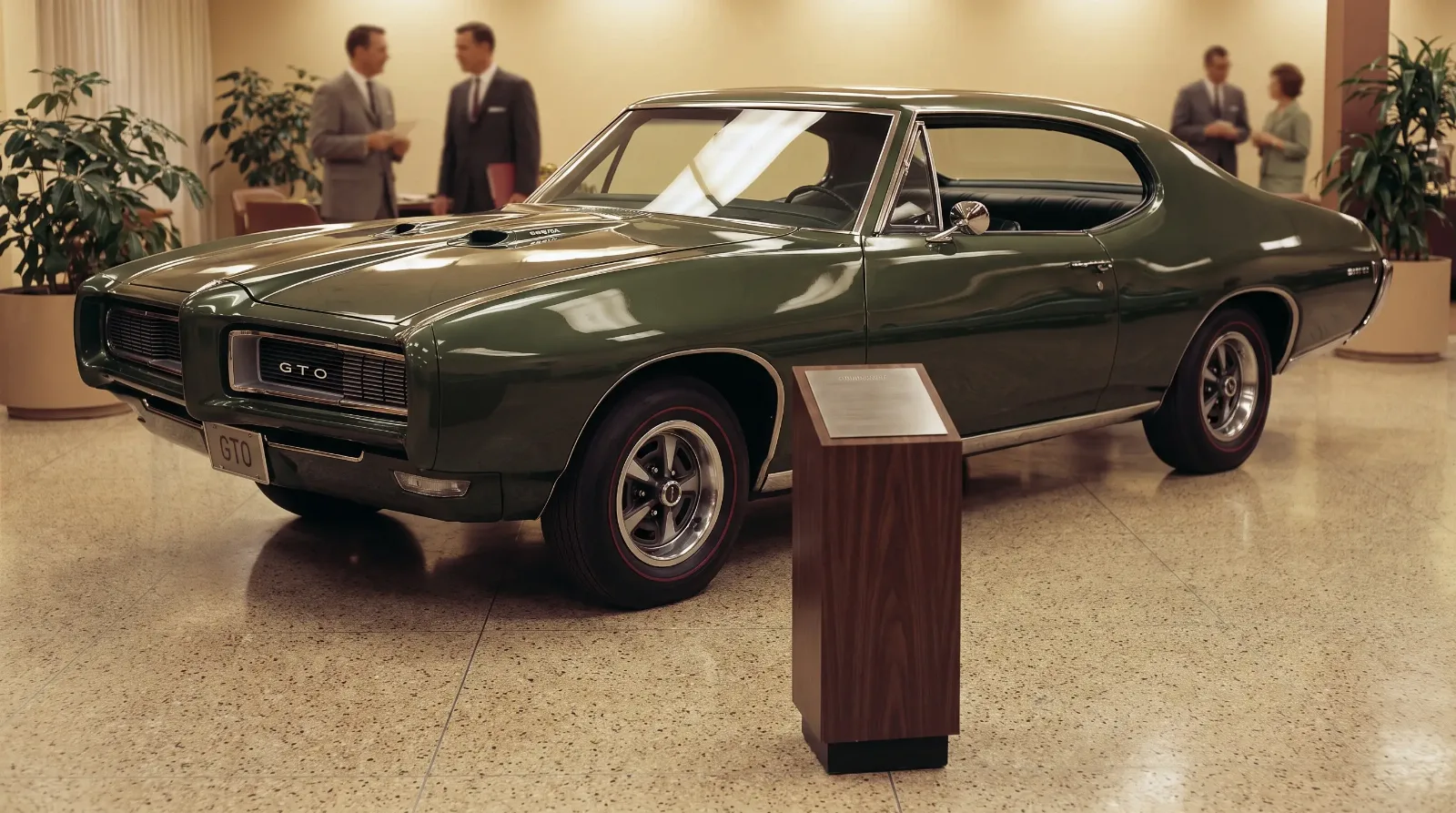
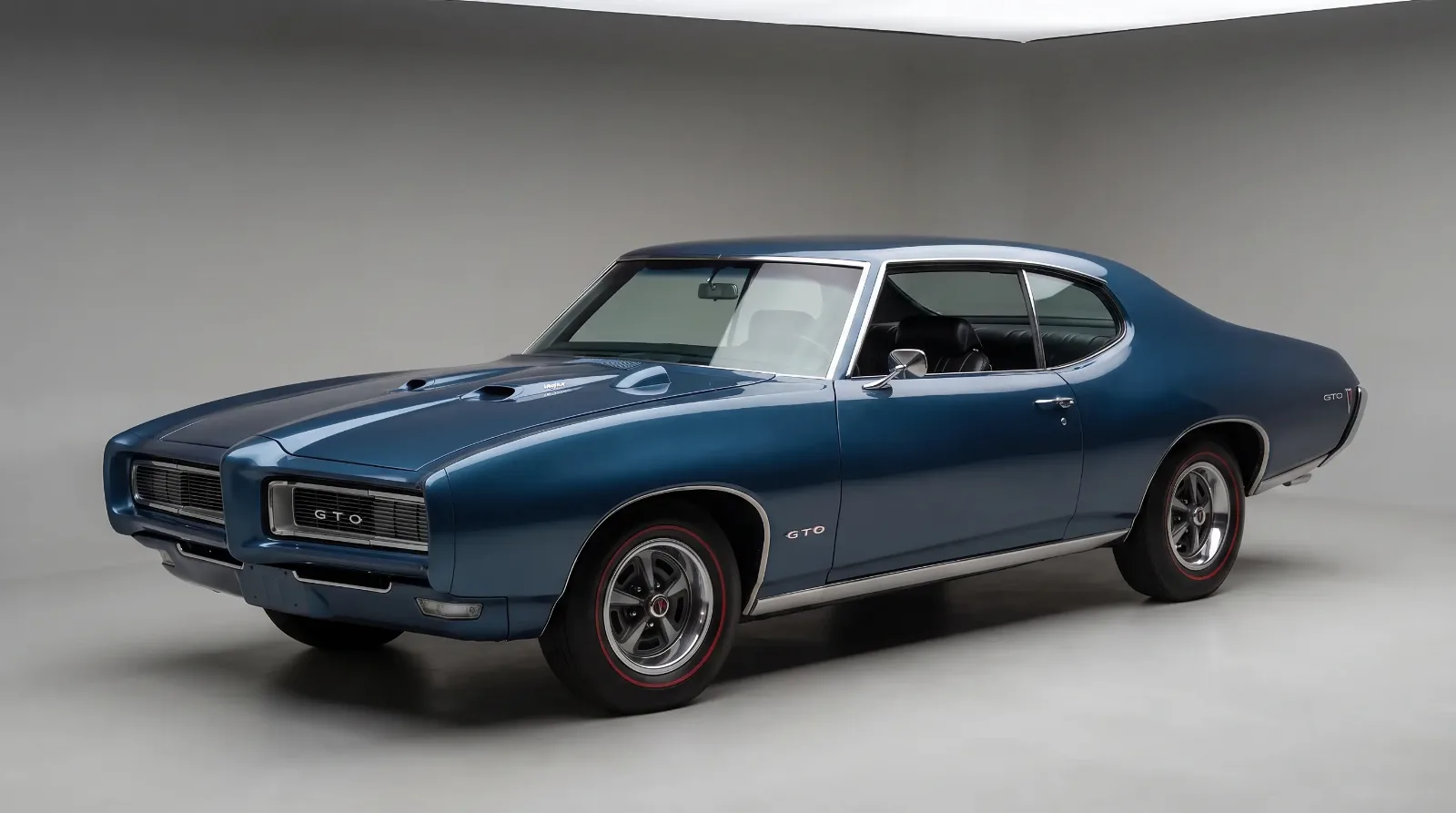
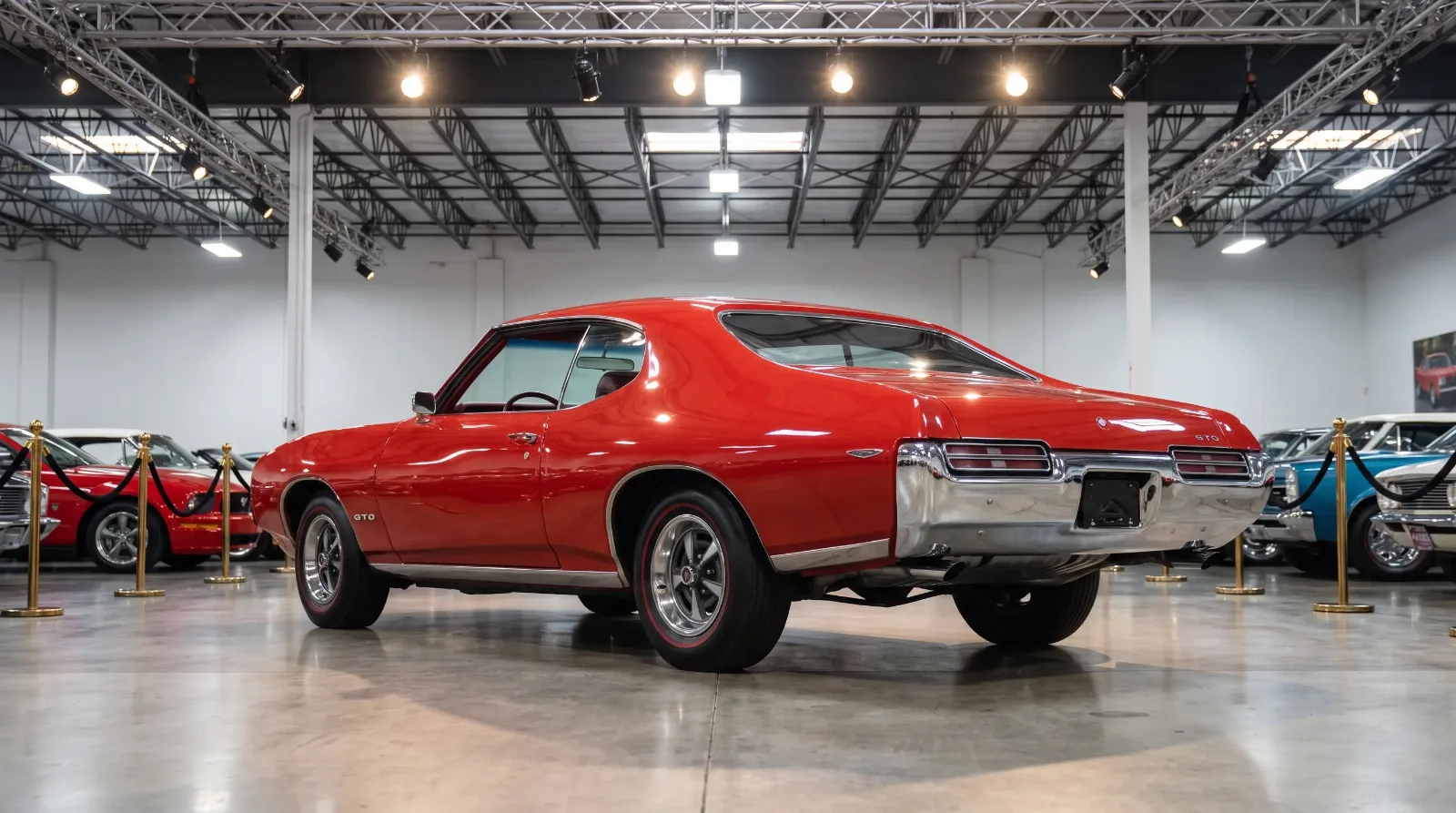
If you back me into a corner and make me pick the best-looking GTO, I land on a 1968 or 1969 car with hidden headlights and a clean Endura nose. It is the moment the styling and the muscle lined up perfectly, before the cars got heavy and before the engines got choked. These are also the cars I most like having up on the lift, because they are still simple enough to work on with hand tools and a Saturday, and because the one big new thing on them, that rubber front bumper, is exactly the kind of clever idea that ages in interesting ways.
Car Features
9 min read
1968-1969 Pontiac GTO: The Endura Nose and the Hidden-Headlight Peak
The 1968-1969 Pontiac GTO paired the new Endura nose and hidden headlights with strong Ram Air 400s, the styling and muscle peak of the run.
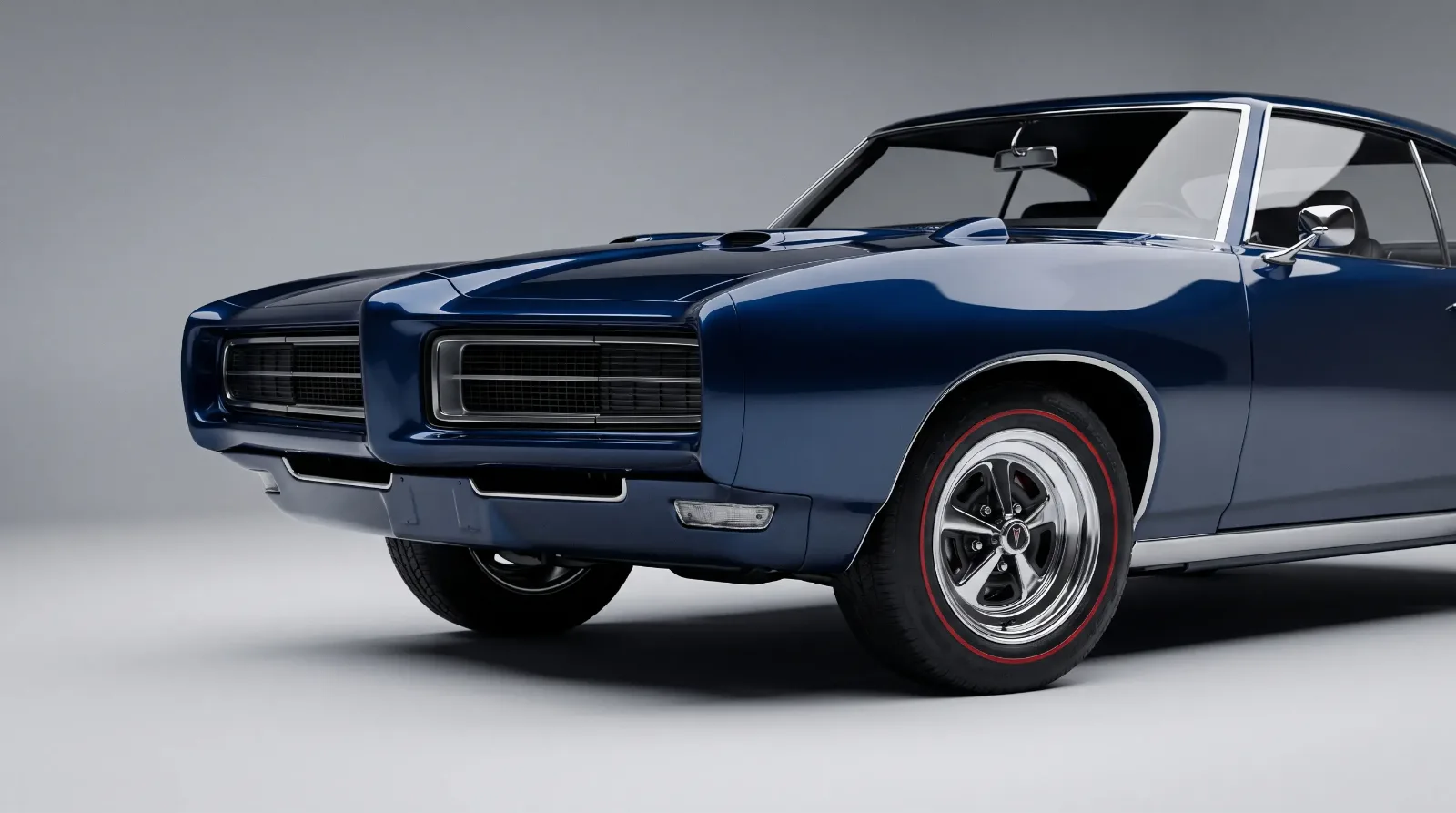
For 1968 Pontiac gave the GTO a shorter wheelbase, a rounder body, and a front bumper you could hit with a hammer. Here is what that generation was actually like, and what to watch for if you buy one. For the wider arc, there is the Pontiac GTO history.
The Endura nose, and why it mattered
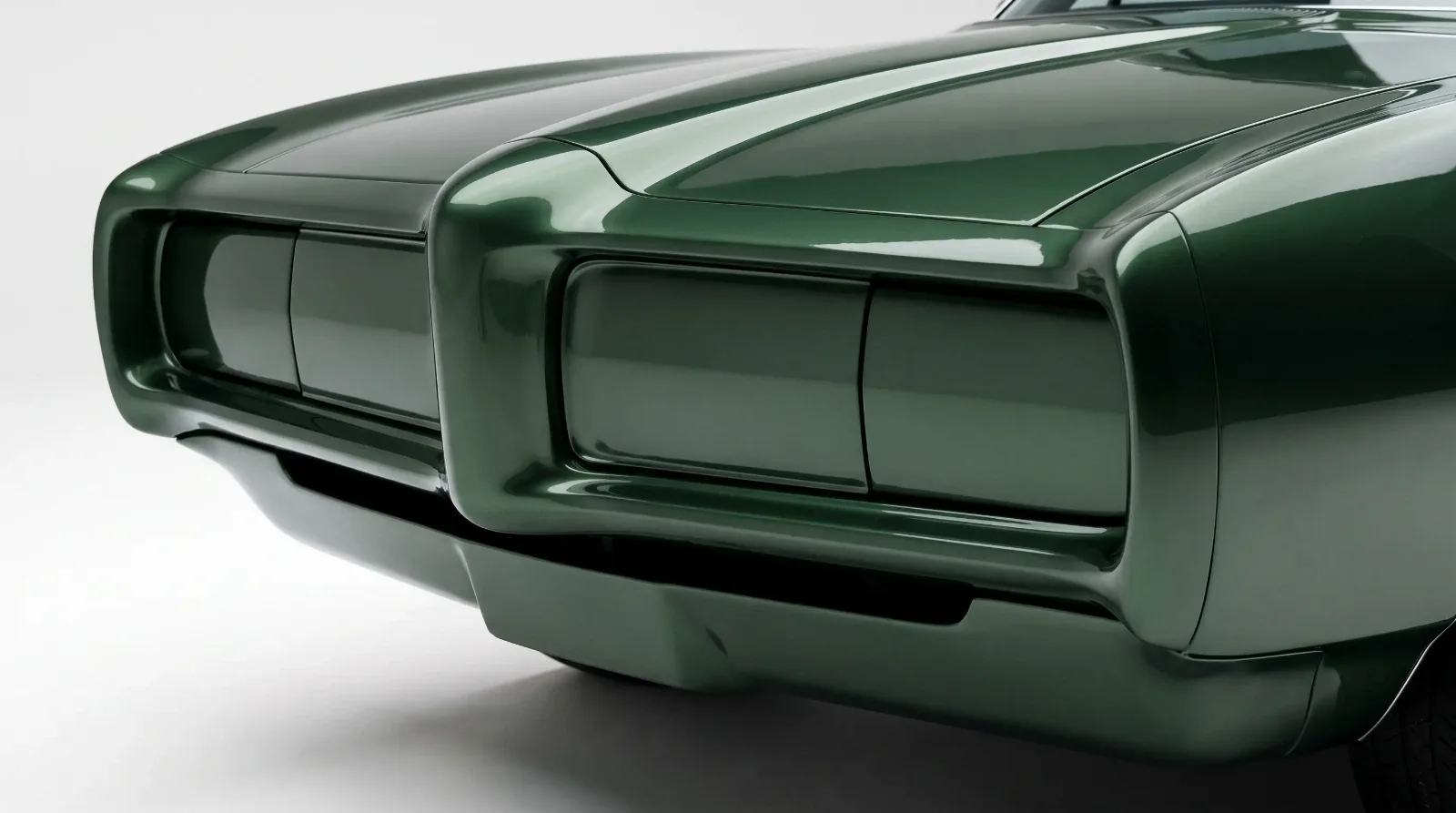
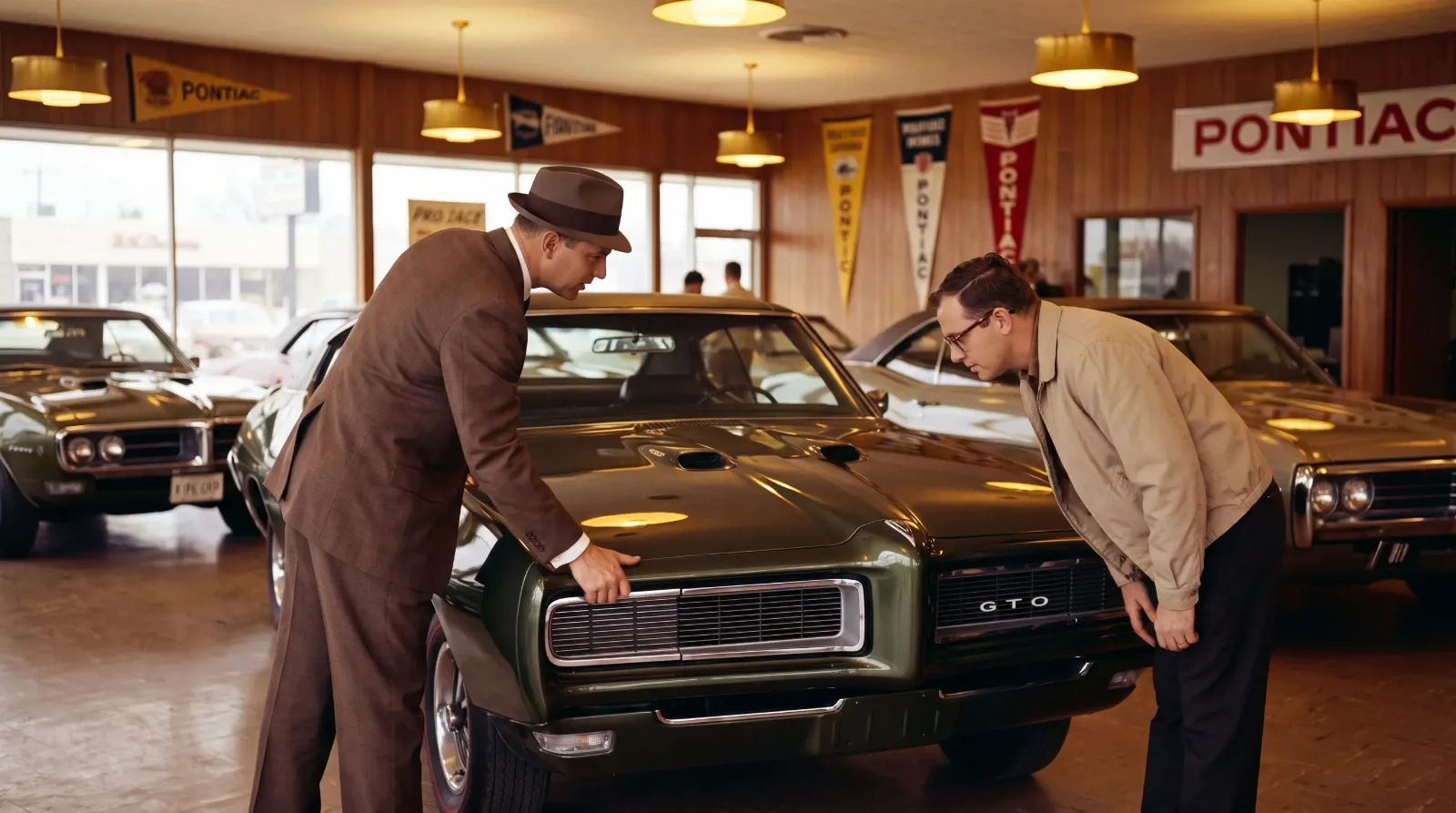
The headline of 1968 is the Endura front bumper. Instead of a chrome bar, the GTO got a body-color molded nose over a steel structure, made of a flexible material that could absorb a low-speed knock and return to shape. Pontiac's advertising leaned into it hard, including a famous demonstration of someone beating on the nose without denting it. It gave the car a seamless, color-matched face that looked far more modern than the chrome-bumpered competition.
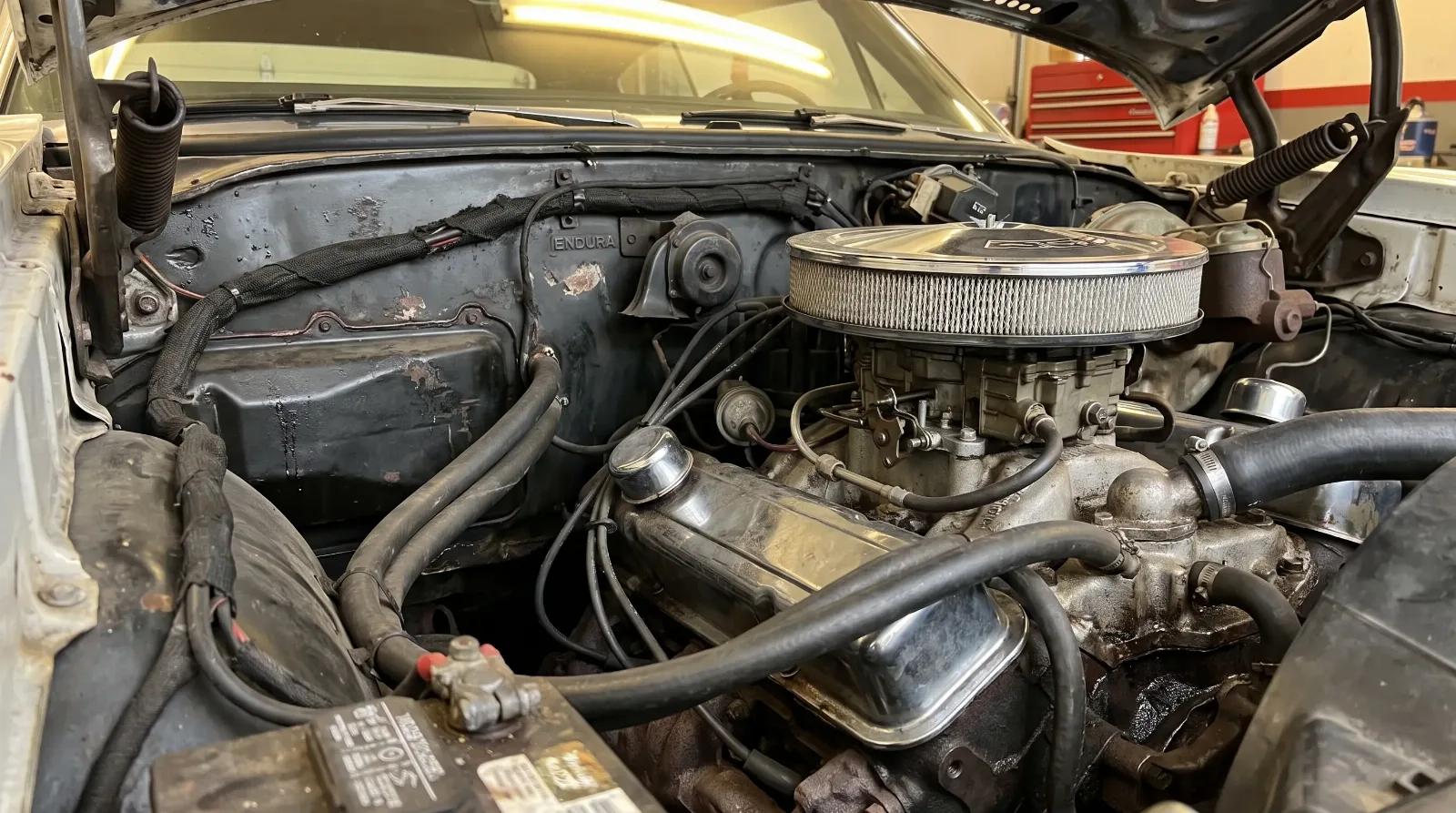
From a wrench's point of view the Endura nose is a mixed bag today. The material can sag, crack, or check with age, sun, and hard use. A correct replacement nose for a car that needs one is expensive, and a poor repair shows up as a droop or a paint mismatch between the nose and the fenders. It is the first thing I look at on one of these cars. A nose that lines up clean and matches the body has usually been cared for. One that sags tells you the car sat outside or took a hit.
"The Endura bumper was a genuinely smart piece of engineering for 1968, but time is hard on it. When I look at one of these cars, the front nose tells me most of what I need to know before I ever open the hood."
Mike Sullivan
Hidden headlights: the detail people chase
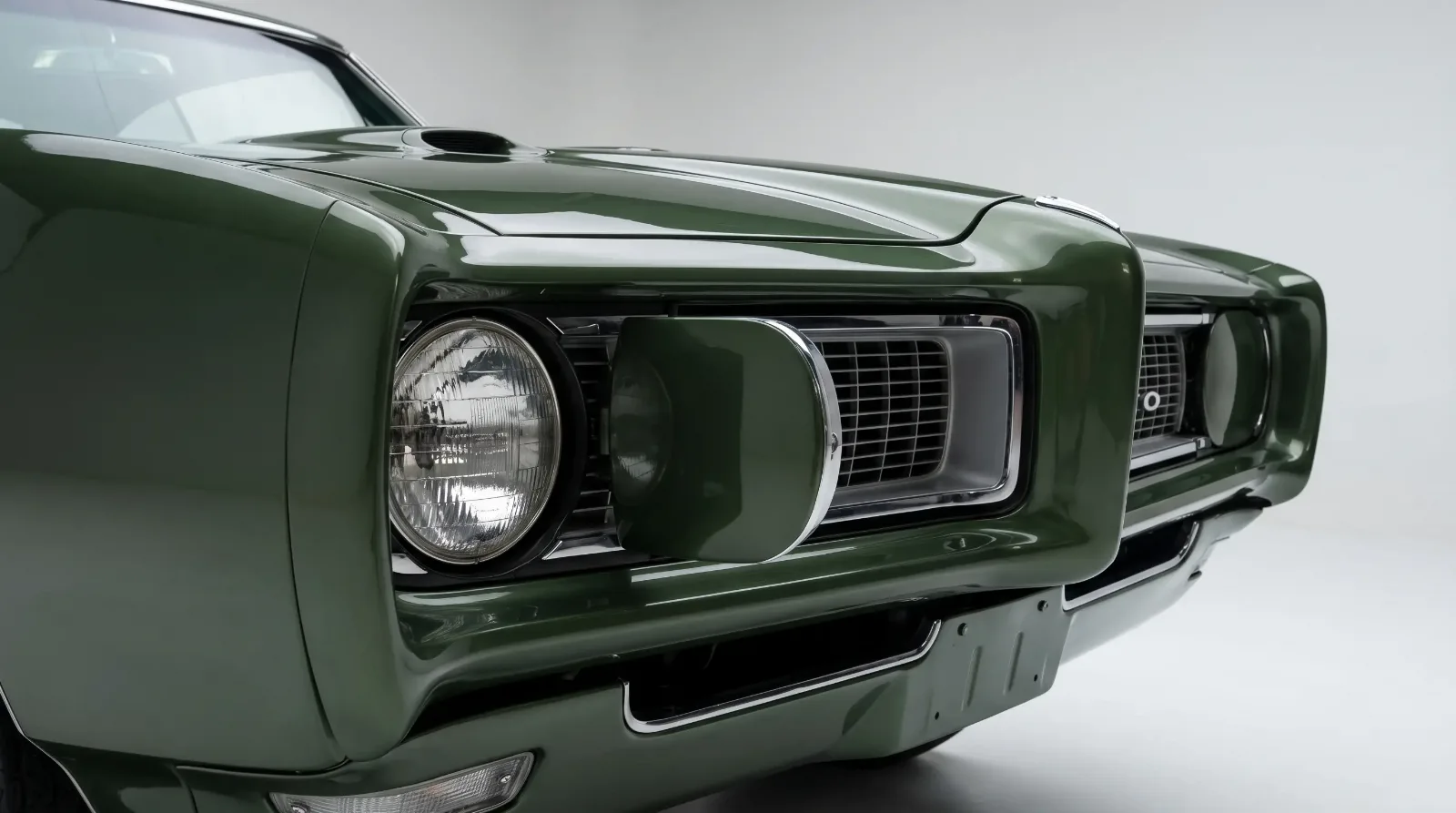
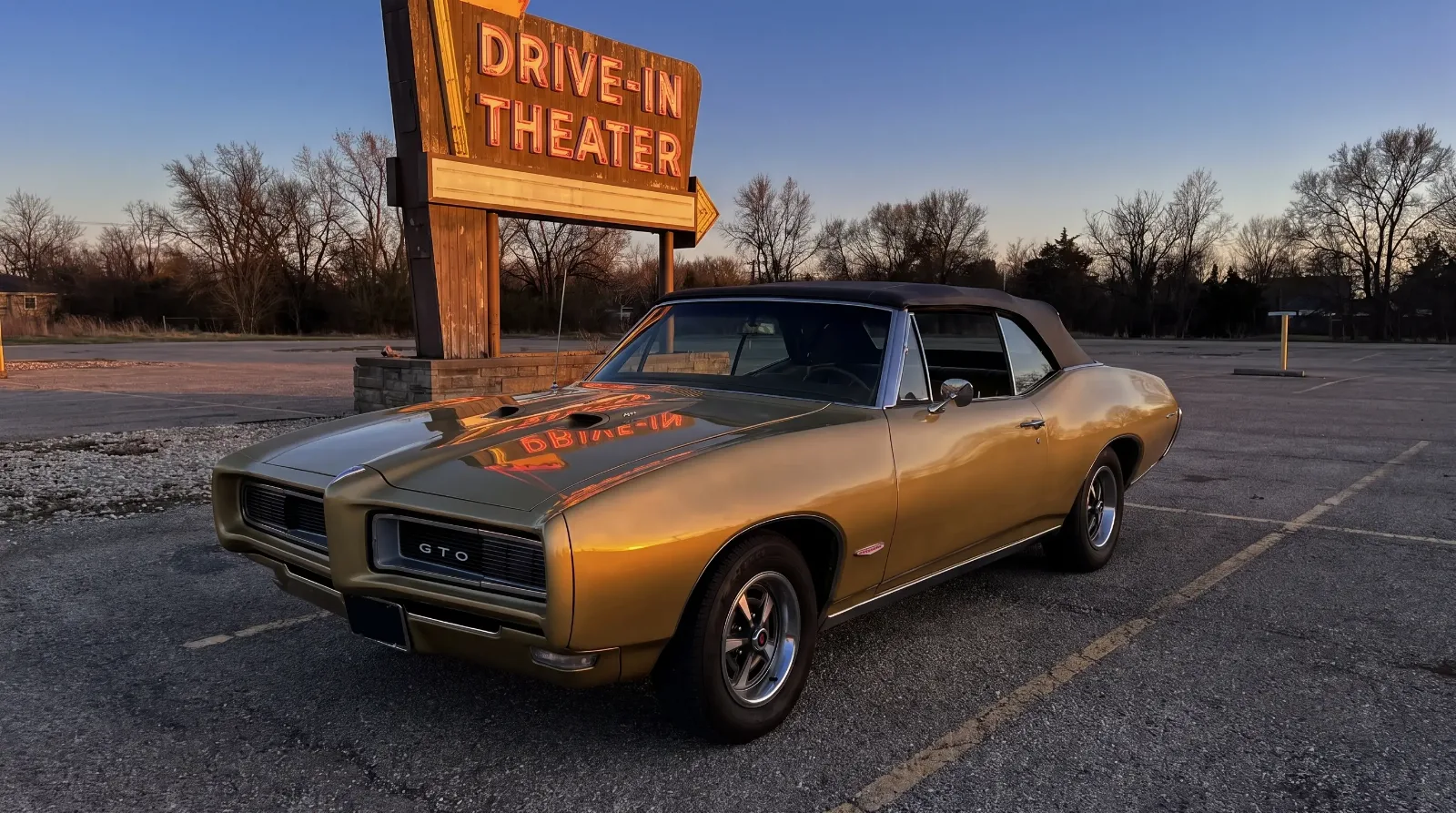
Hidden headlights were optional on these cars, tucking the lamps behind vacuum-operated doors in the grille for an even cleaner face when they were closed. They are the detail collectors chase now, and they are also a maintenance item worth understanding. The doors run on vacuum, and the system uses hoses, actuators, and a reservoir that all age. When they stop working it is almost always a vacuum leak or a tired actuator rather than anything dramatic. Parts are available and it is a fixable system, but a car with hidden headlights that do not open is telling you the vacuum plumbing needs attention.
What was under the hood
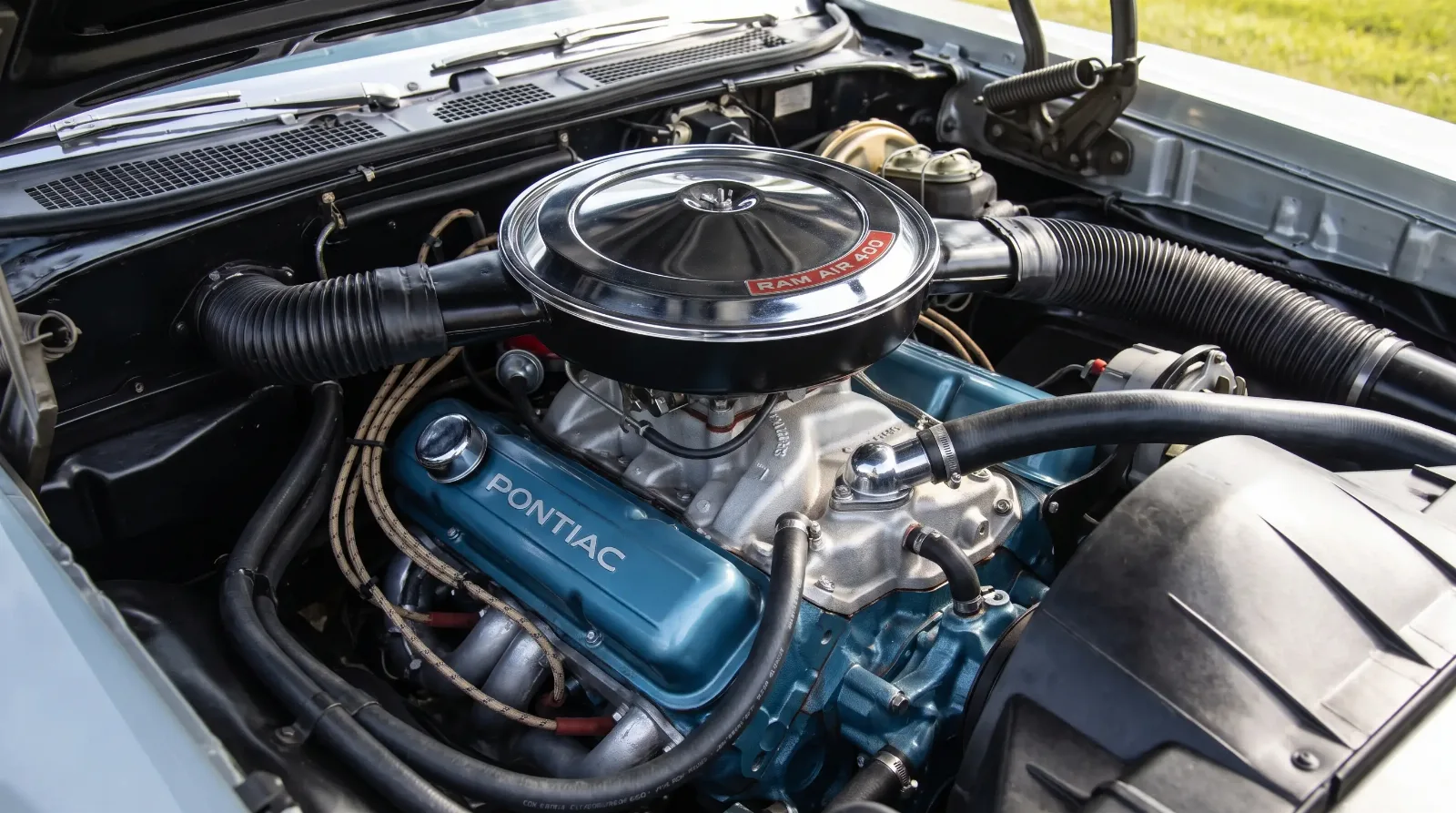
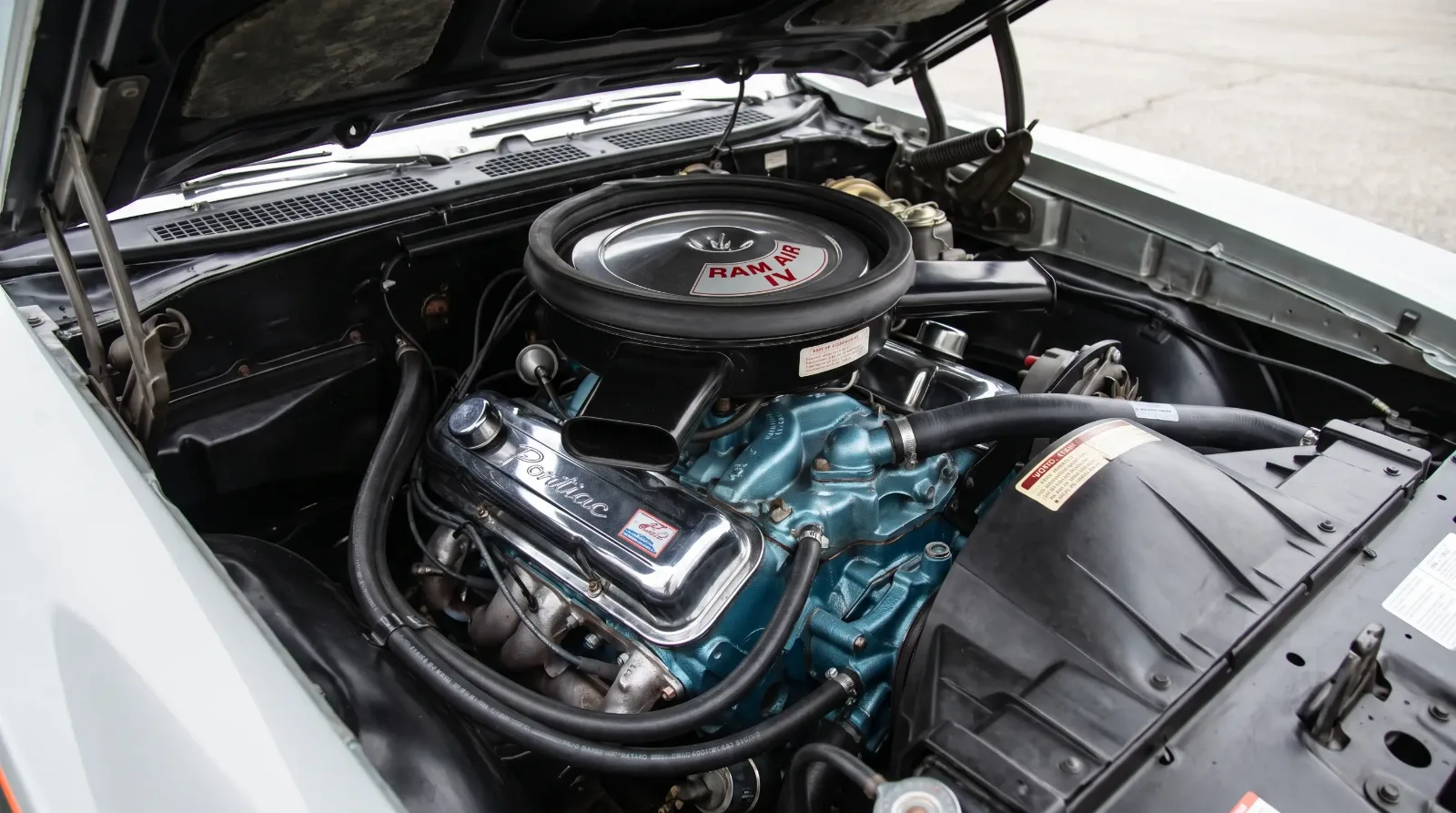
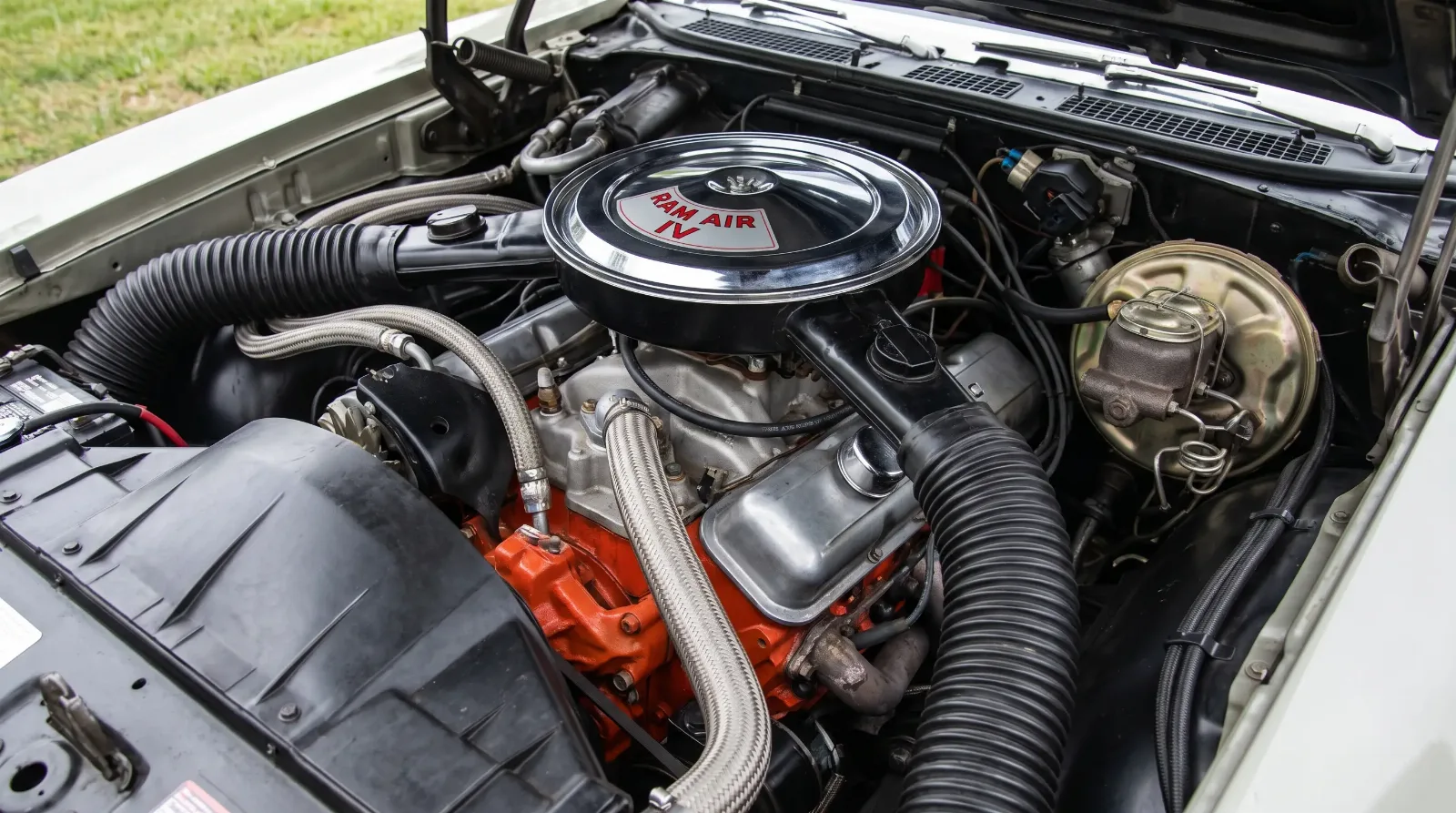
The engine of this generation is the 400 cubic inch V8, offered in several tunes from an economy version up through the high-output and Ram Air setups. This is where the Ram Air name gets important. Pontiac offered functional cold-air induction on the top engines, and the Ram Air packages evolved through this period, culminating in the Ram Air IV for 1969. These are the hot engines, and they carry the biggest premiums today.
Rated outputs run 350 gross hp for the standard four-barrel 400, 366 hp for the 1969 Ram Air (the engine collectors call the Ram Air III), and 370 hp for the top Ram Air IV, but as with everything from this era those are gross figures measured without the full accessory and exhaust load a street car carries. A well-sorted Ram Air car is genuinely quick. The full engine-by-engine breakdown, including what these numbers meant on the street, is worth reading on its own.
| Feature | 1968-1969 GTO |
|---|---|
| Front bumper | Body-color Endura nose |
| Headlights | Exposed standard, hidden optional |
| Base engine | 400 cubic inch V8 |
| Top engines | Ram Air III (366 hp), Ram Air IV (370 hp) |
| Wheelbase | Shortened for 1968 |
Living with one, from the driver's seat
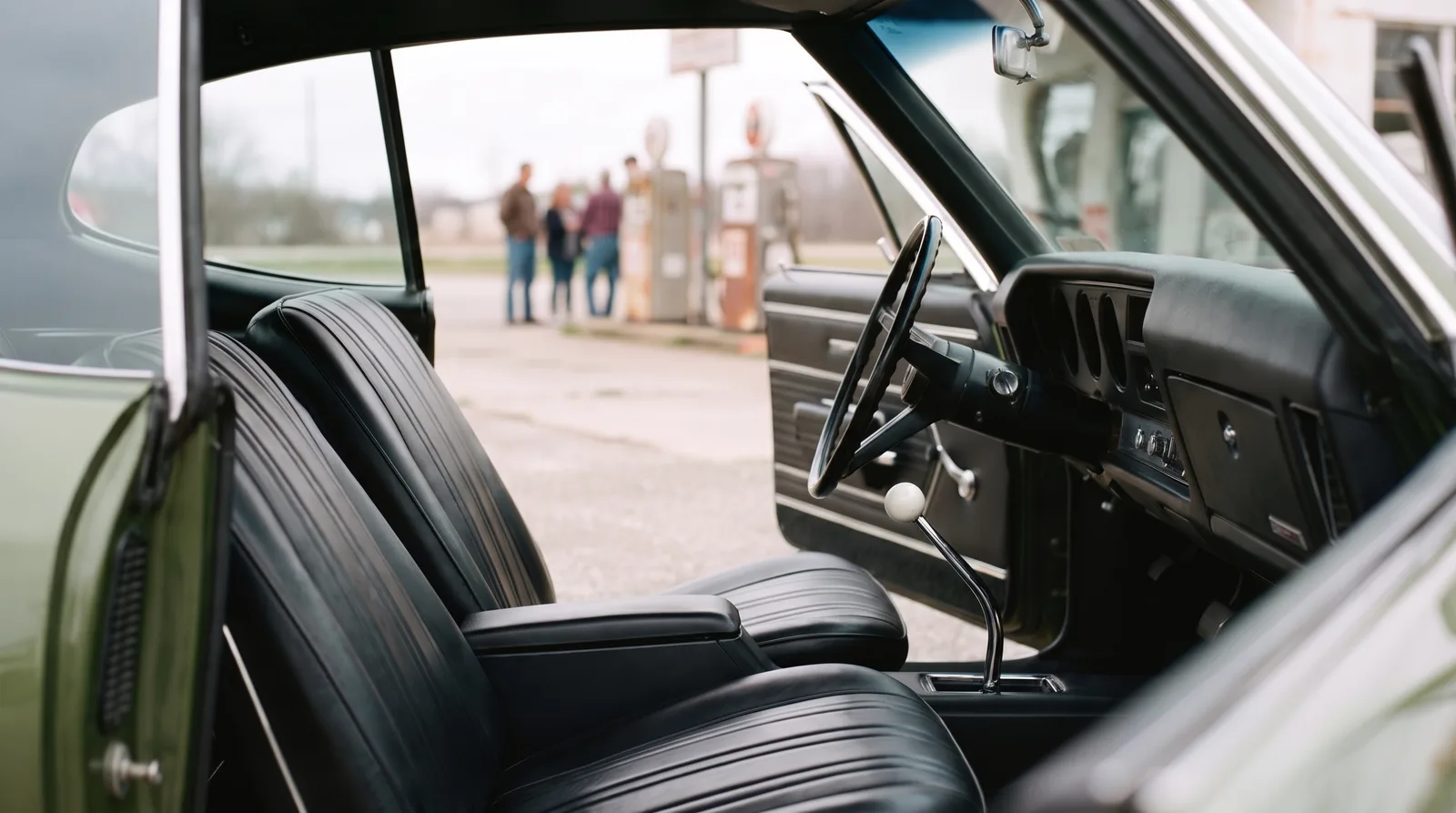
Set the buying worries aside for a minute and talk about what these cars are actually like to run. A sorted 1968 or 1969 GTO is one of the easier old muscle cars to live with. The 400 is a torquey, unfussy engine that will idle in traffic all day and pull cleanly from low in the range, so you are not slipping a clutch and revving to get moving the way you do in some peakier machines. The four-speed cars are the ones I enjoy most, but the automatic is a genuinely pleasant way to drive one, and it hurts value far less on these years than purists sometimes claim.
What you feel from behind the wheel is a car that is quick in a straight line and honest about everything else. The brakes are period brakes, better on a front-disc car but still asking you to plan ahead. The steering is light and a little vague by modern standards. The body leans in a corner. None of that is a fault, it is just a 1968 car being a 1968 car, and once your hands learn it, the thing is a joy to drive on a back road with the windows down. Owners tend to rack up more miles in these than in the heavier cars that followed, because they are simple, willing, and easy to fix at the side of the road.
The 1969 changes and the arrival of the Judge
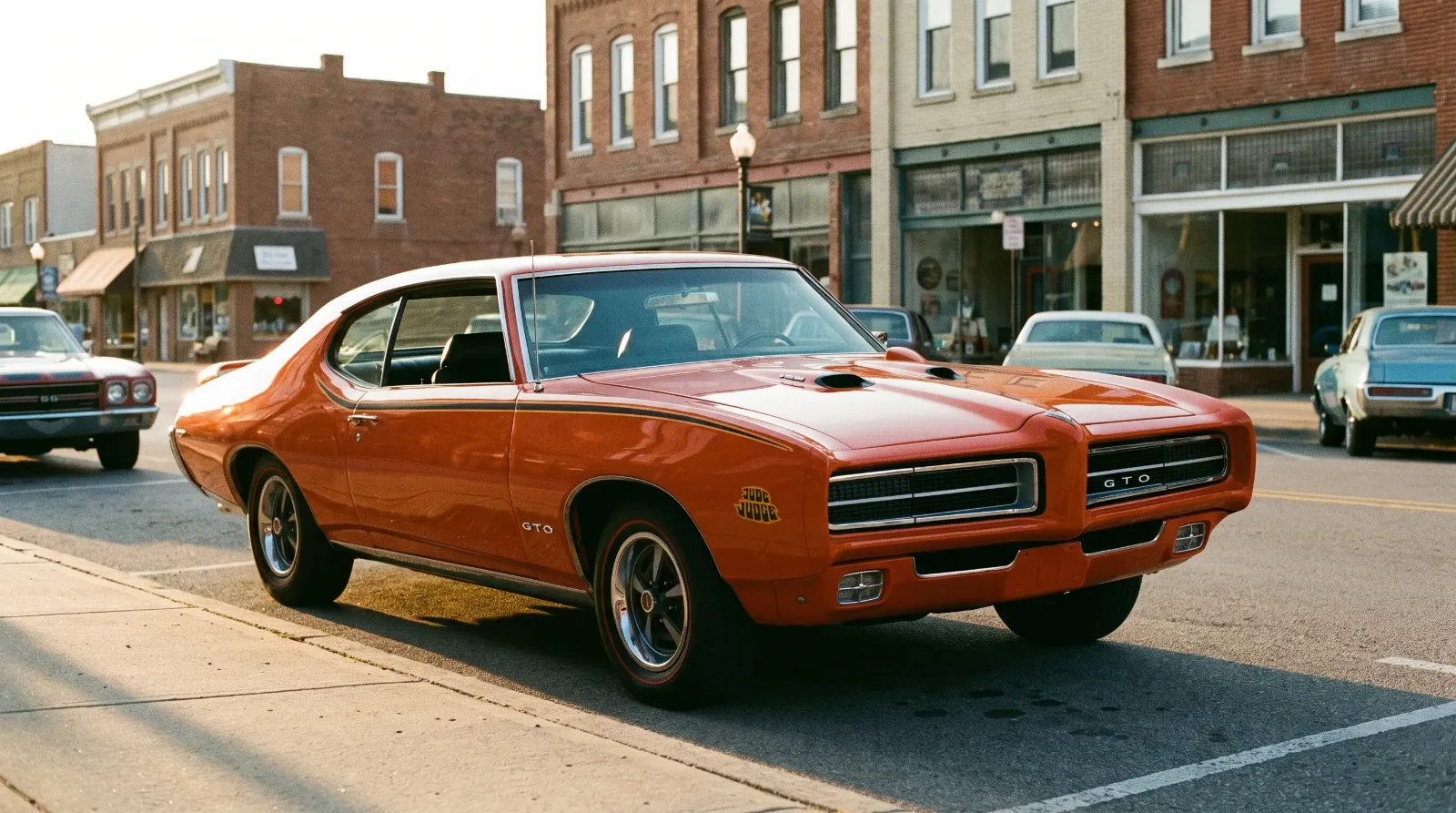
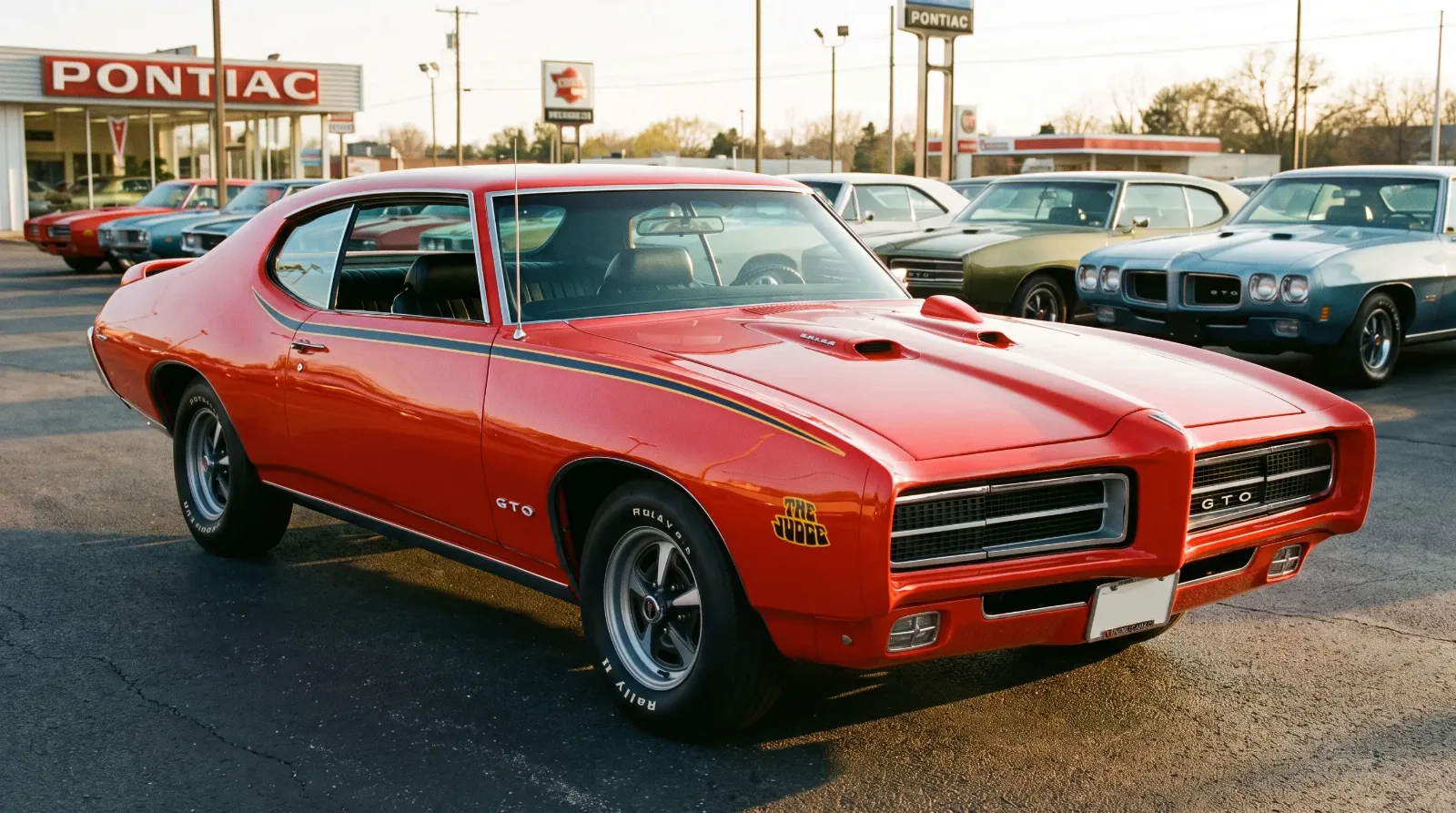
The 1969 cars are close cousins of the 1968s with trim and detail revisions. The bigger news for 1969 arrived mid-year: The Judge, a loud, striped, spoilered halo version that started as a budget muscle car idea and turned into the most collectible GTO of the whole run. It is enough of a story on its own that it gets its own read in Pontiac's Judge.
The details that tell the years apart
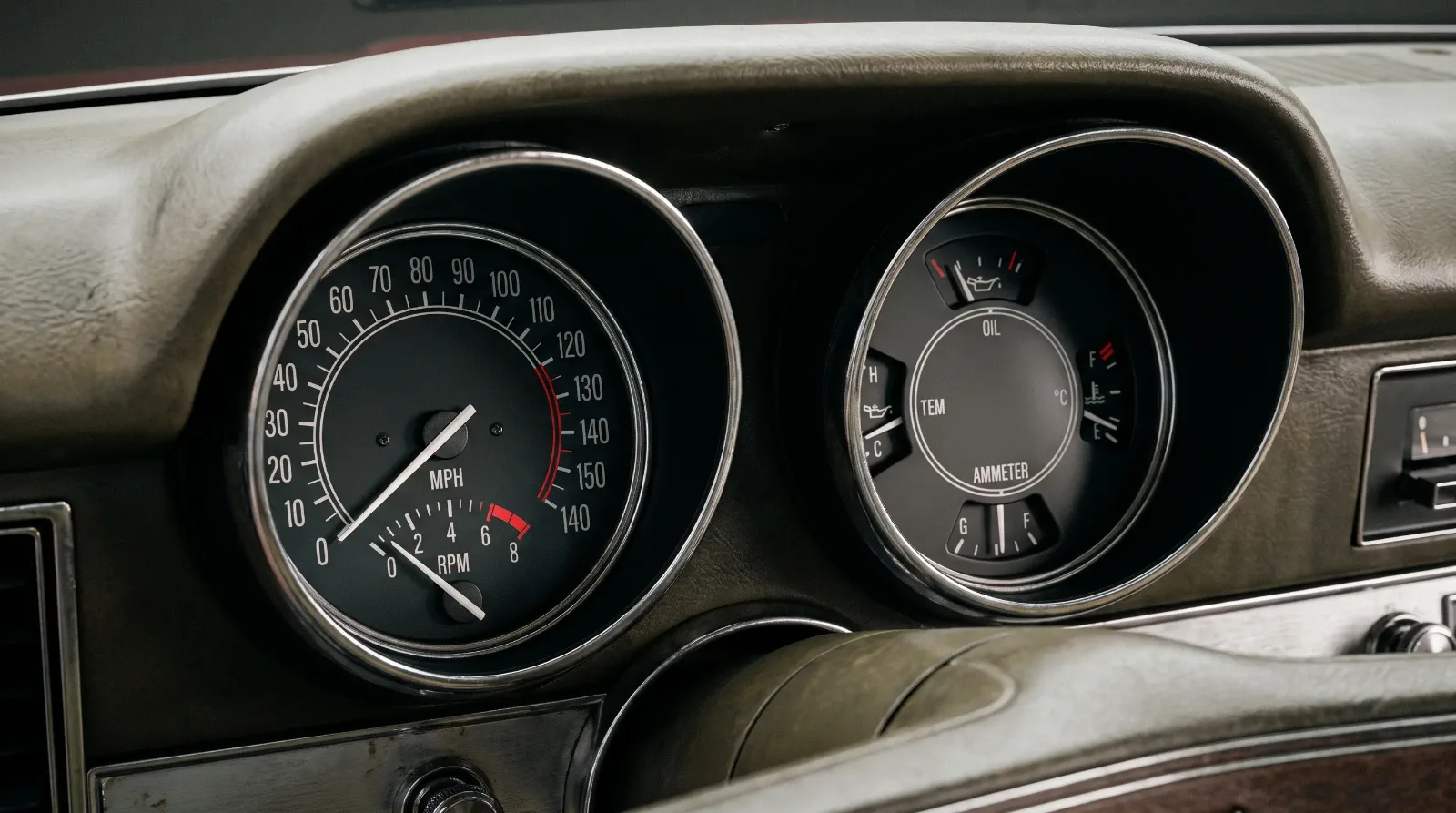
People lump the 1968 and 1969 cars together, and mechanically that is fair, but there are tells a buyer should know so nobody sells you one year dressed as another. The grille and taillight treatments changed between the two, and the 1969 side marker and trim details differ from the 1968. Inside, the instrument layout and switchgear saw revisions, and the option sheets are not identical. On the desirable cars the ignition and steering-column details matter too, because 1969 brought changes to how the column and locking worked across GM. These are the kinds of small factory differences that separate an honest, correct car from one that has been pieced together out of whatever was in the shed.
The Rally II wheel and the hood-mounted tachometer are both period options I see on these cars, and both are worth confirming rather than assuming. A hood tach is a signature piece and a commonly reproduced one, so on a car that wears it, the question is whether it is factory-installed and working or a later dress-up item. None of this changes how the car drives. It changes what a specific car is, and a buyer who knows the year-to-year details pays for the right car instead of a convincing mix.
What to check before you buy
These cars are straightforward, but they have specific weak points that come with age and with the features that make them desirable. The Endura nose and the hidden-headlight vacuum system are the two that are unique to this generation. The rest are the usual muscle car concerns: rust in the floors, trunk, and frame, and drivetrains that may have been swapped over fifty-plus years. On a Ram Air or Judge car, the value hangs on documentation, so the paperwork matters as much as the metal.
🔧 Inspection Priorities
- Endura nose fit and finish. A sag, crack, or paint mismatch on the front cap points to a hit or long outdoor storage. A correct replacement nose is expensive, so budget for it if the car needs one.
- Hidden headlight operation. If the doors do not open, expect vacuum leaks or tired actuators. Parts are available and it is fixable, but factor in the time.
- Floors, trunk, and frame rust. Structural rust costs more than any mechanical repair on these cars. Check the frame rails and the trunk drop-offs.
- Engine documentation. On a claimed Ram Air car, confirm the engine and induction with build documentation. The premium rides on it being real.
"A 1969 Judge with paperwork is a blue-chip car. A 1969 GTO wearing Judge stripes with no documentation is a nice driver, and it should be priced like one. Do not let the decals set the number."
Mike Sullivan
Where these years sit
The 1968 and 1969 GTO is, for a lot of us, the peak of the whole run for looks and drivability together. The bodies are handsome, the Endura nose still looks modern, and the top engines are as strong as anything the classic GTO offered before the numbers started falling in the 1970s. That downturn is its own story, covered in the years that followed, but this generation caught the car at its best.
If you are shopping, this is a generation where the differences between a good car and a project are all in the details I listed above. Look through the current GTOs for sale, check the nose, work the headlights, and read the paperwork before you fall for the paint.
Sources and notes
Related Reading
Article
The Pontiac GTO Story: How One Car Invented the Muscle Car Era
Article
1966-1967 Pontiac GTO: The Coke-Bottle Years That Made It a Bestseller
Article
The Endura Bumper: How Pontiac Hid the Chrome and Changed Styling
Article
The Hood-Hinge Sledgehammer Ad: Selling the Endura's Toughness
Article
1968 GTO: Motor Trend Car of the Year and Why It Mattered
Article
Hidden Headlights: The 1968-69 GTO's Disappearing-Act Front End
Article
1969 GTO Specs: The 400 Ram Air Lineup at Its Peak
Article
Ram Air II: The Round-Port Head That Started the Arms Race
Article
The 1968 GTO Convertible and the Golden Age of Open Muscle
Article
Why the 1969 GTO Is the Enthusiast's Sweet Spot
Article
The Rally Gauge Cluster: Reading a 1968-69 GTO Dash
Article
Wiring the Endura Era: The Harness Quirks Owners Should Know
Article
How the 1968 Restyle Set the Template for the Whole A-Body Line
Article
1969 GTO Production Numbers and the Cars That Survived
Article
The Rare 1969 Ram Air IV GTO (Non-Judge)
Article
Hurst and Pontiac: The Shifter Partnership That Defined the Era
Article
The Basketball-Player Ad and Pontiac's Youth-Culture Gamble
Article
The GTO Judge: Pontiac's Rebellious Marketing Masterstroke
Have a
Pontiac GTO
for Sale?
Reach thousands of serious classic car collectors across the US.
Sell It Here →
Are You a Classic Car Dealer?
List your full inventory and connect with targeted classic car buyers.
Join as a Dealer →

About the author
Mike Sullivan
Detroit-area muscle car enthusiast and restoration specialist with three decades of hands-on experience working on American iron.
Related Listings - Pontiac GTO
Comments
Be the first to comment on this article.