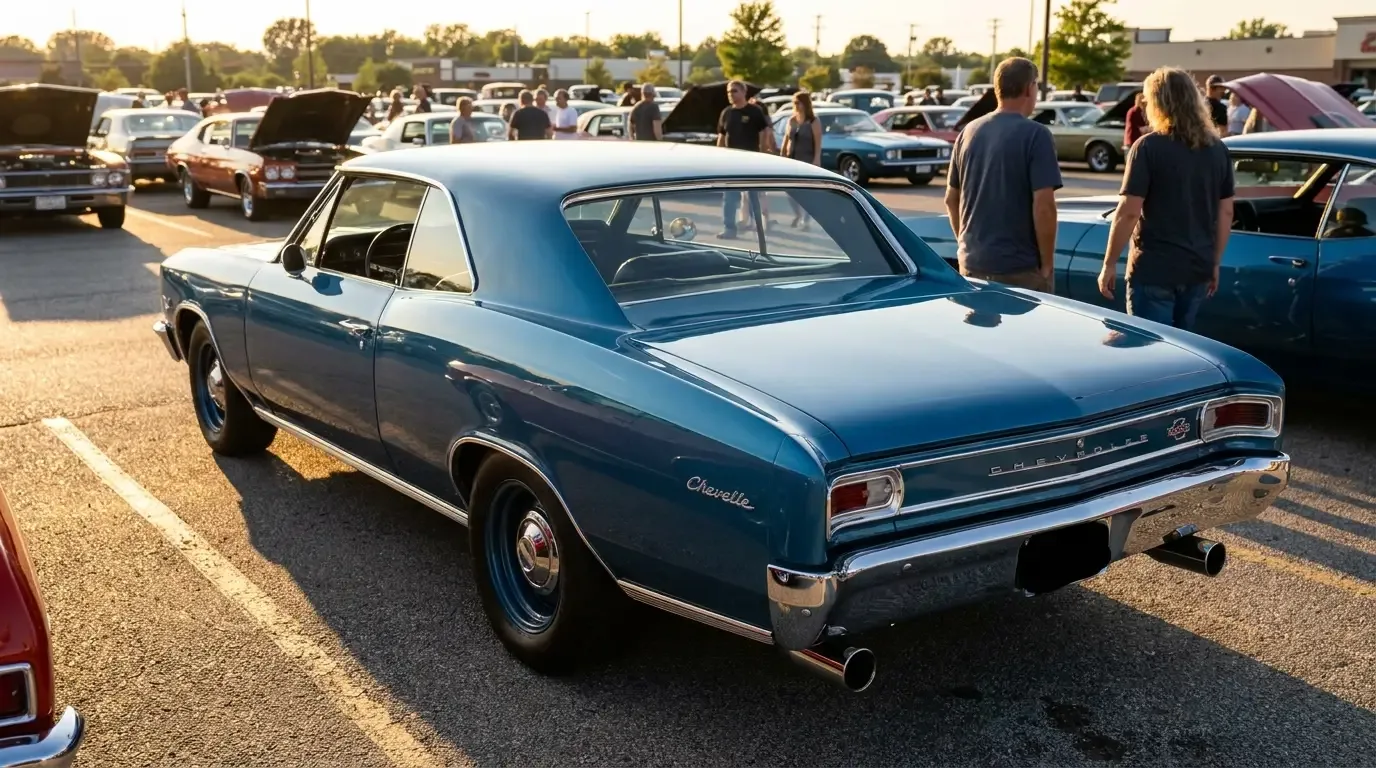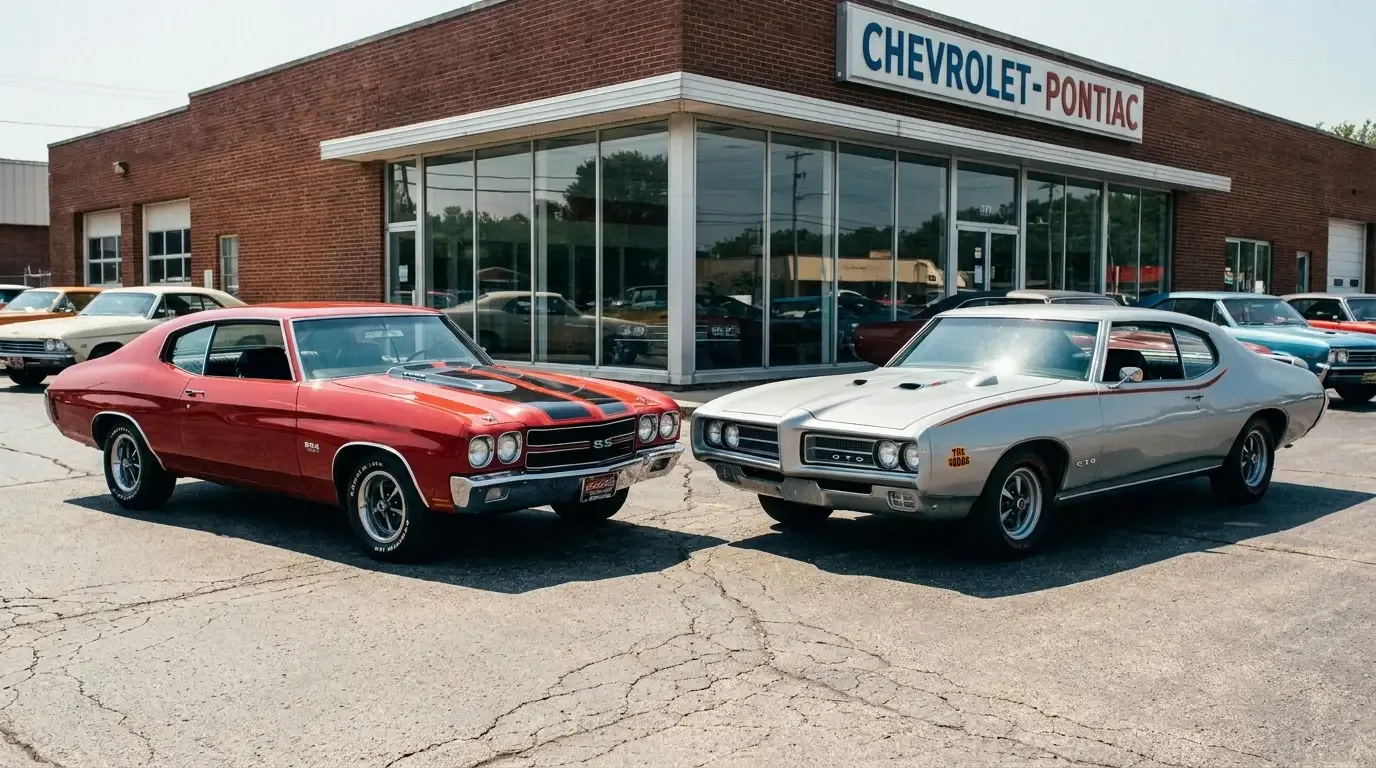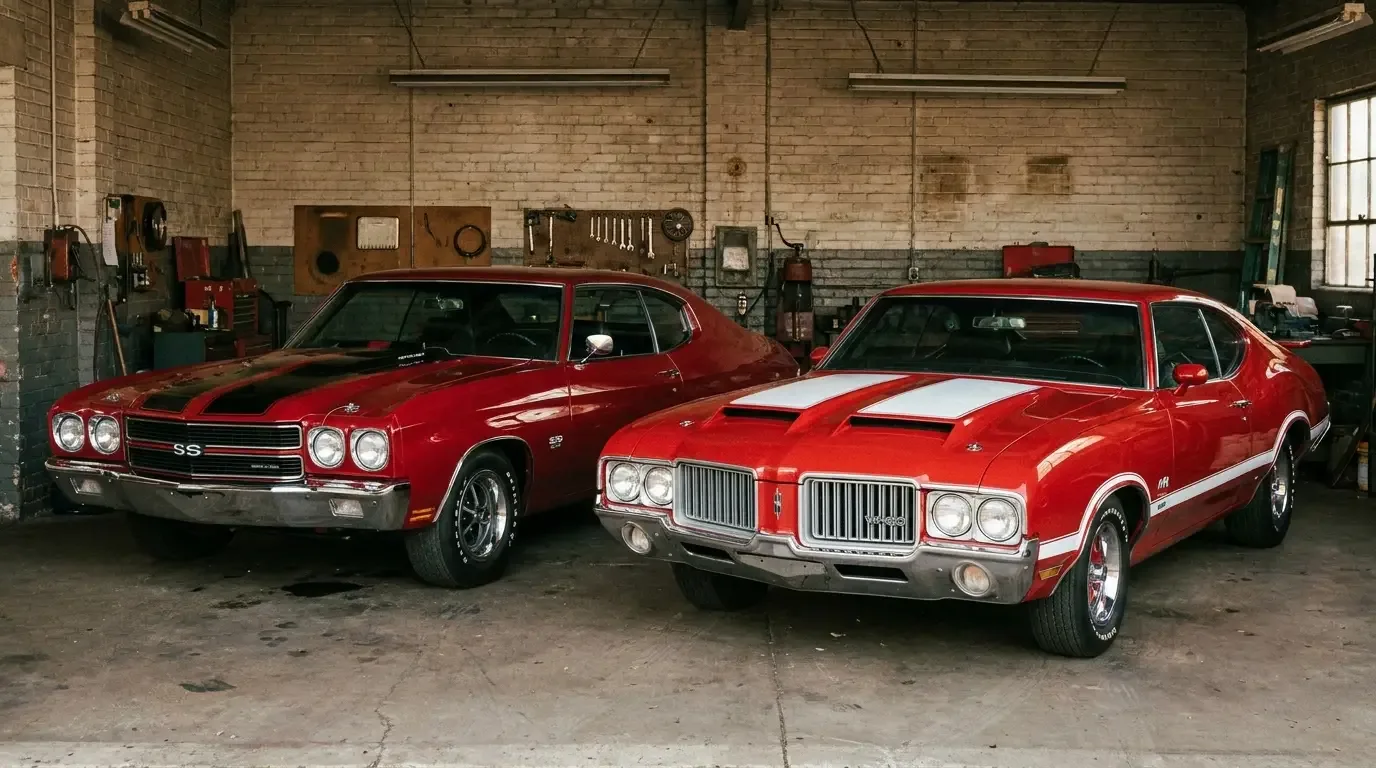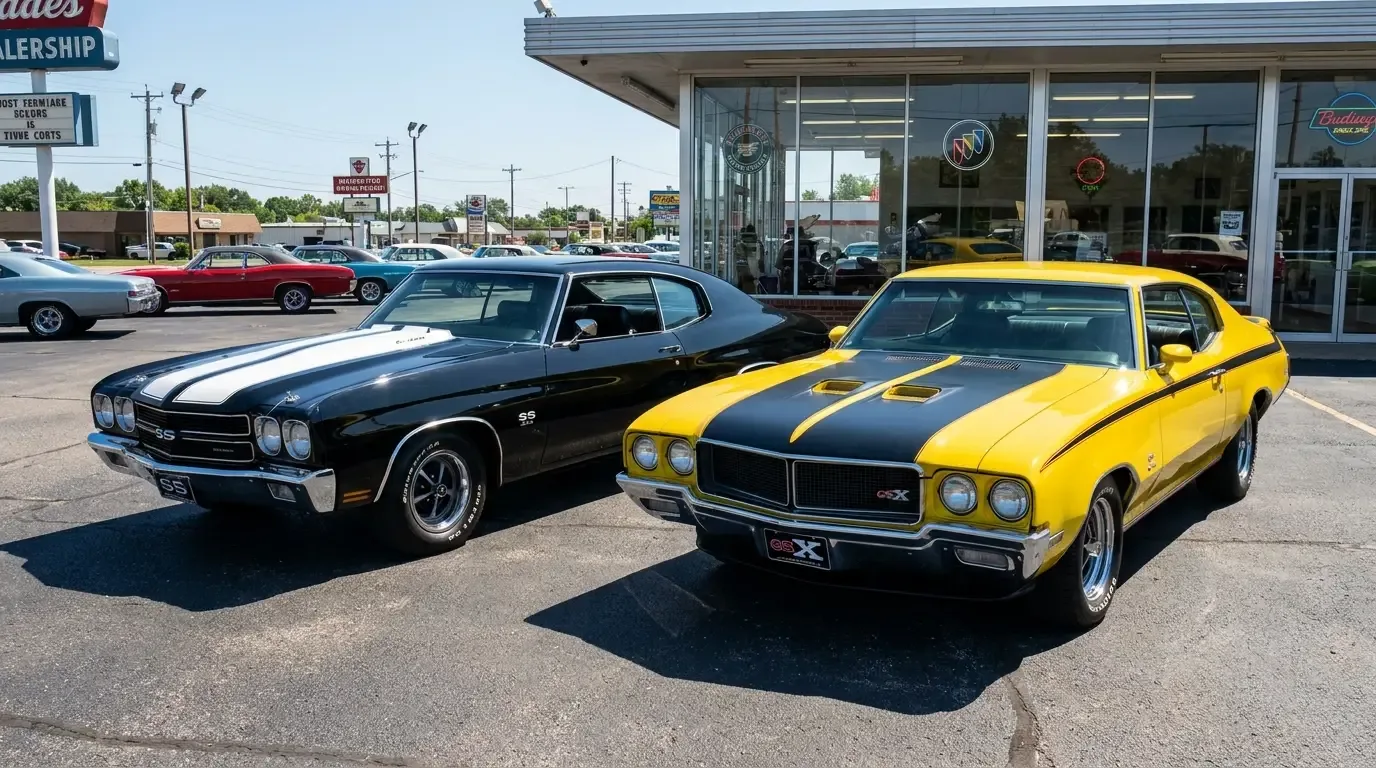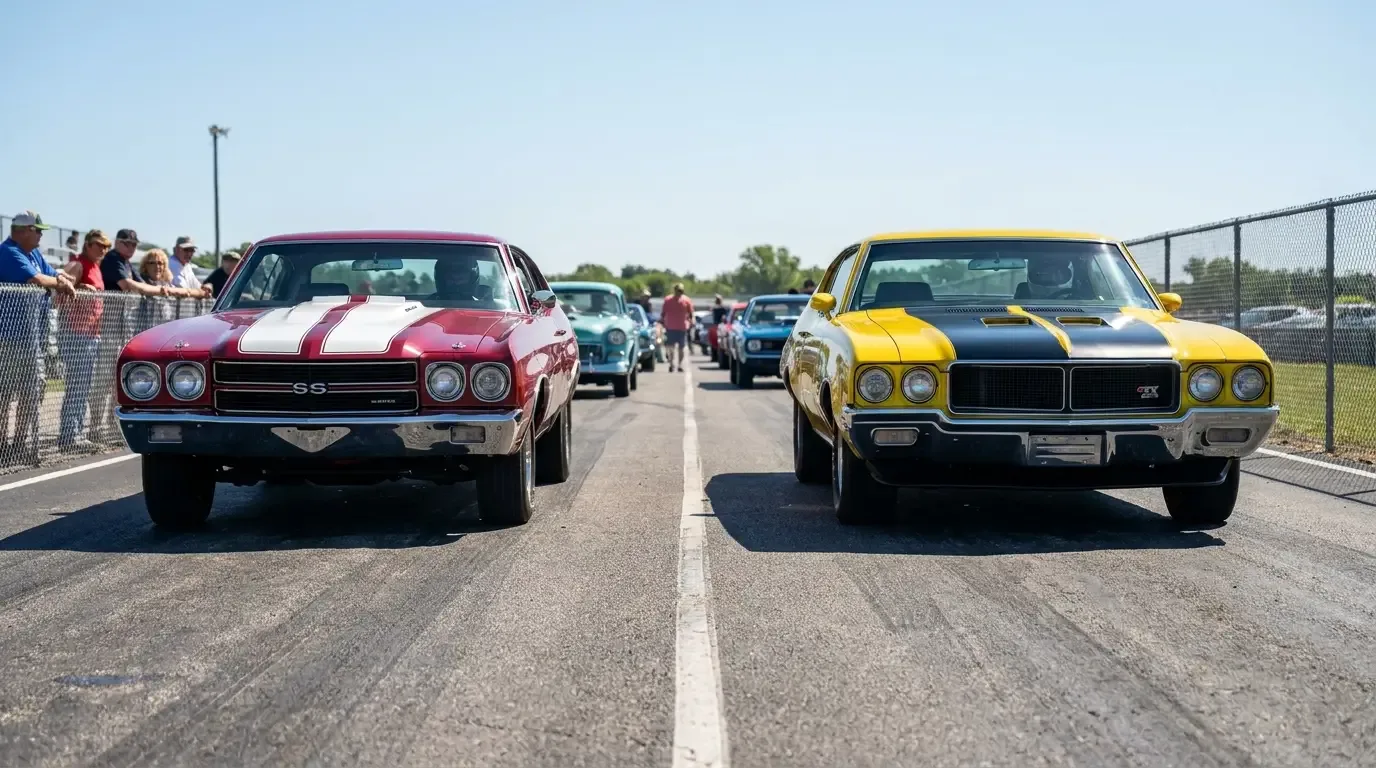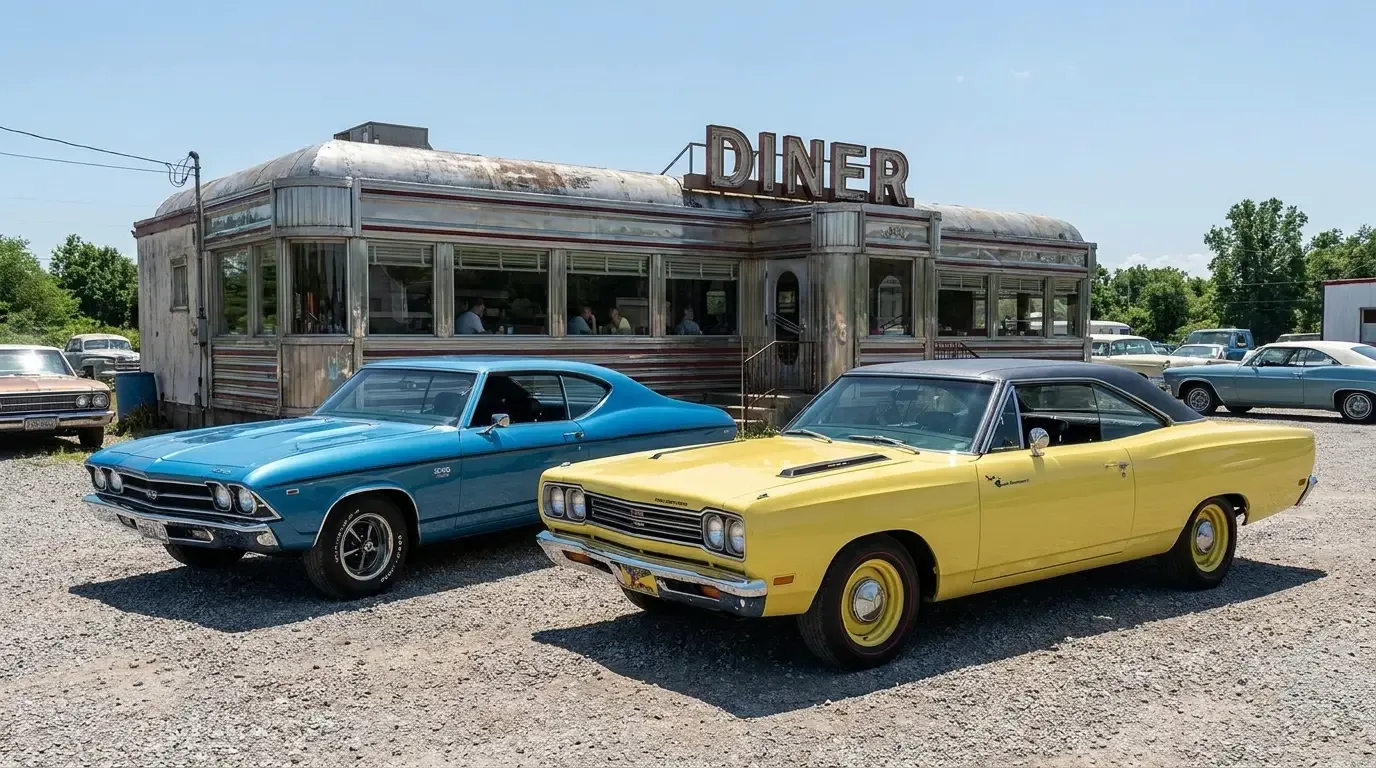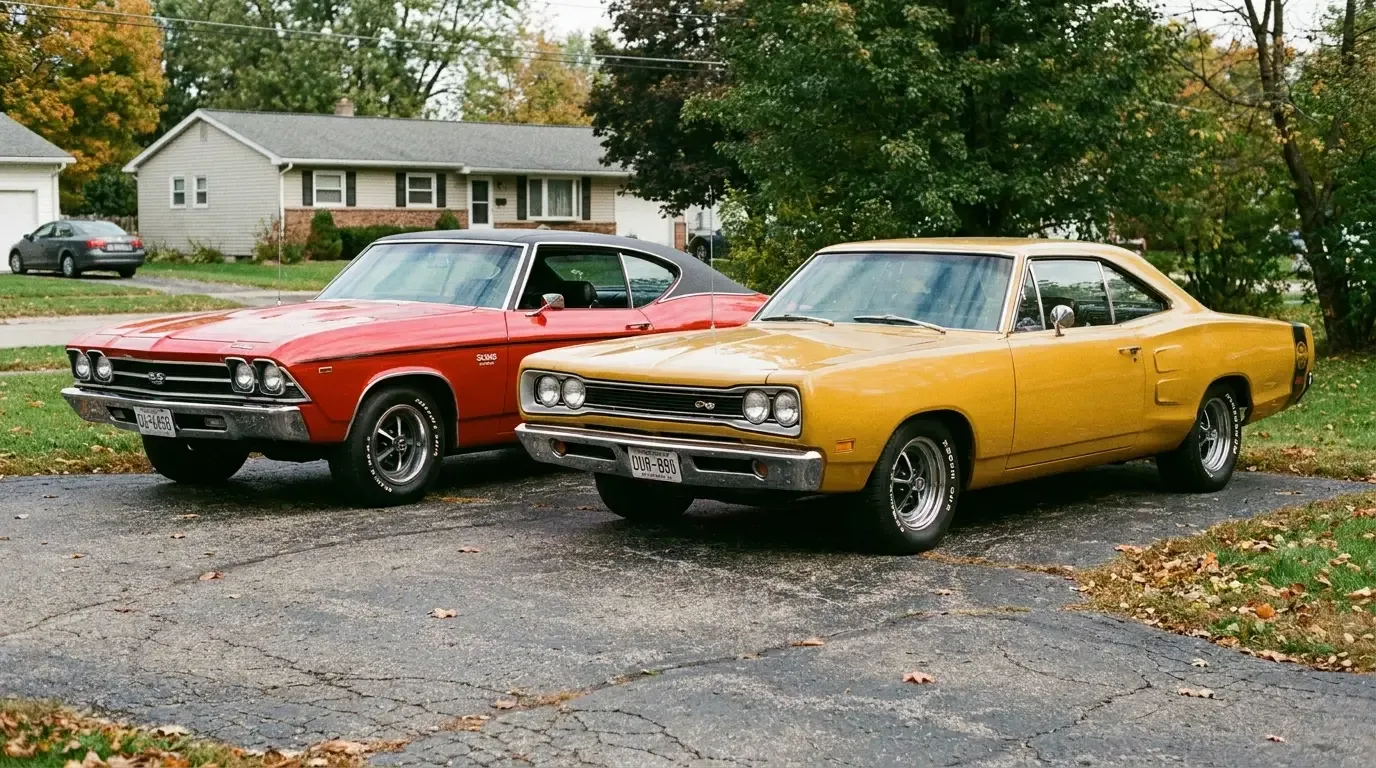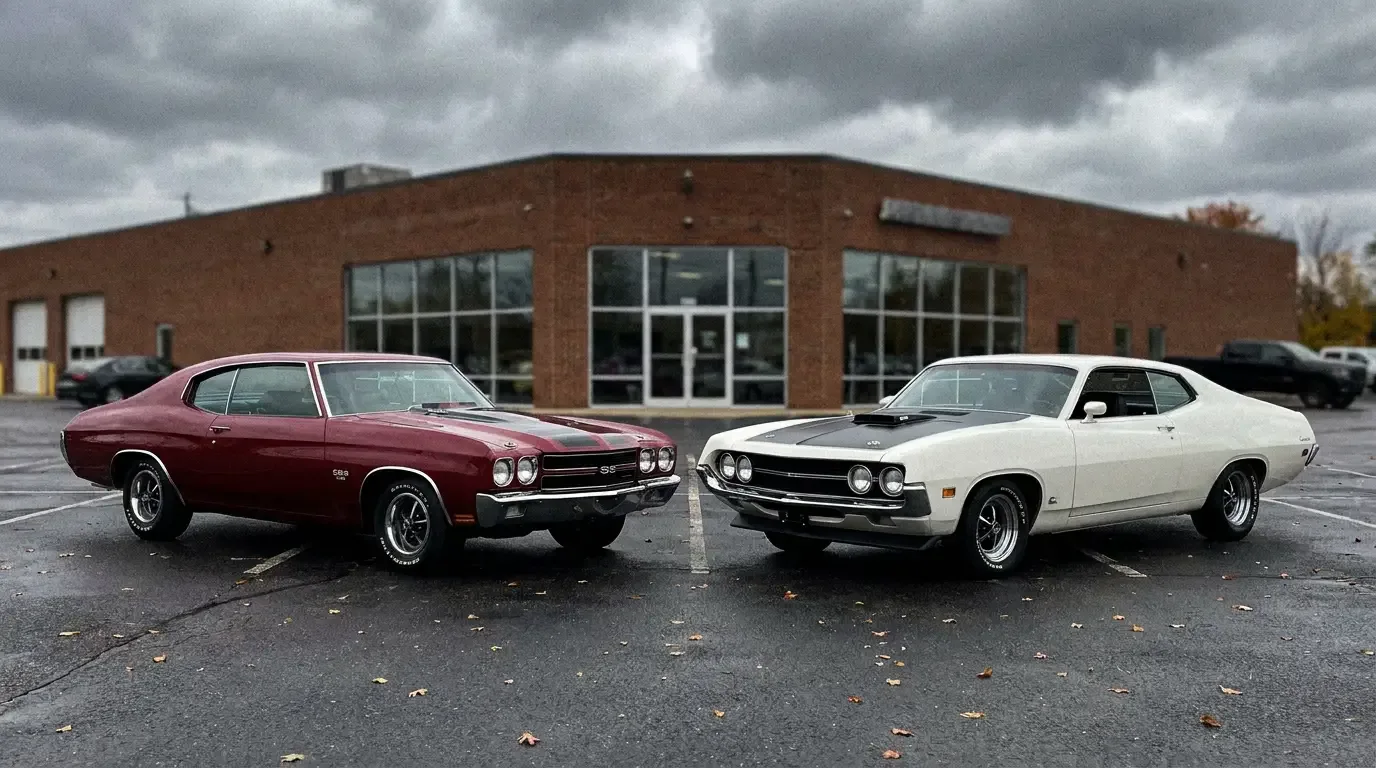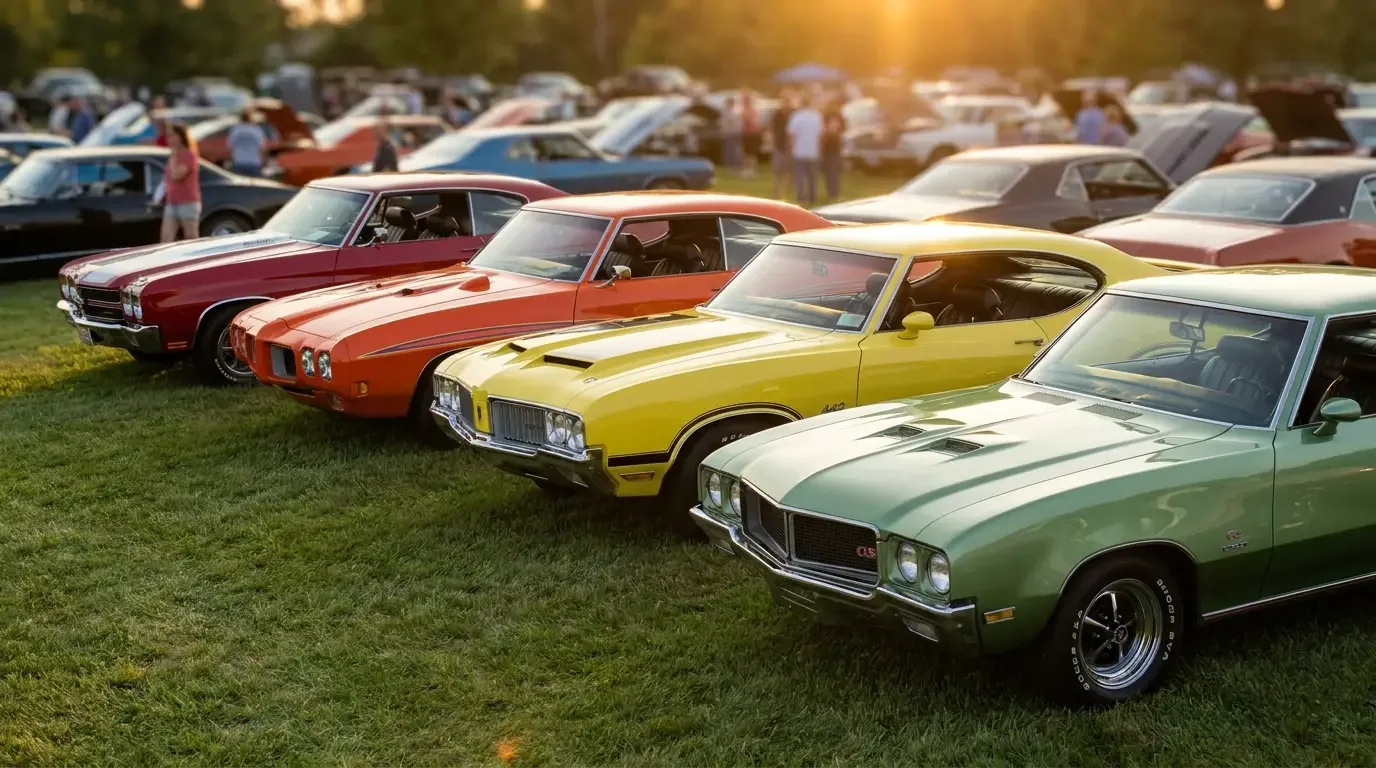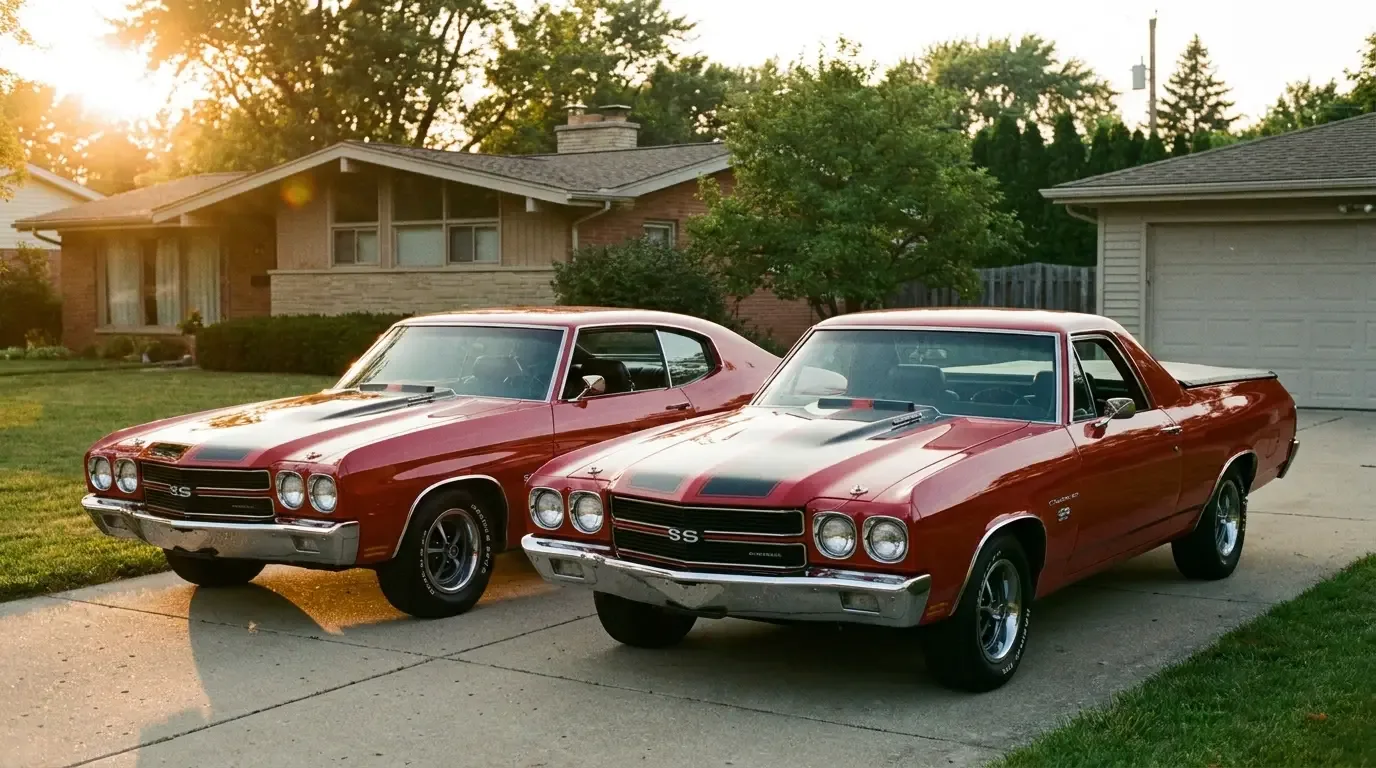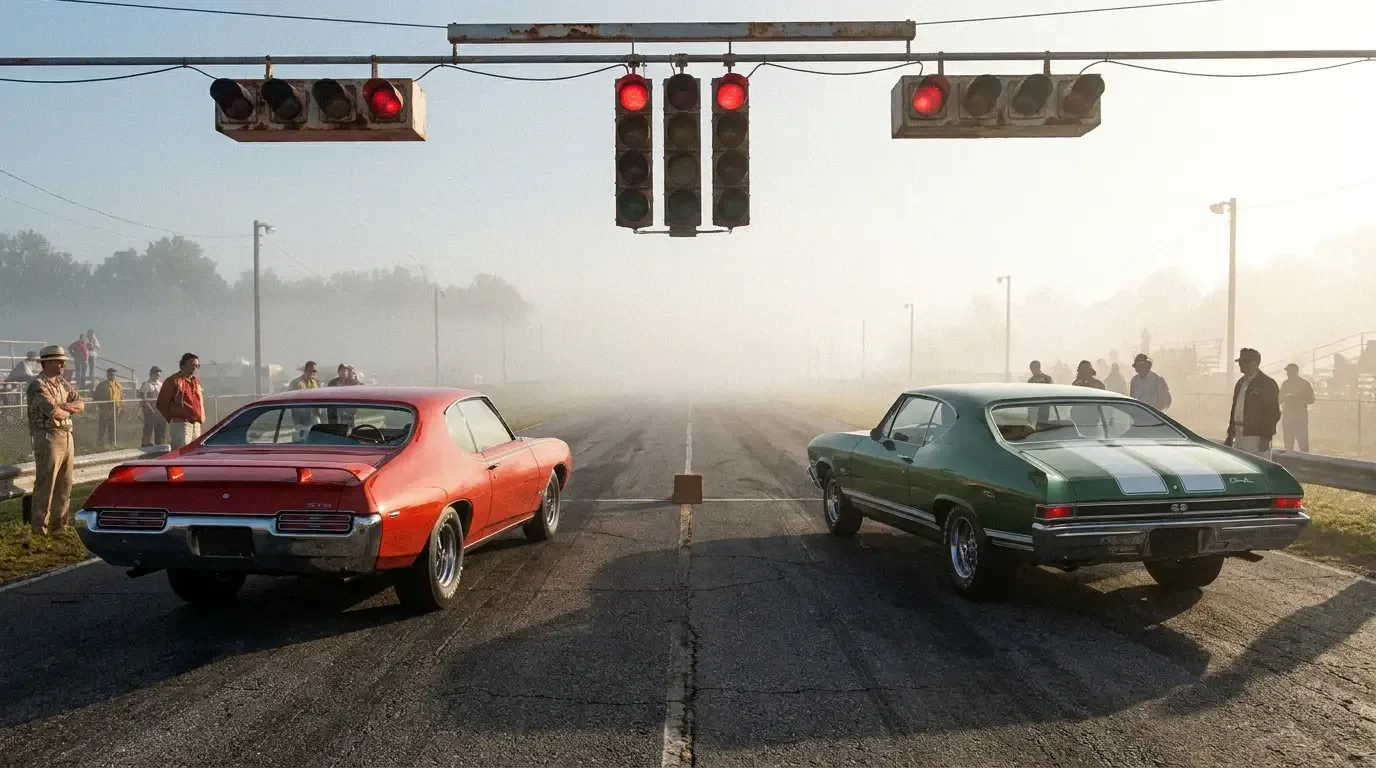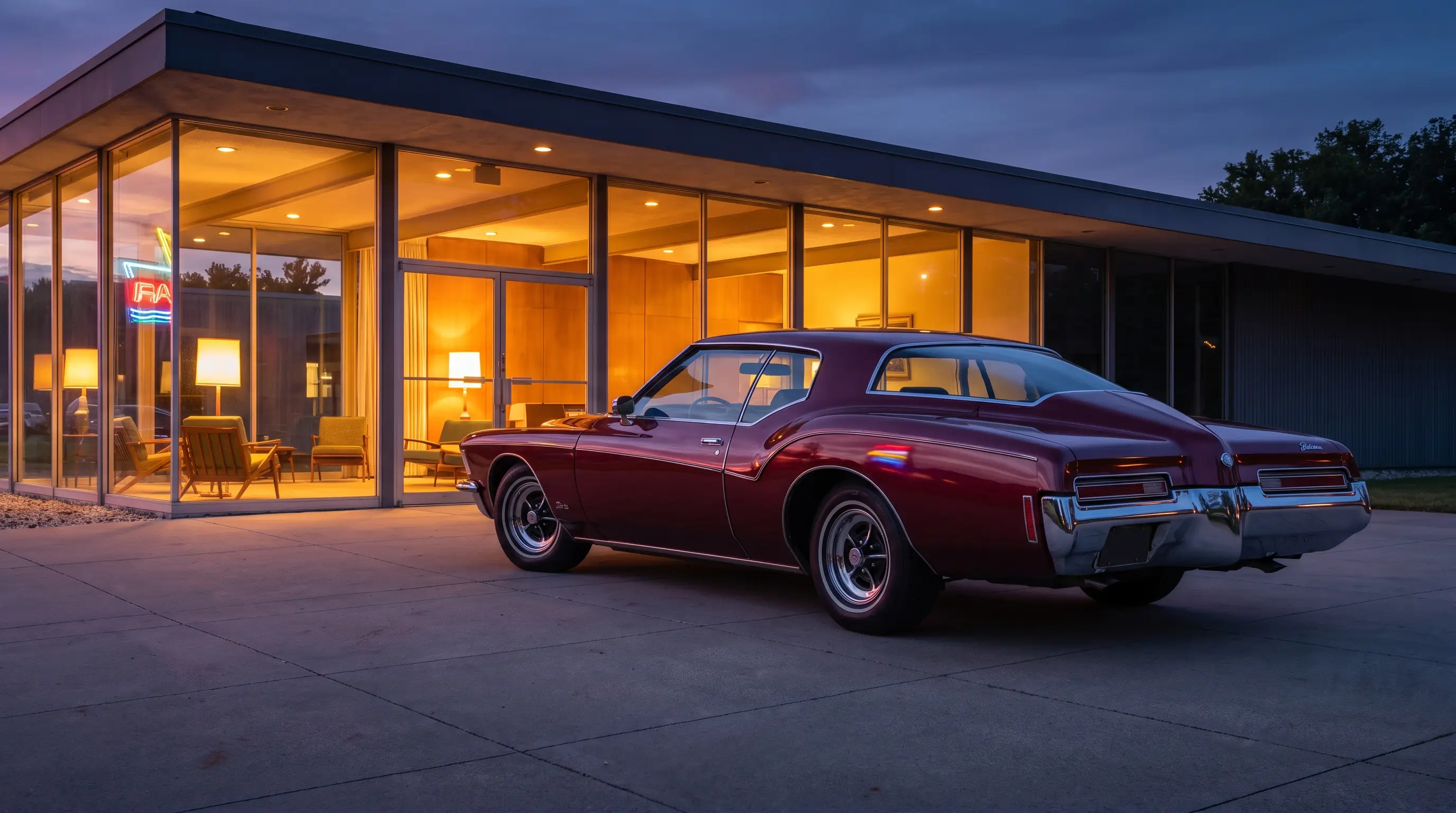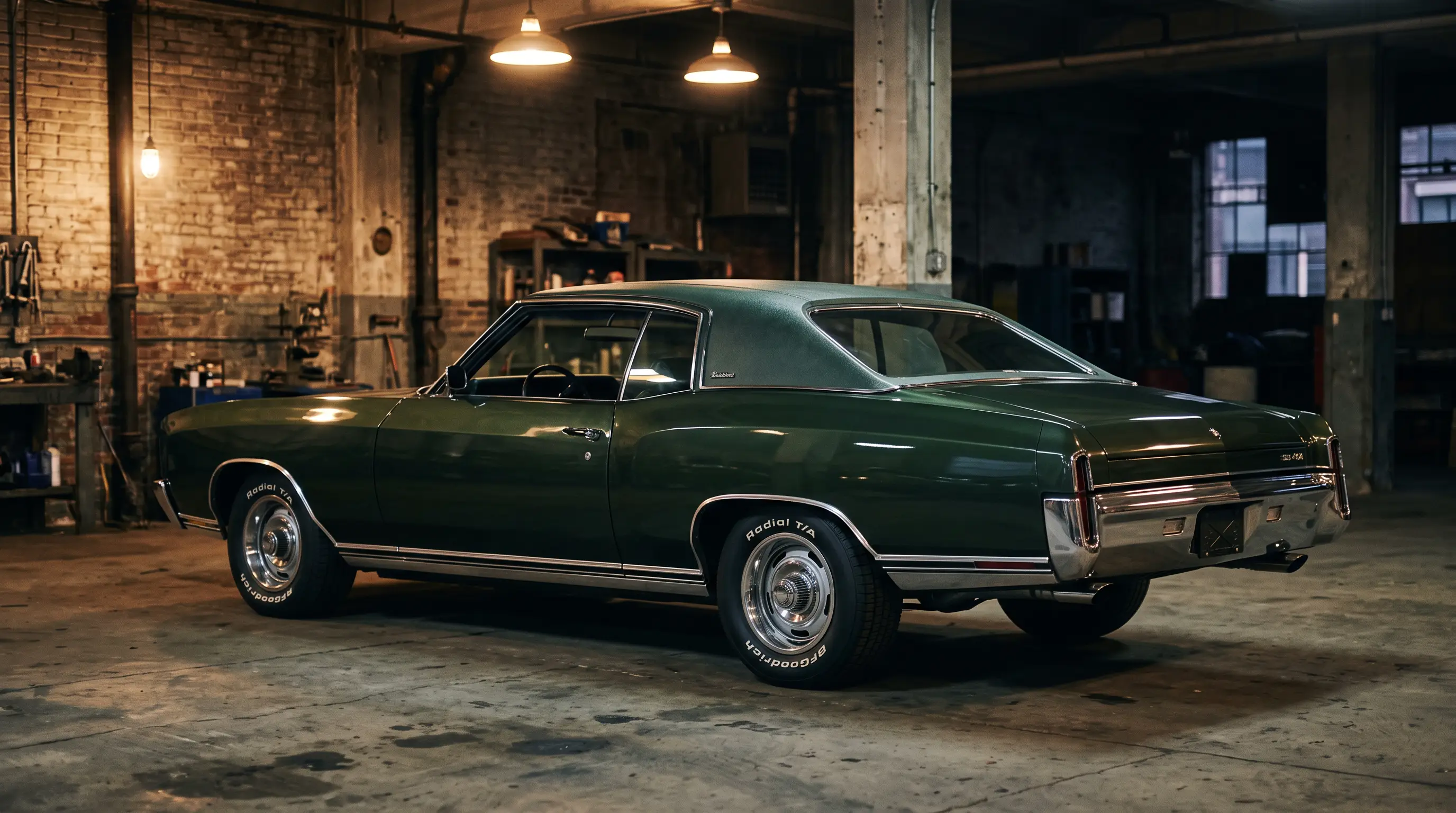
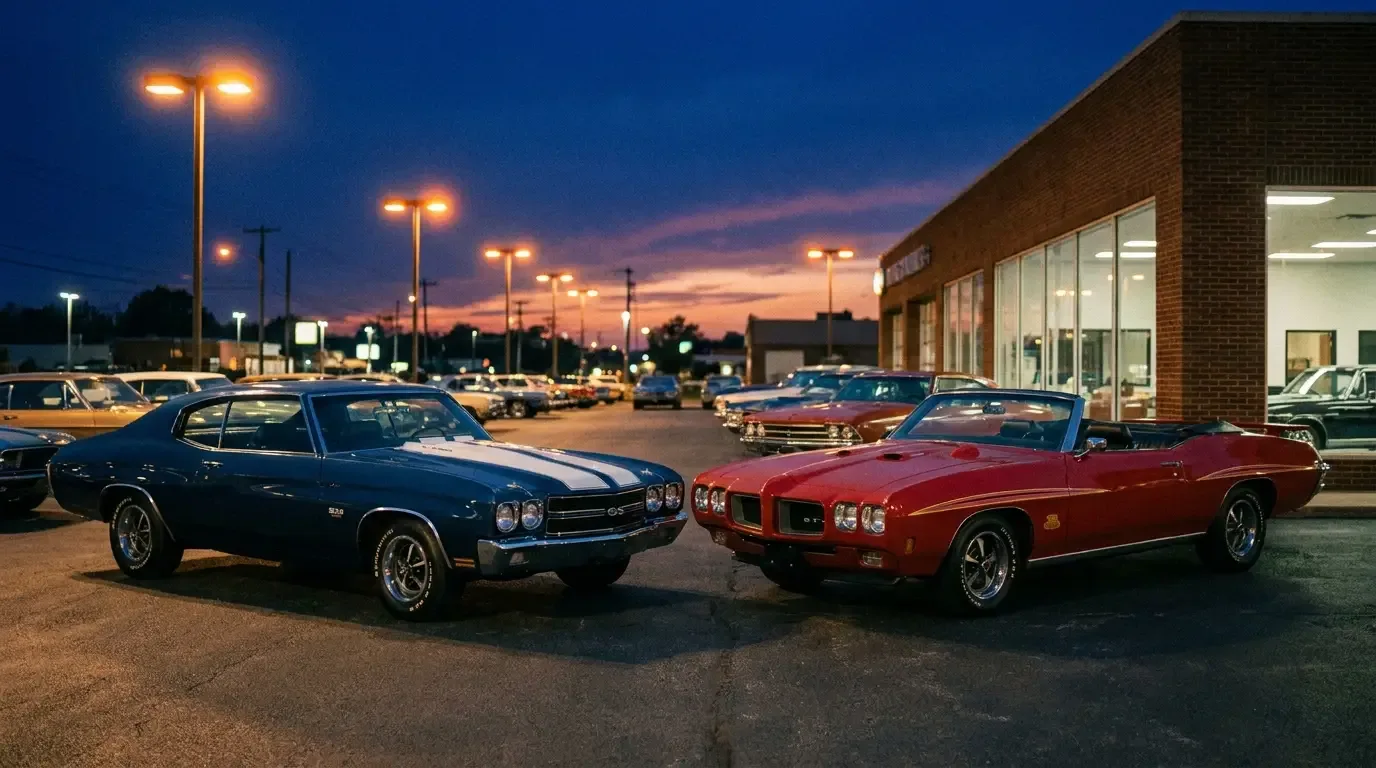
Ask four different guys at a cruise night which mid-size GM muscle car was the best of 1970 and you'll get four different answers, delivered with four different kinds of certainty. The Pontiac guy will tell you the GTO invented the whole category and everyone else was just copying homework. The Olds guy will smile and say his 442 was the one the engineers actually respected. The Buick owner, quieter than the other two, will remind you the GSX ran with all of them and nobody talks about it enough. And the Chevelle guy just points at the SS454 and lets the number do the talking.
What none of them usually mention, at least not first, is that all four of these cars came off variations of the same GM A-body platform, built a few hundred miles apart, sold through showrooms that competed for the same customer on the same Saturday afternoon. This wasn't Detroit against the world. This was one company's own divisions, fighting each other for a sale, and the result was one of the richest, weirdest rivalries in American car history.
You can read the classic Chevelle story for the SS from the ground up. This is about the war it fought against its own siblings, and why that war mattered more than the one against Ford or Mopar.
Same platform, four different personalities
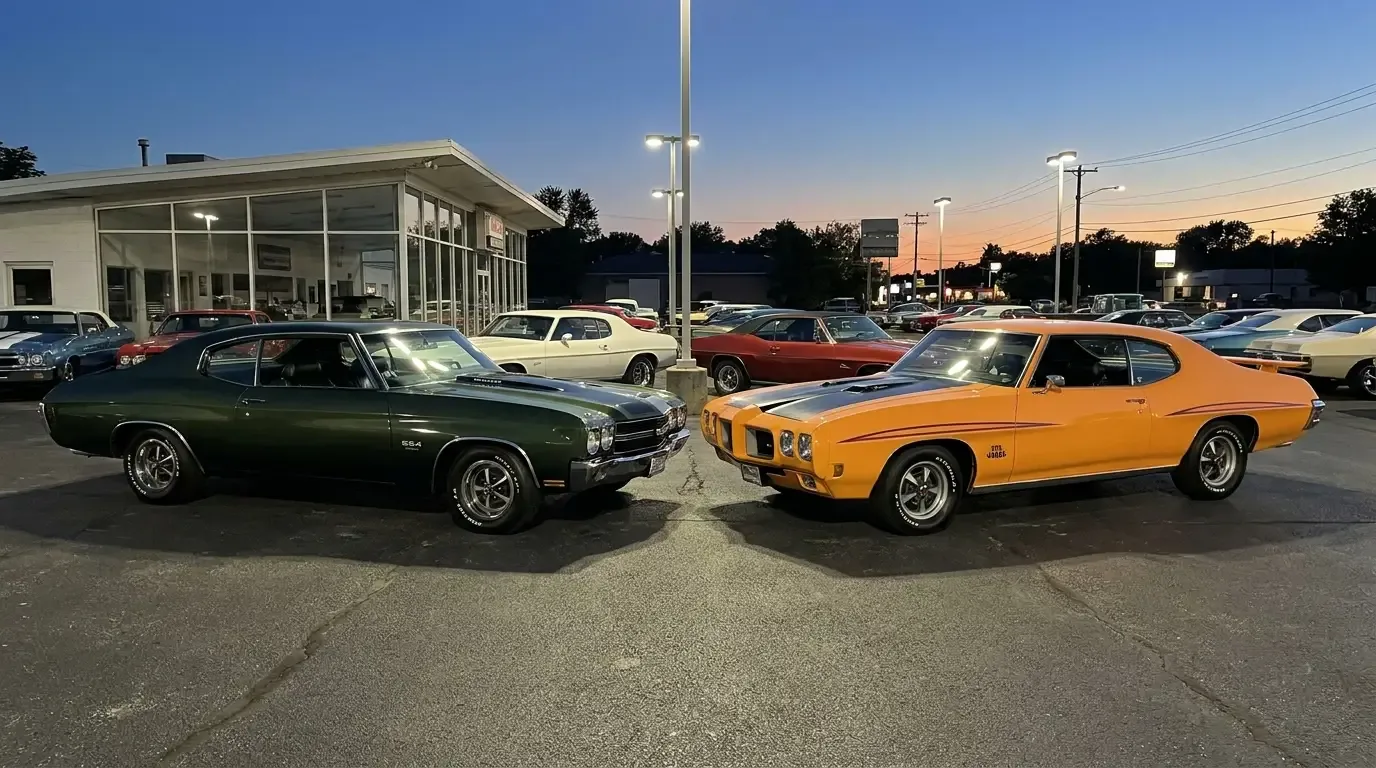
General Motors built the A-body as a shared architecture, chassis, floor pan, basic hard points, and let Chevrolet, Pontiac, Oldsmobile, and Buick each dress it up and tune it according to their division's identity. That corporate structure, four semi-independent car companies operating under one roof, is what made this rivalry possible in the first place. Ford had one Mustang. GM had four takes on the same basic recipe, each one built by people who genuinely believed their version was the right one.
Pontiac leaned into performance-first marketing and youth culture. Oldsmobile positioned itself as the engineer's choice, a little more buttoned-down, a little more focused on chassis balance. Buick, the quiet one, built cars that were almost embarrassed to be fast, which made the GSX all the stranger and more interesting when it actually showed up. Chevrolet just built volume and let the SS package do whatever the customer wanted it to do, mild trim car or genuine big-block terror.
The Goat that started it
Pontiac fired the first shot. The GTO arrived for 1964 as an option package on the Tempest, essentially the same trick Chevrolet would later apply to the Chevelle SS, a big engine dropped into a mid-size body with the right badges and stripe kit. It worked. The GTO became the car that proved a division could sell a genuine performance image on a family-car platform, and it gave the whole category its name, borrowed from a Ferrari nobody at Pontiac had permission to reference and did anyway.
By the time Chevrolet's SS396 package hit dealer lots in real numbers, Pontiac already had a two-year head start on brand identity. The GTO had The Judge, the Ram Air options, and an ad campaign that talked directly to a younger buyer in a way GM's other divisions were slower to figure out. Chevrolet had to catch up on image before it could compete on numbers, and for a couple of model years, that mattered more than anyone's actual dyno sheet.
Chevelle SS answers back
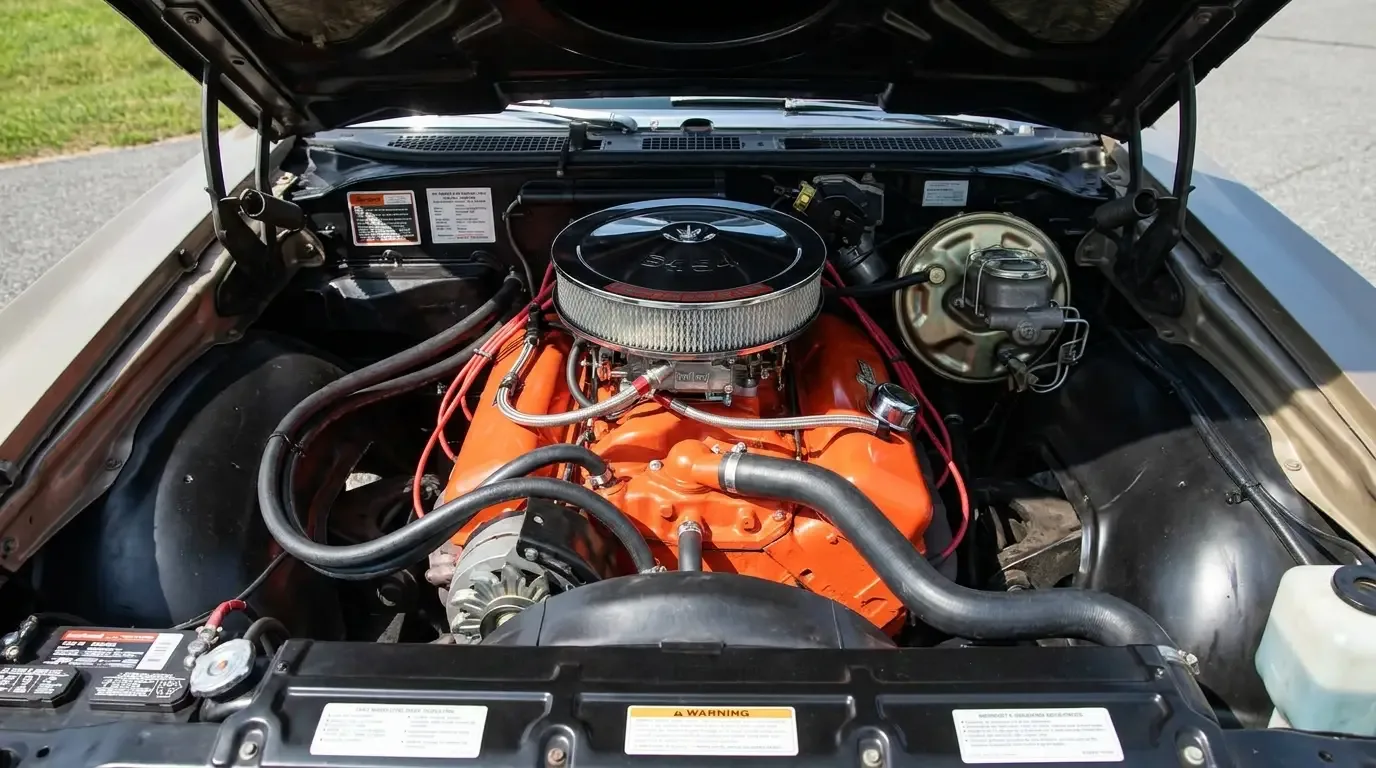
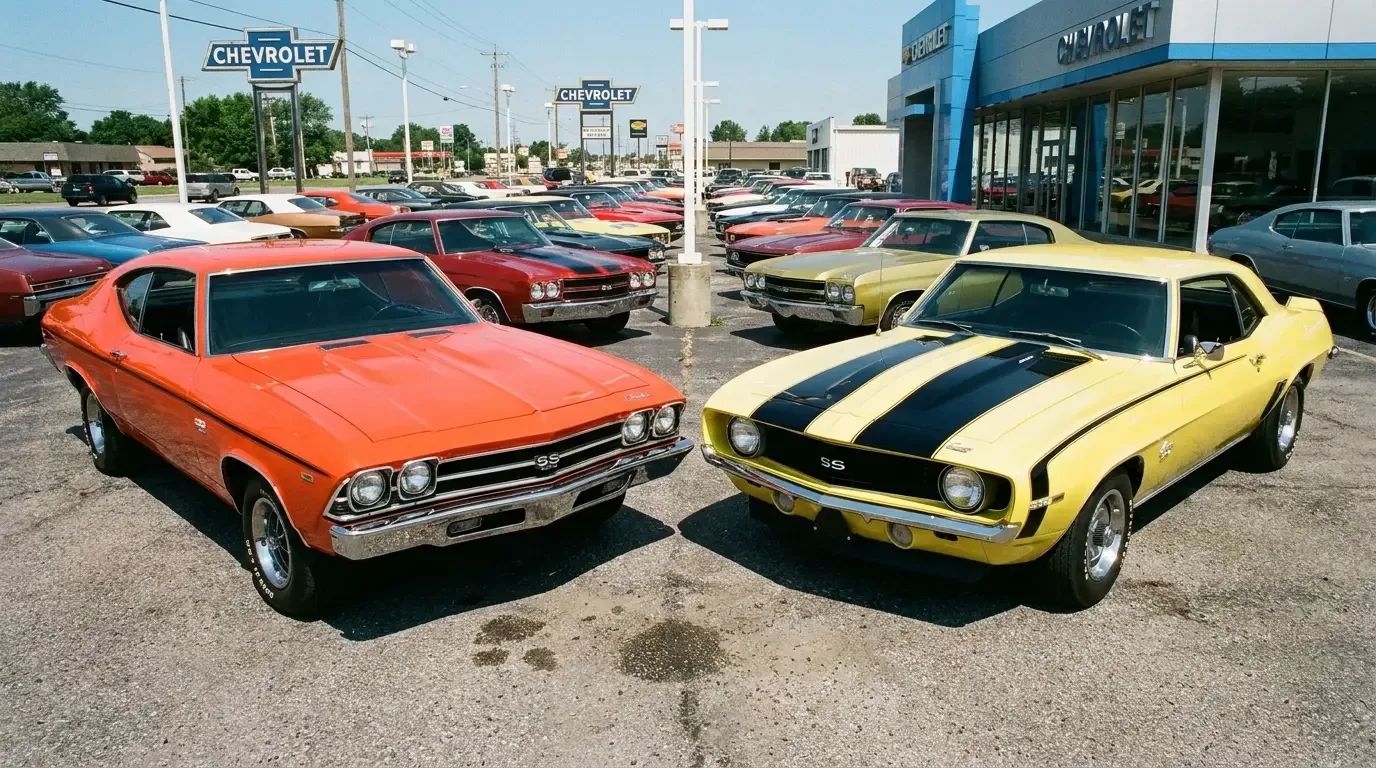
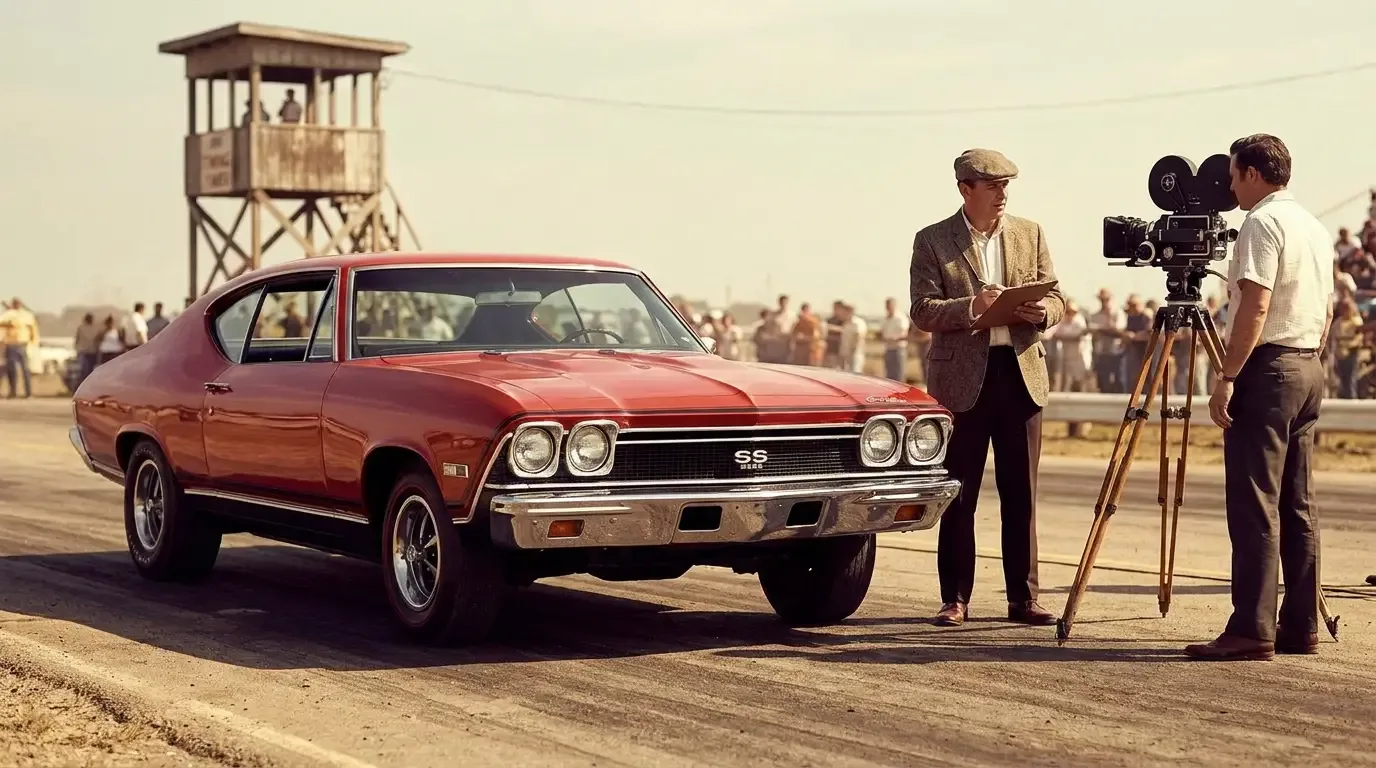
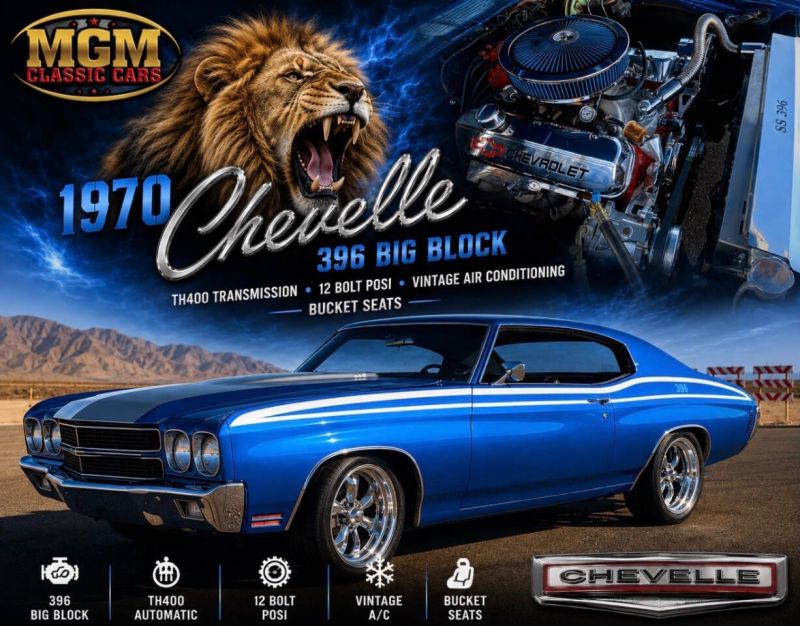
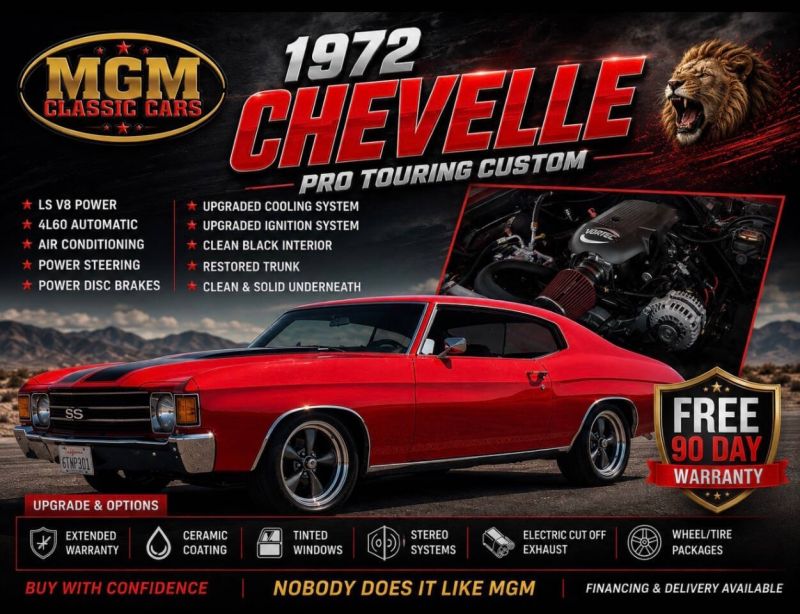
Once Chevrolet committed to the SS package, the response wasn't subtle. The SS396 gave Chevy dealers a genuine answer to the GTO's big-inch approach, and by 1970 the SS454, with the LS6 option at the top of the range, put Chevrolet in a position no other division in this war could match on raw output. It's the car most people picture first when the phrase A-body muscle war comes up, and there's a reason for that. Chevrolet had the widest dealer network and the deepest parts bin in the corporation, which meant the SS could be built in genuinely large numbers rather than staying a low-volume halo car.
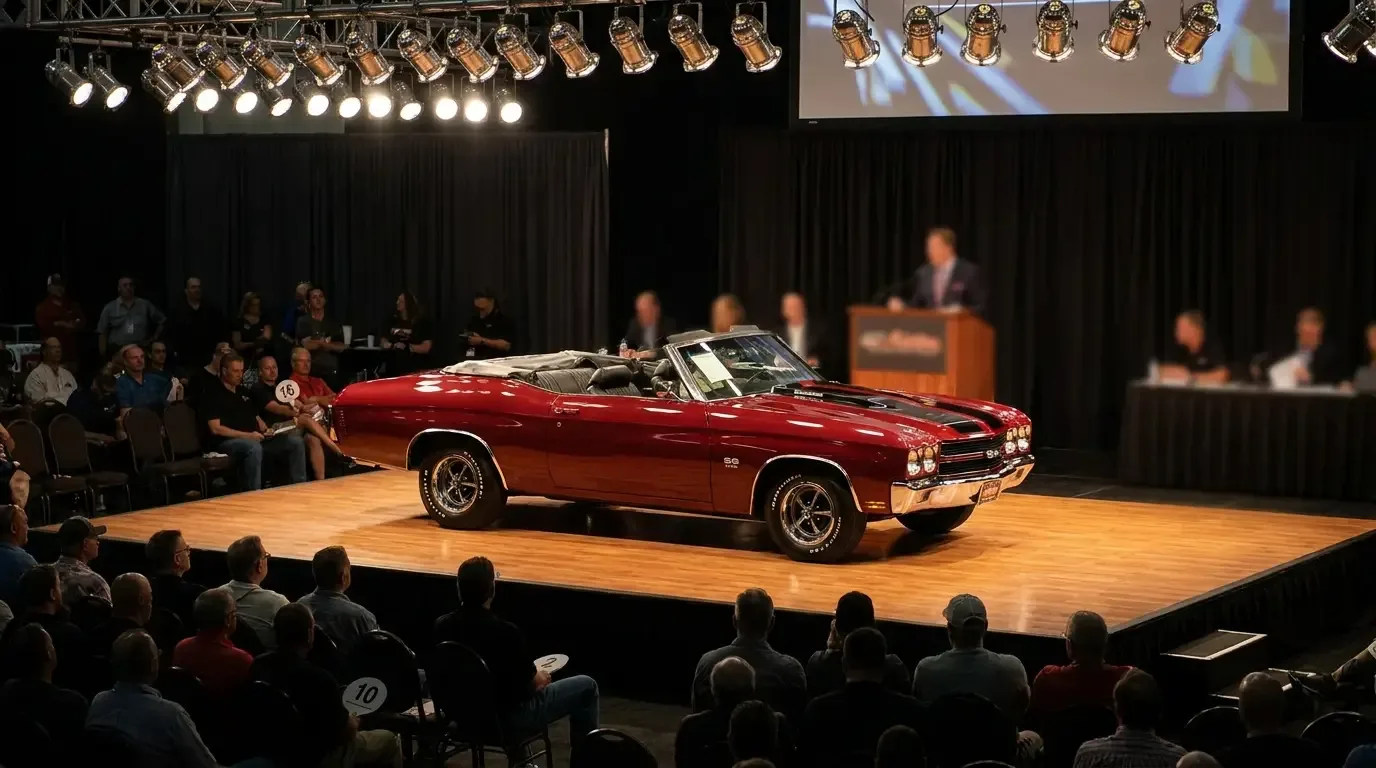
That volume cuts both ways for collectors today. It makes driver-quality SS396 and SS454 cars easier to find than an equivalent GTO or 442, but it also means the truly rare configurations, cowl induction, specific axle ratios, documented LS6 build sheets, carry a real premium over a garden-variety SS because the badge alone doesn't guarantee scarcity the way it does on some of the lower-production rivals.
| Car | Division | Signature engine (peak years) | Approx. factory rating |
|---|---|---|---|
| Chevelle SS454 (LS6) | Chevrolet | 454 cu in big-block | 450 hp factory rated |
| GTO Judge Ram Air IV | Pontiac | 400 cu in Ram Air IV | 370 hp factory rated |
| 442 W-30 | Oldsmobile | 455 cu in W-30 | 370 hp factory rated |
| GSX Stage 1 | Buick | 455 cu in Stage 1 | 360 hp factory rated |
Oldsmobile 442: the engineer's entry
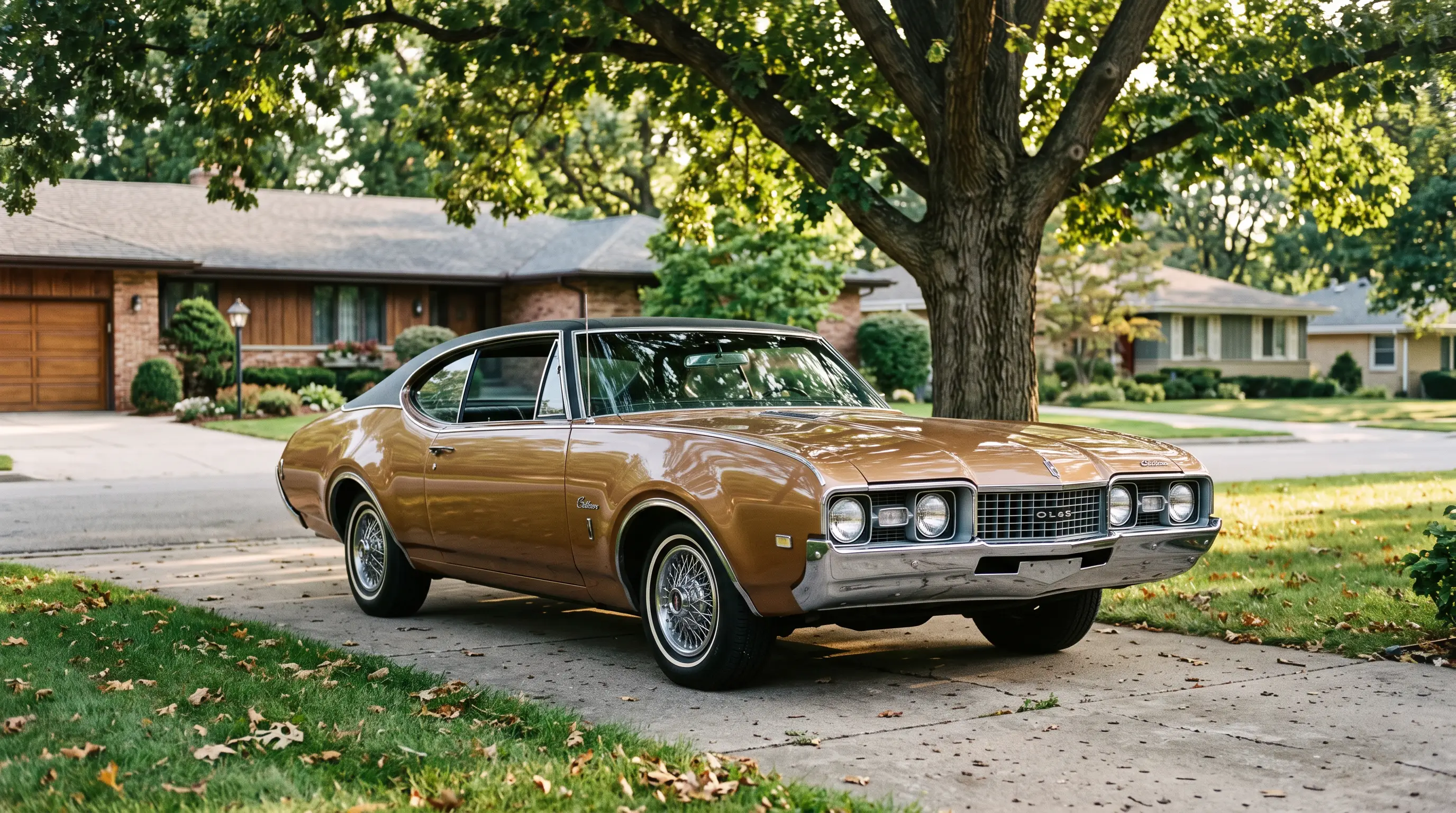
The 442 never chased the same youth-market noise as the GTO. Oldsmobile built its reputation on chassis engineering, and the 442 reflected that, a car that handled as well as it accelerated, with a suspension tune that road testers at the time consistently singled out as the best-balanced of the bunch. The W-30 package brought a functional cold-air induction hood and enough engine to compete on paper with anything Chevrolet or Pontiac could offer, but Oldsmobile marketed it to a buyer who wanted to be taken seriously rather than just seen.
That positioning is part of why the 442 still reads as the connoisseur's pick among people who've actually driven all four of these cars back to back. It's not the loudest story at the cruise night. It's the one the guy who's owned three of them tells you to trust.
Buick GS and GSX: the quiet gentleman's muscle car
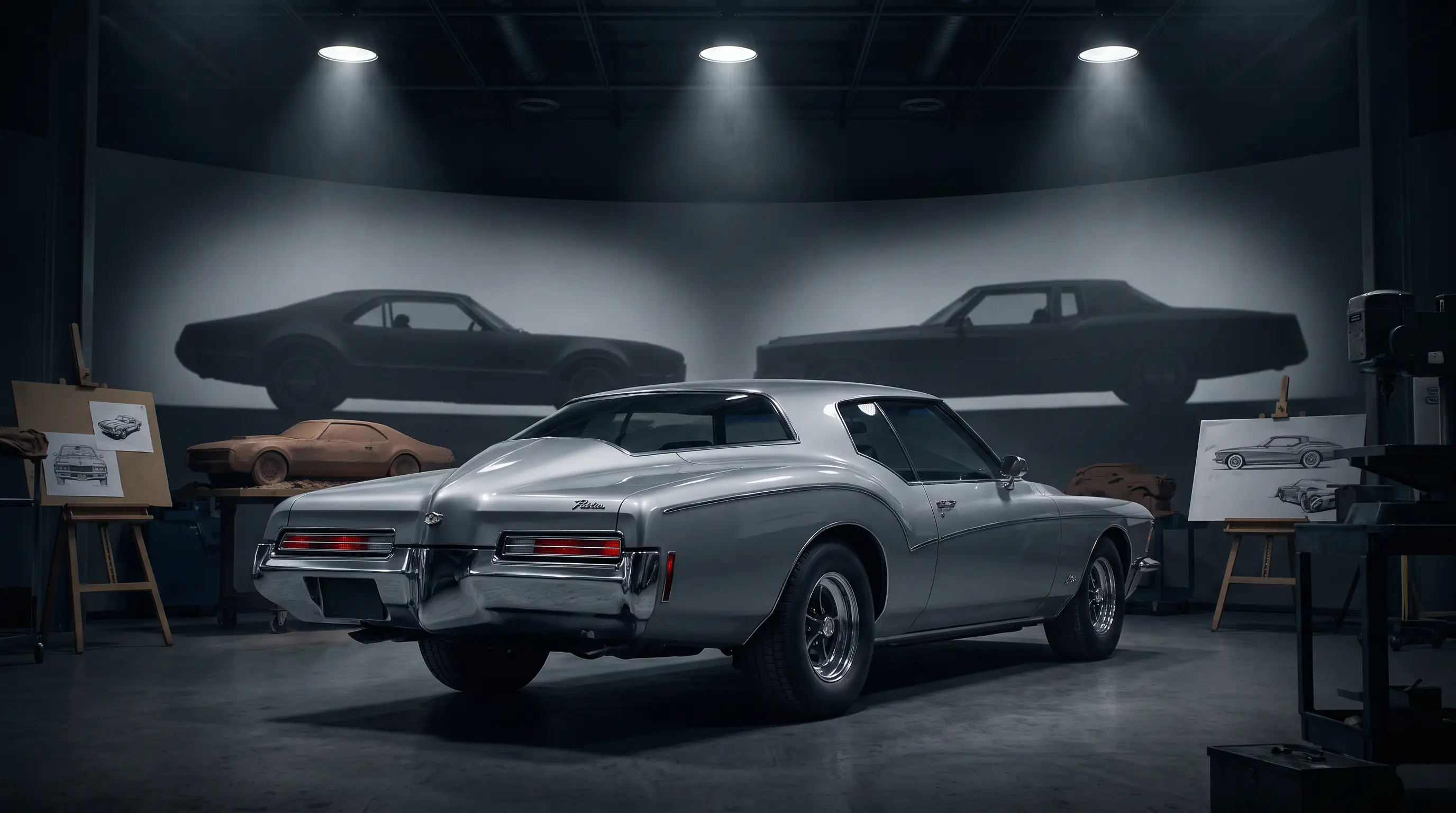
Buick came late to this fight and almost apologetically. The division's whole identity ran counter to the muscle car image, conservative buyers, older demographics, a brand built on comfort rather than stoplight bragging rights. The GS, and especially the GSX with its stripe kit and spoiler, was Buick admitting it could build something genuinely quick without fully abandoning what the brand stood for.
The GSX Stage 1's low-end torque numbers held their own against anything the other three divisions fielded, and road testers noted it pulled harder off the line than its modest reputation suggested. But Buick built comparatively few of them, and the brand's quieter marketing meant the GSX never captured the cultural space the GTO or SS454 did. Today that low production number is exactly what makes surviving, documented GSX cars some of the hardest A-body muscle to actually find.
Showroom versus street: what buyers actually chose
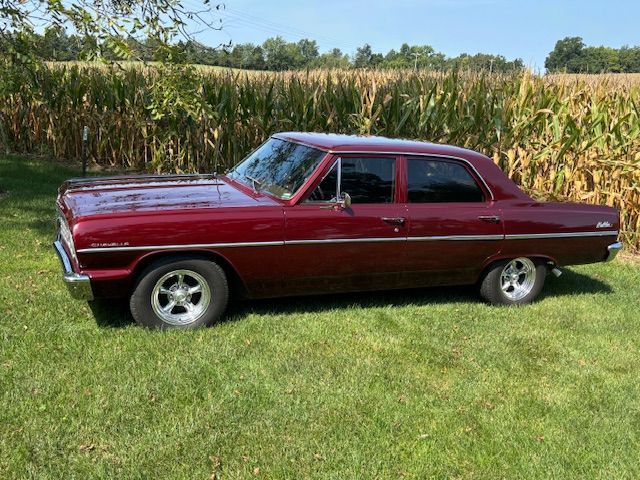
Sales figures tell a different story than enthusiast folklore usually does. Chevrolet's dealer network and lower base prices meant the SS outsold its rivals by a wide margin across most of these model years, simply because more Chevrolet dealers existed in more towns and the Chevelle's base price undercut a comparably equipped GTO or 442. Pontiac's GTO held the strongest brand cachet among younger buyers specifically chasing performance image. Oldsmobile's 442 buyer skewed a little older and more likely to cross-shop a BMW or a Mercedes coupe than a Plymouth. Buick's GS buyer was often trading up from a smaller Buick rather than trading down from something faster.
None of that made one car objectively better than another. It made them four different answers built for four different customers who happened to be shopping the same corporate parking lot.
"I've stood in driveways with four different owners of four different A-bodies, and every one of them insisted their car was the one that actually mattered. The wild part is they were all a little bit right. That's what a real rivalry looks like, not one winner, four people who never backed down."
— Patrick Walsh
Who won the war
There isn't a clean answer, and that's the honest one. On raw factory output, the Chevelle SS454 LS6 tops the chart among this group. On chassis balance, plenty of period road testers gave the nod to the 442. On cultural weight and the sheer volume of ink spilled over it, the GTO probably wins by a landslide it earned fair and square by going first. On rarity and the quiet surprise of what it could actually do, the GSX has aged into the sleeper pick that serious collectors now chase hardest.
What's undeniable is that this in-house rivalry pushed all four divisions harder than an outside competitor could have. Nobody wanted to lose a sale to their own sister brand. Buyers today are still living with the benefit of that internal pressure, four genuinely different, genuinely well-built performance cars from the same basic recipe, each one worth chasing for a different reason. That rivalry also shaped which of these cars survived in real numbers and which ones became genuinely scarce, a question worth following onward to Rare and Collectible Chevelles.
If you're leaning toward the Chevrolet side of that argument, it's worth going and looking at actual cars in person to see how the SS454 story holds up against everything its siblings offered. You can shop Chevelle SS listings and judge that for yourself.